Best Time To Visit Tokyo Month By Month 2026
Plan best time to visit tokyo month by month 2026 with top picks, neighborhood context, timing tips, and practical booking advice for a smoother trip.
On this page
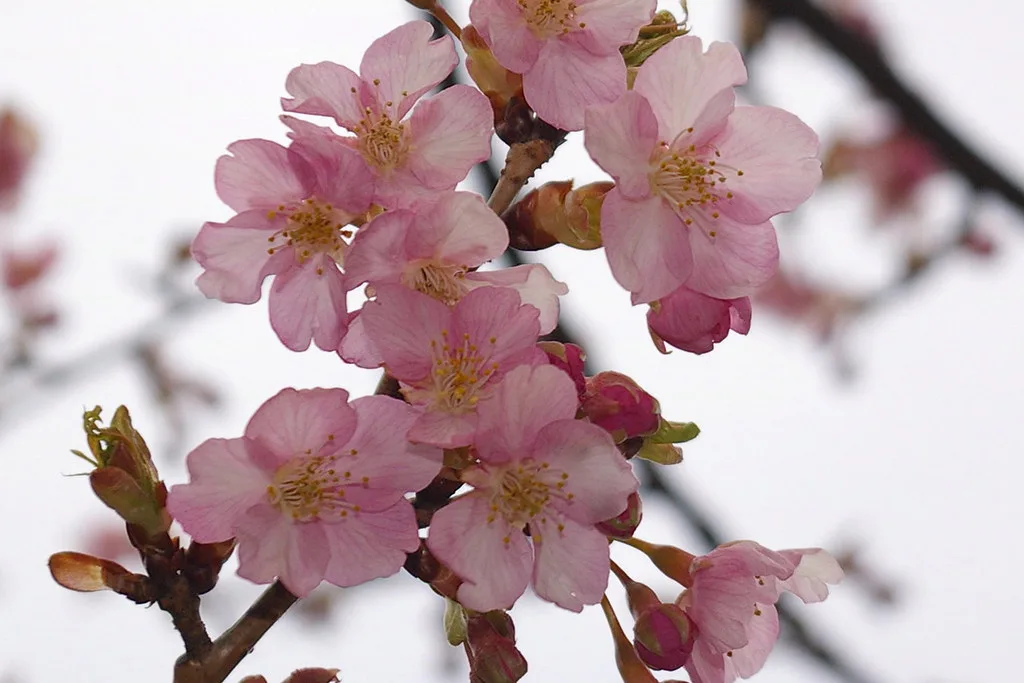
Late spring (late March to mid-April) and late autumn (November) are the best times to visit Tokyo. These months combine mild temperatures, low humidity, and the city's most spectacular natural scenery. Spring brings the famous cherry blossoms to every park and boulevard, while autumn turns the traditional gardens deep red and gold. Both seasons are busy, but the payoff for most visitors is worth the crowds.
That said, every month in Tokyo has something to offer. Summer delivers the city's biggest festivals. Winter gives you shorter queues, lower hotel rates, and clear views of Mount Fuji from the city's observation decks. This guide breaks down what to expect from January through December so you can match your trip to your priorities.
Late March to mid-April (cherry blossoms) and November (autumn foliage) are Tokyo's peak seasons. Book accommodation 3–5 months ahead for these windows, and expect both crowds and premium prices.
| Best Months | Late March–mid-April, November |
| Peak Season | April (cherry blossoms), November (autumn foliage) |
| Avoid | Golden Week (late April–early May), Obon (mid-August) |
| Cheapest | January–February, September |
| Worst Weather | August (31°C, high humidity) |
Tokyo Weather Month by Month: What to Expect
January and February are the coldest months, with daytime highs around 9–10°C and overnight lows dropping to 1–2°C. The air is dry and skies are often clear, which means excellent visibility across the city. Most businesses shut from December 29 to January 3 for the shogatsu New Year holiday — plan around this if you visit in early January. February brings plum blossoms to parks like Yushima Tenman-gu, a quieter preview of spring that most tourists miss.
March sees temperatures climb to around 13°C by day. Plum blossoms give way to early cherry blossoms in the final week of the month. April is peak tourism: the first week typically sees cherry blossoms at full bloom across Ueno, Yoyogi, and Shinjuku Gyoen, with daytime highs reaching 19°C. Book accommodation at least three to four months ahead for late March and early April. May is the hidden gem of Tokyo's calendar — warm (around 23°C), sunny, and far less crowded than April. Many experienced Japan travelers rate May as the single best month to visit.
June marks the start of tsuyu, the rainy season. Temperatures hover around 25°C but humidity begins to build. Afternoons bring frequent showers, so carry a compact umbrella. July is hot and humid (29°C average high) with the rainy season usually ending in the final week. August is the hottest month at 31°C — sightseeing can feel exhausting by midday. September moderates slightly to around 27°C and is considered low season for international tourists, so hotel prices drop.
October and November are the second-best window. October brings some of the year's clearest days with temperatures around 22°C. Late October sees the first autumn colours appear in the city's parks and gardens. November is when the foliage peaks — Koishikawa Koraku-en, Shinjuku Gyoen, and Ueno Park all turn spectacular shades of red and orange. December is cold (around 12°C) and relatively dry, with the city decorated for Christmas and New Year.
| Month | Avg High | Crowd Level | Prices | Highlight |
|---|---|---|---|---|
| January | 9°C / 48°F | Low | Low | Hatsumode, quiet temples |
| February | 10°C / 50°F | Low | Low | Plum blossoms |
| March | 13°C / 56°F | Medium–High | Medium | Early cherry blossoms (late March) |
| April | 19°C / 67°F | Very High | High | Peak cherry blossoms (early April) |
| May | 23°C / 74°F | Medium | Medium | Sanja Matsuri, Sanja festival |
| June | 25°C / 77°F | Low–Medium | Low | Rainy season starts |
| July | 29°C / 84°F | Low–Medium | Low | Sumida River Fireworks |
| August | 31°C / 88°F | Medium | Medium | Obon, Tokyo Pride |
| September | 27°C / 81°F | Low | Low | Tokyo Game Show |
| October | 22°C / 73°F | Medium | Medium | Chrysanthemum festivals |
| November | 16°C / 61°F | High | Medium–High | Peak autumn foliage |
| December | 12°C / 54°F | Low | Low | Year-end illuminations |
Must-See Seasonal Attractions in Tokyo
Cherry blossoms peak in late March at the beautiful Ueno Park. This is the most popular window for outdoor hanami (blossom-viewing) parties. The trees create a stunning canopy of pink over the main walkway. Review our 11 Best Spots and Timing Tips for Tokyo Cherry Blossoms 2026 for the best spots and timing advice.
Fireworks light up the summer sky in July. The Sumida River Fireworks Festival — held on the last Saturday of July — is one of Japan's largest displays, with over 20,000 shells fired across two launch sites in Asakusa. Plan to arrive before 17:00 to secure a good viewing spot along the river. Senso-ji Temple nearby glows under lantern light throughout the evening.
Autumn foliage is best viewed in November across the many landscaped city gardens. The colours typically peak in mid-to-late November for most Tokyo parks. Visit Koishikawa Koraku-en for traditional Edo-period garden design and some of the most photographed maple displays in the city. Check out other 25 Top Tokyo Attractions to fill out your seasonal itinerary.
January brings the hatsumode — the first shrine visit of the New Year. Meiji-jingu, Yasukuni, and Senso-ji are the most visited. The Imperial Palace inner grounds open briefly in early January and again on the Emperor's birthday in February, which are the only two days of the year the general public can enter the inner plaza.
Museums, Art, and Culture: Best Months to Visit
Rainy days in June and July are actually perfect for Tokyo's world-class indoor museums. The Tokyo National Museum in Ueno displays ancient artifacts and changes its featured exhibitions seasonally — the autumn exhibitions (October to November) tend to be the most prestigious. The Ghibli Museum in Mitaka is a must for animation fans; tickets must be booked months in advance through the Lawson ticket system. Find more Best Things To Do in Tokyo during the rainy months.
teamLab Borderless has relocated to a new permanent home in Azabudai Hills following the closure of the original Odaiba venue. The immersive digital art experience runs year-round, but winter evenings (December to February) create a particularly striking contrast between the warm digital light and the cold, dark streets outside. Book tickets online before your trip — walk-up entry is rarely available.
Art galleries in Roppongi, including the Mori Art Museum and the National Art Center, are air-conditioned and provide real relief from the summer heat. The Mori Art Museum is open until 22:00 on Tuesdays and Fridays, making it an ideal evening stop in any season. Culture lovers will find Tokyo consistently inspiring regardless of the month, but spring and autumn gallery programming is typically the most ambitious.
Parks and Gardens: When to Go Outdoors
Ueno Park is the city's central hub for nature and seasonal events. Thousands of sakura trees provide the backdrop for late-March and early-April hanami. In November, the park's ginkgo alleys turn bright yellow before the leaves fall. Shinjuku Gyoen covers 58 hectares and offers a quieter alternative to Ueno for cherry blossom viewing — it also stays open later during the spring season (until 18:30). Entry costs ¥500 for adults.
Hama-rikyu Gardens features a unique seawater pond that rises and falls with the tides. You can enjoy traditional matcha tea at the teahouse built over the water for ¥700, including tea and a sweet. The contrast between the Edo-era garden and the surrounding skyscrapers of Shiodome is most dramatic on clear autumn days. Access is straightforward by ferry from Asakusa — a 40-minute river journey that gives you a different perspective of the city.
February is worth highlighting for the plum blossoms at Yushima Tenman-gu and Koganei Park. Plum blossom season runs roughly from mid-February to early March and attracts far fewer tourists than the cherry blossom season that follows. Temperatures are cold but manageable, and the combination of red-and-white blossoms against a clear blue sky makes for outstanding photography without the crowds.
Family-Friendly and Budget-Friendly Tokyo by Season
Tokyo Disneyland and DisneySea run seasonal events throughout the year. Spring and autumn offer the most comfortable conditions for families, with moderate temperatures and full operations across all rides. Halloween season (September to early November) adds themed decorations and events across both parks. January to early March is the least crowded period — some outdoor attractions are closed in cold weather, but wait times can drop to a fraction of the summer and spring peaks. Avoid late April through early May (Golden Week) and mid-August (Obon), when the parks are at their most packed and queues for popular attractions can exceed 90 minutes.
Ueno Zoo is a free-admission option for Tokyo residents under 13 and costs ¥600 for adults. The giant panda enclosure draws the longest queues on weekends and school holidays — visit on a weekday morning in January or February for the shortest waits. Explore the 10 Essential Chapters for Your Tokyo Food Guide 2026 for affordable meal options near the major family attractions.
The free Tokyo Metropolitan Government Building observation decks in Shinjuku offer skyline views at no cost. On clear winter days (typically December to early February), Mount Fuji is visible from the north tower. Budget-conscious travelers should also know that many of Tokyo's most compelling experiences — walking Yanaka's old townscape, crossing Shibuya Crossing at night, exploring Tsukiji Outer Market — cost nothing at all.
Best Times for Fewer Crowds and Lower Prices
January and February offer the most affordable conditions for Tokyo travel. International flight prices fall sharply after the New Year rush, and hotel rates in central areas like Shinjuku and Shibuya can drop by 30–50% compared to peak spring. The city is noticeably quieter at major landmarks, which makes for a more relaxed experience at places like Senso-ji and the Meiji-jingu complex. Winter days are often clear and sunny — ideal for photography.
September is another underrated window. It sits between the summer heat and the autumn foliage surge, making it low season for international visitors. Hotel availability is high and prices are competitive. The weather at the start of the month can still be warm, but by late September conditions moderate to something very comfortable. The Tokyo Game Show takes place in mid-September at the Makuhari Messe convention centre, a worthwhile side trip for anyone interested in Japanese gaming culture.
Avoid Golden Week (late April to early May) and the Obon holiday period (mid-August) if crowds and cost are a concern. During Golden Week, it is not just Tokyo that fills up — the shinkansen bullet trains between Tokyo, Kyoto, and Osaka book out weeks in advance. This is the detail most planning guides understate: even if you are flexible about accommodation, your ability to travel between cities mid-trip becomes severely constrained during Golden Week. Reservations on popular Nozomi and Hikari services can sell out 30 days ahead. If your trip overlaps with Golden Week, book shinkansen seats the moment they open — exactly one month before departure at 10:00 JST.
Worst Time to Visit Tokyo
August is the hardest month for most visitors. Daytime temperatures reach 31°C (88°F) and the heat index can feel closer to 38–40°C due to high humidity and the urban heat island effect. Extended outdoor sightseeing — walking between temples, lining up at popular spots, navigating busy train stations — becomes genuinely draining within a couple of hours. The Obon holiday in mid-August also means long-distance transport is packed with domestic travelers heading to their hometowns.
That said, August is not without merit. There are fewer foreign tourists than in spring or autumn, which means some attractions feel more local. Summer festivals are at their peak, and the energy across the city's entertainment districts is high. If August is your only option, adjust your approach: go out early (before 09:00), move indoors during the 12:00–15:00 heat, and save outdoor walks for the evening. Keep cooling towels and electrolyte drinks on hand from any convenience store.
September introduces typhoon risk. Most storms track across the Pacific and dissipate before reaching Tokyo, but an active season can bring service disruptions to trains and flights. Check the Japan Meteorological Agency forecast daily if you visit between August and October. Travel insurance that covers delays is worth the cost during this window.
August is exhausting for outdoor sightseeing: heat index 38–40°C, peak humidity, and Obon crowds. If you must visit, start days before 09:00, move indoors during 12:00–15:00, and carry cooling towels and electrolyte drinks from convenience stores.
Weather in Japan by Month: Tokyo, Kyoto, Osaka
Tokyo's climate is relatively mild due to its coastal position. The Pacific Ocean moderates the temperature extremes, which means spring and autumn are long and comfortable — and all four seasons are viable for travel. Kyoto, by contrast, sits in an inland basin. That geography traps summer heat and winter cold more severely: Kyoto's August highs regularly exceed 36°C, and its winters bring occasional snow that Tokyo rarely sees. If you plan to split a trip between both cities, the timing implications are real. A visit in late June, for example, would expose you to Kyoto's heavy rainy-season humidity while Tokyo's conditions are merely warm.
Osaka sits between the two in climate terms. Summers are hot (above 30°C) but winters are mild, with daytime temperatures rarely dropping below freezing. This makes Osaka a reasonable winter destination in a way Kyoto is not, particularly if you want to enjoy the city's food scene without needing heavy cold-weather gear. Spring and autumn are equally strong for all three cities, though Kyoto's temple gardens mean autumn foliage there is considered the finest in Japan.
For a single-city Tokyo trip, the month-by-month breakdown earlier in this guide covers everything you need. For a multi-city itinerary, factor in that cherry blossom timing in Tokyo and Kyoto is roughly the same (late March to early April), while autumn foliage peaks in Kyoto about a week later than Tokyo — typically mid-to-late November. Check the Tokyo Weather By Month: 2026 Climate & Planning Guide guide for detailed monthly averages.
How to Plan Your Tokyo Visit Efficiently
Use a prepaid IC card (Suica or Pasmo) for seamless travel on all city trains, buses, and even convenience store purchases. Trains are the most efficient way to navigate the sprawling metropolis. Learn more about Getting Around Tokyo: Complete Subway & Train Transport Guide 2026 before you arrive. The Yamanote Line loops the city's main districts in under an hour and is the single most useful line for tourists.
Start your day early to beat the crowds at popular temples and gardens. Senso-ji in Asakusa is far more atmospheric at 07:00 than at 11:00. Plan your route neighbourhood by neighbourhood rather than jumping across the city — Tokyo's districts reward depth over breadth. Carry your rubbish with you, as public bins are scarce; convenience stores are your best option for disposing of small waste.
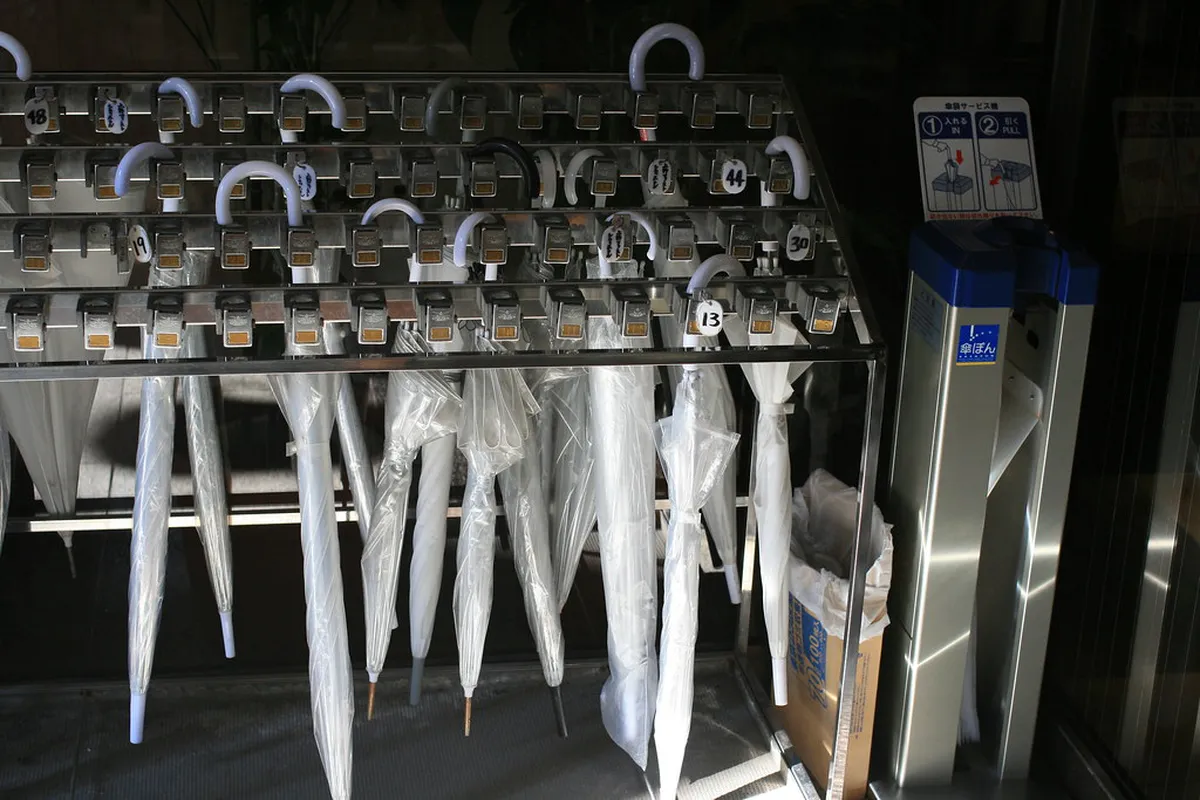
Wear shoes that slip on and off easily. You will remove your footwear at traditional restaurants, ryokan, and some temple interiors. Comfortable walking shoes are the most important item in your bag regardless of season. On rainy days, a compact umbrella from a 100-yen shop or convenience store is far more practical than the large golf-style umbrellas sold at tourist areas for ¥800–1,000.
Check Hotel Availability and Booking Tips
Booking early is essential for the peak spring and autumn seasons. Popular neighbourhoods like Shinjuku and Shibuya fill up many months ahead. Review our guide on Where to Stay in Tokyo: 10 Best Neighborhoods for neighbourhood tips. For cherry blossom season (late March to early April), three to five months of lead time is the realistic minimum for central hotels.
Stay within walking distance of a Yamanote Line station for the best access to all major areas. Shinjuku offers the widest transport connections in the city and is practical in every season. Business hotels such as Dormy Inn and Super Hotel chains offer excellent value — clean, well-located, and typically ¥8,000–14,000 per night for a single room. Capsule hotels and guesthouses bring the cost lower still, from around ¥3,000–6,000.
For low season (January, February, June, September), last-minute bookings are sometimes possible and prices can be very competitive. That said, the most characterful ryokan and boutique properties in areas like Asakusa and Yanaka still fill quickly even off-peak. Always read recent reviews to confirm cleanliness and proximity to the nearest train station.
Continue planning with Tokyo Trip Planner 2026: Attractions, Neighborhoods and Itineraries.
Frequently Asked Questions
When is the cheapest time to visit Tokyo?
The cheapest time to visit Tokyo is during the winter months of January and February. Flight prices and hotel rates drop significantly after the New Year holidays. You can save a lot of money while enjoying fewer crowds at major tourist spots.
Is April a good month to visit Tokyo?
April is an excellent month to visit Tokyo for cherry blossoms and mild weather. However, it is also one of the busiest and most expensive times for tourists. You should book your accommodation many months in advance to secure a room.
What is the worst month to visit Tokyo?
August is often considered the most difficult month due to extreme heat and high humidity. Many travelers find the weather draining for full days of outdoor sightseeing. If you dislike heat, avoid the peak summer weeks in late July and August.
Tokyo is a spectacular destination regardless of when you choose to visit. Each month offers a unique perspective on Japanese culture and city life. By planning around the weather and crowds, you can have a perfect trip. Remember to book your hotels early for the best possible experience.
Whether you want pink blossoms or red leaves, Tokyo will not disappoint. Use this month-by-month guide to align your trip with your personal interests. Safe travels as you explore one of the world's most exciting cities. We hope your 2026 journey to Tokyo is truly unforgettable.
Free: The Tokyo Essentials guide
Top things to do, where to stay, a perfect day plan, getting around, and the best time to go — a Tokyo mini-guide you can take offline.
You might also like
Continue reading
More guides you'll find useful