
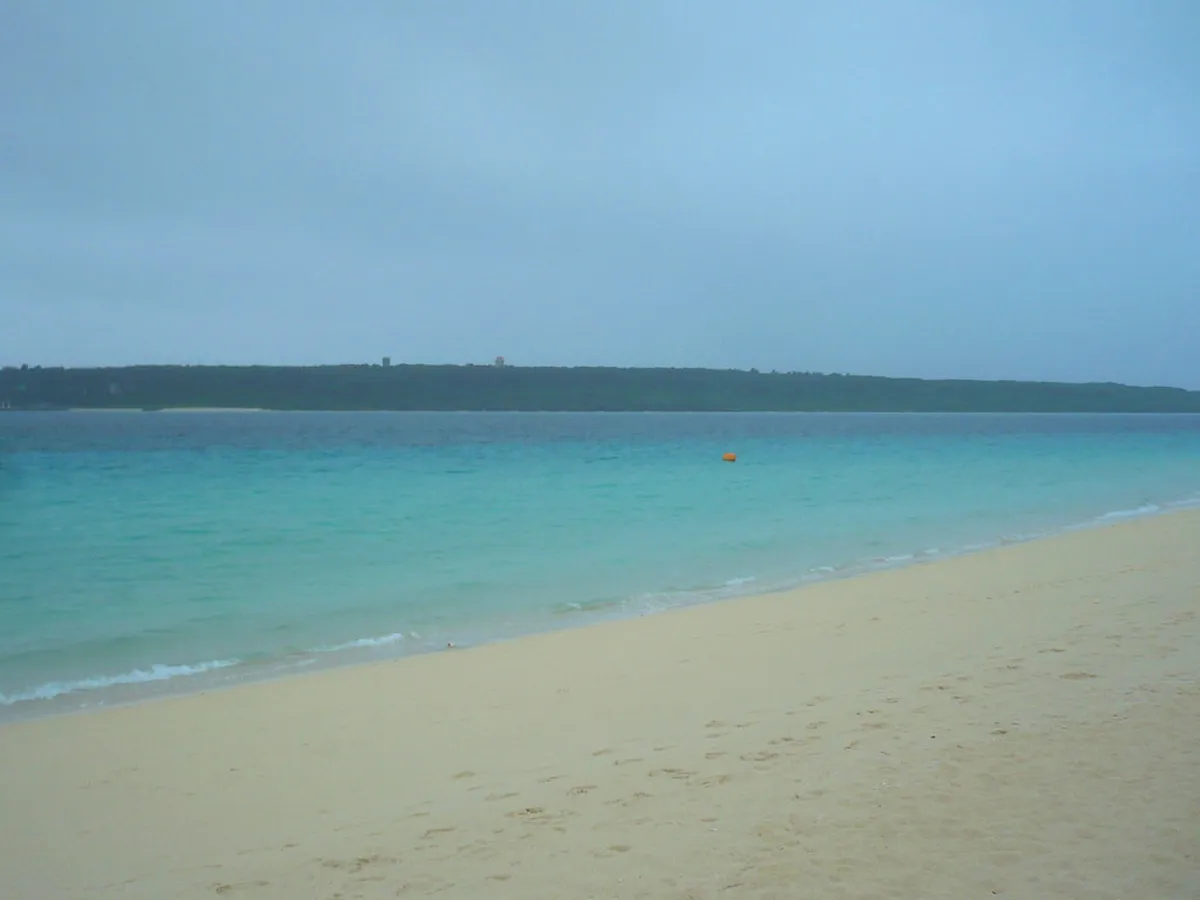
Yonaha Maehama Beach
Miyako's showpiece — a 7-kilometre ribbon of powder-white sand and shallow turquoise water on the southwest coast, long dubbed 'the best beach in the Orient', with the Kurima bridge on the horizon.
Visitor guide →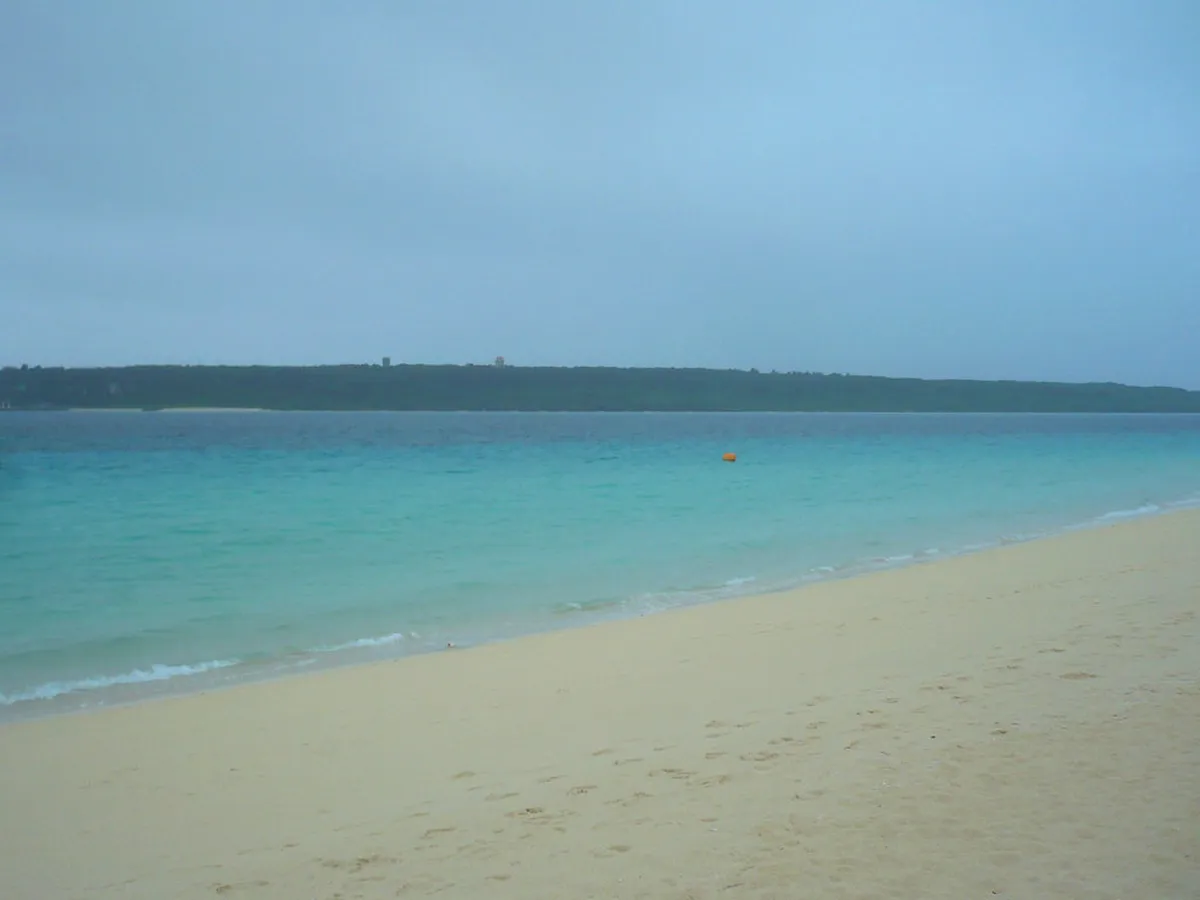
Miyakojima attractions and things to do in Miyako Island for 2026 — top beaches, Irabu Ohashi bridge, Higashi-Hennazaki cape, snorkelling spots, an itinerary and getting-there tips.
Miyakojima attractions run on a different scale to the rest of Okinawa: no mountains, no old town, just flat coral-limestone islands ringed by some of the clearest water in Japan and stitched together by toll-free bridges long enough to disappear into the horizon. Things to do in Miyako Island are almost all outdoors — a 7-kilometre beach, a glowing blue sea cave, a cape where two seas visibly meet — and nearly every one of them is free or costs a few hundred yen. We've narrowed the field to the 6 sights that consistently reward the trip, each linking to a full visitor guide with verified opening hours, current pricing, and the tips that don't make it into the official brochures. The sections below add the practical layer: how to string the sights into an itinerary, when to fly in, and what else is worth the detour.
Miyako's showpiece — a 7-kilometre ribbon of powder-white sand and shallow turquoise water on the southwest coast, long dubbed 'the best beach in the Orient', with the Kurima bridge on the horizon.
Visitor guide →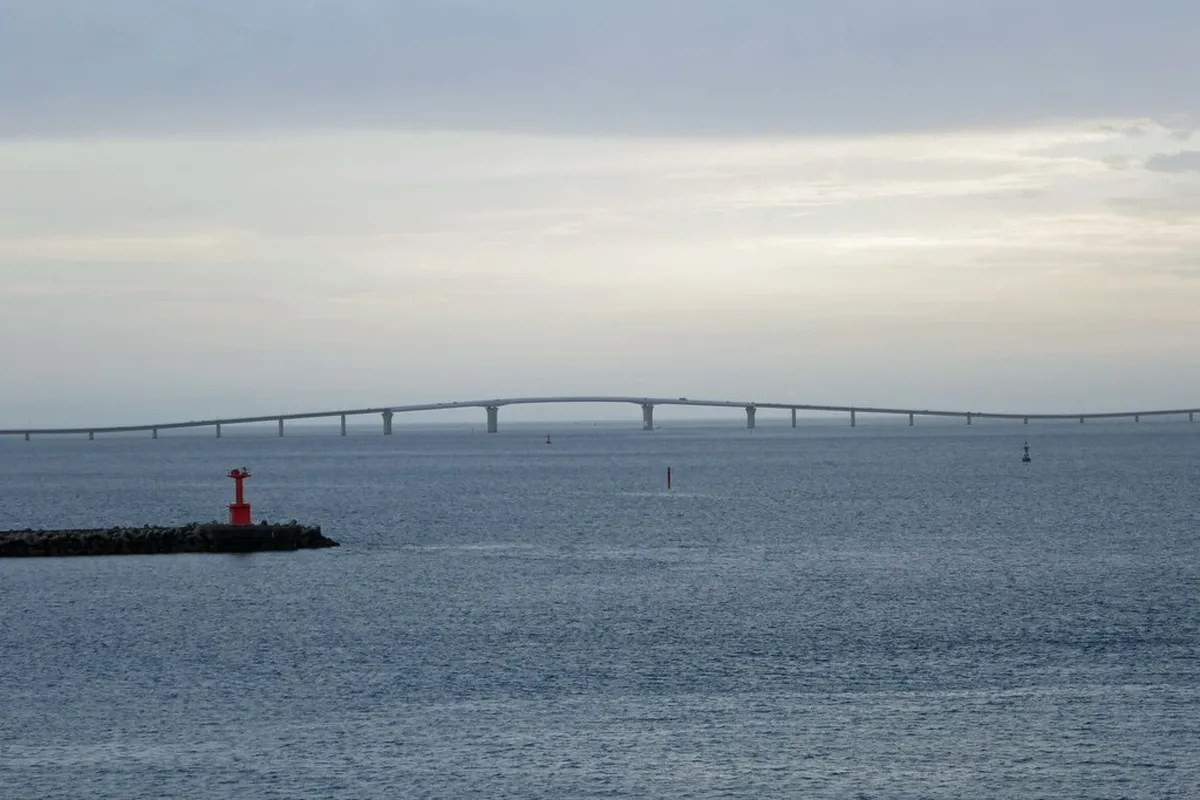
Japan's longest toll-free bridge — a 3.5-kilometre sweep of white concrete arcing across a glowing turquoise lagoon to link Miyako with Irabu Island, an unforgettable drive and photo stop.
Visitor guide →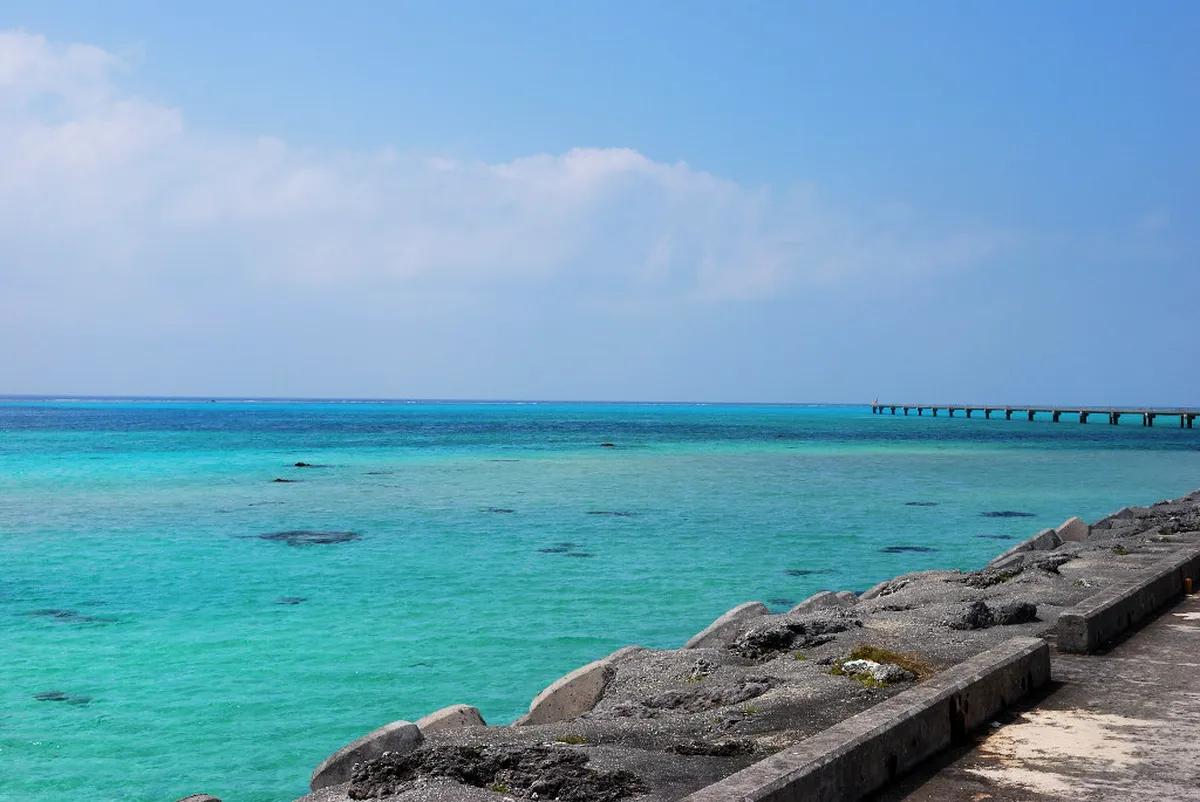
Shimoji's glowing grotto — a sea cave off western Miyako where light through an underwater arch lights the water electric blue, one of Okinawa's top snorkel and dive sites.
Visitor guide →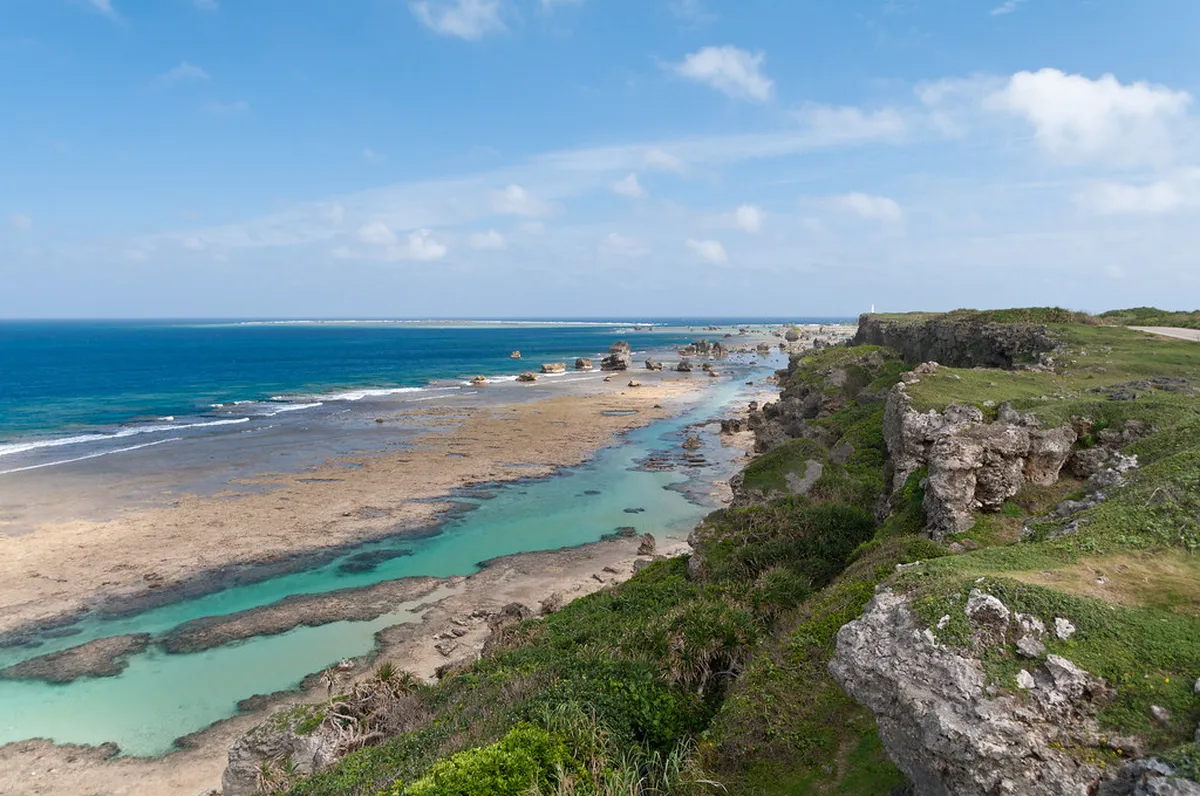
Miyako's dramatic southeast tip — a slender two-kilometre cape of grassland and cliffs, a designated Place of Scenic Beauty, with a climbable lighthouse and 360-degree views where two seas meet.
Visitor guide →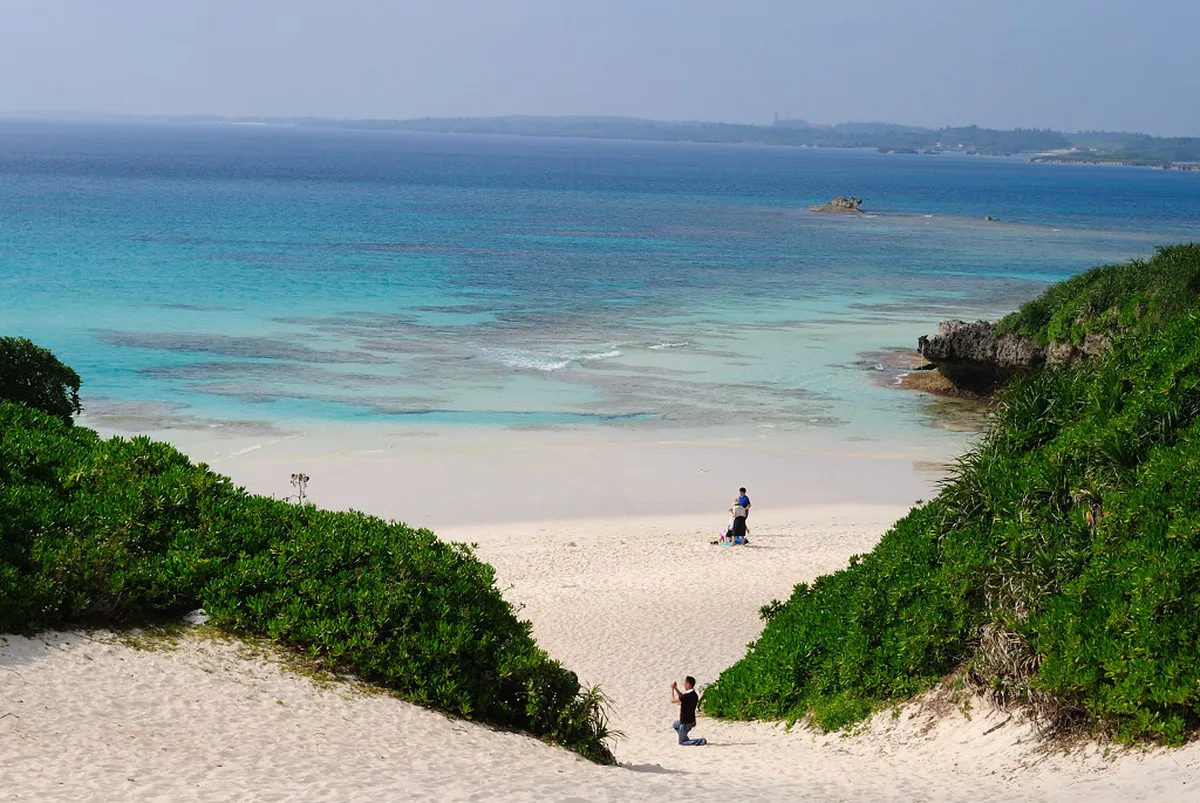
Miyako's most photogenic little cove — reached over a soft sand dune, Sunayama is framed by a natural rock arch that perfectly frames the turquoise water and sunset.
Visitor guide →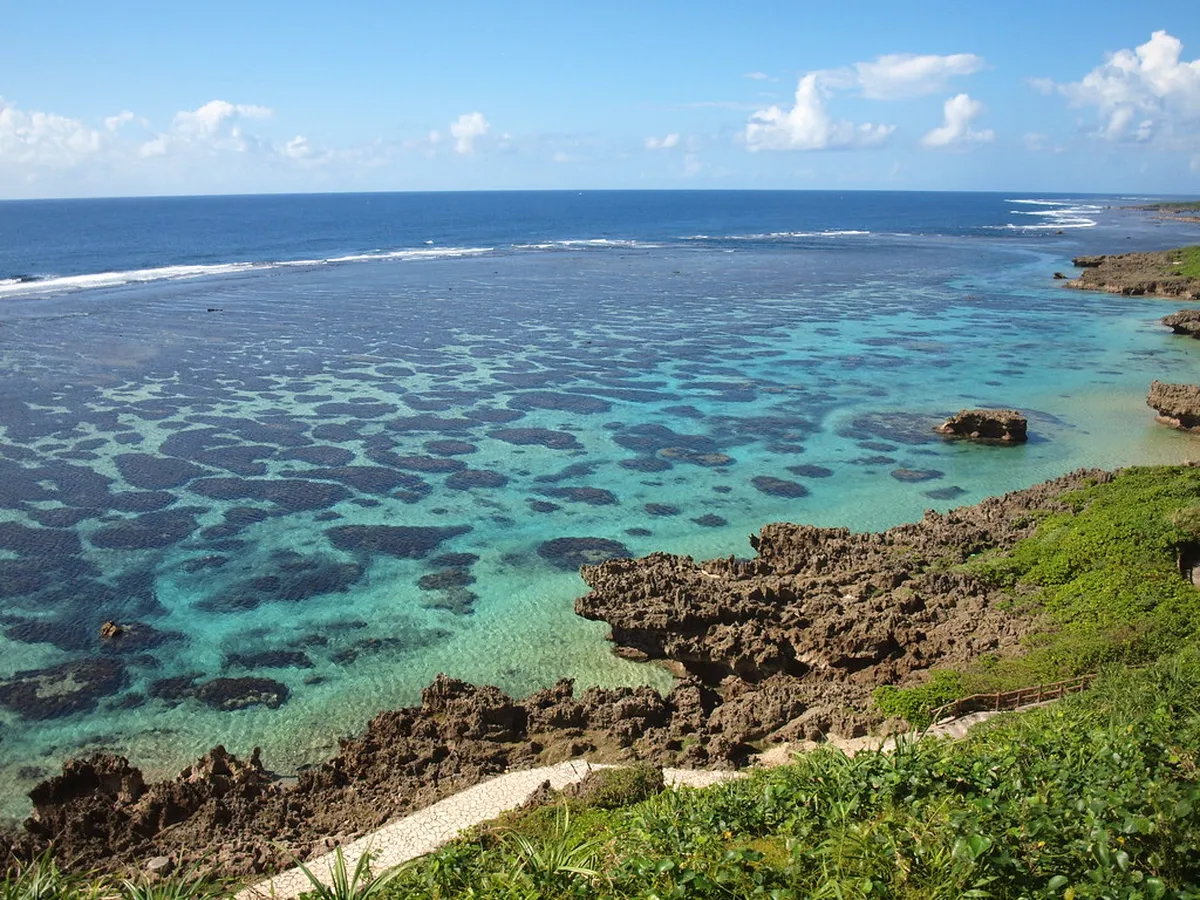
A calm natural lagoon on Miyako's southeast coast — rocky arms shelter clear shallow water full of coral and fish, making Imgya one of the island's safest, family-friendliest snorkel spots, ringed by walking paths and lookouts.
Visitor guide →Beaches are the reason most people search "Miyakojima attractions" in the first place, and the island doesn't disappoint. Yonaha Maehama Beach is the headline act — a 7-kilometre ribbon of powder-white sand on the southwest coast that's been called "the best beach in the Orient," with the Kurima Ohashi bridge arcing across the turquoise water on the horizon. It's wide enough that even in peak season you can walk a few minutes from the car park and have a stretch of sand to yourself.
Sunayama Beach, near the airport on the west coast, is smaller and more photogenic — a natural rock arch frames the water and makes it the island's best sunset spot, reached by a short walk over a sand dune from the car park. Imgya Marine Garden, on the southeast coast, is the calmest of the three: rocky arms shelter a shallow lagoon full of coral and reef fish, which makes it the safest pick for families and first-time snorkellers who don't want open-water currents.
Irabu Ohashi Bridge is the engineering centrepiece of any Miyako Island trip — at 3.5 kilometres it's Japan's longest toll-free bridge, sweeping across a glowing turquoise lagoon to connect Miyako with Irabu Island. Driving it at midday, when the water shifts through bands of turquoise and navy, is a stop-the-car moment even for visitors who've seen a hundred bridge photos online.
Irabu itself connects onward by a short causeway to Shimoji Island, home to the Shimoji Island Blue Cave — a sea cave where light through an underwater arch turns the interior electric blue. It's one of Okinawa's top snorkel and dive sites, reachable by a short swim-in for confident swimmers or a guided tour for everyone else, and it pairs naturally with a full loop of the Irabu-Shimoji road network in a single half-day.
Higashi-Hennazaki Cape is Miyako's dramatic southeast tip — a slender 2-kilometre finger of grassland and cliff, protected as a designated Place of Scenic Beauty, where the Pacific Ocean and the East China Sea visibly meet on either side of the walking path. The 24.5-metre lighthouse at the tip is climbable for ¥300 and gives a 360-degree view that's worth the small fee, especially at sunrise before the tour buses arrive. Most other viewpoints on the island — the overlook near Irabu Ohashi, the dune above Sunayama — cost nothing at all, which is typical of Miyakojima attractions generally: the sights are natural, not built, so entry is rarely charged.
Miyako's reefs are less crowded than Okinawa's main island and the visibility regularly exceeds 20 metres, which is why dive operators across Japan send clients here specifically. Guided boat tours into the Shimoji Island Blue Cave run roughly ¥5,000–12,000 per person depending on group size and whether gear and photos are included, and most operators run both snorkel and scuba versions of the same trip. For a lower-commitment, no-boat option, Imgya Marine Garden's sheltered lagoon lets you snorkel straight off the beach, and the reef around Yonaha Maehama's northern end is walkable at low tide. Bring your own mask if you have one — rental gear at the smaller beach kiosks is serviceable but thin on sizes.
Day 1 — south and central Miyako: start at Yonaha Maehama Beach in the morning before the heat builds, then drive north to Sunayama Beach for sunset and the rock arch.
Day 2 — Irabu & Shimoji: cross Irabu Ohashi Bridge mid-morning when the light is best for photos, continue to Shimoji Island and book a snorkel or dive tour into the Blue Cave, then loop back over the bridge before dinner.
Day 3 — east coast: catch sunrise at Higashi-Hennazaki Cape, climb the lighthouse, then finish with a relaxed snorkel at the sheltered Imgya Marine Garden lagoon nearby before heading to the airport. Travellers with a fourth day typically add a slower loop of the traditional villages inland or a second dive day on Shimoji.
Miyakojima is reached by air, not by ferry or train — there's no rail network on the island at all. Miyako Airport (MMY) sits close to the main town and Hirara port, while Shimojishima Airport (SHI), on the northwest side near Irabu, has grown into a second gateway with direct flights from Naha, Tokyo and several regional cities. Both airports have on-site rental car counters, and a rental car is effectively essential: public buses run infrequently and don't reach most of the beaches or the Irabu-Shimoji loop on a useful schedule. Book a car in advance for visits during Golden Week (late April–early May) or the July–August peak, when the smaller agencies sell out first.
April to June is the shoulder season sweet spot — the rainy season is short and light compared with mainland Japan, the water is already warm enough to snorkel, and the beaches are far less crowded than in midsummer. July and August bring the best swimming temperatures and the fullest dive-boat schedules, but also the most visitors and the highest typhoon risk of the year; build a spare day or two into any summer itinerary in case a storm grounds flights or cancels boat tours. September and October carry a real chance of typhoons too, so check forecasts before booking non-refundable activities. November through March is quieter and cooler — not ideal for swimming, but a good window for the drives, the cape, and the bridges without the crowds.
Miyakojima is known for having some of the clearest ocean water in Japan, anchored by Yonaha Maehama Beach's 7 kilometres of white sand, the 3.5-kilometre toll-free Irabu Ohashi Bridge, and dive-quality reefs like the Shimoji Island Blue Cave — all on a flat coral-limestone island with no mountains.
Three days is enough to cover the main beaches, Irabu Ohashi Bridge, and one dive or snorkel outing at a comfortable pace. Four to five days lets you add the Blue Cave, the traditional villages inland, and a second day on the water without rushing.
Yes. Public bus routes are limited and don't reliably reach the beaches, the Irabu-Shimoji loop, or Higashi-Hennazaki Cape on a visitor-friendly schedule. Nearly every itinerary on the island assumes a rental car picked up at Miyako Airport or Shimojishima Airport.
By air only — there's no train or passenger ferry service to the island. Flights land at Miyako Airport (MMY) near Hirara town or at Shimojishima Airport (SHI) near Irabu, both with direct connections from Naha, Tokyo, and other regional Japanese cities.
Yes. Irabu Ohashi is Japan's longest toll-free bridge at 3.5 kilometres, so crossing it costs nothing beyond fuel — it's simply a public road connecting Miyako to Irabu Island.
Walking the cape itself is free. Climbing the 24.5-metre lighthouse at the tip costs ¥300, and it's the one paid attraction among Miyakojima's major natural sights.
No. Most operators run a snorkel version of the Blue Cave tour alongside the scuba option, so non-divers can see the illuminated cave from the surface. Guided tours typically run ¥5,000–12,000 per person depending on group size and whether gear is included.
April to June offers warm water, a short rainy season, and lighter crowds than midsummer. July and August have the best swimming conditions but the highest typhoon risk and biggest crowds; November to March is cool and quiet, better suited to sightseeing than swimming.
For the broader travel-planning layer around these attractions, see the companion guides: the Miyakojima things-to-do overview, a full Miyakojima itinerary for pacing a multi-day trip, the Miyakojima beaches guide for a deeper beach-by-beach breakdown, and the parent Okinawa attractions guide for planning Miyako alongside the rest of the prefecture.