
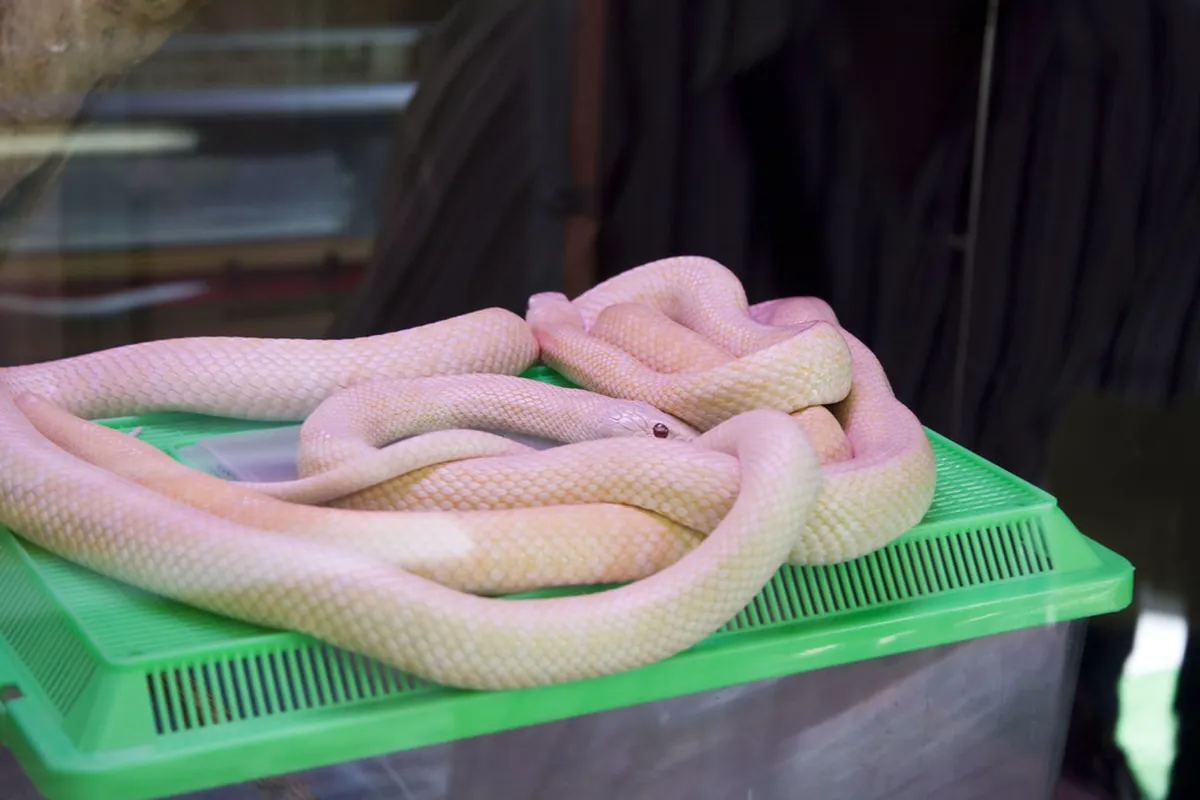
The Iwakuni White Snake Museum offers a rare look at Japan's unique albino serpents. These creatures are protected as a national natural treasure and hold deep spiritual meaning. Visitors can learn about their biology and history through interactive exhibits and live viewings. This guide helps you navigate the facility and surrounding landmarks for a perfect day trip.
Exploring the city of Iwakuni reveals a blend of natural beauty and historical intrigue. The white snakes are central to local folklore and are believed to bring good fortune. You will find the museum conveniently located near other major historical sites. Planning your visit ensures you see these majestic animals while enjoying the rest of the city.
Must-See Iwakuni Attractions
No trip to this region is complete without crossing the iconic Kintai Bridge. This five-arched wooden structure serves as a gateway to the city's historical district. Travelers often walk across the bridge to reach the museum and the castle grounds. The view of the river against the mountains provides a stunning backdrop for photos.
High above the river sits Iwakuni Castle, which offers panoramic views of the Seto Inland Sea. You can reach the peak via a scenic ropeway or a vigorous hiking trail. The castle houses a collection of ancient armor and swords for history enthusiasts. Combining these sites with the snake museum creates a well-rounded itinerary.
The white snakes themselves are the stars of the local cultural landscape. These snakes are a natural mutation of the Japanese rat snake found specifically in this area. Locals have protected them for centuries as messengers of the gods. Seeing them in person helps you understand why they are so revered.
- The Historic Kintai Bridge
- Type: Timber arch bridge
- Best for: Scenic photography
- Where: Across Nishiki River
- Cost: Small entry fee
- Iwakuni Castle Peak
- Type: Reconstructed mountain castle
- Best for: Panoramic city views
- Where: Top of Mt. Shiroyama
- Cost: Entry fee required
Museums, Art, and Culture in Iwakuni
The Iwakuni White Snake Museum Official Website provides the latest updates on exhibit schedules. Inside the facility, you will find modern displays that explain the genetics of albinism. Life-sized models and high-definition videos make the learning process engaging for all ages. The museum also features historical documents showing the snakes' role in local agriculture.
Interactive touch screens allow visitors to explore the lifecycle of these rare reptiles. You can see live snakes resting in carefully maintained enclosures that mimic their natural habitat. Observation windows provide a clear view without disturbing the animals' daily routines. Museum staff are often available to answer questions about snake conservation efforts.
The cultural section of the museum highlights the spiritual connection between the snakes and the community. Artistic scrolls and traditional paintings depict the snakes as symbols of prosperity. Many visitors find the blend of science and folklore to be the highlight of the tour. The quiet atmosphere inside allows for a deep appreciation of these unique creatures.
Parks, Gardens, and Outdoor Spots in Iwakuni
Just outside the museum lies Kikko Park, a sprawling green space perfect for relaxing. The park was once the residence of the Kikkawa family, the former lords of the domain. Beautiful fountains and seasonal flower beds line the walking paths throughout the year. It serves as a central hub connecting the bridge, the museum, and the ropeway station.
Cherry blossoms transform the park into a pink wonderland during the early spring months. In autumn, the changing leaves provide a vibrant contrast to the historic stone walls. Families often gather here for picnics or to watch the local cormorant fishing demonstrations. The open spaces offer a peaceful break between visiting indoor museum exhibits.
Small shrines dedicated to the white snakes are tucked away in quiet corners of the park. These spots allow for a moment of reflection away from the main tourist crowds. Walking through the gardens reveals the careful preservation of the city's natural heritage. The park is free to enter, making it a great budget-friendly addition to your day.
Family-Friendly and Budget-Friendly Options in Iwakuni
Families can save money by purchasing a combination ticket for multiple local attractions. This pass usually covers the bridge, the Iwakuni Castle Ropeway, and the castle entry. Children often enjoy the interactive games found inside the white snake facility. The museum's layout is stroller-friendly, which helps parents with younger kids.
Budget travelers will appreciate the many free sights available in the historical district. Walking through the samurai residence ruins costs nothing and offers great historical insight. You can also view the white snakes at outdoor observation pens for a smaller fee. Local food stalls near the bridge offer affordable snacks like soft-serve ice cream with many flavors.
Planning a trip during the off-season can lead to lower costs for local experiences. Many shops offer discounts to visitors who show their castle or museum ticket stubs. Checking for group rates is another way to keep your travel expenses low. The city is very walkable, so you can save on transportation costs within the main zone.
How to Plan a Smooth Iwakuni Attractions Day
Starting your day early helps you avoid the largest crowds at the Kintai Bridge. Most attractions open around 9:00 AM, providing ample time for a full day of exploring. The museum is located at 2-6-52 Yokoyama, Iwakuni, Yamaguchi Prefecture, JAPAN. You can easily walk to the museum from the bridge in about five to ten minutes.
Seeing the Iwakuni White Snake in winter offers a cozy and quiet indoor experience. The snakes remain active in their heated tanks even when the outdoor air is chilly. Winter visitors often enjoy the lack of queues and the peaceful atmosphere of the park. Be sure to wear warm layers as the walk between sites can be quite breezy.
Public buses run frequently from Iwakuni Station to the Kintai Bridge area. The ride takes about fifteen minutes and is very affordable for most travelers. Taxis are also available if you prefer a direct route to the museum entrance. Double-check the return bus schedule to ensure a smooth trip back to the station.
Brown Marmorated Stink Bug – Wildlife of Japan
The Brown Marmorated Stink Bug is a common sight in many parts of Japan. These insects are known for their shield-shaped bodies and mottled brown patterns. They often seek shelter inside buildings when the weather begins to turn cold. While they are harmless to humans, they can release a strong odor if disturbed.
Travelers may notice them on window screens or near light fixtures in rural hotels. It is best to gently move them outside rather than crushing them to avoid the smell. They feed on a wide variety of fruits and vegetables in local gardens. Understanding their behavior helps you stay calm if you encounter one during your trip.
Local farmers monitor these bugs closely to protect their seasonal harvests. Their population tends to peak in the late summer and early autumn months. You might see them more frequently near the forested areas surrounding Iwakuni Castle. They are a natural part of the local ecosystem despite being a nuisance to some.
Horned Green Stink Bug – Wildlife of Japan
The Horned Green Stink Bug is easily identified by its vibrant emerald color. It features sharp points on its shoulders that look like tiny horns. This species prefers the lush vegetation found in Japan's many parks and forests. You might spot them resting on leaves while walking through Kikko Park.
These bugs are less likely to enter homes compared to their brown relatives. They blend in perfectly with green foliage, making them a challenge for photographers. Their presence indicates a healthy and diverse local insect population. Observing them from a distance is a great way to appreciate Japan's micro-wildlife.
Like other stink bugs, they use their scent as a defense against predators. They are most active during the warm daylight hours of the summer season. Learning about these insects adds another layer of interest to your outdoor walks. They play a role in the food chain for local birds and predatory insects.
Amami Brown Frog – Wildlife of Japan
The Amami Brown Frog is a fascinating amphibian found in specific regions of Japan. It typically displays a muted brown or tan color that helps it hide in leaf litter. These frogs thrive in damp environments near streams and forest floors. You are most likely to hear their distinct calls during the rainy season.
Conservationists keep a close eye on their habitats to ensure their survival. They feed on small insects and play a vital role in controlling pest populations. Seeing one in the wild requires patience and a keen eye for subtle movements. Their lifecycle is closely tied to the seasonal rains that nourish the Japanese countryside.
Hikers should be careful not to disturb the delicate breeding pools where they lay eggs. The frogs are a symbol of the rich biodiversity found in Japan's island ecosystems. They represent the hidden natural wonders that exist alongside famous tourist sites. Respecting their habitat ensures that future generations can also enjoy these unique creatures.
Are Mamushi Snakes Dangerous? Bite Risk and Safety
The Mamushi is one of Japan's few venomous snakes and requires careful attention. It has a thick body with a distinctive pale pattern that looks like series of circles. These snakes often hide in tall grass or near stone walls in rural areas. Most bites occur when people accidentally step on or touch the snake.
Travelers should stay on marked paths when exploring the hills near Iwakuni. Wearing sturdy shoes and long pants provides a basic level of protection. If you see a snake with a triangular head, give it plenty of space. The Mamushi is generally not aggressive unless it feels cornered or threatened.
In the unlikely event of a bite, seek medical attention immediately at a local hospital. Do not try to catch the snake or apply a tourniquet yourself. Japanese medical facilities are well-equipped to handle these specific snake bites. Staying informed about local wildlife helps you enjoy the outdoors with confidence.
Birdwatching in Nikko National Park: Best Spots
While Iwakuni has its own charms, Nikko National Park is a premier destination for birdwatchers. The park is home to the stunning Blue-and-White Flycatcher during the summer months. Lake Chuzenji and the surrounding forests provide ideal habitats for many avian species. Early morning is the best time to catch the birds at their most active.
Visitors can often spot the Japanese Pygmy Woodpecker drumming on ancient cedar trees. The Narcissus Flycatcher is another colorful favorite among local nature photographers. Well-maintained trails make it easy to carry binoculars and cameras into the woods. The peaceful environment allows for clear listening to the diverse bird songs.
Many travelers combine a visit to the historic shrines with a nature walk. The variety of altitudes in the park supports a wide range of different bird types. Check local birding guides for the most recent sightings and recommended viewing points. Experiencing the wildlife of Japan's national parks is a highlight for many visitors.
Planning more? See things to do in Iwakuni and our Onomichi & Setouchi region guide.
Frequently Asked Questions
Where to See the Iwakuni White Snake – Museum, Shrine, and Can You Really See It?
You can see the snakes at the Iwakuni White Snake Museum and nearby observation facilities. These locations offer live viewings of the albino serpents in safe enclosures. Many visitors also stop by the White Snake Shrine to pay their respects to these sacred animals.
Is the Iwakuni White Snake Worth Visiting?
Yes, visiting the museum is worth it for anyone interested in rare wildlife or local culture. It is a unique experience found only in Iwakuni. The facility is educational, affordable, and conveniently located near other major historical attractions.
What's the weather like in Iwakuni?
Iwakuni experiences four distinct seasons with warm summers and cool winters. Spring and autumn offer the most comfortable temperatures for walking between the bridge and the museum. Winter is generally mild but can be breezy near the river and castle hills.
The Iwakuni White Snake Museum is a fascinating destination that blends science with local tradition. Seeing these rare animals in person provides a deeper connection to the city's unique history. By following this guide, you can enjoy a smooth and educational visit to this special site. Make sure to explore the surrounding parks and the historic Kintai Bridge during your stay.