Iwakuni Lotus Root Dishes and Restaurants
Discover the unique 9-hole Iwakuni lotus root. From Hasunosanbai to Iwakuni Sushi, learn the best dishes to try and where to find them in Yamaguchi.
On this page
Last updated August 2026. Iwakuni lotus root dishes come from a nine-hole variety of renkon grown around this Yamaguchi Prefecture castle town, a trait local growers connect to the Kikkawa clan's crest. Near Kintaikyo Bridge, that lotus root turns up in at least four distinct dishes, with the freshest harvest typically running from autumn into winter.
The Legend of Iwakuni's 9-Hole Lotus Root
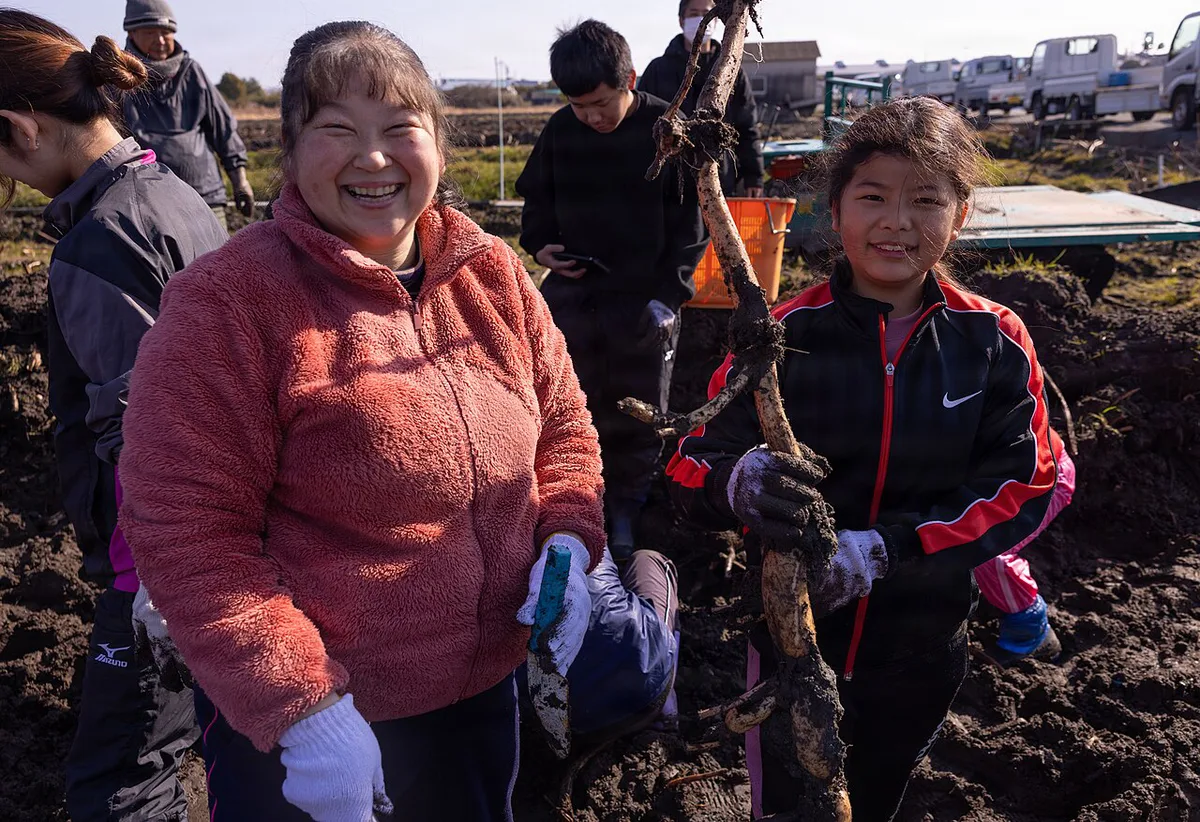
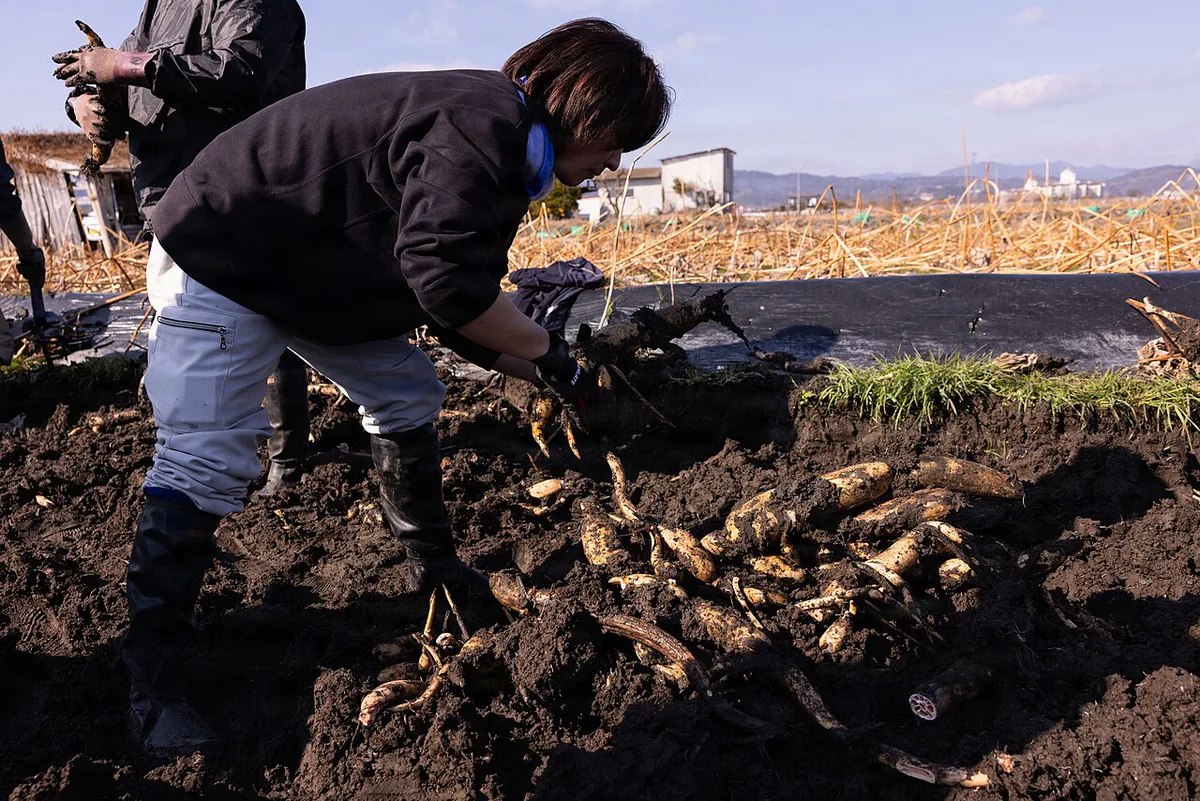
Lotus root already carries good-luck associations across Japan, and Iwakuni's version adds a local twist. A standard Japanese lotus root has eight holes running through each slice. Iwakuni's renkon usually grows a ninth. Locals connect that quirk to the ruling Kikkawa clan's nine-planet crest, a design the clan's rulers were reportedly pleased to see echoed in a vegetable slice. Japan's agriculture ministry credits a grower named Sangoro Muramoto with bringing the root back from what is now Oita Prefecture roughly 200 years ago. Iwakuni sits at the eastern edge of Yamaguchi Prefecture, and the city has since grown into the largest lotus root producer in the Chugoku region. It ranks among the largest producers nationwide. Bite into a slice and the texture shifts fast. It starts crunchy, then turns chewy and stringy as the root's high starch content takes over. That combination of crunch and starch is what separates Iwakuni's renkon from lotus root grown elsewhere in Japan.
Essential Iwakuni Lotus Root Dishes to Try
Four dishes show up most often on local menus and in home kitchens across Iwakuni. Each treats the lotus root differently, from a vinegar-dressed side to a fried snack sold by the bag. A published method for the vinegar dish boils the lotus root with a touch of vinegar, then blanches and browns the beancurd on both sides. The finishing sauce mixes white vinegar, sugar, light soy sauce, and salt, topped with toasted sesame seeds. Recognizing these four dishes on a menu makes ordering easier, especially on a first stop through the wider Iwakuni food scene.
- Hasunosanbai: thin-sliced lotus root, carrot, and fried beancurd dressed in sanbaizu, a vinegar-soy-mirin sauce; a published recipe adds shad and ginger and calls for 200g of lotus root to serve two people.
- Iwakuni Sushi: lotus root appears as a crunchy, decorative topping on this large pressed sushi loaf; the Iwakuni Sushi Guide: Tonosama Zushi Near Kintaikyo Bridge (2026) covers how the layers are assembled.
- Ohira: a simmered vegetable stew in which lotus root holds its shape through slow cooking, unlike softer vegetables sharing the same pot.
- Lotus root chips: deep-fried slices sold as a packaged souvenir; Iwakuni's tourism office lists them among the city's signature take-home snacks.
The Ujimori Set: Try Everything in One Meal
The Ujimori set combines three dishes on one table: Iwakuni Sushi, Ohira, and Hasunosanbai. Japan's agriculture ministry describes the pairing as auspicious. It traditionally appears in osechi, the New Year's meal, as well as in everyday home cooking throughout the year. Ordering the Ujimori set is the simplest way to taste all three lotus root preparations in a single sitting. That beats picking just one dish and guessing whether it represents the full range of textures Iwakuni renkon offers, from crunchy chip to chewy simmered stew. First-time visitors with limited time get the clearest picture of the specialty this way.
A home Hasunosanbai recipe typically uses 200g to serve two people, while Ujimori restaurant sets include three complete preparations, letting groups sample all three distinct textures in one sitting.
Where to Eat Near Kintaikyo Bridge and Kikko Park
Restaurants clustered around Kintaikyo Bridge and Kikko Park serve most of the city's lotus root sets, since that's where day-trippers concentrate. Near the bridge, the Kintaikyo Bridge food guide covers specific stalls and shops in that stretch, including where chips and sweets sit next to savory sets. Many lotus root sets, including the Ujimori set, run as lunch specials rather than dinner courses in this vicinity. Plan a midday stop if trying a specific dish is the priority, since evening menus lean toward other specialties. For broader dining options nearby, the Iwakuni lunch guide lists choices for pairing a meal with sightseeing around the bridge and park.
When to Go: Lotus Root Harvest Season
Fresh, just-harvested lotus root is most available from autumn into winter, matching the growing pattern described by Iwakuni's tourism office. Menus built around freshly dug renkon lean into this window. Stored or preserved root fills dishes for the rest of the year. Texture is the giveaway: freshly harvested lotus root snaps with more crunch, while stored root leans softer and starchier once cooked. Travelers visiting outside the autumn-to-winter window can still expect Hasunosanbai, Ohira, and lotus root chips on menus. Timing a trip for autumn or winter simply raises the odds of tasting the crunchiest version of each dish.
Regional Pairings: Sake, Takamori Beef, and a Full Day Out
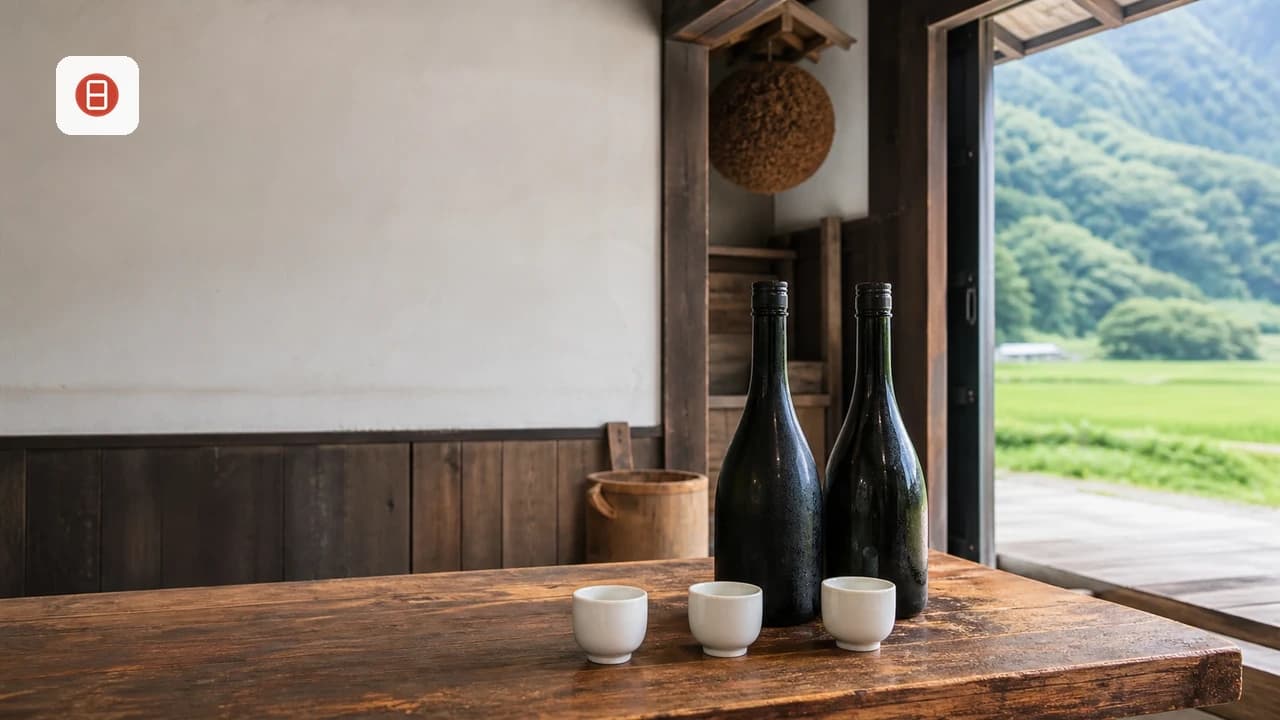
Iwakuni's local sake brings enough acidity to cut through the lotus root's starch, especially in dishes like Hasunosanbai where vinegar already sets the tone. The Iwakuni Sake Breweries Guide: Tours, Tastings, and the Gozo Five breaks down which local labels pair well with the city's savory specialties. None of the source material lists specific bottles, so ask staff at a sake shop or restaurant near Kintaikyo Bridge which one suits the day's menu. Iwakuni's tourism office also lists Takamori Beef among the city's signature foods. Higher-end multi-course meals sometimes plate it alongside lotus root sides, pairing a delicate protein against the root's crunch. Between meals, the Iwakuni attractions guide helps fill a full day around Kintaikyo Bridge and Kikko Park, so lotus root lunches slot naturally between stops.
Sangoro Muramoto introduced the lotus root roughly 200 years ago, and Iwakuni has grown into the Chugoku region's largest producer—a heritage that shaped the root's place in local food traditions today.
Budget, Common Mistakes, and Who Should Skip It
None of the official sources behind this guide publish fixed menu prices, so treat cost as relative rather than fixed. A packaged bag of lotus root chips from a souvenir shop costs less than a sit-down Ujimori set at a restaurant. A single Hasunosanbai side ordered on its own costs less again than either option. Check current menus posted at restaurants in the Kintaikyo Bridge and Kikko Park area, since pricing shifts with the season and with ingredient costs like fish and vegetables. The most common mistake is assuming all Japanese lotus root tastes the same. Iwakuni's version carries a distinct starch content that changes the texture, not just the hole count. A second mistake is ordering only the sushi and skipping the vinegar-forward Hasunosanbai, since the two dishes highlight different sides of the same ingredient. Travelers with sensitivities to vinegar-heavy dishes or high-fiber vegetables may want to sample a smaller portion first, such as a single Hasunosanbai side rather than a full multi-dish set.
| Format | Where to find it | Relative cost |
|---|---|---|
| Lotus root chips | Souvenir shops and snack counters near Kintaikyo Bridge | Lowest of the three |
| Hasunosanbai as a side | Set lunches and home-style restaurants | Mid-range |
| Ujimori set (3 dishes) | Restaurants near Kintaikyo Bridge and Kikko Park | Highest of the three |
How This Guide Was Verified
Food availability, access details, seasonal rules, and the time-sensitive claims in this guide were checked on August 22, 2026 against the official sources below. Independent restaurant menus, prices, opening days, and sell-outs can change, so confirm the operator's same-day notice before making a special trip.
Frequently Asked Questions
What makes Iwakuni lotus root different from regular lotus root?
Iwakuni's renkon usually grows a ninth hole, where standard Japanese lotus root has eight. Locals trace the extra hole to the Kikkawa clan's nine-planet crest. The Iwakuni variety also carries a high starch content, giving it a crunchy bite that turns chewy and stringy as you eat it.
What is Hasunosanbai?
Hasunosanbai is a vinegar-dressed side dish made from thin-sliced lotus root, carrot, and fried beancurd. The dressing, called sanbaizu, mixes vinegar, soy sauce, and mirin in roughly equal parts. A published recipe adds shad and ginger and uses 200g of lotus root to serve two people.
What is the Ujimori set, and should you order it?
The Ujimori set pairs three Iwakuni specialties on one table: Iwakuni Sushi, Ohira, and Hasunosanbai. It's considered an auspicious combination and traditionally appears in osechi, the New Year's meal. Ordering it is the simplest way to taste all three lotus root preparations at once, which makes it a strong choice for a first visit. Groups splitting one set can still sample all three dishes without ordering three separate plates.
When is the best time to eat fresh Iwakuni lotus root?
Fresh, just-dug lotus root is most available from autumn into winter. Stored or preserved root fills menus for the rest of the year, with a softer, starchier texture once cooked. Hasunosanbai, Ohira, and lotus root chips stay on menus year-round regardless of harvest timing.
Where near Kintaikyo Bridge can you find lotus root dishes?
Restaurants clustered around Kintaikyo Bridge and Kikko Park serve most of the city's lotus root sets. Many of those sets, including the Ujimori set, run as lunch specials rather than dinner courses. Plan a midday visit if trying a specific dish is the priority.
Who should be cautious about ordering a full lotus root set?
Travelers with sensitivities to vinegar-heavy dishes or high-fiber vegetables may want to start with a smaller portion. A single Hasunosanbai side is an easier entry point than a full Ujimori set. Lotus root chips are the mildest option if starch-heavy textures aren't appealing.
Does Iwakuni lotus root pair with local sake?
Yes. Iwakuni's local sake carries enough acidity to cut through the lotus root's starch, particularly alongside vinegar-forward dishes like Hasunosanbai. This pairing works because vinegar-forward dishes already carry acidity that plays well against a crisp, dry sake. Higher-end meals sometimes add Takamori Beef to the same table, pairing a delicate protein against the root's crunch.
Free guide: Japan's Hidden Gems
12 under-the-radar places beyond Tokyo & Kyoto — with the best season to visit each and a local tip you won't find in the guidebooks.
You might also like


Continue reading
More guides you'll find useful