Kintaikyo Bridge Food and Ice Cream Guide
A 2026 guide to Kintaikyo Bridge food and ice cream: the Musashi vs Sasakiya soft-serve rivalry, Iwakuni-zushi, renkon, and where to eat near the bridge.
On this page
Last updated August 2026, Kintaikyo Bridge food and ice cream centers on a short stretch of Kikko Park. Two rival soft-serve shops face off over flavor counts, and a handful of stalls sell Iwakuni's signature pressed sushi. Five wooden arches draw the crowds, but the snacks and lunch sets along the west bank turn a bridge stop into a half-day visit.
Kintaikyo Bridge Food and Ice Cream at a Glance
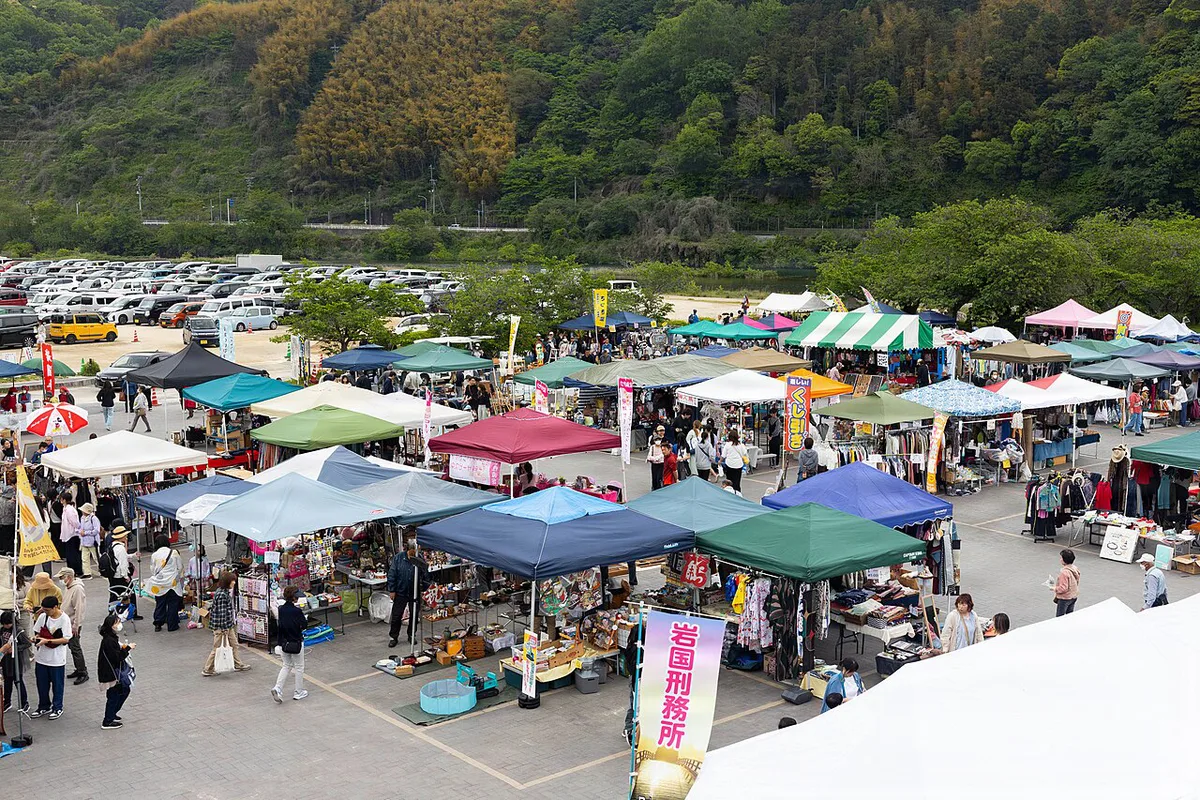
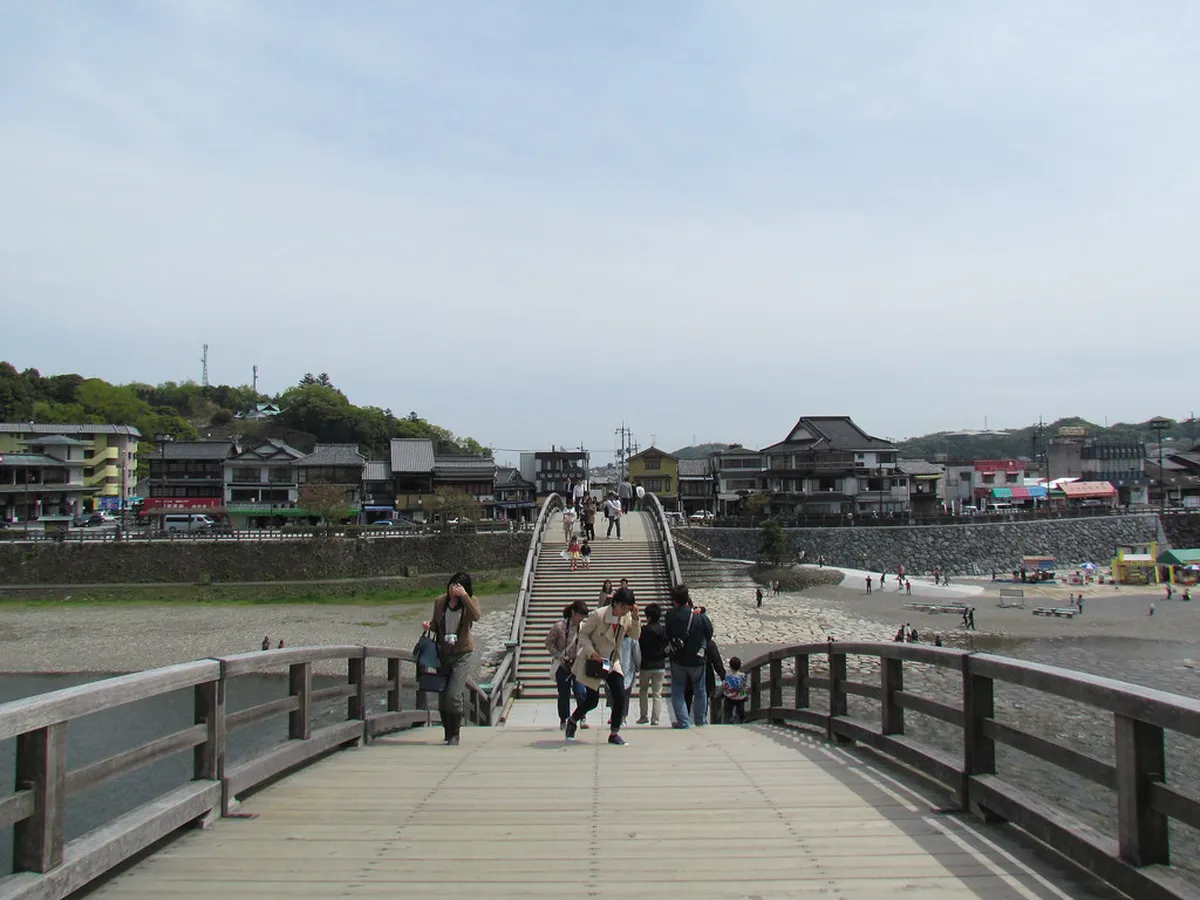
Most food and ice cream stalls sit on the Kikko Park side of the river, the west bank of Kintaikyo Bridge. Kintaikyo itself is a wooden arch bridge with five spans, and crossing it requires a posted toll. Ice cream counters and snack stalls cluster near the Kikko Park end, within a short walk of the bridge's west gate. A smaller number of stalls sit on the opposite bank, but the Kikko Park side has the wider selection. Plan your route around which bank you start from, since crossing the toll bridge just to reach more food options adds an extra cost. Signposted maps near both ends of the bridge show stall locations, useful for planning a route before you commit to crossing. For a broader picture of dining across town, see the broader Iwakuni food scene guide.
- Families: soft-serve counters cluster near the Kikko Park gate, an easy stop without a long walk.
- Adventurous eaters: wide flavor boards at Musashi and Sasakiya, where novelty scoops rotate through the year.
- Traditionalists: pressed Iwakuni-zushi and a seated set meal near the park instead of a stall snack.
- Budget-conscious visitors: the smaller stalls on the opposite bank, which avoid the bridge toll entirely.
The Musashi vs. Sasakiya Soft-Serve Rivalry
Musashi and Sasakiya are the two long-running soft-serve shops that face off near the Kikko Park end of the bridge. Their rivalry centers on flavor count, and both shops are commonly associated with menus of 100 or more flavors. Exact counts shift with the season and with ingredient supply, so check the tasting board posted at each counter on the day you visit. Both shops sit close enough to compare boards side by side before choosing a counter. Neither shop publishes a fixed ranking of its best sellers, so scanning the board yourself is more reliable than any single recommendation. Queues build up fastest in the early afternoon, when tour groups pass through Kikko Park, so an earlier or later visit usually means a shorter wait. Photos next to each flavor name make it easier to pick something even without reading Japanese.
Both Musashi and Sasakiya feature 100 or more flavors that rotate by season. Summer heat drives afternoon demand higher, so visiting before early afternoon improves both queue times and the chance to find your preferred flavor in stock.
- Classics: vanilla, matcha, and chocolate soft serve are steady sellers at both counters.
- Novelty flavors: boards have featured options such as wasabi or a savory ramen-style scoop, though availability rotates.
- Seasonal flavors: limited-run scoops tied to local produce change through the year, so a spring board looks different from an autumn one.
Savory Must-Eats: Iwakuni-zushi, Renkon, and Ohira
Locally known as the lord's sushi, Iwakuni-zushi is pressed into a square mold and built in stacked layers instead of shaped by hand. Each layer holds vinegared rice, egg, and local ingredients, and the block is cut into squares before serving. Ingredient details vary by shop, so ask if you want to know exactly what's layered inside before ordering. The layered history of Iwakuni-zushi covers the dish in more depth.
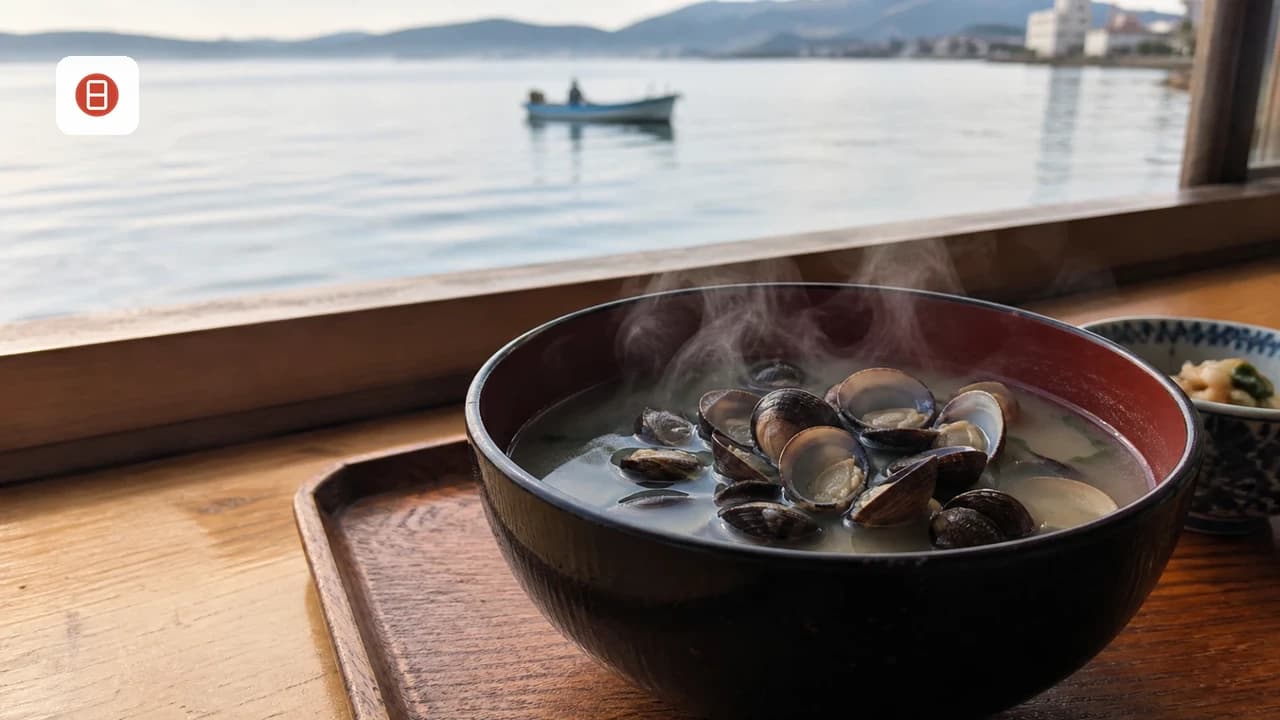
Iwakuni's lotus root, or renkon, is known for growing with nine holes running through each slice instead of the eight found in most lotus root elsewhere in Japan. Near the bridge, the root turns up as crisp croquettes and thin tempura slices sold at the snack stalls. Try the croquette version first if you're new to renkon, since the crisp shell balances the root's natural crunch. The nine-hole lotus root guide covers preparations and where to find them.
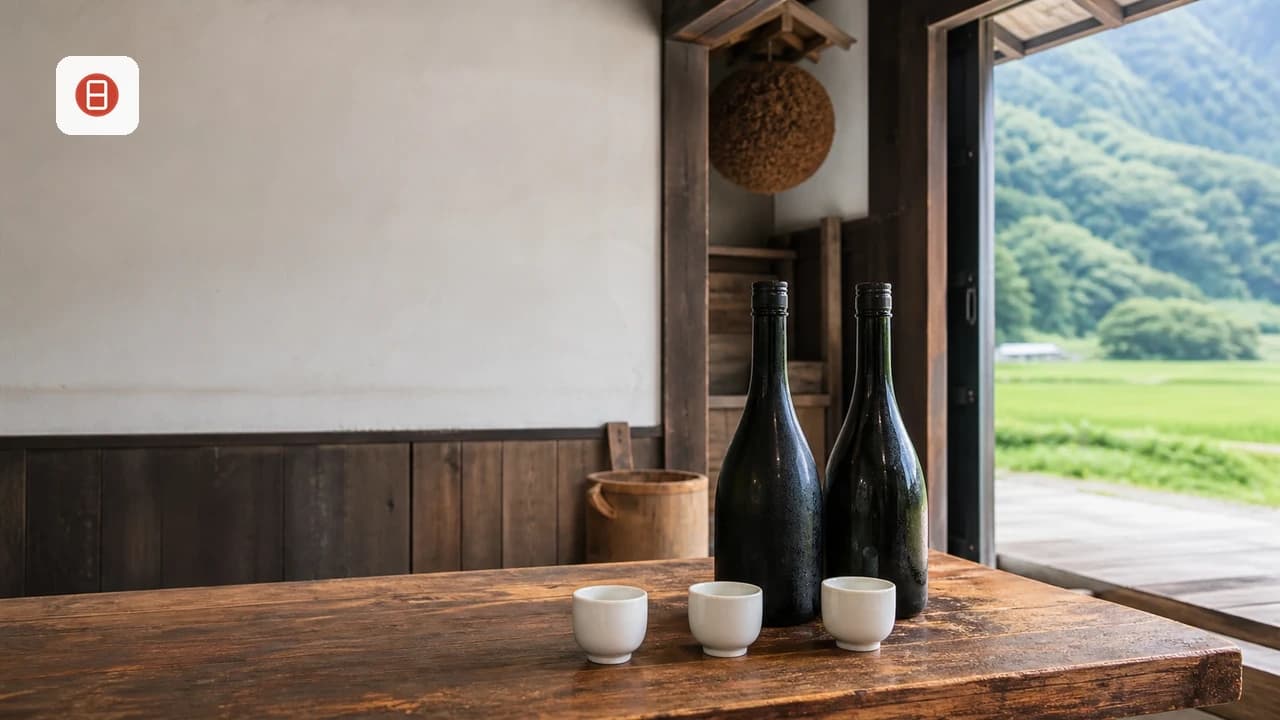
Ohira is a simmered vegetable stew often served alongside Iwakuni-zushi at set-meal restaurants near the park, mixing root vegetables and konnyaku in a light broth. It works as a side dish rather than a headline order, rounding out a set meal built around the pressed sushi. Portion sizes in a set are usually modest, so pair ohira with the sushi rather than ordering it alone if you want a fuller meal. A cup of local sake pairs well with either dish, and the local Iwakuni sake guide covers pairing options.
Kintaikyo Bridge Restaurants and Street Food Stalls
Street stalls near the Kikko Park gate work best for a quick bite between stops, selling ice cream cones, skewers, and packaged snacks. Most have no seating, so plan to eat standing or find a bench along the riverbank. Card acceptance varies by stall, so carry cash as a backup for smaller vendors. Expect a short line at peak hours, since counter space at each stall is limited.
Sit-down restaurants near the park serve Iwakuni-zushi and renkon as part of set lunches, with tables facing the river and the bridge. The riverside lunch restaurants guide lists specific options for a seated meal instead of a stall-food crawl. Reserve a river-facing table in advance during busy weekends, since those seats fill first.
Kikko Park's lawns work for a picnic if you buy food from the stalls first and carry it to open grass away from the main walkway. Pack out any trash, since public bins are limited near the bridge. Bring a mat or blanket if you plan to sit for a while, since the lawn itself has no seating provided.
Dietary Notes Near Kintaikyo Bridge
Do not assume renkon croquettes or tempura are vegetarian: fillings, batter, dashi seasoning, and shared frying oil can contain or contact animal ingredients. Iwakuni-zushi typically includes egg and fish-based denbu or other seafood toppings. Soft-serve ingredients also vary by flavor, and novelty options can include fish, meat, or alcohol. Ask the individual operator about ingredients and shared equipment; diners with serious allergies should not rely on the flavor name or appearance alone.
Cormorant Fishing Season and Kintaikyo Festival Crowds
Iwakuni holds seasonal events near the bridge, including cormorant fishing displays and the Kintaikyo Festival, and food stalls tend to stay open later and get busier on those dates. Exact dates shift year to year, so check the official Iwakuni tourism site before planning a visit around either event. Ice cream lines run longer during festival evenings, so budget extra time if a visit overlaps with one of these dates. Weekday visits outside these events are more predictable for both stall hours and crowd size. Outside of festival dates, stalls follow the more routine daily pattern described below.
A Sample Food Crawl at Kintaikyo Bridge
A short food-focused loop around Kintaikyo Bridge can fit ice cream, a savory snack, and a sit-down meal into one stop, in whatever order fits your schedule. Start light and finish with the heavier, seated option so you're not carrying food across the bridge. None of these stops require a reservation, so the order is easy to adjust on the day.
- Cross to the Kikko Park side and scan both the Musashi and Sasakiya flavor boards before ordering.
- Pick up a renkon croquette or tempura skewer from a nearby stall for a savory contrast to the ice cream.
- Sit down for a set lunch featuring Iwakuni-zushi and ohira at one of the restaurants near the park.
- Finish with a walk along the riverbank before recrossing the bridge, or picnic on the lawn if the weather holds.
Practical Tips for a Kintaikyo Food Crawl
Weekday mornings run quieter than afternoons, when school trip groups and tour buses tend to arrive. Many food stalls wind down soon after the bridge's peak afternoon hours, and several close by 5:00 PM. Plan a food stop before late afternoon rather than after, especially on weekends. Summer heat pushes ice cream demand higher across the afternoon, so counters can run short on popular flavors later in the day.
Stalls typically close by 5:00 PM on regular days, but festival evenings keep them open later; plan a weekday visit outside these events for more predictable hours and better odds of finding what you want in stock.
A single soft-serve cone costs less than a seated lunch set at the restaurants near the park, making ice cream the cheaper stop for a quick taste test. Budget more for a sit-down meal that combines Iwakuni-zushi, renkon, and ohira, and treat the stalls as a top-up rather than a full meal. Exact prices change, so check the menu board posted at each counter or restaurant on the day you visit. Add the bridge toll to your budget if you plan to cross more than once during the same visit.
Both Iwakuni Station and Shin-Iwakuni Station serve the city, and local buses or taxis connect either station to the bridge area. Confirm current bus schedules at the station, since stall hours and the return trip can both shift by season. The Kikko Park attractions guide covers the bridge itself and the wider park for context.
How This Guide Was Verified
Food availability, access details, seasonal rules, and the time-sensitive claims in this guide were checked on August 22, 2026 against the official sources below. Independent restaurant menus, prices, opening days, and sell-outs can change, so confirm the operator's same-day notice before making a special trip.
Frequently Asked Questions
Which ice cream shop is better, Musashi or Sasakiya?
Neither shop is objectively better; the choice comes down to which flavor board looks more interesting on the day you visit. Musashi and Sasakiya sit close enough to compare, so in our editorial assessment the more useful test is walking to both counters first.
Can you find vegetarian food near Kintaikyo Bridge?
Possibly, but no dish should be assumed vegetarian from its name. Croquettes, tempura, broth, sushi toppings, and even novelty soft-serve flavors can contain animal ingredients or share equipment. Ask each operator directly; travelers with serious allergies need an explicit ingredient and cross-contact check.
Is the 100-flavor ice cream available year-round?
Some flavors stay on the board all year, but the full count fluctuates with the season and with what ingredients are available locally. Treat any specific flavor count as a snapshot rather than a fixed number, and check the tasting board posted at the counter on the day you visit. Ask staff whether a flavor you want is a permanent listing or a limited seasonal run.
Do you need to pay the bridge toll to access the food stalls?
Crossing Kintaikyo Bridge itself requires a toll, but food stalls sit on both banks, with the larger concentration on the Kikko Park side. Many stalls are reachable from the Kikko Park side without paying to cross the bridge, depending on your route into the park.
How much time should you plan for a food stop at Kintaikyo Bridge?
A quick ice cream and stall snack takes far less time than adding a sit-down lunch with Iwakuni-zushi, renkon, and ohira. Arriving before the early-afternoon rush keeps either option faster and less crowded.
What's the best time of year to visit Kintaikyo Bridge for food?
Spring and autumn bring milder weather for eating outdoors, while summer adds heat that pushes ice cream demand higher through the afternoon. Cormorant fishing season and the Kintaikyo Festival draw larger crowds to the food stalls, so check the official Iwakuni tourism site for current dates before planning around either event.
Free guide: Japan's Hidden Gems
12 under-the-radar places beyond Tokyo & Kyoto — with the best season to visit each and a local tip you won't find in the guidebooks.
You might also like


Continue reading
More guides you'll find useful