

What to Eat in Kotohira: 6 Local Specialties to Try in 2026
What to eat in Kotohira: Sanuki udon, honetsukidori chicken, oiri sweets, and Kinryo sake, sequenced around the climb to Kotohiragu Shrine. 2026 guide.
On this page
Last updated August 2026, this guide answers what to eat in Kotohira with six specialties matched to a simple split. Eat Sanuki udon for lunch, honetsukidori chicken for dinner, and time sweets to the 785-step climb in between. Kotohira's food scene splits along two axes: the shrine's approach path and the town center below it.
6 Things to Eat in Kotohira
These six picks cover lunch, mid-climb sweets, and dinner, matched to where you are on the walk up to Kotohiragu Shrine and back down.
- Sanuki Udon at a Local Noodle Shop
- Kagawa is nicknamed the birthplace of the udon shop, and Kotohira's bowls lean on a light iriko dashi broth made from dried sardine stock.
- Konpira Udon Sando Branch has served the noodle for more than 65 years, in a building over 100 years old with registered cultural property status, and its shoyu udon comes piled with bonito flakes.
- For a full breakdown of kake, bukkake, and shoyu styles and where to order each, see the Sanuki udon noodle guide.
- A Hands-On Bowl at Nakano Udon School
- The current program takes about 50 minutes if you take the noodles home, or about 80 minutes when the meal time is included.
- The operator lists ¥1,760 per person for groups of two or more. A solo session, when available, is ¥1,980.
- Same-day participation may be possible when a session has space, but reserve ahead rather than assuming a walk-in place.
- Oiri Soft-Serve at Kotohira Terrace
- Kotohira Terrace, renovated in 2022, tops its soft-serve with oiri, a hollow rice cracker sweetened with wasanbon sugar for a smoother finish than ordinary granulated sugar.
- Its Konpira dorayaki comes filled with fresh chocolate and fruit, and coffee here is also served topped with oiri.
- The interior displays items tied to Konpira Kabuki and old maps of the town, adding a quick history stop alongside the sweets.
- Kamiyo Ame From the Gonin Byakusho
- Gonin Byakusho Ikeshouten Store dates to 1245 and is one of five historic businesses authorized to sell kamiyo ame, a yuzu-flavored candy, inside the shrine precinct.
- The attached cafe serves soft-serve made with the candy itself, and a candy-making experience can be booked in advance by phone.
- The shrine approach sweets guide maps the yellow-umbrella stalls selling the same candy along the stairs.
- Honetsukidori Bone-In Chicken for Dinner
- Kagawa's peppery, roasted bone-in chicken comes in two cuts: a tender wakadori from a younger bird and a chewier, more flavorful oyadori from a mature one.
- Taishu Yakiniku Honetsukidori Kingyu Kotohira ten sits about 400 feet from Kotoden Kotohira Station, and Sanuki Meibutsu Honetsukidori Tanakaya is roughly 600 feet away, per Tabelog listings.
- The honetsukidori dinner guide covers ordering, portion sizes, and how the dish compares to standard yakitori.
- Kinryo Sake and Donzo Craft Beer
- Kinryo no Sato is a sake brewery and museum founded in 1658 that has supplied ceremonial sake to Kotohiragu Shrine since the Edo period, with free museum entry and on-site tastings.
- Donzo Brewing, open since 2023 in the Shinmachi district, pours Kotohira Kölsch and Kotohira IPA alongside garlic fried chicken.
- The Kinryo Sake Museum Travel Guide has full tasting details for the historic brewery.
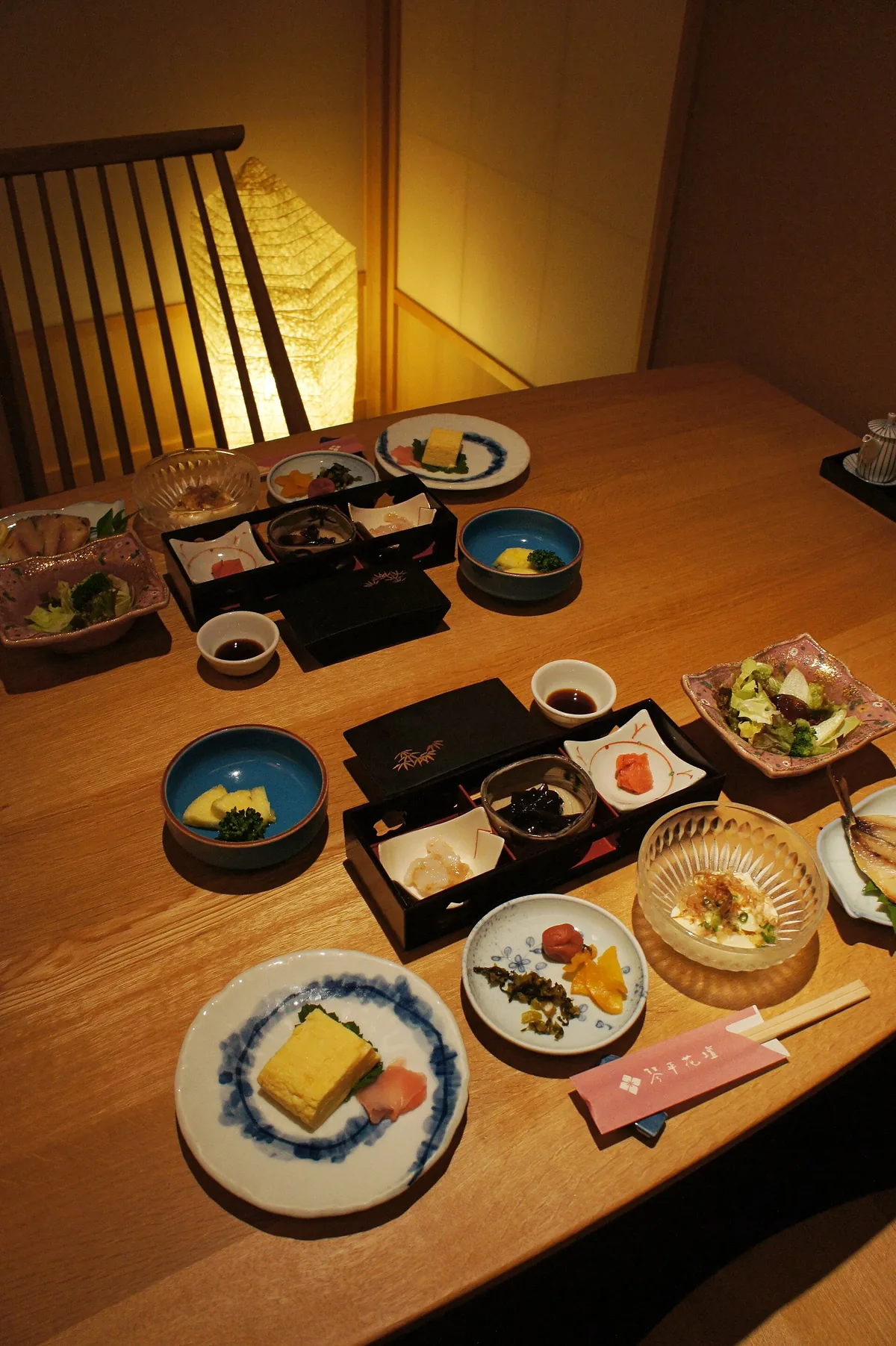
Pre-Climb Fuel: Fast Udon Before the 785 Steps
Lunch on the approach path works best as quick carbs before the climb, not a lingering meal. Konpira Udon Sando Branch has served noodles for more than 65 years, from a building over 100 years old with registered cultural property status. Nakano Udon School trades speed for participation: you knead, roll, and boil the noodles yourself before eating them. If you want something other than noodles, cafe Mori to Yama, about 1,500 feet from Kotoden Kotohira Station, serves curry as a quick alternative. For a fuller roundup of casual lunch counters near the station, see the lunch and restaurant guide.
| Spot | Best For | Time Needed | Typical Price |
|---|---|---|---|
| Konpira Udon Sando Branch | History and atmosphere | 20-30 min meal | From ¥500 |
| Nakano Udon School | Hands-on noodle-making | About 50 min take-home; about 80 min with meal | ¥1,760 per person for 2+; solo ¥1,980 when available |
| Self-service udon counters | Fastest pre-climb option | 10-15 min | From ¥500 |
Mid-Climb Rewards: Sweets Along the Approach
Once you're past the first few hundred steps, sweets do more work than a full meal would. Kotohira Terrace, renovated in 2022, tops its soft-serve with oiri, sweetened with wasanbon sugar for a smoother finish than ordinary granulated sugar. Its Konpira dorayaki comes filled with fresh chocolate and fruit, a contrast to the shrine's older surroundings. Kamiyo ame, the shrine's yuzu-flavored candy, is sold from yellow-umbrella stalls run by the Gonin Byakusho along the stairs. For stall-by-stall detail on where each sweet is sold, see the shrine approach sweets guide.
Post-Climb Recovery: Chicken, Craft Beer, and Kaiseki
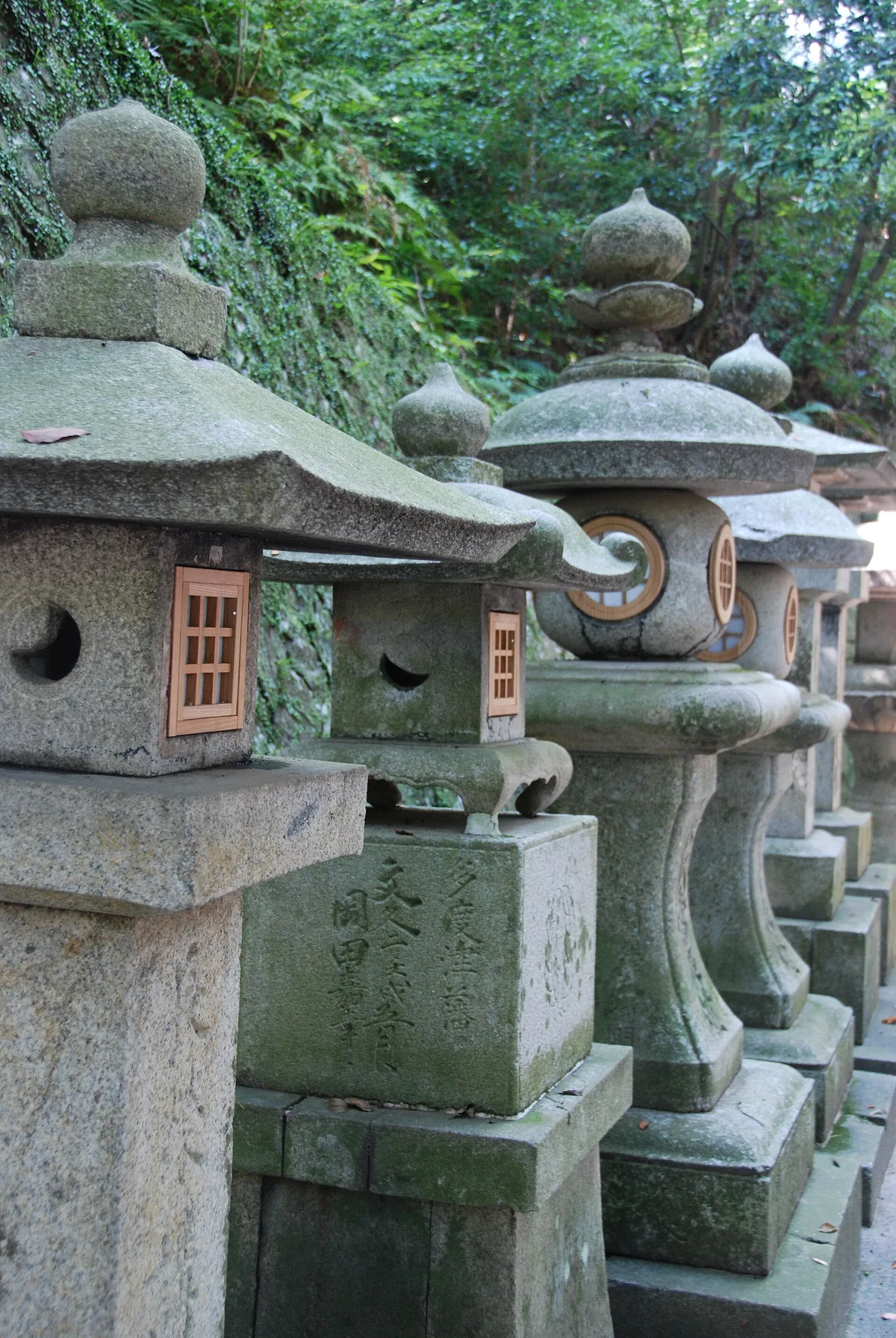
Save the heaviest dishes for after the descent. Honetsukidori restaurants near Kotoden Kotohira Station serve the bone-in chicken as an izakaya-style dinner, best timed for after the climb rather than before it. Ryokan dining raises the stakes further: Kotohira Kadan builds kaiseki courses around Kagawa's three branded meats, alongside Setouchi seafood pulled from the Seto Inland Sea. Donzo Brewing, open since 2023 in the Shinmachi district, has offered evening service with Kotohira Kölsch and Kotohira IPA, but confirm its current hours before treating it as an after-climb stop. Bimidokoro Kotobuki & Japanese Whiskey Bar 729, roughly 620 feet from the station, is another potential after-dark option whose current hours should also be checked.
Honetsukidori dinners run ¥2,000-¥3,999 per person, making them an affordable indulgence, but save this bone-in chicken for post-descent recovery since its weight makes it a poor pre-climb choice.
- Sanuki Beef
- Bred in Kagawa for more than 120 years, prized for a soft texture and a clean finish.
- Olive Pork
- Fed on olive-oil lees left over from Kagawa's olive production, which gives the meat sweeter, more even marbling.
- Sanuki Cochin Chicken
- A low-fat local breed also sold as Olive Jidori, used in kaiseki courses and grilled dishes.
Timing Your Meals Around the 785-Step Climb
Kotohira rewards early starts. Many shops along the approach path finish service in the late afternoon. Shrine access has separate hours: the main gate is open 6:00–18:00, the main shrine doors 7:00–17:00, and the Okusha path normally 9:00–16:30, with seasonal changes and possible weather closures. A round trip to the main hall takes about 1 hour 30 minutes. Continuing to the Okusha inner shrine stretches that to roughly 2 hours 30 minutes, per Kotohiragu Shrine's travel profile. Climbing all 785 stone steps burns real energy, which is why the mid-climb sweets stop matters as much as lunch. Arrive late and many food options may already be closed; confirm any intended evening venue separately. For the shrine's other landmarks and how to sequence a full day around them, the Kotohira attractions guide covers the approach path's non-food stops.
Nakano Udon School takes about 50 minutes for the take-home program or about 80 minutes with the meal included. Leave enough time before the approach area's late-afternoon closures.
Budget Guide: What a Day of Eating in Kotohira Costs
Kotohira spans a wide price range depending on how you eat. A self-service udon bowl starts around ¥500, while a seat at a ryokan kaiseki table can run ¥10,000 or more per person. Most travelers land somewhere in between, mixing a cheap lunch with one splurge dinner.
| Meal | Typical Price | Where |
|---|---|---|
| Self-service udon bowl | From ¥500 | Casual counters near Kotoden Kotohira Station |
| Nakano Udon School workshop | ¥1,760 per person for 2+; solo ¥1,980 when available | About 50 minutes take-home or 80 minutes with meal |
| Honetsukidori dinner | ¥2,000-¥3,999 | Tanakaya and Kingyu, per Tabelog listings |
| Yakiniku dinner with Olive Beef | ¥5,000-¥5,999 | Yakiniku Matsuzaka Honten, per Tabelog |
| Kaiseki dinner at a ryokan | ¥10,000 and up | Kotohira Kadan and similar properties |
Mistakes to Avoid When Eating in Kotohira
A few planning slips can derail an otherwise easy food day in Kotohira. Most of them come down to timing, or to assuming the wrong meal fits the wrong moment on the climb.
- Waiting until late afternoon to shop for sweets or souvenirs
- Food-stall schedules vary and are separate from shrine access. The main gate remains open until 18:00, but the main shrine doors close at 17:00 and many approach businesses finish earlier.
- Skipping the iriko dashi broth
- Ordering an unfamiliar broth style over standard Sanuki udon means missing the dried-sardine stock that defines the region's noodle culture.
- Eating honetsukidori before the climb
- The bone-in chicken dinner is heavier than udon or sweets, and it suits post-climb recovery better than pre-climb fuel.
- Assuming every shop takes cards or has vegetarian broth
- Payment methods and broth substitutions vary shop to shop, so confirm both before ordering, especially at smaller stalls on the stairs.
Before the Climb: Leave Bags and Buy Water Near Kotohira Station
Sort out luggage before heading to the omotesando. The 785-step route is far more comfortable with only a small day bag, especially if you plan to continue to Okusha.
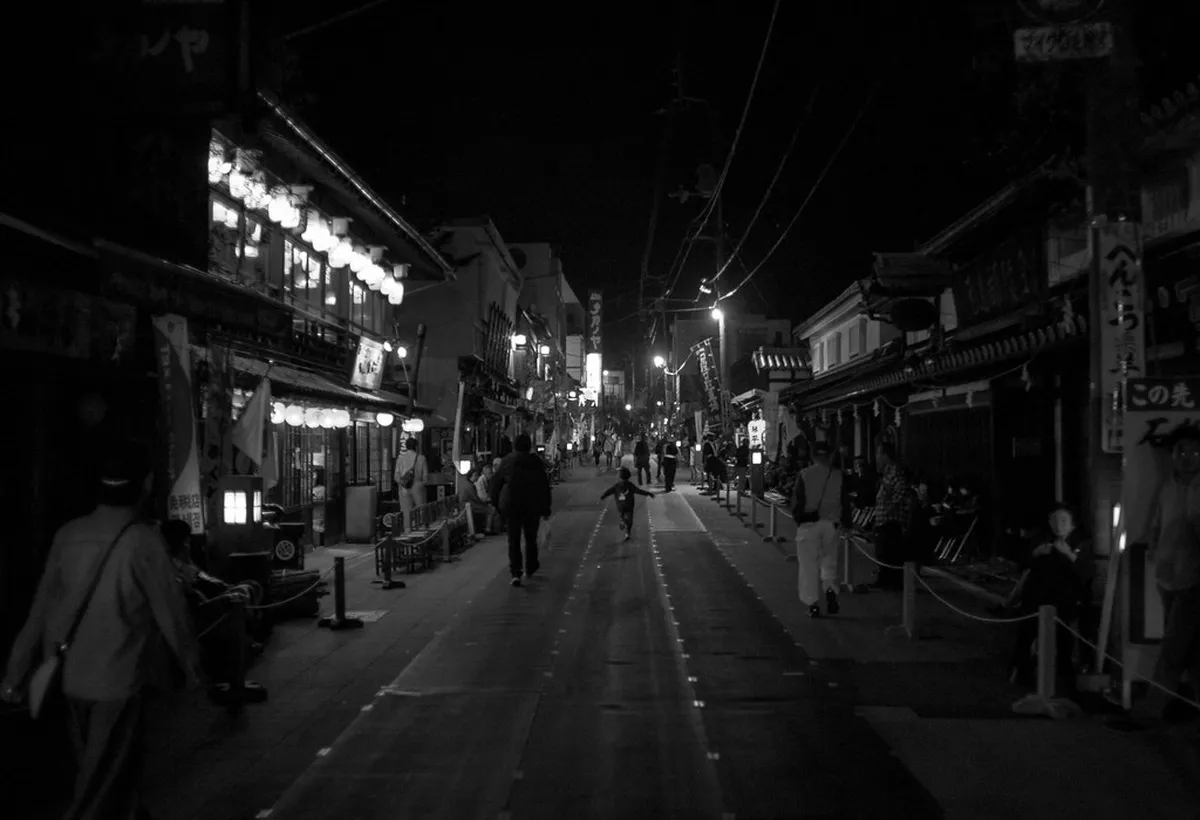
Start around JR Kotohira Station and Kotoden Kotohira Station, then walk toward the shrine approach. Check station lockers early, since larger locker spaces can fill during weekends and holiday periods. If you are staying locally, ask your ryokan whether it can hold bags before check-in or after check-out.
Buy water before you begin the climb. Shops and cafés are concentrated at the foot of the approach, while choices become more limited higher up. A bottle of water also gives you flexibility if you stop for oiri soft-serve or kamiyo ame instead of a full snack.
- Carry a small bag rather than a suitcase on the stone steps.
- Use JR or Kotoden Kotohira Station as your practical starting point.
- Secure water before the approach-path shops begin closing in late afternoon.
Plan this before lunch if you arrive by train. It keeps your udon stop, sweet break, and shrine visit from becoming a luggage-management problem.
How This Guide Was Verified
Food availability, access details, seasonal rules, and the time-sensitive claims in this guide were checked on August 22, 2026 against the official sources below. Independent restaurant menus, prices, opening days, and sell-outs can change, so confirm the operator's same-day notice before making a special trip.
Explore food in other cities
Frequently Asked Questions
What time do food shops close along the approach to Kotohiragu Shrine?
Shop hours vary, and many approach businesses finish in the late afternoon. These are separate from shrine hours: the main gate is open until 18:00, while the main shrine doors close at 17:00. Confirm an evening venue directly rather than assuming approach shops remain open.
What makes Sanuki udon in Kotohira different from udon elsewhere?
The broth uses iriko dashi, a light stock made from dried sardines, rather than the heavier stocks found in other regions. Kagawa is nicknamed the birthplace of the udon shop, and that iriko profile is considered the signature of true Sanuki udon.
How much does the Nakano Udon School workshop cost, and how long does it take?
The operator currently lists ¥1,760 per person for groups of two or more, with solo sessions at ¥1,980 when available. Allow about 50 minutes for the take-home program or roughly 80 minutes when eating the noodles is included. Same-day participation depends on space, so reserve ahead if the class matters to the itinerary.
What is honetsukidori, and when should you eat it?
Honetsukidori is Kagawa's peppery, roasted bone-in chicken, served as either a tender wakadori cut or a chewier, more flavorful oyadori cut from a mature bird. It works best as a post-climb dinner, since it is heavier than the udon and sweets suited to earlier in the day.
Are there vegetarian or dietary-specific options in Kotohira?
Traditional udon broth is typically built on iriko dashi, so it is not vegetarian by default. Ask staff directly about broth substitutions, and check current menus at individual restaurants before your visit, since options vary shop to shop.
Explore Kotohira Food and Dining
Use these guides to compare local dishes, dining areas and practical food experiences in Kotohira.
Food and Dining Guides
Free guide: Japan's Hidden Gems
12 under-the-radar places beyond Tokyo & Kyoto — with the best season to visit each and a local tip you won't find in the guidebooks.
You might also like


Continue reading
More guides you'll find useful


