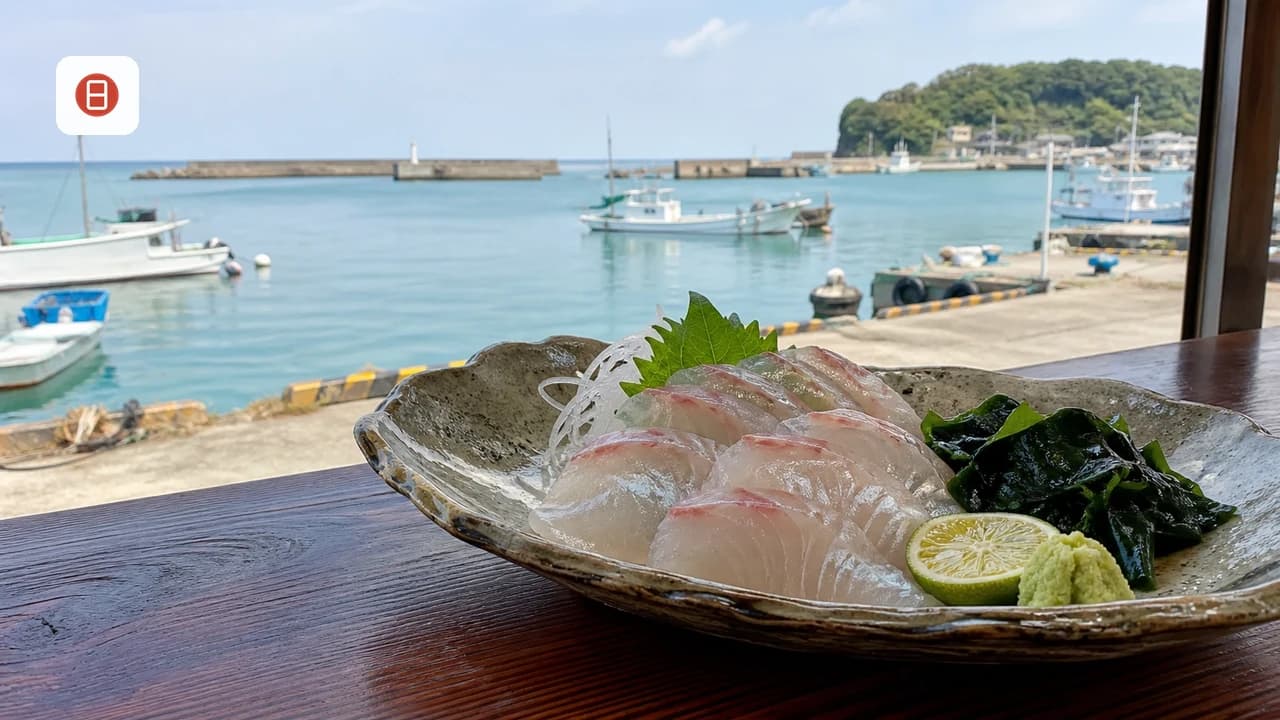
Best Awaodori Chicken Restaurants in Tokushima
Best Awaodori chicken restaurants in Tokushima: Ikko's bone-in specialty near JR Tokushima Station, Domannaka's skewers, and a halal course in Kagawa.
On this page
Last updated August 2026, this guide narrows down the best Awaodori chicken restaurants in Tokushima. Awaodori is Tokushima's branded local chicken, prized for a firm, reddish bite and a squeeze of local sudachi citrus. Below are specific venues, signature dishes, and 2026 price ranges, from a station-front specialist to a halal-certified option in neighboring Kagawa.
What Makes Awaodori Chicken Different From Standard Broilers
Awaodori comes from crossbreeding a male Shamo gamecock with other robust breeds, developed specifically for Tokushima Prefecture. Japan Agricultural Standard (JAS) rules for local chicken set requirements for age, genetics, and stocking density. Feed matters too. Many farms include olive meal, a byproduct of olive-oil pressing, which raises inosinic acid, the umami compound behind the flavor. Tokushima's official tourism site, Discover Tokushima, describes the meat's reddish streaks and moderate chew as signs of low fat and concentrated flavor, not toughness. The name plays on Awa Odori, Tokushima's summer dance festival, though the chicken's kanji spell out a different word for the '-dori' ending. Awa beef and Awa pork round out Tokushima's trio of branded livestock, though Awaodori is the one built specifically around JAS's local-chicken rules. Awaodori sits alongside those two as one of Tokushima's signature local foods.
- Minimum 80 days of raising, well beyond the roughly 50 days typical for a standard broiler chicken
- At least 50 percent genetic makeup from a Japanese chicken breed
- Low-density farming, capped at 10 birds per square meter
- Look for the Awaodori name explicitly on a menu, since it signals JAS certification rather than a generic local-chicken listing
Awaodori vs Standard Broiler vs Kagawa Honetsuki-dori: A Texture Guide
Awaodori's texture stands out most clearly next to two points of comparison: a standard broiler chicken and Kagawa's Honetsuki-dori. The differences come down to how long each bird is raised and how it typically reaches the table. Both Tokushima's Awaodori and Kagawa's Honetsuki-dori reward a firmer bite, while a standard broiler stays softer and milder throughout.
The 20 minutes needed to kiln-bake Honetsuki Awaodori reflects its density from 80 days of raising—much longer than the standard broiler's 50 days—which produces the firm, chewy meat requiring this extended cook time.
| Chicken | Raising Period | Texture | Typical Prep |
|---|---|---|---|
| Standard broiler | About 50 days | Soft, mild | Varies widely |
| Awaodori (Tokushima) | 80+ days, JAS-certified | Firm, reddish, chewy, high umami | Kiln-baked bone-in, yakitori, fried, kamameshi |
| Honetsuki-dori Oyadori (Kagawa) | Mature bird | Firm, very chewy | Whole leg, oven-roasted, garlic-spiced |
| Honetsuki-dori Wakadori (Kagawa) | Young bird | Soft, tender | Whole leg, oven-roasted, garlic-spiced |
Best Awaodori Chicken Restaurants in Tokushima and Kagawa
Two specialists sit close to JR Tokushima Station. A ramen shop reworks the chicken into broth farther south, and one Kagawa dining room serves a halal-certified version. Comparing Ikko's bone-in specialty against Domannaka's skewers can work in one evening, but confirm both restaurants' current service days and booking policy before relying on that plan.
Ikko and Domannaka serve Awaodori through contrasting methods near JR Tokushima Station: Ikko focuses on a bone-in preparation, while Domannaka uses yakitori-style skewers. Check each current menu for prices.
Ikko's menu centers on Honetsuki Awaodori, a seasoned, bone-in preparation that takes longer than a skewer order, so ask about the wait when seated. Its menu has also included Awaodori kamameshi, oyakodon, grilled cuts, and Tokushima fish-katsu. Current courses, last orders, closing days, takeaway, and payment methods can change; check Ikko's station-branch page before visiting.
Domannaka focuses on charcoal-grilled Awaodori skewers and sake pairings. Confirm its current opening days, last order, payment methods, and reservations directly rather than relying on an older directory schedule.
Awao Chicken Chinese Soba Aian turns the same brand chicken into ramen and tsukemen, with a broth that includes jujube and ginseng. Tokushima's wider ramen scene leans toward pork-based tonkotsu, so this chicken-forward bowl stands out. Aian sits in Kaifu District, well south of the station cluster, so budget separate travel time to reach it. It opens for lunch only. Hours run roughly 11:00am to 3:00pm on weekdays and until 4:00pm on weekends. It closes Mondays.
Ryotei Nicho, in Takamatsu City, Kagawa Prefecture, has offered a halal-certified Awaodori chicken tempura course. This is not a Tokushima City stop, and course availability, price, advance notice, and service days require direct confirmation when booking. Check current JR Shikoku timetables for the connection from Tokushima Station.
Solo diners often do best at counter seating in Ikko or Domannaka, where a single bone-in portion or a handful of skewers is easy to order. Groups can split Ikko's multi-course meal or order several kamameshi pots to share. Travelers with halal dietary needs have one dependable option: Ryotei Nicho's certified tempura course in Kagawa.
| Restaurant | Location | Specialty | Price |
|---|---|---|---|
| Ikko Tokushima Station Front | 2-minute walk from JR Tokushima Station | Kiln-baked bone-in Honetsuki Awaodori | ¥3,000–5,000 per person |
| Domannaka | 2-minute walk from JR Tokushima Station | Charcoal-grilled Awaodori skewers, sake pairings | Check current menu |
| Awao Chicken Chinese Soba Aian | Kaifu District, southern Tokushima Prefecture | Awaodori ramen and tsukemen | Check current menu |
| Ryotei Nicho | Takamatsu City, Kagawa Prefecture | Halal-certified Awaodori chicken tempura course | ¥12,000 / ¥15,000 / ¥18,000 |
What to Order: Awaodori Dishes and Preparation Styles
Awaodori shows up in a handful of classic preparations across Tokushima, each highlighting a different part of the bird's flavor. Grilled and yakitori preparations lean into the meat's natural chew, while frying rounds out the richness with a crisp exterior; most menus offer at least two of the three.
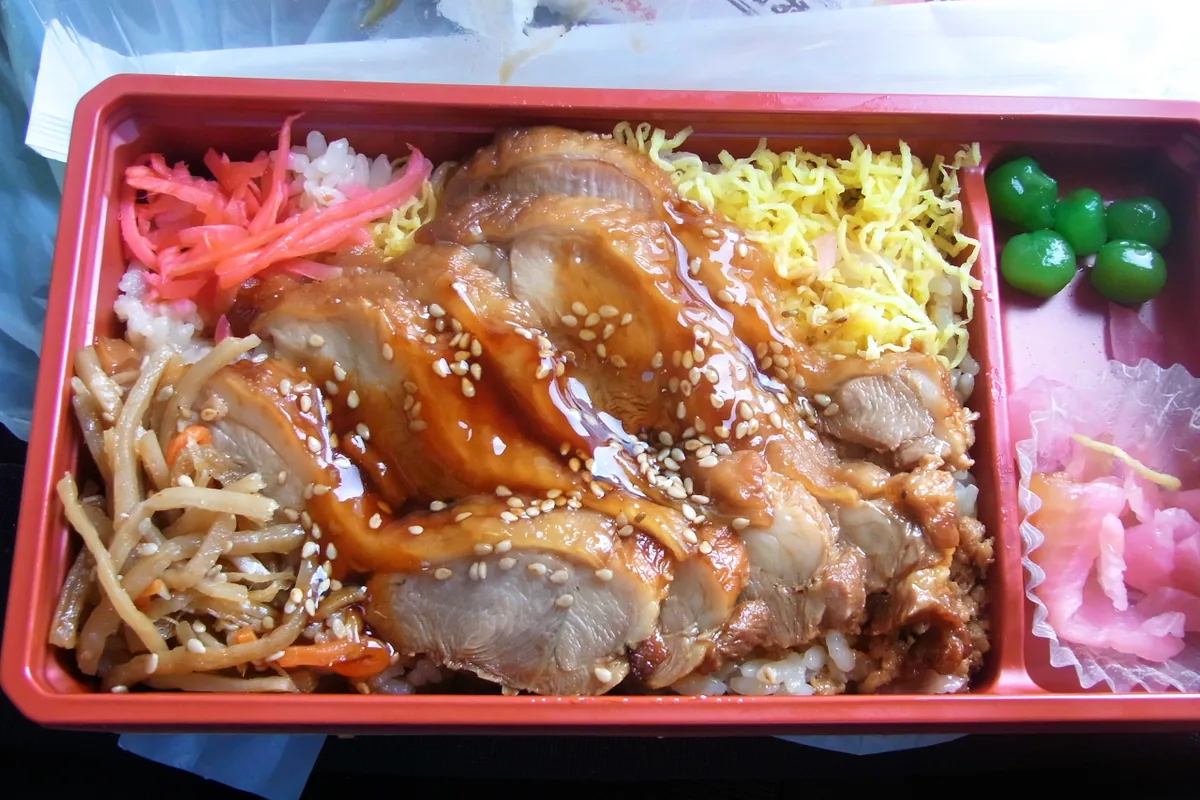
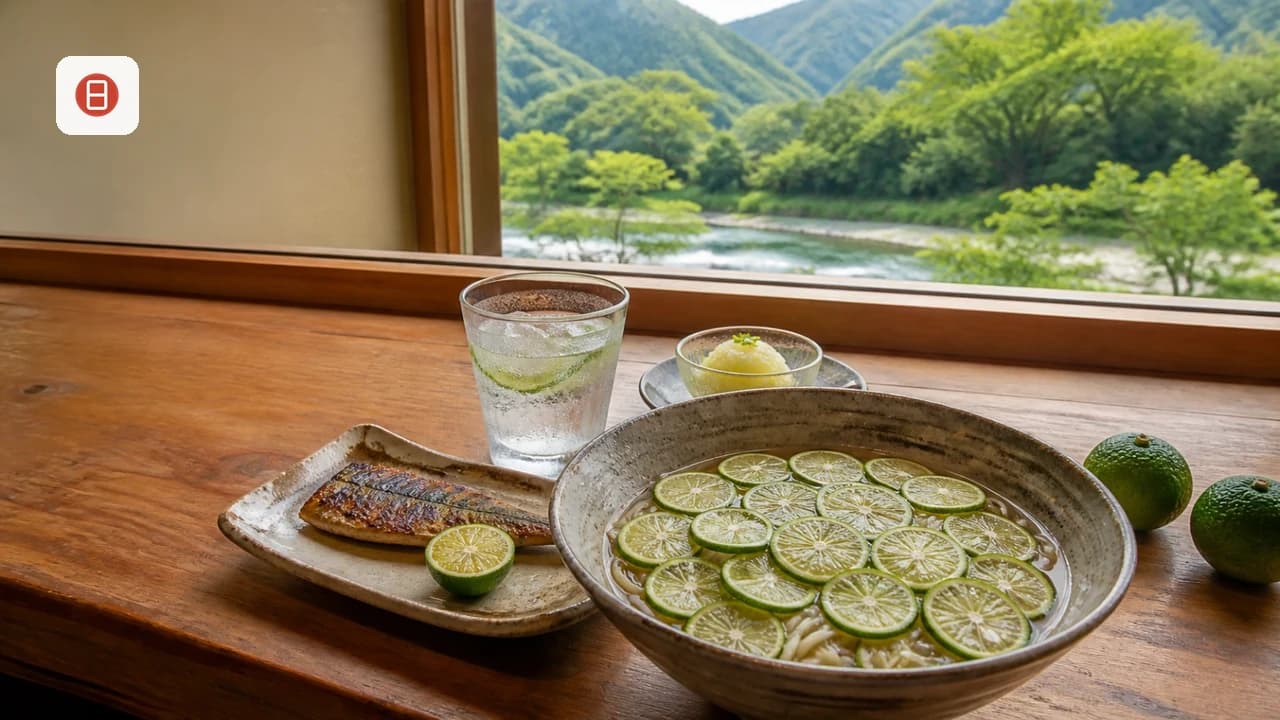
Local sudachi citrus is the standard finishing touch for Awaodori, whichever preparation you order. A squeeze cuts through the meat's fat and umami with a sharp, clean acidity. Tokushima's sudachi harvest runs through late summer and early autumn, so the citrus on your plate is often local and in season.
Neighboring Kagawa Prefecture has its own bone-in chicken tradition, Honetsuki-dori, a different dish from Tokushima's Awaodori. Honetsuki-dori began in Marugame City as a whole chicken leg, oven-roasted with a garlicky, spiced crust. Menus split it into Oyadori, from a mature bird with a firmer, chewier bite, and Wakadori, from a younger bird with a softer texture suited to first-timers. Ask which style a Kagawa restaurant serves before ordering if texture is a concern.
- Grilled Awaodori: plated cuts cooked directly over charcoal, without skewers, often finished with a squeeze of sudachi
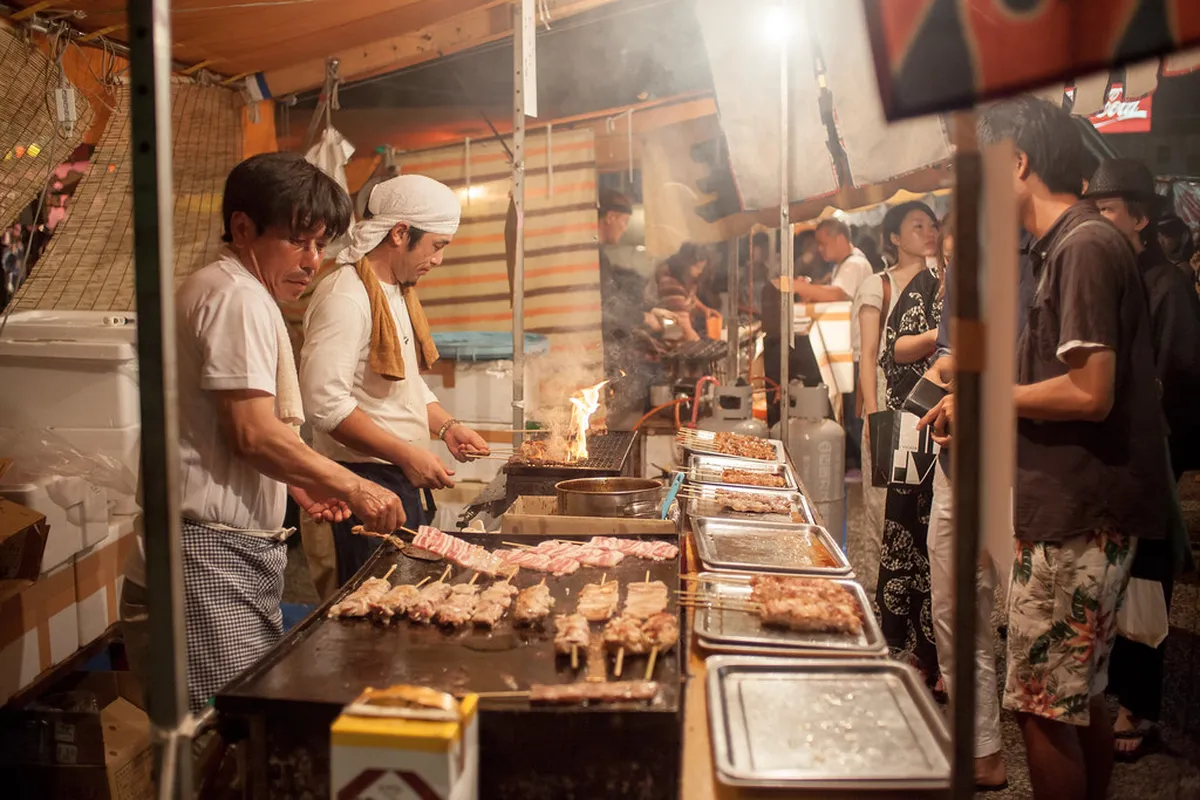
- Yakitori: charcoal-grilled skewers using multiple cuts, including offal, for a smokier profile
- Fried Awaodori: a crisp preparation that plays up the meat's fat and richness
- Awaodori Kamameshi: iron-pot rice cooked in chicken stock, served at Ikko
- Nomitsu-Tamago Oyakodon: a parent-and-child rice bowl made with Awaodori and Ikko's branded egg
- Awaodori ramen and tsukemen: chicken-forward noodle bowls, including the jujube-and-ginseng broth at Aian
- Fish-Katsu: a Tokushima side dish worth ordering alongside any Awaodori main, available at Ikko
Planning Your Visit: Location, Cost, and Timing
Ikko and Domannaka are convenient starting points near JR Tokushima Station. Reservations are worth considering for weekend dinners and specialty courses, but current requirements vary by venue. Confirm hours, holiday closures, payment methods, and any halal-course notice directly before making a special trip.
Restaurants near the station get busiest around the Awa Odori Festival, held during Obon in mid-August. Awaodori pairs naturally with the rest of Tokushima's food scene. Naruto's tidal sea bream makes a good contrast on a second night out. Naruto kintoki sweet-potato desserts cover the sweet side of a food-focused trip. Visitors timing a trip around festival season can pair a chicken dinner with Tokushima's festival-season attractions.
- Lunch set at a Tokushima Awaodori restaurant: roughly ¥1,500 to ¥2,500
- Full dinner with drinks at a specialist izakaya like Ikko: roughly ¥3,000 to ¥5,000
- Ryotei Nicho halal tempura set course: ¥12,000, ¥15,000, or ¥18,000
Mistakes to Avoid When Ordering Awaodori
A few ordering habits separate a good Awaodori meal from a frustrating one.
- Do not read the chewy texture as overcooked; firm, reddish meat is the JAS-standard result, not a kitchen mistake
- Order Honetsuki Awaodori immediately after being seated, since the kiln-baked, bone-in dish needs about 20 minutes
- Ask for sudachi if it does not arrive automatically; the citrus is meant to cut the meat's richness
- Do not expect halal certification at every Awaodori restaurant; only Ryotei Nicho in Kagawa offers a certified tempura course, and it needs two days' notice
- Do not skip the side dishes; Tokushima's Fish-Katsu is worth ordering alongside the chicken
- Do not plan a same-day stop at Aian expecting dinner service, since the shop closes after lunch on weekdays
- For a weekend or festival-period visit, check whether the restaurant accepts or recommends reservations
How This Guide Was Verified
Food availability, access details, seasonal rules, and the time-sensitive claims in this guide were checked on August 22, 2026 against the official sources below. Independent restaurant menus, prices, opening days, and sell-outs can change, so confirm the operator's same-day notice before making a special trip.
Frequently Asked Questions
What is Awaodori chicken?
Tokushima developed Awaodori by crossbreeding a Shamo gamecock with other breeds. JAS rules require at least 80 days of raising, roughly 50 percent Japanese-breed genetics, and low-density farming. That combination produces firmer, reddish meat with a pronounced umami flavor.
Where can you eat Awaodori chicken near JR Tokushima Station?
Ikko Tokushima Station Front and Domannaka both sit about two minutes on foot from the station. Ikko specializes in kiln-baked, bone-in Honetsuki Awaodori. Domannaka focuses on charcoal-grilled skewers and a wide sake list.
How much does an Awaodori chicken meal cost in Tokushima?
A casual skewer order and a full dinner course are different price tiers, and independent menus change. Check the restaurant's current menu and budget extra for drinks, rice dishes, or a specialty course. Confirm Ryotei Nicho's current halal-course price directly because it is in neighboring Kagawa, not Tokushima City.
Is halal Awaodori chicken available anywhere?
Ryotei Nicho in Takamatsu City, Kagawa Prefecture, serves a halal-certified Awaodori chicken tempura course. Book at least two days ahead and confirm the halal option when reserving.
Why does Awaodori chicken taste so chewy?
Chewiness comes from slower growth and lower stocking density under JAS local-chicken rules. Diets that include olive meal also raise inosinic acid, the umami compound behind the flavor. Treat the firmer bite as a quality marker, not a cooking error.
What should first-time visitors order?
Start with Honetsuki Awaodori at Ikko for the signature bone-in preparation, and order it right away since it takes about 20 minutes. Add charcoal-grilled skewers at Domannaka for a lighter, smokier option. Squeeze on sudachi citrus with either dish, and round out the meal with a side of Fish-Katsu for a taste of other Tokushima cooking.
What is the difference between Awaodori and Kagawa's Honetsuki-dori?
Awaodori is Tokushima's branded chicken breed, served grilled, fried, or as yakitori. Honetsuki-dori is a separate Kagawa specialty, a whole chicken leg roasted in the oven with a garlic-and-spice crust. The dishes come from different prefectures and different birds, though both reward a firmer bite.
When is the best time to visit for Awaodori and the Awa Odori Festival?
The Awa Odori Festival runs during Obon in mid-August, and restaurants near the station get busier through that stretch. Reserve Ikko or Domannaka further ahead if a trip lands during festival week. Any season works for the chicken itself, since it is a year-round menu staple.
Can you get Awaodori chicken to go?
Ikko offers takeaway for its Honetsuki Awaodori, useful if a sit-down table is not available. Call the restaurant's line, 088-678-5995, to confirm current takeaway availability.
Free guide: Japan's Hidden Gems
12 under-the-radar places beyond Tokyo & Kyoto — with the best season to visit each and a local tip you won't find in the guidebooks.
You might also like


Continue reading
More guides you'll find useful