Tokushima Sudachi Food and Drinks Guide
A practical guide to Tokushima sudachi food and drinks: where to eat citrus-topped noodles and fish, drink sudachi-chu, and buy fresh fruit in 2026.
On this page
Last updated August 2026: Tokushima sudachi food and drinks define the prefecture's kitchen, from citrus-topped noodles to a house-distilled shochu. Sudachi is a small green citrus harvested unripe, prized for its sharp acidity rather than sweetness. This guide maps where to taste it, how its flavor shifts with the season, and how to bring some home.
Tokushima Sudachi Food and Drinks: An Introduction to the Citrus Kingdom
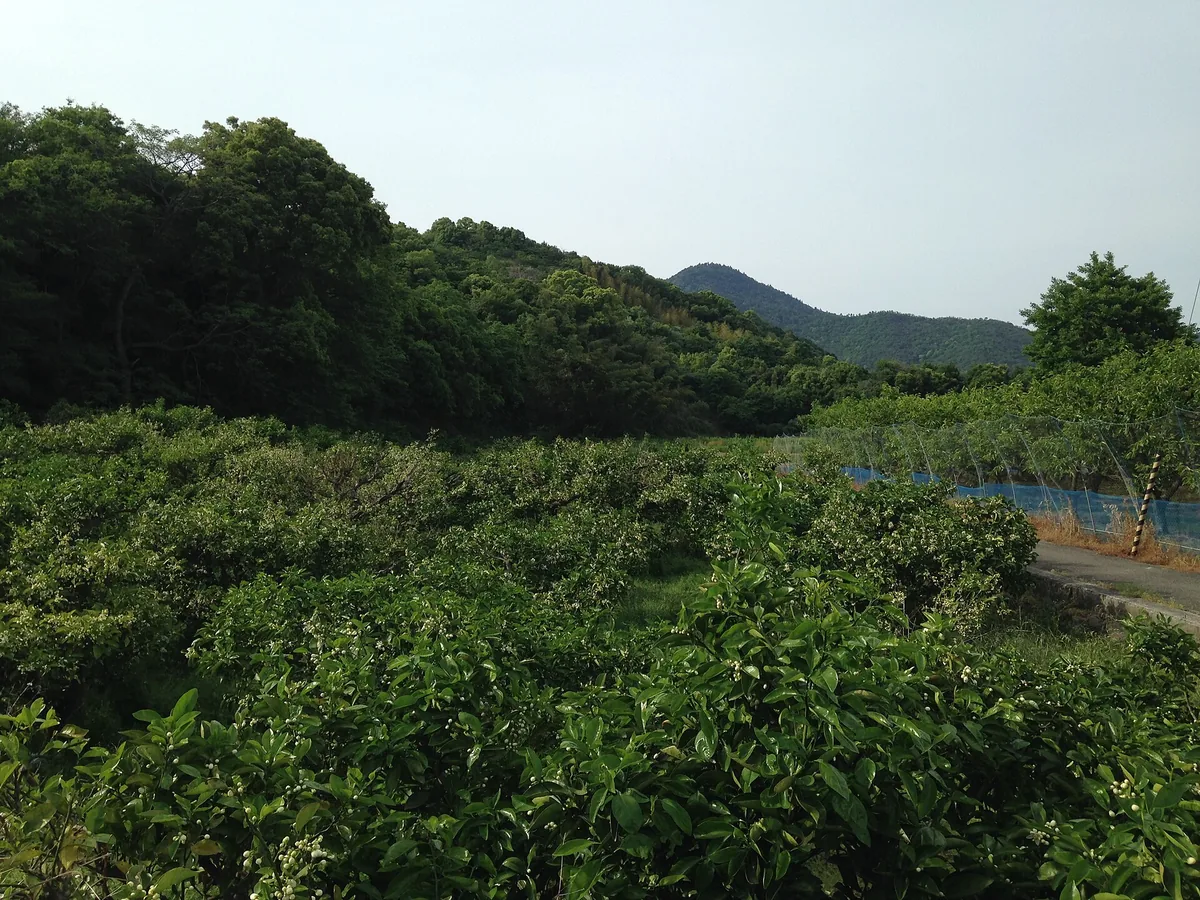
Sudachi is a small, round citrus native to Tokushima Prefecture on Shikoku Island. Cooks harvest it green, before it ripens to yellow, because the unripe fruit carries the sharpest acidity and aroma. Wikipedia records the fruit in the Yamato Honzo, an Edo-period text on Japanese flora and fauna compiled between 1709 and 1715. It also notes sudachi trees in the prefecture that have lived more than 200 years. Commercial sudachi farming expanded after a severe cold wave damaged Tokushima's mikan orchards in 1981, pushing farmers toward the more cold-resistant citrus.
Tokushima City's current guide says the prefecture produces more than 90% of Japan's sudachi. That dominant share is the useful planning fact; older sources quote different percentages and should not be mixed as if they describe the same harvest year. Kamiyama and Sanagochi are among the best-known growing areas.
This guide focuses on the citrus itself. For the prefecture's other specialties, see the Tokushima food guide.

Sudachi vs Yuzu vs Kabosu: The Citrus Decision Matrix
Sudachi, yuzu, and kabosu all show up on Japanese menus, and travelers often can't tell them apart on sight. Size and acidity are the fastest way to distinguish them. Sudachi is the smallest of the three, at 20 to 40 grams per fruit, according to Wikipedia's citrus reference data. Kabosu, common in Oita Prefecture, runs far larger, at 100 to 140 grams, and carries a milder acid bite. Yuzu sits in between on size but stands apart on aroma, with a floral, almost sweet scent and bumpy skin.
Sudachi is harvested green, maximizing its sharp acidity, and at just 20 to 40 grams it's smaller than yuzu or kabosu—characteristics that make it ideal as a savory seasoning where a few drops or a thin slice brightens a dish.
Choose sudachi when a dish needs a savory, umami-forward lift, such as grilled fish or a noodle broth. Reach for yuzu instead when the goal is a floral note in a dessert or a sweeter cocktail. Sudachi juice also contains eriocitrin, an antioxidant flavonoid shared with lemon and lime but largely absent from yuzu and kabosu juice, per Wikipedia's phytochemistry summary. That overlap with lemon's chemistry is one reason sudachi reads closer to a sharp citrus than to its milder Japanese cousins.
| Citrus | Typical Size | Flavor Profile | Best Use |
|---|---|---|---|
| Sudachi | 20–40 g | Sharp acidity; green-pepper and lemongrass notes | Savory dishes: grilled fish, noodles, hot pot |
| Yuzu | Larger than sudachi, variable | Floral, sweet aroma; bumpy skin | Desserts, ponzu, sweeter cocktails |
| Kabosu | 100–140 g | Milder acidity than sudachi | Common in Oita Prefecture cooking |
The Noodle Trio: Handa Somen, Iya Soba, and Tarai Udon
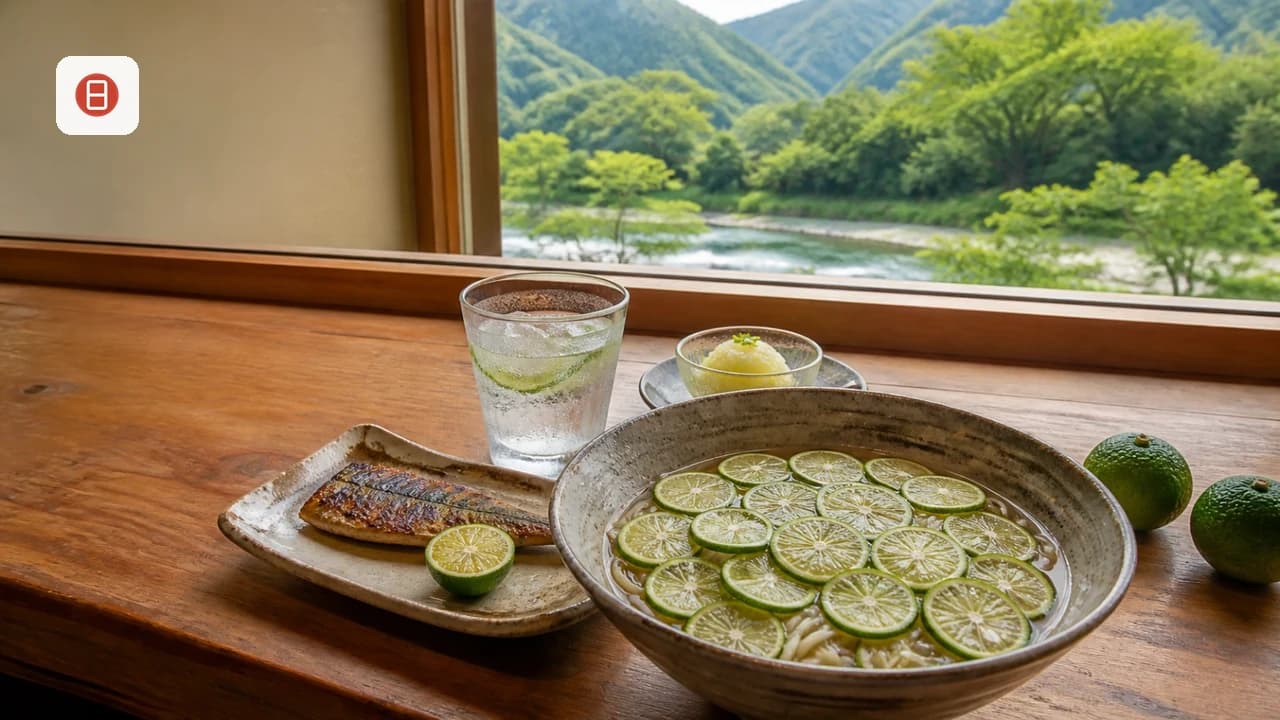
Three noodle dishes carry sudachi across Tokushima menus, and each uses the citrus differently. Handa somen is a thick, chewy noodle, chilled and served with sudachi slices. Discover Tokushima's official cuisines guide credits the cold wind off the Shikoku Mountains and the Yoshino River's groundwater for its texture. Iya soba is a rough-cut buckwheat noodle from the Iya valley. Regional accounts credit its development to descendants of the Heike clan who settled there centuries ago.
Tarai udon comes from Awa City. Cooks pour the noodles straight from the pot into a shared basin, called a tarai. Diners then dip them into a broth made with freshwater goby from streams in the Miyagouchi district, squeezing in sudachi themselves rather than having it added at the counter. One restaurant regional guides list for the dish is Tarai Udon Niimiya, near the Miyagawauchi River. Hours and operating status change, so confirm before visiting.
For the ramen side of Tokushima's noodle scene, see the Tokushima Ramen Guide 2026: Brown, White, and Yellow Styles Explained. Some counters will bring a sudachi wedge on request for travelers who want extra acidity in the broth.
Dekomawashi and Miyoshi City's Skewered Specialty
Dekomawashi is a skewered dish from Miyoshi City. It combines potato dumplings, sweetfish, and rainbow trout, basted in miso sauce and grilled over an open flame. The name references deku, a theater doll, and mawashi, meaning to turn, describing how the skewers rotate over the fire.
Regional food guides point to Takimi Shokudo, a short walk from the Iya Kazurabashi Bridge, as a spot serving the dish. Confirm current hours before visiting, since small-town restaurant schedules change. Sources reviewed here don't specifically pair sudachi with dekomawashi, but the citrus commonly garnishes grilled dishes elsewhere in Tokushima, so asking for a wedge on the side is a reasonable request.
Sudachi with Seafood, Beef, and Chicken
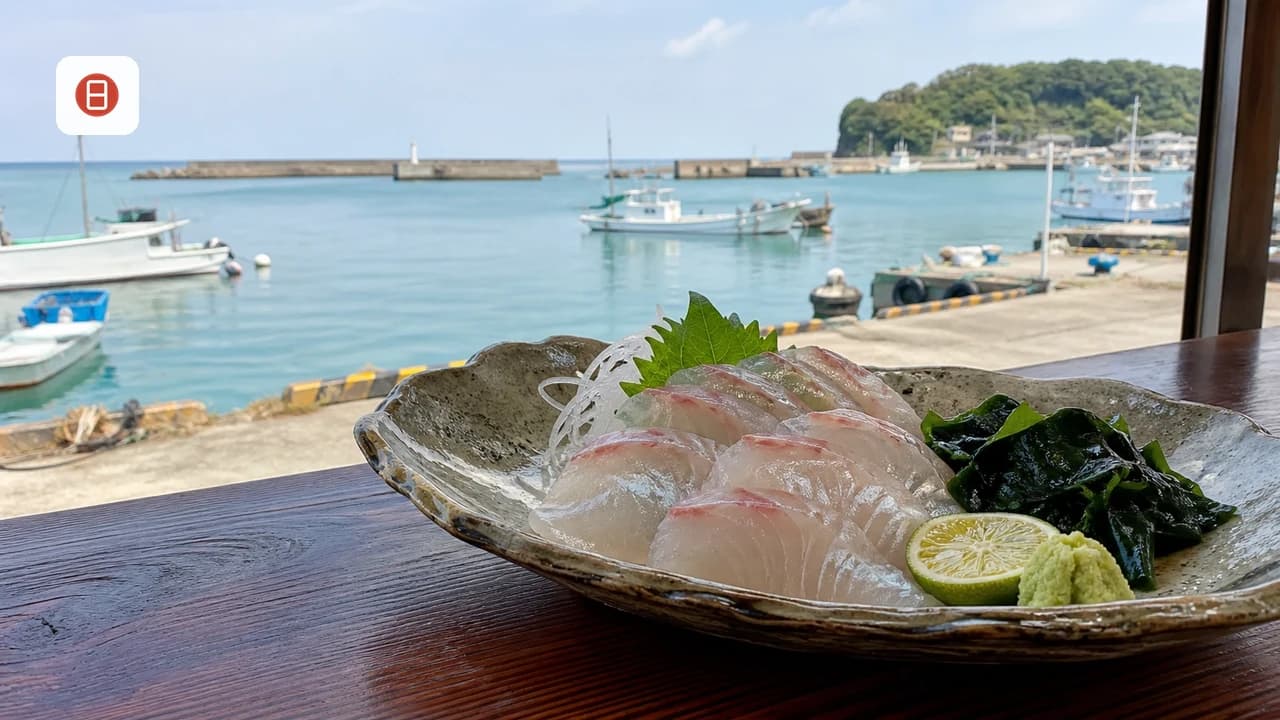
Sudachi's savory, umami-friendly acidity makes it a natural partner for Tokushima's proteins. A squeeze over grilled Naruto sea bream, or tai, brightens the fish without masking it. Its dedicated Naruto sea bream guide covers where to find it. Wikipedia also describes sudachi as a longstanding companion to grilled matsutake mushrooms, a seasonal autumn pairing.
Awa beef, named for Tokushima's former Awa Province, must grade five or higher on Japan's beef marbling scale to carry the name. Sudachi's acidity cuts through its fat whether the beef is served as steak or in a shabu-shabu hot pot. Citric acid, abundant in sudachi juice, breaks down the coating fat leaves on the tongue, which is why a squeeze at the end of cooking reads as freshness rather than sourness.
Awa Odori chicken is a Tokushima-bred variety with reddish-streaked meat, low fat content, and high umami levels, according to Discover Tokushima's official food guide. The same acidity that balances beef fat works well on the chicken too. For more on preparation, see the Awa Odori chicken guide.
Sudachi Drinks: From Sudachi-chu to Craft Cocktails
Sudachi-chu is Tokushima's local variation on shochu, distilled with the citrus itself rather than added afterward as a garnish. Non-alcoholic options include sudachi cider and cold-pressed juice. Wikipedia notes sudachi-flavored ice pops, soft drinks, and even vodka coolers are sold around the prefecture, where the fruit itself stays inexpensive.
Bartenders elsewhere treat sudachi as a precision ingredient rather than a headline flavor. A few drops in a highball, sour, or spritz shift the drink's profile without taking it over. That restraint mirrors how the citrus works at the table: a background lift, not the main event.
Sudachi Seasons: Greenhouse, Outdoor, and Cold Storage
Tokushima now supplies sudachi close to year-round, but flavor shifts with how and when it's grown, according to Shikoku's official tourism board.
Ask servers which harvest is on the plate. Fruit from the height of the outdoor season delivers the most aromatic squeeze of the year.
- March–August, greenhouse-grown: thin rind, high juice volume, mellow flavor.
- August–October, outdoor-grown: thick rind, strong fragrance, and the sharpest acidity of the year.
- October–March, cold storage: outdoor-grown fruit dried in shade and refrigerated, giving a gentler acidity for winter visitors.
Sudachi's Nutritional Profile: What the Research Shows
Sudachi carries more ascorbic acid, better known as vitamin C, and more calcium than lemons, according to Wikipedia's summary of citrus chemistry. It also contains eriocitrin, an antioxidant flavonoid abundant in lemon and lime juice but largely missing from yuzu and kabosu. A 2006 Tokushima University study, cited by Wikipedia, gave sudachi zest to rats over a one-year period and recorded lower blood glucose levels along with other signs of improved health.
That result comes from an animal study, not a human clinical trial, so travelers should treat it as a research note rather than a health claim. None of this changes how sudachi is used in the kitchen. It remains a seasoning, added a few drops or a thin slice at a time, not a health supplement to consume in bulk.
Where to Buy and Eat Sudachi in Tokushima
Fresh sudachi is sold at supermarkets and produce stores throughout Tokushima City. Shikoku's tourism board notes it is also available unprocessed at Tokushima Station and Tokushima Airport, making it an easy last-minute purchase before departure. Farm stands and Michi-no-Eki roadside stations sell it straight from growers. The Kamiyama district, one of the prefecture's top sudachi-producing areas, is worth a stop for travelers heading inland. Near Tokushima Station, both upscale restaurants and casual izakayas put sudachi on the table, from a wedge beside grilled fish to a garnish in a highball.
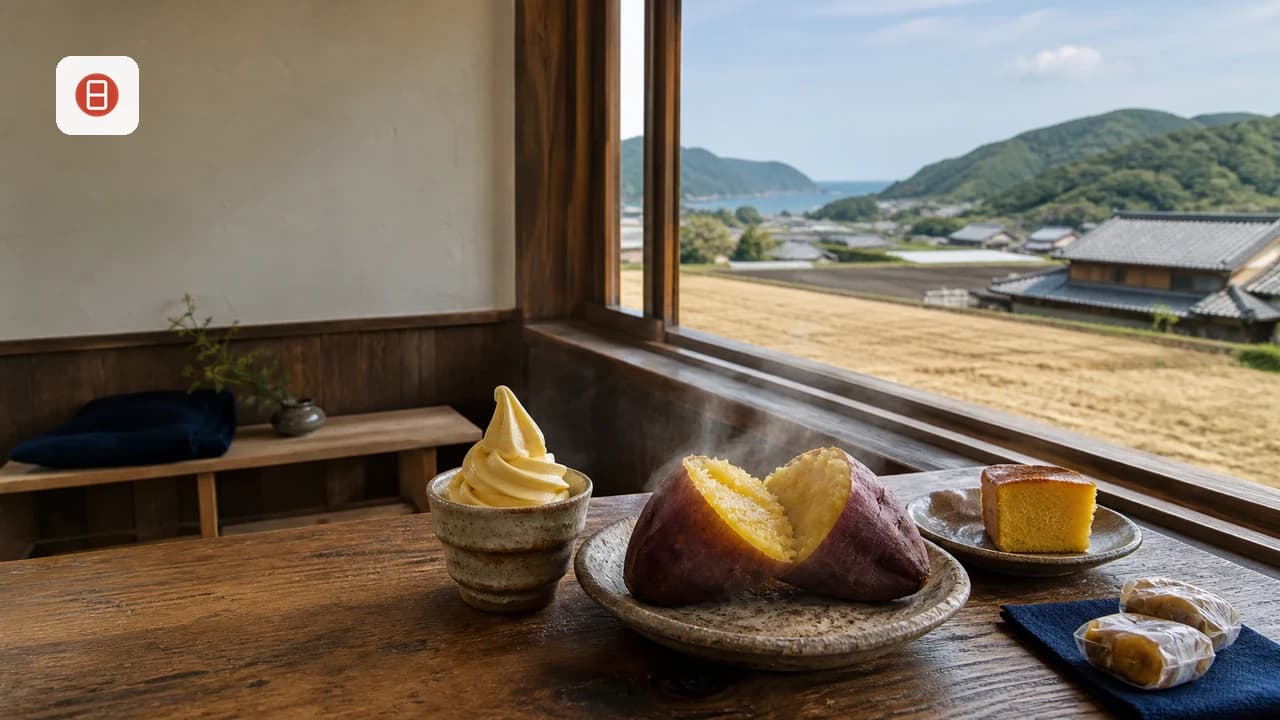
Tokushima also grows Naruto Kintoki sweet potatoes, another signature crop turned into local desserts. Its Naruto Kintoki Sweet Potato Desserts: A Tokushima Guide (2026) covers that side of the prefecture's food scene. Round out a food-focused day with sightseeing from the Tokushima attractions guide.
- Sudachi ponzu sauce, a citrus-soy dipping sauce; follow the storage directions printed on the specific bottle.
- Bottled or cold-pressed sudachi juice, for cooking or mixing drinks at home.
- Sudachi-chu, the citrus-distilled shochu, sold in bottles at station and airport shops.
- Sudachi Jell-O and other sudachi-flavored sweets, easy to pack for the flight home.
Sudachi Etiquette: Mistakes Travelers Should Avoid
Treat sudachi as a seasoning, not a snack. Wikipedia and multiple food guides agree it isn't eaten whole. Cooks squeeze it like a lemon or lime, or slice it thin as a garnish. Cut the fruit in half before squeezing, and turn the cut side toward the dish with a hand cupped underneath to catch seeds before they land in a broth or drink.
Tokushima produces more than 90% of Japan's sudachi, so local markets offer the broadest seasonal selection. Prices still vary by harvest, grade, and retailer.
Price is the biggest local advantage. Wikipedia notes sudachi sells cheaply throughout Tokushima Prefecture. In Tokyo and Osaka, by contrast, it's treated as a delicacy and priced accordingly. Buy fresh fruit, juice, or sudachi-chu while in Tokushima rather than waiting to shop for it elsewhere in Japan.
How This Guide Was Verified
Food availability, access details, seasonal rules, and the time-sensitive claims in this guide were checked on August 22, 2026 against the official sources below. Independent restaurant menus, prices, opening days, and sell-outs can change, so confirm the operator's same-day notice before making a special trip.
Frequently Asked Questions
What does sudachi taste like?
Sudachi is tart and aromatic, with notes reviewers describe as green pepper and lemongrass alongside a sharp citrus bite. It's more acidic than a typical lemon and closer in size to a lime, at roughly 20 to 40 grams per fruit.
What is the difference between sudachi and yuzu?
Sudachi is smaller, greener, and more acidic, suited to savory dishes like grilled fish and noodle broths. Yuzu is larger, with a floral, sweeter aroma and bumpy skin, and works well in desserts and sweeter drinks.
When is sudachi in season in Tokushima?
Greenhouse-grown sudachi is available March through August with a mellow flavor. Outdoor-grown fruit follows from August to October and carries the sharpest acidity and strongest fragrance. Cold-stored sudachi covers October through March with a gentler acidity for winter visitors.
Can you eat sudachi whole, like an apple?
No. Sudachi is a seasoning fruit, squeezed or sliced thin as a garnish rather than eaten as a table fruit. It's too tart and acidic to eat whole.
Where can travelers buy sudachi in Tokushima?
Supermarkets and produce stores across Tokushima City carry it in season, and Shikoku's tourism board notes it's also sold unprocessed at Tokushima Station and Tokushima Airport. Farm stands, Michi-no-Eki roadside stations, and shops in the Kamiyama growing district are other reliable sources.
Is sudachi expensive to buy outside Tokushima?
Yes, comparatively. Wikipedia notes the fruit sells cheaply throughout Tokushima Prefecture but is treated as a delicacy, priced accordingly, in Tokyo and Osaka. Buying fresh fruit or sudachi-chu while in Tokushima is the better value.
What's the best way to bring sudachi flavor home?
Bottled juice, ponzu, and sudachi-chu are easier to pack than fresh fruit, but follow each product's storage label and the airline's liquid and alcohol rules. Check plant-quarantine rules before taking fresh citrus across a border.
Free guide: Japan's Hidden Gems
12 under-the-radar places beyond Tokyo & Kyoto — with the best season to visit each and a local tip you won't find in the guidebooks.
You might also like


Continue reading
More guides you'll find useful