Seasonal Food in Morioka: 2026 Guide to Noodles, Wagyu, Seafood
Plan seasonal food in Morioka around the Three Great Noodles, matsutake and apple season, Sanriku seafood, and Maesawa wagyu, updated for 2026.
On this page
Last updated July 2026, seasonal food in Morioka shifts with Iwate Prefecture's geography, from mountain sansai in spring to Sanriku oysters in winter. Three noodle dishes, Wanko Soba, Jajamen, and Reimen, anchor the menu year-round, though the best season to try each one differs. This guide walks you through the Morioka food scene by season and by noodle, so your meals line up with what's actually in peak supply.
The Morioka Seasonal Food Calendar
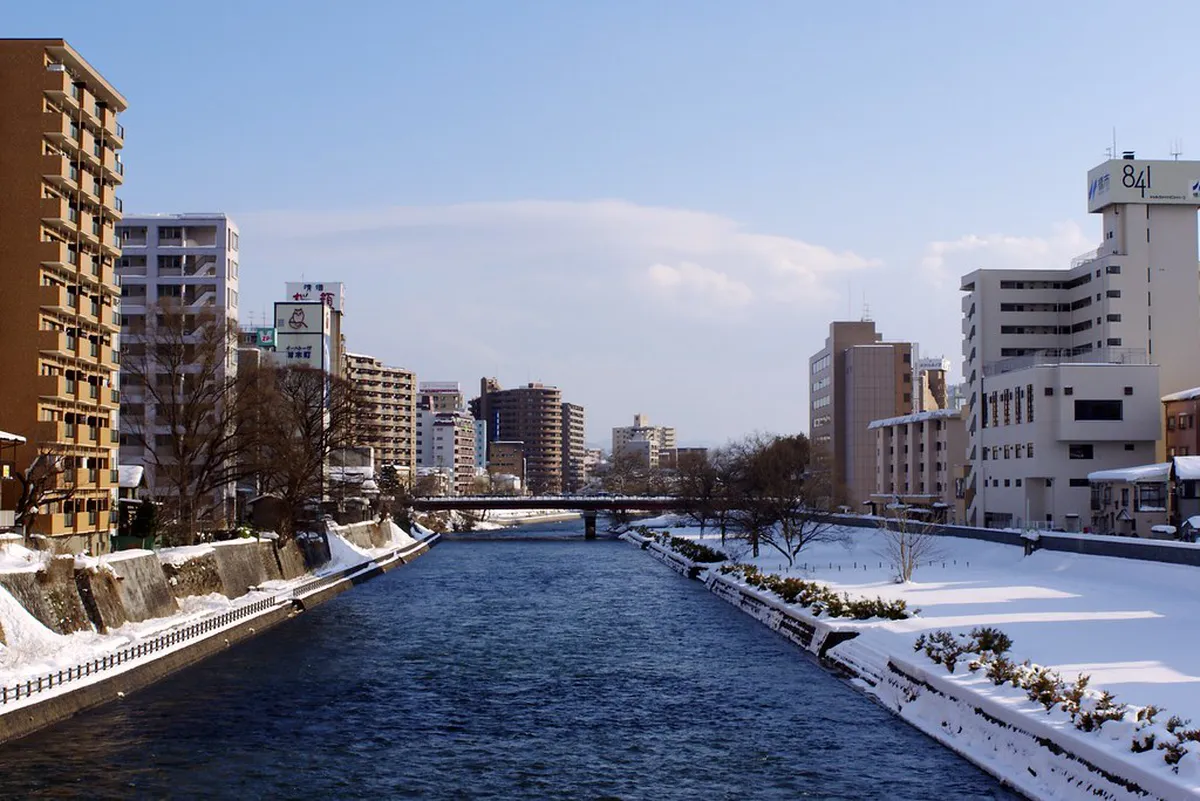
Morioka sits inland between the Kitakami mountains and the Sanriku coast, and that geography sets the seasonal menu. The Kitakami River runs through the city center, and many restaurants cluster near its banks close to Morioka Station. Spring brings foraged sansai and cherry blossom-themed wagashi. Summer shifts the city toward cold Reimen and chilled seafood salads. Autumn headlines matsutake mushrooms and Iwate apples from the surrounding highlands. Highland areas west of the city are the source for both the spring sansai and the autumn matsutake, since the terrain doesn't change, only what's in season within it. Winter turns to nabe hot pot and Sanriku oysters. Local festival calendars, including the Sansha Odori, tend to overlap with these ingredient shifts. Check current festival dates before building a trip around one.
| Season | What Peaks | Where It Shows Up |
|---|---|---|
| Spring | Sansai (mountain vegetables), cherry blossom wagashi | Set menus and sweets shops timed to bloom |
| Summer | Morioka Reimen, chilled seafood salads | Noodle shops city-wide |
| Autumn | Matsutake mushrooms, Iwate apples, new-harvest rice | Set menus and produce stalls |
| Winter | Nabe hot pot, Sanriku oysters, Jajamen's chi-tan-tan finish | Izakaya and noodle counters |
- Cherry blossom season overlaps with sansai foraging, covered in more depth in the Morioka Cherry Blossoms: Best Spots and 2026 Viewing Guide guide.
- For a broader month-by-month framework beyond food, check the best time to visit guide before setting your dates.
The Three Great Noodles of Morioka, Compared
All three noodles trace back to Morioka City itself, not the wider Iwate region, which is part of why they're grouped together as a single local tradition. They trade off differently on time, price, and how much work you do at the table. Many visitors sequence all three across a single day: a fast Jajamen or Reimen lunch, then Wanko Soba as a dedicated dinner event with a group.
| Noodle | Typical Time | Price Point | Interactive Level |
|---|---|---|---|
| Wanko Soba | Roughly 60 minutes, eaten as a group event | Higher, sold as an all-you-can-eat format | High, servers refill continuously until you close the lid |
| Jajamen | About 20 minutes, a quick bite | Budget | High, you mix in vinegar, ginger, garlic, and chili oil yourself |
| Reimen | A standard sit-down meal, no set pace | Budget to mid-range | Low, arrives ready to eat |
- Wanko Soba works best when you've got a spare hour and a group willing to turn lunch into an event. It usually needs a reservation at popular shops, a step covered in the Wanko Soba guide.
- Jajamen and Reimen sit closer together on price and pace, and the differences between the two are broken down further in the Jajamen versus Reimen guide.
Wanko Soba: The All-You-Can-Eat Ritual
Wanko Soba turns a soba meal into a timed challenge. Servers refill a small lacquer bowl continuously, and each bowl holds only a bite or two, which is what makes eating dozens of them manageable. Soba itself carries a mild, nutty flavor that holds up against repeated small portions. Side dishes such as vegetables, spices, and small cuts of meat vary the flavor across the meal. This challenge ends only when you close the lid on the bowl, signaling enough. Because the format suits groups and popular shops fill up fast, you'll want to reserve ahead more than for the other two noodles. Most first-time visitors are surprised by how filling the challenge becomes, even though each bowl looks small on its own.
Morioka Jajamen and the Chi-Tan-Tan Finish
Jajamen is a DIY bowl built around udon-like noodles topped with meat-miso sauce, cucumber, and green onion. Vinegar, garlic, ginger, and chili oil sit on the table so you adjust the flavor bowl by bowl. Ordering is simple: ask for Jajamen, then customize at the table rather than requesting changes from the kitchen. It's a faster, messier meal than Wanko Soba, and it suits casual dining better than a formal sit-down. Once the noodles are gone, ask for chi-tan-tan. The cook cracks an egg into your bowl, adds hot broth, and turns the leftover miso sauce into a short soup. Skipping that step means missing half the ritual regulars expect.
Morioka Reimen: A Cold Noodle Built for Summer
Reimen began as a Korean-inspired dish reworked by a Morioka shop owner and has since become the city's summer standard. Noodles are thick, firm, and served cold in a tangy broth with beef, kimchi, cucumber, and a boiled egg. Fruit on top, usually apple, pear, or watermelon, balances the kimchi's heat and cools the palate between bites. Spice levels vary by shop and are usually adjustable on request, so ask the kitchen to dial it back if needed. Because it's served cold, Reimen is the noodle most visitors reach for on hot, humid afternoons, pairing naturally with the chilled seafood salads that peak in the same season.
Premium Iwate Ingredients Beyond Noodles
Morioka's inland position works two ways. Mountain ranches supply the city from the highlands, and coastal fishing ports supply it from the Sanriku coast. Locally, this pattern is known as chisan-chisho, food produced close to where it's eaten. That dual supply is why a single evening in Morioka can pair mountain wagyu with same-day coastal seafood. Visitors often notice this on a single menu, where a Maesawa steak and a Sanriku oyster appetizer sit side by side, a combination coastal-only or mountain-only cities can't easily offer. Maesawa beef, a premium Iwate wagyu brand raised in Iwate's Maesawa area, is known for heavy marbling and a rich, tender texture. Morioka restaurants serve it without requiring a separate trip to Maesawa itself, most often as steak, sukiyaki, or yakiniku. Morioka also functions as the inland distribution point for Sanriku coast catches, served across the city as sashimi or kaisen-don, seafood over rice.
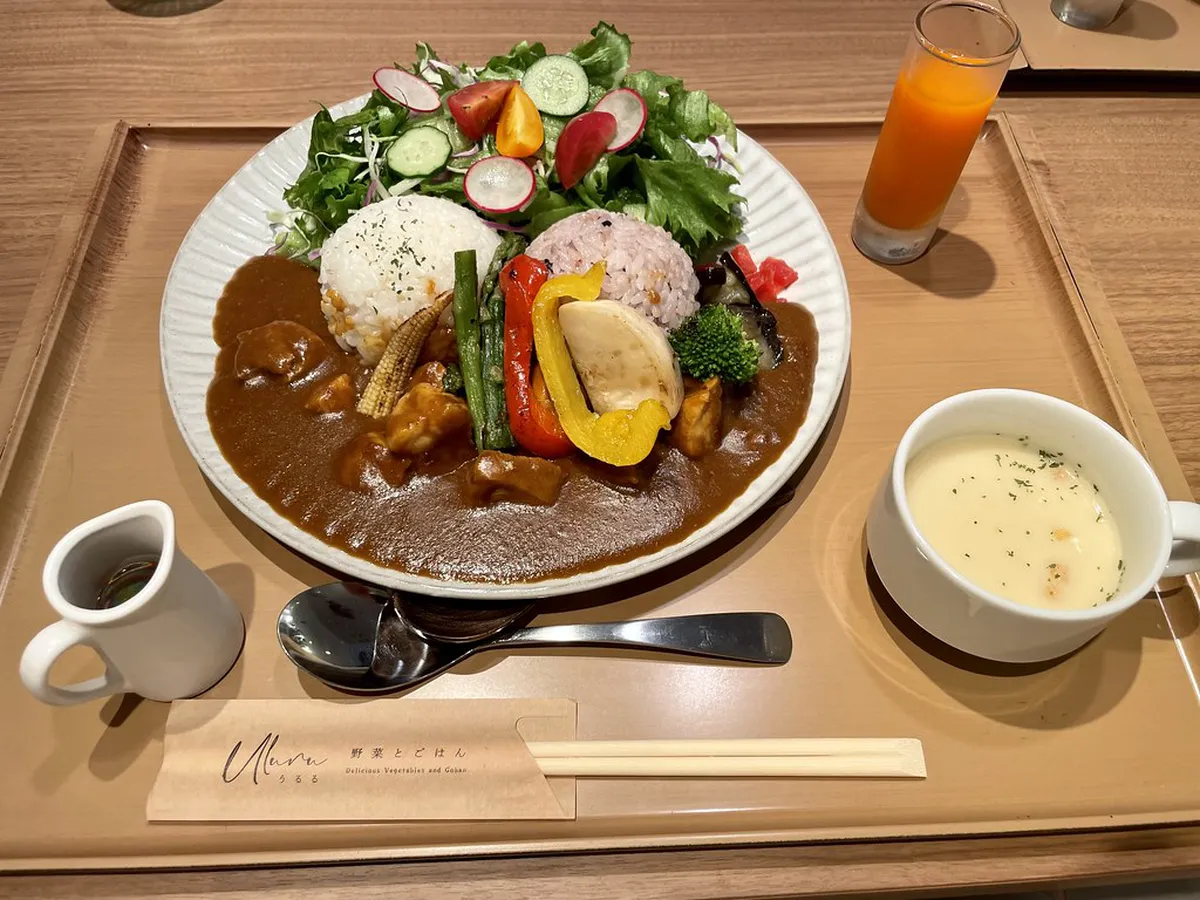
- Pacific saury
- Mackerel
- Squid
- Oysters, at their best in winter
- Sea urchin
- Wakame seaweed and sea squirt, both regulars in set seafood courses
Koiwai Farm Dairy in the City
Evening izakaya seating is where much of this seafood turns into shared small plates alongside local sake, a pairing covered in the 8 Best Izakaya in Morioka: Local Nightlife & Dining Guide guide. Koiwai Farm, a dairy operation in nearby Shizukuishi running for more than a century, has several buildings designated national cultural assets and supplies much of the milk-based food found around Morioka. Its soft-serve ice cream and milk-based desserts show up at Morioka Station kiosks and in local cafes, detailed further in the Morioka cafe culture guide. Farm-branded milk, yogurt, and cheese also sit on shelves at select Iwate supermarkets, and gift-ready versions are covered in the Morioka Food Souvenirs and Sweets: A Local Buying Guide guide.
Planning a Morioka Food Itinerary
Where you eat in Morioka often comes down to two areas. Morioka Station and the surrounding Fensa complex are built for convenience, with counter-style noodle shops suited to a stop before a train. Sakurayama, the city's historic district, groups several landmarks within walking distance of each other. Both areas are compact enough to cover on foot once you've picked a base for the day. Morioka Castle Ruins Park anchors the Sakurayama area and hosts food stalls during local festivals, detailed in the castle ruins park guide. Nearby, Morioka Hachimangu Shrine Travel Guide: History, Etiquette & Tips draws its own festival crowds and food vendors. The Iwate Bank Red Brick building sits within walking distance and pairs well with a Sakurayama food stop. For a fuller list of sights nearby, see the 10 Best Things To Do In Morioka (2026) guide. Budgeting for a day of Morioka food depends heavily on the mix you choose. Noodle prices are posted at each shop's entrance or menu board, and Jajamen and Reimen, sold as single servings, stay the cheapest anchor of a food day. Wanko Soba's all-you-can-eat format costs more by comparison. A Maesawa beef dinner costs noticeably more per person than any bowl of noodles, so treat it as the splurge meal and build the rest of the day around lower-cost noodle stops. A broader restaurant shortlist, including where the noodle shops cluster, is in the 13 Best Restaurants in Morioka (2026 Guide): Noodles, Wagyu, and Izakayas. Picking a hotel near either food area is easier with the 9 Best Areas and Tips: Where to Stay in Morioka guide. Travelers arriving by train can walk straight into station-based dining, covered in the 6 Best Ways to Get to Morioka guide.
Mistakes to Avoid When Eating in Morioka
A handful of avoidable mistakes show up often among first-time visitors planning a Morioka food day.
Wanko Soba's Roughly 60 minutes requirement and all-you-can-eat format make it a substantial, time-consuming meal. Pairing it with a separate Maesawa beef dinner the same day leaves no room, so a fast Jajamen or Reimen lunch better precedes an evening Wanko Soba sitting.
- Skipping a reservation for Wanko Soba at popular shops, especially around lunch and dinner peak hours.
- Leaving a Jajamen counter before the chi-tan-tan finish, or not asking for it if it isn't automatic.
- Assuming Reimen is always intensely spicy instead of asking the kitchen to adjust the kimchi heat.
- Ordering Jajamen expecting a soupy dish; it's a dry, mix-it-yourself noodle until the chi-tan-tan finish adds broth at the end.
- Scheduling a full Wanko Soba sitting and a Maesawa beef dinner on the same day; both are substantial meals.
When Morioka’s Seasonal Ingredients Peak
Season names alone can hide short harvest windows. Use these month ranges as a planning guide, then check restaurant boards for current supply.
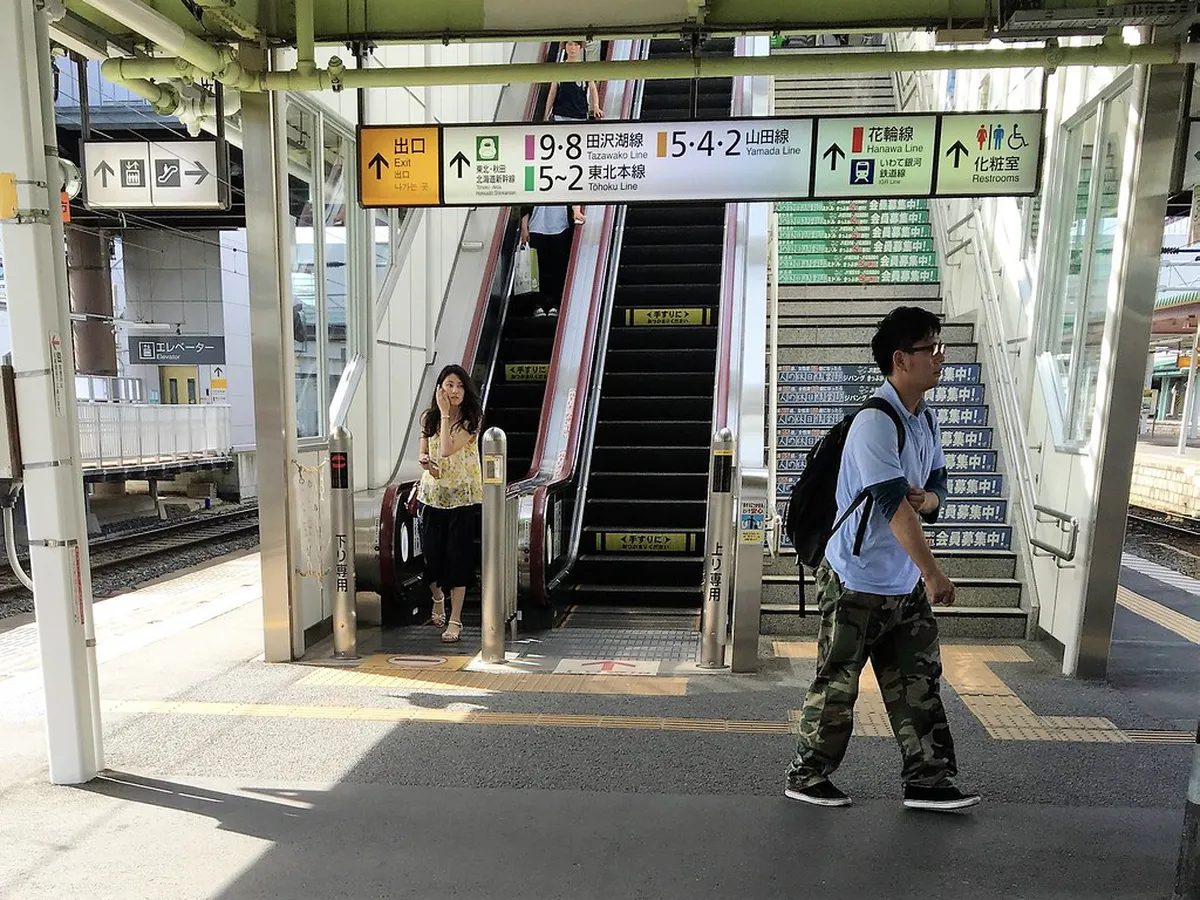
- April to June: Sansai such as fuki, kogomi, and taranome appear in tempura and small side dishes. Cherry-themed wagashi usually coincide with the local blossom period.
- July to August: Cold Morioka Reimen is especially welcome during humid weather. Watermelon commonly replaces apple or pear as its fruit garnish.
- September to November: Iwate apples, mushrooms, new rice, and Pacific saury dominate autumn menus. Matsutake has a shorter window and may disappear when supply is limited.
- December to March: Sanriku oysters reach city izakaya as grilled oysters, fried kaki, or hot-pot ingredients. Nabe and Jajamen’s hot chi-tan-tan finish suit Morioka’s cold evenings.
Mikoda Morning Market is useful for seeing seasonal produce, while Morioka Station’s Fesan complex offers an easier indoor option. Around Sakurayama, izakaya chalkboards often reveal the day’s seafood more accurately than permanent menus. Harvest timing changes with weather, so ask what is local and currently at its best.
Further reading: Morioka on Wikivoyage · Morioka on Wikipedia
Frequently Asked Questions
What is the best season for seasonal food in Morioka?
Each season highlights a different specialty, so there's no single best time. Autumn brings matsutake mushrooms and Iwate apples. Winter centers on nabe hot pot and Sanriku oysters. Spring is sansai season, and summer belongs to cold Reimen and chilled seafood salads.
Which of the Three Great Noodles should you try first?
It depends on how much time you have. Wanko Soba works best with a spare hour and a group. Jajamen suits a fast, casual lunch. Reimen fits a normal sit-down meal with no time pressure. Pairing a fast lunch noodle with a dedicated Wanko Soba dinner is also a common way to try two in one day.
Do you need a reservation for Wanko Soba in Morioka?
Reservations are recommended at popular shops, particularly for groups and around peak lunch and dinner hours. Walk-ins are possible at quieter times, but booking ahead avoids a wait.
Is Morioka Reimen very spicy?
Spice comes mainly from the kimchi in the broth, and levels vary by shop. Most kitchens adjust spice on request, so it's reasonable to ask for a milder version.
Where can you buy Koiwai Farm dairy products without visiting the farm?
Koiwai Farm's ice cream and milk-based desserts turn up at kiosks around Morioka Station and in local cafes. Milk, yogurt, and cheese are also stocked at select supermarkets across Iwate.
Can you do a Morioka noodle crawl in one day?
Yes. Many visitors pair a fast Jajamen or Reimen lunch with a dedicated Wanko Soba sitting later in the day, since the three noodles differ enough in pace and portion size to fit into one day without repeating a meal.
Free guide: Japan's Hidden Gems
12 under-the-radar places beyond Tokyo & Kyoto — with the best season to visit each and a local tip you won't find in the guidebooks.
You might also like


Continue reading
More guides you'll find useful