Morioka Sansa Odori Guide: World's Largest Taiko Drum Festival
Plan the 2026 Morioka Sansa Odori (Aug 1-4): parade schedule on Chuo-dori, joining the wa-odori dance, seating costs, and Tohoku festival-hopping tips.
On this page
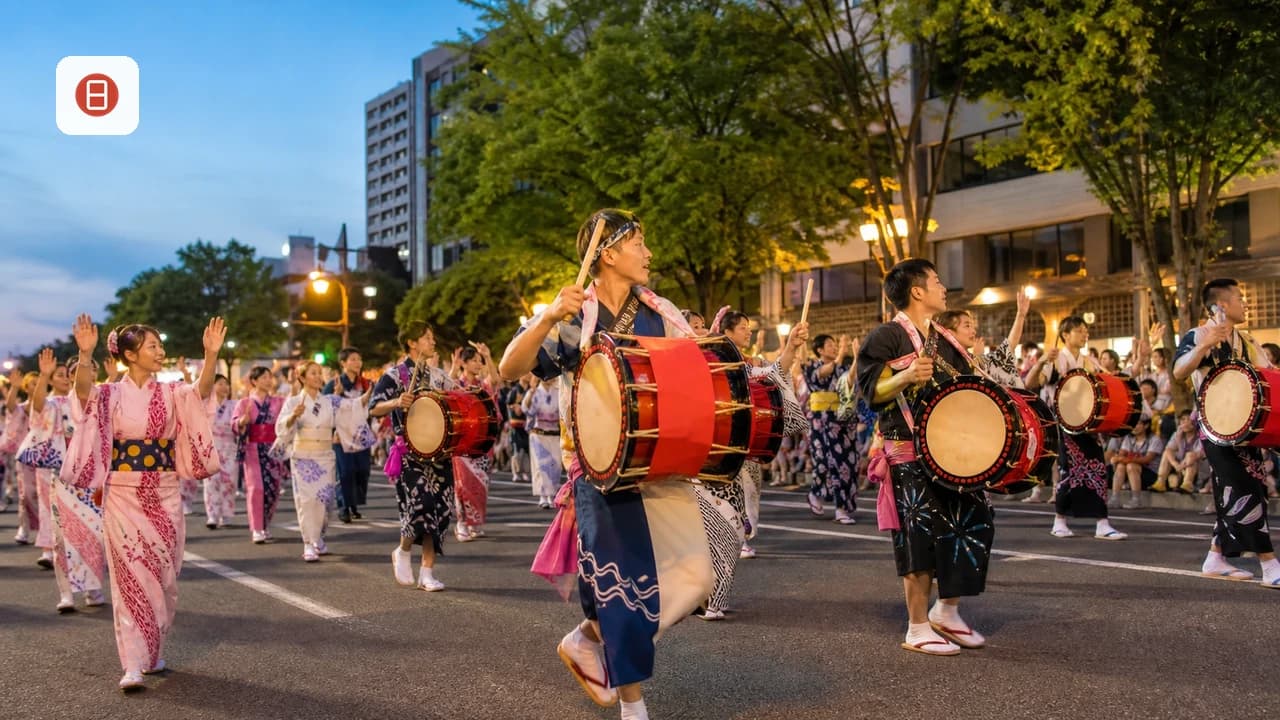
Last updated September 2026, this guide covers everything for planning around the Morioka Sansa Odori, Iwate Prefecture's largest summer festival held August 1-4 on Chuo-dori. Thousands of taiko drummers, flute players, and dancers parade through central Morioka each evening, a display recognized by Guinness World Records as the largest taiko drum parade on record. Spectators can watch from the roadside for free or step into the closing wa-odori circle dance alongside local performers.
What Is the Morioka Sansa Odori Festival?
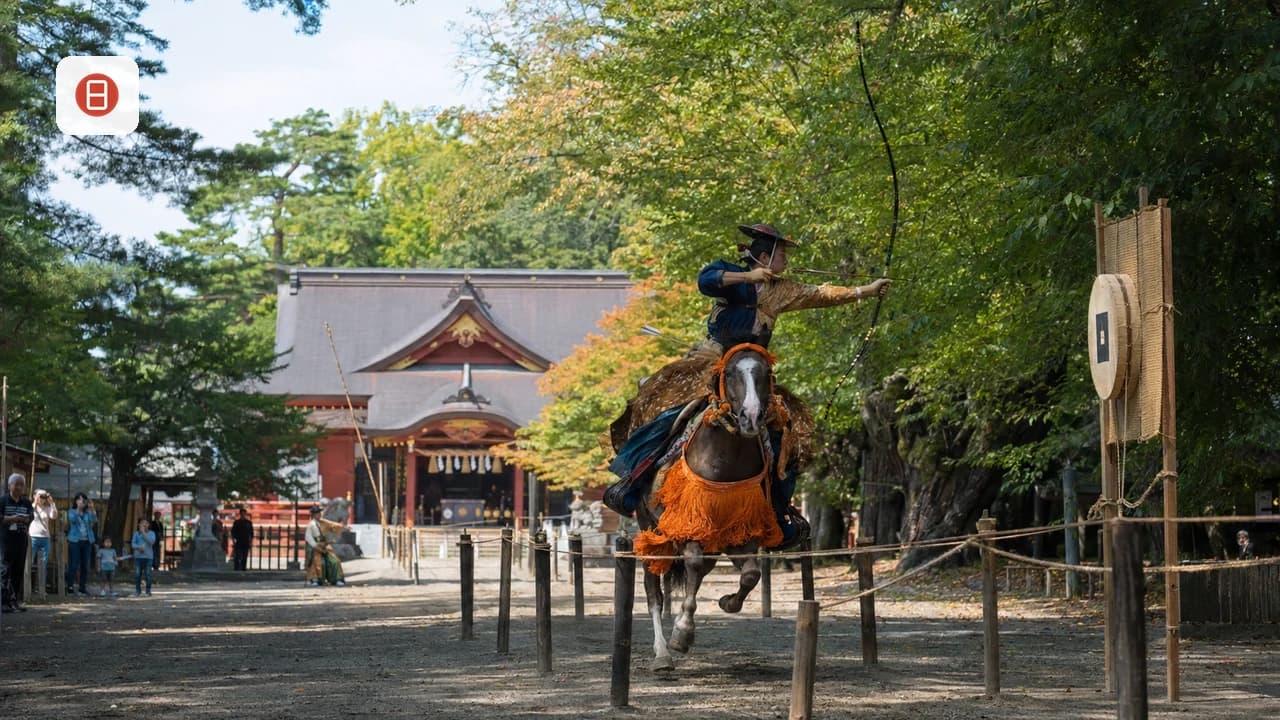
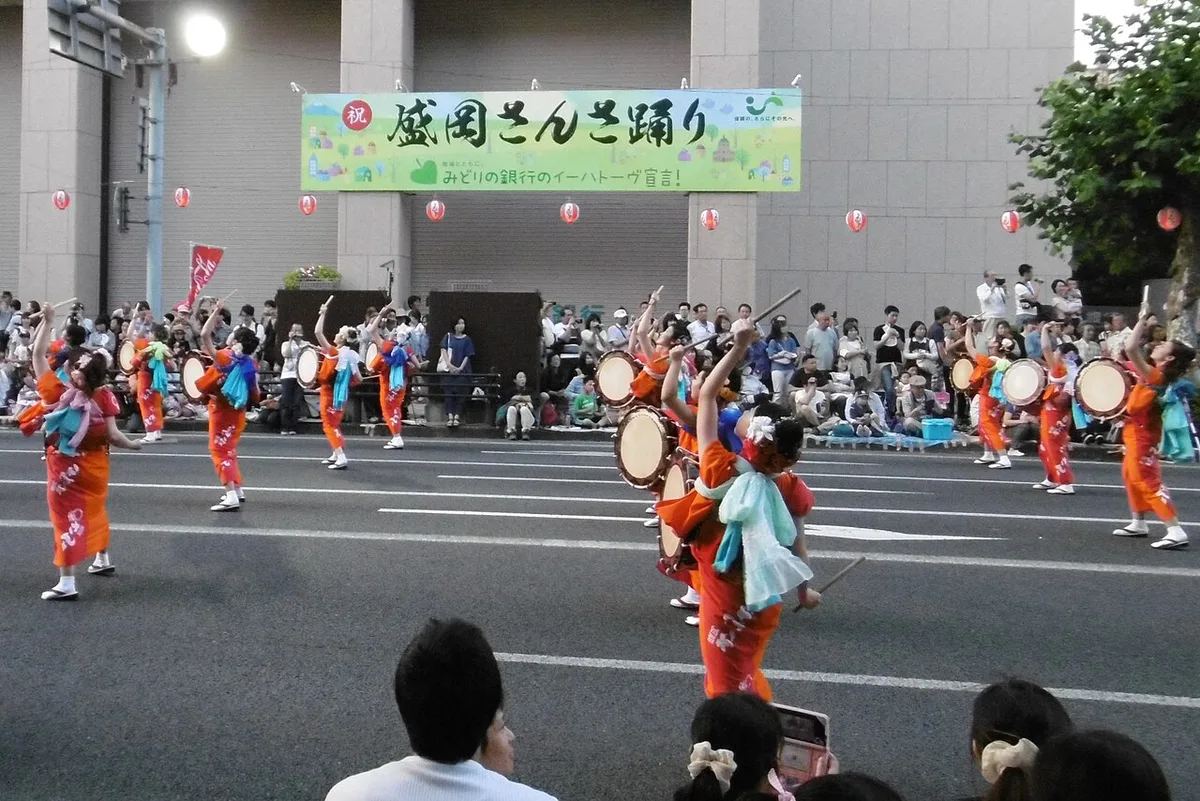
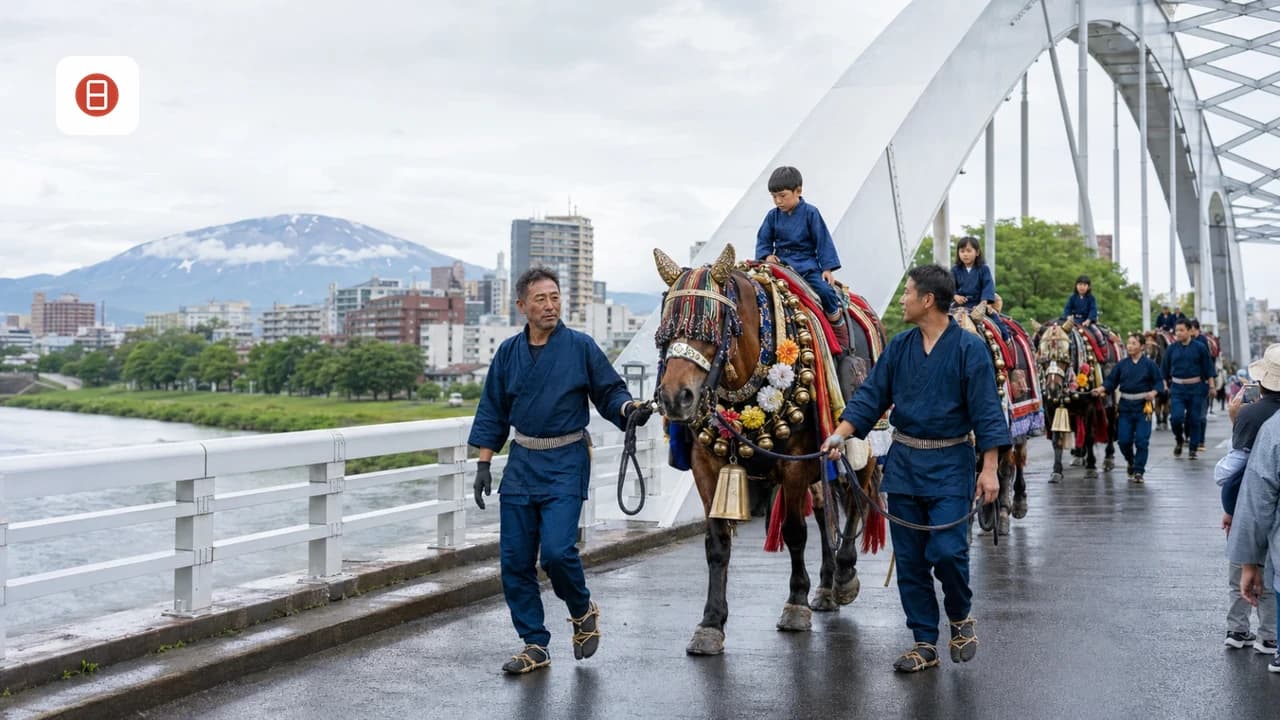
Held every August 1 through 4 in Morioka, Iwate Prefecture, the Morioka Sansa Odori pairs taiko drumming with dance in a nightly street parade along Chuo-dori. More than 10,000 taiko drums join the procession each year. That scale earns recognition from Guinness World Records as the largest taiko drum performance on record, according to Japan's official tourism site. More than 35,000 performers take part across the four days, drawn from schools, companies, and community groups across the city. Morioka Sansa Odori ranks among the Five Great Summer Festivals of Tohoku, a group of major August events spread across the region's biggest cities. A full festival calendar for the city lists how this event fits alongside other seasonal celebrations. Chagu Chagu Umakko horse parade runs each June and makes a good companion trip earlier in the summer.
- Dates: August 1-4 annually
- Record: 10,000+ taiko drums recognized by Guinness World Records
- Scale: 35,000+ performers across the four days
- Status: one of the Five Great Summer Festivals of Tohoku
Festival Schedule and Key Locations
For 2026, Iwate's official event listing confirms the festival runs Saturday, August 1 through Tuesday, August 4. Each night's main parade runs along Chuo-dori, starting near the Iwate Prefectural Office and covering a route of about 0.6 miles. Parade hours run from 18:00 to around 20:30. Reaching the route from JR Morioka Station takes about 15 minutes on foot, crossing Kaiun Bridge toward the city center. Daytime performances run separately from 13:00 to 16:00. They take place at the Morioka Shimin Bunka Hall and at Taki-no-Hiroba Square in front of the station, where regional Sansa groups perform older, traditional choreography. These afternoon shows suit you if you want a quieter, folk-style alternative to the evening's modern parade. About a week before the festival opens, five women chosen as that year's Miss Sansa Odori perform a dedication dance at Mitsuishi Shrine before leading the parade. Exact daily timing can shift slightly year to year. Cross-check dates against Morioka's month-by-month festival calendar before booking travel. The Morioka tourism association's site also posts same-year schedule updates closer to August.
Daytime performances run 13:00 to 16:00, while evening parades begin at 18:00. The two-hour gap allows time to explore Morioka's Three Great Noodles or yatai stalls before evening festivities.
The Legend of the Demon's Handprint
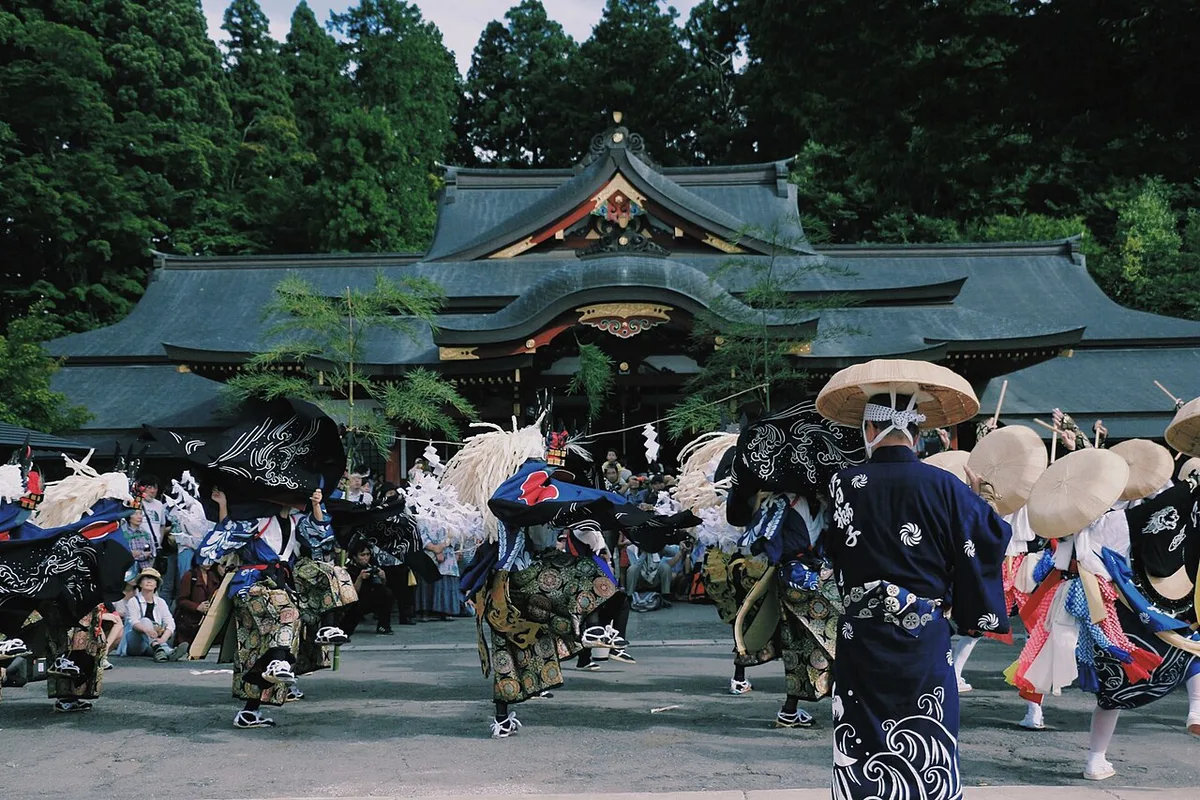
According to local legend, a demon once terrorized the people living near what is now Morioka. Residents prayed to the deity of Mitsuishi Shrine, who caught the demon and forced him to promise never to return. As proof of the pledge, the demon pressed his handprint into a rock at the shrine grounds. That story is widely cited as the source of the name Iwate: iwa means rock, and te means hand. Locals celebrated by dancing around the marked rock and chanting Sansa! Sansa!, and that call gave the festival its name. During the modern parade, dancers instead shout Sakkora Choi Wa Yasse!, a chant said to call happiness toward everyone nearby. Morioka keeps several shrines tied to its historic Nanbu clan era, including Morioka Hachimangu shrine, worth combining with a festival visit.
Spectator Guide: Paid Seats vs. Free Roadside Spots
Watching the parade itself is free, and most spectators claim a roadside spot on Chuo-dori with a floor mat or a folding chair. Arrive by late afternoon if you want a front-row view close to the Iwate Prefectural Office, since families start staking out space well before the 18:00 start. Paid reserved seating is also available, priced at roughly ¥2,500 per seat, and gives an elevated, unobstructed sightline over the standing crowd. They tend to sell out ahead of the festival dates, so book early rather than assuming last-minute availability during August 1-4. Festival etiquette asks spectators to use only the space needed and avoid roping off extra room for absent friends. Weather is a real planning factor here. The Best Time To Visit Morioka: A Seasonal Travel Guide guide compares early August to the city's other seasons for heat and crowds.
How to Join the Wa-odori Circle Dance
Once the formal parade passes, Morioka Sansa Odori shifts into the wa-odori, a circle dance performed around the float carrying lead performers. On the first three nights, spectators are invited into that circle during the final 30 minutes of the parade. During the closing night, the invitation opens to a full hour. A dance master, known locally as the Sansa Oherense-shishō, appears to walk newcomers through the basic steps, so no prior experience is needed. Casual participants can join in ordinary clothing. Anyone dancing as part of a registered Sansa group is asked to wear a yukata jacket rather than the cheaper jinbei, plus white tabi socks and straw zori sandals. Groups training for a full role also rent or bring their own taiko drum. Sansa groups typically begin rehearsals about three months before the festival, practicing once or twice a week for two hours at a time. Non-Japanese residents can also join formal groups through the Iwate International Association or the local chapter of JC International. Deciding between watching and joining comes down to time and energy, summarized in the table below.
| Aspect | Watching the Parade | Joining the Wa-odori |
|---|---|---|
| Time commitment | About 2.5 hours (18:00-20:30) | 30-60 minutes, after the parade ends |
| Physical effort | Minimal; seated or standing roadside | Active; circle dancing in a crowd |
| Best for | Families, first-time visitors, photographers | Solo travelers wanting hands-on participation |
| Dress code | None required | Casual wear is fine; registered groups wear yukata, tabi socks, and zori sandals |
Getting to Morioka and Around Tohoku by Rail
Morioka works well as a festival base because JR Morioka Station sits directly on the Tohoku Shinkansen line. Tokyo Station is about 130 minutes away by direct bullet train. From Morioka, the other Tohoku festival cities sit within a half-day radius. Sendai is roughly 40 minutes away on a direct bullet train, and Akita is about 90 minutes direct. Aomori takes around 75 minutes with a transfer at Shin-Aomori, while Yamagata takes about 2.5 hours with a change at Sendai. Travelers combining several festivals should look at the JR EAST PASS (Tohoku area), which covers 5 consecutive days of unlimited JR East rail travel, including bullet trains, for ¥30,000. The pass also covers neighboring Aomori, Akita, and Miyagi prefectures, and foreign passport holders living in Japan are eligible to use it too. Seat reservations on the pass can be booked online up to one month ahead. Hotels near the station fill up months before August, so check 9 Best Areas and Tips: Where to Stay in Morioka well before booking travel. Beyond festival dates, Morioka's other attractions fill out a longer Tohoku itinerary.
| From Morioka to | Approx. Travel Time | Route |
|---|---|---|
| Sendai | 40 minutes | Direct bullet train |
| Akita | 90 minutes | Direct bullet train |
| Aomori | 75 minutes | Transfer at Shin-Aomori |
| Yamagata | 2.5 hours | Transfer at Sendai |
| Tokyo | 130 minutes | Direct bullet train |
Tohoku's Five Great Summer Festivals: Building a Festival-Hopping Trip
Morioka Sansa Odori is one of the Five Great Summer Festivals of Tohoku. The set also includes the Aomori Nebuta Festival, the Akita Kanto Festival, the Sendai Tanabata Festival, and the Yamagata Hanagasa Festival. All five cluster in the first week of August, which makes multi-city festival-hopping realistic rather than rushed. Basing in Morioka works because it sits closer to the Shinkansen network's center than any of the other host cities. A traveler can watch the Sansa Odori parade one evening, then reach Aomori's Nebuta floats or Akita's Kanto pole-balancing act in under 90 minutes the next day. Aomori's festival calendar covers the Nebuta Festival's exact dates and viewing spots. Akita's festival calendar does the same for the Kanto pole-balancing festival. Sendai's festival calendar rounds out the group with Tanabata Festival details. All three shift slightly by year, so confirm current dates before booking hotels and rail reservations.
| Festival | Typical Dates | Signature Sight | Travel Time from Morioka |
|---|---|---|---|
| Morioka Sansa Odori | August 1-4 | 10,000+ taiko drums parading Chuo-dori | Base city |
| Aomori Nebuta Festival | Early August | Illuminated float parade | About 75 minutes |
| Akita Kanto Festival | Early August | Balanced lantern-pole displays | About 90 minutes |
What to Eat After the Parade: Morioka's Three Great Noodles
Festival nights come with food options well beyond the parade route itself. Yatai stalls set up near the Iwate Prefectural Office and around Sakurayama Shrine, selling grilled scallops, fresh oysters, yakisoba, and okonomiyaki alongside cold beer. For a sit-down meal, Morioka is known for what locals call its Three Great Noodles. Each of the three dishes has its own character, summarized below. Morioka's food guide has restaurant picks for all three dishes, useful for planning a meal around the evening parade schedule.
- Reimen: a chilled, semi-clear noodle dish
- Jajamen: wheat noodles topped with black bean paste
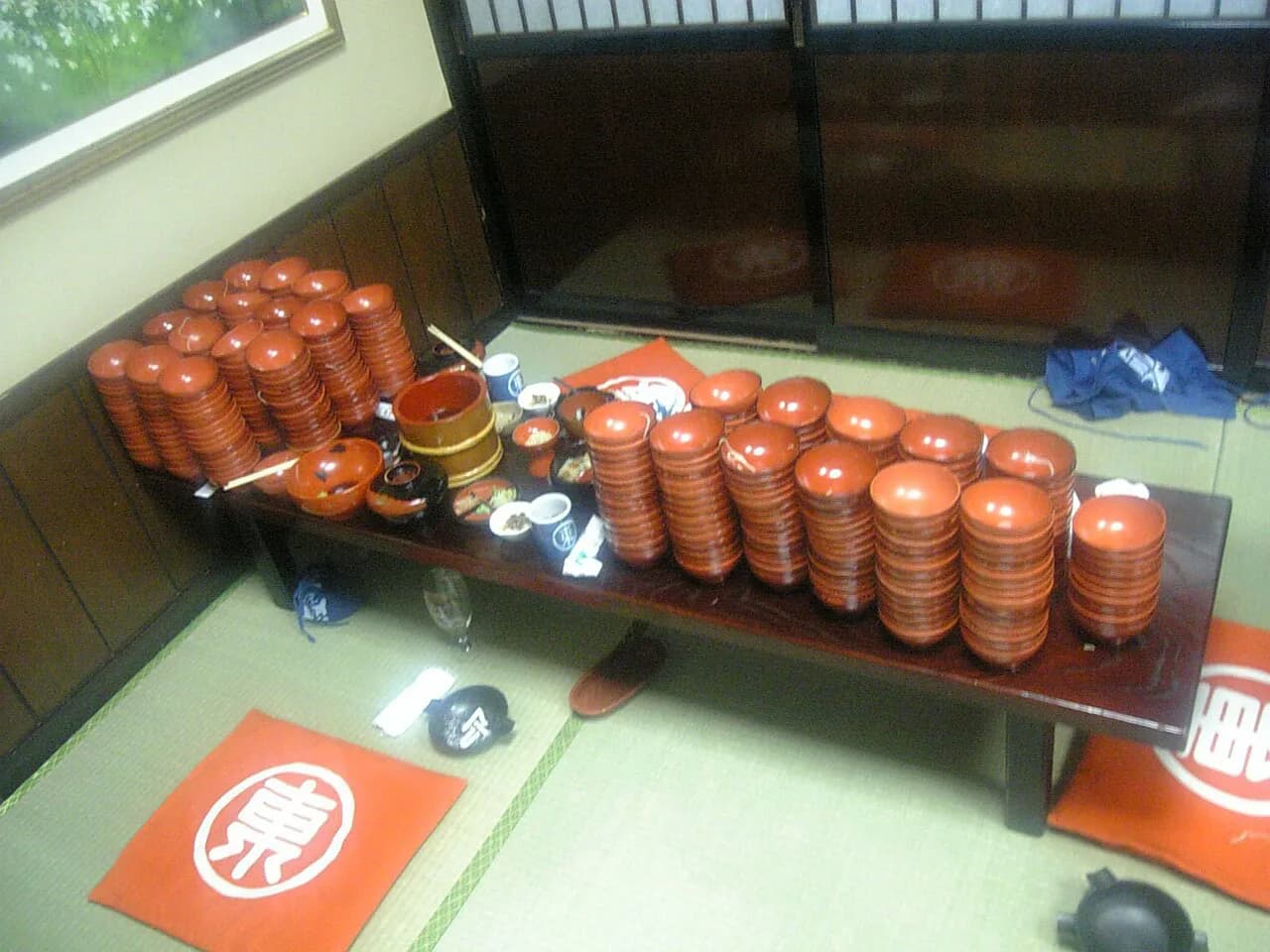
- Wanko soba: soba served in an ongoing series of small bowls
Mistakes to Avoid and Practical Tips
A few planning mistakes come up often. Hotels near JR Morioka Station sell out for the festival dates. Book accommodations six or more months ahead to avoid scrambling for a room farther from the action. Iwate summers run hot even in early evening, with temperatures reaching 86 to 95°F during the festival. Carry water and an electrolyte drink if you plan to join the wa-odori dancing. Finding the parade start can be confusing on a first visit. One Chuo-dori Starbucks location helps by posting a hand-drawn sign each year noting the exact start time and gathering point. Volunteer booths near JR Morioka Station's Taki-no-Hiroba Square hand out bilingual maps and schedules. Stopping there before heading to Chuo-dori is worth the extra few minutes. Iwate's official travel guide also publishes venue and access details ahead of each year's festival, useful for checking last-minute changes.
Both paid parade seating (¥2,500 per seat) and hotels near JR Morioka Station sell out months before August 1-4. Book both simultaneously six months ahead.
Choosing Morioka or Sendai as Your Festival Base
Stay in Morioka if seeing the full evening parade matters most. A hotel near JR Morioka Station lets you walk to Chuo-dori and remain for the wa-odori after the formal parade. It also avoids a late return journey when the streets are busiest.
Sendai can be a practical fallback when Morioka rooms are sold out. Direct Shinkansen travel takes about 40 minutes, but add time for reaching Sendai Station and walking from Morioka Station to the parade route. It works best for visitors who secure an early train and plan to leave before the closing dance.
- Choose Morioka for the easiest parade-night experience and early starts.
- Choose Sendai for greater hotel availability and access to the Tanabata Festival.
- Check the final northbound and southbound train times before committing to a same-night return.
Frequently Asked Questions
When is the Morioka Sansa Odori held?
Morioka Sansa Odori runs August 1 through 4 every year, with the main parade held each evening. Exact hours can shift by a few minutes from year to year, so confirm close to your travel dates. Checking official festival channels shortly before departure is worth the extra step for up-to-date timing.
How much does it cost to watch the Morioka Sansa Odori parade?
Watching from the roadside is free, and most visitors bring a mat or folding chair. Reserved seating costs roughly ¥2,500 per seat and offers an elevated view above the standing crowd. These seats are limited and tend to sell out before the festival dates, so book early if a guaranteed view matters.
Can tourists join the wa-odori dance at Morioka Sansa Odori?
Yes, the wa-odori circle dance that follows each night's parade is open to all visitors regardless of age or nationality. A local dance master teaches the basic steps to newcomers before the circle dance begins. Casual participants can join in regular clothing. Only those dancing as part of a registered Sansa group need the yukata, tabi socks, and zori sandals.
What is the best way to get to Morioka for the festival?
JR Morioka Station sits on the Tohoku Shinkansen line, about 130 minutes from Tokyo Station by direct bullet train. Travelers combining multiple Tohoku festivals often use the JR EAST PASS (Tohoku area), which covers five consecutive days of unlimited JR East rail travel for ¥30,000. Booking a hotel near the station well ahead of August is essential, since rooms fill up months in advance.
What food should you try during the festival?
Yatai food stalls near the parade route sell yakisoba, okonomiyaki, grilled scallops, and oysters. Morioka is also known for its Three Great Noodles: reimen, jajamen, and wanko soba. Trying all three in one visit is a common post-festival tradition among visitors following the parade.
Is the Morioka Sansa Odori free to attend?
Standing along the roadside to watch the parade is free every night of the festival. Only the reserved elevated seating carries a cost, at roughly ¥2,500 per seat. The wa-odori circle dance that follows the parade is also free and open to anyone who wants to join.
Free guide: Japan's Hidden Gems
12 under-the-radar places beyond Tokyo & Kyoto — with the best season to visit each and a local tip you won't find in the guidebooks.
You might also like


Continue reading
More guides you'll find useful