6 Best Cafes in Morioka: Specialty Coffee & Historic Kissaten
Discover the best cafes in Morioka, from Nagasawa Coffee to historic kissaten. Get 2026 pricing, etiquette, and neighborhood tips for a coffee crawl.
On this page
Last updated July 2026, this guide rounds up the best cafes in Morioka. The lineup runs from the internationally recognized Nagasawa Coffee to retro kissaten still serving nel-drip pour-overs on quiet side streets. Morioka's coffee density surprises first-time visitors, part of the mix that earned the city the number two spot on the New York Times' 2023 list of places to visit worldwide.
Morioka's Coffee Heritage: Kissaten Culture Meets Specialty Roasting
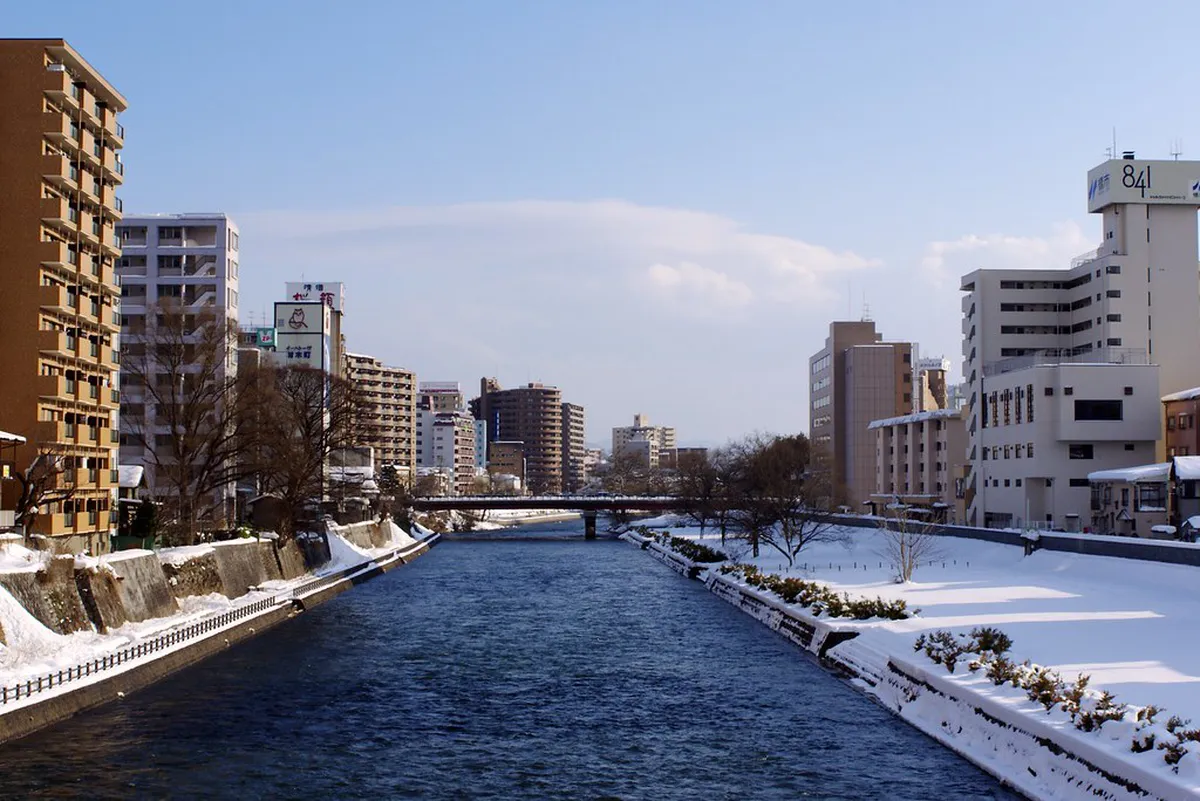
Morioka's coffee scene blends two traditions. Postwar kissaten never stopped serving hand-brewed coffee, and a newer wave of specialty roasters now exports beans and expertise nationally. This density of both styles is unusual for a city of Morioka's size, a contrast that helped push it onto international travel radars. Iwate Prefecture, and the wider Tohoku region, get less international coverage than Tokyo or Kyoto, which makes Morioka's coffee recognition stand out even more. Downtown Morioka, near the Nakatsu River, is compact enough to cover several cafes on foot in a single day. Coffee culture here sits alongside a wider Morioka food scene that spans wanko soba houses and jaja-men counters. For sit-down meals beyond coffee, the 13 Best Restaurants in Morioka (2026 Guide): Noodles, Wagyu, and Izakayas covers additional options. Food choices also shift by season around the city, and the Seasonal Food in Morioka: 2026 Guide to Noodles, Wagyu, Seafood covers what's worth trying before a trip.
What Makes a Kissaten Different From a Modern Cafe
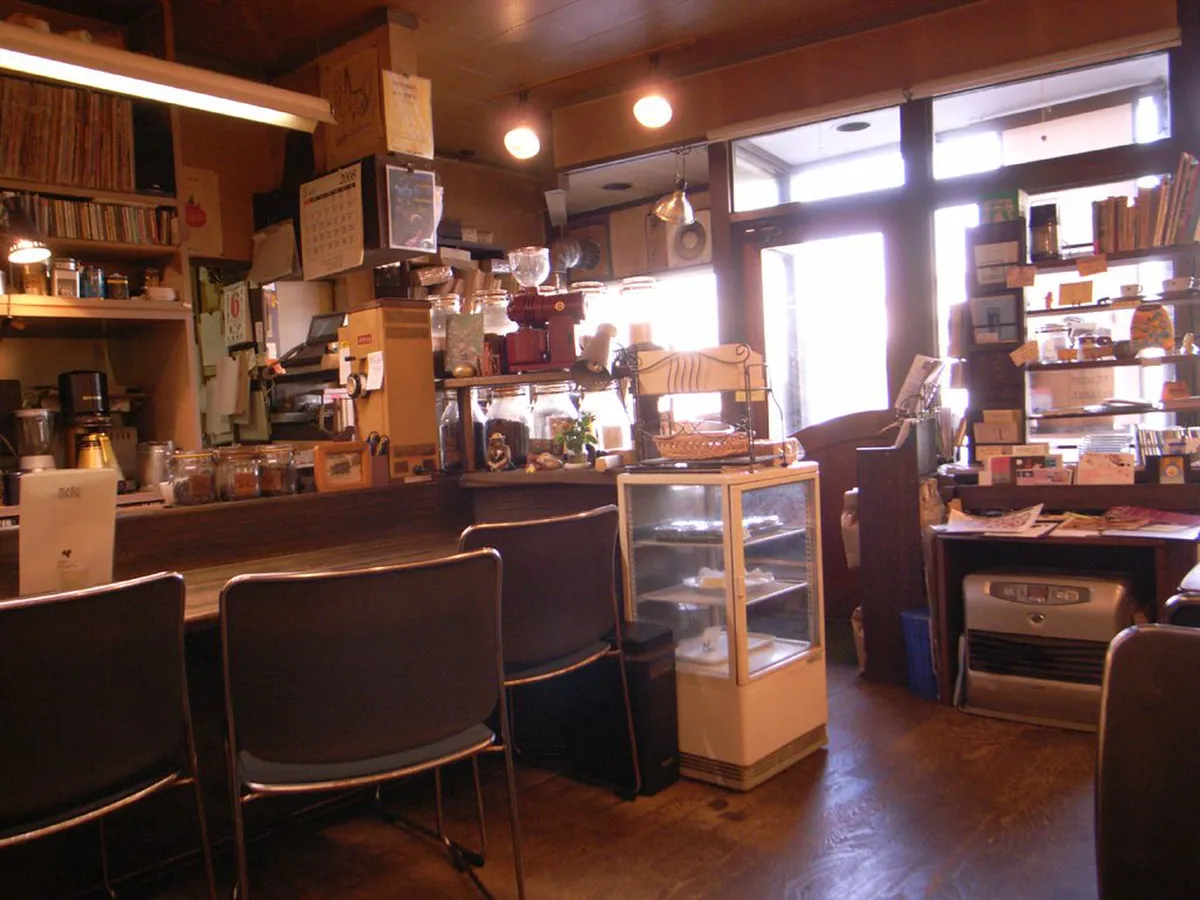
A kissaten is Japan's traditional coffee shop format, distinct from a modern specialty cafe in both brewing method and atmosphere. Nel drip is the signature technique. Grounds sit in a flannel filter rather than paper, producing a smoother, heavier-bodied cup than a typical pour-over. Many kissaten also use siphon brewers, a glass vacuum method that heats water below and pulls it up through the grounds before a cloth filter draws it back down. Interiors tend toward dark wood furniture, low lighting, and classical or jazz music playing quietly in the background. That's a deliberate contrast to the brighter, faster pace of a modern roastery. Traditional Japanese sweets, such as cake or toast with red bean paste, often round out the menu. Some kissaten also serve a simple breakfast set, pairing toast and eggs with coffee for an early start. Details on sweets worth trying around the city are covered in the Morioka sweets and souvenirs guide. Kissaten culture rewards slowing down, and a single cup can be reason enough to sit for an hour. That habit is part of why many of these shops discourage laptop work in favor of quiet conversation or reading.
6 Best Cafes in Morioka for Specialty Coffee and Kissaten Culture
The six categories below group Morioka's cafe scene by vibe, from Nagasawa Coffee's modern roastery to the kissaten clusters near the city's most-visited landmarks. Each entry notes what it's best for, so pick a stop based on the day's plan rather than proximity alone.
Morioka's 2023 ranking on international travel lists reflects not just one standout cafe but a diverse ecosystem of both established kissaten and newer specialty roasters drawing global coffee tourism.
- Nagasawa Coffee: Morioka's Internationally Recognized Roastery
- Nagasawa Coffee anchors Morioka's reputation among specialty coffee circles, known for in-house roasting equipment and an espresso-focused menu.
- In our editorial assessment, it's the strongest starting point for travelers who want a modern, laptop-friendly space rather than a hushed kissaten.
- Confirm current hours on the shop's own website or Instagram before visiting, since specialty roasters adjust seasonal offerings.
- Retro Kissaten Near the Iwate Bank Red Brick Building
- This cluster of traditional kissaten sits within walking distance of the Iwate Bank Red Brick Building, one of Morioka's Meiji-era landmarks.
- Expect dark wood interiors, quiet background music, and nel-drip coffee brewed through a flannel filter instead of paper.
- Most of these shops are quiet, conversation-only spaces without laptop seating, so save work sessions for a modern roastery instead.
- Kissaten and Coffee Stops Around Morioka Castle Ruins Park
- Cafes bordering Morioka Castle Ruins Park: 7 Essential Tips for Your Visit make a natural pause between exploring the stone ramparts and continuing into downtown.
- This cluster suits a mid-walk coffee break better than a long sit-down stay, since seating is limited during weekend peak hours.
- A short stop here works well before continuing on to other downtown sights on foot.
- Modern Specialty Roasters for Pour-Over and Espresso
- A newer wave of roasters has opened alongside Morioka's established kissaten, focused on single-origin pour-over and espresso-based drinks.
- These shops tend to post current beans and hours on social media, so verify details on the day of a visit.
- They suit travelers comparing bean origin and roast profile over atmosphere alone.
- Coffee Stops Near Wanko Soba and Jaja-men Restaurants
- Several cafes sit a short walk from Morioka's signature noodle restaurants, making them a logical next stop after a meal.
- Pair a coffee with a visit to wanko soba in Morioka.
- A coffee stop also works well after trying Morioka's jaja-men and reimen.
- Laptop-Friendly Cafes for Remote Work and Longer Stays
- Not every cafe in Morioka welcomes laptops, so this category flags shops set up for longer working stays with outlets and steady Wi-Fi.
- Confirm outlet and Wi-Fi availability directly with each shop, since policies at smaller, family-run kissaten change without notice.
- These spaces suit travelers who want to plan a full day around Morioka's attractions between work blocks.
Comparison Table: Morioka's Top Cafe Categories
Use this table to match a cafe style to the visit you have planned. A quick espresso works well before sightseeing. A slower afternoon suits nel-drip coffee and quiet conversation instead.
| Cafe Category | Vibe | Signature Style | Price Range | Best For |
|---|---|---|---|---|
| Nagasawa Coffee | Modern Roastery | Espresso & single-origin roasts | ¥500–¥800 | Bean quality and modern espresso drinks |
| Red Brick Area Kissaten | Retro Kissaten | Nel-drip coffee | ¥500–¥800 | Atmosphere and traditional sweets |
| Castle Park Cafes | Mixed | Quick coffee break | ¥500–¥800 | A short pause while sightseeing |
| Modern Specialty Roasters | Modern Roastery | Pour-over and espresso | ¥500–¥800 | Comparing bean origin and roast |
| Post-Noodle Coffee Stops | Mixed | Quick coffee after a meal | ¥500–¥800 | A stop after wanko soba or jaja-men |
| Laptop-Friendly Cafes | Modern | Coffee plus workspace | ¥500–¥800 | Remote work and longer stays |
Planning a Morioka Cafe Crawl: Costs, Timing, and Etiquette
A few practical details shape how a Morioka cafe crawl actually goes, from budget to closing times and unwritten rules.
- Budget: About ¥500 to ¥800 Per Cup
- Coffee at both kissaten and specialty roasters generally runs ¥500 to ¥800 per cup across Morioka's cafe scene.
- Some kissaten add a small charge for a set that pairs coffee with toast or a dessert.
- Espresso-based drinks at modern roasters sometimes run slightly higher than drip coffee at a kissaten.
- Timing: Early Roasters, Early-Closing Kissaten
- Specialty roasters tend to open earliest, useful for coffee before a full day of sightseeing.
- Many traditional kissaten close by 6:00 PM, well before Morioka's izakaya nightlife gets going.
- Confirm each shop's current hours directly, since small, family-run cafes adjust schedules seasonally.
- Seasonal Timing for a Cafe Crawl
- The Best Time To Visit Morioka: A Seasonal Travel Guide guide helps plan a crawl around seasonal crowds.
- Cafes near the park fill up faster during the Morioka Cherry Blossoms: Best Spots and 2026 Viewing Guide season, so arrive early in the day.
- Etiquette: Quiet Spaces and Photography
- Ask before photographing the interior of a traditional kissaten, and keep conversation quiet once seated.
- Some older kissaten still have a designated smoking section, so non-smokers may want to check before sitting down.
- Etiquette: Cash and One Drink Per Person
- Many older kissaten are cash only, so carry yen rather than relying on a card.
- A one-drink-per-person norm applies at smaller counters, so order something for each seat used.
Getting Around Morioka's Cafe Scene
Most of Morioka's cafes sit within walking distance of Morioka Station, making a car unnecessary for a coffee-focused day. Details on reaching the city, including train options, are covered in the getting to Morioka guide. From the station, the Red Brick Building cluster and the castle park cluster are both reachable on foot. Either walk pairs easily with a stop past Morioka Hachimangu Shrine Travel Guide: History, Etiquette & Tips. Combining a cafe stop with a soba lunch or a walk through the castle grounds makes for an efficient day without backtracking. Travelers building a longer stay can check the where to stay in Morioka guide for neighborhoods close to these cafe clusters.
- Start Near Morioka Station
- Begin at a modern roastery close to the station for an espresso before the day's sightseeing.
- Walk to the Red Brick Building Area
- Continue toward the Iwate Bank Red Brick Building area and stop at a nearby kissaten for nel-drip coffee.
- Continue to Morioka Castle Ruins Park
- Take a break among the stone ramparts before continuing toward downtown.
- Finish Near Morioka Hachimangu
- End with a modern roaster nearby if an afternoon pour-over sounds better than nel-drip coffee.
Common Mistakes to Avoid at Morioka's Cafes
A few avoidable mistakes trip up first-time visitors to Morioka's cafe scene. Most come down to timing, payment, and expectations around Wi-Fi.
Traditional kissaten's appeal—nel-drip brewing, quiet atmosphere, and hour-long sits—requires planning since most close by 6:00 PM and accept only cash, favoring phone-free experiences over laptop work.
- Assuming Every Cafe Has Wi-Fi and Outlets
- Many traditional kissaten skip Wi-Fi and outlets entirely, favoring a quiet, screen-free atmosphere.
- Check the laptop-friendly category above before planning a work session around a specific shop.
- Bring a portable charger as backup when working from a traditional kissaten for an extended stretch.
- Arriving After Closing Time
- Several kissaten close by 6:00 PM, earlier than many travelers expect from a cafe.
- Plan a cafe stop earlier in the day rather than after a late sightseeing block.
- Build cafe visits into a morning or early-afternoon itinerary rather than saving them for after dinner.
- Forgetting Cash for Smaller Shops
- Family-run kissaten frequently accept cash only, with no card or mobile payment option.
- Carry enough yen for coffee and a light snack before heading to a smaller shop.
- ATMs and convenience stores near Morioka Station can supply yen if a shop turns out to be cash only.
Kogensha Kahi-kan: Coffee and Literary History Near Morioka Station
Kogensha Kahi-kan offers a more specific alternative to the article’s unnamed kissaten clusters. It sits inside Kogensha, a historic complex in Morioka’s Zaimokucho district. The site is about a 15-minute walk from Morioka Station.
Kogensha has strong ties to Iwate-born writer Kenji Miyazawa. Its predecessor published his 1924 collection, The Restaurant of Many Orders. Today, the preserved complex includes brick buildings, a courtyard, craft displays, and the small Kahi-kan coffee room.
This stop is best for travelers who value atmosphere, local history, and a slower coffee break. Combine it with a walk through Zaimokucho rather than treating it as a remote-work cafe. Seating is limited, so allow extra time during weekends and holiday periods.
Check Kogensha’s official information before visiting because operating days can differ across the complex. Photography rules may also vary between the courtyard, shop, gallery, and cafe interiors.
Further reading: Morioka on Wikivoyage · Morioka on Wikipedia
Frequently Asked Questions
What is the best cafe in Morioka for specialty coffee?
Nagasawa Coffee is the most internationally recognized specialty roaster in Morioka, known for in-house roasting equipment and an espresso-focused menu. Several newer specialty roasters have opened alongside it, so compare a few if bean origin and roast style matter most.
Do Morioka's cafes take credit cards?
Many modern specialty roasters accept cards, but older, family-run kissaten are frequently cash only. Carry yen to avoid a problem at checkout, especially at smaller shops.
Are laptops allowed in Morioka's cafes?
It depends on the shop. Traditional kissaten generally favor a quiet, conversation-only atmosphere without laptop seating, while modern specialty roasters are more likely to welcome remote work with outlets and Wi-Fi.
How much does coffee cost in Morioka?
A cup of coffee at Morioka's cafes typically runs about ¥500 to ¥800 at both kissaten and specialty roasters. Some kissaten add a small charge for a set that includes toast or a dessert.
What time do Morioka's cafes close?
Hours vary by shop, but many traditional kissaten close by 6:00 PM. Confirm current hours directly with each cafe before planning a visit, since small, family-run shops adjust schedules seasonally.
Why is Morioka known for coffee?
Morioka combines a long-running kissaten tradition with a newer wave of specialty roasters, an unusual density for a city its size. That mix contributed to the city's number two spot on the New York Times' 2023 list of places to visit worldwide.
Can you visit Morioka's cafes without speaking Japanese?
Basic ordering is manageable with menu pointing and simple phrases at most shops. Larger, English-friendly options tend to be the modern specialty roasters rather than the smallest family-run kissaten.
Free guide: Japan's Hidden Gems
12 under-the-radar places beyond Tokyo & Kyoto — with the best season to visit each and a local tip you won't find in the guidebooks.
You might also like


Continue reading
More guides you'll find useful