6 Best Morioka Festivals to Plan a Trip Around (2026 Guide)
The 6 best Morioka festivals for 2026: Sansa Odori, the Autumn Festival, Chagu Chagu Umakko, and more, with dates, crowds, and where to stay.
On this page
Last updated September 2026, this guide ranks the six best Morioka festivals, from the Sansa Odori drum parade in August to the Chagu Chagu Umakko horse procession in June. Morioka festivals cluster around a handful of fixed dates, so timing a trip around one event is more reliable than hoping to stumble into something. Each entry below covers the dates, the expected crowd, and whether you can join in or should plan to watch from the sidelines.
Why Morioka Festivals Anchor an Iwate Trip
Morioka's identity as a festival city traces back to the Mitsuishi Legend. In the story, a demon named Rasetsu left a handprint on rocks at Mitsuishi Shrine after pledging never to trouble the town again. Locals danced around the stones shouting Sansa, giving the Sansa Odori dance its name and the prefecture its own name, Iwate, meaning rock hand. Under the historical Nanbu clan, Morioka grew into a castle town where each neighborhood built its own festival traditions, a pattern still visible in the Autumn Festival's neighborhood floats today. Sansa Odori carries a documented record, too. In 2014, 3,437 drummers performed together to reclaim a Guinness World Record for concurrent taiko drumming, a title Morioka had first set in 2007 before losing it to Kumamoto in 2011. That history helps explain why the festival calendar matters here more than in most Japanese cities. Morioka doesn't just host one big event; it strings together neighborhood, prefecture-wide, and regional traditions across the year. Festival food stalls along Chuodori also sell Morioka's signature dishes, including reimen and jajamen. Morioka's food guide covers where to find both year-round, not just during festival week.
6 Best Morioka Festivals to Build a Trip Around
These six Morioka festivals anchor the city's event calendar, each with a different date, crowd size, and level of visitor participation. Sansa Odori draws the biggest crowds and offers the most hands-on experience. Other events reward travelers who want a quieter, more local view of Iwate tradition. For a deeper logistics breakdown of the headline event, see the dedicated Sansa Odori festival guide.
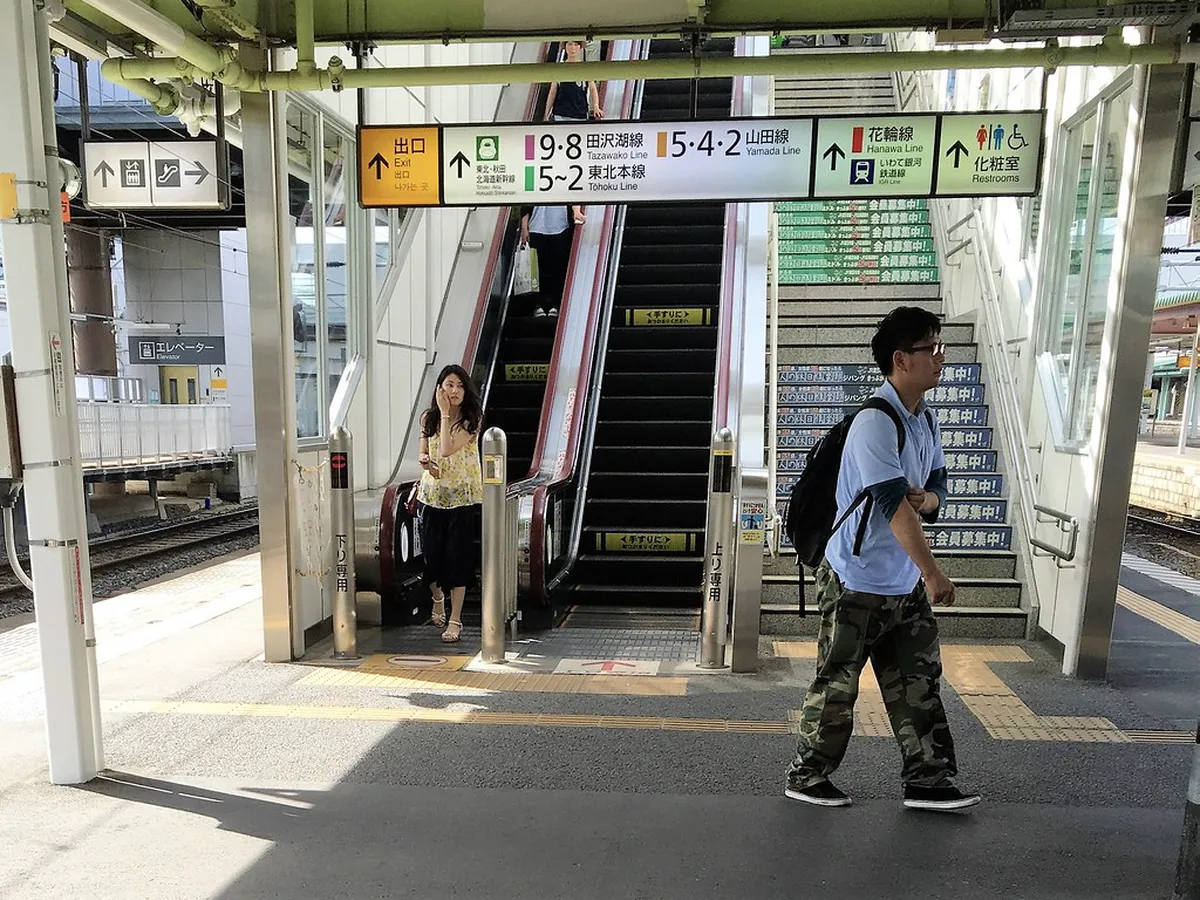
- Morioka Sansa Odori (August 1-4)
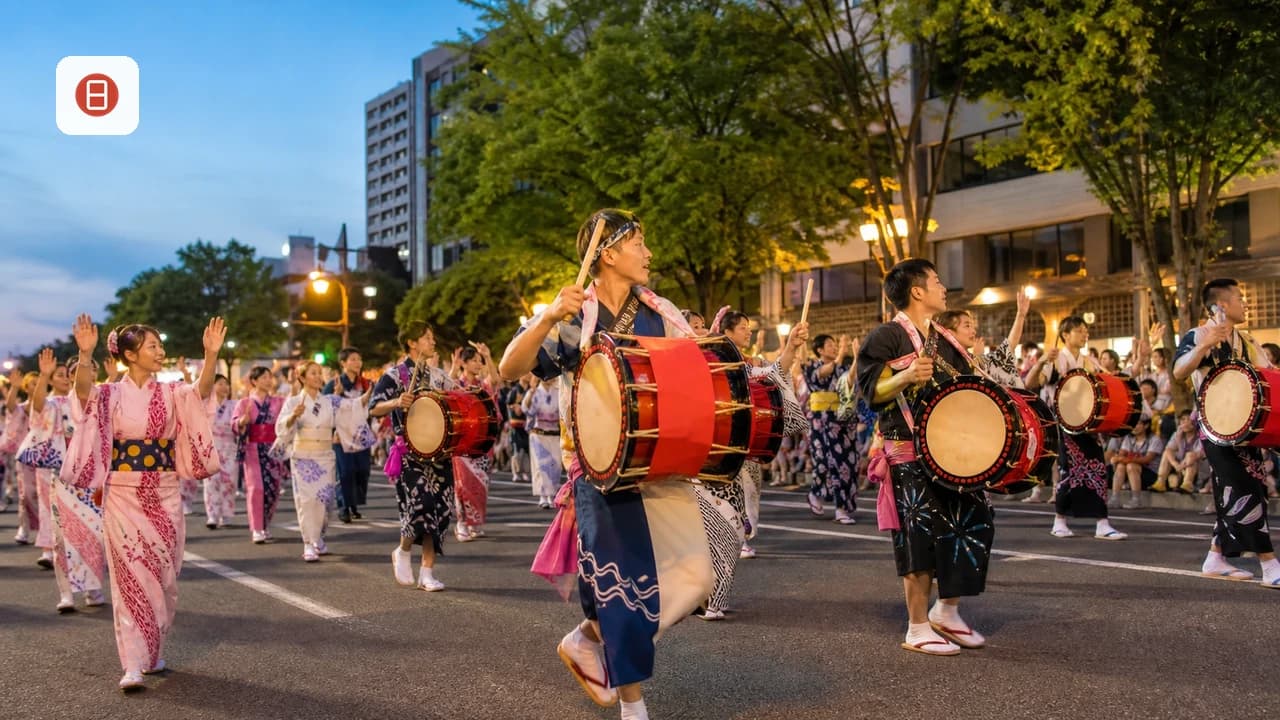
- Taiko drummers, flute players, and dance troupes parade along Chuodori Street each evening from 6:00 PM to 9:00 PM.
- The route runs about 500m (roughly 1,600 feet) between the Iwate Prefectural Hall and Eigakan-dori, and the 2026 edition brought out 208 groups and roughly 26,600 dancers, per NHK WORLD-JAPAN.
- A free Wa-odori lesson runs 5:00-5:45 PM at Morioka-jo Castle Site Park, and the circle dance itself opens to visitors around 8:00 PM before wrapping up at 9:00 PM.
- Morioka Autumn Festival (mid-September)
- Ornate dashi floats decorated with hero figures and artificial flowers roll through central Morioka behind taiko drummers and Nanbu-style flute players.
- The wooden keyaki wheels are known for squeaking loudly as the floats turn corners. The tradition traces back to 1709, when neighborhoods across the old Nanbu castle town first brought out floats to celebrate, according to the Iwate Prefecture Official Travel Guide.
- The festival runs in mid-September and favors daytime neighborhood viewing, unlike Sansa Odori's after-dark parade. Morioka Hachimangu Shrine Travel Guide: History, Etiquette & Tips serves as the traditional hub for the event.
- Chagu Chagu Umakko Horse Festival (June)
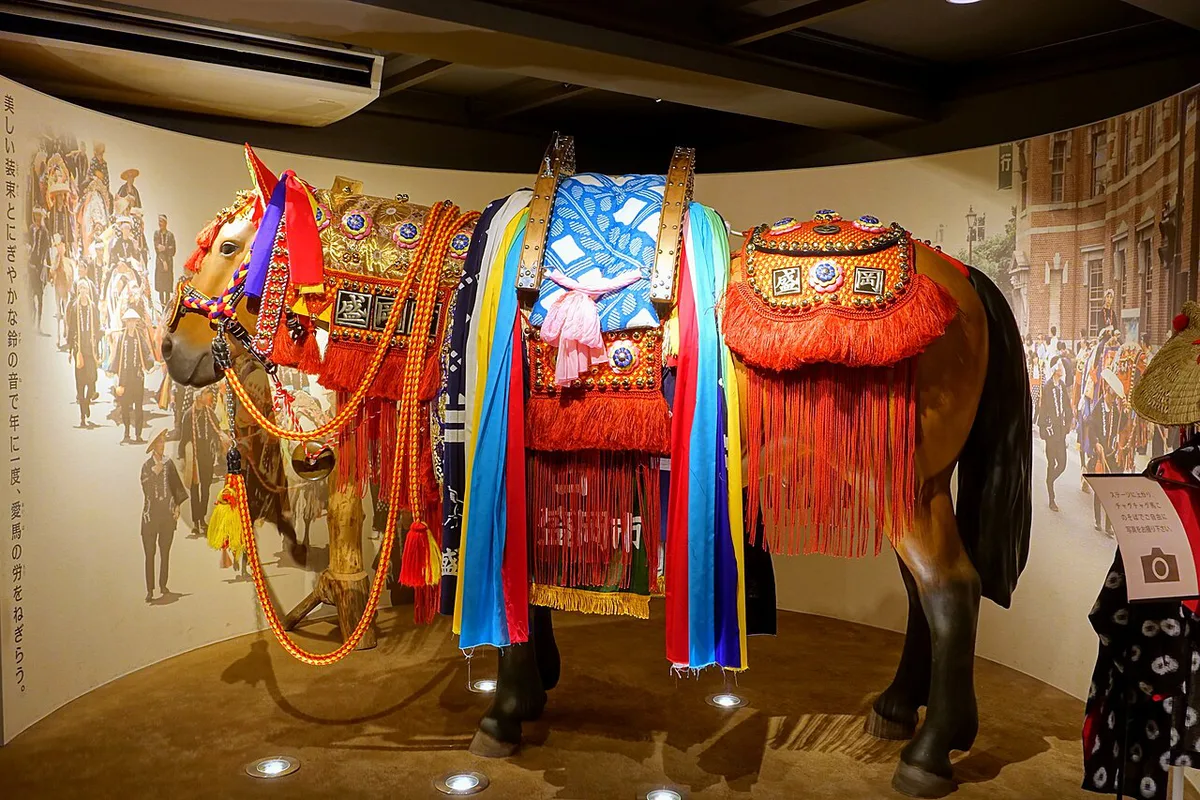
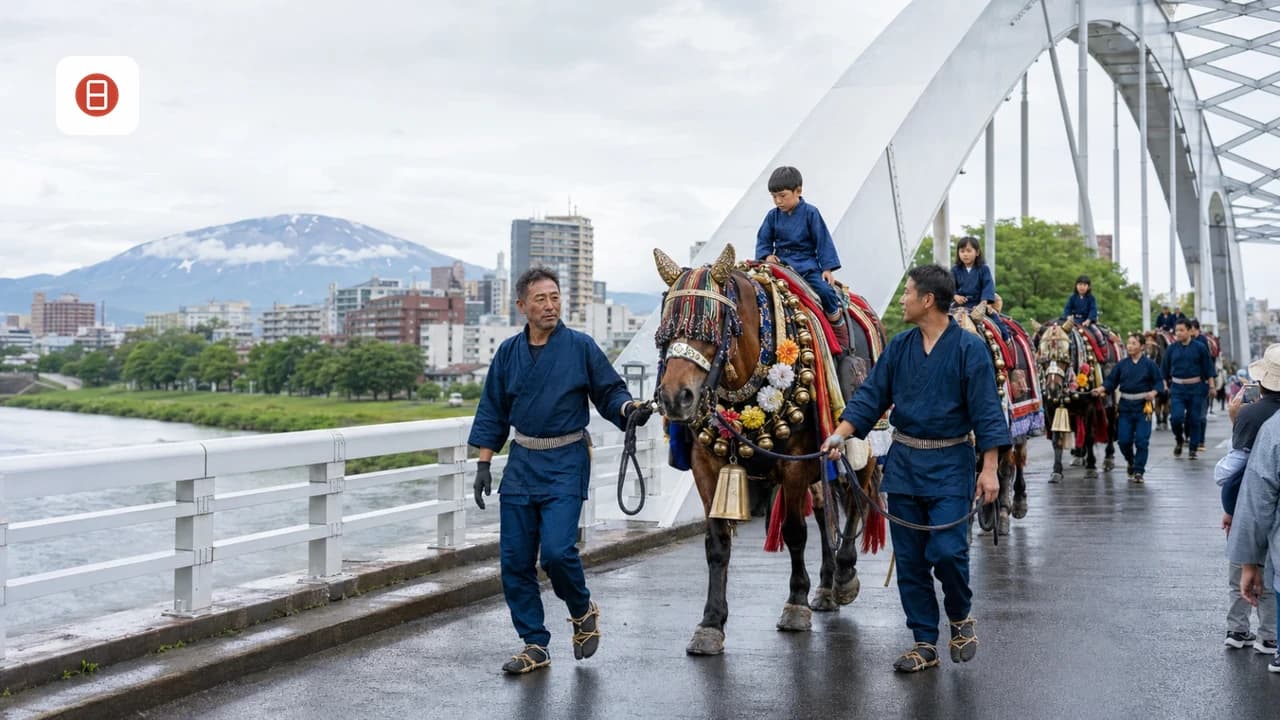
- Horses dressed in bright, bell-covered tack parade through the countryside around Morioka each June, a tradition rooted in the region's horse-breeding history.
- Unlike the dense city-center crowds of Sansa Odori, this route runs through open farmland, so the pace is slower and the atmosphere is quieter.
- For exact dates, the route, and viewing spots, see the dedicated Chagu Chagu Umakko guide.
- Daito-Ohara Water Throwing Festival (February 11, Ichinoseki)
- Ichinoseki City in southern Iwate holds the Daito-Ohara Water Throwing Festival every year on February 11, regardless of the cold.
- The tradition traces back to 1657, when a fire devastated Edo, the city now known as Tokyo, and the event has carried a purification theme ever since.
- Expect an endurance-focused, cold-weather event rather than a spectator-friendly parade, so dress for harsh Iwate winter conditions if you plan to watch or take part.
- Hiragasa Naked Pilgrimage (January 7-8, Hachimantai)
- Hachimantai City hosts this winter pilgrimage every January 7 and 8, and its female-led lineage sets it apart from Japan's more familiar naked festivals, which are traditionally male-only.
- It ranks among Japan's more unusual cold-weather traditions, valued for both its intensity and its rarity.
- This is a niche, hyper-local event, so plan around it only if the timing lines up with a broader Tohoku winter itinerary.
- Hanamaki Festival (second weekend of September, day trip)
- Hanamaki, a nearby city, hosts its own festival on the second Friday, Saturday, and Sunday of September, featuring drum and shamisen performances with traditional dancing.
- If Sansa Odori and the Morioka Autumn Festival don't line up with your dates, weigh Hanamaki's September event against the month-by-month festival calendar.
- Confirm the exact 2026 dates before booking, since festival schedules can shift by a day or two year to year.
Which Morioka Festival Fits Your Trip
Three practical questions separate Morioka's headline festivals. How much crowd energy do you want? Do you want to actively participate, or just watch? How much does photography potential matter? If hands-on participation matters most, Sansa Odori is the clear choice, since it is the only one of the three built around a public circle dance. If you would rather observe a quieter, more historical event during the day, the Autumn Festival fits better. If open countryside and horses interest you more than city crowds, plan a June trip around Chagu Chagu Umakko instead. In our editorial assessment, the comparison below breaks down crowd density, participation level, and photography potential for each festival. None of these trade-offs are absolute; rain, timing, and personal preference all shift the calculation, so treat this comparison as a starting point rather than a fixed rule.
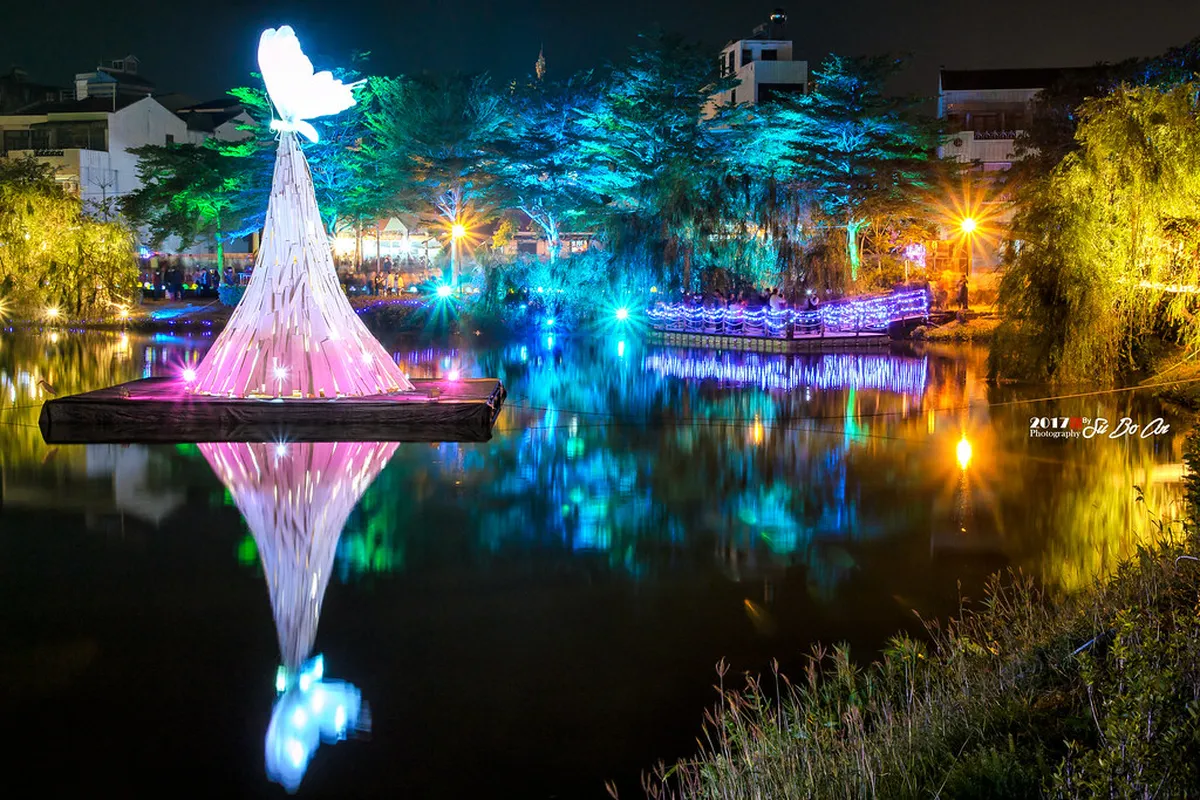
| Festival | Crowd Density | Participation Level | Photography Potential |
|---|---|---|---|
| Sansa Odori (Aug 1-4) | High - dense evening crowds along the 500m Chuodori route | Active - free 5:00-5:45 PM lesson, then join the Wa-odori circle dance | Strong after dark for drum and lantern shots, but crowds limit tripod space |
| Autumn Festival (mid-Sep) | Moderate - spread across daytime neighborhood routes | Spectator - floats and dancers perform; no public dance-along | Good in daylight for float detail and costume close-ups |
| Chagu Chagu Umakko (June) | Lighter - rural route away from the city center | Spectator, from the roadside | Strong for horse and countryside shots, best in morning light |
How to Join the Wa-odori and Sansa Practice Groups
Sansa practice groups typically start rehearsing as early as three months before the festival, meeting once or twice a week for about two hours at a time. Many groups also welcome non-Japanese residents through the Iwate International Association and the local JC International chapter, so joining a practice group is realistic even for visitors staying in the area for an extended trip. Casual visitors don't need to join a formal group at all. For casual visitors, the easiest path starts with the free 5:00-5:45 PM lesson at Morioka-jo Castle Site Park. From there, join that evening's general-participation parade group, or step into the Wa-odori circle around 8:00 PM. Traditional Sansa Odori dance special performances, seated and separate from the street parade, run at Morioka Shimin Bunka Hall for ¥2,000 per person per day if you want guaranteed seating away from the crowds. Interpreter-guides staff a general information center near the midpoint of the parade route on Chuodori each evening from 5:30 PM, which is useful if language is a barrier to joining a group or asking about logistics. Formal Sansa groups follow a specific dress code. Members wear a yukata jacket rather than the cheaper jinbei, plus white tabi socks and straw zori sandals. Anyone drumming rather than dancing may also need to rent a taiko drum. Casual Wa-odori participants don't need any of that; regular clothing and comfortable shoes are enough for the circle dance.
Using Morioka as a Base for the Tohoku Summer Festival Circuit
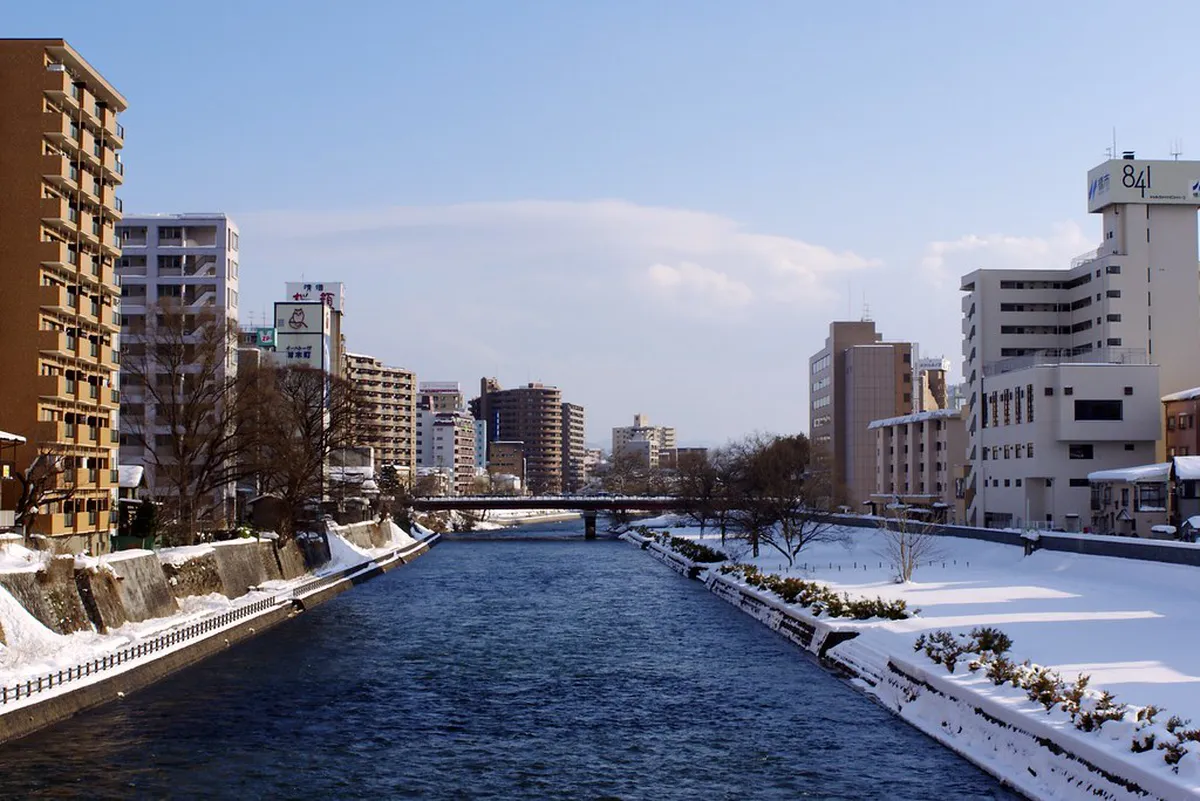
Sansa Odori runs the same first week of August as several other major Tohoku festivals, so Morioka works well as a base for a multi-city circuit. Tohoku Shinkansen service connects Morioka with the other festival cities, which makes single-day or overnight side trips realistic during the same week. Pace the circuit around each city's own festival dates rather than assuming every event runs on the same nights as Sansa Odori. Aomori's festival calendar covers one leg of the Tohoku Big Three summer circuit. Akita's festival calendar covers another leg within Shinkansen range of Morioka. Sendai's festival guide rounds out the circuit for travelers building a longer Tohoku itinerary.
Booking Around the August Hotel Crunch
Morioka hotel rooms sell out fast for the August 1-4 Sansa Odori dates, often six months or more in advance. Waiting until summer to book is the single biggest risk to a Sansa Odori trip. If you are booking late, consider staying in Hanamaki or Shizukuishi and riding the train or a rental car into Morioka for the evening parade. Both towns sit within reach of central Morioka and see far less festival-driven demand than hotels directly on Chuodori. Morioka's where-to-stay guide covers neighborhood options near the station and Chuodori for travelers who book earlier.
The 2026 Sansa Odori drew 26,600 dancers across 208 groups, which is why advance booking becomes critical months before the festival.
Planning Your Trip: When to Go and How to Get Around
Chuodori Street closes to regular traffic during the Sansa Odori parade each evening from 6:00 PM to 9:00 PM. Outside those four festival nights, the street carries normal traffic again. Build walking routes around the closure rather than driving through downtown Morioka during festival week. For a fuller seasonal breakdown across the year, check the month-by-month festival calendar. Pair festival dates with the Best Time To Visit Morioka: A Seasonal Travel Guide guide for weather and crowd context beyond the festival dates themselves. Between festival nights, the Morioka attractions guide fills the daytime hours with castle-site and museum options near downtown. Confirm current-year schedules with the Morioka Tourism and Convention Association before finalizing plans, since local event details can shift year to year.
Mistakes to Avoid and Festival Etiquette
Waiting until a month or two before August to book Morioka hotels is the most common planning mistake. Rooms near the station and Chuodori are often gone within six months of the Sansa Odori dates. Summer humidity is another common miscalculation. Even though Iwate carries a snow country reputation, early-August evenings during Sansa Odori can climb into the 86-95°F range, according to Japan's official tourism site. Bring water and breathable layers rather than expecting cool mountain air. Winter events like the Daito-Ohara Water Throwing Festival and Hiragasa Naked Pilgrimage need genuine cold-weather gear instead of summer layers. During Sansa Odori, give the Miss Sansa dancers and drum groups room to move rather than stepping into the parade lane for a photo. Follow the flow of foot traffic along Chuodori instead of stopping in place to shoot.
Winter festivals like the Hiragasa Naked Pilgrimage (January 7-8) require cold-weather gear, while August Sansa Odori reaches 86-95°F, making the seasonal packing challenge substantial.
Explore festivals and events in other cities
Frequently Asked Questions
When is Morioka Sansa Odori in 2026?
Sansa Odori runs every year from August 1 to August 4, with the parade and Wa-odori running from 6:00 PM to 9:00 PM each evening. Its 2026 edition was the festival's 49th, with 208 groups and about 26,600 dancers taking part, according to NHK WORLD-JAPAN. Expect the same August 1-4 window again in 2027, though it's worth confirming exact plans closer to the date.
Can tourists join the Sansa Odori dance, or is it spectator-only?
Tourists can join. Morioka actively encourages participation, especially during the Wa-odori circle dance that opens around 8:00 PM each night. A free lesson runs 5:00-5:45 PM at Morioka-jo Castle Site Park if you want to learn the steps first. Regular clothing and comfortable shoes are enough for casual participation; joining a formal Sansa group with matching costumes is a bigger commitment reserved for residents and long-term visitors.
When is the Morioka Autumn Festival, and how is it different from Sansa Odori?
Morioka's Autumn Festival runs in mid-September, later in the year than Sansa Odori's early-August dates. It centers on ornate dashi floats rather than a dance parade, and it plays out mostly in daylight rather than after dark. Its roots go back to 1709, according to the Iwate Prefecture Official Travel Guide, making it one of the older festivals on Morioka's calendar.
Where should you stay if Morioka hotels are full during Sansa Odori?
Hanamaki and Shizukuishi are the two most practical fallback bases when Morioka hotels sell out around August 1-4. Both sit within reach of central Morioka by train or car, so you can still catch the evening parade without staying downtown. Book Morioka itself six months or more ahead if you want to stay within walking distance of Chuodori.
How do you combine Morioka with other Tohoku summer festivals?
Sansa Odori runs the same week as several other major Tohoku festivals, so Morioka works as a base for a short multi-city circuit. Shinkansen service connects Morioka with the other festival cities, making single-day or overnight side trips realistic. Check Aomori's festival calendar for one leg of the circuit. Akita's festival calendar covers a second option within Shinkansen range. Sendai's festival guide rounds out the circuit, since each city's festival runs on its own specific dates within the same general window.
What should you pack for Morioka's winter festivals?
Both the Daito-Ohara Water Throwing Festival on February 11 and the Hiragasa Naked Pilgrimage on January 7-8 call for genuine cold-weather gear rather than typical sightseeing layers. Neither event is built around visitor participation the way Sansa Odori is, so plan to watch rather than take part. Pace a winter Iwate trip around one of these events only if the dates line up with the rest of your itinerary.
Explore More Morioka and Tohoku Festival Guides
Pick a signature Morioka festival, then use the shrine, food and planning guides to fill the trip.
Signature Festivals
- Morioka attractions hub: tickets, hours & maps
- Morioka Sansa Odori Guide
- Complete Guide to Morioka's Horse Bell Festival
Plan Your Visit
- Month-by-Month Festival Guide
- Best Time To Visit Morioka: A Seasonal Travel Guide
- 9 Best Areas and Tips: Where to Stay in Morioka
- Morioka Hachimangu Shrine Travel Guide
More Tohoku Festival Guides
Free guide: Japan's Hidden Gems
12 under-the-radar places beyond Tokyo & Kyoto — with the best season to visit each and a local tip you won't find in the guidebooks.
You might also like
Continue reading
More guides you'll find useful