

10 Unforgettable Kanazawa Festivals & Events by Season 2026
Confirmed 2026 Kanazawa festivals and events by season, with dates, admission costs and access details, from Maeda clan traditions to garden light-ups.
On this page
Kanazawa's calendar runs deep. The city hosts traditional festivals rooted in four centuries of Maeda clan culture, seasonal illuminations at two of Japan's most celebrated gardens, and crafts fairs that give you direct access to Kutani porcelain and Yamanaka lacquerware at source. This guide covers the confirmed 2026 events by season — with dates, admission costs, and access details — so you can build your itinerary around the city's rhythm rather than guess at it.
For a closer look at the city's signature June event, see our dedicated Hyakumangoku Festival 2026 itinerary and Machi-Nori bike guide. If you are still deciding when to visit, the Best Time to Visit Kanazawa: 2026 Weather & Travel Guide breaks down weather, crowds, and seasonal trade-offs across all twelve months.
Kanazawa's 2026 Event Schedule at a Glance
Kanazawa's cultural calendar is organised around the four seasons in a way that most Japanese cities no longer maintain. Spring brings crafts fairs and the Asano River carp streamer display. Summer peaks with the Hyakumangoku Festival in June and continues through shrine festivals and the Hokkoku Fireworks in July. Autumn delivers the castle and garden light-up in November. Winter centres on the Kenrokuen snow suspension and free admission during the New Year holidays.
Specific dates below are confirmed for 2026 where announced; annual events that follow a fixed pattern (e.g. first Sunday in June, Golden Week) are noted accordingly. For smaller events, check the Kanazawa City Tourism Official Website as details are sometimes released only four to six weeks before the event.
- June 6–8: Kanazawa Hyakumangoku Festival (parade on June 7)
- June 6: Kaga Yuzen Toro Nagashi lantern floating (eve of the parade)
- June 7: Kenrokuen and Kanazawa Castle early-summer night illumination
- Late June / early July: Kenrokuen firefly viewing evenings (free admission after dark)
- July 26: Hokkoku Fireworks (approx. 12,000 shells, free entry)
- July 26–27: Ōno Hiyoshi Shrine Sannō Festival
- Late July–early August: Asanogawa Kawadoko riverside terrace dining (geisha performances)
- August (early): Ōno Minato Shrine Summer Grand Festival (300+ years of tradition)
- May 3–5: Kutani Bowl Festival, Nomi City (short train from Kanazawa)
- Golden Week: Yamanaka Lacquerware Festival, Kaga City
- May 4: Asano River Carp Streamers event (Higashi Chaya area)
- May 8–10: Travel Festival (Komatsu City hikiyama floats and child kabuki)
- November: Kanazawa Castle and Kenrokuen autumn night illumination
- January–February: Kenrokuen yukitsuri (snow suspension) viewing season
- New Year holidays: Kenrokuen free admission
| Month | Event | 2026 Dates | Notes |
|---|---|---|---|
| January | Kenrokuen Free Admission (New Year) | Jan 1–3 | Garden opens from 07:00; free all day |
| Jan–March | Kenrokuen Yukitsuri (Snow Suspension) | Nov–Mar season | Rope-cone installation on karasaki-no-matsu pine |
| May 3–5 | Kutani Bowl Festival | May 3–5 | Nomi City (~20 min by JR); artist pieces at discount |
| May 4 | Asano River Carp Streamers (Kawagoi) | May 4 | Free; near Higashi Chaya District |
| Golden Week | Yamanaka Lacquerware Festival | Late Apr–early May | Kaga City; Kakusen-ji gorge stalls |
| June 6 | Kaga Yuzen Toro Nagashi (Lantern Floating) | Jun 6 | Asano River; lanterns lit ~20:00; free |
| June 6–8 | Hyakumangoku Festival | Jun 6–8 | Parade Jun 7 from Kanazawa Station; free |
| June 7 | Kenrokuen Early-Summer Night Illumination | Jun 7 | Free after dark; boats on Kasumigaike Pond |
| Late June–Jul | Kenrokuen Firefly Viewing Evenings | Jun 27–28, Jul 4–5 | Genji & Heike fireflies; night entry free |
| July 26 | Hokkoku Fireworks | Jul 26 | ~12,000 shells; free entry; shuttle from station |
| July 26–27 | Ōno Hiyoshi Shrine Sannō Festival | Jul 26–27 | Hikiyama floats; ~20 min bus from Korinbo |
| Late Jul–Aug | Asanogawa Kawadoko Riverside Dining | Late Jul–early Aug | Geisha performances; ~¥19,800/person; booking required |
| August | Ōno Minato Shrine Summer Grand Festival | Early Aug | 300+ year tradition; mikoshi & taiko |
| Jul–Sep | Noto Kiriko Festivals | Various weekends | Check Hokutetsu Bus for 2026 Noto access status |
| November | Kanazawa Castle & Kenrokuen Autumn Light-Up | Throughout Nov | 17:30–21:00; free; arrive weekday 17:30–18:30 |
Hyakumangoku Festival: Kanazawa's Biggest Celebration (June 6–8, 2026)
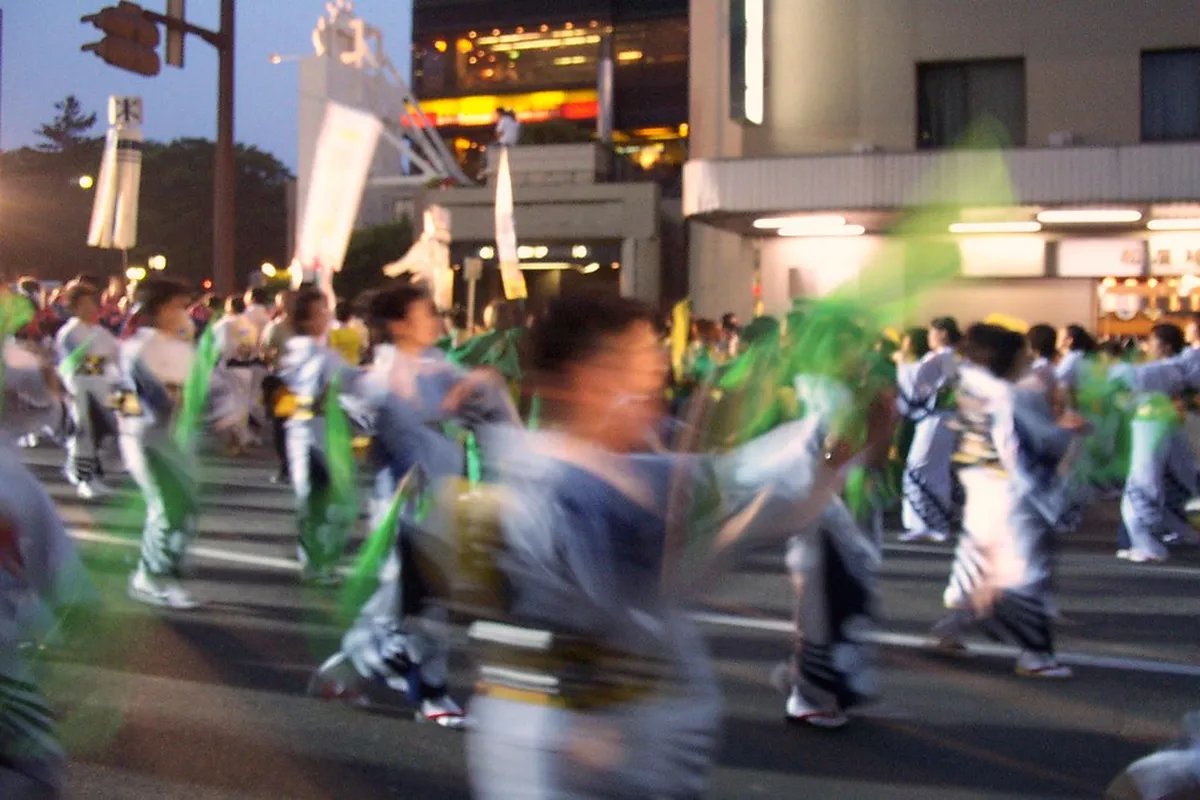
The Kanazawa Hyakumangoku Festival is Kanazawa's largest annual event, commemorating Lord Maeda Toshiie's entry into Kanazawa Castle in 1583. The central attraction is the Hyakumangoku Procession on June 7: a two-hour parade that departs from Kanazawa Station and ends near Kanazawa Castle, featuring a lead actor dressed as Maeda Toshiie, performers in elaborate Edo-period costumes, and traditional arts groups. The parade is free to watch; arrive by 09:00 to claim a standing spot along Hyakumangoku-dori.
The evening before the parade — June 6, 2026 — the Kaga Yuzen Toro Nagashi lantern floating takes place on the Asano River near Higashi Chaya District. Around 1,200 lanterns decorated with Kaga Yuzen silk are released into the river after dark. The event began in 1975 to honour the craftspeople behind the dyeing tradition and is free to watch from the riverbanks. Arrive by 19:30 for the best position; the lanterns are lit at around 20:00.
Also on June 7, Kenrokuen Garden and Kanazawa Castle hold their early-summer night illumination. The garden opens free of charge after dark, traditional boats float on Kasumigaike Pond, and flute music is performed from the water. This is not a crowded experience — most visitors are at the parade route — making it the calmer alternative for those who prefer atmosphere over spectacle. For the full three-day logistics, neighbourhood-by-neighbourhood viewing positions, and how to pair the festival with Machi-Nori bike hire, see the dedicated Hyakumangoku Festival itinerary.
Summer Events: Fireworks, Shrine Festivals, and Geisha Riverside Dining (July–August 2026)
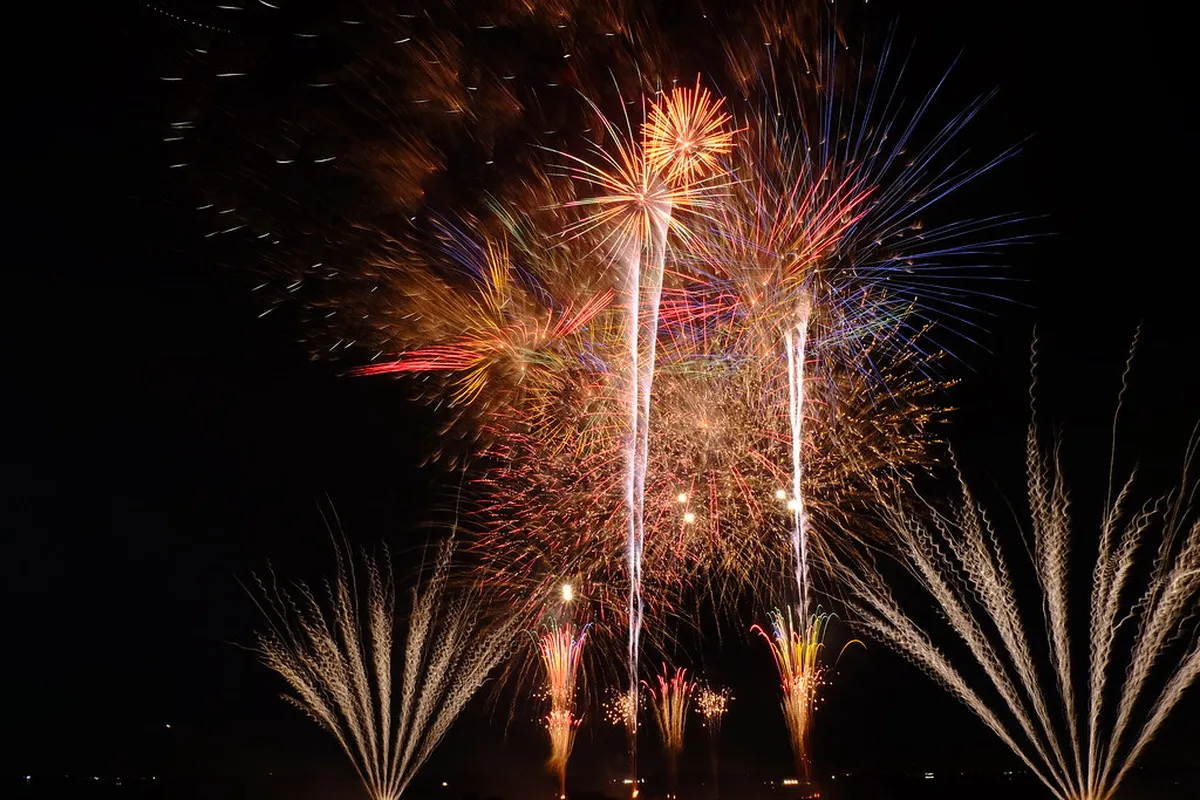
The Hokkoku Fireworks on July 26, 2026 launches approximately 12,000 shells from a riverside site in central Kanazawa. The programme includes starmine sequences and special-effect fireworks. Admission is free; shuttle buses run from Kanazawa Station's west (Kanazawa Port) exit and from Kensei-bu Green Space Park. Roads around the launch site close in the afternoon — plan your day around the closure or use the shuttle from 17:00. The 2025 edition included a finale dedicated to communities affected by the January 2024 Noto earthquake; the same sentiment is expected in 2026.
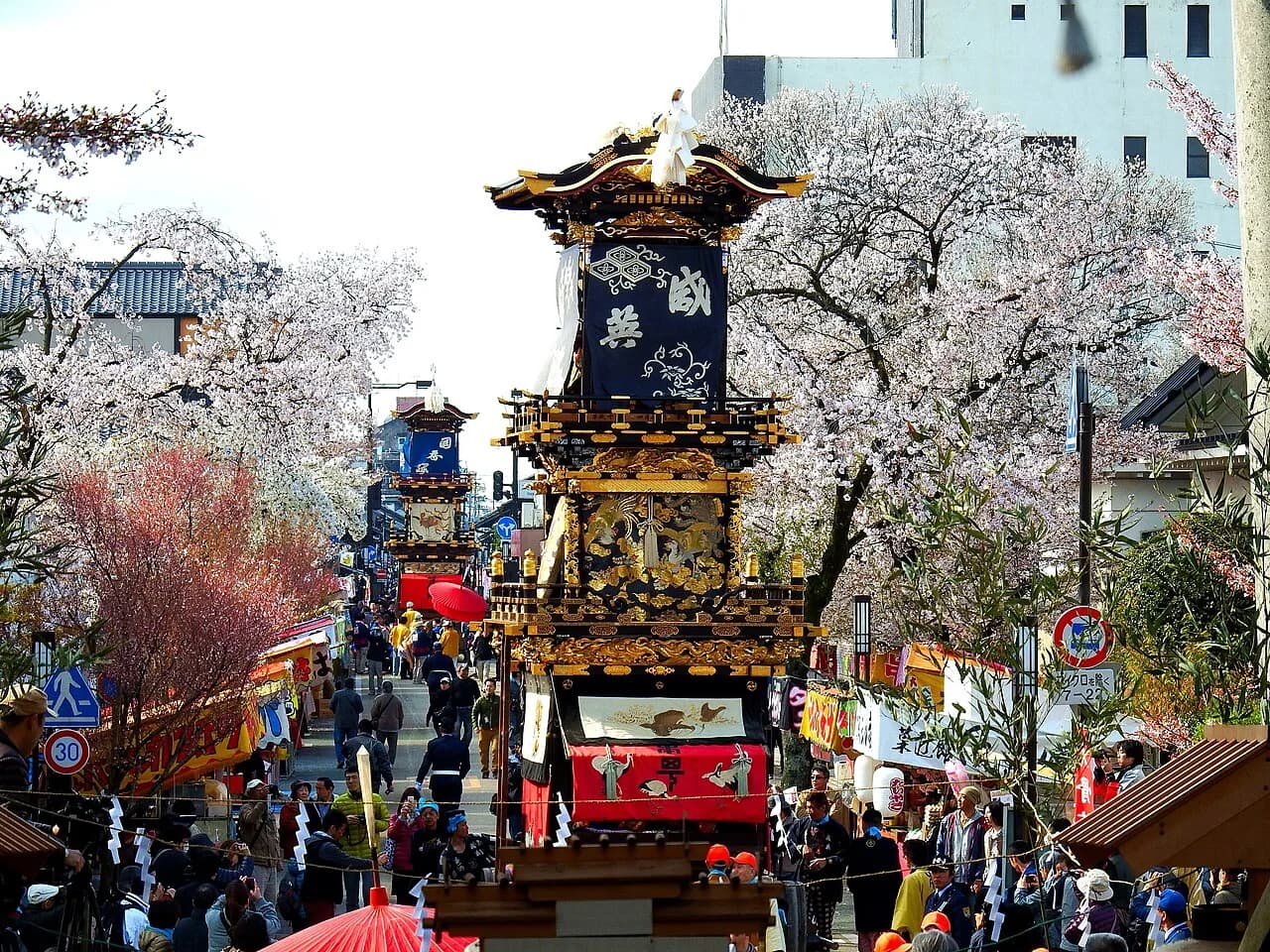
The Ōno Hiyoshi Shrine Sannō Festival runs on July 26–27, 2026. The highlights are demon-repelling dances and large decorated hikiyama floats, both designated as culturally significant heritage items of Kanazawa City. The festival is held at Ōno Hiyoshi Shrine in the historic Ōno port district, about 20 minutes by local bus from Korinbo. Admission is free. Because Ōno is a genuine working port neighbourhood rather than a tourist zone, the Sannō Festival gives you a more local-feeling matsuri experience than events held near Kenrokuen.
The Ōno Minato Shrine Summer Grand Festival in early August is the largest single shrine festival in Kanazawa by scale, with over 300 years of continuous history. Mikoshi portable shrines are carried through the streets in combination with hikiyama floats and taiko drumming. In late July through early August, the Asanogawa Kawadoko (riverside terrace dining) programme runs along the Asano River near Hashiba-cho. Kanazawa Geisha perform while guests eat Kaga cuisine and watch the river; booking is required at approximately 19,800 yen per person and seats fill quickly. Check the event website (kanazawa-asanogawaenyukai.com) for 2026 reservation dates.
Kenrokuen and Kanazawa Castle: Year-Round Seasonal Events
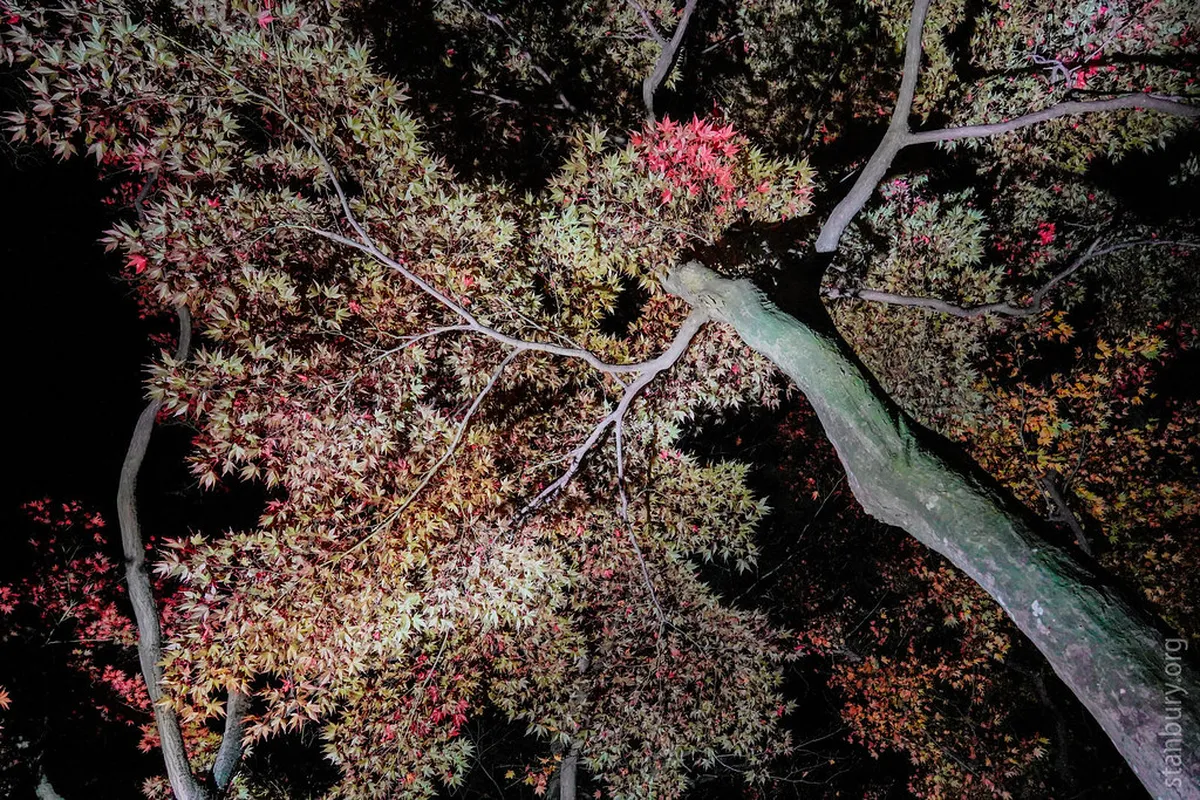
Kenrokuen Garden runs a "Four Seasons Story" programme that gives the garden a very different character at each time of year. In late June, the early-summer illumination opens the garden at night for free with boats on the pond and flute performances. On June 27–28 and July 4–5, 2026, the garden holds its annual firefly viewing evenings: after dark, Genji and Heike fireflies appear along the inner streams, and garden staff give informal explanations (in Japanese). Night entry is free on firefly evenings, and because the garden is dark, bring a torch for the path edges.
The autumn light-up typically runs through November evenings (usually 17:30–21:00) and is free. Both Kenrokuen and Kanazawa Castle Park are illuminated, with the castle's stone walls and turrets lit a warm gold against the red and orange canopy. This is the most photographed event in Kanazawa's calendar — expect long queues at the Kenrokuen main gate after 18:00 on weekends. Arriving on a weekday evening between 17:30 and 18:30 gives you the best light and the shortest wait.
In winter, Kenrokuen's yukitsuri rope-cone installation protects the famous karasaki-no-matsu pine tree and dozens of other specimens from snow damage. The ropes are erected from November through March and are a distinctive sight even when there is no snow. During New Year (typically January 1–3), Kenrokuen offers free admission all day — a rare chance to enter one of Japan's three great gardens at no cost. The garden opens from 07:00 and is moderately busy in the morning but crowded from noon.
Spring Crafts Festivals: Kutani, Lacquerware, and the Carp Streamers (April–May 2026)
Spring in Kanazawa begins with cherry blossoms at Kenrokuen and the castle moat — see the Kanazawa Cherry Blossom Guide: 8 Essential Tips & Spots for exact timing and viewpoints — before transitioning into the crafts festival season in May. The Kutani Bowl Festival runs May 3–5, 2026 at Kutani Pottery Village in Nomi City. Around 50 Kutani ware dealers set up temporary shops, and the fine-arts section sells pieces by named artists at rare discounted prices. The event also includes china-painting workshops (free materials). From Kanazawa Station, the Hakkei-sen JR Kanazawa–Wakura line reaches Nomi in about 20 minutes; local buses then cover the short distance to the village. Go before noon — afternoon crowds have increased significantly since the Hokuriku Shinkansen extension opened in 2024.
The Yamanaka Lacquerware Festival takes place in the Yamanaka Onsen district of Kaga City over Golden Week. About 40 lacquerware traders open roadside stalls along the Kakusen-ji gorge. Yamanaka-nuri is distinguished by its wood-grain finish, produced by turning the lacquer on a lathe rather than carving it — the grain (kiji) effect is unlike anything available in Kanazawa city shops. The meeting point is the Yunomae-hiroba square near the communal bath. Parking is free and a shuttle bus runs from the main lot to the square. After shopping, the Kakusen-ji gorge footbath and the canyon trail toward Kooanji Temple make for a practical half-day extension.
On May 4, 2026, the Asano River Carp Streamers event (Asano Kawagoi) fills the stretch from Umenohashi Bridge to Asano Ohashi Bridge with hundreds of koi-nobori streamers floating above the clear water. It was started in 1991 by local residents wishing for children's healthy growth and has remained a free, community-led event. The riverbank esplanade hosts food stalls and a rice-cake pounding corner. The area is also within walking distance of Higashi Chaya District, so the carp display pairs naturally with an afternoon in the chaya neighbourhood.
Festivals of the Noto Region: Kiriko and the Road to Recovery
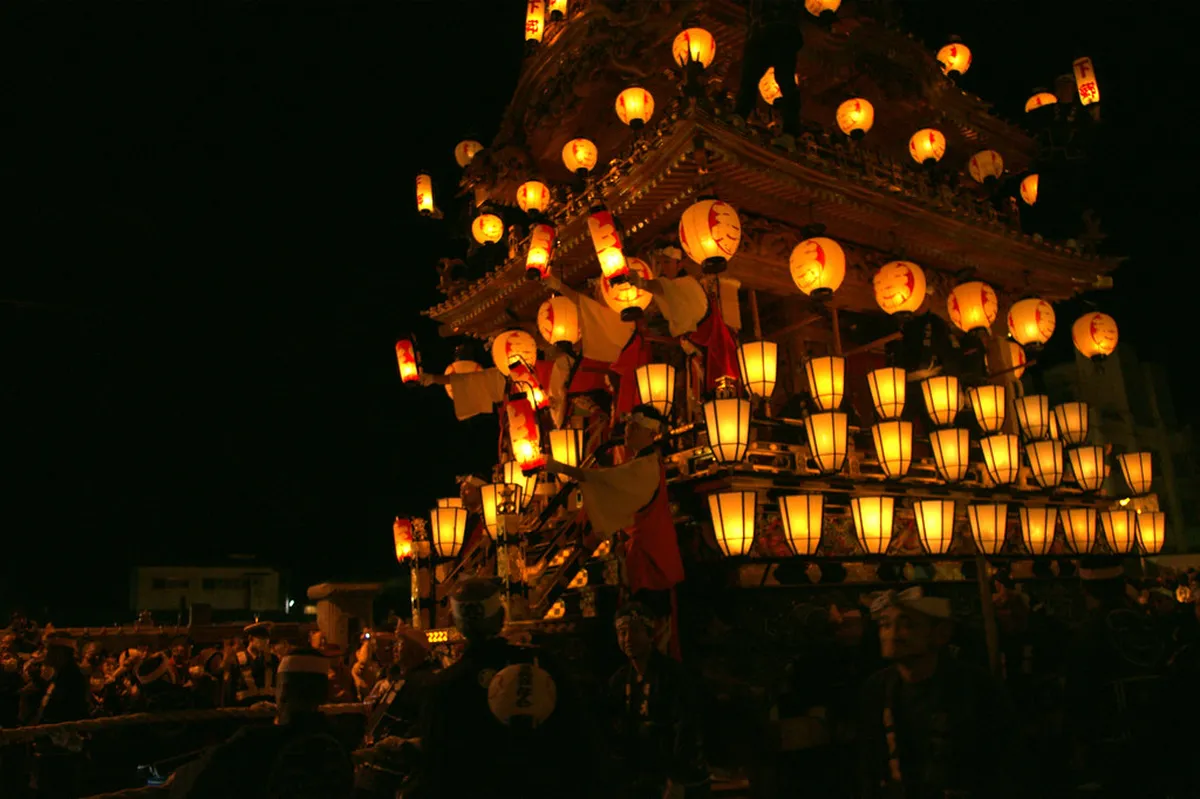
The Noto Peninsula Kiriko festivals are among the most striking in Hokuriku: massive illuminated lantern floats (kiriko), some over 10 metres tall, are paraded through coastal fishing towns to the beat of taiko drums and flutes. The Wajima Kiriko Festival and the Anamizu Oidon Festival are the most accessible for day-trippers from Kanazawa. Most Kiriko festivals run from July through September across different Noto towns, so it is possible to time a Kanazawa base with a specific Noto festival if you plan several months ahead.
An important note for 2026 planning: the January 2024 Noto earthquake caused widespread damage along the peninsula. Several Kiriko festivals were cancelled or scaled down in 2024. By 2026, most festivals have resumed, including the Wajima Kiriko Taimatsu Festival, but access infrastructure in some areas is still being restored. Before booking transport to Noto, check the current status of Highway 249 and the Noto Satoyama Kaido (the main bus route) with Hokutetsu Bus or the Ishikawa Prefecture Tourism site. Wajima requires approximately 2.5 hours by bus from Kanazawa Station; an overnight stay in Wajima or Noto town is strongly recommended to catch the evening kiriko procession rather than a rushed day trip.
How to Plan Around Kanazawa's Festival Calendar
Accommodation books out 6–8 weeks before the Hyakumangoku Festival (June 6–8) and the Kanazawa Marathon (late October). If you plan to visit in either window, search in April for June dates and in August for October dates. The Katamachi and Korinbo neighbourhoods are the most convenient bases for central festival access; budget travellers can find options in the Musashigatsuji area near the station, which gives direct access to the parade start. For a full rundown of neighbourhood trade-offs, see the Best Things to Do in Kanazawa in 2026 guide.
Transport during festivals is manageable with a few adjustments. The Kentetsu and Hokutetsu loop buses both stop within five minutes of all major festival sites, but buses run at reduced frequency after 21:00. Machi-Nori bike share is the most reliable way to move between the Higashi Chaya, Kanazawa Castle, and Katamachi areas during events when bus routes are modified. The station-area bike port at Kanazawa Station East Exit is always open; eight other ports are within the central festival zone.
Most Kanazawa festivals — including the Hyakumangoku parade, Kenrokuen illuminations, Hokkoku Fireworks, and all shrine festivals — are free to attend. Paid events are the Kawadoko riverside dining (approx. 19,800 yen) and the Kanazawa Geisha summer practice scene (seasonal pricing; reservations essential). Cash is required at virtually all festival food stalls and craft markets; the Seven Bank ATMs inside Kanazawa Station's Anto shopping building are the most reliable for international cards. Bring small bills — stall vendors rarely have change for 10,000 yen notes.
Explore festivals and events in other cities
- Nara's festivals and events
- Naha's festivals and events
- Kochi's festivals and events
- Morioka's festivals and events
- Hakodate's festivals and events
- Otaru's festivals and events
- Kawagoe's festivals and events
- Nagano's festivals and events
- Okayama's festivals and events
- Hakone's festivals and events
- Fukuoka's festivals and events
- Nagasaki's festivals and events
- Takayama's festivals and events
- Kobe's festivals and events
- Sendai's festivals and events
- Akita's festivals and events
- Yokohama's festivals and events
- Okinawa's festivals and events
- Aomori's festivals and events
- Kyoto's festivals and events
Frequently Asked Questions
Which Kanazawa festivals and events options fit first-time visitors?
First-time visitors should prioritize the Hyakumangoku Festival for its scale and spectacle, or the Kanazawa Castle & Kenrokuen Autumn Light-Up for its beauty. These events offer broad appeal and are easy to access. The Kaga Yuzen Lantern Festival also provides a beautiful and accessible cultural experience.
How much time should you plan for Kanazawa festivals and events?
For major festivals like Hyakumangoku, plan at least a full day to enjoy the parade and surrounding activities. Smaller events like light-ups or local shrine festivals might only require 2-3 hours. Factor in travel time to nearby towns for regional craft festivals.
What should travelers avoid when planning Kanazawa festivals and events?
Avoid assuming all 'events' are grand festivals; some are smaller local gatherings or markets. Do not overlook booking accommodation and transportation far in advance for popular festival dates. Also, avoid underestimating crowd sizes, especially for the Hyakumangoku Festival.
Is Kanazawa worth including on a short itinerary?
Yes, Kanazawa is definitely worth including on a short itinerary, especially if you can align your visit with a festival. Even on a short trip, experiencing a local event offers a unique cultural immersion. Consider a 2-day Kanazawa itinerary to combine festivals with key attractions.
Kanazawa's festivals and events offer an unparalleled opportunity to delve into the heart of Japanese tradition and community spirit. From the grandeur of the Hyakumangoku Festival to the serene beauty of river lantern floatings, each event tells a unique story. By planning your visit around these vibrant celebrations, you gain a deeper appreciation for the city's rich cultural tapestry. Remember to check official sources for the most current dates and times as you finalize your travel plans.
Whether you seek lively parades, intricate crafts, or peaceful seasonal illuminations, Kanazawa delivers unforgettable experiences. These events are more than just spectacles; they are living traditions that connect visitors to the soul of this remarkable city. Embrace the festive atmosphere and create lasting memories in Kanazawa. We hope this guide helps you discover the perfect events for your 2026 adventure.
Free: The Kanazawa Essentials guide
Top things to do, where to stay, a perfect day plan, getting around, and the best time to go — a Kanazawa mini-guide you can take offline.
You might also like
Continue reading
More guides you'll find useful


