Best Time to Visit Kanazawa: 2026 Weather & Travel Guide
Discover the best time to visit Kanazawa in 2026. Month-by-month weather, cherry blossom dates, autumn foliage tips, and seasonal seafood guides for your trip.
On this page
The best time to visit Kanazawa is late March through early May for cherry blossoms or mid-October through mid-November for autumn foliage. Both windows deliver comfortable temperatures, spectacular color, and the atmosphere that makes Kanazawa unlike any other Japanese city. Spring and autumn are the city's peak seasons, with hotel rates and advance bookings to match.
If you want fewer crowds without sacrificing beauty, target May after the sakura falls or the first two weeks of October before the foliage peaks. Budget travelers should look at January, February, or early June. Each season brings a genuinely different experience here — the city is not a one-season wonder. Check our Kanazawa Cherry Blossom Guide: 8 Essential Tips & Spots for exact bloom dates and the best viewing spots by year.
What's the Weather Like in Kanazawa?
Kanazawa sits between the Japanese Alps and the Sea of Japan, and that geography defines everything about its climate. Moisture rolls in off the sea year-round, making this one of the wettest major cities in Japan. The city averages roughly 2,400 mm of precipitation annually — considerably more than Tokyo or Kyoto. For detailed monthly climate records, consult the Japan Meteorological Agency archives. Locals summarize it in a proverb: "Even if you forget your lunch, never forget your umbrella."
Summer (June–August) is hot and humid, with August highs reaching 31°C / 88°F. The rainy season (tsuyu) runs from mid-June through late July, but it does not rain all day every day — you can travel comfortably with a compact umbrella. Winter (December–February) is cold and grey, with daytime highs of 7°C / 44°F. Snow falls most years but rarely accumulates deeply at street level. Spring and autumn sit in the 10–22°C / 50–72°F range and are the most comfortable for long days on foot.
The month-by-month averages below are a useful planning baseline. January and February are the coldest and cloudiest months. April and May are the brightest and most pleasant. September is often sunnier than its reputation suggests — crowds are thin and skies are frequently clear.
| Month | Avg High | Avg Low | Notes |
|---|---|---|---|
| January | 7°C / 44°F | 1°C / 34°F | Cold, cloudy, possible snow |
| February | 7°C / 44°F | 1°C / 34°F | Cold, quiet crowds |
| March | 11°C / 51°F | 3°C / 37°F | Plum blossoms, warming up |
| April | 17°C / 63°F | 8°C / 46°F | Cherry blossoms, peak crowds |
| May | 22°C / 72°F | 13°C / 55°F | Fresh green, mild, pleasant |
| June | 25°C / 77°F | 18°C / 64°F | Rainy season begins, irises bloom |
| July | 28°C / 82°F | 22°C / 72°F | Rainy season, hot and humid |
| August | 31°C / 88°F | 24°C / 75°F | Hottest month, festivals |
| September | 27°C / 80°F | 20°C / 68°F | Sunny, thin crowds, pleasant |
| October | 21°C / 70°F | 13°C / 55°F | Early foliage, ideal weather |
| November | 16°C / 61°F | 8°C / 46°F | Peak foliage, busy |
| December | 10°C / 50°F | 3°C / 37°F | Winter sets in, quiet |
When Is the Best Time to Visit Kanazawa?
Spring (late March to mid-May) and autumn (mid-October to mid-November) are the two best times. Both deliver ideal walking weather, Kenrokuen at its most photogenic, and the highest concentration of seasonal events. The downside is that everyone knows this: hotels book out weeks in advance and prices rise accordingly during peak sakura and foliage weekends.
For the best balance of beauty and manageable crowds, aim for mid-April after peak bloom (when the petals fall like snow over the castle moat), or the first two weeks of October. September is an underrated choice — the city is quiet after summer holidays, skies clear, and temperatures drop to comfortable levels. Winter (December–February) is genuinely rewarding if you come for the seafood and the snowscape rather than the gardens.
| Season | Weather | Crowds | Prices | Best for |
|---|---|---|---|---|
| Late March–mid-May | 10–22°C / 50–72°F | Very High (early April), then Moderate | High | Sakura, mild walks |
| June–August | 22–31°C / 72–88°F | Moderate | Medium | Festivals, seafood, budget |
| September–mid-November | 14–27°C / 57–80°F | Low (Sept), then High (Nov) | Medium–High | Foliage, photography |
| December–February | 1–10°C / 34–50°F | Low | Low | Snow crab, yukitsuri, ryokan deals |
Kanazawa in Spring (March, April, and May)
Cherry blossoms usually begin opening in Kanazawa in late March, with peak bloom falling in the first week of April most years. Kenrokuen Garden and Kanazawa Castle Park are the main viewing spots, with around 400 trees at the castle grounds alone. At night, illuminations extend viewing hours and transform the reflective castle moat into something extraordinary. This is the single most popular time to visit, so book accommodation at least 6–8 weeks in advance for early April.
By mid-April, crowds ease dramatically after the petals fall. May is arguably the finest month of the year: fresh green canopies, warm afternoons, few tourists, and open skies. The Kaga vegetables — thick-stemmed fuki (butterbur) and bamboo shoots reaching peak eating season in April and May — appear in every market and most restaurant menus. Spring also brings firefly squid (hotaruika) to Omicho Market, available from March through May.
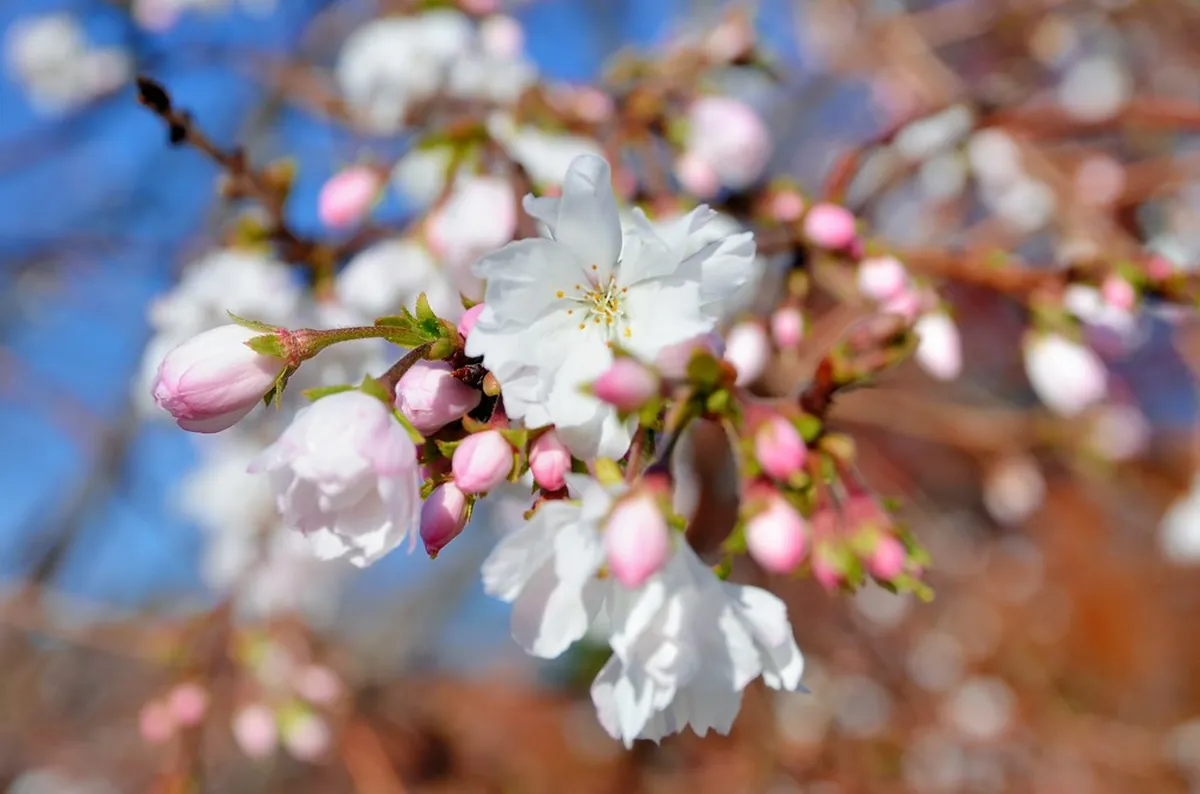
Useful logistics: Kenrokuen opens 07:00–18:00 from 1 March through 15 October. Early morning entry (before 08:00) is free. Spring evenings drop quickly to 8°C / 46°F, so pack a layer even on warm afternoons. The city's traditional sweet shops (wagashi) release sakura-themed confections — sakura mochi and cherry-blossom nerikiri — that are worth seeking out alongside the blossoms themselves.
Kanazawa in Summer (June, July, and August)
Summer is Kanazawa's festival season. The Hyakumangoku Matsuri — the city's largest celebration, commemorating Lord Maeda's arrival in 1583 — takes place over three days in early June (2026 dates: 5–7 June). More than 10,000 performers parade through the city centre in traditional costume. It is one of the biggest regional festivals in Japan and worth specifically scheduling around.
August brings the Asanogawa Lantern Floating Ceremony, where hundreds of illuminated paper lanterns drift down the river at dusk. Fireworks events are held through the summer along the coast. The heat is real — 28–31°C / 82–88°F with high humidity — but indoor escapes are plentiful: the 21st Century Museum of Contemporary Art runs excellent summer exhibitions, and the cool stone corridors of the Higashi Chaya tea house district offer relief.
June is an underappreciated sweet spot for budget travelers. The rainy season has started, which keeps visitor numbers low, but it does not rain all day and the irises in Kenrokuen are at their absolute peak. Hotels run some of their lowest rates of the year in early June, just before the Hyakumangoku crowds arrive. If you visit Areas to Stay in Kanazawa: 2026 Planning Guide page, you will find options that are significantly cheaper in June than in April or November.
Kanazawa in Autumn (September, October, and November)
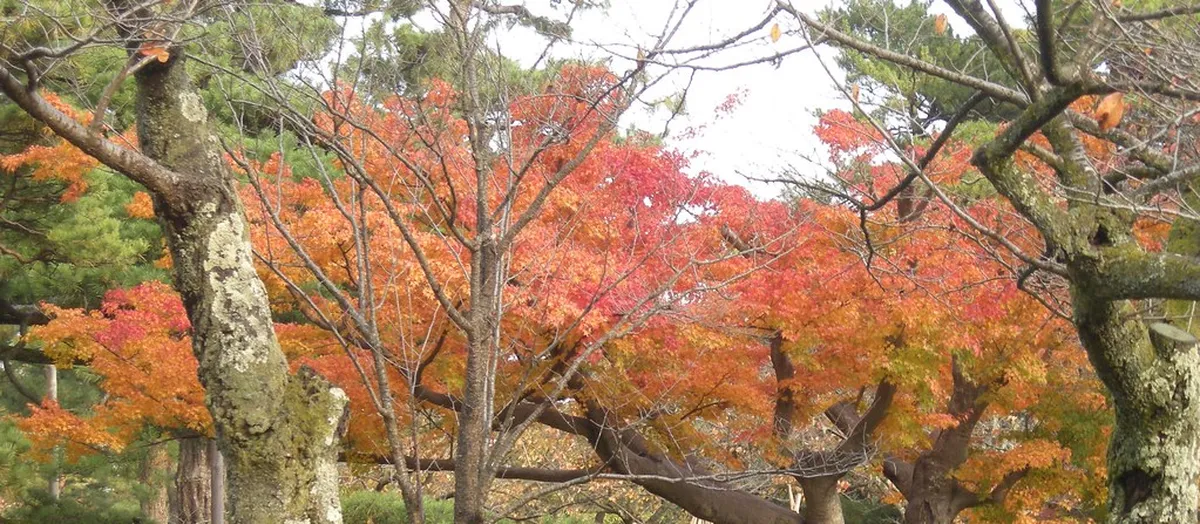
Autumn foliage in Kanazawa peaks later than in Tokyo or Nikko. Expect the best color in Kenrokuen and the Nagamachi Samurai District from mid-November, with some years pushing to late November. The maples and ginkgos turn brilliant shades of red and gold, and the garden's reflective ponds amplify every color. Kenrokuen holds night illumination events during peak foliage season — check the official site for exact 2026 dates, usually announced in October.
September is the season's best-kept secret. The summer heat breaks by mid-September, the skies are frequently clear and blue, and the crowds are thin after the summer holiday period ends. Hotel rates drop after the Obon period in August and do not climb again until November. October sits between those extremes: comfortable weather, modest crowds early in the month, rising foliage excitement by the end.
Female snow crab (kobako-gani) season opens on 6 November each year, which marks the unofficial start of Kanazawa's culinary winter. Many travelers plan their autumn visit specifically to overlap with the first days of crab season. Amaebi (sweet shrimp) is also excellent throughout autumn. The Nomura Samurai House garden in Nagamachi, ranked among the top traditional gardens in Japan by the American Journal of Japanese Gardening, is at its most spectacular in early November.
Kanazawa in Winter (December, January, and February)
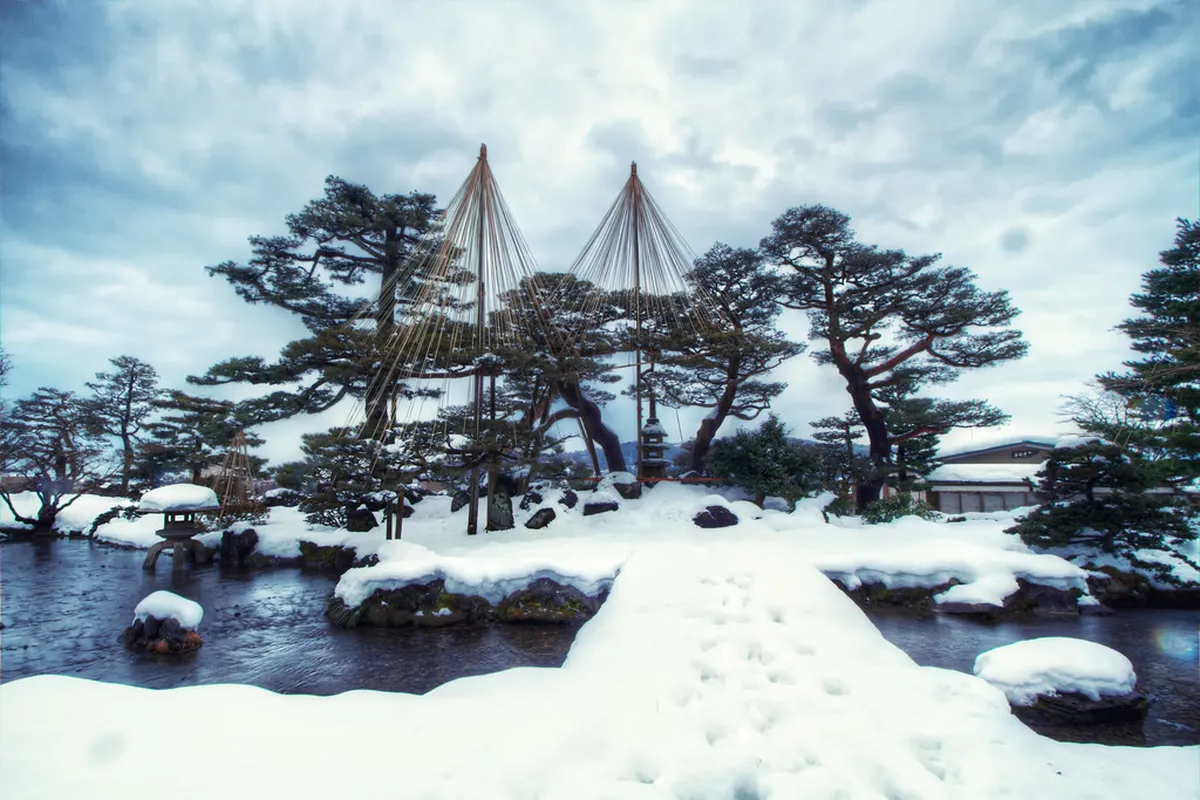
Winter is Kanazawa's quietest and most atmospheric season. In November, gardeners install yukitsuri — the elegant rope-and-bamboo snow-support structures that protect pine branches from the weight of snow. The most famous is the 200-year-old karasaki pine in Kenrokuen, which takes weeks of expert work to prepare. By December the structures are fully raised and the garden looks unlike anywhere else in Japan. Kenrokuen reduces its hours in winter: 08:00–17:00 from 16 October through the end of February.
Snow falls most winters but does not typically settle deeply at street level. The heavier accumulation happens on the outskirts and in the mountains. Footwear with grip is sensible for January and February when pavements can be slippery. The payoff is absolute quiet in the historic districts — you can have the stone-paved Higashi Chaya alleys almost entirely to yourself on a weekday morning.
Winter is the undisputed prime season for seafood. Snow crab (zuwaigani) is at peak richness from December through February, and Omicho Market is the place to eat it — either as crab hot pot (kani nabe), salt-grilled, or in the famous kani meshi rice. Yellowtail (buri), which migrates south in cold water, also reaches its peak fat content in winter. Budget travelers should note that ryokan rates drop sharply in January and February — it is possible to stay in high-end properties for rates you would not see in spring or autumn.
Seasonal Seafood at Omicho Market
Kanazawa has been a UNESCO Creative City of Gastronomy since 2009, and Omicho Market is the heart of that identity. The market has around 170 stalls and has operated continuously since the Edo period. Understanding what is in season gives you a significant advantage over travelers who simply walk in and order whatever looks good.
The table below maps the major seasonal peaks for the seafood Kanazawa is known for. Note that the female snow crab (kobako-gani) season is tightly regulated by law: it runs from 6 November to 31 December only. The male zuwaigani season runs from November through March. Firefly squid (hotaruika) is a spring-only delicacy that arrives from the nearby Toyama Bay — they are bioluminescent and best eaten as sashimi or in a light vinegared miso (sumiso).
| Ingredient | Peak Season | How to Order |
|---|---|---|
| Firefly squid (hotaruika) | March–May | Sashimi, sumiso |
| Japanese halfbeak (sayori) | March–April | Sashimi |
| Japanese rockfish (hachime) | March–May | Grilled, sashimi |
| Sweet shrimp (amaebi) | Year-round, peak autumn | Raw sashimi |
| Female snow crab (kobako-gani) | 6 Nov–31 Dec | Kani meshi, grilled |
| Male snow crab (zuwaigani) | November–March | Kani nabe, steamed |
| Yellowtail (buri) | December–February | Sashimi, shabu-shabu |
Most stalls close on Wednesdays and public holidays. The market is busiest between 09:00 and 12:00. Arrive early for the best selection and to watch the morning's catch being prepared. Several stalls have counter seats where you can eat immediately after ordering — no restaurant formality required.
Kanazawa Events 2026
The Hyakumangoku Matsuri (5–7 June 2026) is the anchor event of the Kanazawa calendar. The parade begins at Kanazawa Station and winds through the city centre. Over three days the festival includes noh theatre performances, tea ceremonies open to visitors, and traditional drum (taiko) displays. Book accommodation for those dates 3–4 months ahead — the city fills entirely.
Kenrokuen holds seasonal illumination events that are worth planning around. The spring illumination during cherry blossom season (usually late March to mid-April) runs 18:00–21:00. The autumn foliage illumination in November runs similar hours and is arguably more dramatic — the reflective water surfaces double the color intensity. The winter yukitsuri illumination runs from late November through February on some nights. All illumination dates are published on the official Kenrokuen website (kenrokuen.or.jp) each season.
Other notable 2026 events include the Asanogawa Lantern Floating Ceremony (mid-August, exact date TBC), summer fireworks at the Kanazawa Port area, and the Kanazawa Jazz Street festival in September — one of the largest jazz events in Japan, drawing street performers to the Higashi Chaya and Katamachi districts. Check 10 Unforgettable Kanazawa Festivals & Events for the full 2026 calendar with confirmed dates as they are announced.
Rainy Day Kanazawa: The Wet Weather Advantage
Kanazawa's reputation for rain is real — it gets more rainy days than almost any other major Japanese city. But rain here is different from a city with no plan for it. The historic districts were built for wet weather: covered shopping arcades (Omicho Market's interior, the Katamachi area), deep eaves over chaya facades, and stone alleys that look better wet than dry. The 21st Century Museum of Contemporary Art, the D.T. Suzuki Museum, and the Ishikawa Prefectural Museum of History are all designed for long indoor stays.
The practical tip no competitor mentions: June and July are when Kenrokuen's iris garden peaks. The garden's 350-variety iris collection, near the Seisonkaku Villa, blooms from late May through June. In light rain the color saturation increases noticeably. Photographers specifically target overcast mornings in late May and early June because the soft light eliminates the harsh shadows that midday sun creates over the garden's stone paths.
Carry a sturdy compact umbrella — not a disposable convenience-store one, which the coastal wind bends. Many traditional shops in the Higashi Chaya district keep a small collection of Kanazawa-lacquered umbrella handles you can find as souvenirs. The Kanazawa Rainy Day Activities: Indoor Travel Guide guide covers specific museums, workshops, and covered routes in more detail.
How Many Days Should You Spend in Kanazawa?
Two full days covers the non-negotiable highlights: Kenrokuen and Kanazawa Castle in the morning, Omicho Market for lunch, the Higashi Chaya district and Nagamachi Samurai District in the afternoon, and the 21st Century Museum of Contemporary Art if your feet hold up. A 3-day Kanazawa itinerary lets you add the outer districts, a ryokan night, and proper time at the market without rushing.
Three days is the sweet spot for most travelers. Add a fourth day if you are visiting during cherry blossom or foliage season and want multiple morning visits to Kenrokuen as the light and colors shift. Spring visitors benefit from arriving the night before peak bloom to catch the illumination, then spending a full day in the garden the next morning before the crowds arrive after 09:00.
For seasonal allocation: spring and autumn travelers should weight more time toward outdoor garden and street strolling. Summer travelers benefit from building indoor time in the afternoon heat — museums from 13:00 to 16:00, then back outside for the cooler evening. Winter visitors can move faster through outdoor sites (fewer crowds, less time lingering) and should reserve at least one evening for a proper crab dinner at Omicho Market or a kaiseki meal at a ryokan.
Once you have picked your season, see our complete guide to the best things to do in Kanazawa to start planning where to go.
Frequently Asked Questions
How Many Days Should You Spend in Kanazawa?
Two to three days is ideal for most visitors. This allows time for the gardens, castle, and historic districts. You can also add a day trip to nearby Shirakawa-go.
When do cherry blossoms bloom in Kanazawa?
The bloom usually begins in late March or early April. Peak bloom typically occurs around the first or second week of April. Dates vary slightly each year based on temperatures.
Is it always raining in Kanazawa?
Kanazawa has a high number of rainy days year-round. However, the rain often comes in short bursts rather than lasting all day. Always carry an umbrella to stay dry.
Kanazawa rewards visitors in every season. Spring delivers its most famous colours, autumn its most dramatic foliage, winter its finest seafood, and summer its biggest festivals. The city is compact enough that even two days covers the essentials — but its depth rewards longer stays. Plan around one anchoring seasonal highlight and let the rest of the city fill in around it.
Free: The Kanazawa Essentials guide
Top things to do, where to stay, a perfect day plan, getting around, and the best time to go — a Kanazawa mini-guide you can take offline.
You might also like



Continue reading
More guides you'll find useful