12 Best Areas to Stay in Kanazawa: 2026 Planning Guide
Plan where to stay in Kanazawa with our 2026 guide. Discover the best neighborhoods, hotels, and ryokans for foodies, history buffs, and rail travelers.
On this page
Choosing where to stay in Kanazawa is a genuinely consequential decision because the city's five main areas each serve a different type of traveler. A first-timer arriving by Shinkansen has completely different needs from a foodie who wants to roll out of bed and into the market, or a couple chasing the atmosphere of a preserved geisha district. This guide breaks each area down so you can pick the right base for your trip.
Kanazawa is compact — most attractions sit within a two-kilometer radius between the Asano and Sai rivers. You can walk between nearly all major sights, though the Kanazawa Loop Bus (one-day pass: ¥600) covers the same ground faster when rain arrives. And rain does arrive: Kanazawa receives significantly more precipitation than Tokyo because cold Siberian air masses crossing the Sea of Japan dump moisture on the Hokuriku coast, especially from November through April. Waterproof footwear is not optional here in spring.
Prices below are 2026 typical ranges per room per night in shoulder season. Cherry blossom season (late March to early April) and the Hyakumangoku Festival (first weekend of June) push rates 30–50% higher. Book those periods at least three months out.
Where to Stay in Kanazawa: Neighborhood Overview
The city organizes itself around two anchors: Kanazawa Station in the west and Kanazawa Castle Park in the center. Between them lie the Omicho Market and the Downtown (Korinbo/Katamachi) commercial zone. East of the castle, across the Asano River, sits Higashi Chaya-gai — the preserved geisha district. South of the castle, the Nagamachi Samurai District and Teramachi Temple Zone round out the historic core.
Most travelers should stay within this central loop. Suburban hotels save ¥1,000–¥3,000 per night but add 15–25 minutes of bus time to every sightseeing leg. Over a two-day stay, that loss of time is not worth the saving. The table below gives a quick read on each area before the full sections.
| Area | Walkability | Quietness at Night | Price Range | Best For |
|---|---|---|---|---|
| Kanazawa Station | Good (buses at door) | Moderate | ¥7,000–¥45,000 | Rail travelers, day-trippers |
| Omicho Ichiba | Excellent | Quiet after 20:00 | ¥8,000–¥35,000 | Foodies, walkers |
| Downtown (Korinbo/Katamachi) | Excellent | Lively until 02:00 | ¥6,500–¥25,000 | Nightlife, shopping |
| Castle & Kenrokuen | Excellent | Very quiet | ¥12,000–¥40,000 | Sightseers, early risers |
| Higashi Chaya-gai | Good | Extremely quiet | ¥25,000–¥70,000 | Atmosphere, romance |
Kanazawa Station Area: Best for Rail Travelers
The station district is the most practical base in Kanazawa. You step off the Hokuriku Shinkansen and your hotel is a two-minute walk away. Every Loop Bus route originates here, and trains to Shirakawa-go, the Noto Peninsula, and Osaka depart from the same platforms. The Tsuzumi-mon Gate — two towering wooden columns that frame the station entrance — is genuinely striking and signals that you have arrived somewhere worth exploring.
The tradeoff is atmosphere. The area around the station's east exit (Higashiguchi) is dense with business hotels and chain restaurants. The west exit (Nishiguchi) feels quieter and has a small cluster of more design-forward properties. Families with luggage and travelers on tight schedules benefit most from this base. Those with two or more nights should consider whether the central areas might suit them better.
The Kanazawa Loop Bus one-day pass costs ¥600 and covers all major attractions including Kenrokuen, Higashi Chaya, and Omicho Market. The bus originates at Kanazawa Station, making the station area the easiest base for rainy-day sightseeing without extra walking.
Hotel Nikko Kanazawa is the tallest building in the city and sits directly opposite the east exit. Sea-of-Japan-facing rooms on upper floors deliver genuinely impressive sunset views. Standard doubles run ¥18,000–¥42,000. Hyatt Centric Kanazawa occupies the same station block with contemporary interiors inspired by Kanazawa's craft traditions; expect ¥22,000–¥52,000. For a mid-range option, the Daiwa Roynet Hotel Kanazawa Eki Nishiguchi sits a three-minute walk from the west exit, offers large suite rooms at reasonable prices (¥9,000–¥20,000), and has an Italian restaurant on site.
Omicho Ichiba Area: Best for Foodies
Omicho Market — the "Kitchen of Kanazawa" — is a covered market dating to the early Edo period. It houses around 180 vendors selling fresh crab, snow crab (zuwaigani, in season November–March), yellowtail (buri), and the local specialty of baigai (Japanese babylon shellfish). Staying within walking distance means you can visit at 08:30 when the stalls are fully stocked but before tour groups arrive at 10:00. That ninety-minute window is the best way to experience the market.
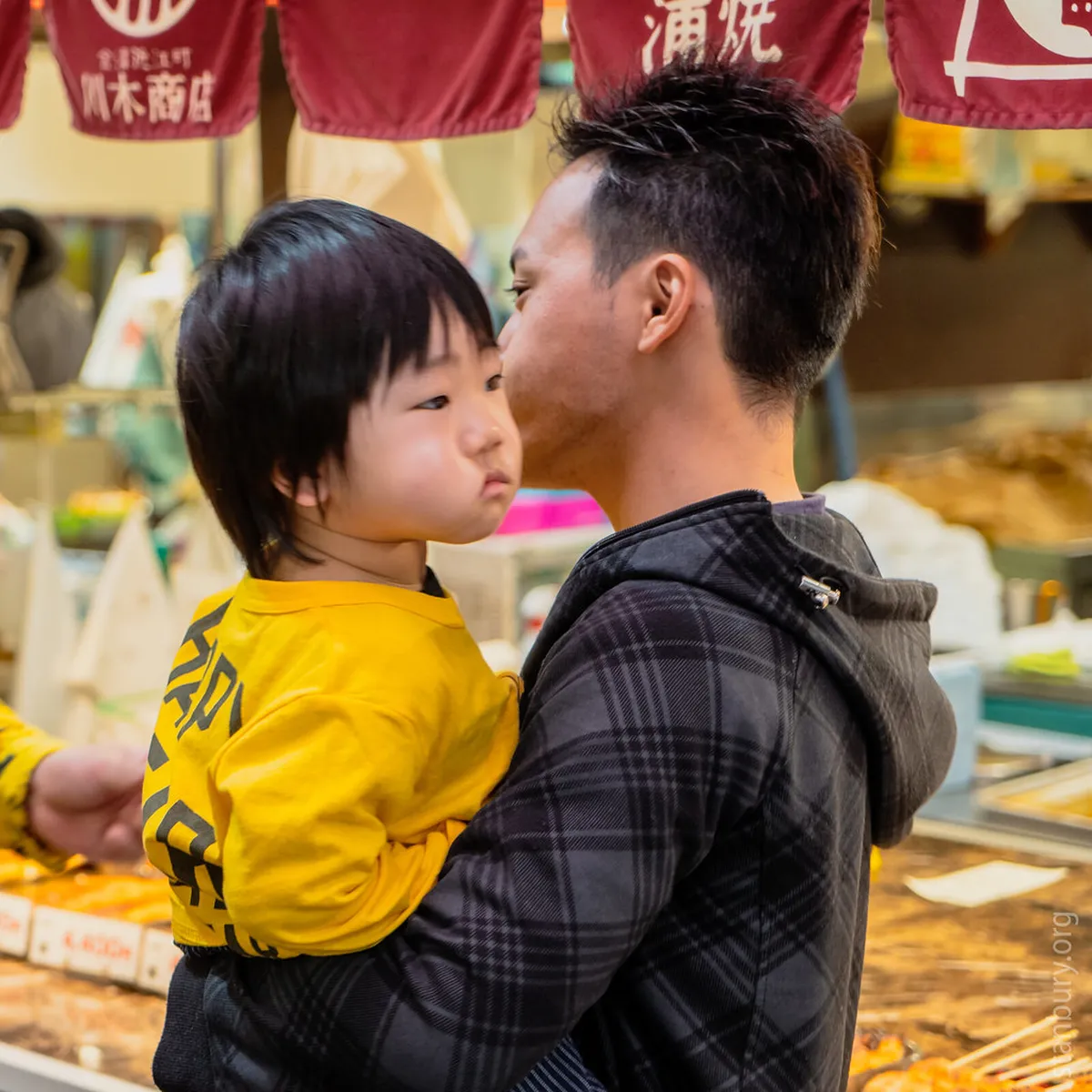
The Omicho area sits at a genuine crossroads: Kanazawa Castle and Kenrokuen are a 15-minute walk east, the station is a 12-minute walk west, and the Higashi Chaya district is a 20-minute walk northeast. You can cover all major sights on foot from here. Evenings are calm — the market closes by 18:00, and the neighborhood quiets down significantly, making it a good choice for travelers who want a central but restful stay.
SOKI Kanazawa is the standout property here. Positioned opposite the market entrance, the hotel was designed around regional craftsmanship: the public bathhouse (sento) uses locally quarried Takigahara stone, and the on-site restaurant SORASIO sources its menu from the market across the street. Rooms run ¥13,000–¥30,000. Hotel Kanazawa Zoushi blends Kutani ware ceramics and washi paper details into a boutique hotel format — a good fit for travelers who want more Japanese character than a standard Western room, without the commitment of a full ryokan stay (¥20,000–¥38,000).
Downtown Kanazawa: Shopping and Nightlife
Korinbo is Kanazawa's primary shopping district — Daiwa department store, Korinbo 109, and dozens of boutiques fill the main blocks. Katamachi, a ten-minute walk south toward the Sai River, is the nightlife hub: izakayas, cocktail bars, and live music venues stay open until 02:00. Together, these two sub-districts form what locals and guides call "Downtown Kanazawa." The boundaries blur, but Korinbo is better for daytime browsing and Katamachi is livelier after dark.
Despite being the most modern-feeling part of the city, Downtown is still only a 15-minute walk from Kenrokuen and about 10 minutes from the Nagamachi Samurai District. The 21st Century Museum of Contemporary Art — one of the best contemporary art museums in Japan — sits right at the edge of Korinbo and is worth a dedicated two hours. If you want to do more than sightsee and prefer having restaurants and bars at your doorstep in the evening, this area suits you best.
HOTEL AMANEK Kanazawa is the best-value anchor property in this zone. Located close to Oyama Shrine and the samurai district, it offers both Japanese-style (futon) and Western-style rooms, a public bath, bike hire, and a lounge with complimentary snacks. Family rooms sleep up to five people. Rates run ¥8,500–¥18,000. SOKI Kanazawa is technically in the Omicho zone but also serves this area well if Katamachi-adjacent options are full.
Korinbo and Katamachi Area: Central Hub
If Omicho is the culinary center of Kanazawa, then Korinbo and Katamachi together are its social center. The two neighborhoods sit on either side of the 21st Century Museum and together account for the largest concentration of mid-range hotels in the city. This makes them the default choice for budget-conscious travelers who still want a central location with nightlife access.
Katamachi's backstreets hide some of the best local dining in the city. Look for yakitori counters, small ramen shops, and craft beer bars on the narrow lanes off Katamachi-dori. The neighborhood also connects to the Teramachi Temple District across the Sai River via a short bridge — a quiet morning walk that most visitors skip entirely.
Budget options here start around ¥6,500 per night at properties like the APA Hotel Kanazawa Katamachi. For a mid-range boutique feel, Kaname Inn Tatemachi puts you in the heart of Katamachi with a cocktail bar and DJ nights downstairs. The Korinkyo hotel — a converted art gallery with only 18 rooms, hinoki cypress baths on an open rooftop, and a ground-floor perfume distillery — is the area's most distinctive luxury option (¥28,000–¥55,000).
Kanazawa Castle & Kenrokuen Area: Best for Sightseers
Kenrokuen is one of Japan's three great landscape gardens, and staying within a five-minute walk of its gates changes how you experience it. The garden opens at 07:00 from March through October.
Kanazawa receives significantly more annual rainfall than Tokyo — over 2,400 mm per year compared to Tokyo's 1,500 mm. Pack waterproof footwear even in spring and summer. The Higashi Chaya district streets are stone-paved and become slippery when wet.
The castle grounds themselves are free to enter year-round. The reconstructed Hishi Yagura turret and Kahoku Gate open at 09:00 for ¥320. Beyond sightseeing, the area is quiet in the evenings — no nightlife, no late dining — so it suits travelers who want to maximize morning cultural access and don't need the city's entertainment options on their doorstep.
Hotel supply in this zone is limited, which keeps prices higher than Downtown. Boutique guesthouses and upscale properties dominate, typically ranging from ¥12,000 to ¥40,000 per night. Check availability well in advance during cherry blossom season, when the castle park is one of the most photographed spots in all of Japan and rooms within walking distance sell out months ahead.
Higashi Chaya-gai Area: Traditional Atmosphere
Higashi Chaya-gai is Kanazawa's largest preserved geisha district and the one that draws travelers specifically seeking traditional atmosphere. The district's streets — narrow, stone-paved, lined with two-story wooden machiya latticed in dark wood — are the visual centerpiece of almost every Kanazawa travel photo. During the day, the district fills with visitors. After 17:00, tour groups leave and the streets empty out. Staying overnight here means you experience the district as it was designed to be: quiet, candlelit, and genuinely apart from modern Japan.
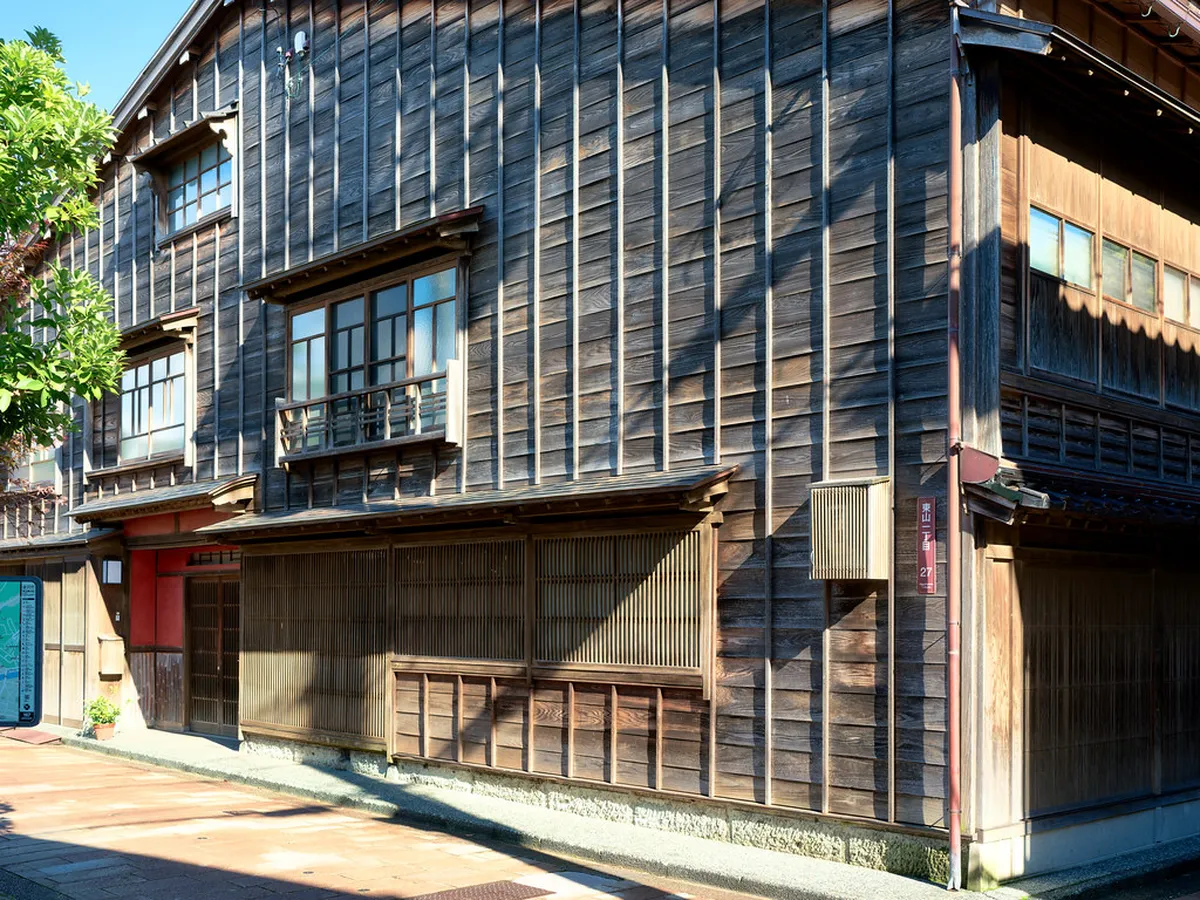
A handful of teahouses in Higashi Chaya — notably Shima and Kaikaro — open to the public during limited daytime hours (typically 09:00–17:00) without requiring a guided group booking. These are the easiest way to see an interior and learn about geiko culture without scheduling a private performance. The gold leaf ateliers nearby, including the Kanazawa Gold Leaf Museum, generally welcome walk-in visitors. Check the Kanazawa Gold Leaf Museum for seasonal hours before visiting.
Accommodation options here are limited and expensive. A modern hotel is not available in the district itself — you are choosing between traditional machiya guest houses and boutique ryokan-style properties. Expect ¥25,000–¥70,000 per night. Rooms typically follow Japanese format (futon on tatami, shared or en-suite bath). Book four to six months in advance for peak spring and autumn dates. The narrow streets are not car-friendly; arrive by taxi or on foot from the Loop Bus stop.
Ryokans in Kanazawa: Authentic Stay Guide
Staying in a ryokan in Kanazawa is a different kind of accommodation commitment from booking a hotel. The experience centers on kaiseki dining — a multi-course dinner of seasonal local ingredients (often Kaga vegetables, crab, and sashimi-grade fish from the Sea of Japan) served in your room or a private dining area at around 18:00–19:00. Check-in is typically 15:00–16:00 with an early check-out by 10:00 or 11:00. Arrival outside those windows requires advance notice and is not always possible.
Most Kanazawa ryokans operate a curfew of around 22:00–23:00 — the front door locks and you will need a code or key if you plan to return later. This matters if you want to combine a ryokan stay with Katamachi nightlife. It generally doesn't work well. Ryokans suit travelers who want to stay in, eat well, use the onsen or communal bath, and have an early night — which is actually how they're best enjoyed.
Cost is the other honest consideration. Kanazawa ryokan rates typically include dinner and breakfast, so the headline price of ¥30,000–¥80,000 per person per night covers two full meals of high quality. Compared to paying separately for a kaiseki dinner (¥15,000–¥30,000 per person) plus a hotel room, the all-in cost is sometimes comparable. Travelers who want the ryokan experience but with more flexibility can look at the SOKI Kanazawa and Hotel Kanazawa Zoushi properties, which offer Japanese-influenced design and public baths without the dinner commitment or curfew.
2 Days in Kanazawa: How Your Base Affects Your Itinerary
Two nights is the minimum to cover Kanazawa's main sights without feeling rushed. A well-structured two-day Kanazawa itinerary links the station area, the castle, Kenrokuen, the Higashi Chaya district, the market, and Nagamachi into a logical loop — but where you sleep determines whether you walk that loop or bus it.
Staying near the station: Day 1 morning, take the Loop Bus east to Kenrokuen (15 minutes). Walk south through Kenrokuen to the castle, west to Nagamachi, then into Downtown for lunch near Omicho. Afternoon: Higashi Chaya on foot or bus. Evening: return to the station area or stay for dinner in Katamachi. Day 2: use the station as your departure base for a day trip from Kanazawa to Shirakawa-go, which runs on direct express bus.
Staying near Omicho or Downtown: the same loop is mostly walkable. You can reach Kenrokuen from the market in 15 minutes on foot, reach Higashi Chaya in 20 minutes, and return via Nagamachi without touching a bus. This saves the Loop Bus for rainy-day shortcuts rather than basic navigation. The walking approach gives you more flexibility to follow interesting side streets, which is genuinely how the city reveals itself.
What to Pack for Kanazawa in Spring
Kanazawa receives considerably more annual rainfall than Tokyo — the city averages over 2,400 mm per year compared to Tokyo's 1,500 mm, largely because the Sea of Japan coast collects moisture from Siberian weather systems through winter and into early spring. Even in April, a clear morning can become a wet afternoon without warning. A compact waterproof jacket and waterproof walking shoes are the two non-negotiable items to pack.
Spring temperatures in Kanazawa run 8–18°C in March and 12–22°C in April. The castle park and Kenrokuen are exposed to wind, so a mid-layer works better than a single heavy jacket. Pack clothes you can layer and remove — you will move between outdoor gardens and heated indoor spaces throughout the day. Lightweight merino or quick-dry fabrics are practical for days when you get caught in the rain and need to dry out.
If you are planning gold leaf workshop experiences, note that many studios ask participants not to wear very loose sleeves or long scarves that might catch in the process. Most workshops take 45–90 minutes and require advance booking, especially on weekends. Check studio availability at least a week ahead during cherry blossom season.
Visiting Kyoto or Osaka After Kanazawa?
Kanazawa sits on the Hokuriku Shinkansen line, which connects directly to Tokyo (roughly 2.5 hours) and to Tsuruga, where travelers can change onto the JR Biwako line for Kyoto and Osaka. Since the Hokuriku Shinkansen extension to Tsuruga opened in March 2024, the journey to Kyoto takes around 2 hours without needing to use the older Thunderbird Limited Express from Osaka or Kyoto. If you are holding a JR Pass, the entire routing from Kanazawa to Kyoto is covered.
For those heading into the Kansai region, booking accommodation early matters as much in Kyoto as it does in Kanazawa during peak season. Research Where to Stay in Kyoto and Where to Stay in Osaka before confirming your Kanazawa dates, so you can plan the full routing without dead-ends. The JR West website and the Jorudan route planner are the most reliable tools for confirming exact timetables and rail pass eligibility on each leg.
If your itinerary runs in reverse — arriving from Osaka or Kyoto first and then continuing northeast — the pattern works just as well. Kanazawa's compact size and walkable sights make it an easy stopping point between the Kansai region and Tokyo rather than a major detour.
Frequently Asked Questions
Which area is best for first-time visitors to Kanazawa?
The Kanazawa Station area is best for first-time visitors due to its excellent transport links. It offers a wide variety of hotels, dining options, and easy access to the Loop Bus. You can reach most major sights within fifteen minutes from here.
Is Kanazawa walkable for tourists?
Yes, Kanazawa is a very walkable city with most major attractions clustered in the center. You can walk from the station to the castle in about twenty minutes. However, the Loop Bus is helpful for saving time during rainy weather.
How many days should I stay in Kanazawa?
I recommend staying for at least two nights to see the main highlights at a relaxed pace. This allows enough time for the gardens, samurai districts, and the famous Omicho Market. It also provides a buffer for a day trip to Shirakawa-go.
Kanazawa rewards travelers who pick the right base. If you are arriving by Shinkansen with plans to day-trip into the Japanese Alps, stay near the station. If you want to maximize time in the gardens and historic districts, choose Omicho or the castle area. If you want to wake up in a preserved geisha district and pay for the privilege, Higashi Chaya-gai delivers exactly that. The city is compact enough that no choice is wrong — just pick the atmosphere you want and book it early.
For 2026, rates have tightened during peak spring weekends with some properties showing sold-out status weeks in advance. Use the neighborhood overview table to shortlist your zone, then check the specific hotels named in each section for current availability.
Free: The Kanazawa Essentials guide
Top things to do, where to stay, a perfect day plan, getting around, and the best time to go — a Kanazawa mini-guide you can take offline.
You might also like

Continue reading
More guides you'll find useful