7 Best Ways to Enjoy a Kanazawa Gold Leaf Experience
Discover the best Kanazawa gold leaf experiences. Compare top workshops, learn the 400-year history of Kinpaku, and find where to try gold leaf ice cream.
On this page
Kanazawa produces nearly all of the gold leaf used across Japan today. This shimmering tradition began over 400 years ago under the powerful Maeda Clan, who turned the city into a thriving UNESCO City of Crafts. You can see this heritage in temples and shrines throughout the country.
Planning a Kanazawa gold leaf experience allows you to touch this history directly. Many travelers include these workshops in a broader Kanazawa itinerary to see the city's artistic side. The process involves hammering gold until it is thinner than a strand of hair. This delicate art form remains a point of pride for local artisans. You might also pair this with a Kyoto visit to see how the gold leaf is used in temples there.
Visitors often feel amazed by the precision required for each shimmering sheet. You can try your hand at decorating items like chopsticks or jewelry boxes. Most workshops provide English support and all the necessary tools for beginners. This guide covers everything you need to know for a perfect golden visit in 2026.
The 400-Year Legacy of Kanazawa Gold Leaf Crafts
The story of Kanazawa gold leaf crafts is deeply tied to the region's climate and water. High humidity in Ishikawa Prefecture helps prevent the thin sheets from flying away during production. Local artisans have refined these techniques since the late 16th century. The Maeda Clan supported these crafts to demonstrate their wealth and cultural sophistication. Learn more about this heritage at Kanazawa Yasue Museum.
Today, the city accounts for roughly 99% of Japan's domestic gold leaf production. This material decorates famous landmarks like the Golden Pavilion in Kyoto. Experts distinguish between two main production styles: the traditional Entsuke method and the Modern method. Entsuke uses handmade washi paper in layered stacks and requires a master beater to strike evenly for hours — it remains the most prestigious technique used for restoration work on national heritage buildings.
The Modern method uses specialized high-frequency vibration machines to meet the high demand for souvenirs and mass-produced decorative goods. Both styles result in gold leaf that is approximately 1/10,000 of a millimeter thick — roughly one-fifth the diameter of a human red blood cell. Such extreme thinness requires immense skill to handle without tearing. You will gain a deep respect for these masters during your visit.
Kanazawa's designation as a UNESCO City of Crafts ensures this legacy continues for future generations. Young apprentices still study under master beaters to learn the rhythmic hammering process. Exploring top historical landmarks in Kanazawa often reveals how gold leaf integrates into local architecture. This golden thread connects the city's past with its modern identity.
Top-Rated Workshops for a Hands-On Experience
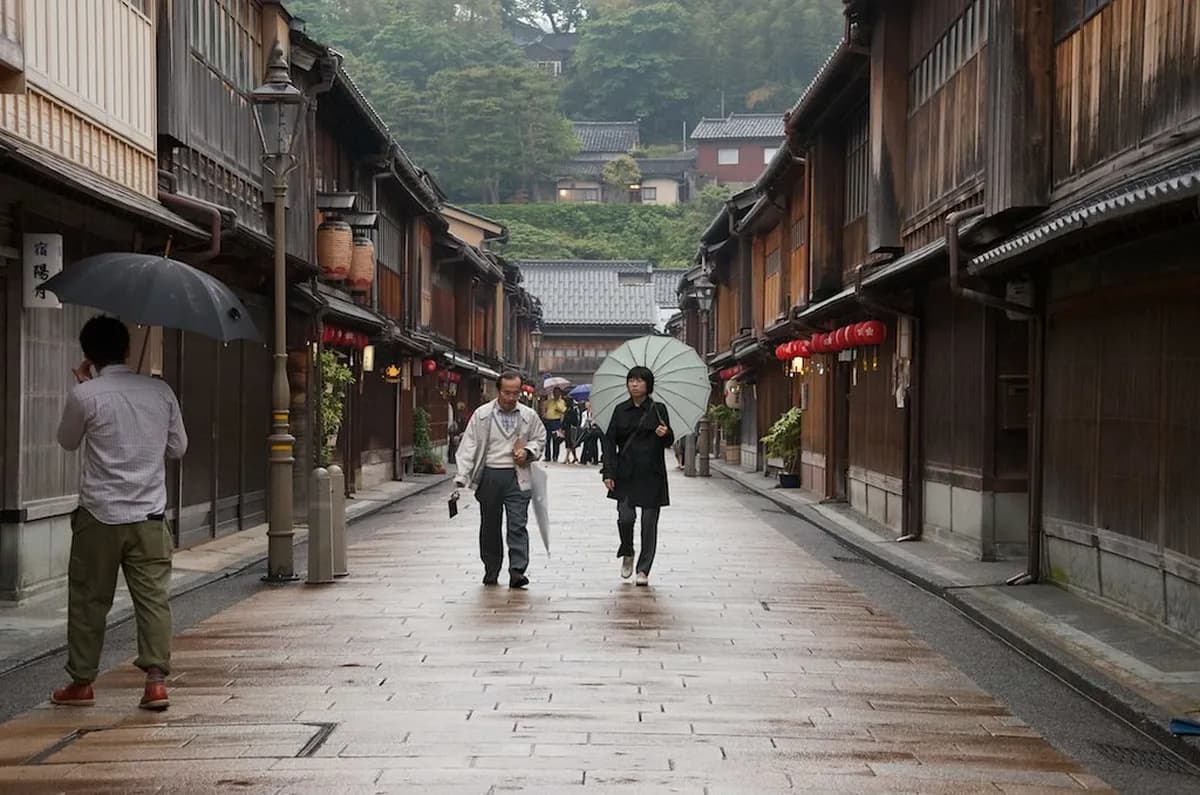
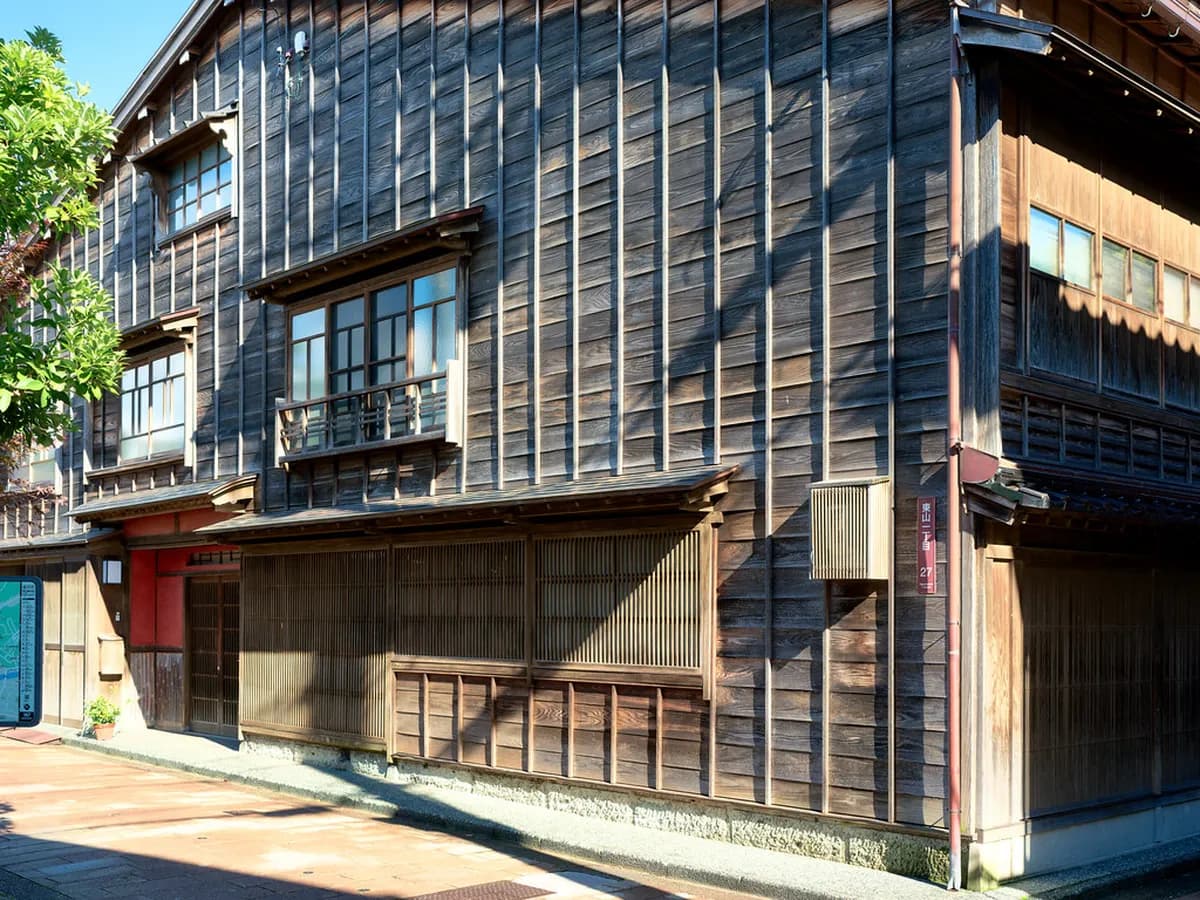
Finding a quality Kanazawa gold leaf experience is easy in the historic districts. Many shops offer walk-in sessions, but booking ahead ensures your spot. Most visitors choose the Higashi Chaya District for its traditional atmosphere. This area hosts some of the most famous gold leaf ateliers in the city.
Gold Leaf Sakuda (1-3-27 Higashiyama, open 9:00–18:00 daily) is the most comprehensive starting point. Their large workshop space lets you watch professionals at work before decorating your own item — chopsticks start at around 1,200 yen, small plates and fans run 2,000–2,500 yen. Staff speak functional English and demonstrate each step before you try it yourself.
Hakuichi Higashiyama (2-1-1 Morito, open 9:00–18:00, closed New Year's Day) is known for its modern atelier layout and beginner-friendly pacing. Sessions start from 1,000 yen. Their adjacent Gold Leaf Museum Hakukokan covers the history of the craft with interactive displays, and admission is included when you book a workshop. This makes it a good one-stop option for families. Book directly through Hakuichi's experience page.
K-Katani offers a more technical class near Kenrokuen Garden. Sessions typically run 1,500–3,000 yen and focus on teaching the precise wrist movements needed to apply leaf without wrinkles. They publish seasonal availability on their official site and are the best choice for detail-oriented visitors who want to understand the process rather than just produce a souvenir.
Workshops Beyond the Higashiyama District
The Higashiyama area gets the most foot traffic, but it is not the only place to experience gold leaf craft in 2026. The Nishi Chaya district on the western edge of the city centre has two small independent studios that offer sessions nearly identical to the big-name shops — with noticeably shorter queues on weekends. These workshops charge similar prices (1,000–2,000 yen) and often have walk-in capacity even on busy Saturday afternoons.
The area around Katamachi, the city's nightlife and shopping district, also has a handful of boutique lacquerware studios that combine gold leaf application with urushi (lacquer) work. These sessions run slightly longer at around 90 minutes but produce more durable finished pieces. They are less visible on tourist maps, so asking at the central tourist office next to Kanazawa Station is the fastest way to get current addresses and booking links.
Spreading your search beyond Higashiyama also means you can combine a gold leaf session with other lesser-visited spots. The Nishi Chaya neighbourhood pairs naturally with a walk through the Myoryuji Temple area. If crowds are a concern, plan your workshop for a weekday morning and consider the outer districts first.
Step-by-Step: What to Expect in a Gold Leaf Class
A typical gold leaf experience (金箔体験) begins with choosing your base object. Most shops offer wooden chopsticks, plastic plates, or small lacquerware boxes. You will then apply a thin layer of special adhesive to your chosen design area. Waiting for the glue to reach the right tacky consistency is crucial — staff usually time this for you.
Once the glue is ready, you carefully place the gold leaf using bamboo tweezers or a folded piece of washi paper. The sheets are so light that even a soft breath can cause them to shift. Pressing down firmly with the paper ensures the leaf bonds to the adhesive without tearing. It takes most first-timers two or three attempts to get the hand pressure right.
The next step is brushing away the excess gold with a soft natural-hair brush. This is the moment most participants find genuinely magical — the design suddenly emerges from what looked like a crumpled mess. Leftover flakes are collected and recycled into other products, so nothing goes to waste. You then apply a clear protective coat to seal the finished surface.
Most items are ready to take home immediately. Some lacquerware may require a day or two to fully cure before heavy use. The entire activity typically takes 45–60 minutes. It makes a peaceful contrast to a busy afternoon of sightseeing.
Kinpaku Dining: Where to Eat Gold in Kanazawa
Eating gold is one of the most popular tourist activities in Kanazawa. Hakuichi famously serves a soft-serve ice cream cone wrapped in a full sheet of gold leaf for around 700–800 yen. The gold itself has no flavour but adds a subtle crinkle texture to the cream. The queue moves quickly and the shop faces Higashiyama's main pedestrian lane, making it easy to spot.
Beyond ice cream, many cafes sell gold-flecked coffee and matcha drinks. These beverages often accompany a traditional Kanazawa tea ceremony experience in the tea districts, with the shimmering flakes floating on the surface of the bowl. Omicho Market stocks small jars of food-grade gold flakes for around 1,500 yen — a compact souvenir that travels easily.
High-end restaurants incorporate gold leaf into kaiseki menus as a finishing garnish on cold tofu, chilled sashimi, or clear consomme. It appears in both traditional and contemporary restaurant kitchens throughout the city. Always verify that edible gold is labelled as food-grade (食用金箔) before consuming any product from a market stall.
Visiting the Kanazawa Yasue Gold Leaf Museum
The Kanazawa Yasue Gold Leaf Museum was founded by a master gold beater who wanted to preserve traditional tools and techniques for future generations. You can check current exhibition schedules and special events on the official site at kanazawa-museum.jp/goldleaf. The museum sits near the Higashi Chaya area and is easy to combine with a workshop visit the same morning.
Inside, displays show the heavy stone weights used in the hammering process alongside the layered paper stacks that protect the gold during beating. Interactive exhibits explain how a single gold coin is thinned through hundreds of strikes into a sheet large enough to cover a small table. Short videos show master artisans performing the most technically demanding steps in real time.
The museum building itself incorporates subtle architectural gold leaf details on its interior walls. It is significantly quieter than the workshop shops outside and suits visitors who prefer a slower pace. Entry costs around 310 yen for adults, making it one of the best-value stops in the district. Morning visits, before 10:30, are reliably uncrowded.
Essential Logistics: Booking, Pricing, and Locations
| Workshop / Item | Price (approx) | Duration |
|---|---|---|
| Chopsticks (Gold Leaf Sakuda / Hakuichi) | 800–1,200 yen | 45–60 min |
| Small plate or fan | 2,000–2,500 yen | 45–60 min |
| Lacquerware box | 2,000–3,000 yen | 60–90 min |
| Specialty jewelry item | up to 4,000 yen | 60–90 min |
| Gold leaf soft-serve ice cream | 700–800 yen | — |
Getting around Kanazawa to find these experiences is simple with the Loop Bus. The Kanazawa Loop Bus runs two circular routes (left and right) from the main station and stops within five minutes' walk of every major gold leaf venue in the Higashiyama and Kenrokuen zones. A one-day pass costs 500 yen and covers unlimited rides — worth it if you plan more than two stops. Consult a Kanazawa transport guide for current timetables.
Basic chopstick workshops start at around 800–1,200 yen. Decorating a lacquerware box typically runs 2,000–3,000 yen, and specialty jewelry items can reach 4,000 yen. Most shops accept credit cards at the front desk, but smaller boutiques in the outer districts sometimes prefer cash. All major workshop fees include materials and a protective bag for your finished piece.
Reservations are strongly recommended during Golden Week (late April to early May), the autumn foliage season (late October to mid-November), and the summer school holiday period in August. Online booking is available through each shop's own website and through the Ishikawa tourism portal. Walk-in sessions are often possible on weekday mornings before 11:00. Arriving ten minutes before your booking ensures a smooth check-in.
Most workshops operate 9:00–18:00. Some locations close on Tuesdays or Wednesdays, so confirming hours before travel is worth the thirty seconds it takes. If your schedule is tight, choose a venue in Higashiyama that also has a dining or museum component — you can cover two or three activities within a two-hour window without rushing.
Early morning sessions starting at 9:00 or 10:00 tend to be smaller, more relaxed, and allow better conversation with the instructor. Avoid the 13:00–15:00 peak window when tour buses arrive in the Higashiyama district.
Expert Tips for Choosing the Right Experience
What you wear affects your workshop result more than most guides mention. Gold leaf is electrostatically attracted to rough or fluffy fabrics — wool, fleece, and velvet will collect stray flakes throughout the session. Wear smooth cotton or a synthetic weave, and tie back long hair before you start. Instructors at the busier shops rarely volunteer this information unless asked.
One free highlight that no admission price can beat is the Gold Leaf Room at Hakuza Hikarigura (1-13-18 Higashiyama, open 9:00–17:00 daily). The interior and exterior walls of this small gallery are entirely sheathed in 24-karat gold leaf. Entry is free and the space is compact enough to photograph well even in mixed light. It is a perfect addition to any workshop visit in the area.
If you are visiting during summer (July–August), ask your workshop instructor about a double clear coat at the end of the session. High humidity can weaken standard adhesive bonds on gold leaf work over time, and a second sealant layer adds durability without changing the appearance. This is standard practice in professional restoration work but instructors skip it during busy sessions unless a visitor specifically requests it.
Avoid the peak window between 13:00 and 15:00 when tour buses arrive in the Higashiyama district. Early morning sessions — beginning at 9:00 or 10:00 — tend to be smaller, more relaxed, and allow for better conversation with the instructor. Consider where to stay in Kanazawa to position yourself close to the most authentic studios and reduce morning travel time.
Wear smooth cotton or synthetic fabrics to your workshop — gold leaf is electrostatically attracted to wool, fleece, and velvet, which will collect stray flakes throughout the session. Tie back long hair before you start.
Combine this with our main Kanazawa attractions guide for a fuller itinerary.
Frequently Asked Questions
Which kanazawa gold leaf experience options fit first-time visitors?
First-time visitors should choose a basic chopstick or small plate workshop at Hakuichi or Sakuda. These sessions are designed for beginners and offer clear English instructions. You can easily fit these into a visit to Kenrokuen Garden nearby.
How much time should you plan for a kanazawa gold leaf experience?
You should set aside approximately 60 to 90 minutes for a full workshop. This includes the time to choose your item, apply the gold, and let the sealant dry. If you only want to see a demonstration, 20 minutes is usually enough.
What should travelers avoid when planning a gold leaf workshop?
Avoid wearing textured clothing like wool that attracts static electricity. You should also avoid booking sessions too late in the day when shops might be rushing to close. Large groups should always make a reservation to ensure enough workspace is available.
Is the Kanazawa gold leaf experience worth it for families?
Yes, it is an excellent activity for families with children aged six and older. The process is tactile and provides a unique physical connection to Japanese culture. Most kids enjoy the 'magic' of seeing the gold design appear under the brush.
A Kanazawa gold leaf experience is the perfect way to engage with the city's rich artistic history. From eating gold ice cream to hammering your own designs, there are many ways to enjoy this craft. You will leave with a beautiful souvenir and a deeper appreciation for Japanese precision.
The 400-year legacy of Kinpaku continues to thrive in the modern streets of Kanazawa. Whether you visit a museum or a busy workshop, the shimmering gold leaves a lasting impression. Plan your logistics early to secure a spot at the top ateliers in 2026.
Kanazawa remains a world leader in traditional crafts for good reason. Taking the time to learn these skills connects you to the generations of artisans who came before. Your golden journey in this historic city will surely be a highlight of your entire Japan trip.
Free: The Kanazawa Essentials guide
Top things to do, where to stay, a perfect day plan, getting around, and the best time to go — a Kanazawa mini-guide you can take offline.
You might also like


Continue reading
More guides you'll find useful