14 Top Historical Landmarks in Kanazawa 2026 (Complete Guide)
Explore the top historical landmarks in Kanazawa 2026 — Maeda clan castle, Kenrokuen Garden, Ninja Temple, samurai districts, and geisha quarters. Entry fees, opening hours, and booking tips included.
On this page
Kanazawa stands as one of Japan's best-preserved castle towns. The city escaped the heavy bombing of World War II, leaving its Edo-period fabric almost entirely intact for visitors to experience today. Walking its narrow samurai alleys and geisha districts is the closest you can get to feudal Japan outside of Kyoto — and with far smaller crowds.
The Maeda Clan ruled the Kaga Domain from Kanazawa Castle for nearly 300 years (1583–1871), accumulating wealth second only to the Tokugawa shogunate. This extraordinary prosperity funded the gardens, teahouses, shrines, temples, and samurai residences that now define the city's historical identity. Every major landmark in this guide carries the Maeda legacy in some form. Planning your visit in 2026 means benefiting from recent restorations and updated visitor facilities at most sites. For a broader orientation, see our complete Kanazawa attractions guide before diving into the historical circuit below.
Kenrokuen Garden: Japan’s Premier Landscape Masterpiece
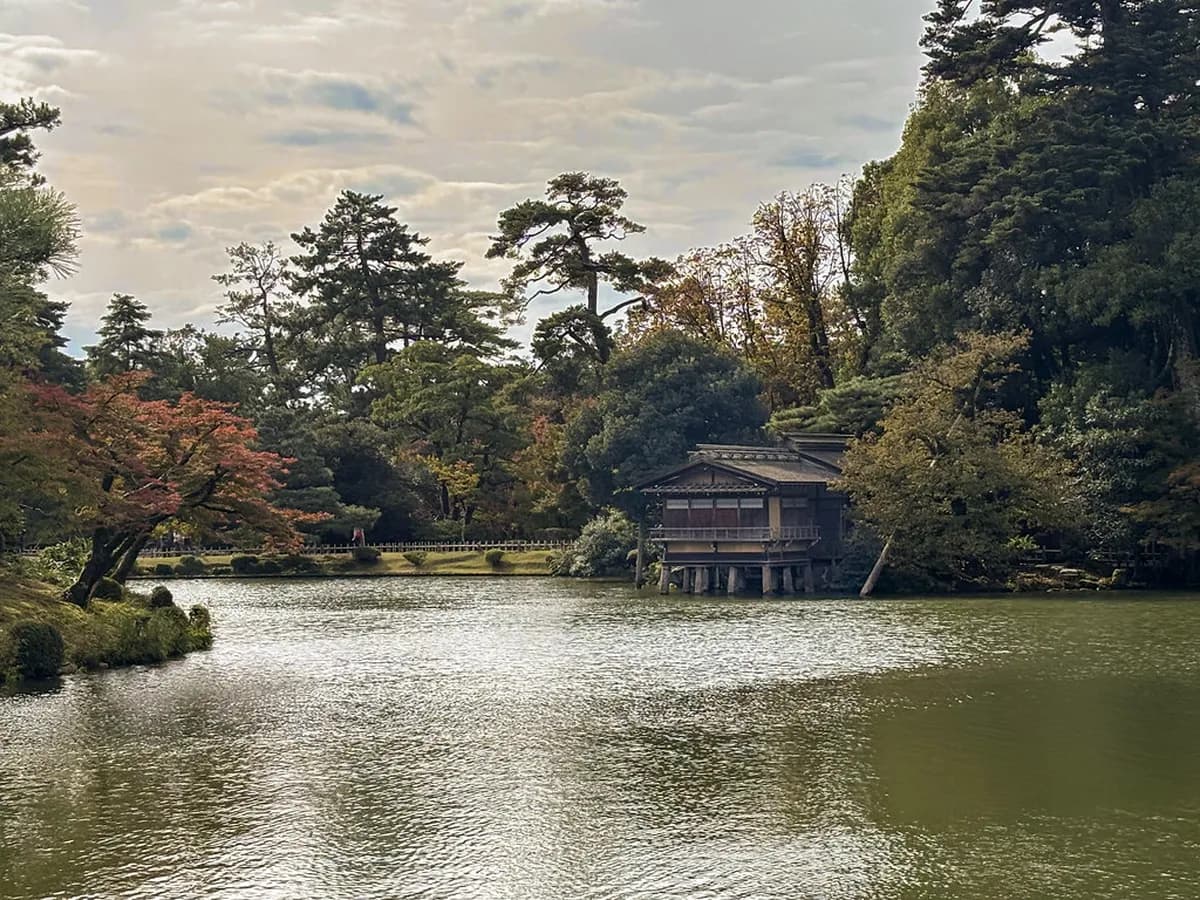
Kenrokuen Garden is widely considered one of the three most beautiful landscape gardens in Japan. The name translates to the Garden of Six Attributes, referring to ideal landscape qualities. These attributes include spaciousness, seclusion, artifice, antiquity, water-courses, and magnificent panoramas. Most gardens only achieve a few of these, but Kenrokuen masterfully combines all six.
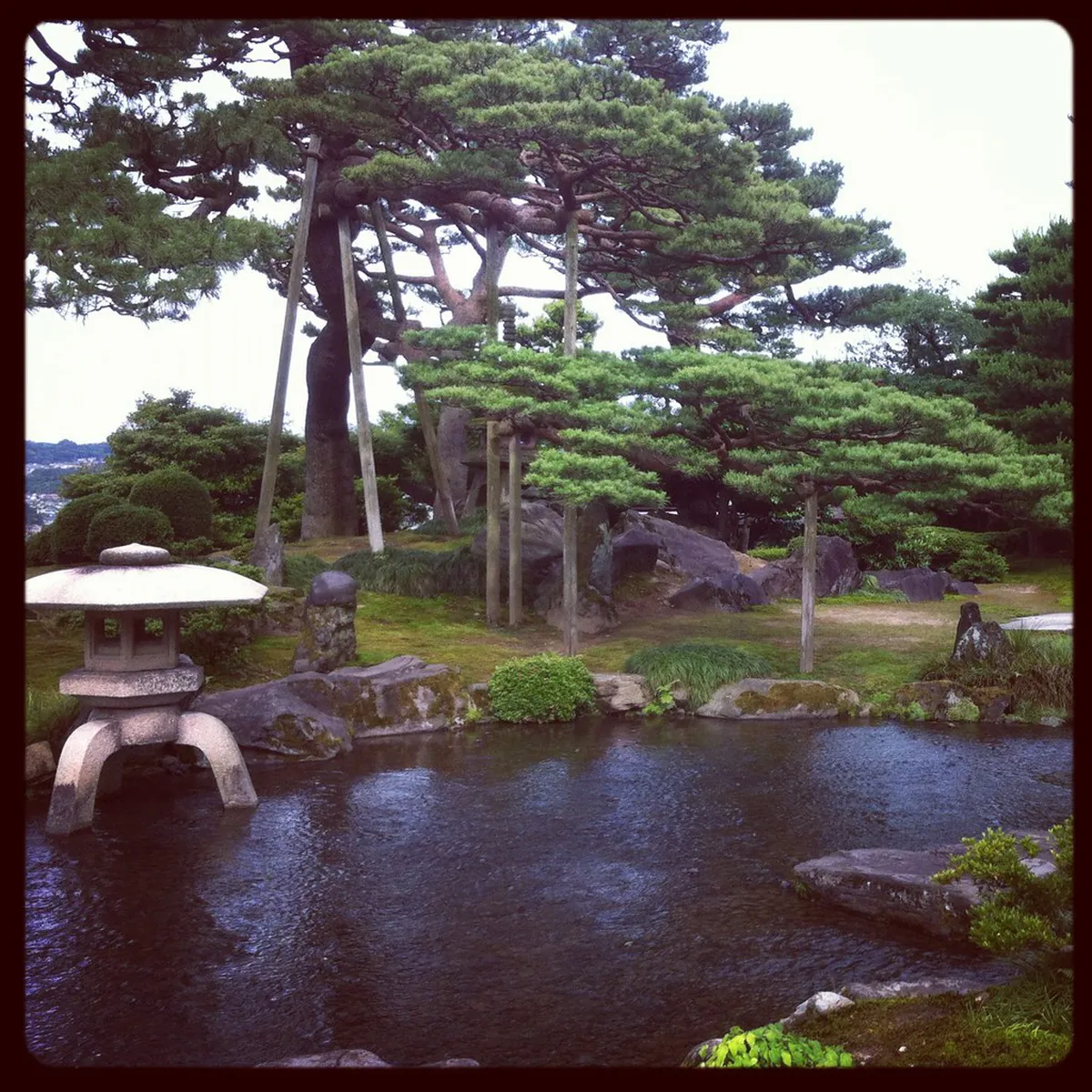
The garden served as the private outer retreat of the Maeda Clan for generations. The fifth lord Tsunanori Maeda formally opened the grounds in 1676, and successive lords expanded it over 200 years. You can see the iconic Kotoji-toro stone lantern beside the Kasumiga-ike pond — its two-legged silhouette is the most photographed symbol in Kanazawa. For a full seasonal breakdown, tips on the winter yukizuri rope displays, and entry prices, see our dedicated Kenrokuen Garden guide.
Seasonal changes reward visitors year-round. In winter, gardeners tie bamboo poles to the major pine trees in the yukizuri style to protect branches from heavy snowfall. Spring brings thousands of cherry blossoms that reflect across the ponds. The garden hosts night illumination events in autumn and late March — check the official schedule before booking your trip.
- Visitor Planning Details
- Best for: Nature lovers, photographers
- Cost: 320 yen (adults in 2026)
- Hours: 7:00 AM–6:00 PM (Mar–Oct); 8:00 AM–5:00 PM (Nov–Feb)
- Recommended time: 1.5–2 hours
Kanazawa Castle Park: The Seat of the Maeda Clan
Kanazawa Castle Park served as the administrative heart of the Kaga Domain for centuries. The Maeda Clan ruled from this massive fortress during the peaceful Edo period. While many original buildings burned down, the recent reconstructions use traditional wooden methods. You can explore the massive Gojuken Nagaya, a long storehouse rebuilt without using any nails.
The Ishikawa-mon Gate is one of the few original structures remaining from the 1780s. It stands as a National Important Cultural Property and faces the entrance to Kenrokuen. Walking through the gate gives you a sense of the castle's defensive strength. The thick white walls and lead tiles were designed to withstand both fire and sieges.
Gyokusen-inmaru Garden, a beautifully restored inner garden opened in 2020, offers a peaceful spot for a traditional tea ceremony inside the park. This sunken garden features a carp pond, a thatched rest house, and framed mountain views. Interactive museum displays inside the Hishi Yagura turret explain the Maeda rulers' military and cultural legacy in detail. For a deeper dive into the Edo-era construction methods and the castle's defensive history, see our full Kanazawa Castle Park guide.
- Castle Park Essentials
- Best for: History buffs, architecture fans
- Cost: Free (castle park); 320 yen (Gyokusen-inmaru Garden)
- Highlight: Ishikawa-mon Gate (original, 1788)
- Hours: 7:00 AM–6:00 PM daily
Higashi Chaya District: The Iconic Geisha Tea House Quarter
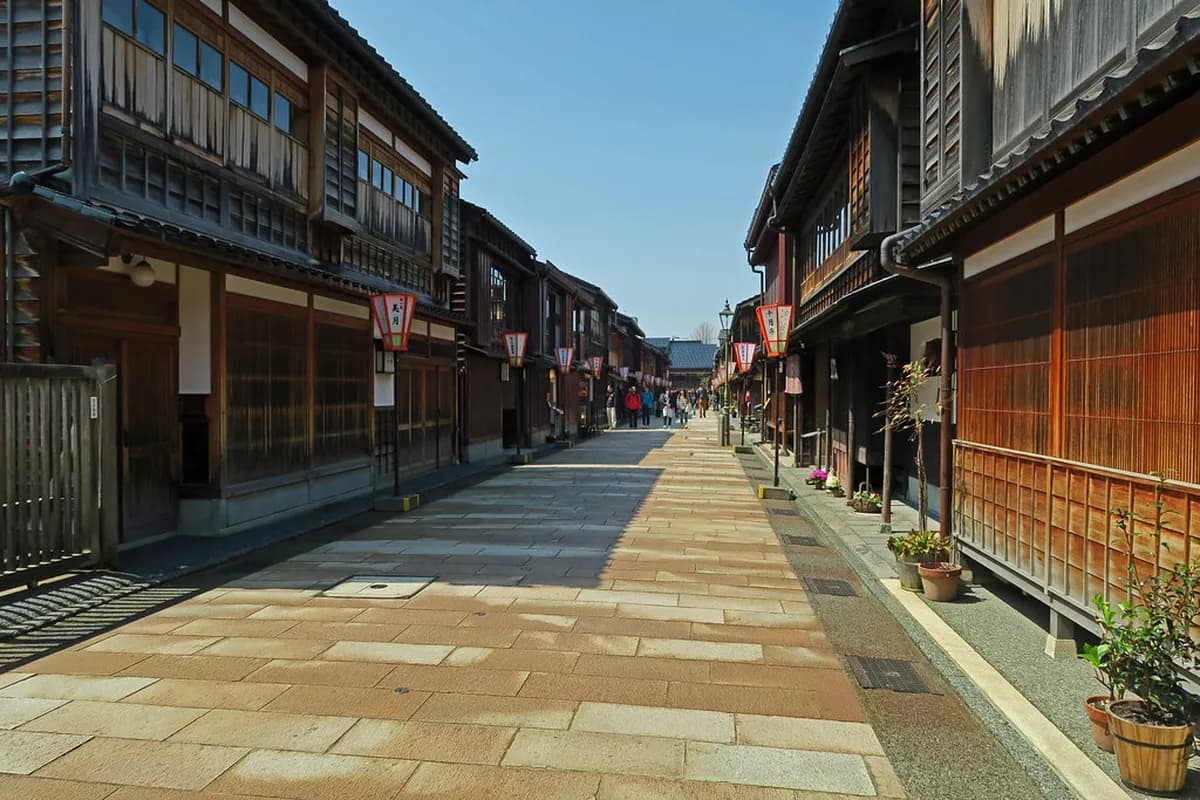
Higashi Chaya is the largest and most famous of the city's three tea house districts. The district features beautiful wooden buildings with traditional latticework called kimusuko. Geisha have performed traditional music and dance in these houses since the 1820s. It remains a living piece of history where culture is still practiced today.
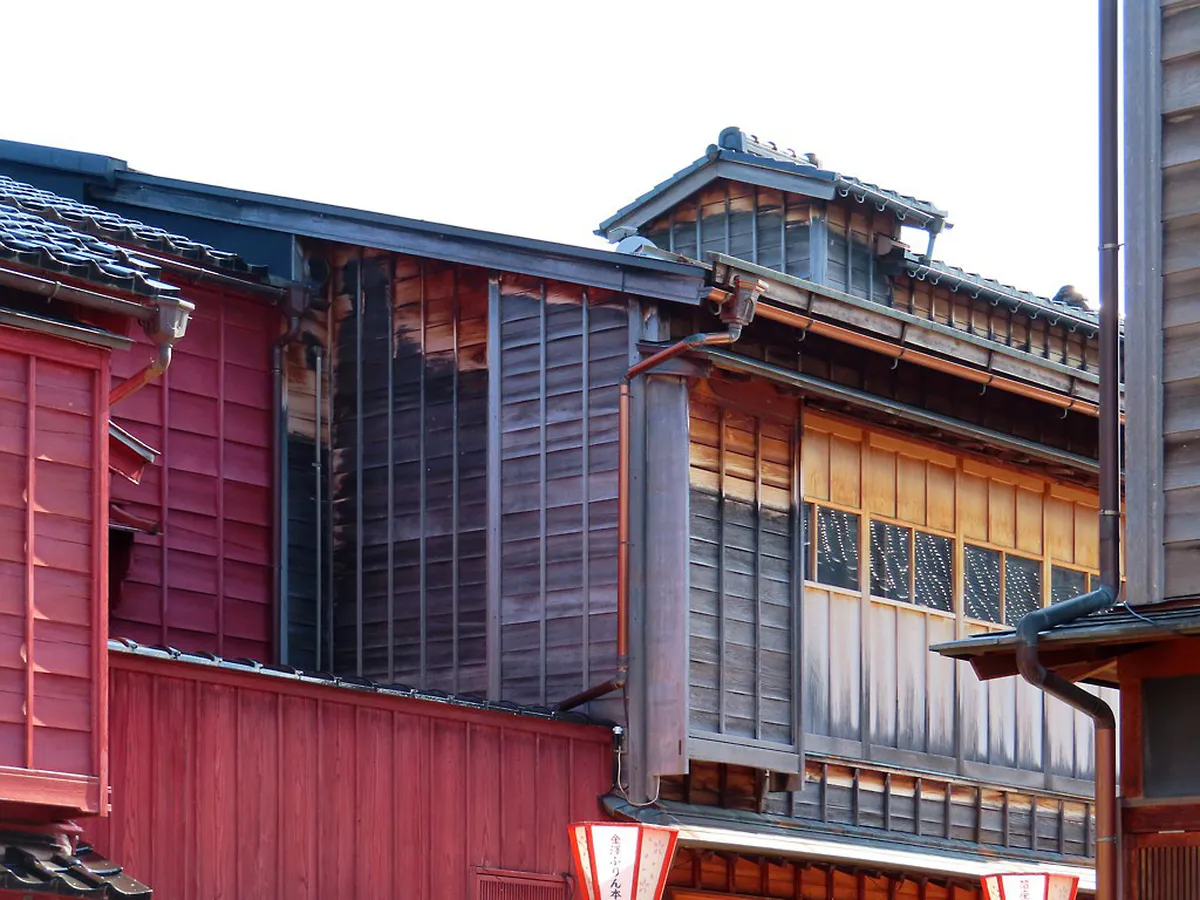
Many former tea houses now serve as cafes or shops selling gold leaf crafts. The Shima Tea House is a preserved museum that shows how geisha lived and worked. You can see the intricate instruments and elegant rooms used for evening entertainment. Walking these streets at dusk offers a magical atmosphere as the lanterns begin to glow.
Gold leaf production is a major part of the district's historical identity. Kanazawa accounts for roughly 99% of Japan's domestic gold leaf output — a craft tradition the Maeda lords cultivated to keep skilled artisans in the domain. Visitors can participate in workshops to apply gold leaf to small lacquerware items. Several shops feature rooms completely covered in real gold leaf panels. For opening hours, the best cafes, and how to book a gold-leaf workshop in 2026, see our Higashi Chaya district guide.
- Tea District Highlights
- Best for: Culture seekers, photographers
- Activity: Gold leaf craft workshops
- Atmosphere: Preserved Edo-era wooden streetscape
- Crowds: High at midday; quieter before 9:30 AM
Nagamachi Samurai District: Preserved Edo-Period Residences
The Nagamachi Samurai District preserves the residential area of middle-class samurai families. Earthen walls and narrow canals line the streets to create a quiet, historic mood. The Nomura Clan Samurai House is the most significant landmark within this district. It features a stunning inner garden that is often ranked among the best in Japan.
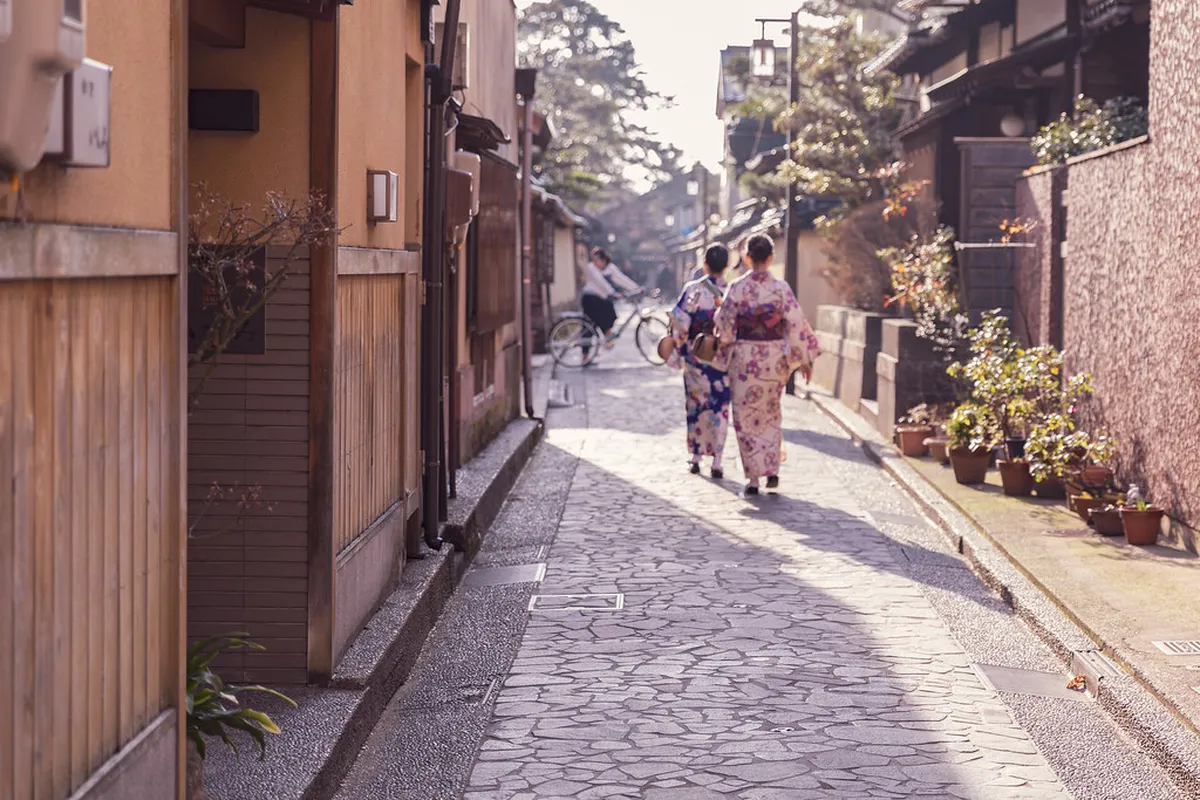
Inside the Nomura House, you can see authentic armor and heirlooms from the family. The architectural details include intricate wood carvings and painted sliding doors. The garden uses a small stream and ancient stones to create a sense of depth. Sitting on the veranda allows you to experience the peaceful lifestyle of a high-ranking warrior.
The district differs from the tea house areas through its use of mud and stone. Samurai homes prioritized defense and privacy over display. You can visit the Takada Family House to see a restored samurai gate and stable — entry is free. Walking through these alleys provides a striking contrast to the merchant and geisha quarters nearby. To experience the full spectrum of Kanazawa's warrior culture, combine Nagamachi with the surrounding preserved neighborhoods covered in our guide to authentic Kanazawa samurai and geisha traditions.
- Samurai District Guide
- Best for: Architecture fans, history buffs
- Main site: Nomura Clan Samurai House
- Cost: 550 yen (Nomura House interior, 2026)
- Access: 10-minute walk from Korinbo bus stop
Myoryuji Temple (the Ninja Temple) requires advance phone booking — walk-ins are almost never accepted. Tours run in Japanese with English guidebooks provided. No photography is allowed inside. The tour fee in 2026 is ¥1,000.
Myoryuji Temple: The Secret Passageways of the Ninja Temple
Myoryuji Temple is famously known as the Ninja Temple due to its many defensive features. It was built by the Maeda lords to serve as a secret military outpost. The temple contains 29 staircases and many hidden chambers to confuse potential invaders. You can see trick floorboards and escape hatches disguised as ordinary temple features.
Booking a tour is mandatory and must be done by phone in advance. Walk-ins are almost never accepted because the guided tours follow a strict schedule. Tours are conducted in Japanese, but English guidebooks are provided to all international visitors. Arrive at least ten minutes early to ensure your reservation is not cancelled.
The temple looks like a two-story building from the outside to follow Edo-period laws. However, the interior actually contains four stories and seven distinct floor levels. This clever design allowed the samurai to hide a large force within a small space. It remains one of the most intriguing stops on any Kanazawa historical tour, especially when paired with the nearby Nishi Chaya geisha district.
- Ninja Temple Tips
- Best for: Adventure seekers
- Booking: Phone only
- Cost: 1,000 yen
- Rule: No photos inside
Omicho Market: Kanazawa’s 300-Year-Old Kitchen
Omicho Market has been the center of Kanazawa's food culture for over 300 years. The market began during the Edo period to supply the local castle and residents. Today, it hosts over 180 stalls selling fresh seafood, produce, and local delicacies. The proximity to the Sea of Japan ensures the highest quality of seasonal fish.
Many stalls offer small snacks that you can eat while exploring the aisles. Look for grilled scallops or fresh oysters that vendors prepare right in front of you. The market is most famous for its kaisendon, which is a bowl of rice topped with raw fish. Arriving before noon is best to avoid the massive lunch crowds that fill the narrow paths.
The market's history is tied to the wealth of the Maeda Clan's agricultural success. Kaga vegetables are a local specialty that you can only find in this specific region. These unique vegetables have been cultivated here since the feudal era ended. Exploring the market provides a delicious way to connect with the city's living history.
- Market Visiting Info
- Best for: Foodies
- Hours: 9am to 5pm
- Specialty: Kaisendon
- Peak: 11am to 1pm
21st Century Museum of Contemporary Art: Modernity Meets Tradition
The 21st Century Museum of Contemporary Art offers a bold contrast to Kanazawa's ancient sites. It features a unique circular design with glass walls that blur the line between inside and out. The museum sits in the center of the city near the historic castle and garden. This placement shows the city's commitment to both its past and its creative future.
One of the most popular exhibits is Leandro Erlich's Swimming Pool installation. Visitors can stand beneath a layer of water to look up at people on the surface. The museum focuses on interactive art that encourages people to touch and explore. Check the 21st Century Museum of Contemporary Art Official Site for current exhibitions.
The public zones of the museum are free to enter and explore at your own pace. These areas include several permanent installations and a beautiful library space. The circular shape means there is no single main entrance, making it feel very accessible. It has become a major cultural hub for both locals and international tourists alike.
- Museum Quick Facts
- Best for: Modern art fans
- Cost: Varies by exhibit
- Design: Circular glass
- Highlight: The Swimming Pool
D.T. Suzuki Museum: A Zen Architectural Sanctuary
D.T. Suzuki was a famous philosopher who introduced Zen Buddhism to the Western world. This museum commemorates his life through minimalist architecture and quiet reflection spaces. The building itself is a masterpiece designed by the renowned architect Yoshio Taniguchi. It uses simple lines and gray stone to create a feeling of absolute calm.
The Water Mirror Garden is the most iconic feature of the entire museum complex. A shallow pool of water reflects the sky and the surrounding stone walls perfectly. Visitors are encouraged to sit on the benches and practice silent meditation. The gentle ripples in the water are often the only sound you will hear.
The museum is divided into three wings connected by long, quiet corridors. Each wing represents a different stage of learning or reflecting on Zen principles. It is located in a quiet residential area away from the main tourist hubs. This makes it the perfect place to escape the busy pace of a long sightseeing day.
- Zen Museum Details
- Best for: Zen meditation
- Cost: 310 yen
- Vibe: Extremely quiet
- Focus: Philosophy and art
Kazuemachi Tea House Street: A Quiet Riverside Retreat
Kazuemachi Tea House Street sits along the banks of the Asano River. It is much smaller and quieter than the more famous Higashi Chaya district. The area is known for its narrow alleys and hidden stone staircases. Walking here feels like discovering a secret part of the city's geisha history.
The riverside path offers beautiful views of traditional wooden buildings and weeping willows. At night, the lanterns cast long shadows across the dark wooden walls of the houses. You can find several high-end restaurants that offer private dining in a historic setting. It is a favorite spot for photographers looking for an authentic, uncrowded atmosphere.
The Kuragarizaka, or Dark Slope, is a famous narrow staircase in the district. It leads up to the residential areas and offers a glimpse into local daily life. The district was officially designated as a National Important Preservation District in 2008. This status ensures that the unique architectural character will be protected forever.
- Riverside District Info
- Best for: Couples
- Highlight: Riverside views
- Vibe: Intimate and quiet
- Access: Near Higashi Chaya
Nishi Chaya District: The Hidden Gem of Traditional Kanazawa
Nishi Chaya is the smallest of the three historic tea house districts in Kanazawa. It is located on the western side of the city near the Ninja Temple. The main street is short but lined with beautifully maintained traditional buildings. You can often hear the sound of shamisen music drifting from the upper floors.
The Nishi Chaya Shiryokan is a free museum that explains the history of the area. It features a recreated tea room where you can see how guests were entertained. The district feels more authentic because it has fewer tourist-focused shops and cafes. It remains a very active area for geisha who still live and train here.
Visiting in the late afternoon allows you to see geisha heading to their evening appointments. The quiet atmosphere makes it easy to appreciate the fine details of the architecture. Many visitors combine a trip here with a visit to the nearby Myoryuji Temple. It offers a peaceful alternative for those who find Higashi Chaya too busy.
- Nishi Chaya Summary
- Best for: Avoiding crowds
- Cost: Free museum
- Size: Very small
- Location: Teramachi area
Kanazawa Phonograph Museum: A Unique Sonic History
The Kanazawa Phonograph Museum houses an incredible collection of over 600 antique machines. It was founded by a local collector who wanted to preserve the history of recorded sound. You can see everything from early Edison cylinders to massive wooden gramophones. The museum provides a fascinating look at how technology changed during the 20th century.
The highlight of any visit is the live demonstration of the antique phonographs. Staff members play several machines to show the different tones and volumes they produce. These demonstrations usually happen three times a day at 11am, 2pm, and 4pm. Hearing the crackling sound of an original 1920s record is a truly unique experience.
The building itself is a renovated warehouse that fits perfectly into the historic district. It is located very close to the Owari-cho area and the Omicho Market. Many of the machines are still in perfect working order after nearly a century. This museum is a hidden gem that many tourists overlook during their visit.
- Phonograph Museum Guide
- Best for: Music lovers
- Demo times: 11am, 2pm, 4pm
- Cost: 310 yen
- Duration: 1 hour
Oyama Shrine: A Fusion of East and West
Oyama Shrine was built to honor Maeda Toshiie, the first lord of the Kaga Domain. It is most famous for its unusual gate that was designed in 1875. The gate blends Japanese, Chinese, and European architectural styles into one structure. The top level features beautiful stained glass windows that were once used as a lighthouse.
This architectural fusion is very rare for a traditional Shinto shrine in Japan. The gate was designed by a Dutch architect, which explains its unique Western influence. Inside the shrine grounds, you will find a peaceful garden with a large pond. A statue of Lord Maeda on horseback stands near the main prayer hall.
The shrine is centrally located and serves as a bridge between the castle and downtown. It is a popular spot for locals to celebrate traditional festivals and weddings. Visiting at night is recommended to see the stained glass illuminated from within. The colorful lights create a striking image against the dark wooden frame of the gate.
- Oyama Shrine Details
- Best for: Unique architecture
- Highlight: Stained glass gate
- Cost: Free entry
- Location: Near Nagamachi
Shinise Memorial Hall: Kanazawa's Edo-Era Pharmacy and Townhouse Culture
The Kanazawa Shinise Memorial Hall preserves an authentic Edo-period wooden townhouse that once served as the Nakaya family's traditional medicine shop. The Nakaya family established their pharmacy business in 1579 — a lineage that continued unbroken for nearly four centuries. The building itself dates to 1878, was renovated in 1919, and was relocated to the Higashi Chaya district in 1987 to serve as a public museum. Entry in 2026 is free.
Inside, you can see Meiji-era shop counters, medicine cabinets lined with hundreds of hand-labeled drawers, and personal items from the merchant household. The hall also displays seasonal folk crafts from Kanazawa's townspeople alongside the pharmacy exhibits. This offers a rare window into the lives of ordinary residents rather than the samurai and noble classes. Most visitors spend around 30 minutes here before continuing to the adjacent Higashi Chaya streets.
The museum is an ideal companion stop to Higashi Chaya, located within a few minutes' walk of the teahouse district. It is managed by the City of Kanazawa and often overlooked by first-time visitors focused on the more famous geisha quarter. Adding it to your itinerary fills in the merchant-class history that the samurai and castle sites do not cover. For full context on the Higashi Chaya area, refer to our Higashi Chaya district guide.
- Shinise Memorial Hall Facts
- Best for: Local daily-life history
- Cost: Free entry
- Hours: 9:30 AM–5:00 PM (closed Wednesdays)
- Location: Higashi Chaya district, 2-minute walk from Shima Tea House
| Landmark | Entry Fee (2026) | Hours |
|---|---|---|
| Kenrokuen Garden | ¥320 | 7:00 AM–6:00 PM (Mar–Oct); 8:00 AM–5:00 PM (Nov–Feb) |
| Kanazawa Castle Park | Free (Gyokusen-inmaru ¥320) | 7:00 AM–6:00 PM daily |
| Nomura Clan Samurai House | ¥550 | Check local listings |
| Myoryuji Ninja Temple | ¥1,000 | Guided tours only (phone booking required) |
| 21st Century Museum | Varies by exhibit | Public zones free |
| D.T. Suzuki Museum | ¥310 | Quiet hours; check seasonal schedule |
| Kanazawa Phonograph Museum | ¥310 | Demos at 11am, 2pm, 4pm |
| Shinise Memorial Hall | Free | 9:30 AM–5:00 PM (closed Wednesdays) |
| Oyama Shrine | Free | Grounds always open |
Logistics: How to Navigate Kanazawa’s Historic Sites
Navigating the top historical landmarks in Kanazawa is easy thanks to the city's layout. Most major sites are concentrated within a few kilometers of the central castle park. The Kanazawa Loop Bus is the most convenient way for tourists to get around. It stops at all the major districts, including Higashi Chaya and the Kenrokuen Garden.
You can purchase a one-day bus pass for unlimited rides on the loop lines. Walking is also a great option if you have comfortable shoes and good weather. Many of the narrow alleys in the samurai and tea districts are best explored on foot. Check the Official Kanazawa Tourism (Visit Kanazawa) site for the latest route maps.
The Kanazawa Loop Bus day pass (¥800) covers all major districts including Kenrokuen, Higashi Chaya, Nagamachi, and the Ninja Temple. Most top landmarks are clustered within walking distance of each other — plan at least two full days to cover all 14 sites without rushing.
Kanazawa is easily accessible from Tokyo via the JR West Hokuriku Shinkansen — the journey takes approximately 2.5 to 3 hours. Staying near Kanazawa Station or the Korinbo area provides the best access to all transit lines. Plan at least two full days to cover the 14 landmarks in this guide without rushing. For a day-by-day itinerary that sequences these sites efficiently, see our 2-day Kanazawa itinerary for authentic cultural experiences.
- Travel Logistics
- Transport: Loop Bus
- Day Pass: 800 yen
- Train: Hokuriku Shinkansen
- Stay: 2-3 days
Frequently Asked Questions
Do I need to book the Ninja Temple (Myoryuji) in advance?
Yes, booking is mandatory and must be done by phone. Walk-ins are rarely accepted because the tours are guided and have limited capacity. Always call a few days ahead, especially during spring cherry blossom season and autumn leaf season. The tour fee in 2026 is 1,000 yen and no photography is allowed inside.
What is the best time of year to visit Kenrokuen Garden?
Spring and autumn are the most popular seasons for cherry blossoms and vibrant fall colors. However, winter is also stunning due to the traditional yukizuri rope protections on the trees. Each season offers a completely different and beautiful landscape experience for visitors.
Is Kanazawa Castle a reconstruction or original?
Most of the castle buildings are high-quality reconstructions using traditional wooden techniques. The Ishikawa-mon Gate and the Sanjuken Nagaya are original structures from the Edo period. The reconstructions are based on historical documents to ensure they look exactly like the originals.
How many Chaya districts are in Kanazawa?
There are three main Chaya districts: Higashi Chaya, Kazuemachi, and Nishi Chaya. Higashi is the largest and most famous for tourists. Kazuemachi offers a quiet riverside atmosphere, while Nishi Chaya is the smallest and most authentic of the three preserved areas.
Can you see samurai houses in Kanazawa for free?
You can walk through the Nagamachi Samurai District and view the historic earthen walls for free. Some smaller residences, like the Takada Family House, offer free entry to their grounds. However, the famous Nomura Clan Samurai House requires a 550 yen entrance fee (2026) to see the interior garden and heirlooms.
What is the Maeda Clan's significance in Kanazawa's history?
The Maeda Clan ruled the Kaga Domain from Kanazawa Castle for nearly 300 years (1583–1871), accumulating wealth second only to the Tokugawa shogunate. Their patronage of the arts — Noh theater, gold leaf, lacquerware, silk dyeing, and ceramics — created the cultural heritage that defines Kanazawa today. Essentially every major historical landmark in the city, from Kenrokuen Garden to Oyama Shrine, bears the direct imprint of Maeda rule.
Is the Shinise Memorial Hall worth visiting in Kanazawa?
Yes — and entry is free. The Shinise Memorial Hall is a preserved Meiji-era merchant townhouse (formerly a traditional pharmacy dating back to 1579) located right beside the Higashi Chaya geisha quarter. It offers insight into everyday Edo-period merchant life that the castle, garden, and samurai sites do not cover. Allow 20–30 minutes and combine it with a Higashi Chaya walk.
Kanazawa offers a rare opportunity to experience Japan's feudal history in a living, walkable setting. From the perfection of Kenrokuen Garden to the hidden rooms of the Ninja Temple and the free-entry Shinise Memorial Hall, the 14 stops in this guide capture the full depth of the city's historical heritage. The 300-year legacy of the Maeda Clan touches every site you visit.
Take your time between landmarks — the journey from Kenrokuen to Higashi Chaya to Nagamachi is best done on foot, letting the transitions between garden, geisha quarter, and samurai district sink in. Plan your 2026 visit using our 2-day Kanazawa cultural itinerary for a logical sequencing of all these sites, and explore our complete Kanazawa attractions guide for everything else the city has to offer.
Free: The Kanazawa Essentials guide
Top things to do, where to stay, a perfect day plan, getting around, and the best time to go — a Kanazawa mini-guide you can take offline.
You might also like

Continue reading
More guides you'll find useful