10 Best Kanazawa Rainy Day Activities: Indoor Travel Guide (2026)
Discover the 10 best kanazawa rainy day activities, from the interactive 21st Century Museum to the hidden Ninja Temple. Includes booking tips and indoor food spots.
On this page
Kanazawa is officially the prefectural capital with the fewest sunshine hours in Japan, averaging around 1,600 hours per year — roughly 400 fewer than Tokyo. That statistic sounds grim until you realize the city has spent four centuries building an indoor cultural infrastructure specifically designed for gray days. Rain is not an obstacle here; it is the default setting, and the city's museums, tea houses, and covered markets are built around it.
The tsuyu rainy season typically arrives in Kanazawa around mid-June and runs through early July, but wet days are possible from November through March due to Sea of Japan moisture. The city's most important museums are clustered in the Dewamachi area, within a five-minute walk of each other, which means you can move between institutions while barely getting damp. Use the Kanazawa Loop Bus to reach that cluster from anywhere in the city.
| Venue | Entry fee | Hours | Closed |
|---|---|---|---|
| 21st Century Museum of Contemporary Art | Free (civic zone) / ¥1,200 (exhibitions) | 10:00–18:00 (Fri–Sat to 20:00) | Monday |
| Myoryuji Temple (Ninja Temple) | ¥1,000 | 09:00–16:30 (guided only) | Booking required |
| D.T. Suzuki Museum | ¥310 | 09:30–17:00 | Monday |
| Kanazawa Yasue Gold Leaf Museum | ¥310 | 09:30–17:00 | check website |
| Ishikawa Prefectural Museum of Art | ¥370 | 09:30–17:00 | open daily |
| National Crafts Museum | ¥300–¥600 | 09:30–17:00 | Monday + Tuesday |
| Kanazawa Noh Museum | ¥310 | 09:30–17:00 | Monday |
| Nakamura Memorial Museum | ¥310 | 09:30–17:00 | Monday |
Below are the ten best indoor activities in Kanazawa for 2026, ordered roughly by the Dewamachi cluster before fanning out to the Teramachi and Nagamachi districts. Entry fees are listed in JPY. Most venues are closed on Mondays, so plan accordingly.
21st Century Museum of Contemporary Art
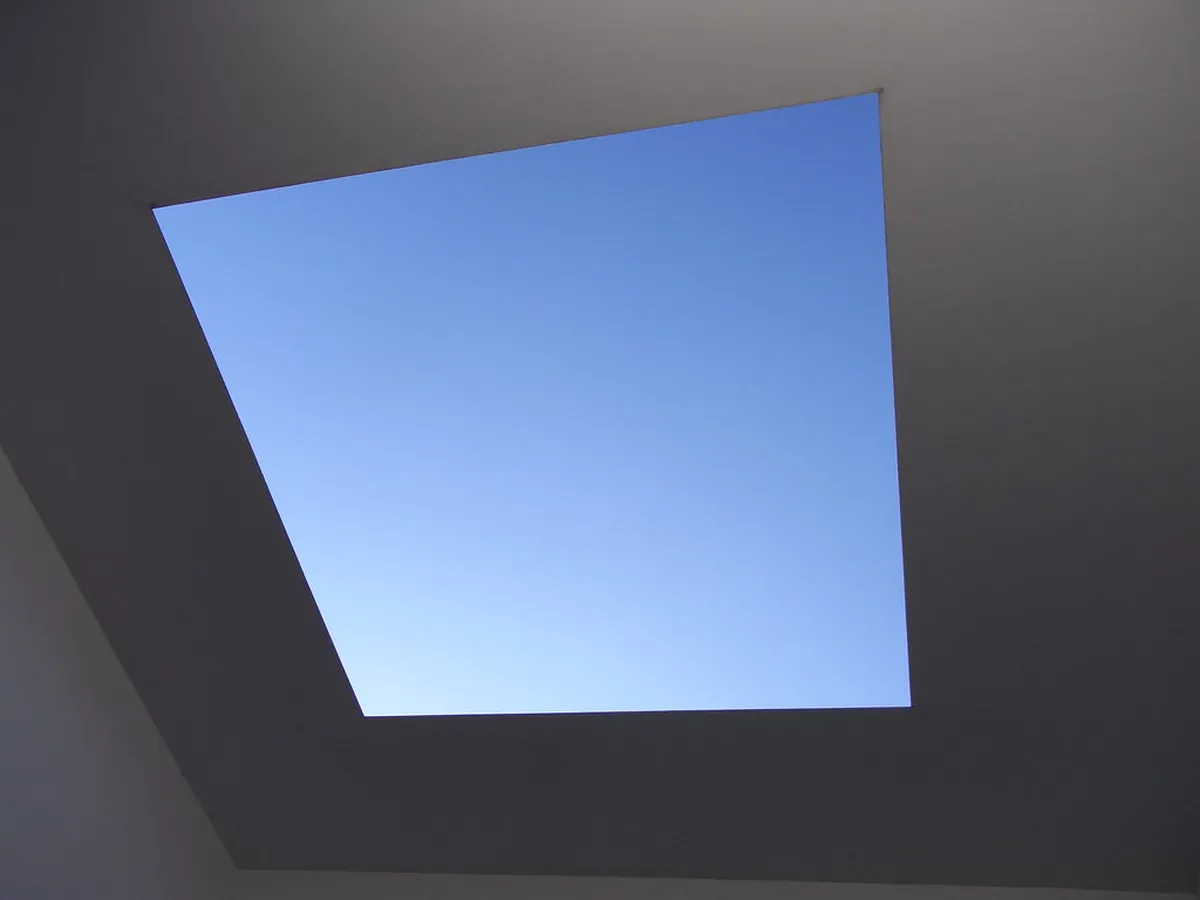
This circular glass building in the Hirosaka district is Kanazawa's most visited museum, and its design means rain patters visibly on the internal courtyard glass while you walk the permanent galleries. The architecture itself is a feature on a wet day. Open 10:00 to 18:00 (ticket sales close at 17:30), with free access to the public zones and 1,200 JPY for special exhibitions.
The standout piece is Leandro Erlich's "Swimming Pool" installation, a submerged room that creates the illusion of walking on a pool floor. This exhibit sells out quickly in all weather, so book your timed ticket in advance at the 21st Century Museum website. The pool slot is included with the special exhibition ticket, but only if you select the correct combined option during checkout.
The Dewamachi museum cluster — National Crafts Museum, Prefectural Museum of Art, Nakamura Memorial Museum, and D.T. Suzuki Museum — can all be visited with under 15 minutes of total outdoor walking between them. It is one of the most efficient cultural circuits in Japan on a rainy day.
The Left Loop Bus stops directly outside on the Hirosaka side. Budget two to three hours here if you include both the free and paid zones. There are lockers at the entrance for wet coats and umbrellas — use them, as the gallery floors are polished and slippery when tracked with water.
Myoryuji Temple (Ninja Temple) — Booking Is Mandatory
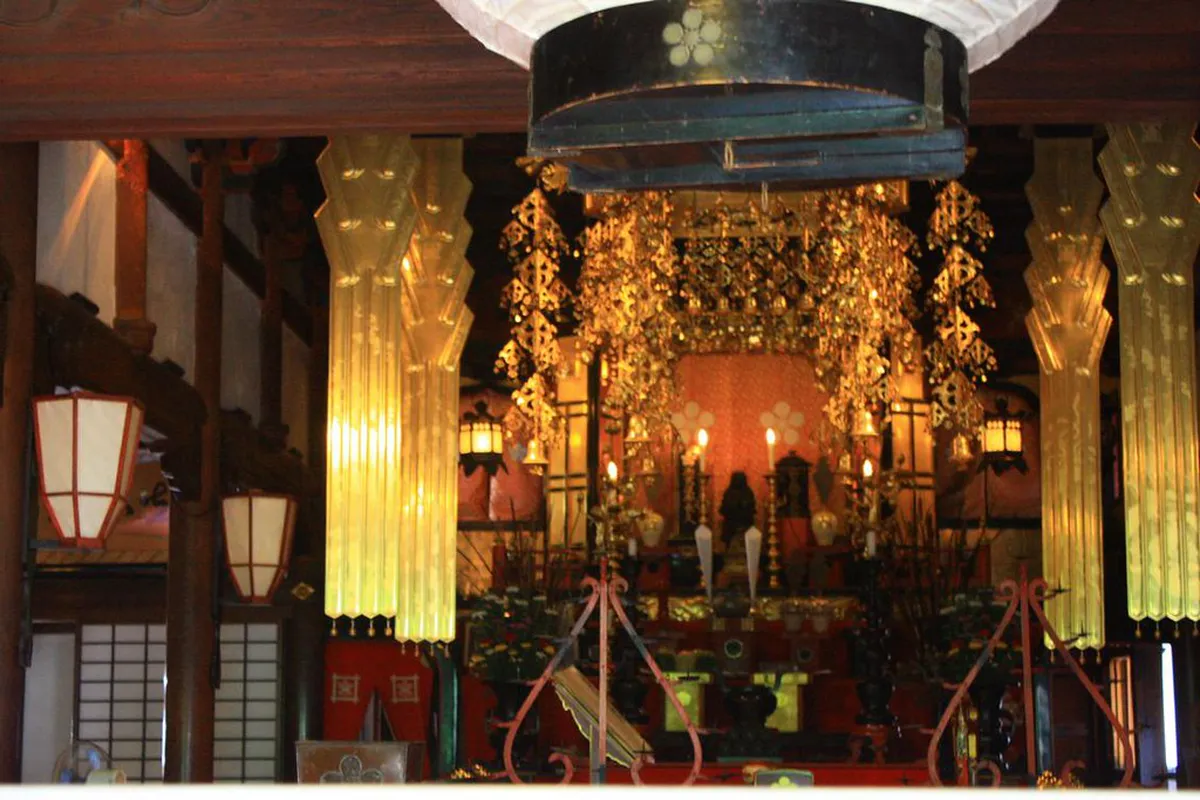
Myoryuji Temple in the Teramachi district is the single indoor attraction in Kanazawa that requires the most advance planning, and most travelers who arrive without a reservation are turned away at the gate. The temple was built by the Maeda clan in 1643 as a fortified outpost disguised as a place of worship. Its seven floors, 29 rooms, hidden staircases, and trapdoors are the reason it earned the Ninja Temple nickname, though no actual ninja ever occupied it.
Bookings are made by phone, calling 076-241-0888 during business hours (09:00 to 16:00). The staff speak limited English, so have your preferred dates and the number of visitors ready. In practice, calling two to three days ahead is sufficient outside of Golden Week and summer holidays, when you should call a week in advance. Walk-in slots exist but are allocated on a first-come basis at 09:00 and are usually gone by 09:30 on busy days.
Entry is 1,000 JPY and guided tours run from 09:00 to 16:30, taking approximately 40 minutes. No photography is permitted inside. Arrive at least 10 minutes early to receive your tour materials at the covered entrance. The temple is a 15-minute walk from Korinbo bus stop or a short taxi from the city centre.
D.T. Suzuki Museum
Built to commemorate Daisetz Suzuki, the Kanazawa-born philosopher who introduced Zen Buddhism to the Western world, this museum is one of the most architecturally calming spaces in Japan on a rainy day. The Water Mirror Garden — a shallow reflecting pool in an open concrete courtyard — becomes a different artwork when rain breaks its surface. Entry is 310 JPY; hours are 09:30 to 17:00 (closed Mondays).
The building is divided into three wings: the Exhibition Space Wing covers Suzuki's life and correspondence, the Contemplative Space Wing is a silent room for sitting, and the Vestibule Garden bridges the two. Spending 20 minutes in the Contemplative Wing mid-afternoon is a genuine reset during a busy cultural day. The museum is a 5-minute walk from the Kenrokuen-shita bus stop, making it easy to combine with the Dewamachi cluster.
Photography is permitted in the garden areas. The combination of the low ticket price and the uncrowded experience makes this one of the highest-value stops on a rainy day. Pair it with the Nakamura Memorial Museum, which is a five-minute walk away, for a dry afternoon mini-route.
Omicho Market
Omicho is Japan's largest inland fresh food market by variety, and its wide covered arcade means you can spend an hour browsing 180 stalls without touching a single raindrop. The seafood selection in 2026 remains exceptional: live crabs, fresh sea urchin from the Noto Peninsula, yellowtail sashimi, and the firefly squid that are in peak season during spring. Entry is free; most stalls operate 09:00 to 17:00, though seafood stalls often sell out of premium items by early afternoon.
The best strategy for lunch on a wet day is to go to the second floor, where several kaisendon (seafood rice bowl) restaurants look down onto the market floor. Expect to pay 1,500 to 2,500 JPY for a bowl depending on the toppings. There is usually a short wait at popular counters around noon, but queues move quickly. For specific stall recommendations, see our Omicho Market food guide.
Kanazawa curry — a thick, dark roux curry distinctive to the city — is available at several small restaurants just outside the market's north exit and makes a warming alternative if the seafood counters are too busy. The market is a five-minute walk from Musashi-ga-tsuji bus stop on the Left Loop.
Kanazawa Yasue Gold Leaf Museum
Kanazawa produces over 99% of Japan's gold leaf, a tradition stretching back to the Edo period when the Maeda clan encouraged artisans to relocate here. This museum near the Higashi Chaya District explains the entire production process: sheets of gold beaten to a thickness of 1/10,000th of a millimeter, thinner than a human hair. Entry is 310 JPY; hours are 09:30 to 17:00. Check the Gold Leaf Museum website for current workshop schedules before visiting.
The hands-on workshop is the real draw: you apply gold leaf to a small lacquered item — chopsticks, a postcard frame, or a small box — using traditional tools. Workshop sessions cost an additional 700 to 2,000 JPY depending on the item, and slots fill quickly when it rains since it drives people indoors. Book the workshop online or call ahead on the same morning to reserve a place.
The museum is a 10-minute walk from Hashiba-cho bus stop. Combine it with a short walk through the Higashi Chaya geisha district nearby — the cobblestone lanes look particularly atmospheric when wet, and several teahouses offer matcha and wagashi sweets as covered shelter.
Kanazawa Noh Museum
Noh theatre was the performing art of choice for the Maeda samurai lords, and Kanazawa remains one of the few cities in Japan where the tradition is still actively practiced. The Noh Museum near the Hirosaka bus stop holds an impressive collection of carved wooden masks, elaborate silk brocade costumes, and musical instruments. General admission is 310 JPY; hours are 09:30 to 17:00 (closed Mondays). The Noh Museum website lists live weekend demonstration schedules in advance.
The visitor experience is genuinely interactive: you can try on full Noh robes and handle replica masks under staff supervision, which gives a physical sense of the weight and scale involved in a performance. Weekend demonstrations, included in the ticket price, are held on the small stage and last about 20 minutes. These tend to draw a small audience even when the city is busy, so you rarely feel crowded.
The museum sits within a five-minute walk of the 21st Century Museum, making it a natural second stop on a Hirosaka-area morning. Total time needed is 45 to 60 minutes.
Ishikawa Prefectural Museum of Art
This museum's permanent collection leads with the Nonomura Ninsei-style colored-glaze pheasant incense burner, a National Treasure of Japan that alone justifies a visit. The wider collection covers Kutani porcelain, Kaga-yuzen dyed silk, lacquerware designated by Living National Treasures, and Western paintings. Admission is 370 JPY for the permanent collection; hours are 09:30 to 17:00 daily. It sits on a forested hillside in the Dewamachi area, and the surrounding trees look remarkably green under rain.
Inside the building is Le Musee de H, a cafe run by award-winning pastry chef Hironobu Tsujiguchi. The seasonal fruit tarts and choux pastries are legitimately excellent and cost roughly 700 to 1,200 JPY. On a heavy rain afternoon, arriving at the cafe around 14:30 — after the lunch rush and before the pre-close crowd — gives you a quiet table with forest views and no wait.
The museum is a three-minute walk from the National Crafts Museum, making these two the easiest pair in the Dewamachi cluster.
National Crafts Museum
Relocated from Tokyo to Kanazawa in 2020, the National Crafts Museum is the only national museum in Japan dedicated to crafts and design, and its move to Kanazawa — a regional city — was a formal acknowledgement of the city's status as Japan's craft capital. The collection holds over 4,000 works including ceramics, lacquerware, textiles, and furniture, with a significant number created by Living National Treasure artisans. Entry ranges from 300 to 600 JPY depending on the current exhibition; hours are 09:30 to 17:00 (closed Mondays and Tuesdays).
The building itself is housed in two meticulously restored Meiji-era military structures — former armoury buildings from the late 1800s — whose original red brick exteriors were preserved during renovation. The contrast between the historic shells and the contemporary craft displays inside is part of what makes this museum memorable. Note that it is closed on both Monday and Tuesday, unlike most Kanazawa museums which close only on Monday.
It is located a three-minute walk from the Dewa-machi bus stop and immediately adjacent to the Ishikawa Prefectural Museum of Art. Budget 60 to 90 minutes here if you engage with the detailed exhibition labels, which are available in English.
Nomura Samurai House
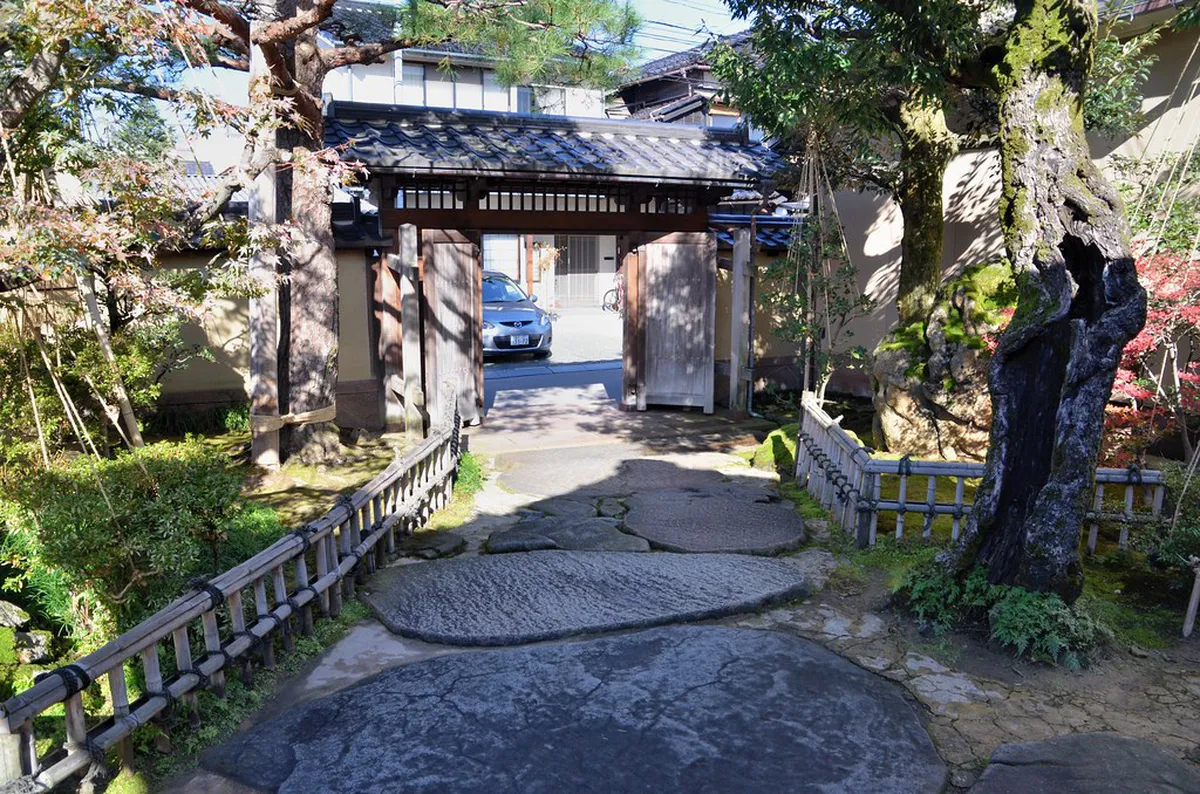
The Nomura house in the Nagamachi samurai district is the best preserved and most accessible of the area's former residences. The indoor-outdoor design is ideal for rainy days: the tatami reception rooms open directly onto a carefully composed garden, so you can appreciate the moss, stone lanterns, and raked gravel from a dry, covered position. That view is genuinely better in the rain — the moss saturates to a vivid green that photographs cannot fully capture. Entry is 550 JPY; hours are 08:30 to 17:30 (to 17:00 in winter).
The residence features samurai armor, lacquered writing implements, and a narrow staircase leading to a second-floor tea room with a different angle on the garden below. Spend time upstairs on a slow day — most visitors rush through the ground floor and miss it entirely. The house is reachable via the Korinbo bus stop, a 10-minute walk through the clay-wall lanes of Nagamachi.
The Nagamachi district itself is worth a slow walk on a light drizzle day. The earthen walls absorb the rain differently than the stone streets of the chaya districts, giving the area a quieter, more residential atmosphere. A Kanazawa itinerary that includes Nagamachi in the afternoon typically pairs this house with a short stop at the Kaga-yuzen Traditional Industry Center nearby.
Nakamura Memorial Museum
The Nakamura Memorial Museum is the quietest and most overlooked venue on this list, which makes it one of the most reliable choices when the 21st Century Museum is at capacity. Originally the private collection of Nakamura Eishun, a sake brewer who became a prominent art collector in the early 20th century, the museum specializes in tea ceremony implements, calligraphy scrolls, and lacquerware. Admission is 310 JPY; hours are 09:30 to 17:00 (closed Mondays).
The tea ceremony service in the traditional tea room is what distinguishes this museum from others in the Dewamachi cluster. For an additional 500 JPY you receive a bowl of matcha and a seasonal wagashi sweet served in a tatami room that overlooks a small stone garden. Listening to rain on the garden stones while holding a warm matcha bowl is a deeply Kanazawa experience that none of the larger museums can replicate at this price point.
The museum is a seven-minute walk from the D.T. Suzuki Museum, making the Dewamachi cluster easy to complete: National Crafts Museum → Prefectural Museum of Art → Nakamura Memorial Museum → D.T. Suzuki Museum, with less than 15 minutes of total outdoor walking between all four stops.
Practical Tips: Ninja Temple Booking and Rainy Day Gear
The single most common mistake on a Kanazawa rainy day is arriving at Myoryuji Temple without a reservation. The phone booking process (076-241-0888, 09:00–16:00) requires a date, time, and headcount. Call in English and the staff will manage; alternatively, ask your hotel concierge to call ahead the night before.
The National Crafts Museum closes on both Monday AND Tuesday — unusual for Kanazawa museums, which typically close only on Monday. Verify hours before visiting, especially on a multi-day itinerary that includes a Monday arrival.
For rain gear, the practical choice is any compact umbrella from a convenience store for 500 to 700 JPY. However, Kanazawa also produces traditional Wagasa oil-paper umbrellas, which are sold at several craft shops in the Higashi Chaya and Nishi Chaya districts for 3,000 to 15,000 JPY. These make an excellent souvenir that is genuinely functional during the visit. The city also runs a free community umbrella rental program at several bus stops and tourist information points — look for the blue umbrella stands near the Kanazawa Station tourist desk and the Hirosaka bus stop shelter.
Wear waterproof or water-resistant shoes. The stone-paved streets of Nagamachi and the Chaya districts become slippery when wet, and many indoor venues have no shoe-drying facilities. A light packable rain jacket is more practical than a poncho in the narrow lanes of the chaya districts, where crowds and umbrellas create significant overhead competition for space.
Rainy Day Food: Jibu-ni and Kanazawa Curry
Two dishes are associated with cold, wet Kanazawa days more than any others. Jibu-ni is a thick duck or chicken stew made with fu (wheat gluten), vegetables, and a dashi broth thickened with wheat flour — a dish that originated in the Kaga domain and remains unique to the region. It is served at traditional restaurants in the Kenrokuen area, typically as part of a set meal costing 2,000 to 3,500 JPY. The dish warms quickly and the wheat coating on the meat keeps it moist in the bowl.
Kanazawa curry is a local style distinct from Japanese curry elsewhere: darker roux, sweeter base, served in a stainless steel dish with thinly sliced cabbage and pork cutlet. Several Kanazawa curry chains operate near Omicho Market and around Kanazawa Station, with prices starting around 900 JPY. It is faster and cheaper than Jibu-ni, and better suited for a quick lunch between museum stops. For a longer food-focused rainy day, consider booking a Kanazawa tea ceremony experience in the late afternoon to finish with matcha and sweets after the museums close.
What to Skip in Heavy Rain
The main grounds of Kanazawa Castle Park offer minimal shelter between the reconstructed gates, and crossing the wide gravel paths in a strong Sea of Japan squall is genuinely unpleasant. Save the castle for a clearer morning or a light drizzle, when the white plaster walls look atmospheric rather than just wet. Similarly, the back forest trails of Kenrokuen Garden become slippery in rain — stick to the main paved loop or shelter in one of the garden's historic teahouses if you are caught mid-visit.
The Higashi Chaya district lanes are narrow, and when rain drives visitors indoors simultaneously, umbrellas create genuine traffic problems in the narrower sections. Save detailed outdoor photography of the district for a light drizzle rather than a downpour. The covered sections of Omicho Market and the nearby museum cluster are always preferable during the heaviest rain.
Is Kanazawa Worth Visiting in the Rain?
Yes, without qualification. The city's cultural depth means a full rainy day itinerary is genuinely more rewarding than equivalent time in many sunny Japanese cities. Queues at the 21st Century Museum are shorter on wet days than on clear ones, and the tea room at the Nakamura Memorial Museum is at its best when rain is falling on the stone garden outside. The architecture of the D.T. Suzuki Museum was specifically designed with overcast lighting in mind.
By following a structured 2-day Kanazawa itinerary, you can route the rain days through the Dewamachi museum cluster and save outdoor activities like the castle and garden for lighter weather. Most travelers who build flexibility into their Kanazawa schedule find that the wet days produce their strongest memories of the trip.
Frequently Asked Questions
Does Kanazawa have a lot of rain?
Yes, Kanazawa is known as the wettest city in Japan due to its location on the Sea of Japan coast. It receives significant rainfall year-round, especially during the summer rainy season and winter snow months. Travelers should always carry an umbrella or use the city's free rental stations.
Are museums in Kanazawa closed on certain days?
Most Kanazawa museums are closed on Mondays or the day following a national holiday. Many also close for the New Year period from December 29th to January 3rd. Always check the official museum websites before visiting to confirm current operating hours and holiday closures.
What is the best way to get around Kanazawa when it rains?
The Kanazawa Loop Bus is the most efficient way to travel between indoor attractions while staying dry. It stops frequently at all major cultural sites like the 21st Century Museum and Omicho Market. For more details, see our Kanazawa transport guide for route maps.
Kanazawa's ability to turn a rainy day into a world-class cultural journey is what sets it apart from other Japanese cities. The Dewamachi museum cluster alone — four institutions within 15 minutes of outdoor walking — is one of the most efficient cultural routes in Japan. Whether you are marvelling at gold leaf or finding Zen in a minimalist reflecting pool, the rain only adds to the meditative quality of the experience.
Pack waterproof shoes, book the Ninja Temple by phone before you arrive, and keep enough 100-yen coins for museum lockers. The glistening streets and quiet temple halls are waiting to show you a side of Japan that most tourists never take the time to see.
Free: The Kanazawa Essentials guide
Top things to do, where to stay, a perfect day plan, getting around, and the best time to go — a Kanazawa mini-guide you can take offline.
You might also like

Continue reading
More guides you'll find useful