Kenrokuen Garden Guide: Japan's Top Landscape
Plan your Kenrokuen garden guide trip with top picks, timing tips, and practical booking advice for a smoother Japan vacation in 2026.
On this page
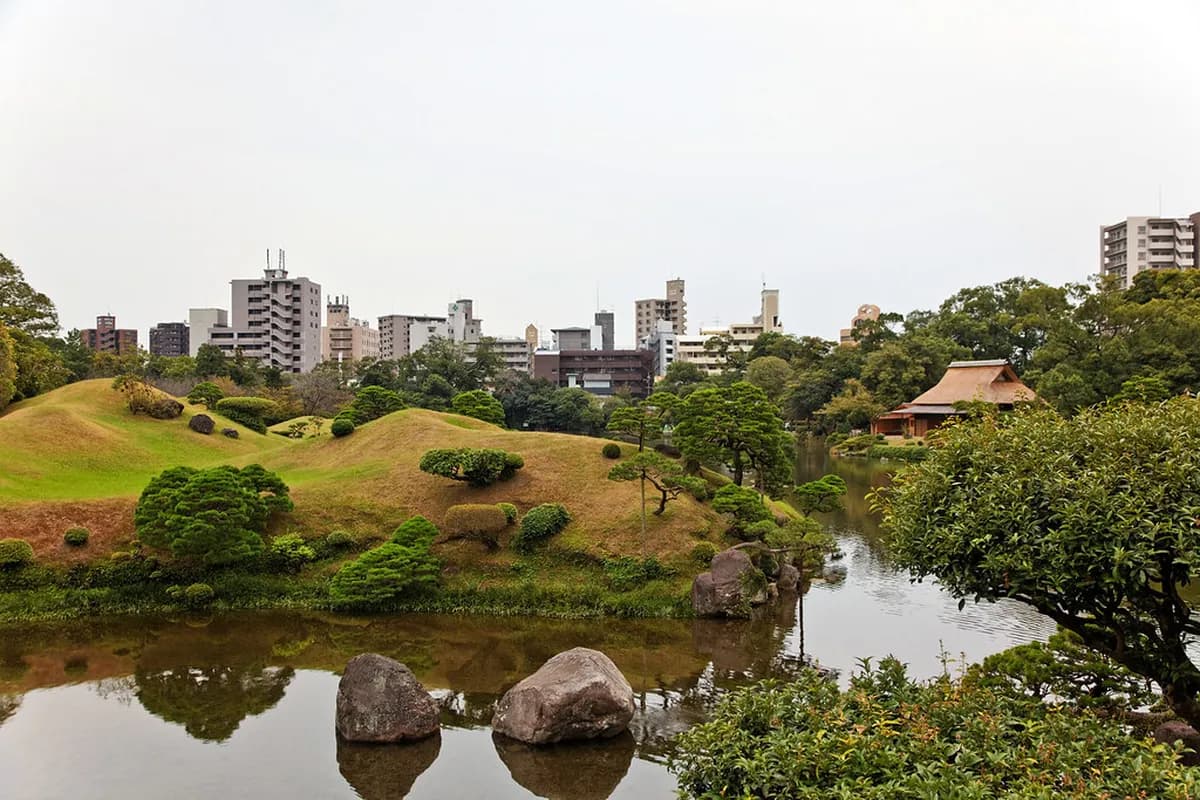
Kenrokuen Garden stands as one of Japan's three most beautiful landscape gardens.
Located in the heart of Kanazawa, it offers a serene escape for every traveler.
The name refers to six essential attributes that create a perfect scenic park.
This kenrokuen garden guide helps you explore every hidden corner of this historic site.
A Brief History of Kenrokuen Garden
Kenrokuen was created by the Maeda clan, the lords who ruled the Kaga Domain throughout the Edo period. Construction began in the late 17th century and continued across multiple generations of the family, each adding new ponds, paths, and plantings. By the mid-19th century the garden had reached roughly its current form and was opened to the public for the first time in 1871. For detailed history and ownership information, visit the Ishikawa Prefecture Kenrokuen official resource.
The name "Kenroku" translates directly to "six combined," referring to the six qualities a perfect garden must hold simultaneously: spaciousness, seclusion, artifice, antiquity, abundant water, and beautiful panoramic views. Most historic gardens achieve two or three. Kenrokuen achieves all six, which is why garden scholars cite it alongside Mito's Kairakuen and Okayama's Korakuen as one of Japan's three great landscape gardens.
The Maeda clan also engineered Japan's oldest gravity-fed garden fountain on the grounds. Water drawn from the Saigawa River flows through an underground canal at a higher elevation than the garden itself, creating enough natural pressure to push the fountain jet 3.5 metres into the air — entirely without a pump. This system has operated continuously since 1861.
Must-See Spots Inside Kenrokuen (Do Not Miss These)
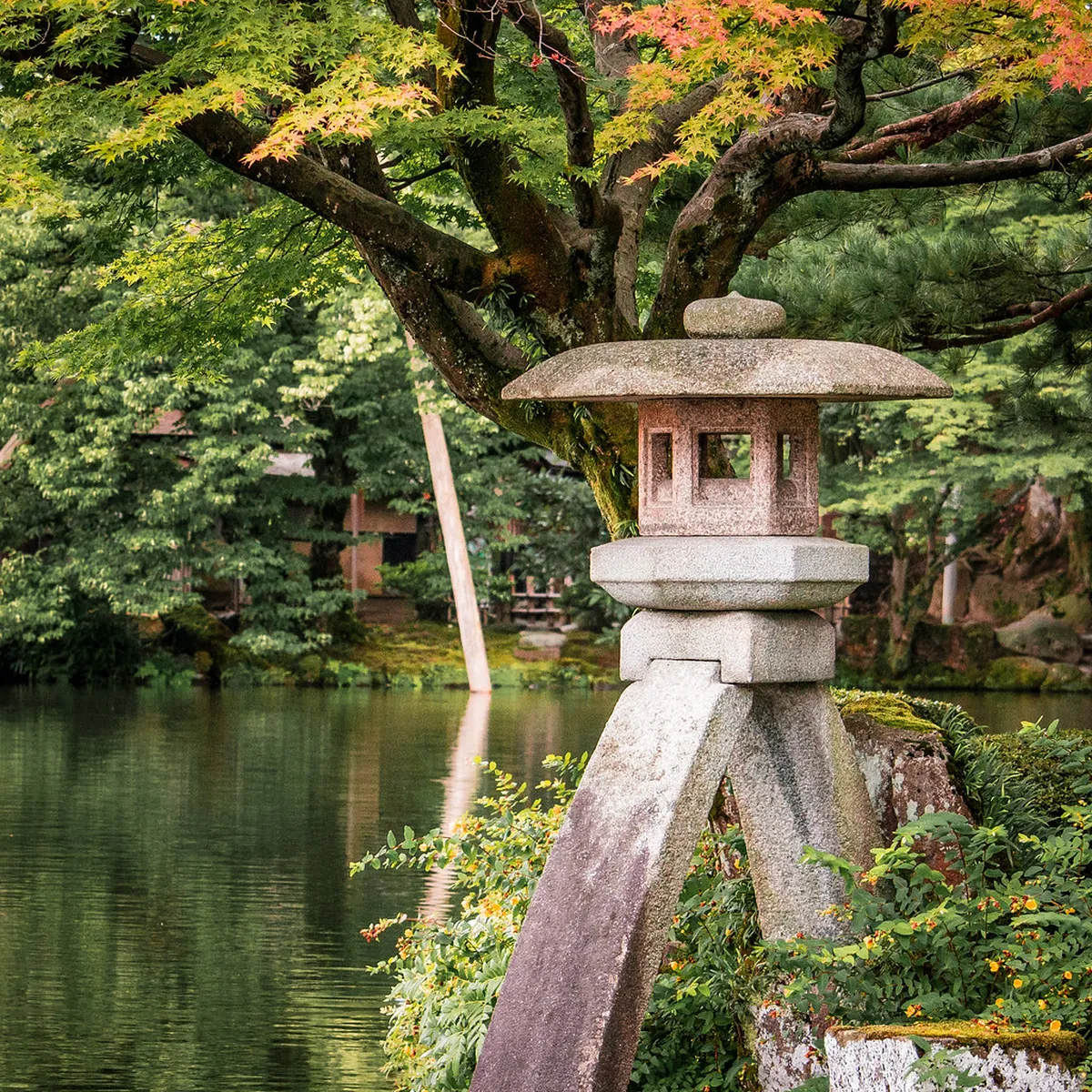
The Kotoji-toro stone lantern is the garden's most photographed landmark. Its two legs stand at different heights beside Kasumiga-ike pond, an intentional design choice that echoes the koto string instrument. This is typically the first stop for visitors arriving through the Katsurazaka Gate. Arrive before 08:00 and you will frequently find the spot empty enough for an unobstructed photograph.
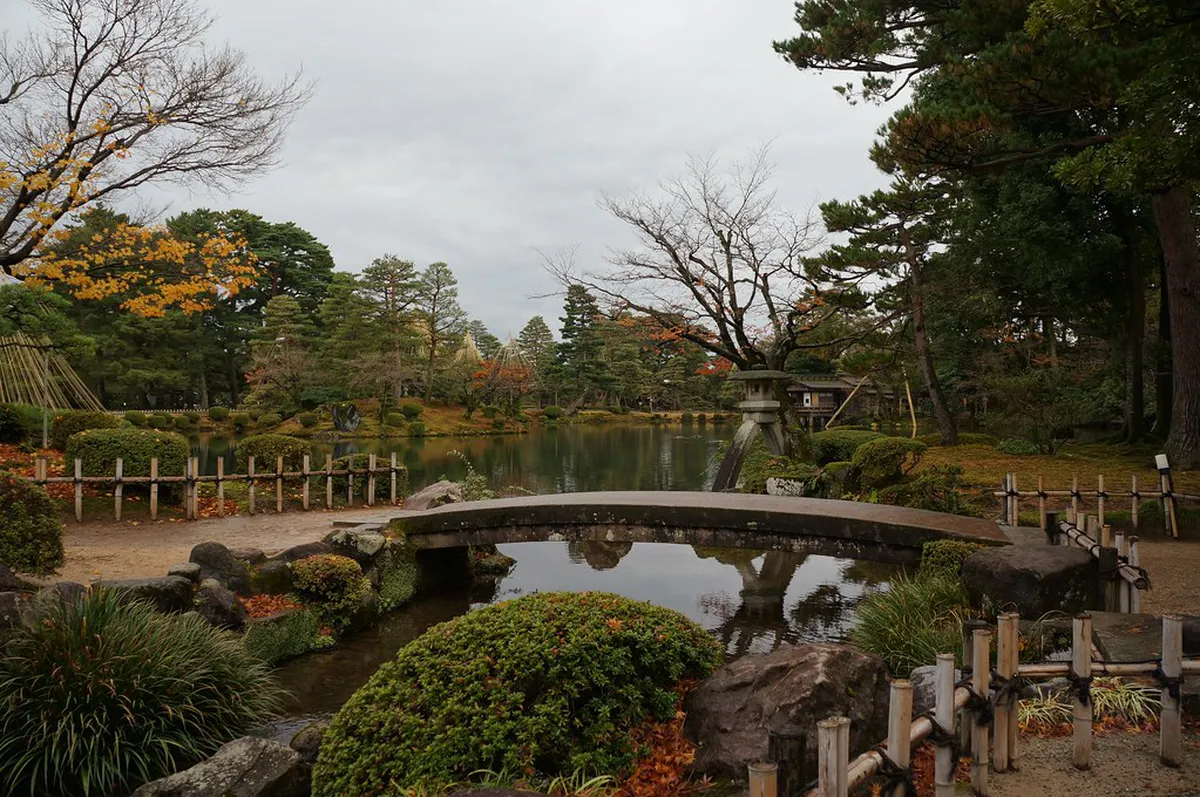
Hisago-ike Pond sits in the quieter south section and is often overlooked. A footbridge leads to the Kaiseki Pagoda with a small waterfall directly behind it. The layered stonework, sound of falling water, and framing greenery make this the most contemplative corner of the garden. A bench just off the path lets you sit and absorb the scene without any need to move on quickly.
Hanami-bashi, the Flower Viewing Bridge, is the standout spot during cherry blossom season. Sakura branches arch over the water on both sides and petals collect on the surface below. Wide-angle shots from the bridge centre capture the full arc of blossoms. Come back at dusk during the sakura light-up for a completely different mood.
- Kotoji-toro Lantern — two-legged design beside Kasumiga-ike, symbol of Kanazawa city
- Karasaki Pine — centuries-old tree extended over the water, famous for winter yukitsuri ropes
- Japan's Oldest Fountain — gravity-fed, rises 3.5 metres, no pump required, operating since 1861
- Hisago-ike Pond and Kaiseki Pagoda — waterfall backdrop, best for quiet photography
- Hanami-bashi Bridge — prime cherry blossom framing, strong reflections in spring
Best Time to Visit Kenrokuen by Season
Spring is the peak season, running from late March through early April. Hundreds of sakura trees frame the ponds and walkways, and the garden opens at night for free illuminations during peak bloom. These night events are less crowded than Kyoto's sakura spots and the reflections on Kasumiga-ike are genuinely striking. Check the Kanazawa cherry blossom guide for 2026 peak-bloom dates and the exact illumination schedule.
Autumn runs from mid-October through November. Maples surrounding the ponds turn deep red and gold, and the reflections rival spring for photography. Crowds are smaller than spring, and the cooler air makes long walks comfortable. October 16 also marks the date the garden shifts to its winter opening hours, so plan accordingly.
During cherry blossom and autumn foliage illumination events, the garden reopens in the evening for free. Visitors inside when paid hours begin must exit and re-enter with a ticket. Check the official illumination schedule for exact 2026 dates before planning an evening visit.
Winter is underrated. The yukitsuri rope installation begins in early November and stays up until late March. Gardeners tie straw ropes from a central pole to the outer branches of each pine tree, creating geometric cone shapes that protect limbs from heavy snowfall. After a snowfall the entire garden goes white, and the rope cones over the Karasaki Pine make for photographs unique to Kanazawa. The Shimo-en lower garden path collects deep drifts and is virtually empty on weekday mornings in January and February.
Summer is the quietest paid season. The garden is lush and green, the ancient fountain runs clearly, and irises bloom around the ponds in June. Midday heat is manageable because the tree canopy is thick. Visit early in the morning for cooler conditions and the best light.
Why Visit Kenrokuen in the Morning?
The garden offers free entry during the pre-opening hours each day. This is not a rumour or a loophole — it is an official policy. Visitors simply walk through the Mayumizaka Gate or the Katsurazaka Gate before the paid period begins. No ticket is required. The free windows change by season:
| Period | Free entry window |
|---|---|
| March | 05:00–06:45 |
| April–August | 04:00–06:45 |
| September–October 15 | 05:00–06:45 |
| October 16–October 31 | 05:00–07:45 |
| November–February | 06:00–07:45 |
- March: 05:00 – 06:45
- April through August: 04:00 – 06:45
- September to October 15: 05:00 – 06:45
- October 16 to October 31: 05:00 – 07:45
- November through February: 06:00 – 07:45
When paid hours begin, visitors inside must exit and re-enter with a ticket. Most people simply leave and return after breakfast, banking the savings for other Kanazawa attractions later in the day.
Beyond the free entry, early morning light rewards photographers. The water surfaces are still and the mist off Kasumiga-ike is most visible in the first hour after sunrise. Professional gardeners start maintenance work around this time, and watching them tend to the yukitsuri ropes or prune the plum grove adds an authenticity to the visit that midday crowds completely displace.
Tea Houses in Kenrokuen: Matcha with a Garden View
Two traditional tea houses operate inside the garden and both are worth a stop. Shigure-tei is the larger of the two, a formal structure with wide verandas that overlook the central pond. Matcha served here comes with a wagashi sweet — a seasonal confection shaped to reflect whatever is blooming outside the window. The combination costs around 700 yen and takes roughly twenty minutes, which is enough time to slow down and actually absorb the garden rather than just walk through it.
Yugao-tei is smaller and older, built in the 18th century as a private tea room for the Maeda lords. Seating is limited to tatami mats and the garden view from the low windows frames the nearby stone lanterns at eye level. This perspective — sitting on the floor, looking out through a low frame at a centuries-old landscape — is something no walking path can replicate. Arrive before peak hours as it fills quickly on weekends.
Neither tea house requires advance booking for matcha. Simply arrive, join the short queue at the counter, and take a seat. Both close around 16:30 regardless of the garden's official closing time, so plan your visit before late afternoon.
Parks, Gardens, and Outdoor Spots Around Kenrokuen
The Plum Tree Grove in the eastern section contains over 200 varieties and blooms from late February into March, before the cherry trees open. The fragrance is strong on still mornings and the grove is rarely crowded at that point in the season. This is the first colour of the year inside the garden and is easy to miss if visitors only plan for sakura.
Kenrokuen's garden design uses a technique called "borrowed scenery," where the surrounding hills and the distant mountains are framed deliberately by the planting layout. The panorama from the northern path above Kasumiga-ike, looking toward the Ishikawa-mon gate of Kanazawa Castle, is one of the clearest examples. The castle's white turret sits perfectly between two stands of pine trees — a view the Maeda designers calculated over three centuries ago.
Practical Visitor Information
Adult admission is only 320 yen — among the lowest entry fees for a site of this calibre in Japan. Early morning entry before the paid window opens is free, and the pre-dawn or post-dawn light on the Kotoji-toro lantern and Kasumiga-ike pond is the most photographically rewarding time to visit.
Kenrokuen is open year-round. Paid hours run from 07:00 to 18:00 between March and October 15, and from 08:00 to 17:00 between October 16 and the end of February. During cherry blossom and autumn foliage light-up events, the garden reopens in the evening for free. Check the official illumination schedule for exact 2026 dates. The Kanazawa city guide provides comprehensive visitor information and nearby attractions.
Adult admission is 320 yen. Children under 18 who reside in Ishikawa Prefecture enter free. All other visitors under 18 pay 100 yen. Children under 6 enter free everywhere. Some combo packages bundling Kenrokuen with Kanazawa Castle Park and Seisonkaku Villa are available at the gate and represent good value for a full culture day.
To reach the garden, take the Kanazawa Loop Bus from Kanazawa Station and get off at the Kenrokuen-shita stop. The walk from the bus stop to the Katsurazaka Gate takes about five minutes uphill. Taxis from the station cost around 900 yen and drop off directly at the gate. Free wheelchair rentals are available at the main entrances and the central gravel paths accommodate most mobility aids without difficulty.
How to Combine Kenrokuen with Nearby Attractions
Kanazawa Castle Park is directly adjacent — a pedestrian bridge connects the two sites and crossing takes under two minutes. The castle park is free to enter and the reconstructed Hishi Yagura turret and Hashizume-mon Tsuzuki Yagura are worth an hour of exploration. Most visitors do both in a single morning without feeling rushed. Learn how to visit Kanazawa Castle Park for the full layout.
The 21st Century Museum of Contemporary Art is a ten-minute walk south of the garden. The permanent collection is free to enter and the building's circular architecture is worth seeing on its own. Combine a morning in Kenrokuen with an afternoon in the museum and you have a complete cultural half-day without needing any transport.
For a broader day out, the Higashi Chaya geisha district is about 1.5 km north of the garden — a twenty-minute walk through the old city. Teahouses along the main street serve matcha and sell Kanazawa gold-leaf products. The area is quietest between 09:00 and 11:00. See the Higashi Chaya District guide for opening hours and the best-value shops.
For the wider city context, see our complete Kanazawa attractions guide.
Photography Tips for Kenrokuen Garden
The Kotoji-toro lantern shoots best from the northwest bank of Kasumiga-ike in the hour after sunrise, when the soft light hits the stone from the east. This is also when the mist sits low on the water. A 50mm focal length approximates what you see with the naked eye; anything wider distorts the lantern's proportions. In winter, include the snow-dusted Karasaki Pine in the same frame for the definitive Kanazawa shot.
Hisago-ike Pond and the Kaiseki Pagoda work well at any time of day because the dense canopy filters harsh midday light. Use a slow shutter speed to smooth the waterfall behind the pagoda — around 1/4 to 1/2 a second with a tripod is enough. This spot also renders well on a smartphone with portrait mode if you position the pagoda centrally.
Night photography during the illumination events rewards patience. Bring a tripod or use a stable railing for long exposures of 2–5 seconds. The light on the cherry blossoms is warm and even, and the reflections on the pond surface are clearest in the first thirty minutes after the lights come on, before foot traffic disturbs the water.
Frequently Asked Questions
What is the best time to visit Kenrokuen Garden?
The best time is early morning to avoid crowds and see the mist. Spring for cherry blossoms and autumn for red maples are peak seasons. Winter offers unique yukitsuri rope views. Check the Kanazawa transport guide to plan your early arrival.
How much does it cost to enter Kenrokuen?
Adult entry usually costs around 320 yen for a standard ticket. Children and seniors may receive discounted rates at the gate. Early morning entry is free before the ticket booths open. Always bring cash as some gates do not take cards.
Can I see Kenrokuen and Kanazawa Castle in one day?
Yes, these two attractions sit directly across from each other. A pedestrian bridge connects the castle park to the garden entrance. Most visitors spend half a day exploring both historic sites. You can then head to the Higashi Chaya District guide for tea.
Is Kenrokuen Garden accessible for wheelchairs?
Most main paths are flat and covered in gravel or stone. Wheelchair users can navigate the central pond areas with some assistance. Some steep hills and narrow bridges may be difficult to cross. Free wheelchair rentals are available at the main gates.
Kenrokuen Garden remains a must-visit destination for anyone exploring Japan's cultural heritage.
Its blend of history and seasonal beauty offers something new on every visit.
Plan your trip carefully to enjoy the peaceful morning hours and iconic landmarks.
We hope this guide helps you create lasting memories in the beautiful city of Kanazawa.
Free: The Kanazawa Essentials guide
Top things to do, where to stay, a perfect day plan, getting around, and the best time to go — a Kanazawa mini-guide you can take offline.
You might also like


Continue reading
More guides you'll find useful