Best Ryokan In Kanazawa Travel Guide
Plan best ryokan in kanazawa with top picks, neighborhood context, timing tips, and practical booking advice for a smoother trip.
On this page
Kanazawa sits at the center of Ishikawa prefecture, a region that spent the Edo period (1603–1867) as the wealthiest domain outside of Tokyo. The Maeda lords poured their income — famously calculated at one million koku of rice — into arts, crafts, cuisine, and hospitality. That investment still shapes every ryokan stay you book here in 2026.
Choosing the best ryokan in Kanazawa means deciding between two very different experiences: staying in the city itself, surrounded by samurai districts and gold-leaf workshops, or heading 45–60 minutes south to the Kaga onsen towns of Yamanaka and Yamashiro, where mineral hot springs and river gorges define the atmosphere. Both are excellent. This guide explains the trade-offs so you can pick the right fit. For a broader look at the neighborhood options, see our guide to the best areas to stay in Kanazawa.
In-City Ryokan vs. the Kaga Onsen Towns
Staying inside Kanazawa puts you within walking distance of Kenrokuen Garden, the Higashi Chaya teahouse district, and the Nagamachi samurai quarter. You can return to your inn after an evening stroll and still make the 18:00 dinner service without rushing. In-city ryokans typically charge 20,000–45,000 yen per person per night including two meals, and they tend to be smaller — often 10 to 20 rooms — which makes service feel more personal.
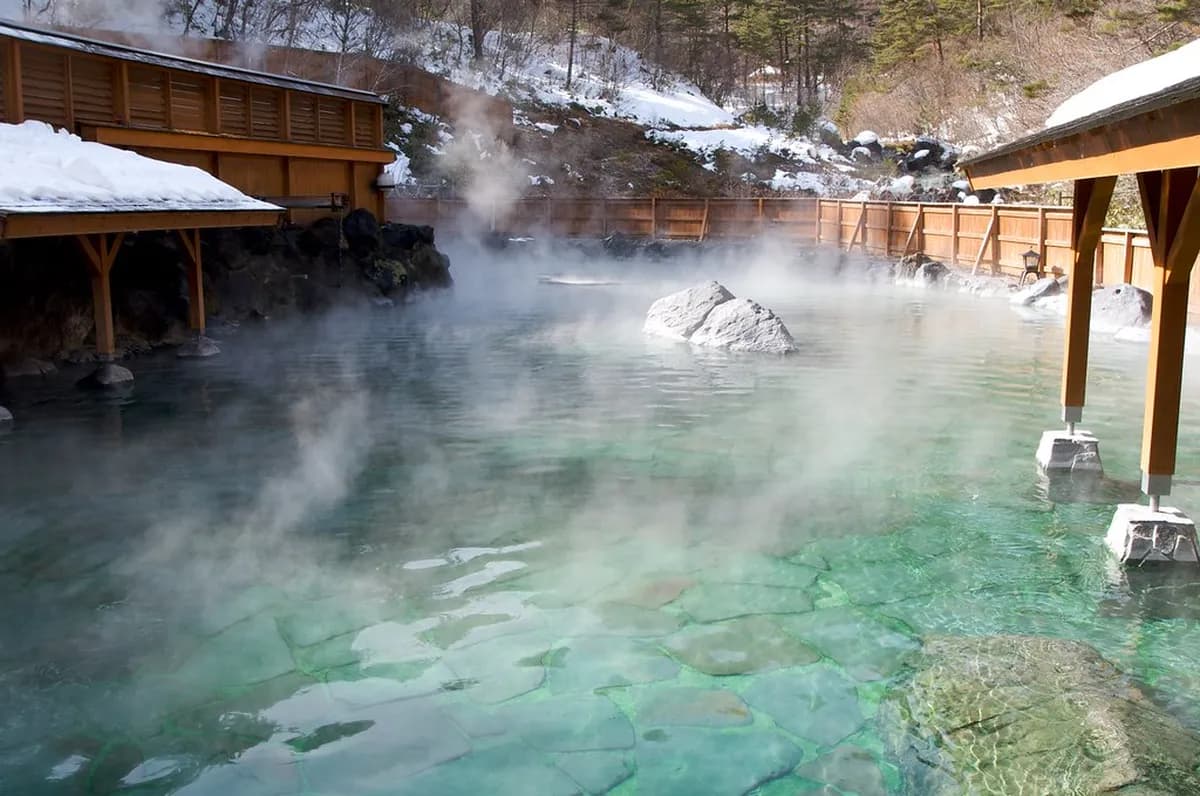
The Kaga onsen towns offer something the city cannot: genuine open-air baths fed by mineral springs. Yamanaka Onsen sits above a gorge carved by the Daishoji River, while Yamashiro Onsen is a more manicured resort town with a long history of literary visitors. Araya Totoan in Yamashiro has over 800 years of operation and was the first Japanese inn to win an international mineral spring prize. Houshi Ryokan in nearby Awazu holds the Guinness record as the world's oldest inn, in continuous operation for 1,300 years. Neither competitor page flags this distinction clearly — it matters if you want a property with genuine historical weight.
The practical trade-off: Kaga onsen ryokans are generally 30–50% more expensive per night than comparable in-city options, but the hot spring access is genuine and not replicated in Kanazawa. If your trip is longer than three nights, one night in the city and one night in a Kaga onsen town is the most common combination among repeat visitors.
Top Ryokan Picks in Kanazawa City
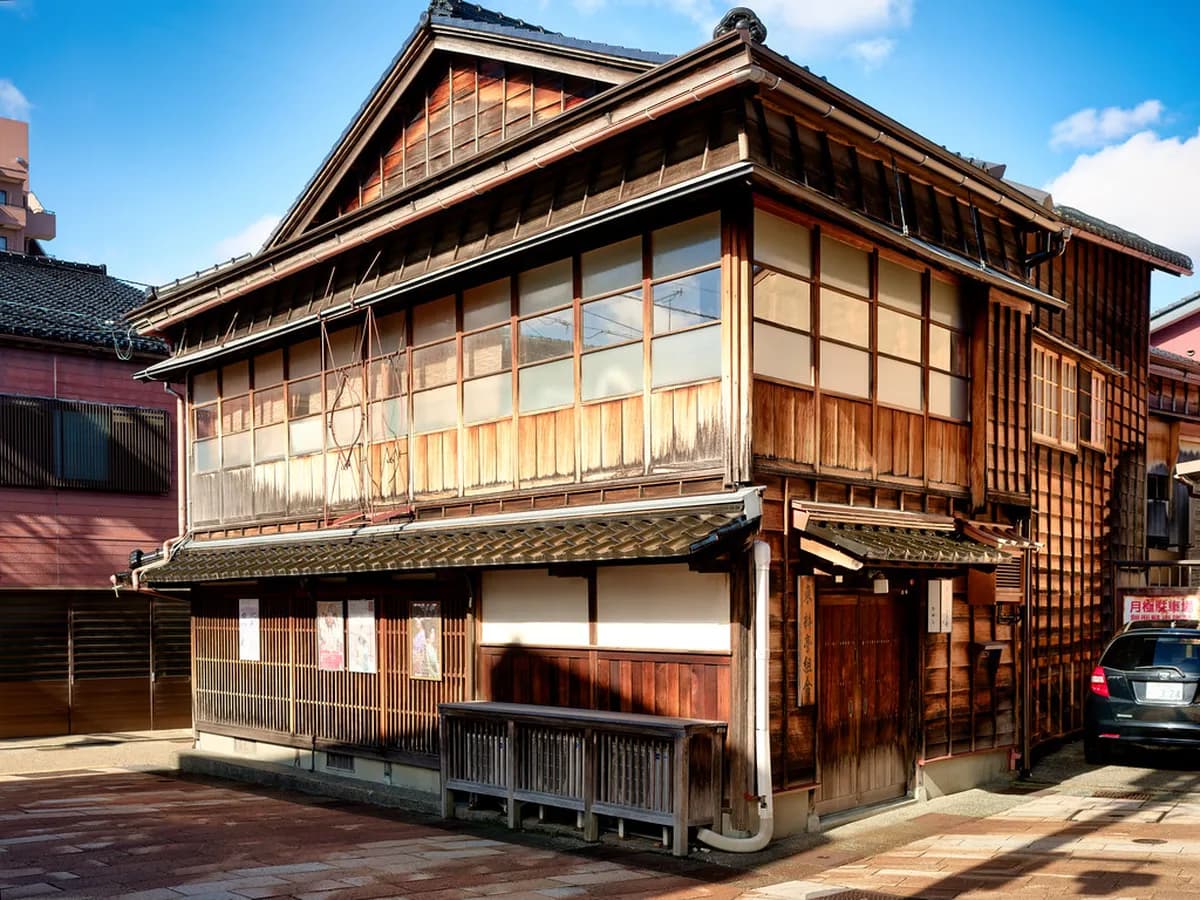
Chaya Ryokan sits within minutes of the Higashi Chaya geisha district and serves a kaiseki dinner built around seasonal Kaga vegetables and Sea of Japan seafood. The property is small enough that staff know your name by the time you sit down for breakfast. It suits first-time visitors who want a classic experience without venturing far from the main sights.
Makinooto Kanazawa takes a more contemporary approach, blending minimalist interiors with high-end culinary experiences. It works well for travelers who want the tatami-and-futon format but prefer cleaner design over heavily lacquered traditional aesthetics. Both properties require booking at least two to three months ahead for autumn foliage season (mid-October to mid-November) and cherry blossom season (late March to early April).
Budget-conscious travelers should look at smaller minshuku — family-run guesthouses — near Omicho Market. Rates can fall to 8,000–12,000 yen per person per night without meals, making the traditional format accessible without the full luxury spend. Our guide to budget places to stay in Kanazawa covers these options in detail.
Kaga Yamashiro-Yamanaka Onsen: What to Expect
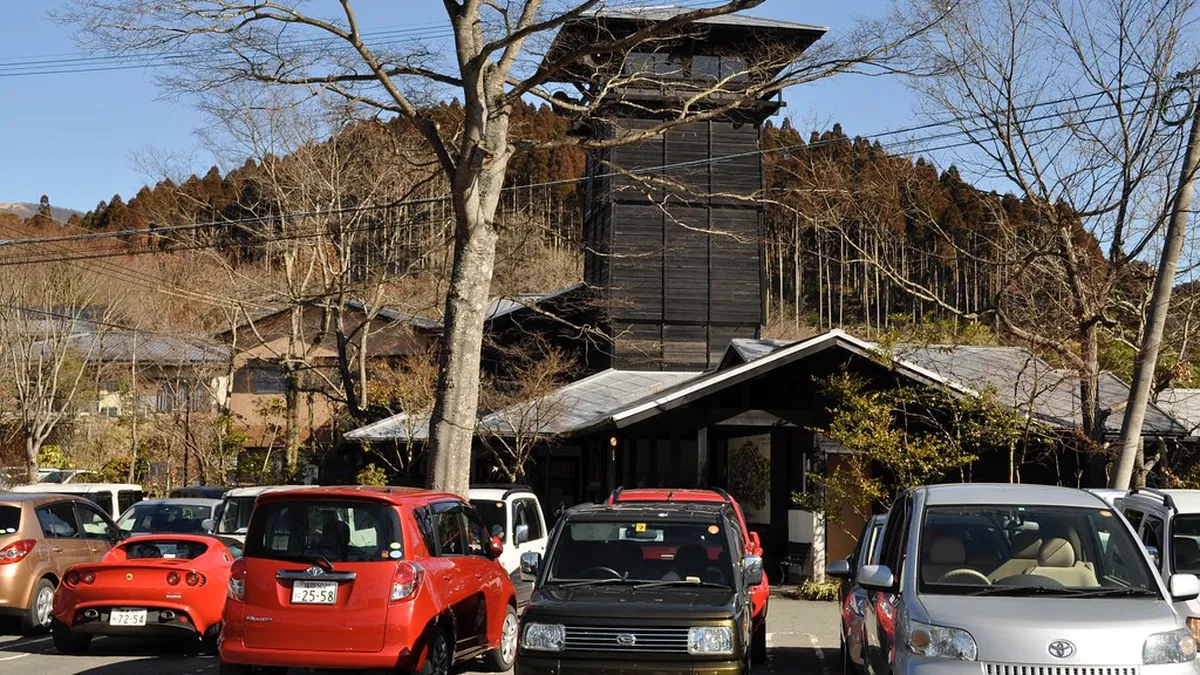
The Kaga onsen cluster is roughly 40 minutes from Kanazawa by Hokuriku Railway or 30 minutes by car from Komatsu Airport. Yamashiro Onsen and Yamanaka Onsen are the two most visited towns, each with a distinct character. Yamashiro has a compact resort feel with a well-preserved bathhouse at its center; Yamanaka has a more rustic atmosphere, with the public bath Kikuno-yu perched above the gorge. The Japan Ryokan Association maintains detailed guides to hot spring properties across the country.
Standout properties in the area include Hanamurasaki in Yamanaka Onsen, where the open-air bath overlooks a river ravine, and Yunokuni Tensyo in Yamashiro, which is a practical choice for families because it offers three separate large bathing areas. Rurikoh in Yamashiro is the most design-forward option — it blends a foot-bath cafe with contemporary Japanese interiors for travelers who find traditional decor overwhelming.
All major Kaga onsen ryokans offer rooms with private open-air baths (rotenburo), which means you soak in your own hot spring without sharing with other guests. This is the feature that most in-city Kanazawa ryokans cannot match. If private onsen access is your primary reason for choosing a ryokan, the Kaga towns should be your base. Check availability early: top-rated Kaga properties sell out 3–4 months in advance for peak weekends.
Kaiseki and Kaga Cuisine: What Your Meal Will Include
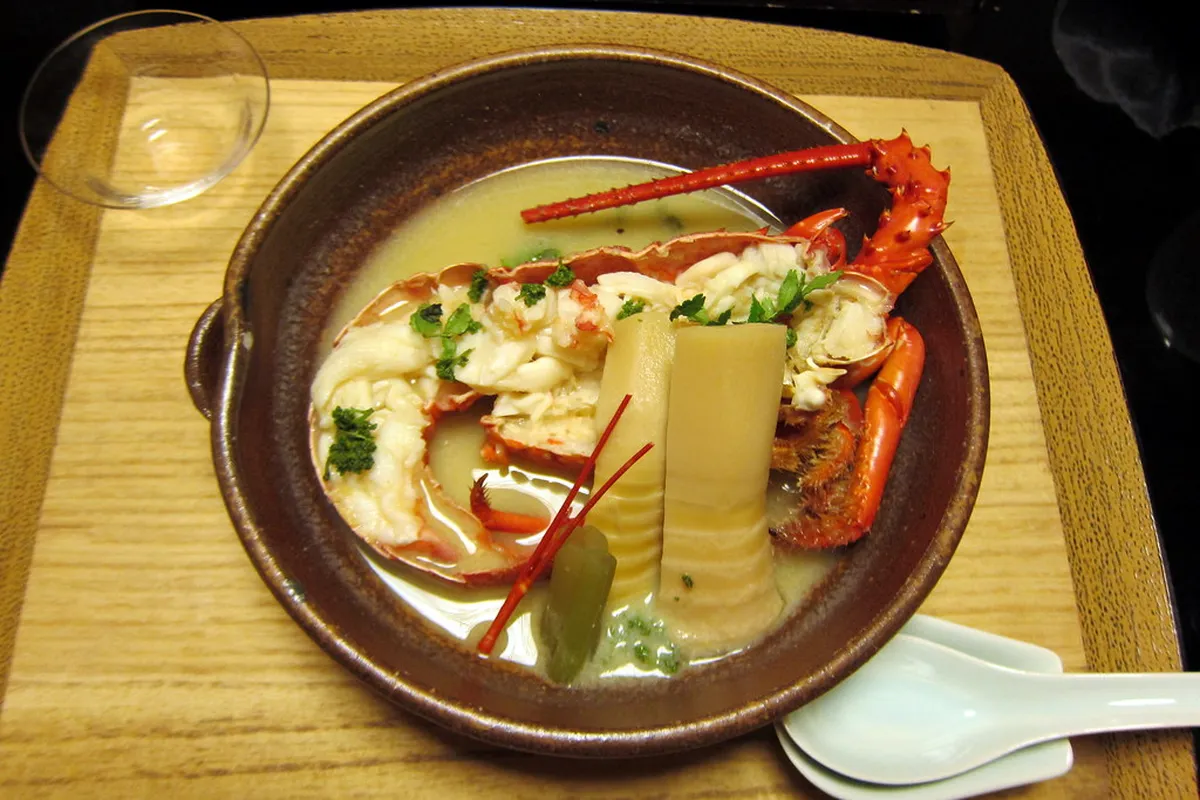
Almost every ryokan in Kanazawa and the Kaga region includes a kaiseki dinner and a traditional breakfast in the room rate. Ryokans are multi-course meals — typically 10 to 14 dishes — that follow a strict seasonal logic. In winter, you will likely see snow crab (zuwaigani), yellowtail amberjack (buri), and Kaga vegetables like sweet red carrots and round eggplant. Spring shifts to bamboo shoots and cherry-blossom-themed presentations.
The local cuisine tradition is called Kaga-ryori. It developed under the Maeda lords, who funded chefs to work with the prefecture's exceptional seafood, vegetables, and beef. Meals are served on Kutani porcelain or Wajima lacquerware, so the tableware itself is part of the experience. For a deeper look at the flavors beyond the inn, our guide to Kanazawa food guide covers markets, sushi restaurants, and street food.
If you have dietary restrictions — vegetarian, vegan, halal, or severe allergies — notify the ryokan at the time of booking, not on arrival. Most kitchens can accommodate with 7 or more days of notice. Last-minute requests often cannot be honored without significantly reducing the course, so plan ahead.
Traditional Crafts That Define the Ryokan Aesthetic
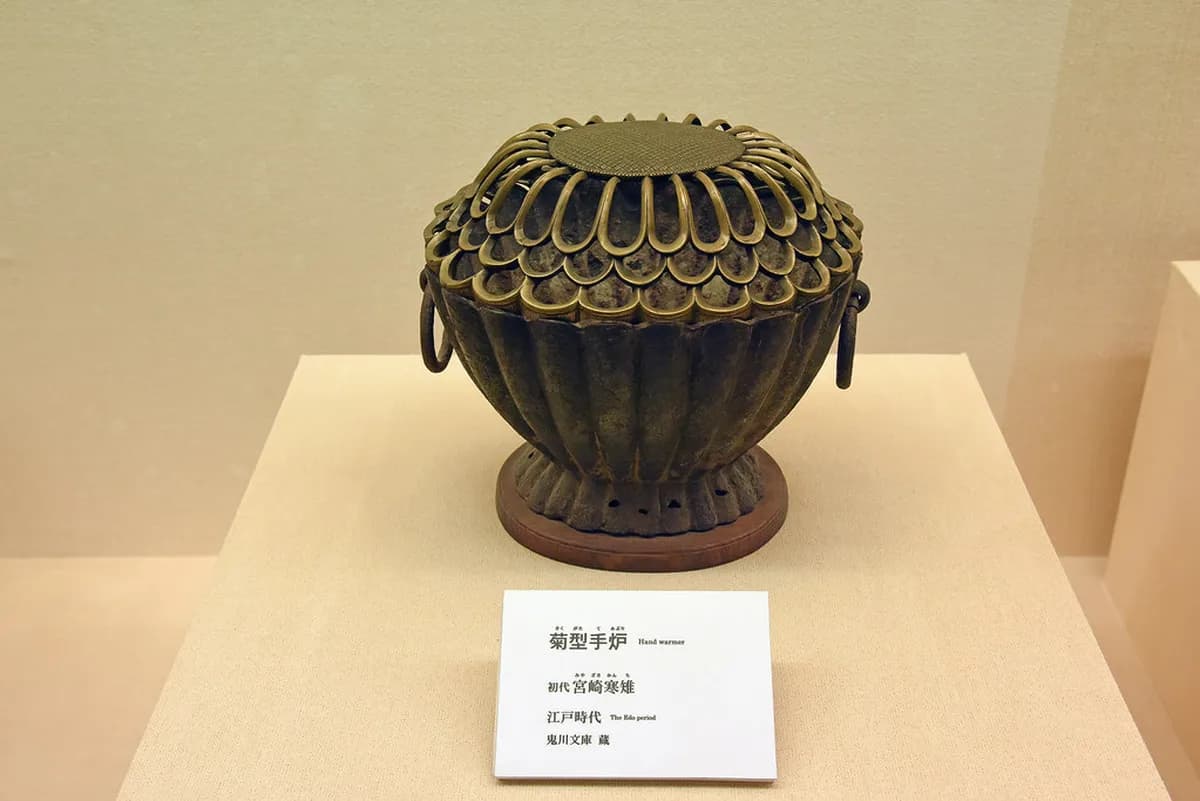
Walk into a high-end Kanazawa ryokan and you are surrounded by craft objects: Kutani porcelain plates, Wajima lacquer trays, Kaga-yuzen silk screen panels, gold leaf ceiling details. These are not decorative choices made by a hotel designer — they are the same crafts that the Maeda family funded for 300 years, and they still come from working artisan studios around the prefecture.
The most exclusive craft in the region is Ohi ware, a style of tea ceremony pottery produced only by heirs of the Ohi family. You can see and buy pieces at the Ohi Museum in central Kanazawa. Kaga-yuzen is the local silk-dyeing technique, applied to kimono using hand-drawn resist-paste outlines and natural dyes — a process that takes weeks per garment. Visiting a Kaga-yuzen studio adds real context to the robes hanging in your ryokan room. For a hands-on activity that pairs well with a ryokan stay, a Kanazawa gold-leaf workshops workshop runs 90–120 minutes and costs 1,500–5,000 yen depending on the piece you make.
What most travel guides omit: the craft objects in your ryokan room are often for sale. Ask the front desk. Buying a Kutani teacup directly from a ryokan that commissions local potters is one of the better souvenirs you can bring home, and the price is usually fair compared to tourist shops.
Family-Friendly and Budget-Friendly Options
Families traveling with children should look for ryokans that offer suite-style rooms with a connecting space or a separate sleeping area. Yunokuni Tensyo in Yamashiro Onsen is a strong family pick because its multiple large baths allow children and adults to bathe at different times, and the grounds are spacious enough for kids to move around. Most ryokans will provide child-sized yukata robes and a simplified kids' meal course if requested at booking.
For families on a tighter budget, minshuku near Kanazawa Station offer the tatami-and-futon format at 7,000–10,000 yen per person including breakfast only. The trade-off is that shared bathrooms are common at this price point, and dinner may not be included. These properties are a good choice for families who plan to eat out and use the ryokan mainly for sleeping and the atmosphere.
One practical note: children under 6 typically stay free at most ryokans when sharing a futon with parents. Children aged 6–12 often receive a 30–50% discount on the adult rate. Confirm the property's child policy before booking — it is rarely explained clearly on third-party booking sites.
| Ryokan | Location | Style | Price Band (per person/night, incl. meals) |
|---|---|---|---|
| Chaya Ryokan | Kanazawa city (Higashi Chaya) | Classic traditional | ¥25,000–¥45,000 |
| Makinooto Kanazawa | Kanazawa city | Contemporary minimalist | ¥30,000–¥50,000 |
| Hanamurasaki | Yamanaka Onsen | Riverside, open-air rotenburo | ¥35,000–¥60,000 |
| Yunokuni Tensyo | Yamashiro Onsen | Family-friendly, multiple baths | ¥28,000–¥48,000 |
| Rurikoh | Yamashiro Onsen | Design-forward, foot-bath café | ¥40,000–¥70,000 |
| Araya Totoan | Yamashiro Onsen | 800+ year history, award-winning onsen | ¥55,000–¥90,000 |
| Minshuku (Omicho area) | Kanazawa city | Budget guesthouse | ¥8,000–¥12,000 (no dinner) |
How to Book and What to Expect on Arrival
Most ryokans accept bookings through Rakuten Travel, Jalan, or direct inquiry by email. International travelers often use Booking.com or direct email in English. For the highest-rated Kaga onsen properties, direct booking by email gives you more flexibility on meal timing and room preferences than third-party platforms. Response times for English email inquiries are typically 1–3 business days.
Standard check-in is between 15:00 and 17:00. Dinner is usually served between 18:00 and 19:30, either in your room or in a private dining area. Arriving after 18:00 without advance notice risks missing your meal entirely. Checkout is typically 10:00 or 11:00. Understanding the the best season to visit Kanazawa will help you pick the season that best matches your priorities and budget.
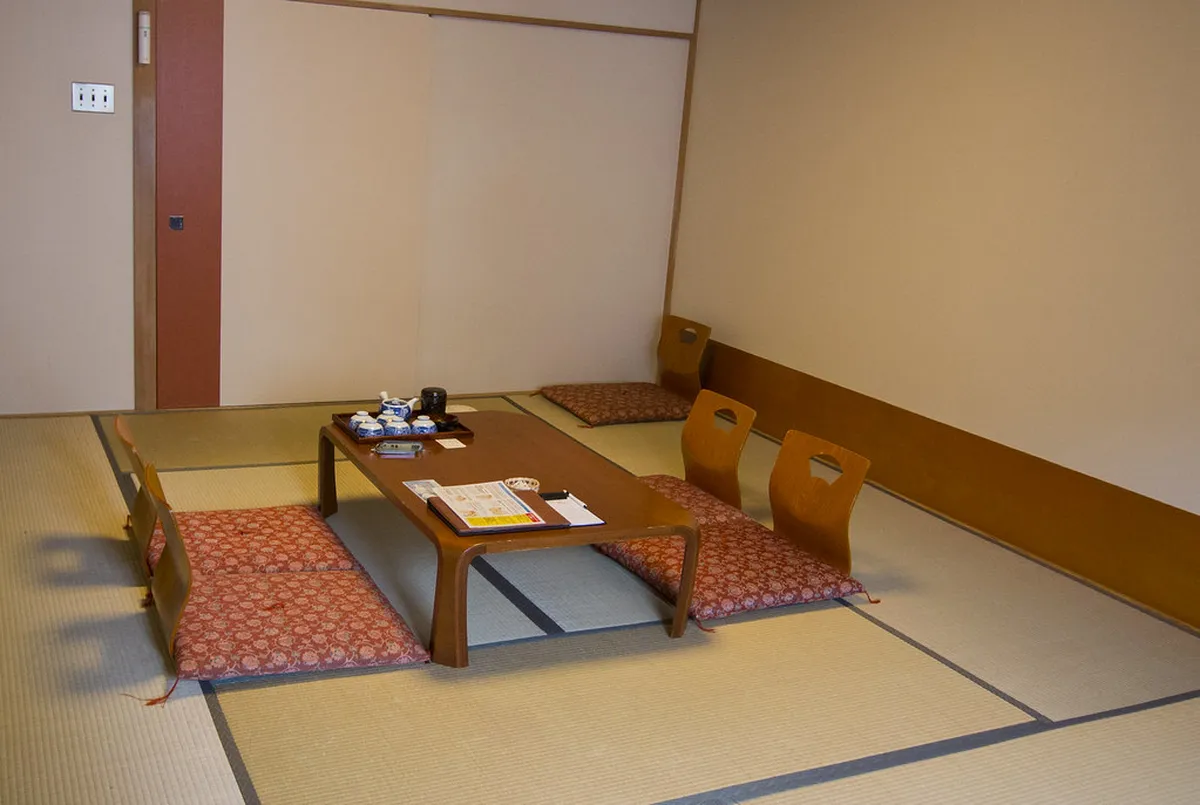
On arrival, staff will guide you through the inn's layout, explain the bath schedule, and show you how to wear the yukata properly. Remove shoes at the entrance and use the provided slippers inside — except on tatami matting, where you walk barefoot. Tattoos are still restricted from shared baths at some traditional properties; if this applies to you, confirm the inn's policy before booking, as many now offer private bath reservations as an alternative.
After choosing where to stay, browse our guide to the best things to do in Kanazawa to map out your days.
Frequently Asked Questions
Which best ryokan in kanazawa options fit first-time visitors?
First-time visitors should look for ryokans near the Higashi Chaya district or Kenrokuen Garden for easy access. Places like Chaya Ryokan offer a classic experience with traditional meals and central locations. You can find more details in our where to stay guide for beginners.
How much time should you plan for a ryokan stay?
Most travelers find that one or two nights in a ryokan is sufficient to enjoy the atmosphere and meals. This allows you to experience the hospitality without exceeding your budget. You can spend the rest of your trip in modern hotels for more flexibility.
What should travelers avoid when staying in a ryokan?
Avoid arriving late for dinner, as most kitchens close at a strict time for kaiseki service. You should also be careful not to wear slippers on tatami mats to avoid damaging the flooring. Always follow the specific house rules provided by your host during check-in.
The best ryokan in Kanazawa depends on what you are actually optimizing for: city sightseeing convenience, genuine hot spring access, culinary depth, or budget. In-city properties like Chaya Ryokan put history at your doorstep. The Kaga onsen towns offer mineral baths and river landscapes that no urban inn can replicate. For most visitors, one night of each is the right answer.
Book early, communicate dietary needs in advance, and treat the craft objects in your room as part of the experience — not just decoration. Ishikawa's ryokan culture is the most intact expression of the Maeda lords' legacy, and it is worth engaging with fully.
Free: The Kanazawa Essentials guide
Top things to do, where to stay, a perfect day plan, getting around, and the best time to go — a Kanazawa mini-guide you can take offline.
You might also like

Continue reading
More guides you'll find useful