

Yudanaka Shibu Onsen: The Complete Travel Guide
Discover Yudanaka Shibu Onsen with our comprehensive guide. Explore hot springs, snow monkeys, ryokan stays, and local tips for an unforgettable trip.
On this page
Yudanaka Shibu Onsen is one of the most atmospheric corners of Nagano Prefecture — a cluster of hot spring towns where narrow stone-paved alleys, centuries-old ryokans, and wild Japanese macaques occupy the same valley. The area draws two distinct types of visitor: those who come for the iconic Jigokudani Snow Monkey Park Travel Guide, and those who come to soak in the nine public bathhouses and slow down inside a traditional inn. Most end up doing both.
Yudanaka and Shibu Onsen are often grouped together but are distinct. Yudanaka is the larger town at the end of the Nagano Electric Railway line. Shibu Onsen is a smaller, more preserved village a 30-minute walk uphill, famous for its nine soto-yu (public baths) and its cobbled main street. A stay of two days and one night lets you cover both comfortably.
This guide covers the 1300-year history of the area, how to get here from Tokyo or Nagano, what the nine bathhouses actually look like, the ryokan experience in detail, how to reach the snow monkeys, and what else to do in between soaks. Explore more Things to Do in Nagano, Japan to extend your trip beyond the valley.
The 1300-Year History of Shibu Onsen
Shibu Onsen's origins trace back over 1,300 years to the Buddhist priest Gyoki, who is said to have discovered the therapeutic hot springs during his travels. Word of the healing waters spread quickly, and the area became a destination for pilgrims seeking relief from ailments. Travelers on the Hokoku Kaido highway, including samurai and merchants heading to Zenko-ji Temple in Nagano City, made it a regular stop.
The Edo Period (1603–1868) saw ryokans open along the main street to accommodate the steady flow of visitors. During the Meiji Era (1868–1912), artists and intellectuals added Shibu Onsen to their itineraries as a refuge from Japan's rapid industrialization. The construction of the Nagano Electric Railway in 1927 brought a new wave of visitors and cemented the nine bathhouses' reputation for medicinal properties.
The area gained unexpected international attention in 1970 when a photograph of Japanese macaques bathing in a hot spring appeared on the cover of LIFE magazine. The image went around the world. It introduced a new audience to the valley and sparked the modern tourist interest in the snow monkeys that continues today. The town absorbed that attention without losing its essential character — wooden facades still line the same alleys, and the bathhouses still run on fresh-flowing spring water exactly as they did a century ago.
Getting to Yudanaka Shibu Onsen: Transportation Guide
The most convenient route from Tokyo is the Hokuriku Shinkansen to Nagano Station (about 1.5 hours, ¥8,140). From Nagano, take the Nagano Electric Railway (Nagaden) limited express to Yudanaka Station — the final stop on the line, about 45–50 minutes. Note that the JR Pass covers the Shinkansen leg but does not cover the Nagaden line from Nagano onward; you pay separately for that segment.
From Yudanaka Station to Shibu Onsen, you have three options. Walking takes about 30 minutes and is a pleasant uphill stroll. Local buses run once or twice per hour and reach Shibu Onsen in around 15 minutes. A taxi from the station to the town takes under 10 minutes — worth it if you are arriving at night or carrying luggage.
If you plan to combine the train, local buses, and the Snow Monkey Park entrance in one trip, the Snow Monkey Pass (¥4,000 for two days) is worth buying at Nagano Station's Nagaden ticket window. It covers unlimited Nagaden trains and express buses, the local bus between Yudanaka and the monkey park trailhead, and one entrance to Jigokudani Yaen-Koen. It removes the need to buy individual tickets at each step and typically saves money on a two-day visit.
Drivers can park at the 10 Unforgettable Day Trips from Nagano area near Shibu Onsen. Parking is available at the Shibu Onsen lot near Shibuya Bridge, but spaces are limited during winter weekends. Arriving before 09:00 on busy days avoids the queue.
The Nine Bathhouses of Shibu Onsen
Shibu Onsen's nine public baths — known collectively as soto-yu — are the centrepiece of a stay here. Eight of the nine are accessible only to guests staying at inns within the town. Your ryokan provides a wooden master key; use it to unlock each bathhouse and stamp your tenugui towel at the box outside. The towel costs ¥300 and is sold at your inn or at shops on the main street. After collecting all nine stamps, a final stamp at Takayakushi Temple completes the set — tradition holds this brings good health and fortune.
The baths are kake-nagashi style: spring water flows in continuously and exits the other side, keeping the water fresh without chemicals. Most baths hold two or three people at most and are far simpler than anything inside your ryokan. Some have modern tiling; others are entirely wooden. The water in some baths is clear; in others it is milky or tinted. All are clean because of the constant flow. Set your expectations accordingly — these are communal local baths, not hotel spas. That simplicity is the point.
The nine baths and their traditional names with associated purported healing properties are:
- Hatsu-yu (第1浴) — stomach and intestinal ailments
- Sasa-no-yu (第2浴) — skin conditions
- Wata-no-yu (第3浴) — cuts and acne
- Take-no-yu (第4浴) — gout
- Matsu-no-yu (第5浴) — nerve pain and spinal issues
- Mearai-no-yu (第6浴) — eye diseases
- Nanakuri-no-yu (第7浴) — injuries and trauma
- Shinmeidaki-no-yu (第8浴) — women's health issues
- O-yu (第9浴) — joint and nerve ailments; the largest bath and the only one open to day visitors (10:00–16:00, ¥500, tickets at the Shibu Onsen Visitor Center or the parking lot by Shibuya Bridge)
Budget two to three hours to complete the full circuit at a relaxed pace. Most visitors dress in the yukata and geta wooden sandals provided by their ryokan and walk between baths that way — part cultural tradition, part photo opportunity. Intersperse bathhouse visits with a break for an onsen egg (¥50 from the basket outside Kokuya Hotel, steamed in spring water) or a look inside Soba Yariya, a noodle shop on the main street known for its vintage décor.
The Ryokan Experience: What to Expect
Staying in a Shibu Onsen ryokan follows a particular rhythm that is different from hotel travel. Check-in typically runs 15:00–17:00. You change into the yukata (light cotton kimono) and haori (outer jacket) provided in your room; these are worn throughout the inn and outside to the bathhouses. Geta wooden sandals are available for the alleys. Rooms are traditional tatami mat style with a futon mattress laid out by staff each evening. There is very little furniture, which makes the space feel deliberate rather than sparse.
The kaiseki dinner, usually served between 18:00 and 19:00, is included in most ryokan rates. It is a multi-course meal of seasonal and local produce — typically eight to twelve small dishes served in sequence. Expect river fish, mountain vegetables, tofu preparations specific to Nagano, and a small portion of rice and miso to close. Reservations for dinner are normally made at check-in or in advance; a few smaller inns fill the dining room entirely, so booking early is wise. Breakfast the next morning follows a similar format, lighter but still elaborate, usually served 07:30–09:00.
When choosing a ryokan, three properties are consistently recommended. Kanaguya is the most iconic — a 250-year-old wooden building rumoured to have inspired the bathhouse in Studio Ghibli's Spirited Away. It has five private baths available on a first-come basis, two indoor communal baths, and two outdoor rotenburo. Kokuya was established in 1625 and is now in its 16th generation of family ownership; every room has a private open-air bath. Suminoyu offers a more affordable entry point without sacrificing access to the nine public baths, and is particularly practical for solo travellers. Budget options like Daymaruya are also in town and still provide bathhouse key access.
For couples, private room onsen (kashikiri buro) at Kanaguya or Kokuya require no reservation — just check the sign on the door. For families, Suminoyu's mix of tatami and Western-style beds accommodates different sleeping preferences. For solo travellers on a budget, Daymaruya's owners offer transport to the station and monkey park, which removes the taxi cost.
Visiting the Jigokudani Snow Monkey Park
The Jigokudani Yaen-Koen (地獄谷野猿公苑) was established in 1964 and is the only place in the world where wild Japanese macaques regularly bathe in natural hot springs. The park has no fences. The roughly 160 macaques that use it live freely in the surrounding mountains and come down on their own terms — primarily in winter when the hot spring offers warmth. Park hours are 08:30–17:00 from April to October and 09:00–16:00 from November to March. Adult entry is ¥800; children ¥400.
There are two walking routes to the park. The main Kanbayashi entrance is the more popular choice: take the bus or taxi from Yudanaka or Shibu Onsen to the Kanbayashi Onsen bus stop (about 30 minutes' walk from Shibu Onsen on foot, or a short bus ride), then hike roughly 1.7 km through wooded trail to the park entrance — a moderate 35-minute walk with steady elevation gain. A café operates near the Kanbayashi trailhead. The second entrance requires about 15 minutes of walking but involves a rockier, less maintained path that becomes genuinely hazardous when icy. In winter (December to March), microspikes and proper waterproof boots are essential on either route regardless of which entrance you use.
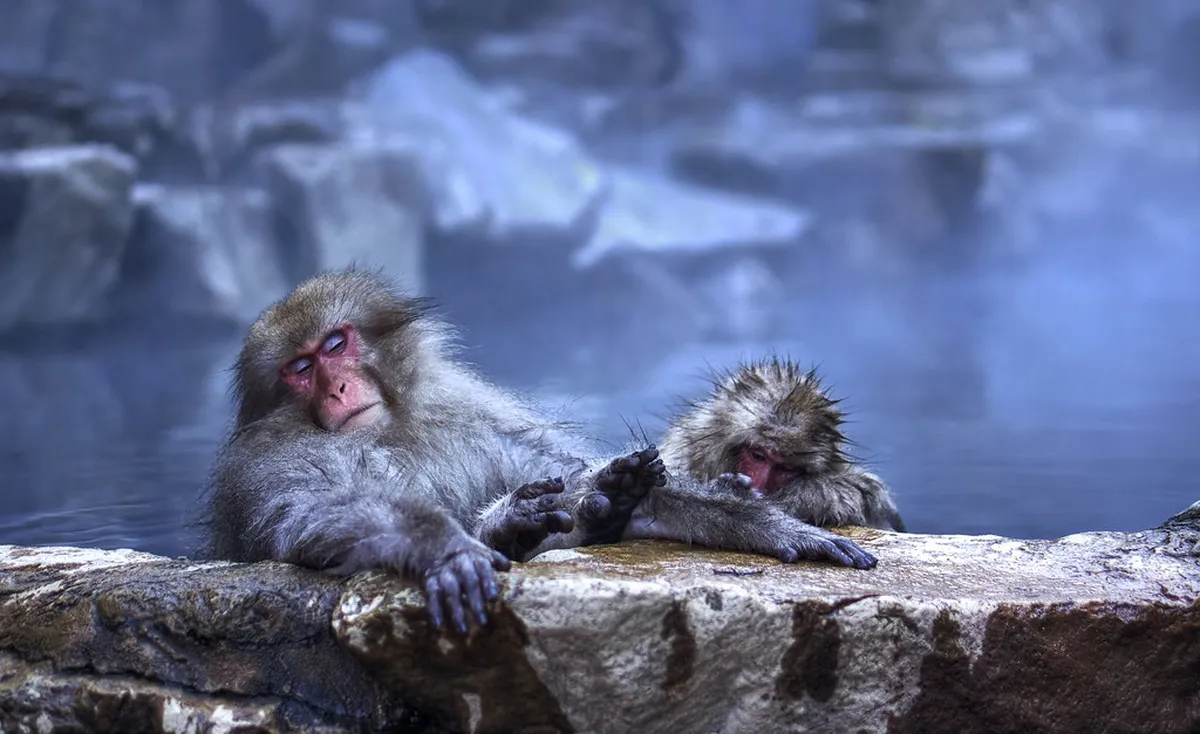
The monkeys are wild and their behaviour is unpredictable. On most winter mornings, several macaques will be in or around the hot spring pool. Mothers tend to keep infants close; younger males groom each other along the pool edge. The park's live webcam lets you check monkey activity the morning of your visit before setting out. December to March is the peak window for seeing them in the water; summer visits are quieter but the monkeys are still present in the forest.
Plan two to three hours total for the round trip from Shibu Onsen, including the hike. Most visitors pair the monkey park with a morning departure from their ryokan after breakfast, then return to town for the bathhouse circuit in the afternoon.
Korakukan: The Original Snow Monkey Onsen
Almost no travel guide mentions this: directly beside the Jigokudani park entrance sits Korakukan, the small inn where the macaques first began bathing in 1962 — two years before the formal park was established. A stray monkey entered the inn's outdoor rotenburo one winter, and over time the behaviour spread through the troop. The park was later built around the phenomenon.
Korakukan sells day passes to use their outdoor bath, which sits in the same ravine as the park. Bathing here means sharing the valley with macaques passing nearby on the rocks above — a different experience from the park itself, where you are on a viewing path. The water is the same geothermal spring that feeds the monkey pool. It is a genuine rotenburo in a steep forested gorge with no modern amenities — rough wooden changing room, no heated lobby, no reception desk in the usual sense. Admission for non-guests is limited to certain hours; check directly with the property before visiting. For visitors who want to go beyond watching the monkeys and actually soak in their historical habitat, Korakukan is the only place to do it.
Dining in Shibu Onsen
Most meals in Shibu Onsen happen inside your ryokan, and this is intentional — kaiseki dinner and breakfast are included in the rate at nearly every inn. Outside of those two meals, the town's main street has a handful of restaurants worth knowing about. Soba Yariya is a husband-and-wife noodle shop that doubles as an accidental vintage museum, with decades of collected objects covering every surface. It is a good lunch stop between bathhouses. Nagano soba is thinner and nuttier than Tokyo varieties, made with locally grown buckwheat from the surrounding highlands.
For a drink, Tamamura Honten Brewery sits just across the river bridge from the main street — a small sake brewery and gallery where you can sample the local brew and buy a bottle to take back to your ryokan. The sake uses water from the same mountain watershed as the hot springs. Sake and an onsen bath on the same afternoon is not a bad combination.
The onsen egg at the basket outside Kokuya Hotel costs ¥50 and is worth stopping for between bathhouses. The egg is slow-cooked in a basket over a hot spring vent until set but not rubbery. It is a snack, not a meal, but it is one of those small local rituals that stays in the memory longer than a restaurant dish.
Essential Onsen Etiquette for First-Timers
A few rules apply in every onsen in Japan and are non-negotiable. Shower thoroughly before entering any communal bath — washing stations with soap and shampoo are provided at every facility. Swimsuits and towels are not worn in the water. Enter completely undressed. If your hair is long, tie it up so it does not touch the water. Do not submerge your small hand towel in the bath; most people fold it on their head or leave it at the pool edge.
Noise should be kept to a minimum. Onsen are quiet spaces. A brief exchange in a low voice is fine; a full conversation is not. Dry off before walking back into the changing area — dripping water on the floor is considered inconsiderate to other bathers. Do not go from the cold air directly into the hottest part of the pool; enter gradually and let your body adjust.
Tattoos remain a sensitive issue. Most of the nine public bathhouses in Shibu Onsen prohibit visible tattoos. Some ryokans are more lenient, particularly for guests who can cover a small tattoo with waterproof adhesive tape. Check the policy directly with your inn before booking. A few ryokans offer private baths specifically for guests with tattoos — confirm this at the time of reservation if relevant. The Shibu Onsen Association's website has updated guidance in English for 2026.
Planning Your Trip: Best Time to Visit and a Sample Itinerary
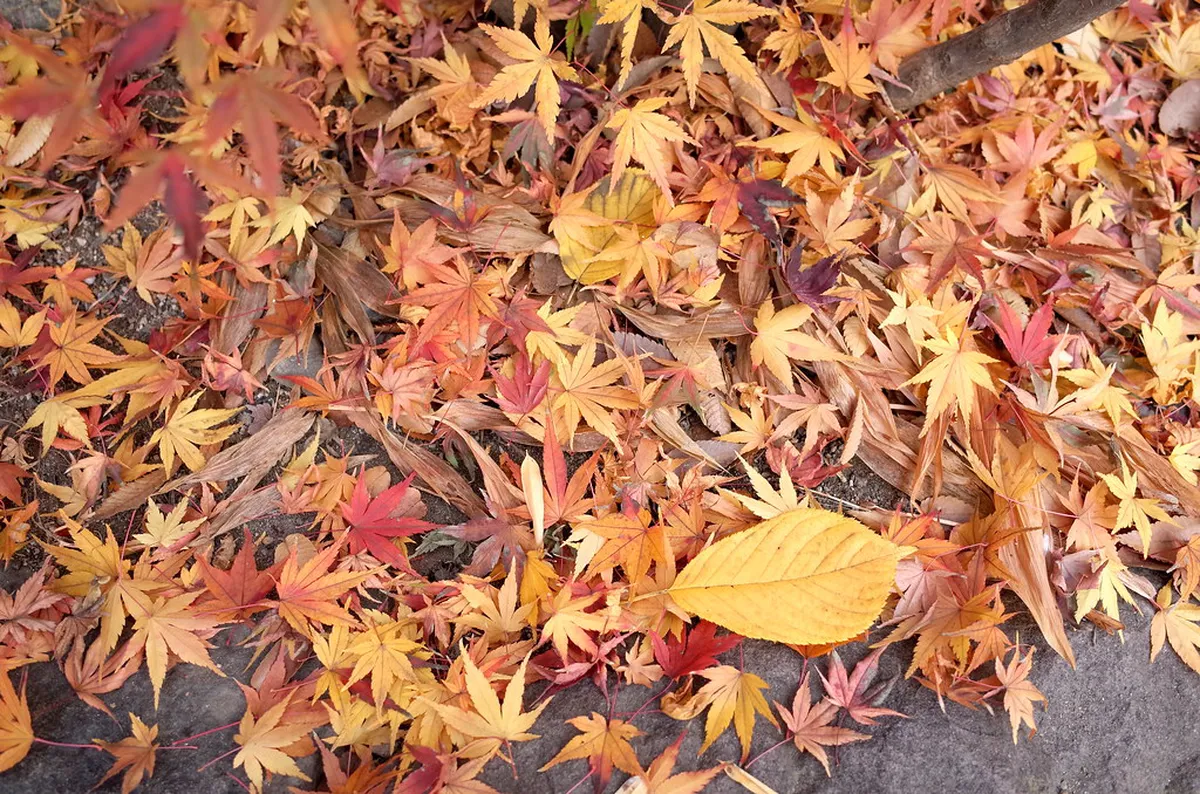
Winter (December to March) is the most popular window, and for good reason. Snow on the rooftops of wooden ryokans, frozen river edges along the walking paths, and macaques visibly soaking in steaming water create the scenes that put Shibu Onsen on the international map. Book ryokans two to three months ahead for December through February — the most in-demand dates fill quickly. Spring (April to May) brings cherry blossoms to the surrounding valley and fewer crowds. Autumn (October to November) turns the forested hillsides around Jigokudani deep red and orange. Summer is the quietest season; the monkeys are in the forest rather than the hot spring, but the town and baths are peaceful.
A workable two-day itinerary runs as follows. Arrive in the early afternoon, check into your ryokan, and spend the late afternoon beginning the nine-bathhouse circuit in yukata. Finish with kaiseki dinner and an early night. The next morning, take the bus or walk to the Kanbayashi trailhead after breakfast, hike to Jigokudani Yaen-Koen, and spend one to two hours with the monkeys. Return to Shibu Onsen by midday, complete any remaining bathhouses, stop at Tamamura Honten for sake, then take the Nagaden train back to Nagano or onward.
If you have a third day, the Shiga Kogen ski resort is about 30 minutes from Shibu Onsen by bus and offers groomed slopes in winter and hiking trails in summer — a practical extension for visitors who want to combine onsen with mountain activity. Alternatively, the historic towns of Obuse (chestnuts, sake, Hokusai Museum) and Zenko-ji Temple in Nagano City make good half-day add-ons accessible by Nagaden rail.
Frequently Asked Questions
Is Yudanaka Onsen worth the visit?
Yes, Yudanaka Onsen is absolutely worth visiting for its unique blend of traditional hot spring culture and natural beauty. It offers a relaxing escape with charming ryokans and access to the famous snow monkeys. The historic atmosphere and serene environment create a memorable experience for travelers.
Is Yudanaka Onsen the same as Shibu Onsen?
Yudanaka Onsen and Shibu Onsen are distinct but closely related hot spring towns within the same area. Yudanaka is the larger town with the train station, while Shibu Onsen is a smaller, more traditional village known for its nine public baths. They are often grouped together as 'Yudanaka Shibu Onsen' due to their proximity and shared attractions like the Snow Monkey Park.
Are there private onsen in Yudanaka?
Yes, many ryokans in both Yudanaka and Shibu Onsen offer private onsen options for guests. These can be private baths within your room or reservable private baths for a small fee. Inquire with your chosen ryokan when booking to confirm availability and make reservations.
Which ryokan in Shibu Onsen is best?
The 'best' ryokan in Shibu Onsen depends on individual preferences and budget. Kanaguya is highly regarded for its luxurious experience and traditional charm. Other excellent options cater to different needs, from family-friendly inns to more secluded retreats. Researching reviews and amenities will help you find the perfect fit.
What are the 9 public baths in Shibu Onsen?
The nine public baths in Shibu Onsen are Ichiban-yu, Ni-ban-yu, San-ban-yu, Yon-ban-yu, Go-ban-yu, Roku-ban-yu, Nana-ban-yu, Hachi-ban-yu, and Ku-ban-yu. Each bath is believed to have unique healing properties for various ailments. Guests staying at a Shibu Onsen ryokan typically receive a key to access all nine for a unique bathing pilgrimage.
Yudanaka Shibu Onsen offers a profound journey into Japan's rich cultural and natural heritage. From the therapeutic waters of its ancient bathhouses to the playful snow monkeys, it provides a unique experience. This destination is perfect for relaxation and cultural discovery.
Planning your visit with this guide will ensure you make the most of your time. Embrace the traditions, savor the local cuisine, and create lasting memories. Your adventure in this charming Nagano hot spring town awaits.
Whether you seek tranquility or adventure, Yudanaka Shibu Onsen promises an unforgettable Japanese escape. Discover more about Things to Do in Nagano, Japan to enrich your travel plans. Start planning your immersive journey today.
For tickets, hours and visitor details, see our Jigokudani Monkey Park Visitor Guide: Plan Your Trip to See Japan's Snow Monkeys and Nagano attractions hub.
Free guide: Japan's Hidden Gems
12 under-the-radar places beyond Tokyo & Kyoto — with the best season to visit each and a local tip you won't find in the guidebooks.
You might also like


Continue reading
More guides you'll find useful


