

15 Best Things to Do in Obuse, Nagano (2026)
Discover the top 15 attractions and activities in Obuse, Nagano. Plan your trip with insights on culture, food, transport, and unique experiences.
On this page
Obuse is a compact historic town in northern Nagano Prefecture, famous for three things: its ties to ukiyo-e master Katsushika Hokusai, Nagano's finest chestnuts, and a surprisingly lively sake and wine scene. At just 19 square kilometers, it is the smallest town in the prefecture — yet it packs in enough art, food, and quiet culture to fill a half-day or a leisurely full day. This guide covers all 15 top attractions for 2026, with practical details on getting there, when to go, and where to sleep.
Getting to Obuse: Transport & Logistics
Obuse sits 18 kilometers northeast of Nagano City. The standard route is the Nagano Electric Railway (Nagaden), which runs from Nagano Station directly to Obuse Station. Express trains cover the journey in roughly 35 minutes; local services take about 45 minutes. The one-way fare is ¥680 per adult — note that the Nagaden line is not covered by the JR EAST PASS (Nagano, Niigata area), so budget separately for this leg. From Tokyo, take the Hokuriku Shinkansen to Nagano Station (about 90 minutes), then transfer to Nagaden.
Once you arrive at Obuse Station, the town center is a 10–15-minute walk. Most visitors walk, but a free shuttle bus loops between the station and the main sights including Gansho-in Temple — check the timetable posted at the station exit, as services run roughly every 20–30 minutes. Renting a bicycle outside the station (around ¥500–¥800 per half-day) is another practical option for covering the full spread of attractions without backtracking.
Obuse is also a natural stop on the Nagaden line between Nagano City and Jigokudani Snow Monkey Park Travel Guide. Many visitors pair both into a single day: monkeys in the morning, Obuse in the afternoon, or vice versa. The train runs roughly every 30–60 minutes so plan your connections in advance, especially on weekends.
Best Time to Visit Obuse
Mid-September to mid-October is peak season and the most rewarding time to visit. The chestnut harvest is underway, every shop puts out its freshest products, and the exclusive Suzaku dessert at Obusedo (see below) is available only during this window. Expect queues at the most popular shops and book any restaurant reservations well in advance.
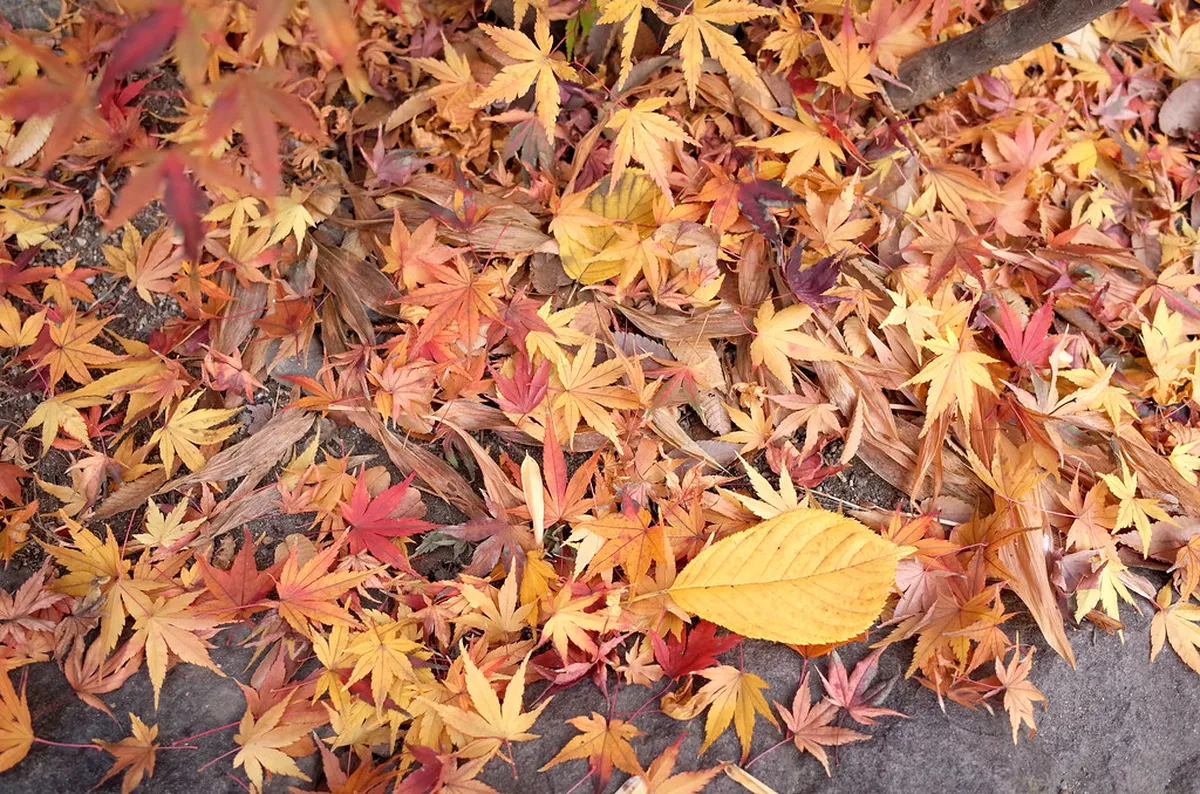
Late April to early May brings cherry blossoms to the temples and surrounding countryside — a quieter, crowd-free alternative if chestnuts are not your priority. Late October and November shift the palette to autumn foliage, with the temple gardens at Gansho-in and Genshoji particularly striking. Summer (July–August) is warm and uncrowded, though the main chestnut shops stock year-round confections so there is still plenty to eat.
September to November also coincides with fruit-picking season at nearby Nakajo Fruit Farm. The orchard grows Nagano apples and grapes renowned across Japan for their size and sweetness. The farm is about a 10-minute drive from Obuse Station — a taxi is the easiest option — and offers all-you-can-eat picking at reasonable prices. It is a worthwhile add-on if you have a full day and are visiting with children.
Hokusai Museum: Art & History
The Obuse Hokusai-kan Museum is the town's anchor attraction and the reason most visitors make the trip. It is dedicated entirely to Katsushika Hokusai (1760–1849), one of the most influential artists of the Edo period, who spent his final years in Obuse at the invitation of local patron Takai Kozan. The collection rotates regularly so repeat visits yield new works, but you will always find examples of his distinctive prints and paintings alongside documentation of how his style evolved in Obuse.
The museum is open daily 09:00–17:00 (closed 31 December and 1 January). Admission is ¥1,000 for adults. Plan around 60–90 minutes inside. Arrive at opening time to avoid school groups later in the morning.
Takai Kozan Memorial Museum: The Patron Behind Hokusai
Most visitors skip this museum, but it adds essential context to everything else in Obuse. Takai Kozan was the wealthy merchant and scholar who hosted Hokusai in his final years, effectively making Obuse the artist's last creative home. The memorial museum occupies Kozan's original townhouse — part of which served as Hokusai's atelier — and displays Kozan's own sumi-e ink paintings alongside his collections of artifacts, calligraphy, and Yokai illustrations. Kozan was himself a student of Hokusai, and the stylistic links between the two are visible in the exhibits.
The museum is located in the heart of town, a short walk from the Hokusai Museum. Admission and hours are similar; combined with the Hokusai Museum it extends your art circuit by about 30–45 minutes without any extra logistics.
Gansho-in Temple: Hokusai's Last Masterpiece
Gansho-in Temple holds Hokusai's most dramatic surviving work: a large ceiling painting called Happo-Nirami-Hoozu — "the phoenix glaring in all directions." Hokusai completed it in 1848 at the age of 89, one year before his death. Stand directly underneath and the phoenix appears to watch you from every angle, an effect that makes the small temple hall feel electric. This is the piece that seals the argument for Obuse as a serious art destination.
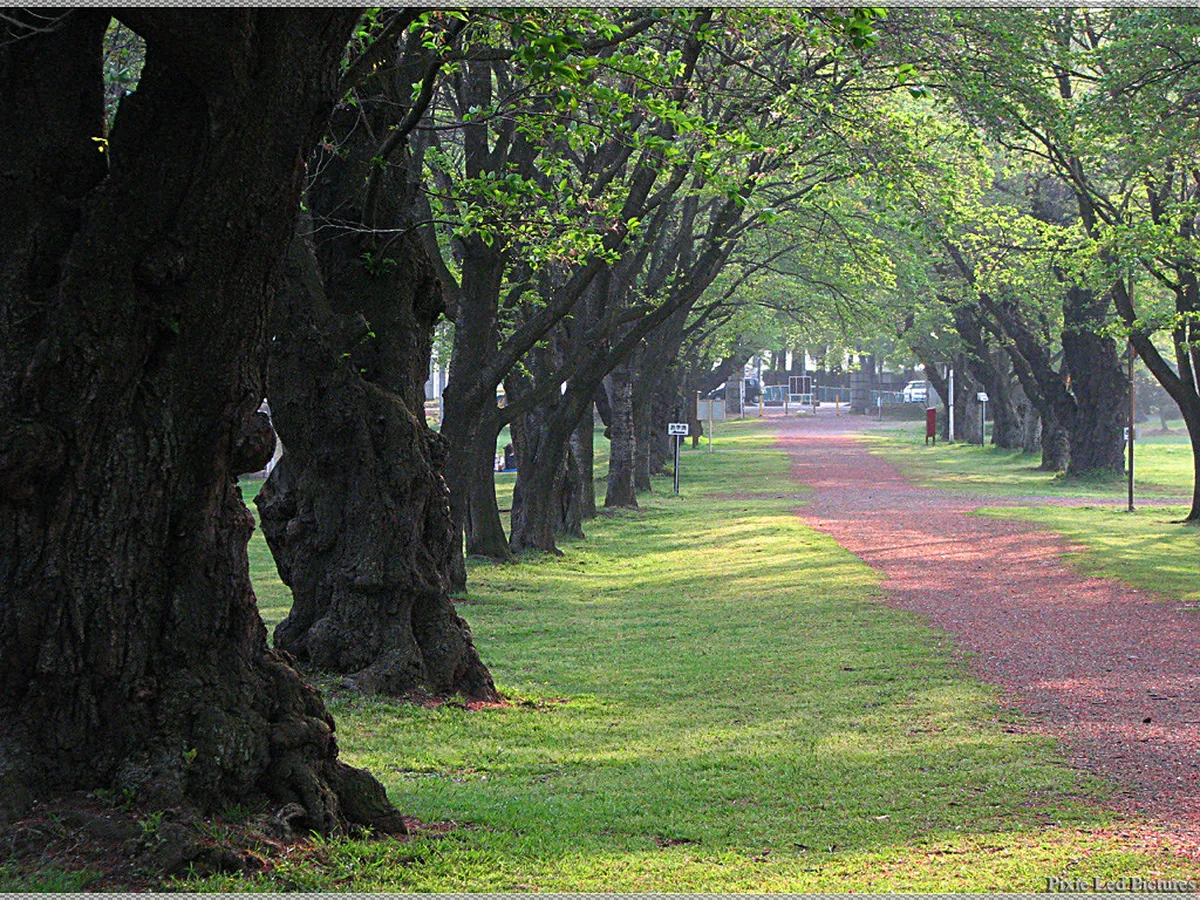
The temple sits at the eastern edge of town, about a 30-minute walk from the station or 10 minutes on the free shuttle bus. It is open daily 09:00–17:00; admission is ¥500. The temple grounds are also worth a slow circuit — the autumn foliage here is among the best in the area.
Masuichi Kyakuden: Sake Brewery & Cultural Hub
Masuichi Sake Brewery was founded in 1755 and has operated continuously since the Edo period, keeping production intentionally small to preserve craft quality. Its public-facing facility, Masuichi Kyakuden, is part tasting bar, part restaurant, and part guesthouse — all housed in a beautifully preserved merchant complex near the Hokusai Museum. At the bar counter, staff walk you through the range of sake and explain the flavour differences; tasting sets start from around ¥500.
If you want a proper meal, the restaurant serves local cuisine with the brewery's sake as a natural pairing; lunch sets start from around ¥2,000. Staying overnight at the Kyakuden guesthouse (rooms from around ¥25,000) gives you a quiet Obuse evening once the day-trippers leave — the courtyard at dusk is memorable. Book well ahead for dining and lodging, especially in autumn.
Obuse's Chestnut Shops: A Practical Eating Guide
Obuse has been supplying chestnuts to the Tokugawa shogunate since the Edo period — the acidic soil along the Chikuma River (Japan's longest river) produces large, sweet chestnuts unlike anything grown elsewhere in Japan. Obusedo and Chikufuudou are the two heavyweight shops, but there are half a dozen other producers worth stopping at.
Obusedo's headline product is the Suzaku (Kuri no Tenshin Suzaku) — pure chestnut flesh steamed and extruded into fine noodle-like strips, served with no added sugar. It costs ¥1,800 and is available only during the harvest season (mid-September to mid-October), only at Obusedo Honten in Obuse. The shop takes online reservations; walk-in seats exist but can sell out within an hour of opening. Plan for a 15-minute wait after being seated. The experience is quieter and more tea-ceremony-like than tourists expect — the Suzaku is not sweet and pairs better with the refillable green tea than with dessert expectations. If you want something sweeter, the Mont Blanc Suzaku (¥2,000) layers chestnut with custard and is available year-round.
Chikufuudou is the place for kuri okowa — steamed glutinous rice loaded with whole chestnuts. The Kuri Okowa Yamaga Teishoku set (around ¥1,500) pairs the okowa with mountain vegetables, rainbow trout, miso soup, and apple juice. The 1st-floor retail area sells boxed chestnut snacks to take home; note that chestnut mochi often sells out by early afternoon. Sakurai Kanseidou is smaller but stocks excellent whole-chestnut confections. For casual walking bites, look for chestnut dorayaki (pancake sandwiches with chestnut paste) and freshly roasted whole chestnuts — Obuse's roasted chestnuts are two to three times the size of what most visitors will have encountered elsewhere.
Temples, Studios & Local Crafts
Beyond the major museums, Obuse has a cluster of temples and craft spaces worth weaving into your walk. Saishouji Temple and Jokoji Temple are small Buddhist sites close to the town center — free to enter during daylight hours and useful as calm pauses between busier stops. Genshoji Temple sits slightly off the main tourist path and sees fewer visitors; its autumn foliage is particularly good. None of the three demand more than 20–30 minutes each.
GLASS STUDIO Licco offers glassblowing workshops starting from around ¥3,000. You can watch a demonstration or book a hands-on session to make a small piece to take home. The studio is a short walk from the Hokusai Museum; workshops fill up quickly on weekends so book in advance. Matsubaya is a traditional craft shop selling handmade textiles, ceramics, and lacquerware by local artisans — good for considered souvenirs rather than mass-market items. Ankannon no Yu is the town's public onsen (10:00–22:00, ¥600 adults), located slightly outside the center — a logical final stop before catching the evening train.
Floral Garden Obuse earns its nickname as the "town of flowers." Admission is ¥300 and it opens at 10:00. Late spring (roses) and early-to-mid autumn (dahlias, cosmos) offer the best color. It sits on the outskirts of town — factor in an extra 15-minute walk each way from the station.
Obuse's Sake & Wine Scene
Obuse is one of the rare places in Japan where sake and wine sit side by side in the local identity. Masuichi has been producing sake since 1755 using local rice and mountain water; tastings at the Kyakuden bar give you a grounded introduction. But Obuse Winery, established in the 1990s, introduced a genuinely different dimension — grape cultivation in Nagano's mountain climate produces wines that lean aromatic and mineral rather than tropical. Cellar-door tastings are available and the shop sells bottles unavailable outside the prefecture.
The combination is worth remarking on because it defies the usual single-product town narrative. Visitors who arrive expecting only chestnuts often leave surprised by the drinks. If you enjoy both, Masuichi in the morning (before lunch crowds) and Obuse Winery in the early afternoon — it is about a 10-minute walk from the center — works as an efficient pairing without rushing either stop.
Combining Obuse with the Snow Monkeys
Obuse and Jigokudani Snow Monkey Park Travel Guide share the same Nagaden train line, making a combined day trip from Nagano straightforward. Obuse Station and the Yudanaka/Shibu Onsen area (the base for Jigokudani) are about 20 minutes apart by express train. A realistic itinerary runs: arrive Obuse by 09:00, do the Hokusai Museum and Gansho-in Temple before lunch, eat chestnut okowa at Chikufuudou, then take the afternoon train up to Yudanaka for the monkey park (best light is late afternoon). This schedule works well in spring and autumn; in summer the monkeys are less compelling so consider spending the full day in Obuse instead.
If you want to overnight in the area without the cost of Yudanaka ryokan rates, Nagano City (25–35 minutes by Nagaden) has a wide range of hotels. Hotel Kokusai 21 is the established international option, walking distance from Nagano Station and Zenko-ji Temple. Hotel New Nagano NeXT is the budget-friendly alternative, two minutes from the station, fully refurbished in 2020. Both keep Obuse as an easy morning or afternoon excursion from a central base.
Frequently Asked Questions
Is Obuse, Japan worth visiting?
Yes, Obuse is highly worth visiting for its unique blend of art, history, and famous chestnut confectionery. It offers a refreshing and culturally rich experience, perfect for a day trip from Nagano City.
What is Obuse known for?
Obuse is primarily known for its deep connection to ukiyo-e artist Katsushika Hokusai, particularly the Hokusai Museum and Gansho-in Temple. It's also celebrated nationwide for its high-quality chestnuts and the delicious sweets made from them.
Is Obuse a walkable town?
Obuse is very much a walkable town. Most of its main attractions, including museums, shops, and restaurants, are concentrated within a compact area, easily accessible on foot from Obuse Station.
How far is Obuse from Nagano?
Obuse is approximately 18 kilometers (11 miles) northeast of Nagano City. The journey by Nagano Electric Railway takes about 30-45 minutes, making it a convenient excursion.
What are the best chestnut shops in Obuse?
Chikufuudou and Sakurai Kanseidou are two of the most famous and highly recommended chestnut shops in Obuse. Both offer a wide range of traditional chestnut sweets and delicacies, showcasing the local specialty.
Obuse earns its reputation with substance: the Hokusai Museum and Gansho-in Temple are genuine art highlights, the chestnut shops deliver flavors that are hard to replicate elsewhere, and the sake and wine pairing adds a dimension most visitors do not expect. Its compact size means you can cover a lot in half a day, or slow down and fill a full one. Plan around the autumn harvest if chestnuts are the draw, or visit in spring for blossoms without the queues. Either way, pair it with a visit to Jigokudani Snow Monkey Park Travel Guide or explore more of the wider Nagano region to make the most of the Nagaden line.
For tickets, hours and visitor details, see our Things to Do in Obuse: Visitor Guide & Day Trip Tips and Nagano attractions hub.
Free guide: Japan's Hidden Gems
12 under-the-radar places beyond Tokyo & Kyoto — with the best season to visit each and a local tip you won't find in the guidebooks.
You might also like


Continue reading
More guides you'll find useful

