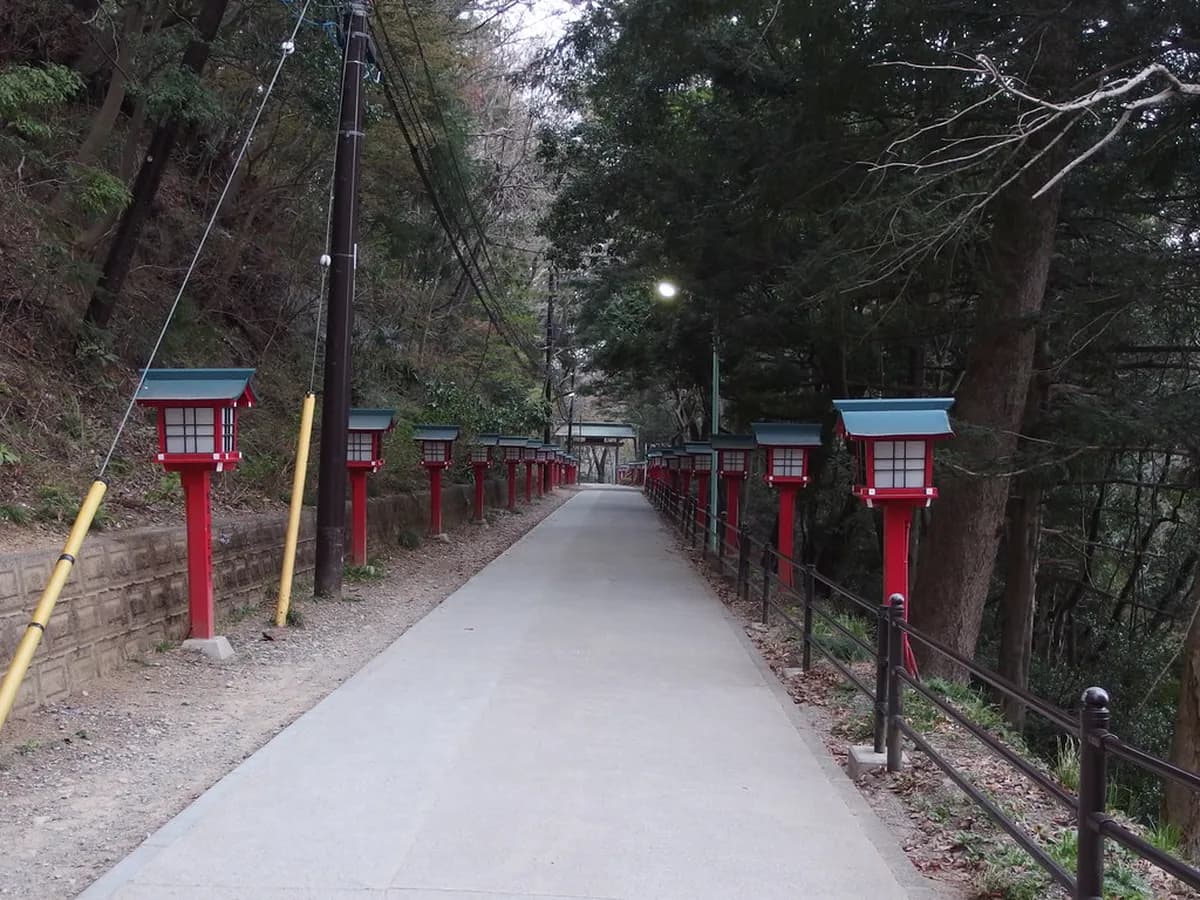
Togakushi Shrine in Winter: Ultimate Guide & Tips
Discover Togakushi Shrine in winter with our guide on how to get there, what to wear, hiking tips, and why it's worth visiting.
On this page
Togakushi Shrine sits high in the mountains of Nagano Prefecture, about 20 km north of Nagano Station. In winter, the famous cedar avenue becomes a hushed corridor of deep snow, the vermilion Zuishinmon Gate stands half-buried in white, and the whole complex empties of crowds. It is one of the most striking shrine experiences in Japan — and also one of the most physically demanding. This guide covers everything you need to plan a winter visit in 2026: what the shrine complex is, how to reach it by bus or car, what to wear, how long the hike takes, and whether it is actually worth the trip.
What is Togakushi Shrine?
Togakushi Shrine is not a single structure but a network of five separate shrines spread across Mount Togakushi. The five are Okusha (Upper Shrine), Chusha (Middle Shrine), Hokosha (Lower Shrine), Kuzuryu Shrine, and Hinomiko Shrine. Each stands independently along the mountain, connected by forested walking paths. Together they form one of the most important Shinto complexes in the Japanese Alps.
The main draw for most visitors is the approach to Okusha, which passes through a 2-kilometre avenue of ancient cedar trees, some several hundred years old. The avenue begins at the Zuishinmon Gate and ends at the innermost shrine building, hidden among the trees at the top of a rocky incline. The five shrines that make up the Togakushi Shrine each carry distinct mythological significance tied to the creation stories of Japan. The complex is open year-round, though access to some areas is restricted by snow in deep winter.
The area is also historically famous as the birthplace of the Togakure-ryu school of ninjutsu, one of the oldest documented ninja traditions in Japan. This heritage is still celebrated through the Togakushi Ninja Museum and the adjacent Ninja Village trick house — both located near Chusha Shrine and accessible even in winter. The ninja connection is not a tourist gimmick; the mountainous terrain here genuinely served as training ground for Togakure-ryu practitioners from the Heian period onwards.
Why Visit Togakushi Shrine in Winter?
Winter strips away the crowds and adds a quality of silence that other seasons cannot match. On a clear winter day, the cedar avenue is covered in deep powder, the ancient trunks dusted white, and the only sounds are the creak of branches and the crunch of snow underfoot. Photographers consistently rate this as one of the most visually striking shrine experiences in Japan. The contrast between the red Zuishinmon Gate and the surrounding white landscape is particularly striking.
There is also a strong spiritual logic to a winter visit. Togakushi Shrine draws large numbers of Japanese worshippers during the first three days of January for Hatsumode — the traditional New Year's first shrine visit. Even in this season, the crowds here are modest compared to urban shrines in Tokyo or Kyoto. Visiting on or around New Year's Day means participating in one of Japan's oldest religious customs in a genuinely mountain setting, rather than queuing in a city plaza.
Winter also brings practical advantages: no entrance fees, no tour buses, and significantly lower accommodation prices in Nagano. The Togakushi Ninja Museum remains open through winter, offering an indoor activity if the weather turns. And the Togakushi Ski Resort, Japan's closest ski resort to a shinkansen hub, is fully operational through March — making it possible to combine a shrine hike with a half-day of skiing.
How to Get to Togakushi Shrine (Especially in Winter)
The standard route is by bus from Nagano Station. Exit via the Zenkoji Exit, turn left and walk to the main intersection, then cross the road and continue left to Alpico Bus Stop No. 7. The No. 70 bus runs directly to Togakushi, stopping at all three main shrine areas along the way. The journey to Togakushi-Hokosha (Lower Shrine) takes about 50 minutes; Togakushi-Chusha (Middle Shrine) about 60 minutes; and Togakushi-Okusha Iriguchi (Upper Shrine trailhead) about 65 minutes from Nagano Station.
In winter, the bus terminates at Chusha Shrine — the upper sections of road are not served by regular buses due to snow. Seat reservations are encouraged on this route; check the bus timetable on Alpico's site before you travel. Pay the fare on board using cash or a contactless VISA card — IC cards such as Suica and Pasmo are not accepted on this route. The first bus from Nagano departs around 07:00.
Consider purchasing the Zenkoji Togakushi 1-day ticket if you plan to combine Togakushi with a stop at Zenkoji Temple. This pass costs 3,000 JPY and covers unlimited rides on designated Alpico buses for the day. It is available from the Alpico ticket office next to the bus stop. The one-way bus fare to Okusha Iriguchi is roughly 1,500 JPY without the pass.
Drivers should allow about one hour from central Nagano, or 1.5 hours from Matsumoto. Winter tires or chains are mandatory on this mountain road; a 4WD vehicle is strongly recommended. The large car park near the Okusha path requires payment; smaller free car parks exist at Hinomikosha and Chusha. From Tokyo, take the Hokuriku Shinkansen to Nagano (approx. 1 hour 20 minutes), then transfer to the Alpico bus — total journey from Tokyo Station is about 2.5 to 3 hours.
The Togakushi Shrine Hike: What to Expect in Winter
The full route connecting all three main shrines runs from Hokosha to Okusha, a distance of about 5.5 kilometres. In good conditions this takes around 2.5 hours one-way. In winter, with snow and ice on the trail, plan for 3 to 3.5 hours. Most visitors start from Chusha in winter because that is where the bus terminates, which means the practical round trip — Chusha to Okusha and back — covers about 4 kilometres and takes 1.5 to 2 hours depending on conditions.
The most celebrated section is the cedar avenue, which begins at the Zuishinmon Gate and runs for about 500 metres before opening onto the final approach to Okusha. In winter this stretch is flanked by trees loaded with snow, the path narrowed by drifts on either side. The atmosphere is quiet and genuinely otherworldly. Beyond the cedar avenue, a steep stone staircase leads up to the shrine building itself. These stairs are covered in packed ice from December through March and are the most technically demanding section of the hike.
Togakushi sits at an average elevation of about 1,200 metres above sea level. This means conditions can shift quickly — a clear morning can become overcast and snowing by early afternoon. Check weather forecasts for the nearby Togakushi ski resort the evening before for an accurate read on mountain conditions. The ski resort sits slightly higher than the shrines, so its forecast is a good proxy for what you will encounter on the trail.
One critical timing detail most visitors miss: winter bus services to and from Togakushi are significantly reduced and typically end in the mid-to-late afternoon. Missing the last bus back means an expensive taxi or waiting in the cold. Check the return timetable before you leave Nagano Station, and build your itinerary around the last viable departure from Chusha rather than the shrine you want to reach.
What to Wear for a Winter Hike at Togakushi
The single most important piece of gear is microspikes or lightweight crampons. The final staircase to Okusha is consistently iced over from December through March, and even tread-heavy boots provide insufficient grip. Crampons are available at outdoor shops in Nagano City, and Don Quijote (the large discount retailer near Nagano Station) often stocks basic microspikes at reasonable prices. If you arrive without them, you can still hike — but the final section to Okusha will be slow and slippery.
Layer for a combination of cold temperatures and physical exertion. A thermal base layer, a fleece or wool mid-layer, and a waterproof windproof outer shell are the standard setup. Temperatures on the mountain regularly drop to between -5°C and -10°C in January and February, and wind chill on the open sections near Okusha can make it feel considerably colder. Waterproof snow pants or insulated trousers over hiking leggings work well. Waterproof hiking boots are the minimum for footwear; insulated snow boots are warmer but can become heavy over 4-plus kilometres.
- Base: thermal top and bottom (merino or synthetic)
- Mid-layer: fleece jacket or wool sweater
- Outer: waterproof, windproof jacket and snow pants
- Footwear: waterproof hiking boots + microspikes or crampons
- Socks: wool or synthetic (bring a spare pair)
- Accessories: warm hat, waterproof gloves or mittens, neck gaiter
- Pack: water, snacks, portable charger, sunscreen, sunglasses (snow glare is significant)
There are limited places to warm up between Chusha and Okusha. A small rest area near the Zuishinmon Gate provides shelter, but do not count on open facilities. Carry hot tea or coffee in a thermos; it makes the summit moment considerably more pleasant.
The Ninja Village: Togakushi's Most Underrated Winter Stop
Most winter guides focus entirely on the shrine hike and overlook the Togakushi Ninja Village and Museum, which sits near Chusha Shrine and is open through the winter season. The museum covers the history of the Togakure-ryu school of ninjutsu in genuine depth — not the costumed-photo tourist version, but documentation of the school's techniques, weapons, and historical lineage going back roughly 900 years. Entry is around 800 JPY for the museum alone; combined tickets with the adjacent Ninja Trick House are available.
The practical reason to include this on a winter day: if you arrive at Chusha and the weather is poor — heavy snowfall, poor visibility, icy conditions on the upper trail — the Ninja Village gives you a meaningful indoor alternative rather than a wasted trip. It also works well as a warm-up stop before or after the hike. Families with children who find the shrine hike too demanding will find the Trick House a worthwhile substitute. The entire Ninja Village area is a short walk from the Chusha bus stop and does not require the upper trail hike.
Is Togakushi Shrine Worth Visiting?
Yes — with realistic expectations. Togakushi in winter is genuinely one of the most beautiful shrine experiences in Japan, and the low-crowd environment makes the spiritual atmosphere feel authentic rather than performative. The cedar avenue is as impressive in photographs as it is in person, and the physical challenge of the hike adds to the sense of arrival at Okusha.
The caveats: it is a real hike, not a temple stroll. The icy stairs near Okusha catch visitors off-guard every season, and a surprising number of people reach the Chusha bus stop without crampons and turn back before the best section. The reduced winter bus schedule requires more planning than a summer visit. And if visibility is low due to snowfall or cloud, the scenery that makes the trip worthwhile can simply disappear. Plan for the weather, bring the right gear, and check the bus return times — done correctly, it is a day worth travelling to Nagano for on its own.
Combining Togakushi with Other Nagano Attractions
The most efficient one-day itinerary from Nagano Station: visit Zenkoji Temple first thing in the morning (it is a 10-minute bus ride or 30-minute walk from the station), then catch the Alpico No. 70 bus to Togakushi around 09:00 to 10:00. This timing gives you the full afternoon at the shrine before the last return bus. The Zenkoji Togakushi 1-day pass covers both legs.
Combining Togakushi with the Jigokudani Snow Monkey Park Travel Guide on the same day is possible but long. There is no direct transport between the two; you must return to Nagano Station from Yudanaka and then catch the Togakushi bus. The round trip adds 2 to 3 hours of transit. Most visitors choose one or the other on a given day and treat them as separate day trips from Nagano.
For food, the Togakushi area is famous for its handmade buckwheat soba. Several restaurants near Chusha Shrine serve it year-round, though a few close in the deepest winter months. Arriving at Chusha around noon means you can eat before the hike, when your energy is high. The soba here uses local Togakushi-grown buckwheat and is noticeably different from the urban soba in Nagano City — heavier, earthier, and well-suited to a cold winter day.
Where to Stay Near Togakushi Shrine
Most visitors do Togakushi as a day trip from Nagano City, which keeps accommodation options broad and cost low. Nagano Station area has a full range of hotels from business chains (around 7,000–12,000 JPY per night) to mid-range options closer to Zenkoji. Staying in Nagano City also puts you close to the Alpico bus stop for an early-morning departure, which is important given the reduced winter bus frequency.
If you want to stay in Togakushi itself, a small number of traditional ryokan and minshuku guesthouses operate in the village year-round. Rates are generally lower in winter than in autumn peak season, typically 15,000–25,000 JPY per person including dinner and breakfast. Staying overnight lets you experience the shrines in the early morning before day visitors arrive — a significant advantage in any season, but especially in winter when the fresh snow is undisturbed. Book directly with properties, as many do not list on international booking platforms.
Frequently Asked Questions
How long does it take to walk Togakushi Shrine?
The full walk connecting all five shrines can take 4-5 hours. The popular path to Okusha Shrine from Chusha, including the cedar avenue, is about 2 km and takes 1.5-2 hours round trip in good weather. In winter, allow an extra hour due to snow and ice.
Is Togakushi Shrine worth visiting?
Yes, Togakushi Shrine is highly worth visiting for its spiritual ambiance, stunning natural beauty, and historical significance. The ancient cedar avenue is particularly impressive. It offers a unique cultural and hiking experience in Nagano.
Is Togakushi Shrine open today?
Togakushi Shrine is generally open year-round, but access to certain areas, especially the upper shrine (Okusha), can be affected by heavy snow in winter. Always check local conditions and bus schedules before your visit. Some smaller shops may close in low season.
Togakushi Shrine in winter is demanding, logistically specific, and genuinely spectacular. The cedar avenue under heavy snow, the Zuishinmon Gate against a white backdrop, the silence between the ancient trunks — these are images that stay with you. Bring crampons, check the last bus time, layer properly, and consider a stop at the Ninja Village if the weather turns. Done right, it is one of the best day trips available from Nagano in 2026.
For tickets, hours and visitor details, see our Togakushi Shrine Visitor Guide: Plan Your Trip to Nagano's Sacred Trails and Nagano attractions hub.
Free guide: Japan's Hidden Gems
12 under-the-radar places beyond Tokyo & Kyoto — with the best season to visit each and a local tip you won't find in the guidebooks.
You might also like


Continue reading
More guides you'll find useful