

Mitsumine Shrine Travel Guide
Plan mitsumine shrine with top picks, neighborhood context, timing tips, and practical booking advice for a smoother trip.
On this page
Mitsumine Shrine sits at 1,100 metres on the summit of Mt. Mitsumine in Chichibu-Tama-Kai National Park, roughly 90 minutes from central Tokyo. Unlike most Shinto shrines, which are guarded by fox statues or stone lion-dogs, Mitsumine honours the Japanese wolf — an animal now extinct but once revered as a divine protector. The result is one of Japan's most distinctive and atmospheric mountain sanctuaries.
The shrine's founding is traced to Yamato Takeru, a legendary warrior prince of the second century whose exploits are recorded in the Kojiki, Japan's oldest chronicle compiled in 712 CE. During the Edo period (1603–1868), pilgrims from what is now Tokyo walked the entire distance on foot to pray here for protection and good fortune. That tradition of long journeys to Mitsumine continues today.
This guide covers the main shrine complex, the hidden inner shrine on the mountain peak, how to reach Mitsumine by bus, and where to spend more time if a single afternoon is not enough.
Must-See Highlights Inside the Shrine Complex
The approach from the bus stop begins with a gravel path lined with stone lanterns and a towering triple-arch torii gate. Unlike the standard single-arch or tunnel torii found at most shrines, this three-arched gate is rare in Japan and marks your entry into Mitsumine's consecrated grounds. Wolf statues flank both sides — a sharp reminder that this is no ordinary shrine.
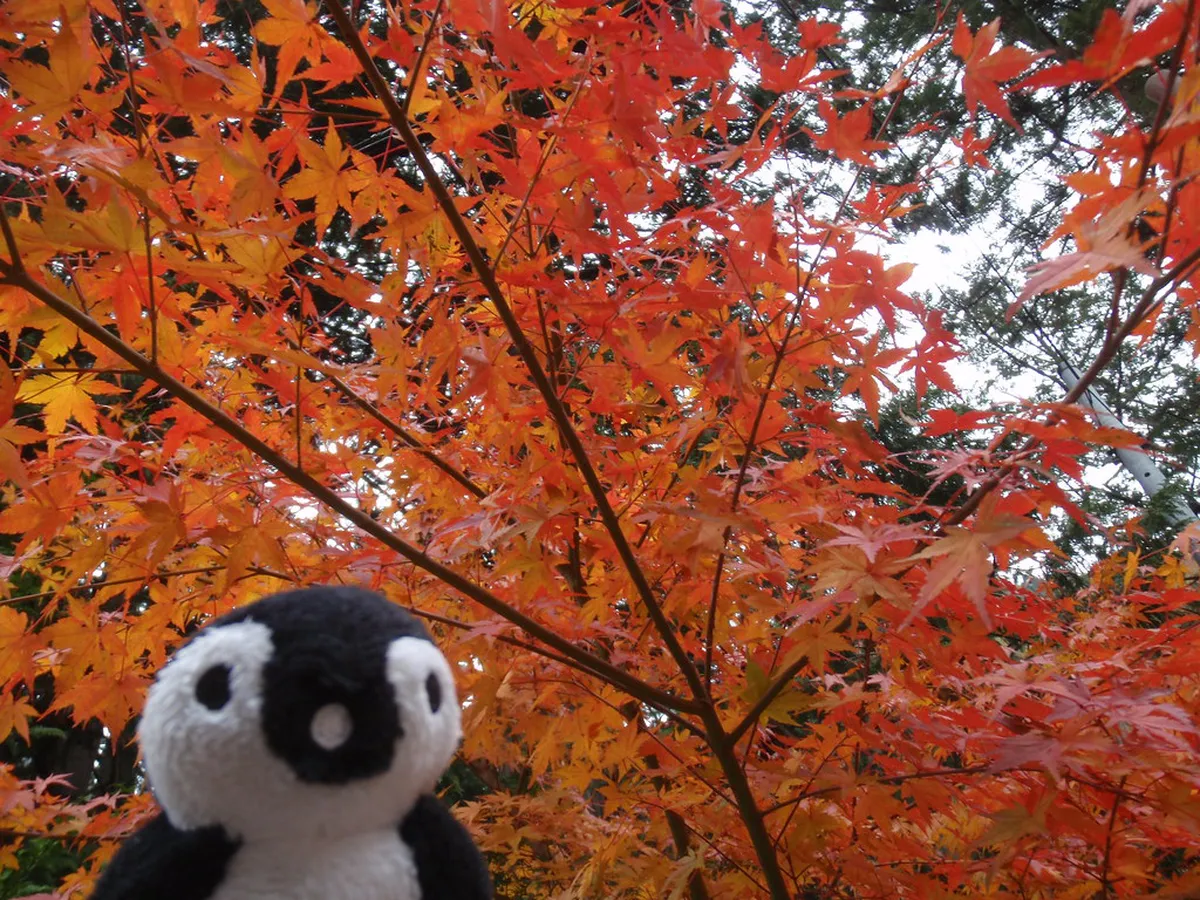
Beyond the torii, the path continues past two soba restaurants that hand-craft their own noodles daily. These are worth a stop on the way back, especially after a full morning of walking. Continuing on, the stone-paved approach passes rows of ancient epitaphs before reaching a three-way fork in the path.
Take the left fork down to the Zuishinmon gate, the most visually striking structure in the complex. Every surface is covered in elaborate wood carvings of flowers, birds, and mythical creatures, all painted in vivid lacquered colours. The level of craftsmanship rivals the famous Toshogu Shrine in Nikko, yet far fewer visitors make the trip. Wolf statues guard both sides of this gate as well.
Past the Zuishinmon, a short climb leads to the haiden (worship hall). Before approaching, stop at the temizuya water pavilion on the left to purify your hands in the traditional manner. In front of the haiden stand three enormous ancient cedar trees; local belief holds that placing your palms and forehead against the trunks allows you to absorb spiritual energy. A cluster of smaller sub-shrines lines the right side of the main area, including an offering dedicated to the Tokugawa family. The Yamato Takeru statue is a short climb above the main complex if you want to see the figure credited with founding the shrine.
The Okunoin: The Real Power Spot Most Visitors Never Find
At the main Mitsumine complex most visitors stop, pray, and head back to wait for the bus. What they miss is the Okunoin — the inner sanctuary on the actual mountain peak, roughly 30 minutes up a steep trail beyond the main shrine. Local regulars consider this the true spiritual heart of Mitsumine, the place where the mountain deity actually resides.
The trail begins clearly marked, but the forest thickens quickly and crowds thin to almost nothing. The ascent involves some ladder sections, chains, and rocky scrambles in the final stretch — genuinely steep, but manageable for anyone in reasonable health. At the top stands a small, weathered wolf shrine. The quiet here is total. Clouds frequently engulf the summit, sometimes parting briefly to reveal a sea of peaks stretching across Saitama and Yamanashi.
Allow 60–90 minutes for the round trip from the main haiden. If you take the 10:05 AM bus from Seibu-Chichibu Station and walk briskly through the main complex first, you will still have time for Okunoin and be back at the bus stop before the 4:30 PM last departure. Do not attempt this in poor visibility or after heavy rain — the rocky upper section becomes slippery fast.
The Wolf Guardians: Why Mitsumine Venerates an Extinct Animal
The Japanese wolf (Canis lupus hodophilax) was declared extinct in 1905. At Mitsumine, the okami — written with the characters for "great" and "god" — was regarded as a protector of crops, villages, and travellers long before extinction. Farmers prayed here for wolves to keep deer and boar from destroying their fields. The protective role explains why wolf imagery is embedded into every gate, path, and sub-shrine throughout the complex.
The connection to mountain asceticism adds another layer. Mitsumine was historically a site of shugendo, a practice blending Shinto mountain worship with Buddhist discipline. The Zuishinmon gate — typically a Buddhist architectural form — appears here precisely because the two traditions were intertwined for centuries before the Meiji government forcibly separated them in 1868. Many of those hybrid elements remain visible today.
At the shrine office you can purchase wolf-themed omamori (protective charms) and collect a goshuin (red-ink stamp seal) for your stamp book. The wolf charm is one of the most specific and recognisable in all of Japan's shrine system — it makes a more meaningful souvenir than the generic luck charms sold at tourist-heavy shrines closer to Tokyo. A small treasure hall beside the approach torii holds wolf pelts, imperial documents, and artefacts related to the shrine's history. Entry costs a couple of hundred yen and is a worthwhile ten-minute stop while waiting for the bus back.
The Lookout, the Sea of Clouds, and the Surrounding Park
The viewpoint at Mitsumine is reached by taking the right fork at the three-way split near the Zuishinmon. A short flight of stairs brings you to an open platform with panoramic views across the ridges of Chichibu-Tama-Kai National Park. On clear days you can see a wide sweep of mountains; on overcast days the mist drapes across the hillsides in a way that feels genuinely otherworldly.
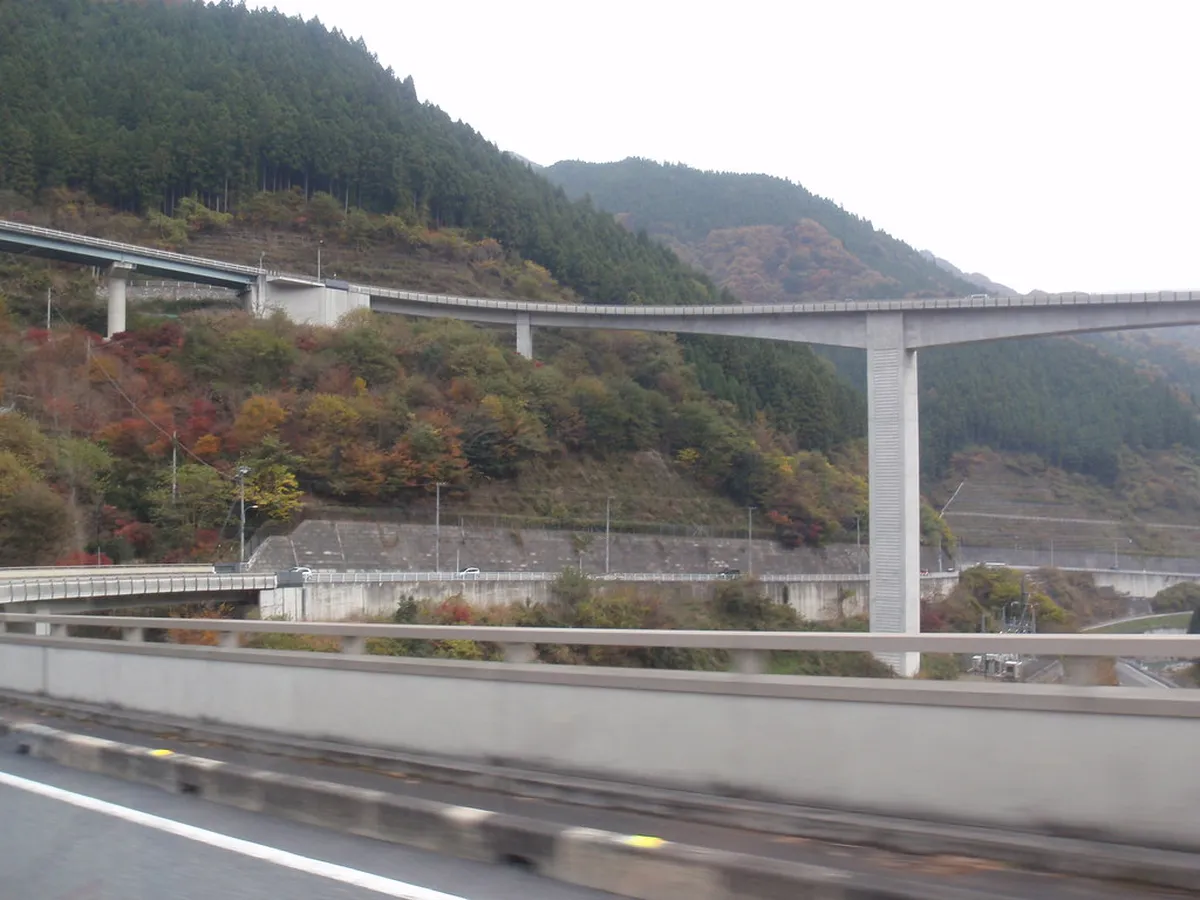
The most celebrated natural phenomenon here is unkai — literally "sea of clouds." When temperature and humidity align, a layer of cloud fills the valleys while the summit stays clear above it, turning the surrounding peaks into islands floating on white. Autumn mornings (October and November) are the most reliable window, though unkai can appear at any time of year when conditions are right. Arriving on the first bus of the day maximises the chance of seeing it before the clouds burn off.
For those who want more than the shrine circuit, Chichibu's wider park network offers forest trails that connect to neighbouring peaks including Mt. Kumotori, the highest mountain in Tokyo Prefecture. The hiking trail up to the shrine from the valley below covers 3.7 km and climbs more than 700 metres, taking around 2.5 to 3 hours. It is a strenuous but well-maintained route that turns the visit into a full-day mountain adventure rather than a simple bus excursion.
Staying Overnight: Mitsumine Shrine Kounkaku
Few visitors realise that Mitsumine Shrine operates its own lodging facility, the Mitsumine Shrine Kounkaku, situated just behind the shrine office. This is a genuine onsen ryokan within the shrine grounds — a rare combination. Overnight stays require advance reservation and sell out quickly, particularly on autumn weekends.
Day visitors who are not staying overnight can still use the natural hot spring bath for 600 yen. After several hours of hiking and shrine exploration, this is an excellent way to rest before the bus ride back. The only firm constraint is the last bus: it departs Mitsumine at 4:30 PM sharp for Seibu-Chichibu Station. Budget your time in the onsen accordingly.
Staying overnight unlocks the shrine at dawn, before the day-trip crowds arrive on the morning buses. The early light through the cedar forest and the quiet of the complex before 09:00 is a very different experience from the midday rush. If you are combining Mitsumine with a broader Chichibu Day Trip From Tokyo Travel Guide, an overnight stay makes it possible to do the Okunoin hike in the morning and visit Nagatoro or Hitsujiyama Park in the afternoon of the following day.
Getting to Mitsumine Shrine from Tokyo
The fastest route from central Tokyo is the Seibu Laview Limited Express from Seibu Ikebukuro Station, which reaches Seibu-Chichibu Station in approximately 90 minutes. A reserved-seat surcharge of a few hundred yen applies on top of the base fare. Standard express trains also run on the same line and cost less, but add 20–30 minutes to the journey. Check Jorudan or Google Maps for live schedules before you leave.
From Seibu-Chichibu Station, take the bus from stop number five, directly in front of the station building. The fare is 930 yen each way. IC cards (Suica, Pasmo) are accepted and strongly recommended — the bus cannot break large notes, and fumbling with change while a queue builds behind you is avoidable. The bus ride takes about 45 minutes to one hour depending on traffic; mountain roads and autumn leaf-viewing weekends can add significant time.
Buses are limited to a handful of departures daily: 9:10, 10:05, 12:15, 14:00, and 15:00, with an additional 8:30 departure on Saturdays, Sundays, and public holidays. The 10:05 bus is the recommended choice for a full-day visit — it gives you roughly six hours at the shrine before the last return bus at 16:30. Arriving on the earlier weekend bus (8:30) is worth the effort if you want quieter early-morning access or plan to hike the Okunoin trail. The ropeway that once served the mountain closed in 2006 and is no longer an option.
Planning Tips: Families, Budgets, and Seasonal Timing
Entry to the main shrine grounds is free. The treasure hall costs a couple of hundred yen. The Kounkaku day-use onsen is 600 yen. Bus fares (930 yen each way) and the train are the main costs for a day trip. A full day out from Tokyo — train, bus, shrine, onsen — typically comes to around 5,000–6,000 yen per person without meals.
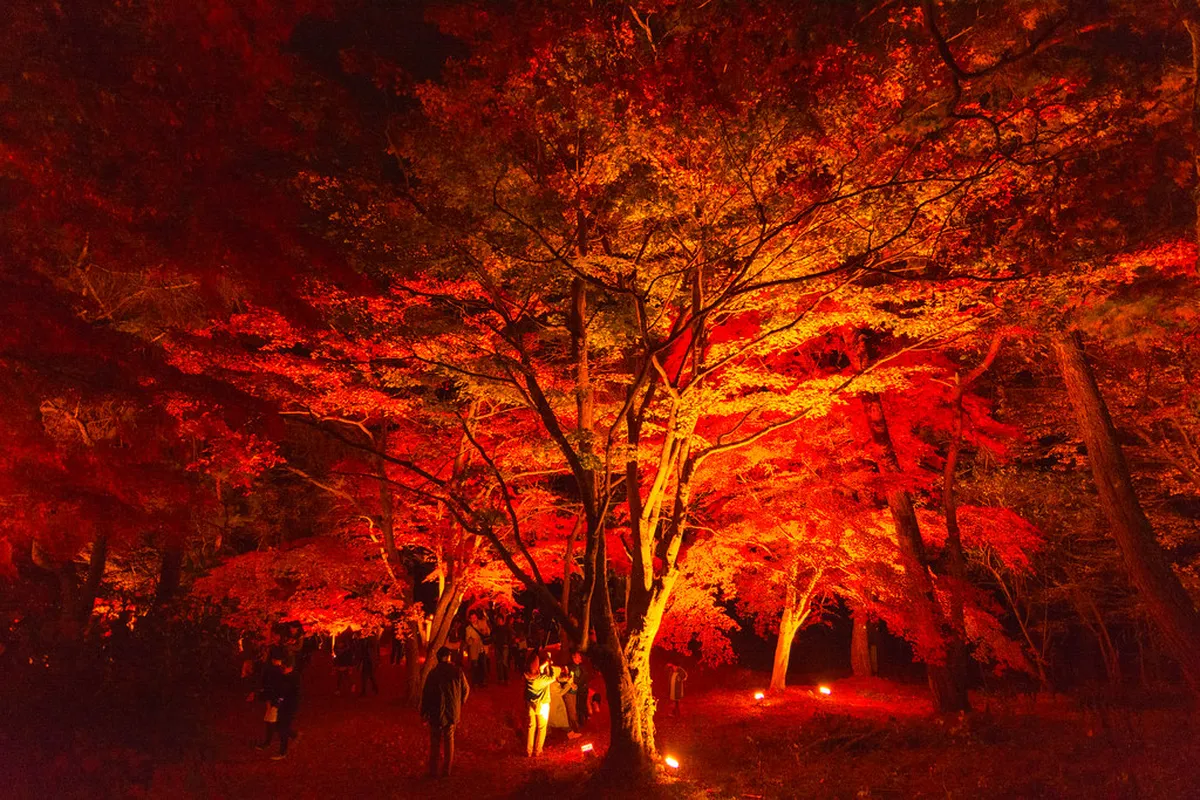
Families with children who can manage uphill walking will find the main shrine circuit manageable. The approach from the bus stop to the haiden involves steady uphill sections and stone stairs but no technical terrain. The Okunoin trail with its ladders and chains is not suitable for young children. The soba restaurants at the entrance are good for a filling lunch at reasonable mountain prices.
Autumn (October to November) is the peak season for foliage and unkai sightings, which means crowded buses and a queue for the return journey. Arriving early is strongly advised. Late spring (April to May) and early summer offer lush greenery and cooler temperatures with fewer crowds. Winter visits are possible but the trail to Okunoin may be icy and dangerous. Check the Chichibu Shrine Travel Guide and the official Mitsumine website for annual festival dates, which can draw large numbers and affect bus availability.
Frequently Asked Questions
What is the meaning of the Mitsumine Shrine?
Mitsumine Shrine is a sacred Shinto shrine dedicated to the mountain gods and known for its wolf guardians, Ooguchi Makami. It serves as a spiritual power spot, offering protection and good fortune. The shrine holds deep cultural and historical significance in Japan.
How long to spend at Mitsumine Shrine?
Plan to spend at least 2-3 hours exploring Mitsumine Shrine to fully appreciate its main attractions and serene atmosphere. If you include hiking or visit during a festival, allocate 4-5 hours or more. The bus ride itself takes about 45 minutes each way.
How do you get to the Mitsumine Shrine?
To reach Mitsumine Shrine, take a train to Seibu-Chichibu Station or Chichibu Station. From there, board a local bus directly to the shrine. The bus journey takes around 45 minutes, and schedules are limited. Check bus times carefully for your return trip.
What is the most controversial shrine in Japan?
While Mitsumine Shrine is known for its unique wolf guardians, it is not considered the most controversial shrine in Japan. That title often goes to Yasukuni Shrine in Tokyo due to its historical associations. Mitsumine Shrine focuses on mountain worship and protection.
Mitsumine Shrine rewards visitors who plan ahead. The bus schedule is unforgiving, the mountain weather changes fast, and the best parts of the visit — the Zuishinmon carvings, the cedar trees, the Okunoin trail, the sea of clouds at the lookout — require time you will not have if you arrive on a late bus. Aim for the 10:05 AM departure from Seibu-Chichibu, carry an IC card, wear walking shoes, and keep an eye on the 16:30 last bus.
For anyone looking to combine Mitsumine with the wider region, Chichibu's day trip options and the Chichibu Night Festival Travel Guide make for a compelling multi-day visit. The shrine itself is unlike anything else in the Kanto region — a mountaintop wolf sanctuary with genuine historical depth and a natural setting that earns the journey.
For tickets, hours and visitor details, see our Mitsumine Shrine Visitor Guide & Itinerary: Plan Your Trip and Chichibu attractions hub.
Free guide: Japan's Hidden Gems
12 under-the-radar places beyond Tokyo & Kyoto — with the best season to visit each and a local tip you won't find in the guidebooks.
You might also like


Continue reading
More guides you'll find useful
