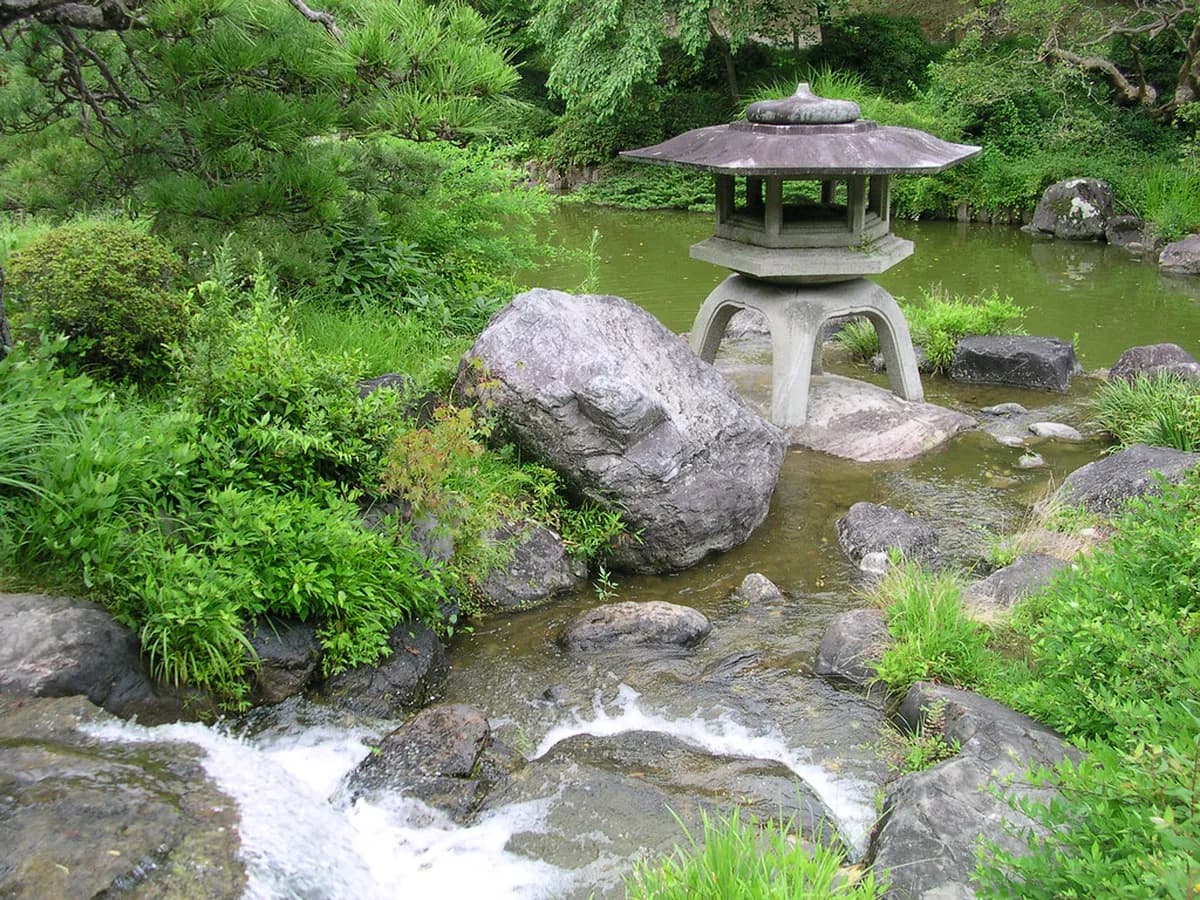
Chichibu Shrine Travel Guide
Plan chichibu shrine with top picks, neighborhood context, timing tips, and practical booking advice for a smoother trip.
On this page
Chichibu Shrine (秩父神社) is one of Japan's oldest Shinto sites, founded during the reign of Emperor Sujin — the legendary tenth emperor — more than 2,100 years ago. Its current building was constructed on the orders of Tokugawa Ieyasu in the late sixteenth century after fire destroyed an earlier structure, and it was designated a national Tangible Cultural Property in 1956. The shrine enshrines four deities known collectively as the "four pillars": the ancestral deity Yagokoro Omoikane, the administrator Chichibu Hiko, the Shinto deity Ame no Minakanushi no Kami, and Prince Chichibu (1902–1953), younger brother of Emperor Shōwa, who was enshrined in 1984.
Beyond the shrine, the city of Chichibu in Saitama Prefecture offers a layered day trip from Tokyo: mountain shrines, a springtime flower park, a silk-era streetscape, and a hot-spring complex all within reach of a single train line. This guide covers the shrine in full detail, then maps out the supporting cast of attractions.
Chichibu Shrine: Architecture and Carvings
The shrine building follows the gongen-zukuri architectural style, and its four exterior eaves are covered in elaborate wood carvings attributed to the legendary artist Hidari Jingorō (active 1624–1644) — the same craftsman credited with the famous "Sleeping Cat" at Tōshōgū Shrine in Nikkō. Each side of the building carries a different carving, and each carries its own meaning worth knowing before you arrive.
The south (front) facade displays the "child-rearing tigers" (kosodate no tora), a nod to Tokugawa Ieyasu's patronage — he was born in the year, day, and hour of the tiger. Look carefully: one of the cubs is actually a leopard. Tigers were not native to Japan, and by the early seventeenth century artists had no reliable reference for what a female tiger looked like. Jingorō saw a leopard and concluded it was the female of the species, and carved accordingly. That leopard has sat quietly among the cubs for four centuries.
The west side shows three monkeys, but these are not the familiar "hear no evil, see no evil, speak no evil" (sanzaru) of Buddhist iconography. Jingorō carved the "three rowdy monkeys" (ogenki sanzaru), who "listen closely," "look intently," and "speak clearly." The north face carries the "North Star Owl" (hokushin no fukurō), whose name contains a pun: fu-kurō means "without grueling effort," which is the basis for the shrine's reputation as a place to pray for academic success. The owl faces inward toward the deities while looking backward over its shoulder — a deliberate pose so it does not show its backside to the enshrined deities. The east face holds the "chained dragon" (tsunagi no ryū); according to local legend, the carving was once a real dragon from nearby Tengaike Pond, and chains were added after puddles kept forming below the panel whenever the dragon was restless.
Visiting the shrine is said to grant blessings for academic success, familial safety, and prosperity for one's descendants — each tied directly to the four carvings. Admission to the shrine grounds is free.
Chichibu Night Festival and Seasonal Events
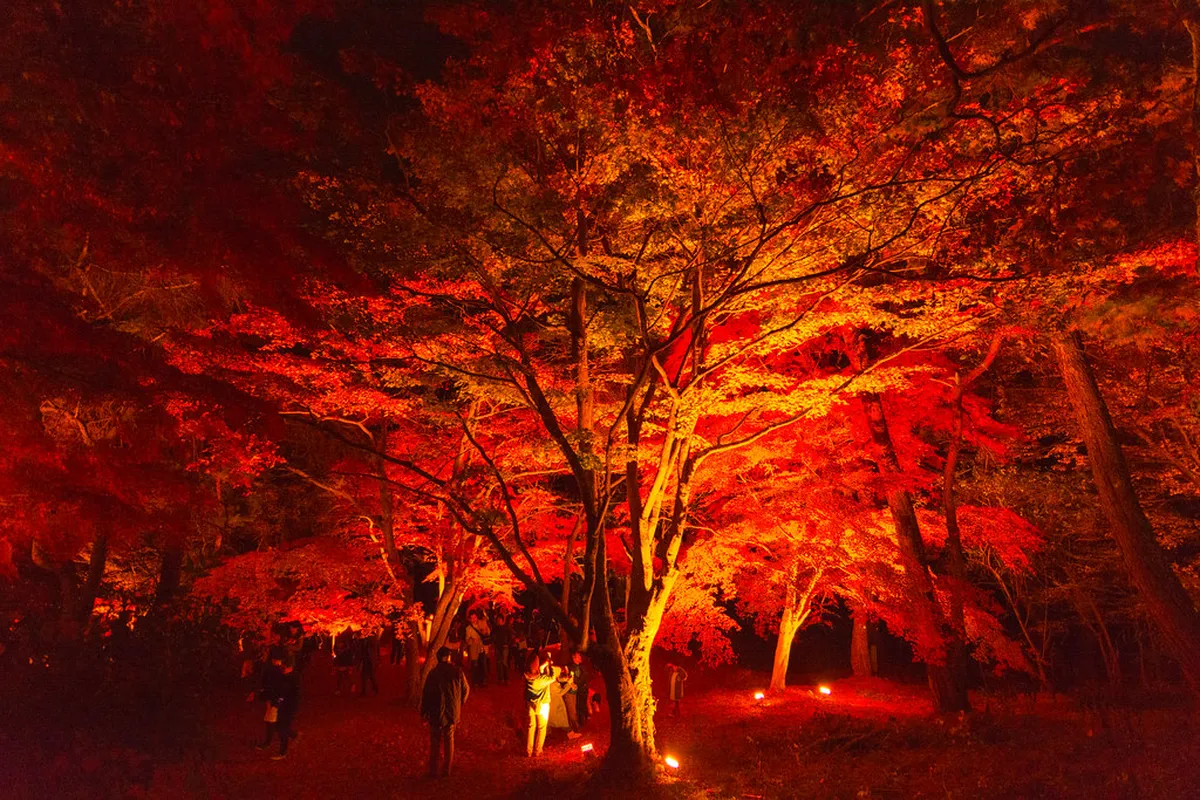
Chichibu Shrine is the focus of the Chichibu Night Festival (秩父夜祭), held on 2–3 December each year. It is listed as a UNESCO Intangible Cultural Heritage and is considered one of Japan's three great float festivals alongside Gion Matsuri in Kyoto and Takayama Matsuri. Enormous wooden floats called yatai and kasaboko are hauled through the city streets by teams of men in traditional costume, culminating in a fireworks display over the Arakawa River after midnight. If you are visiting in 2026, book accommodation well in advance — the town fills completely on the main night of 3 December.
The Chichibu Festival Museum (秩父まつり会館), a short walk from the shrine, houses one of the actual festival floats and runs audio-visual exhibits year-round. Entry costs around 500 yen for adults. It is a worthwhile stop if you cannot visit during the festival itself or want context before exploring the shrine grounds.
The Mitsumine Shrine: A Jewel Hidden in Mountains
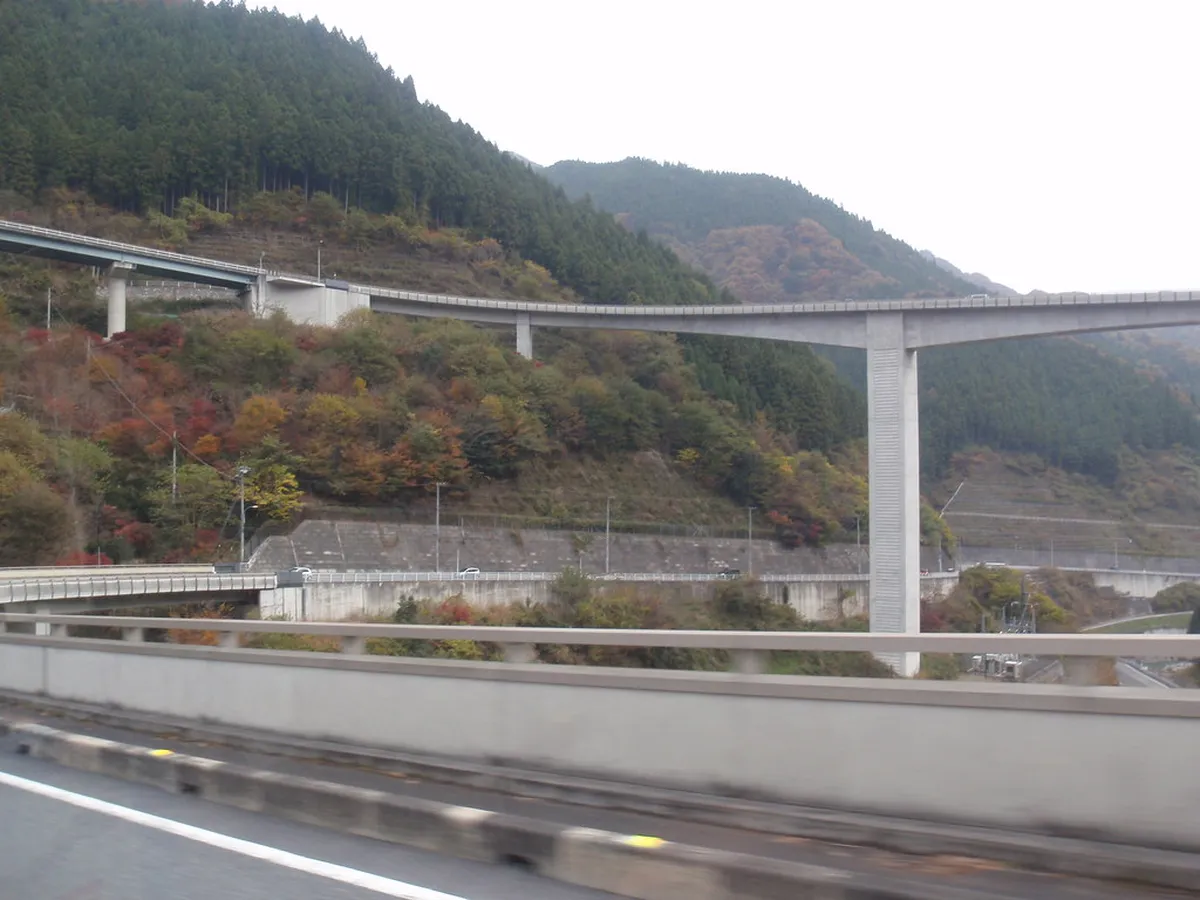
The mountains around Chichibu hold a network of pilgrimage shrines, the most dramatic of which is Mitsumine-jinja (三峯神社), set at roughly 1,100 metres elevation in the Chichibu-Tama-Kai National Park. Unlike Chichibu Shrine in the city centre, reaching Mitsumine requires a 75-minute bus ride from Seibu-Chichibu Station through mountain valleys. The journey is scenic rather than tedious: expect forested gorge views and, in winter, frozen rivers between narrow peaks.
The bus stops at a parking lot about five minutes' walk from the entrance — a pair of large white torii gates with three openings that announce the boundary of the sacred precinct. Unlike most shrines, Mitsumine is guarded not by stone lion-dogs (komainu) but by wolves, a detail unique to the region's mountain deity tradition. Near the parking lot, a small free museum covers the local fauna, flora, and traditions, though its displays are currently Japanese-only. The shrine trail continues further up into the mountains as a proper hiking course; sign in at the trailhead register as required — bears and icy paths are real hazards here, not just signage.
For a break before the return bus, the Oinu Chaya (お犬茶屋) restaurant adjacent to the parking lot serves konnyaku skewers with miso sauce and has tatami seating with mountain views. Plan for a minimum of four hours for the round trip from Chichibu city, making this a full-day excursion rather than a quick add-on. Pair it with a visit to Chichibu Day Trip From Tokyo Travel Guide planning tips for timing.
In the Spring: Shibazakura at Hitsujiyama Park
From mid-April to early May, Hitsujiyama Park hosts one of Japan's most photographed seasonal displays: a hillside blanket of shibazakura (芝桜), or moss phlox, in alternating bands of deep pink, pale pink, and white. The blooms are not cherry trees despite the name — phlox is a low-growing ground cover that creates a carpet effect rather than a canopy, giving the landscape a distinctly different texture from a typical hanami park. Peak timing shifts year to year with temperature; check the Chichibu Area Tourism Organization website in early April for the current forecast.
Admission to Shibazakura Hill within Hitsujiyama Park runs approximately 300 yen for adults during the peak festival period. The park is about 15 minutes on foot from Seibu-Chichibu Station, or a short taxi ride. Arrive by 09:00 if possible — by mid-morning on weekends the narrow paths become congested. Flat, paved walkways make the area accessible for strollers and wheelchairs. See our full guide to Hitsujiyama Park Shibazakura Travel Guide for bloom-tracker links and transport details.
Walk into the City Centre on the Chichibu Silk Road
Chichibu prospered through silk production from the Edo period through the early Showa era. The locally woven fabric, called Chichibu Meisen (秩父銘仙), became popular across Japan for its durability and shimmering geometric patterns, and the industry's legacy is still visible in the low-rise commercial streetscape between the shrine and Chichibu Station. Many buildings date to the Taisho and early Showa periods (roughly 1912–1950), giving the streets an unhurried, early-twentieth-century atmosphere that contrasts sharply with the brand-name density of Tokyo.
One stop worth making is Kaikoya (かいこ家, "silkworm house"), a private home with a small room open to the street displaying kimonos, tools, silk coils, and objects from the weaving era — an informal neighbourhood museum that costs nothing to browse. Local craft shops and noodle restaurants fill the surrounding blocks. The walk from Chichibu Station to the shrine along this route takes about ten minutes at a stroll. Combine it with a visit to other Chichibu attractions in the same precinct.
Matsuri no Yu: Onsen, Restaurants, and Souvenirs
Matsuri no Yu (祭の湯) sits directly adjacent to Seibu-Chichibu Station and functions as the practical endpoint for a day trip: a hot-spring complex with indoor and outdoor baths, saunas, and hot-stone rooms on the upper floors, and a sprawling retail and food hall on the ground level. The hot spring is a genuine onsen fed by local mineral water, not a heated-tap facility — it is a satisfying way to close a day that has involved hiking or festival crowds.
The food hall runs counter-style service with separate stations for ramen, soba, and set meals. The local speciality to order is Waraji Katsu Donburi — thin slices of marinated pork, breaded and fried, served over rice in a bowl. The name comes from waraji, the traditional straw sandals the pork slices supposedly resemble when cut thin. The souvenir section stocks local sake, wagashi, Chichibu Meisen accessories, and packaged Chichibu soba. Detailed opening hours and bath prices (typically around 1,200–1,500 yen for adults) are on the official site, though largely in Japanese; English signage inside the facility is adequate for navigation. More information on Chichibu Matsuri no Yu is provided by the Japan Tourism Agency.
How to Get to Chichibu and Get Around
The fastest route from Tokyo is the Seibu Red Arrow Limited Express, which runs nonstop between Ikebukuro Station and Seibu-Chichibu Station in 78 minutes. Local trains on the same Seibu Ikebukuro Line take longer but cost less; the journey with a change at Hannō takes around 90 minutes. Seibu Railways offers a two-day Chichibu pass covering both the train fare and local buses; details and current pricing are on the Seibu Railway discount passes page.
Within the city, the Chichibu Shrine and the Silk Road streetscape are a ten-minute walk from Chichibu Station (one stop before Seibu-Chichibu on the Chichibu Railway line). Hitsujiyama Park is 15 minutes on foot from Seibu-Chichibu Station. Mitsumine Shrine requires the Nishimurayama bus from Seibu-Chichibu Station (roughly every 60–90 minutes; confirm schedules in advance at the station). Matsuri no Yu is immediately next to Seibu-Chichibu Station — you exit directly into it. Most visitors can manage the city centre sites on foot; only Mitsumine demands a long bus commitment.
A practical day-trip sequence for 2026: take an early Red Arrow to arrive by 09:00, walk the Silk Road to Chichibu Shrine (open from 05:00), spend an hour with the carvings, then head to Hitsujiyama Park in spring or Mitsumine on other dates, return via Matsuri no Yu in the late afternoon, and catch the Red Arrow back before the evening rush.
Chichibu Area Tourism Organization
The Chichibu Area Tourism Organization (一般社団法人秩父地域おもてなし観光公社) maintains the official English-language tourism portal for the region. It is the most reliable source for current opening hours, seasonal event dates, and transport updates — useful because bus timetables to Mitsumine and admission fees at Hitsujiyama Park change annually. The organization operates a tourist information office near Seibu-Chichibu Station staffed with English-speaking advisors during peak seasons.
For festival visitors, the organization publishes advance information on the December Night Festival including shuttle bus routes, viewing stand access, and accommodation availability. Its website is an essential first stop when planning a Chichibu visit in 2026.
Frequently Asked Questions
What is the most controversial shrine in Japan?
There is no single 'most controversial' shrine in Japan, as different sites may hold varying levels of debate. However, Yasukuni Shrine in Tokyo often sparks international discussion due to its commemoration of war dead, including convicted war criminals. Chichibu Shrine does not typically fall into this category of controversy.
Is Chichibu worth visiting?
Yes, Chichibu is definitely worth visiting for its blend of historical shrines, natural beauty, and vibrant festivals. It offers a refreshing escape from Tokyo's urban bustle with a distinct traditional charm. The city provides diverse attractions for all types of travelers.
What is Japan's most famous shrine?
Japan boasts many famous shrines, but Fushimi Inari-taisha in Kyoto is arguably one of the most iconic globally. Its thousands of vermilion torii gates create a stunning visual experience that attracts millions. While Chichibu Shrine is historically significant, it is not as internationally recognized as Fushimi Inari-taisha.
Where is Chichibu Shrine located?
Chichibu Shrine is located in the city of Chichibu, Saitama Prefecture, Japan. It is easily accessible by train from Tokyo, making it a popular day trip destination. The shrine is a central point within the city, close to other attractions and the main station.
Chichibu Shrine rewards visitors who look closely: the four carved panels on its eaves are not decoration for decoration's sake but a layered programme of mythology, historical patronage, and wordplay that has accumulated over four centuries. Combined with the Night Festival, the mountain remoteness of Mitsumine, the spring colour of Hitsujiyama Park, and the convenience of Matsuri no Yu, the city offers a day trip from Tokyo with genuine depth rather than a single photogenic stop.
Use the Chichibu Area Tourism Organization's English portal to confirm seasonal timing before you travel, buy the Seibu two-day pass if you plan to use local buses, and budget at least eight hours if you want to fit the city shrines and Mitsumine into a single visit. Arrive early, bring comfortable shoes, and the carvings will give you plenty to think about on the train home.
For tickets, hours and visitor details, see our Chichibu Shrine Visitor Guide: Plan Your Trip to Saitama's Enchanting City and Chichibu attractions hub.
Free guide: Japan's Hidden Gems
12 under-the-radar places beyond Tokyo & Kyoto — with the best season to visit each and a local tip you won't find in the guidebooks.
You might also like


Continue reading
More guides you'll find useful