

Nikko Travel Guide: The Ultimate Trip Planner
Plan your Nikko trip with our comprehensive guide. Covers the Nikko Pass, top shrines like Toshogu, Lake Chuzenji nature trails, and the best day trip itineraries from Tokyo.
On this page
Nikko is a mountain town in Tochigi Prefecture about 140 km north of Tokyo. It holds the final resting place of Tokugawa Ieyasu, the shogun who unified Japan, and sits inside a national park filled with waterfalls, volcanic lakes, and high-altitude marshlands. The combination of UNESCO-listed architecture and raw mountain scenery makes it one of the most complete day trips you can do from the capital in 2026. If you prefer mountain culture to coastal scenery, Kamakura offers similar temple heritage closer to the city.
This guide covers everything you need to plan a visit: how to get there by train, which pass actually saves you money, a realistic day itinerary, and where to stay if you want more than one day. We also flag the common mistakes first-timers make at Toshogu so you can avoid them.
Is Nikko Worth Visiting?
Nikko contains 103 religious structures spread across forested hillsides, all designated as a UNESCO World Heritage site.
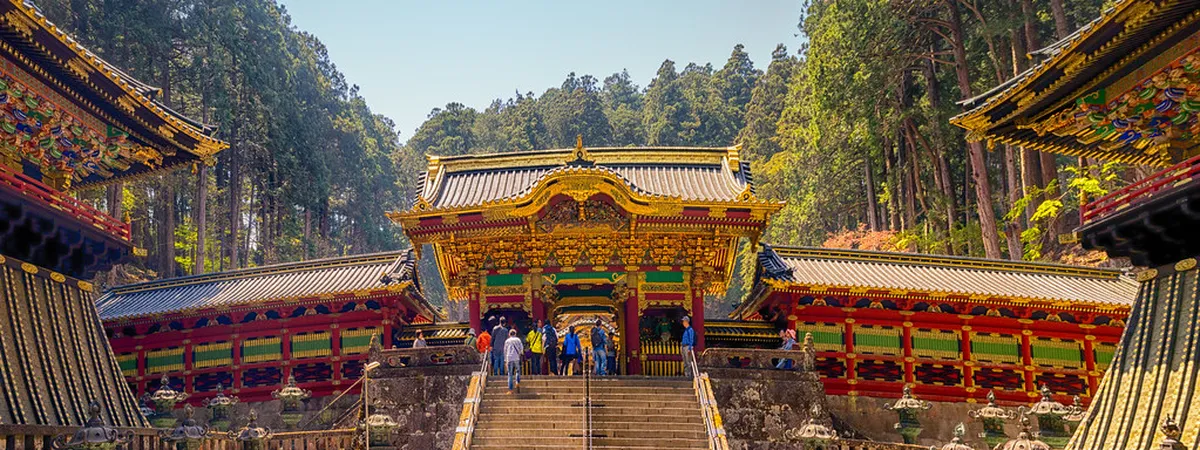
Beyond the shrines, Nikko National Park surrounds the town on three sides. Kegon Falls drops 97 metres into a gorge. Lake Chuzenji sits at 1,269 metres elevation, cool enough in summer to feel like a different country from Tokyo. Hiking trails range from flat marshland boardwalks to the full-day summit of Mount Nantai. Whether you come for history or nature, the town more than justifies the two-hour journey from Tokyo.
Best Time to Visit Nikko
Autumn is the most popular season.
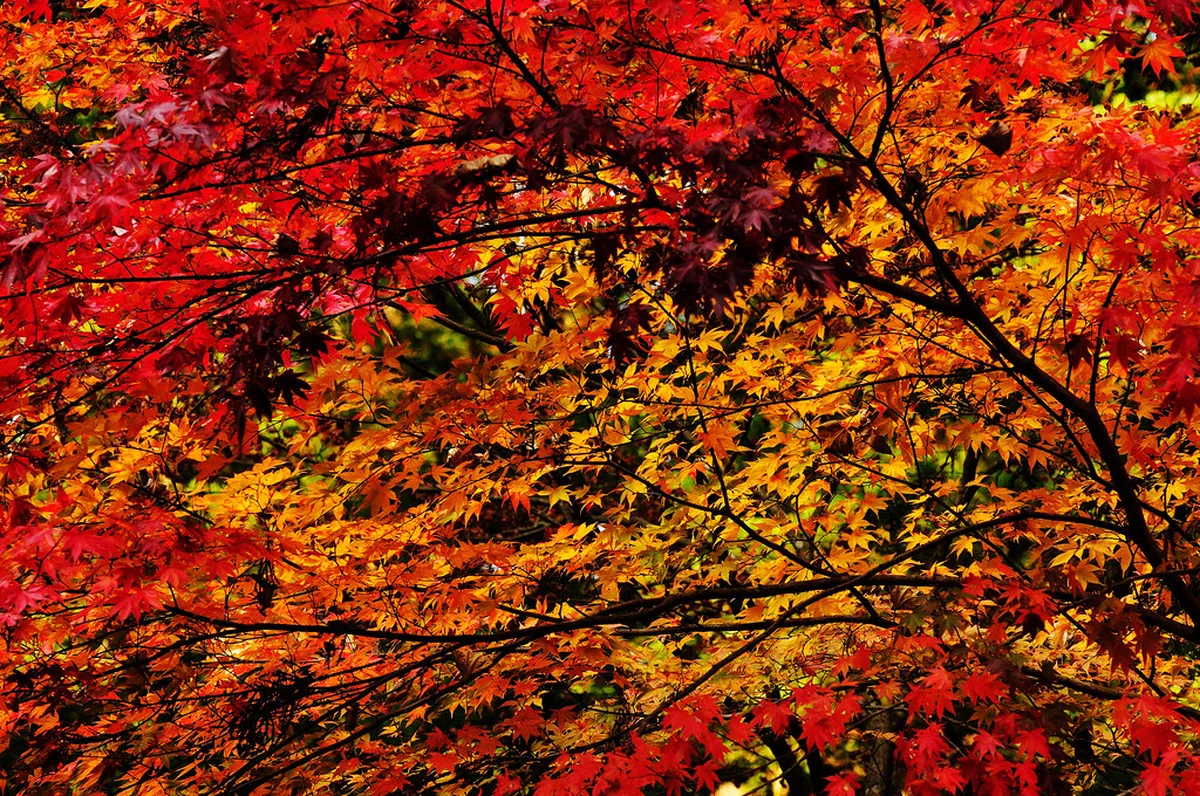
Spring is the second-best window. The Toshogu Grand Spring Festival runs on 17–18 May each year and stages a procession of 1,000 men dressed as Edo-era warriors — one of the most dramatic festival displays in eastern Japan. Cherry blossoms bloom about two weeks later here than in Tokyo due to the altitude, usually landing in late April. Winter brings snow-dusted shrine roofs and thin crowds; the waterfalls sometimes freeze partially by February, which makes for extraordinary photos.
Summer (July–August) is warm but comfortable at altitude. The Lake Chuzenji area stays noticeably cooler than Tokyo even in August and draws visitors seeking relief from the city heat. Avoid Golden Week (late April to early May) and the mid-August Obon period if you dislike long queues at the shrine.
How to Get to Nikko from Tokyo
Two main routes connect Tokyo to Nikko. Most travelers use the Tobu Railway from Asakusa Station. The Limited Express Spacia departs roughly every hour from platform 4, takes about 110 minutes direct to Tobu-Nikko Station, and costs around ¥2,800 one way. A semi-express or local Tobu service takes 30 minutes longer but costs only about ¥1,360 — worth it if you are on a tight budget and the extra half-hour does not matter.
JR Pass holders should take the Shinkansen from Tokyo or Ueno to Utsunomiya (about 50 minutes), then transfer to the JR Nikko Line local train for the final 45-minute leg. The JR route is covered by the pass and costs nothing beyond what you already paid. The official guide on how to get to Nikko with the JR Pass walks through the transfer in detail. The total journey time is about two hours, similar to the Tobu express, but the Utsunomiya transfer can be confusing if this is your first time with the JR system.
- Tobu Limited Express Spacia from Asakusa: ~110 minutes, ~¥2,800 one way, no transfer required
- Tobu local/semi-express from Asakusa: ~140 minutes, ~¥1,360 one way, budget-friendly option
- JR Shinkansen + JR Nikko Line from Tokyo: ~120 minutes, free with JR Pass, one transfer at Utsunomiya
| Route | Time | Cost (one way) | Notes |
|---|---|---|---|
| Tobu Limited Express Spacia (Asakusa) | ~110 min | ~¥2,800 | No transfer; fastest option |
| Tobu local/semi-express (Asakusa) | ~140 min | ~¥1,360 | Budget option; extra 30 min |
| JR Shinkansen + JR Nikko Line | ~120 min | Free with JR Pass | One transfer at Utsunomiya |
| Nikko World Heritage Area Pass (2-day) | — | ¥3,000 | Round-trip Tobu + central buses |
| Nikko All Area Pass | — | ¥4,500 | Adds Lake Chuzenji + ropeway |
Nikko Pass vs. JR Pass: Which Saves You More
The Nikko World Heritage Area Pass costs ¥3,000 and covers the round-trip Tobu train fare from Asakusa (¥2,800 return value) plus unlimited bus rides within the shrine and town area. It does not cover Limited Express seat fees, which add around ¥1,650 each way. If you are only visiting the central shrine district and plan to use buses even twice, the pass pays for itself compared to buying each ticket separately — bus rides without a pass cost around ¥1,000 per trip.
The Nikko All Area Pass costs ¥4,500 and extends coverage to the Lake Chuzenji bus routes and the Akechidaira Ropeway. If your day includes the waterfall and lake — which it should — this is the pass to buy. A single one-way bus ride to Kegon Falls costs ¥1,150 alone, so the All Area Pass breaks even on just two bus trips. It also includes the lake ferry, which adds another ¥1,680 in savings if you take the cruise.
JR Pass holders face a different calculation. The JR Pass covers the train to Nikko, which saves roughly ¥5,600 in round-trip Shinkansen and local train fares. However, the JR Pass does not cover Tobu buses, so you will still need to buy bus tickets separately or purchase the bus-only segment of a Nikko pass. For JR Pass holders visiting only the shrine complex and skipping the lake, walking or using a single bus ride is the most economical route. For anyone planning a full day with lake and waterfall, buying the All Area Pass on top of the JR Pass still saves money versus paying per ride.
Getting Around Nikko: Buses and Local Transport
Tobu buses are the primary way to move between the shrine district, the waterfall, and the lake. The World Heritage Loop Bus connects Tobu-Nikko Station to the shrine complex and runs frequently. For the Lake Chuzenji routes, buses depart from in front of both Tobu-Nikko and JR Nikko stations and take about 45 minutes to reach the lake area via the Irohazaka Winding Road — a scenic mountain switchback with 48 hairpin bends. Some passengers find this ride nauseating, so a seat on the left side of the bus facing away from the drop offers a calmer experience.
Bus frequency drops significantly in the afternoon. Some lines run only once per hour outside of peak season. Check the last bus time for your return route before you wander too far from a stop — missing the final bus from the Lake Chuzenji area means a costly taxi back to town. A map of Nikko's public transportation routes shows all lines and stops. IC cards (Suica, Pasmo) work on all routes, but the All Area Pass remains the better value for a full-day itinerary.
The shrine complex itself is walkable from Tobu-Nikko Station in about 25 minutes on a flat road, or 10 minutes by bus. Most visitors take the bus up and walk back down through the cedar forests. Renting a car is worth considering if Lake Chuzenji is your main focus, as it removes the bus timetable constraint entirely and lets you stop at smaller waterfalls like Urami Falls and Jakko Falls along the Irohazaka road.
Top Things to Do in Nikko
The UNESCO shrine complex is the reason most people come.
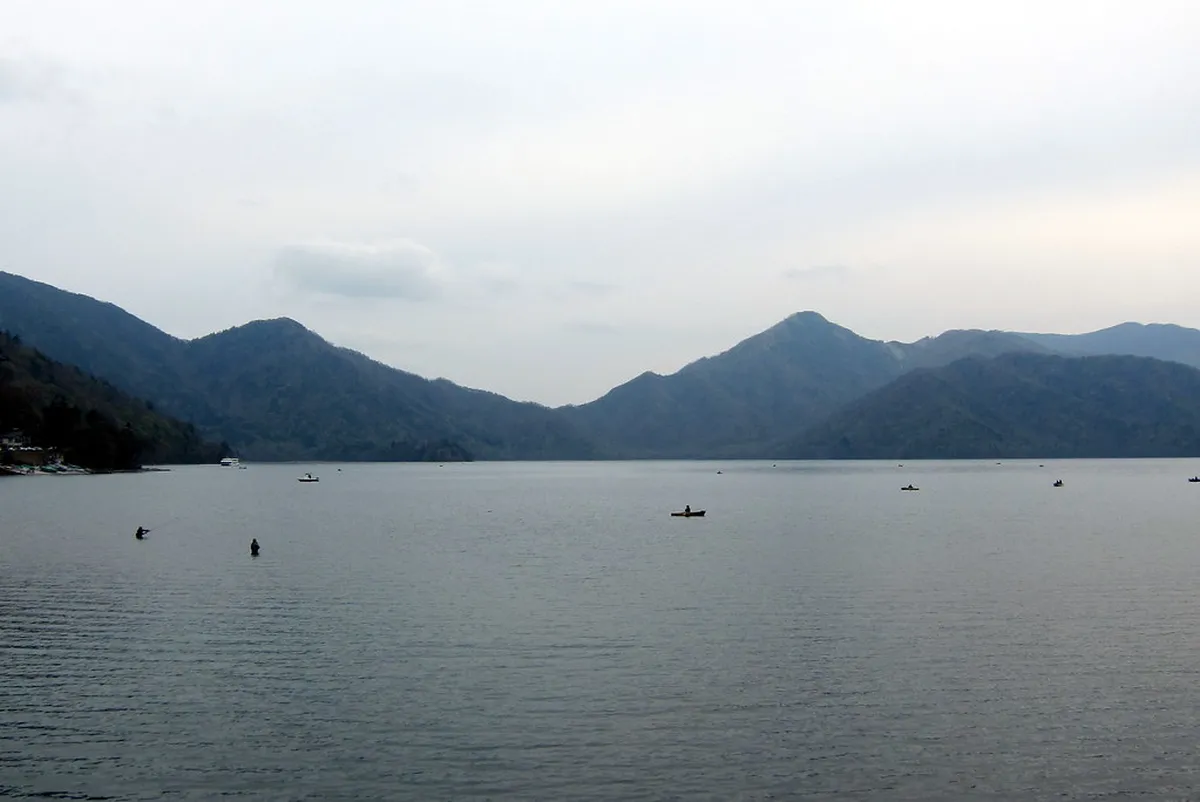
For nature, head to Kegon Falls on the Lake Chuzenji side of the Irohazaka road. The free upper viewpoint is impressive; the paid lower deck (¥600) via elevator takes you 100 metres underground for a face-on view of the full drop that photographs cannot replicate. Ryuzu Falls, about 15 minutes by bus north of Kegon, is smaller but framed by foliage that peaks earlier in the season — the café Ryuzu no Chaya directly overlooks the falls. Serious hikers can tackle the Senjogahara Marshland boardwalk trail, a mostly flat 4-km route through volcanic grassland connecting Ryuzu Falls to Yumoto Onsen, with views of Mount Nantai the entire way. More information on the lake itself is in our Chuzenji Lake Nikko guide.
Mount Nantai rises to 2,486 metres from the shore of Lake Chuzenji. The trail begins at Futarasan Shrine on the lake's western shore, requires a small donation entry, and takes about 4 hours up and 2 hours down. The mountain is open from 5 May to 11 November only — outside those dates, the trail gate is locked regardless of conditions. A detailed breakdown of summiting Mount Nantai covers gear and what to expect at the summit.
Toshogu's Inner Shrine: What Most Visitors Skip
The standard ¥1,600 Toshogu ticket covers the main gate area, the Sleeping Cat carving, and the surrounding buildings. What it does not include — and what most day-trippers never realise — is the Inner Shrine (Okusha), which requires climbing 207 steep stone steps past the Sleeping Cat and costs an additional ¥520. At the top is Tokugawa Ieyasu's actual tomb: a simple bronze urn sitting under a single bronze-roofed mausoleum, deliberately understated against the ornate excess of everything below. The contrast is striking and intentional — Ieyasu reportedly requested a plain burial.
The climb takes about 10 minutes and the crowd thins dramatically once you pass the cat gate. Most tour groups skip it entirely. If you buy your Toshogu entrance ticket at the Tourist Information Centre near the station rather than at the shrine ticket booth, you skip the main queue and can time your arrival at the Okusha before the midday rush. The Information Centre also gives out a free English map of the full complex, which the ticket booth does not always have available. Visiting the shrine 45 minutes before closing (currently 16:30) further reduces crowds, though the Inner Shrine access closes 30 minutes before the main gate.
Nikko Day Trip Itinerary
Leave Tokyo on the 07:30 Tobu Limited Express from Asakusa. You arrive at Tobu-Nikko Station around 09:20. Go directly to the Tourist Information Centre inside the station building, buy your All Area Pass and Toshogu entrance tickets here to skip queues later. Take Bus Stop 2B to the shrine area — get off at Stop 7 (Shinkyo).
Spend 09:30–12:00 in the complex. Walk Shinkyo Bridge, visit Rinno-ji Temple and garden (allow 30 minutes), then move to Toshogu Shrine and budget a full 90 minutes including the Inner Shrine climb. Walk south past Futarasan Shrine before heading down to the main road for lunch.
At 12:00–13:00, eat at Nikko Coffee on Goyoteidori — a renovated machiya townhouse serving yuba-themed sets, black curry over rice, and seasonal kakigori shaved ice made with mountain spring water. It is a 10-minute walk from Futarasan Shrine. This is one of the few spots where quality and atmosphere both hold up; most tourist-strip restaurants on the main road between the station and the shrines serve overpriced average food.
From 13:00, take the bus from Stop 9 (outside Lawson) toward Lake Chuzenji. Alight at Stop 26 for Kegon Falls (allow 40 minutes including the elevator descent). Take the next bus north to Stop 37 for Ryuzu Falls (allow 30 minutes and a coffee at the café). Board the return bus from Stop 37 by 15:30 to reach Tobu-Nikko Station by 16:15. The 16:30 Limited Express returns to Asakusa by 18:20, in time for dinner in the city.
Where to Stay in Nikko
Nikko Town Centre suits travelers who want easy shrine access, late dining options, and reliable onward transport. Budget hostels like Nikko Guesthouse Sumica offer dormitory beds from around ¥4,500. Mid-range options cluster near the stations, with the Nikko Station Hotel Classic offering both indoor and outdoor onsen baths at a reasonable price point for the amenity level. Staying here means you can visit the shrines at opening time before tour buses arrive and catch a late-afternoon train back to Tokyo the same day.
Lake Chuzenji is the right choice if you are staying two or more nights and nature is your priority. Ryokans here include onsen baths, kaiseki dinners, and direct lake or mountain views. The trade-off is concrete: there are almost no restaurants independent of your accommodation, buses stop running by early evening, and the last bus to the shrine district departs mid-afternoon. Budget 40 minutes between buses when planning any movement. This area works best as a two-night base for hikers tackling Senjogahara and Mount Nantai on day two.
Kinugawa Onsen is a third option that the brief's brief mentions and competitors handle unevenly. It sits about 20 minutes east of the shrine district by Tobu train, has a full strip of large resort hotels with indoor and outdoor baths, and feels more like a traditional Japanese spa town than a mountain village. Kinugawa makes sense if you want a ryokan experience but find the Lake Chuzenji area too remote. Hotel Shirakawa Yunokura is a well-regarded mid-to-upper option with riverside rooms; book bed and dinner together since standalone dining in the town is limited. Check where to stay in Nikko for a full list of properties in each zone.
What to Eat: Nikko Specialties
Yuba — fresh tofu skin — is Nikko's defining food. The local tradition of yuba cuisine developed because Buddhist monks at the shrines ate only plant-based diets, and tofu skin became a high-protein staple. Today, restaurants serve it raw, steamed, baked, and fried, typically on a tasting platter for ¥1,000 to ¥2,000. Shiori restaurant near the shrine complex offers yuba in multiple preparations with English-language explanations of each. Yuba ramen is available at several places on the main tourist strip and costs around ¥900 — a good budget lunch option.
For something sweet, pick up a Yubamanju from the stands outside Tobu-Nikko Station. This steamed bun filled with red bean paste and dusted with salt costs around ¥250. The combination of sweet paste and savoury crust is worth the small outlay, and eating one while walking toward the shrine complex is as local a start to the day as you will find.
The main tourist street between the station and the shrines is convenient but overpriced for what it delivers. Nikko Coffee on Goyoteidori is the standout exception — their 3-day-simmered pork black curry set (around ¥1,400) and seasonal kakigori are consistently excellent. The café inside Ryuzu Falls near the lake also offers decent food at fair prices and has tables directly overlooking the water, making it one of the better lunch stops if your afternoon takes you to the national park side of the mountain.
Nikko Travel Tips for 2026
Buy Toshogu entrance tickets and your bus pass at the Tourist Information Centre inside Tobu-Nikko Station before boarding the bus. Arriving at the shrine before 10:00 on weekdays avoids most tour groups. The Inner Shrine (Okusha) adds ¥520 on top of the ¥1,600 main ticket but is often skipped by day-trippers — it holds Ieyasu's actual tomb and is significantly quieter.
Buy entrance tickets at the Tourist Information Centre inside Tobu-Nikko Station, not at the shrine booth. The IC sells Toshogu tickets and can confirm bus schedules. Arriving at the shrine before 10:00 on weekdays avoids most tour groups, which typically arrive mid-morning. Leave by 11:30 if you want to visit Kegon Falls and the lake in the same day trip.
ATMs are scarce past Nikko town centre — some vendors near Ryuzu Falls and Yumoto Onsen do not accept cards. Bring around ¥5,000 cash on top of your IC card. Bus frequency drops significantly in the afternoon; check the last bus time from Lake Chuzenji before heading up so you do not miss the final service back to town.
Bring cash for the mountain areas. ATMs are scarce past the town centre, and some smaller vendors near Ryuzu Falls and Yumoto Onsen do not accept cards. Around ¥5,000 in cash on top of your IC card covers all contingencies. The town centre and shrine-area shops generally accept Visa and Mastercard, but do not rely on it for bus tickets if your pass has not loaded correctly.
Tattoos remain a sensitive issue at some onsens in the Kinugawa and Yumoto areas. Many bathhouses still enforce a no-tattoo policy. If tattoos are a factor, check the individual property policy before booking. The Nikko Station Hotel Classic in the town centre has onsen baths and has been reported as tattoo-tolerant by several travelers, though policies can change and confirming directly with the hotel is the safest approach.
For anyone combining Nikko with other destinations: the Tobu Nikko line connects directly to Asakusa, placing it naturally before or after a stay in Asakusa or the Skytree area. The JR route through Utsunomiya pairs well with a stopover in that city for its own food scene. Nikko does not connect easily by rail to Nikko and Hakone in the same day — treat them as separate trips.
Frequently Asked Questions
What is Nikko famous for?
Nikko is most famous for the Toshogu Shrine, which is the lavishly decorated mausoleum of Tokugawa Ieyasu. It is also well-known for its stunning natural beauty within Nikko National Park, including Kegon Falls and Lake Chuzenji.
Can Nikko be a day trip from Tokyo?
Yes, Nikko is a very popular day trip from Tokyo. The journey takes about two hours each way by train. To see both the shrines and the lake in one day, you should start your trip early in the morning.
Which is better: Nikko or Hakone?
Nikko is generally better for travelers interested in elaborate historical architecture and deep spiritual history. Hakone is often preferred by those seeking views of Mount Fuji and a wider variety of modern museums and transportation experiences.
How much does a Nikko day trip cost?
A typical day trip costs between 8,000 and 12,000 Yen per person. This includes the round-trip train fare, a local bus pass, shrine entrance fees, and lunch. Using a Nikko Pass can help reduce these overall costs significantly.
For related Nikko deep-dives, see our Nikko tours and Nikko food & restaurants guides.
Combine this with our main Nikko attractions guide for a fuller itinerary.
Nikko rewards the traveler who plans two things in advance: the right pass and an early start. Buy the All Area Pass if your day includes the lake and waterfall, get your Toshogu ticket at the station, and be at the shrine gate before the tour buses. The Inner Shrine climb and Ryuzu Falls café are the two things most visitors leave off their list — both are worth keeping on yours.
Free: The Nikko Essentials guide
Top things to do, where to stay, a perfect day plan, getting around, and the best time to go — a Nikko mini-guide you can take offline.
You might also like


Continue reading
More guides you'll find useful


