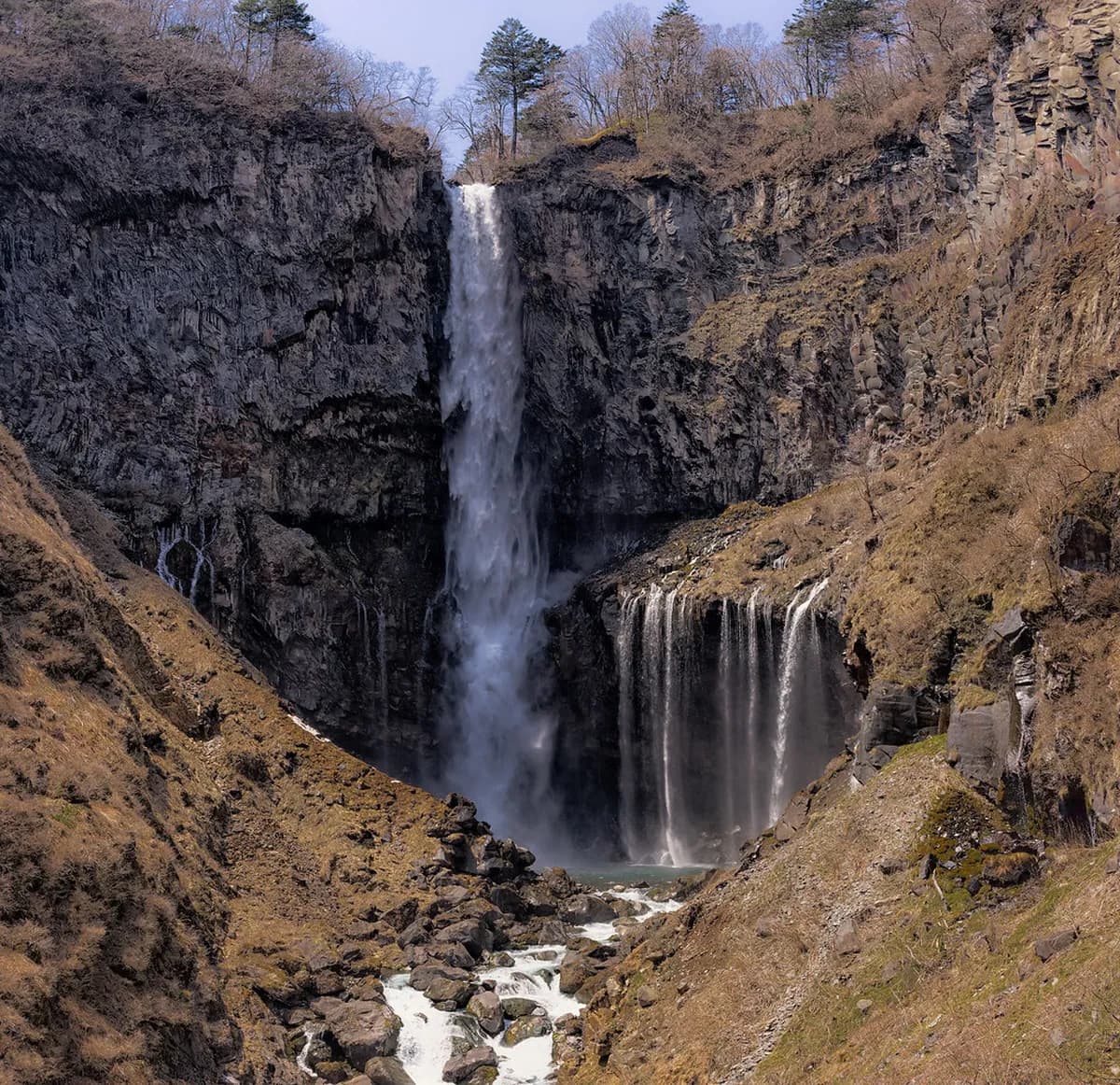
Where to Stay in Nikko: 6 Best Areas and Lodging Guide
Discover the best areas to stay in Nikko, from the convenient Station area to scenic Chuzenji Onsen. Includes top hotel picks and ryokan tips for every budget.
On this page
Nikko splits cleanly in two: the small lower town with the UNESCO World Heritage shrines around Tobu and JR Nikko Station, and the higher-altitude national park with Lake Chuzenji, Kegon Falls and remote onsen villages. Where you sleep changes which half you actually see.
Most first-time visitors pick the station or central shrine area for one night and call it done. Two-night travelers usually split between the shrine area and either Chuzenji Onsen for nature or Kinugawa Onsen for a classic ryokan soak.
This 2026 guide breaks down the six main bases by transport time, price band, and the kind of trip each one suits. It also covers which Tobu pass actually pays off from each base and where Saturday-night pricing quietly doubles your bill.Daytrip vs Overnight: How Many Nights to Actually Book
Nikko is two hours from Asakusa on the Tobu Limited Express, so a day trip works for the shrine cluster alone. Leave Tokyo by 07:30, finish Toshogu, Rinnoji, Futarasan and Shinkyo Bridge by 15:00, and you can be back in Tokyo for dinner. If your only goal is the World Heritage sites, one full day is enough and an overnight stay adds little.
One night becomes the right answer the moment Lake Chuzenji or Kegon Falls is on your list. The bus up the Irohazaka Winding Road eats 50 minutes each way, and during the October foliage peak it can stretch to 90 minutes or more. A 14:00 arrival at the lake gives you Kegon Falls and a short shoreline walk before the day-trippers head down at 16:30 — but only if you slept in Nikko the night before.
Two nights is the sweet spot for Kinugawa Onsen, Edo Wonderland, Tobu World Square, or any of the longer Senjogahara hikes. Three nights makes sense only if you are committing to Okukinu's hidden ryokan, the Kirifuri Highlands, or shoulder-season hiking. Anything longer is for repeat visitors. Pair this decision with our complete Nikko itinerary guide and the Nikko itinerary for 2 days to see how each option maps onto a workable schedule.
- One day, no overnight: Toshogu, Rinnoji, Futarasan, Shinkyo Bridge, plus a quick lunch.
- One night: Add Kegon Falls and the Lake Chuzenji shoreline.
- Two nights: Add Kinugawa Onsen ryokan, Edo Wonderland, or a half-day on the Senjogahara boardwalk.
- Three or more nights: Okukinu's hidden onsen, multi-day Oze hikes, or Kirifuri off-season.
Nikko Station Area: Best for Short Stays and Easy Transport
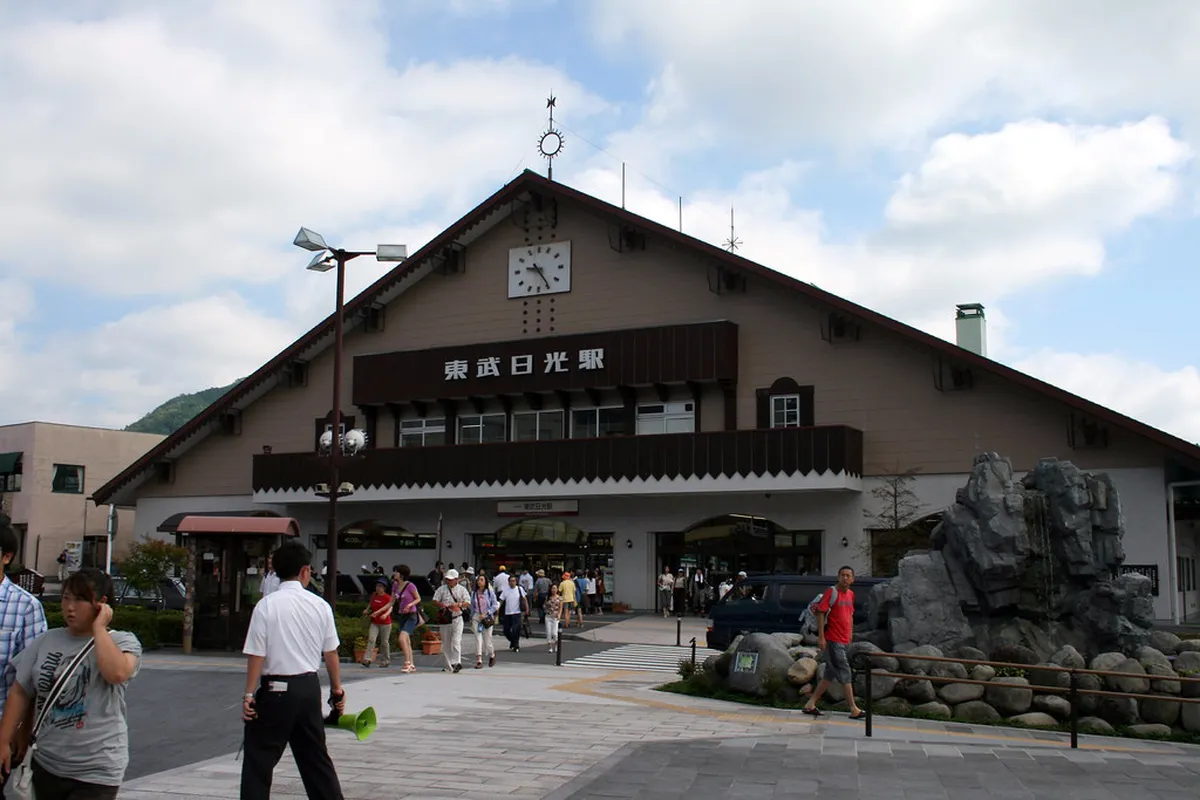
Tobu Nikko Station and JR Nikko Station sit five minutes apart on foot, and the area around them carries the bulk of Nikko's budget and mid-range hotels
Tobu sells two passes from Asakusa: the Nikko World Heritage Area Pass (around ¥2,200–2,800, valid 2 days, covers shrine bus) and the Nikko All Area Pass (around ¥4,000–4,800, valid 4 days, covers Chuzenji and Kinugawa bus routes). Buy the All Area Pass if Lake Chuzenji or Kinugawa are on your itinerary — individual fares alone exceed the price difference.
Choose Tobu Nikko Station as your reference point if you are arriving from Asakusa on the Tobu Limited Express — most visitors from Tokyo take this route. Choose a hotel closer to the JR side only if you are travelling on a Japan Rail Pass via Utsunomiya, since Pass holders pay nothing for the JR leg but extra for any Tobu segment. JR Nikko receives only one to two local trains per hour, so check return times before committing to the JR side.
The Nikko Station Hotel Classic sits across from the JR entrance and offers Western rooms with a small onsen bath. Stay Nikko Guesthouse is the strong budget pick a few minutes' walk away, with shared kitchen and dorms. Hotel Famitic Nikko Station and Hotel Viva Nikko cover the basic mid-range slot. Nikko Park Lodge Tobu Station is the warmer, lodge-style option a short walk from Tobu. Reading our guide on How To Get To Nikko From Tokyo: 10 Essential Travel Tips will tell you which station you actually arrive at and shape this choice.
- Best for: solo travelers, one-night visits, JR Pass holders, anyone arriving late or leaving early.
- Typical price band 2026: 6,000 to 18,000 yen per room per night for budget to mid-range; weekends and autumn add 30 to 50 percent.
- Walk to Shinkyo Bridge: 20 to 30 minutes uphill. Bus: 5 to 15 minutes.
- Most shops and restaurants close by 20:00, so plan dinner before sunset.
Central Nikko: Best for World Heritage Shrines and Temples
Central Nikko refers to the strip between Shinkyo Bridge and the Toshogu shrine complex, plus the wooded slopes immediately around them. This area skews higher-end and more historic than the station area, with a thinner budget tier. The trade-off is that you can walk to every UNESCO site without checking a bus timetable, and you can visit Toshogu at 08:00 sharp before the day-trip groups arrive from Tokyo.
Nikko Kanaya Hotel, Japan's oldest resort hotel since 1873, anchors the luxury slot here with a blend of Western and Japanese styling and a cedar-shaded garden. Nikko Senhime Monogatari is a tatami-room ryokan with private onsen baths and kaiseki dinners. Nikko Hoshino Yado and Hotel Seikoen are the lower-priced ryokan picks, and Fairfield by Marriott Tochigi Nikko sits halfway between the station and the shrines for travelers who want a contemporary chain feel. Pair a stay here with our Nikko Toshogu Shrine Guide: 7 Essential Highlights and Tips to plan the early-morning shrine route.
The flip side of Central Nikko is the same one travelers find in Kyoto's Higashiyama: the area empties out after dark. Most restaurants stop seating by 19:30, so book a half-board ryokan or eat early. Local Yuba (tofu skin) shops and wood-carving boutiques line the main street up to Shinkyo Bridge — most close before 17:00. Book at least two months ahead if you are travelling between the last week of October and the first week of November, when autumn foliage briefly doubles room rates.
- Best for: couples, history-focused travelers, anyone who wants the shrines without a bus.
- Typical price band 2026: 18,000 to 60,000 yen per room per night for mid-range to upscale ryokan.
- Walk to Toshogu: 10 to 15 minutes through the cedar avenue.
- Limited budget options — book early or fall back to the station area.
Chuzenji Onsen: Best for Lake Views, Nature and a Cooler Climate
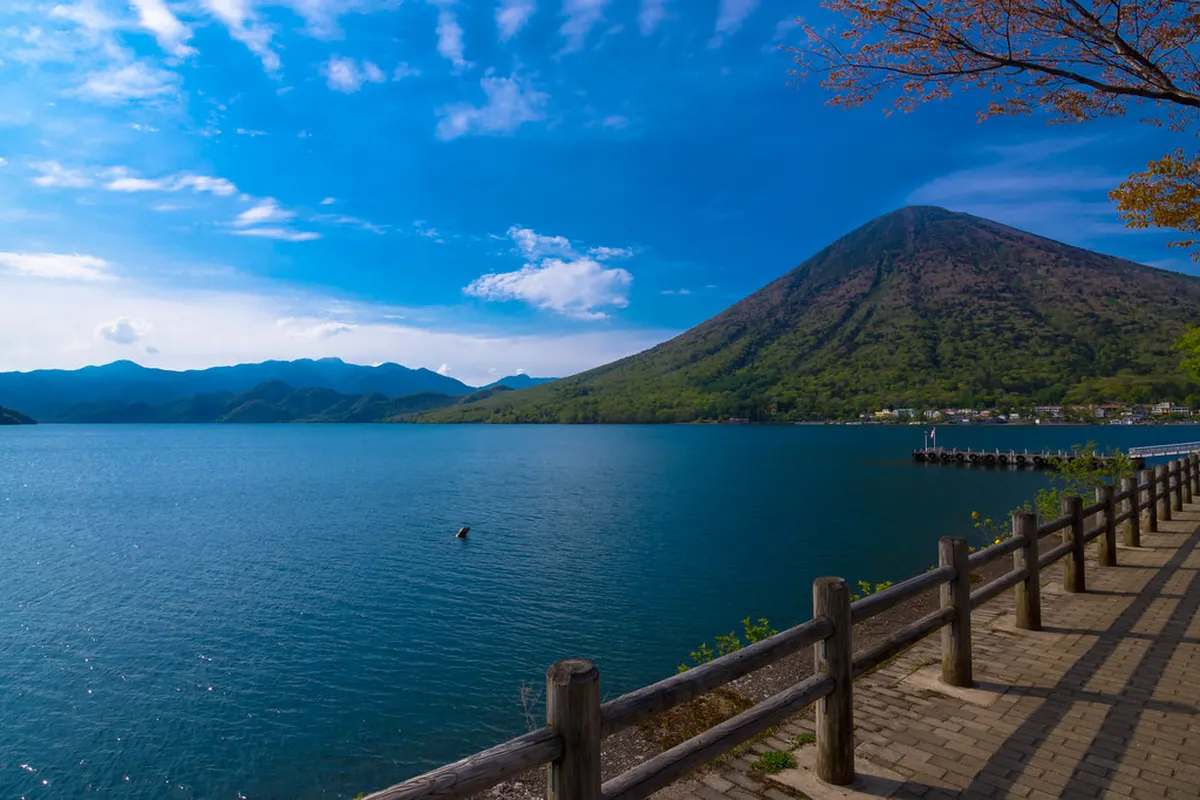
Chuzenji Onsen sits at 1,269 meters on the eastern shore of Lake Chuzenji, accessed by a 45 to 50 minute bus ride up the Irohazaka Winding Road's 48 hairpin curves. The altitude makes it 7 to 10 degrees Celsius cooler than central Nikko in summer, which is why Tokyo families have used it as a heat-escape since the Meiji era. In winter, parts of the road may close briefly after heavy snowfall — always check Tobu Bus updates before booking December through February.
The Ritz-Carlton Nikko anchors the luxury end with private onsen suites and floor-to-ceiling lake views. Chuzenji Kanaya Hotel offers a slightly more affordable historic option with the same lake outlook. Hotel Shikisai is a tatami-room mid-range pick with a hot-spring bath and seasonal kaiseki. Hatago Nagomi and Yutorelo Nikko cover the warmer, lower-priced ryokan slot. Most properties here include half-board because restaurant choice in the village is genuinely limited after 19:00 — see our 10 Essential Tips for Your Kegon Falls Nikko Visiting Guide for what to do during the day.
Staying overnight at the lake gives you the same view the Ritz charges thousands for, after the day-trippers leave. Sunset over Mount Nantai and the early-morning mist are the real reasons to sleep here rather than commute. Bring layers — even July nights can drop below 15 degrees. Families with strollers should know the village is walkable but uneven, and not every property has lifts.
- Best for: couples, nature lovers, summer heat-escape travelers, anyone visiting in autumn.
- Typical price band 2026: 25,000 to 120,000 yen per room per night, with the Ritz pushing well past that.
- Bus from Nikko Station: 45 to 50 minutes off-peak; up to 90 minutes during October foliage.
- Bring layers year-round; check road status December to February.
Kinugawa Onsen: Best for Traditional Ryokan and Family Resort Stays
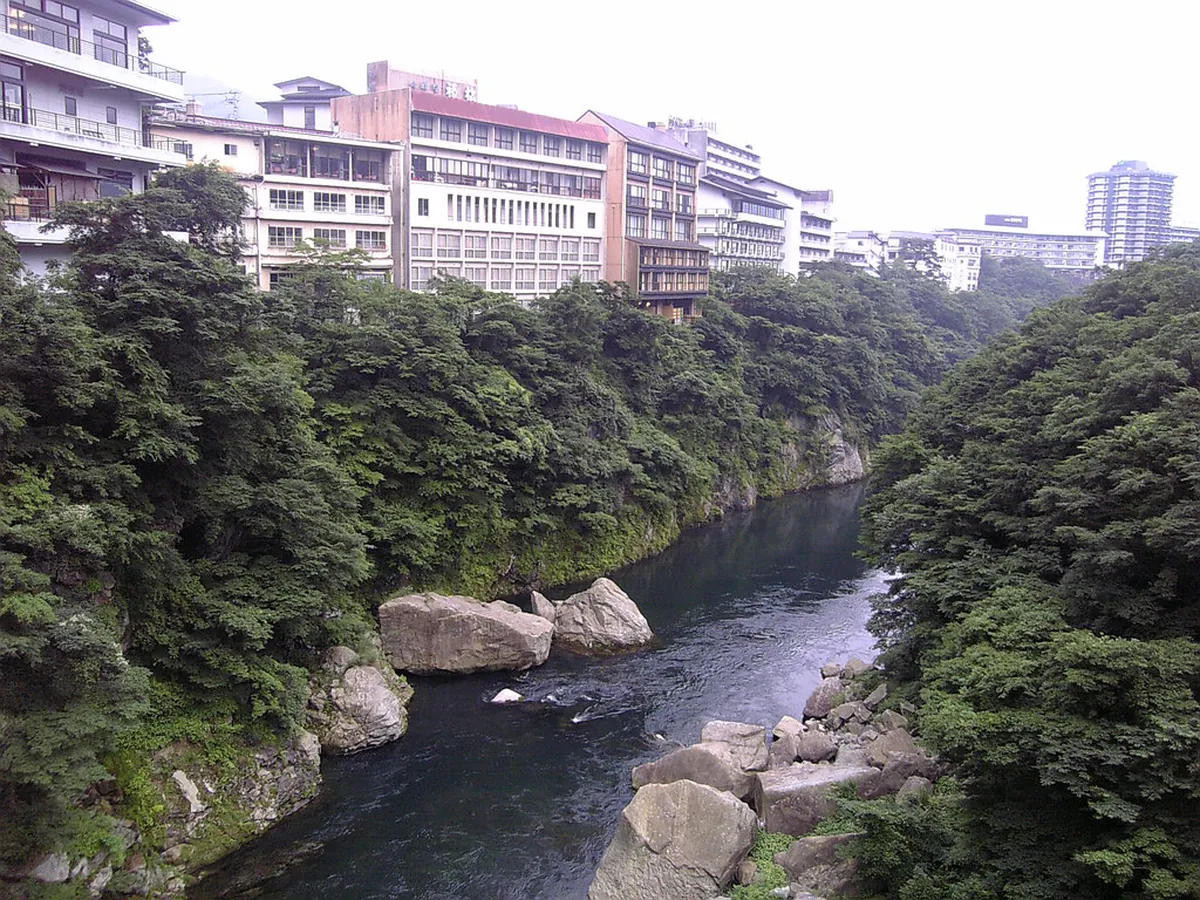
Kinugawa Onsen is a hot-spring resort town on the Tobu Kinugawa Line, served by a separate Limited Express service from Asakusa and Shinjuku. Many large 1980s-era ryokan and resort hotels line the gorge above the Kinugawa River, which gives the town its slightly nostalgic Showa-era feel. The water's reputation is more for skin care and fatigue than for medical claims, but the soak is genuinely good after a long shrine day.
This is the easiest base for families with children because of the two adjacent theme parks. Edo Wonderland recreates an Edo-era town with ninja shows and craft demonstrations, and Tobu World Square holds 102 scale-model versions of world landmarks. Both are reachable by short bus from Kinugawa-Onsen Station, and both pair well with a low-key onsen evening — see our Nikko With Kids: The Ultimate Family Guide & Itinerary guide for full age-by-age recommendations. Adults can take the Kinugawa River boat cruise or the Mount Maruyama cable car to the monkey park instead.
From central Nikko, you reach Kinugawa by changing trains at Shimo-Imaichi — the journey takes about 30 to 40 minutes total. Kanaya Hotel Kinugawa is the upscale option with riverside dining. Kinugawa Hotel Mikazuki has the indoor water-park attached and is the most explicitly family-targeted choice. KINUGAWA KEISUI offers a quieter, traditional kaiseki ryokan stay. Ooedo Onsen Monogatari Hotel Kinugawa Gyoen is the buffet-style mid-range pick that tour groups favor.
- Best for: families with kids, ryokan-focused couples, second-night travelers wanting a different vibe from the shrines.
- Typical price band 2026: 15,000 to 45,000 yen per person with two meals; weekends add 30 to 60 percent.
- From Tobu Nikko Station: 30 to 40 minutes by train via Shimo-Imaichi transfer.
- Free footbaths near the station are open daily — useful while waiting for trains.
Wider Nikko and Okukinu: Best for Remote Hiking and Hidden Onsen
The wider Nikko region covers the Kirifuri Highlands, Senjogahara Marshland, Yumoto Onsen and the four hidden Okukinu ryokan deep in the mountains northwest of Kinugawa. Okukinu's four lodges — Hatcho-no-yu, Kaniyu, Nikko-Sawaguchi and Teshirosawa — are not reachable by public bus. Most run their own shuttle from a forestry road parking lot, and a few require a final 30-minute walk on a mountain path with luggage.
This is the choice for serious hikers, hot-spring purists and travelers who want the kind of silence a city ryokan cannot offer. TAOYA Nikko Kirifuri sits in the Kirifuri Highlands with mountain views and is reachable by shuttle. Yumoto Onsen at the far end of Lake Chuzenji's bus line offers a small cluster of older ryokan with sulfur baths that turn the water milky white. Annex Turtle Hotori-An sits riverside near central Nikko for a softer entry into the rural side of the region.
Seasonality matters more here than anywhere else in Nikko. Some Okukinu access roads close from late November or early December until April or May, and Yumoto's hiking trails are snowbound in winter even when the village itself stays open. Cell service is patchy to nonexistent, and most properties expect cash for incidentals. Always confirm shuttle pickup times when booking, and add a buffer day in your itinerary in case weather forces a route change.
- Best for: experienced hikers, repeat Nikko visitors, anyone who actively wants no Wi-Fi.
- Typical price band 2026: 18,000 to 35,000 yen per person with two meals at Okukinu and Yumoto.
- Access often requires a private shuttle plus a short hike — confirm before booking.
- Many Okukinu lodges close November to April; always check seasonal status.
Nikko Pass by Area: Which Tobu Pass Actually Pays Off
Tobu sells two passes from Asakusa that quietly determine where you should base yourself. The Nikko World Heritage Area Pass covers the round-trip Asakusa to Tobu Nikko leg plus unlimited rides on the local World Heritage Sightseeing Bus around the shrines. It is valid two days and is priced at roughly 2,200 to 2,800 yen in 2026, depending on Tobu's current schedule. It does not cover Lake Chuzenji or Kinugawa.
The Nikko All Area Pass covers the same Asakusa round-trip plus all local Tobu Bus routes inside the wider Nikko region — including the Chuzenji Onsen line, Yumoto Onsen, Kirifuri, and the Tobu line to Kinugawa-Onsen Station. It is valid four days and runs roughly 4,000 to 4,800 yen in summer and a little more in the winter version that adds the Yumoto ski-area shuttle.
The decision is actually simple once you map it to where you sleep. Stay in the station area or central Nikko for shrines only — buy the World Heritage Pass. Stay at Chuzenji Onsen, Kinugawa Onsen, or anywhere in the wider park — buy the All Area Pass, because individual fares to the lake alone exceed the price difference. Stay in Okukinu — neither pass covers the private shuttle, so don't bother. Always price the Limited Express seat reservation separately; it is not bundled.
- Day trip or shrines only: World Heritage Area Pass.
- Lake Chuzenji, Kinugawa, or wider park: All Area Pass.
- Okukinu hidden ryokan: skip both passes; budget for shuttle and basic Tobu fare.
- JR Pass holders: route via Utsunomiya to JR Nikko Station and skip the Tobu pass entirely.
Weekend Pricing: The Saturday-Night Trap Most Guides Skip
Nikko follows the Japanese domestic-tourism pricing pattern, which means a weeknight Sunday-through-Thursday rate can be roughly half a Friday or Saturday rate at the same property.
Mid-range Kinugawa ryokan rates can jump from ¥18,000 to ¥32,000 per person on Saturdays in 2026. Most ryokan and onsen hotels also charge a separate 150 yen per person nightly bath tax at check-in, not always shown on booking platforms. Book autumn foliage dates (last week of October through first week of November) two to three months in advance.
If your dates are flexible, arrive Sunday and check out Tuesday or Wednesday — you will pay weeknight rates both nights, beat the day-tripper crush at the shrines and Kegon Falls, and find the same ryokan rooms that are sold out three months ahead on weekends. October weekends and the first week of November (peak foliage) are the only time this rule mostly breaks down because demand is solid every night.
Two further details quietly affect the bill. Most ryokan and onsen hotels charge a 150 yen per person nightly bath tax, separately listed at check-in, which is not always shown on Booking.com. Kids under six typically stay free in tatami rooms but sometimes pay a small futon and meal fee depending on the ryokan. Always read the fine print on half-board pricing — "per person" is the Japanese norm, not "per room," which catches solo travelers off guard.
Understanding Nikko Accommodation: Ryokan, Minshuku, Pension and Hotels
A ryokan is a traditional Japanese inn with tatami floors, futon bedding, yukata robes, and usually a multi-course kaiseki or washoku dinner included. Most Nikko ryokan have on-site hot-spring baths — communal indoor and outdoor for the standard plan, or a private bath built into the room for the upper tier. Plans split into two-meal (breakfast and dinner), one-meal (breakfast only), and room-only at most properties.
A minshuku is the smaller, family-run cousin of the ryokan. Rooms are still tatami and futon, but bathrooms and dining areas are usually shared, and the dinner is home-style rather than kaiseki. Minshuku are common in Nikko's outer areas — Okukinu, Yumoto, the Kirifuri Highlands and the lanes around central Nikko. Expect 8,000 to 14,000 yen per person with two meals, which is markedly cheaper than the ryokan equivalent.
A pension is a Western-style guesthouse, often run by a couple, with private rooms, Western beds and a casual Western or fusion dinner. Pensions are scattered through the wider Nikko area and the highlands. Standard hotels — the Fairfield by Marriott, the Nikko Kanaya, the chain options near the stations — are the safest pick for travelers who want private bathrooms, lifts, and English check-in. Compare these against the Tochigi Prefecture's broader rural lodging culture and you'll see Nikko offers genuinely the full range, not just one type.
Practical booking notes for 2026: most ryokan still expect cash for the on-site bath tax even when the room is paid by card; shoes come off at the entrance and tatami rooms are not always wheelchair-accessible; check-in usually opens at 15:00 and check-out is firm at 10:00 or 11:00; tattoos are accepted at most newer onsen but not all older ones, so message the property in advance if it matters. Reading recent guest reviews still does more than any rating signal, especially for the smaller minshuku.
Best Ryokan in Nikko: Station Area and Lake Chuzenji Picks
Ryokan choice in Nikko splits clearly along the same line the rest of the lodging does — the station and central shrine area for shrine-focused travelers who want to walk to Toshogu after breakfast, and Lake Chuzenji for travelers who want to wake up to mountain views and finish dinner with a soak under the stars. The five names below appear on Tochigi Prefecture and Japan National Tourism Organization listings, so they are easy to verify and book from outside Japan.
Nikko station and central shrine area ryokan (walkable to Toshogu)
- Hatago Nagomi ($$) — Mid-range tatami ryokan within a short walk of Tobu Nikko Station. On-site hot-spring bath, kaiseki dinner included, English-friendly check-in. The strongest pick if you want a real ryokan experience but cannot afford the central-Nikko luxury tier. Typical 2026 rate: ¥18,000–28,000 per person with two meals.
- Nikko Senhime Monogatari ($$$) — Larger central-Nikko ryokan known for private open-air onsen baths attached to upper rooms and a kaiseki menu that leans on Tochigi beef and yuba. Good fit for couples on a milestone trip. Typical 2026 rate: ¥30,000–55,000 per person with two meals.
- Turtle Inn Nikko ($) — Long-running, English-speaking small inn on the Daiya River between the station and the shrines. Western and tatami rooms, breakfast available, no in-house onsen but public bath nearby. The go-to budget pick for solo travelers and backpackers. Typical 2026 rate: ¥7,000–12,000 per person, room only.
- Annex Turtle Hotori-An ($-$$) — Sister property to Turtle Inn, riverside and quieter, with optional dinner and a small Japanese garden. Mixed Western and Japanese rooms, English staff. Typical 2026 rate: ¥9,000–15,000 per person, breakfast optional.
Lake Chuzenji area ryokan (mountain and lake views)
- Chuzenji Kanaya Hotel ($$$) — Sister to the historic Nikko Kanaya, set in cedar forest a short walk from the lake. Western-Japanese fusion rooms, on-site hot-spring bath, French-influenced dinner option as well as kaiseki. Good for travelers who want lake-area scenery without sleeping in a fully traditional ryokan. Typical 2026 rate: ¥30,000–60,000 per person with two meals.
- Hoshino Resorts KAI Nikko ($$$$) — Boutique lakeside property from the well-known Hoshino brand, with tatami suites overlooking Lake Chuzenji, on-site onsen, and a kaiseki menu built around Tochigi seasonal produce. English service is consistently strong. Typical 2026 rate: ¥45,000–90,000 per person with two meals; books out three to four months ahead for autumn weekends.
- Hotel Nikko Senhime Monogatari (Yumoto branch, $$$) — Sulfur-rich onsen ryokan at the far end of the Chuzenji bus line in Yumoto Onsen. Best for travelers who want the milky-white "real" onsen water and don't mind the extra 30 minutes on the bus. Typical 2026 rate: ¥25,000–45,000 per person with two meals.
For the full picture of what to actually do once you've booked the lake-side ryokan, see our Lake Chuzenji Nikko guide. To plan around the dinner-then-shrines rhythm of a central-Nikko ryokan stay, the main Nikko itinerary and the longer Nikko 3-day itinerary are the best companions.
Lake Chuzenji Area Lodging: For Travelers Who Want to Wake Up to the View
Sleeping at Lake Chuzenji is structurally different from sleeping in the station area — it requires the Iroha-zaka bus ride up 48 hairpin curves, which adds 45 to 50 minutes off-peak and can stretch past 90 minutes during the late-October foliage peak. The trade-off is genuinely worth it for the right traveler. Once the last day-trip bus heads down at around 16:30, the shoreline empties out, sunset hits Mount Nantai across the water, and the village settles into a quiet you simply cannot get in central Nikko.
The case for staying overnight at the lake is strongest in three situations. First, autumn foliage week (last week of October through first week of November), when the day-trip crowds turn Kegon Falls into a queueing exercise — staying overnight lets you see the falls at 08:00 with almost nobody else there. Second, summer heat-escape stays, when the 7–10°C drop from Tokyo makes the lake one of the most comfortable nights in the Kanto region. Third, photographers and hikers who want to catch the early-morning mist over the water or start a Senjogahara boardwalk hike at sunrise.
Practical notes that matter once you commit. Most lakeside ryokan include half-board because village restaurants close by 19:00 and choice is genuinely limited. Bring layers regardless of season — even July nights can drop below 15°C, and October mornings frequently hit 5°C. Iroha-zaka can close briefly after heavy snowfall between December and February; check Tobu Bus status before locking in winter dates. Strollers and wheelchairs are workable in the village but the shoreline path is uneven in places. For travelers using the Tobu pass system, the All Area Pass is the only one that covers the lake bus — see the pass section above. Pair the lake stay with our Kegon Falls guide and the Best Time to Visit Nikko: Seasonal Guide & Weather Tips guide to align the trip with weather and color.
- Best for: foliage-week travelers, summer heat-escape stays, photographers, hikers.
- Iroha-zaka bus from Nikko Station: 45–50 minutes off-peak, up to 90 in foliage week.
- Half-board the default — restaurants thin out after 19:00.
- Pack layers year-round; check Tobu Bus status for December–February stays.
Station-Area Family Hotels: Easy Luggage Access and Breakfast Included
Families travelling with kids in Nikko quickly learn that "near the station" is not just about transport time — it's about how heavy your bags feel after a UNESCO-shrine day. The walk from Tobu Nikko Station to Shinkyo Bridge is gentle but uphill, and with strollers, school-age kids, or anyone tired from the Limited Express from Asakusa, dropping bags within five minutes of arrival changes the trip. The station cluster also has a 7-Eleven, a Lawson, and small supermarkets within two minutes, which matters a lot when a hungry six-year-old needs onigiri at 19:30.
The Nikko Station Hotel Classic sits directly across from JR Nikko Station and offers Western twin and triple rooms with a small on-site onsen — useful for families who want the onsen experience without committing to a full ryokan. Hotel Famitic Nikko Station and Hotel Viva Nikko both run mid-range Western rooms with breakfast-included plans and English-friendly check-in. Nikko Park Lodge Tobu Station is the warmer log-cabin-style option a short walk from Tobu Nikko, with family rooms and a hearty Western breakfast. For families wanting a contemporary chain experience halfway between the station and the shrines, Fairfield by Marriott Tochigi Nikko offers larger rooms, lifts, and a 24-hour staffed front desk — the easiest pick for first-time-in-Japan families.
Practical family considerations. Most station-area hotels accept tattoos in their on-site baths (a common worry); check at booking for older properties. Cribs and bed guards are usually available with 48-hour notice. Kids under six often stay free in tatami rooms but pay a small futon and meal fee — read the fine print before booking. The World Heritage Sightseeing Bus has a stroller-friendly low-floor option on most runs. For the full kid-by-age plan, see our Nikko with kids guide, and pair it with the 2-day Nikko itinerary or the longer 3-day Nikko itinerary for a workable family schedule.
- Best for: families with young kids, late arrivals, first-time-in-Japan travelers, JR Pass holders.
- Walking time station to hotel: under 5 minutes for most picks.
- Breakfast-included plans common — important when shops open late.
- Request crib/bed guard at booking, not at check-in.
Nikko Accommodation Price Bands 2026: Typical Rates by Category
Hotel and ryokan rates in Nikko are quoted in Japanese yen and shift more by day-of-week than by season for everything except the foliage peak. The table below shows realistic 2026 weeknight bands; expect Friday and Saturday nights to add 30–60% on top, and the last week of October through the first week of November to push toward the upper end of every category. Ryokan rates are typically per person with two meals, while hotel rates are per room, room only — a critical distinction that catches solo travelers off-guard.
| Category | Typical 2026 rate | What you get | Best fit |
|---|---|---|---|
| Budget guesthouse / minshuku | ¥6,000–10,000 per person, room only | Shared bath, simple Western or tatami room, optional breakfast. Often family-run. | Solo travelers, backpackers, longer wider-Nikko stays. |
| Mid-range Western hotel | ¥12,000–22,000 per room, room only | Private bath, Western bedding, breakfast-included plans common, lifts. | Families, first-time visitors, JR Pass holders. |
| Standard ryokan with meals | ¥18,000–32,000 per person, two meals | Tatami room with futon, communal onsen, multi-course kaiseki dinner and Japanese breakfast. | Couples, cultural travelers, second-night stays. |
| Upscale ryokan or boutique resort | ¥35,000–60,000 per person, two meals | Private onsen in-room or suite tier, premium kaiseki, English service. | Anniversary trips, photo-led travelers, autumn-foliage stays. |
| Luxury onsen resort (Lake Chuzenji) | ¥60,000+ per person, two meals | Lake-view suites, top-tier kaiseki, butler-style service (Hoshino KAI, Ritz-Carlton tier). | Milestone trips, peak foliage week, no-compromise stays. |
Three pricing patterns repeat across categories. First, "per person" vs "per room" — solo travelers booking a ryokan should expect to pay 130–150% of the per-person rate as a single-occupancy supplement at most properties. Second, the 150 yen per person nightly bath tax is not always shown on Booking.com or Agoda; budget for it separately. Third, child pricing varies — kids under six often stay free in tatami rooms, ages 6–12 pay roughly 50% with a half-meal plan, and teens pay close to adult rates. Reading the property's own English page is more reliable than aggregator filters for family math. For the full transport math that decides which base actually pays off, see How To Get To Nikko From Tokyo: 10 Essential Travel Tips and the pillar Nikko attractions guide.
Frequently Asked Questions
Is it better to stay near Nikko Station or Lake Chuzenji?
Staying near Nikko Station is better for short trips and easy transport back to Tokyo. Lake Chuzenji is ideal for nature lovers who want scenic views and a cooler climate. Consider the Best Time to Visit Nikko: Seasonal Guide & Weather Tips when choosing, as seasonal crowds can impact bus travel times significantly.
How many nights should I stay in Nikko?
Most visitors find that two nights provide enough time to see both the World Heritage shrines and the natural beauty of Lake Chuzenji. A single night is sufficient for the main temples, but staying longer allows for a more relaxed pace and deep relaxation in the local hot springs.
What is the difference between a Ryokan and a Minshuku in Nikko?
A ryokan is a traditional upscale inn offering high-end service and multi-course meals. A minshuku is a budget-friendly, family-run guesthouse with shared facilities and home-style cooking. Both provide a unique cultural experience with tatami rooms and futon bedding for guests to enjoy.
Can I visit Nikko as a day trip from Tokyo or should I stay overnight?
A day trip is possible for seeing the main shrines, but an overnight stay is highly recommended to experience the national park. Staying overnight allows you to visit popular spots like Kegon Falls early in the morning before the large tour groups arrive from the city.
The right area to stay in Nikko is mostly a function of how many nights you have and whether the lake and onsen towns are on your list. The station area and central Nikko handle the shrines; Chuzenji and Kinugawa handle the onsen and the scenery; Okukinu handles the silence.
Match your base to your Tobu pass, watch out for Saturday-night pricing in the ryokan towns, and book autumn dates two to three months ahead. Get those three things right and Nikko becomes one of the best two-day trips you can take from Tokyo.
Free: The Nikko Essentials guide
Top things to do, where to stay, a perfect day plan, getting around, and the best time to go — a Nikko mini-guide you can take offline.
You might also like

Continue reading
More guides you'll find useful