10 Essential Tips for Your Kegon Falls Nikko Visiting Guide
Plan your trip with our Kegon Falls Nikko visiting guide. Discover the best transport hacks, seasonal timing, and must-see spots in Nikko National Park.
On this page
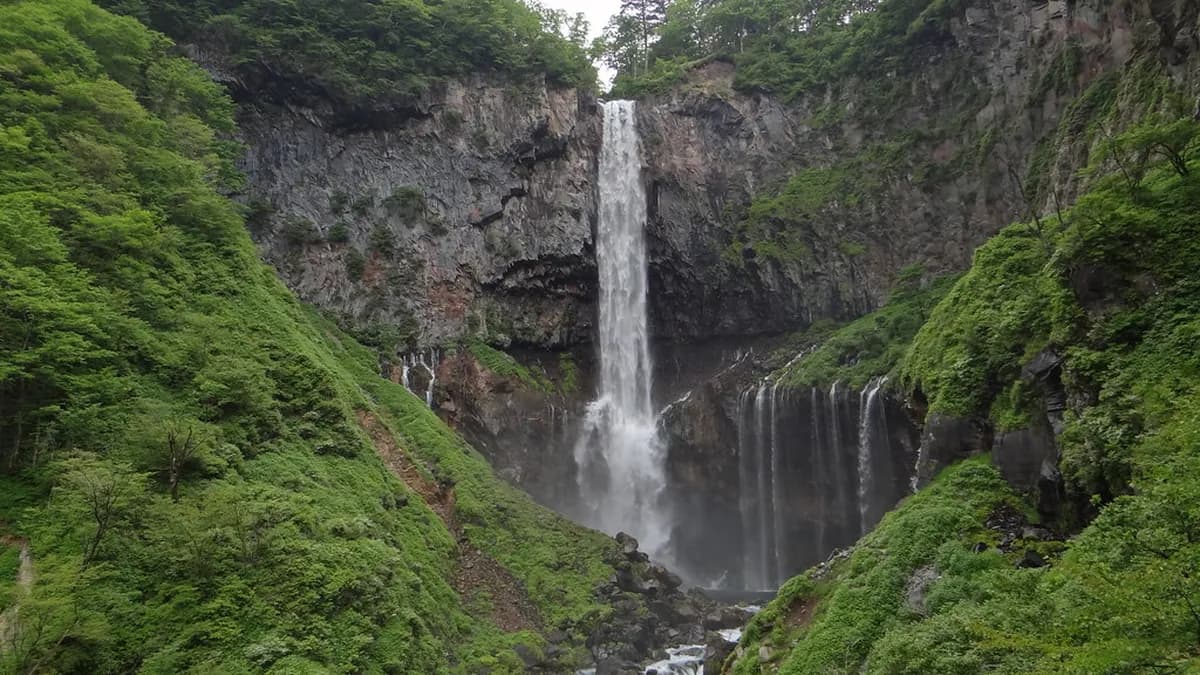
Kegon Falls drops 97 meters from the eastern lip of Lake Chuzenji into a granite gorge, and it earns its reputation as one of the three great waterfalls of Japan. The site sits roughly 1,270 meters above sea level inside Nikko National Park, two and a half hours from central Tokyo by direct express train and connecting bus. Most visitors come for the falls but stay for the surrounding shrines, lake cruises, and forest trails that share the same valley.
This 2026 guide focuses on the timings, ticket choices, and practical sequencing that decide whether a Kegon Falls trip feels rushed or genuinely rewarding. Pair it with our Nikko Day Trip From Tokyo: The Ultimate 1-Day Itinerary walkthrough for hour-by-hour planning, and use the sections below to lock in transport, seasonal timing, and the specific stops that justify the climb up the Irohazaka winding road.
Must-See Kegon Falls Attractions
The free upper observation deck sits a short walk from the Chuzenji Onsen bus terminal and gives you a wide-angle view down the gorge. It is the right starting point because it sets the scale before you commit to paid viewpoints. Benches and vending machines make it a comfortable place to wait if you arrive a few minutes ahead of your group.The paid elevator drops 100 meters through the rock face to a lower observation platform that puts you almost level with the plunge pool. The 2026 fare is 570 yen for adults and 340 yen for children, and the booth is open from 08:00 to 17:00 in the warmer months and 09:00 to 16:30 from December to February. Mist soaks the railing on windy days, so wipe camera lenses before each shot. The ride takes about a minute each way and the lower deck typically holds visitors for 15 to 20 minutes.
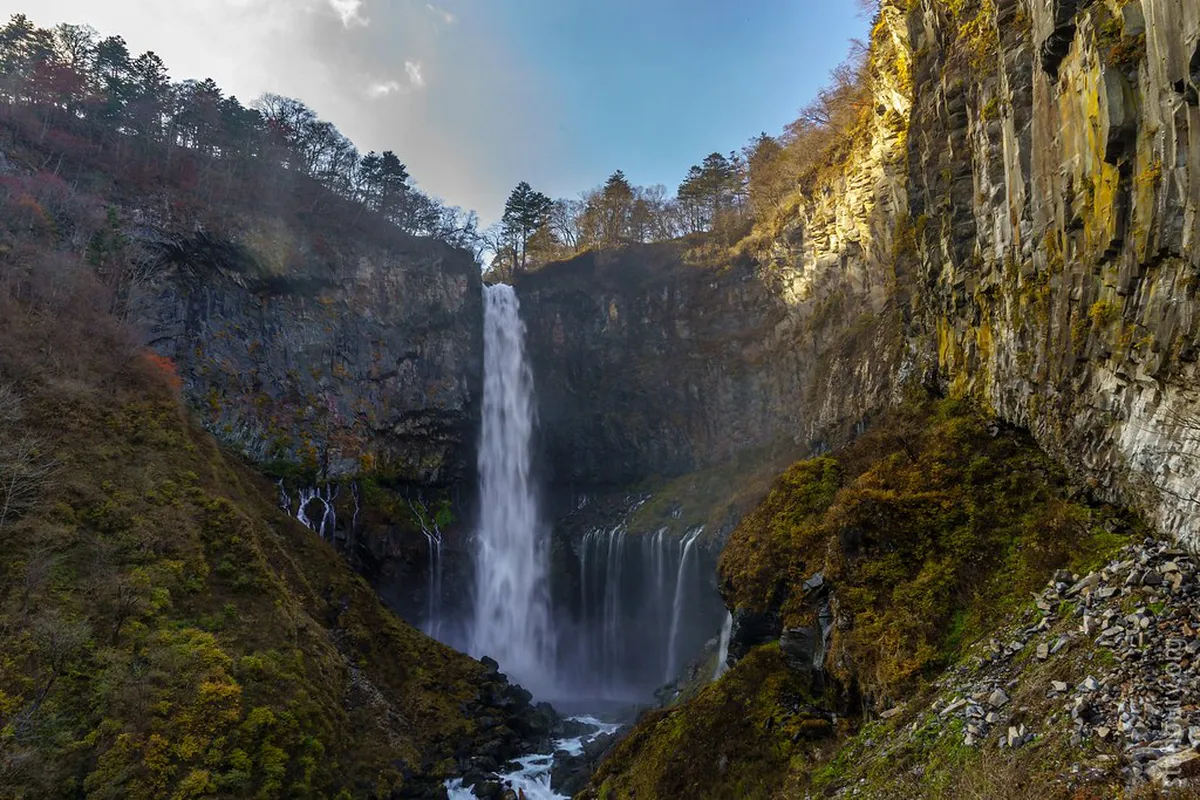
Akechidaira Ropeway gives you the only angle that frames the falls, the gorge, and Lake Chuzenji in one composition. The three-minute ropeway runs roughly every 15 minutes, and the round-trip ticket is 1,000 yen. The summit deck closes at 15:30 and operations pause in high winds, which catches day-trippers off guard if they save it for last.
The Akechidaira Ropeway summit deck closes at 15:30. Buses from Lake Chuzenji pass the ropeway base around 16:00–16:30, so saving it for the return trip almost always means missing it entirely. Ride it on the way up instead.
| Season | Highlight | Elevator hours | Crowd level |
|---|---|---|---|
| Spring (Apr–early Jun) | Peak volume from snowmelt; cherry blossom at lower altitude | 08:00–17:00 | Moderate |
| Summer (Jul–Aug) | Lush green canopy; hottest and most crowded | 08:00–17:00 | High |
| Autumn (mid-Oct–early Nov) | Koyo reds; longest queues of the year | 08:00–17:00 | Very high |
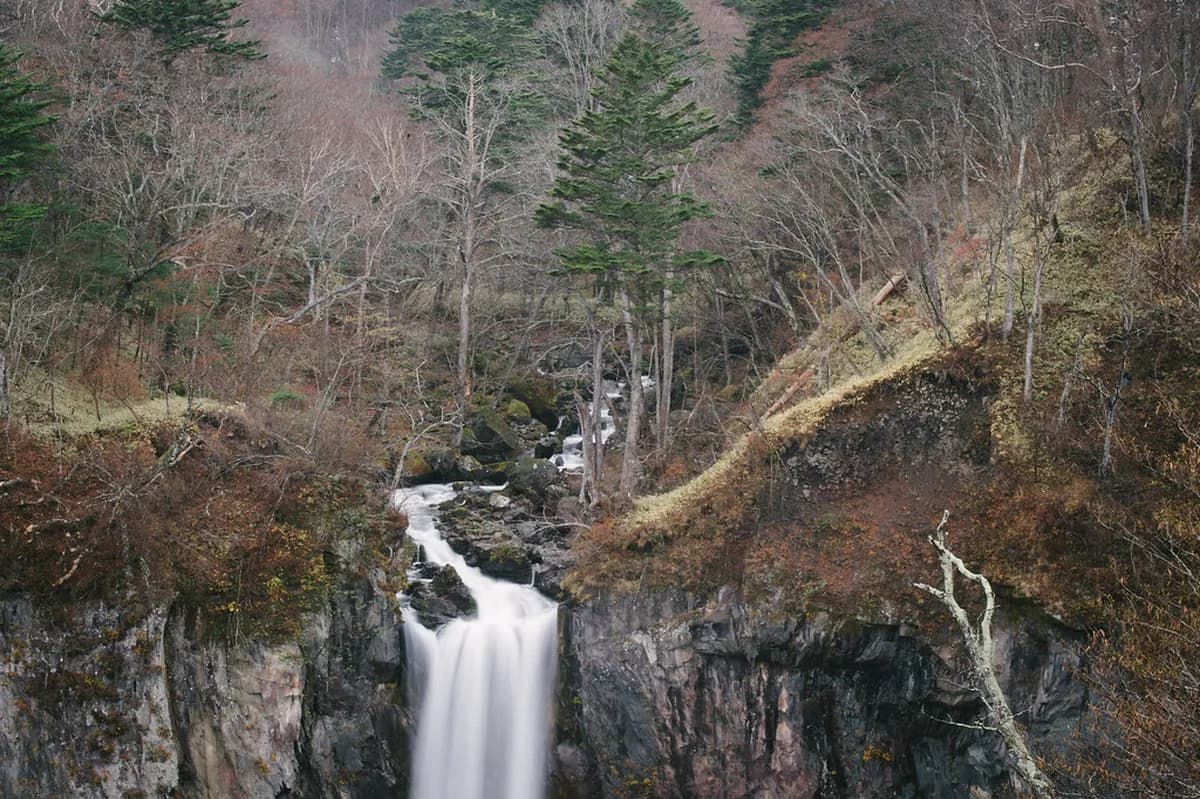
| Winter (late Dec–early Feb) | Partial ice pillars; smaller flow | 09:00–16:30 | Low |
- Kegon Falls seasonal flow at a glance:
- Spring (April to early June): peak volume from snowmelt, cool spray
- Summer (July to August): lush green canopy, hottest crowds
- Autumn (mid October to early November): koyo reds, longest queues
- Winter (late December to early February): partial ice pillars, smaller flow
Getting to Nikko: Transportation and Discount Tickets
Two rail options dominate the Tokyo to Nikko corridor. The Tobu Limited Express Spacia X from Asakusa runs the route in roughly 1 hour 50 minutes and costs about 3,050 yen one way with a reserved seat. The JR route connects Tokyo Station to Utsunomiya by Tohoku Shinkansen, then transfers to the JR Nikko Line for a 45-minute local segment, which is faster on paper but only cost-effective if you already hold a Japan Rail Pass. Our How To Get To Nikko From Tokyo: 10 Essential Travel Tips guide breaks down each schedule by hour.
The Nikko World Heritage Area Pass costs 2,120 yen and covers a round trip on basic Tobu fares plus the World Heritage Loop Bus around the central shrines. The All Nikko Pass costs 4,780 yen for the four-day version and extends coverage up the Irohazaka winding road to Lake Chuzenji, Yumoto Onsen, and Senjogahara. Limited Express seat fees are not included in either pass and must be added at the counter.
Digital versions of both passes are available through the Tobu Top Tours app in 2026, which lets you board buses by tapping a QR code instead of fumbling with paper tickets. Buy the digital pass before leaving Tokyo because the Asakusa ticket window can queue 20 minutes deep on weekends.
- Which Nikko Pass should you choose?
- Day-trip to shrines only: World Heritage Area Pass (2,120 yen)
- Adding Kegon Falls and Lake Chuzenji: All Nikko Pass two-day (4,160 yen)
- Two nights with Yumoto Onsen and Senjogahara: All Nikko Pass four-day (4,780 yen)
- Travelling on a JR Pass already: skip both, pay individual bus fares
How to Plan a Smooth Kegon Falls Day Trip
An efficient day trip from Tokyo leaves Asakusa on a 07:00 to 07:30 Spacia X, lands at Tobu-Nikko around 09:00, and pushes straight to the bus stand for the 09:15 service to Chuzenji Onsen. Reaching Kegon Falls before 11:00 lets you ride the elevator before the lunchtime queue and still leave room for Akechidaira on the way back down. The last comfortable train back to Asakusa departs Tobu-Nikko around 18:30, which means your turnaround at the falls should happen no later than 16:00.
The Irohazaka winding road has 48 hairpin turns split between an uphill and a downhill carriageway. Bus journeys from Tobu-Nikko Station to Chuzenji Onsen normally take 50 minutes, but autumn weekends in late October push that to 90 minutes or more once private cars line the shoulder. Trains and buses both spike around the Toshogu Shrine Autumn Grand Festival on October 16 and 17, so shift your visit a week earlier or later if your schedule allows.
Bring a light fleece even in August because Chuzenji sits 1,270 meters above sea level and the lakefront breeze drops the felt temperature by 5 to 7 degrees Celsius compared with central Tokyo. Carry 5,000 to 8,000 yen in cash for buses, the ropeway, and small cafes, since several mountain businesses still refuse credit cards. The Trulytokyo.com itinerary maps a similar timeline if you prefer a fuller hourly grid.
Parks, Gardens, and Outdoor Spots in Nikko National Park
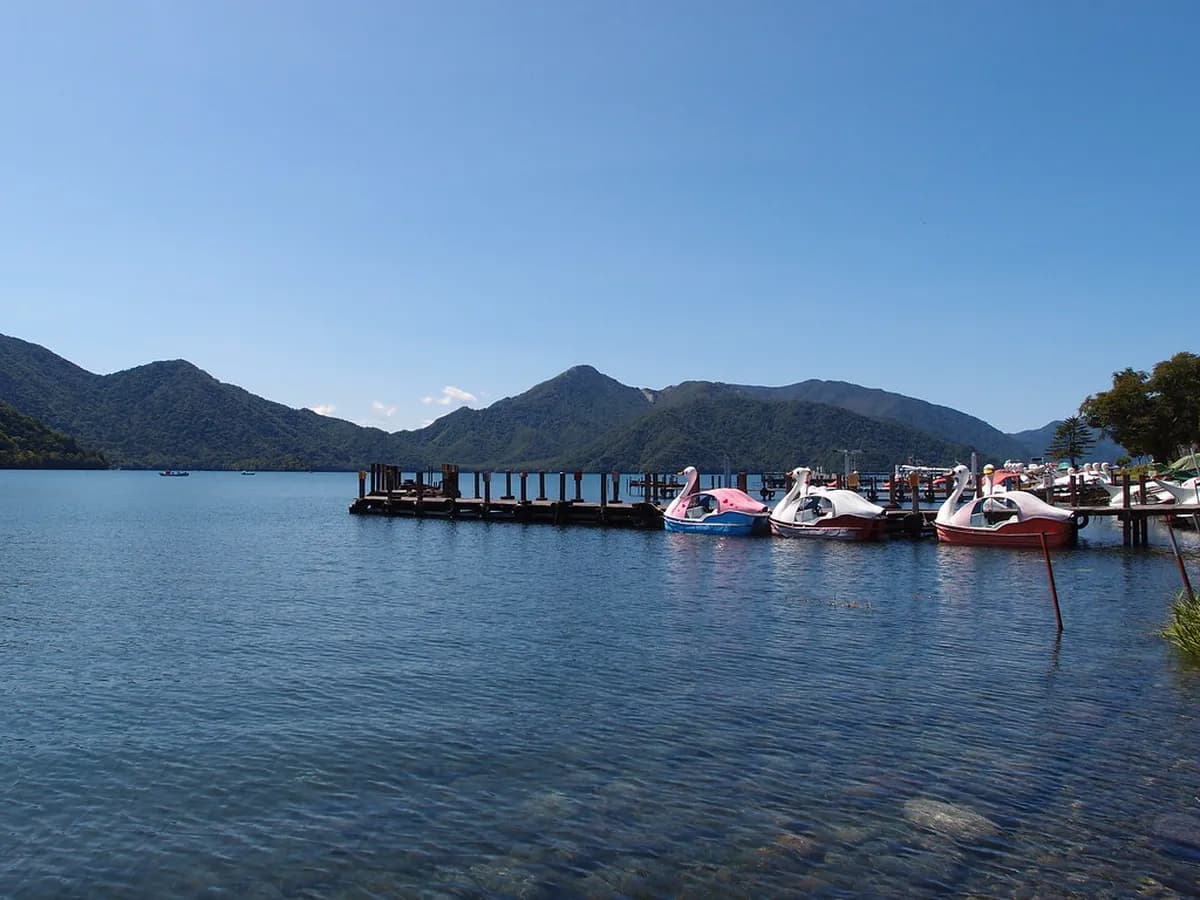
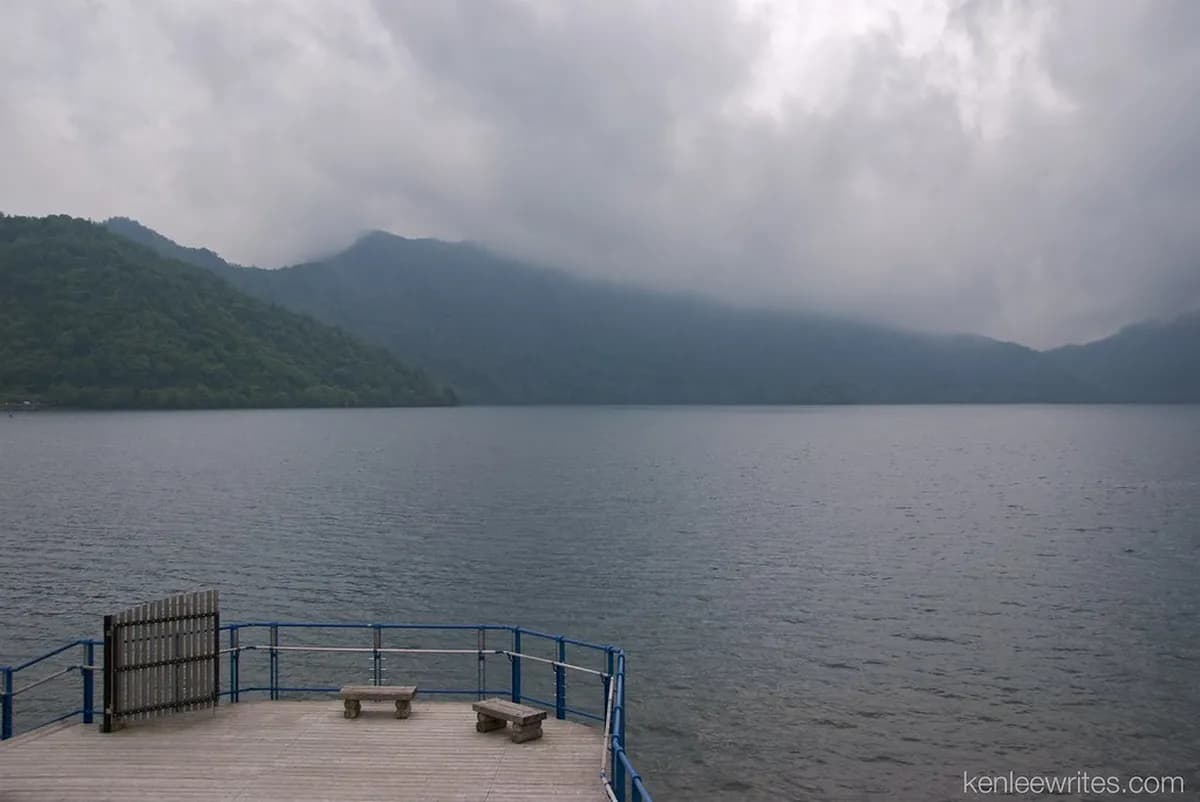
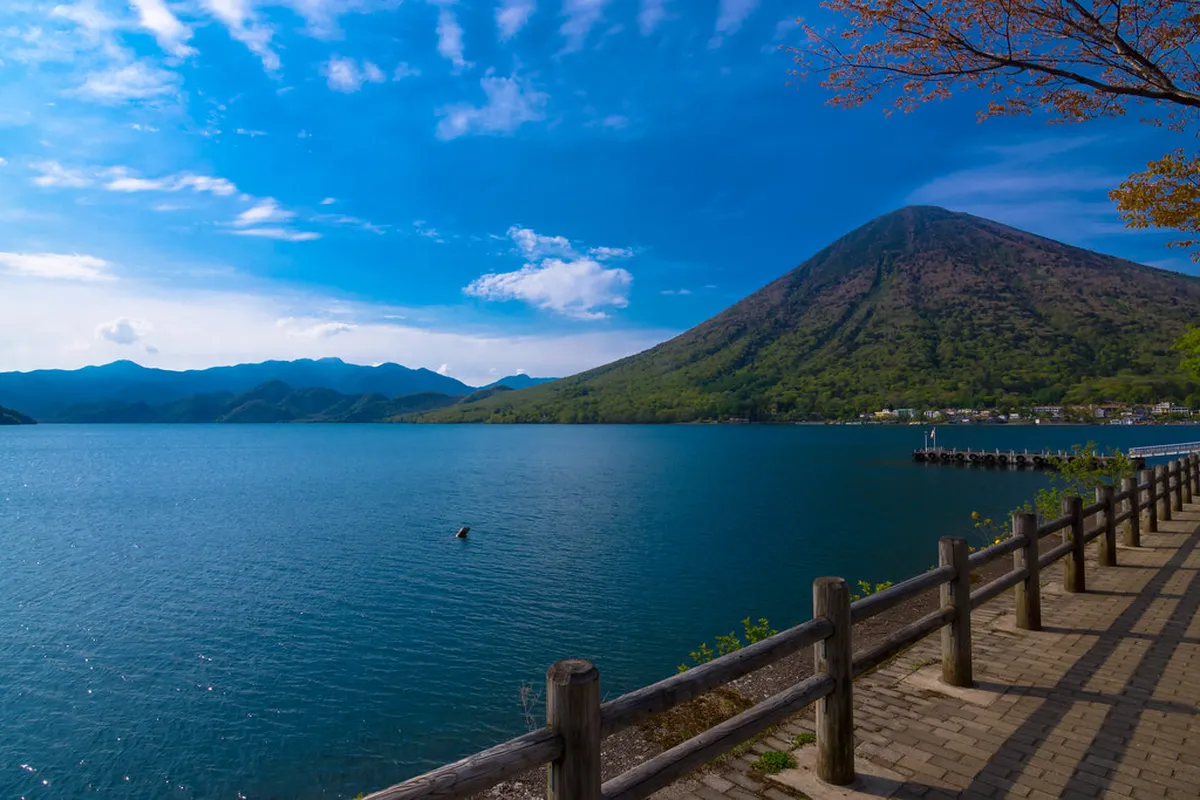
Lake Chuzenji formed when an eruption of Mount Nantai roughly 20,000 years ago dammed the valley. Sightseeing boats run from the pier next to the Chuzenji Onsen bus terminal, with a 55-minute lake cruise priced around 1,680 yen for adults. Japan-Guide.com publishes the seasonal cruise calendar, which typically shrinks to a single afternoon departure between December and March.
Senjogahara Marshland sits 30 minutes farther up the road and offers the easiest serious walk in the park. The 6.3-kilometer flat boardwalk loop from Akanuma to Yumoto takes around two hours one way and links Ryuzu Falls, the marshland viewpoint, and Yudaki Falls. Trail markers are bilingual and the route is exposed, so a sun hat earns its weight in July and August.
Kanmangafuchi Abyss is the easiest add-on inside central Nikko. The riverside trail is lined with about 70 weathered stone Jizo statues wearing red caps, and locals say each count produces a different number. The walk takes 30 minutes from end to end and is rarely crowded compared with the main shrine plaza.
One detail competitors ignore: Lake Chuzenji's altitude pushes its cherry blossom and azalea bloom roughly three to four weeks behind Tokyo. While Asakusa empties of petals by early April, the lakeside yamazakura often peaks in early May, and the Tachiki Kannon azaleas color the eastern shore in mid to late May. If you missed the Tokyo bloom, Chuzenji becomes a credible second window.
Museums, Art, and Culture in Nikko
The UNESCO Shrines and Temples of Nikko cluster on a single forested ridge in the central town. Toshogu Shrine, the mausoleum of Tokugawa Ieyasu built in 1617, is the headline stop. Admission in 2026 is 1,600 yen, and the famous Three Wise Monkeys carving above the sacred stable is the single most photographed panel on site. Our Nikko Toshogu Shrine Guide: 7 Essential Highlights and Tips covers the gate-by-gate route in detail.
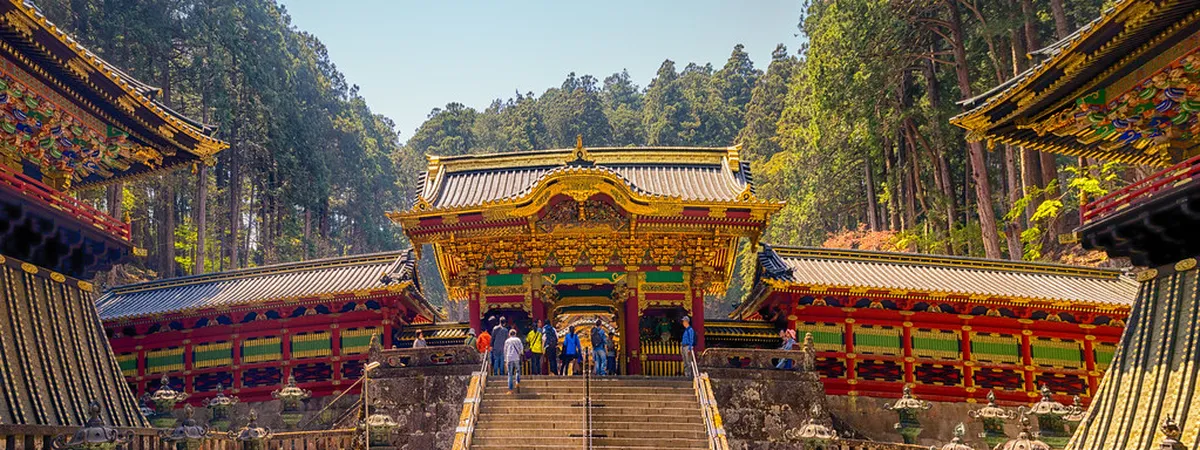
Rinno-ji Temple sits a short walk down the hill and houses three eight-meter gold-lacquered Buddhas in the Sanbutsudo Hall. A combined ticket for Sanbutsudo Hall, Taiyuin, the Treasure Hall, and Shoyoen Garden costs 1,000 yen, which is the better value once you commit more than an hour to the precinct. The garden is laid out as a stroll-style pond and is at its best when the maples turn in late October.
Futarasan Shrine is the quieter neighbor, dedicated to the spirits of Mount Nantai, Mount Nyoho, and Mount Taro. The main grounds are free, with a small fee for the inner precinct. Cedar avenues here connect to the Taiyuin Mausoleum of the third shogun Iemitsu, which is less crowded than Toshogu and arguably more atmospheric in early morning light.
Central Nikko: Getting There and Things to Do
Most visitors take the World Heritage Loop Bus from Tobu-Nikko Station, but a 20- to 25-minute walk along the main shopping street is the better choice if your pass does not include the loop or if buses are full. The route passes lacquerware stalls, the Nikko Yokan confectionery shops, and a handful of family-run yuba restaurants that open from 11:00. Walking saves 320 yen each way and warms you up for the cedar-lined climb to the shrines.
Shinkyo Bridge marks the symbolic entrance to the sacred precinct. The vermilion arch is striking against the river, and a 300-yen ticket lets you walk halfway across before turning back. Most photographers shoot it for free from the road bridge 50 meters upstream, where the angle is wider and includes the autumn maples behind it.
The town center is also where Nikko's craft scene lives. Workshops sell lacquerware, woven bamboo, and the locally distilled cedar essential oils used in many of the area's onsen. Most shops close by 17:00, which is earlier than Tokyo travelers expect, so plan souvenir shopping before the late-afternoon return train.
Kinugawa Onsen: Nearby Hot Springs and Activities
Kinugawa Onsen is a riverside hot-spring town one stop east of central Nikko on the Tobu line. Several large hotels open their baths to non-staying guests under the higaeri (day-use) system. Asaya Hotel runs a 13:00 to 15:00 window for around 1,500 yen, Kinugawa Grand Hotel Yumenotoki opens its open-air rotenburo for 2,200 yen, and Hotel Sun Shine Kinugawa is the cheapest at roughly 1,000 yen. Bring a small towel since most day-use rates do not include rentals.
Edo Wonderland Nikko Edomura is the area's headline family stop and recreates a 17th-century post town with costumed staff, live samurai performances, and ninja training games. A one-day pass is 5,800 yen and an afternoon pass is 5,000 yen. The park sits 20 minutes by bus from Kinugawa-Onsen Station and runs daily except Wednesdays.
The Kinugawa River boat tour pushes wooden rafts through gentle rapids between mid-April and late November. The 90-minute ride costs about 2,900 yen for adults and is bookable through hotel concierges. Pair it with a soak afterward and you have a half-day add-on if you stay overnight in town.
Family-Friendly and Budget-Friendly Options in Nikko
The cheapest way to see Kegon Falls with kids is to skip the elevator on the first visit and use the free upper deck plus the Akechidaira Ropeway viewpoint, which together cost 1,000 yen per adult and let young children see the most dramatic angles without the long elevator queue. Pair this with a picnic at the lakefront benches near Chuzenji Onsen and a single bus ride back to town. Our Nikko Attractions: 20 Must-See Sights & Things to Do overview lists more low-cost stops to fill the rest of the day.
For accessibility, the Kegon Falls elevator is wheelchair-friendly from the ticket booth to the lower deck, but the upper observation path includes a short cobblestone section that can be uneven. Strollers fit inside the elevator car. The Akechidaira ropeway cabins are step-on and accessible at both stations.
The All Nikko Pass becomes a clear win for families of three or more once you add the round-trip Tobu fares (2,720 yen each), the bus to Chuzenji Onsen (1,180 yen each), and the return. Two adults plus a child paying half-fare typically save 2,500 to 3,500 yen versus point-to-point tickets, and the pass also allows free re-rides if anyone needs an extra trip back to the hotel.
What to Eat: Local Nikko Specialties
Yuba, the delicate skin that forms on heated soymilk, has been Nikko's signature dish since Buddhist monks adopted it as a centerpiece of vegetarian cuisine. Sit-down yuba sets at restaurants like Shiori, Hippari Dako, and Gyoshintei run 1,500 to 2,500 yen and are usually served with rice, miso soup, and a tasting flight of yuba prepared raw, simmered, and fried. Reservations matter for dinner but lunch tables open by 11:30.
Yuba manju is the snack version: a fried tofu-skin pouch wrapped around sweet red bean paste, sold for around 250 yen each at the stall outside Tobu-Nikko Station. The vendor opens from 09:00 and sells out by 16:00 most weekends, so grab one on arrival rather than as a souvenir on the way home.
Beyond yuba, the area is known for natural shaved ice (kakigori) made from winter-harvested pond ice, locally distilled craft sake, and the small but growing Nikko Brewing Company taproom near the station. A single tasting flight of three beers runs about 1,200 yen and pairs well with the yuba fritters most izakaya keep on the menu.
- Yuba manju snack at Tobu-Nikko Station:
- Price: 250 yen each, cash only
- Window: 09:00 to roughly 16:00 daily
- Profile: crispy fried skin, sweet bean filling, light sea salt
- Buy two: one warm now, one for the train
Seasonal Timing and On-Mountain Safety
Microspikes for winter ice are sold at convenience stores in Chuzenji Onsen for around 1,500 yen. In winter the lower deck path can freeze over — these turn the descent from nervy to routine and are a worthwhile purchase if visiting between late December and early February.
Two practical points rarely surface in other Kegon Falls write-ups, and both shape whether a day trip succeeds. The first is the Akechidaira Ropeway's hard 15:30 closing time. Buses returning from Lake Chuzenji pass the ropeway base around 16:00 to 16:30, so saving Akechidaira for the way back almost always means missing it. Ride it on the way up instead, before bus traffic congeals on the Irohazaka, and you keep the rest of the day open.
The second is bears. The Senjogahara, Yudaki, and Yumoto trails sit inside active black bear (tsukinowaguma) habitat, with sightings logged most years between April and November. Tobu-Nikko Station's tourist information desk rents bear bells (kuma-yoke suzu) for around 100 yen per day with a deposit, and the same desk hands out a free trail map that lists the current month's sighting alerts. Hike in the morning, talk while you walk, and avoid earphones on the boardwalks. Central Nikko, Lake Chuzenji's lakefront, and Kegon Falls itself are not considered bear country.
For winter visits, the falls partially freeze when overnight lows in the gorge stay below minus 8 Celsius for three to five consecutive nights, which usually happens between late December and early February. The lower deck stays open in winter (09:00 to 16:30) but the path can ice over. Microspikes are sold at convenience stores in Chuzenji Onsen for around 1,500 yen and turn the descent from nervy to routine.
Where to Stay: Accommodation Near the Falls
Central Nikko around Tobu-Nikko Station is the right base for shrine-focused itineraries. Nikko Station Hotel Classic sits two minutes from the platform with rooms from around 9,000 yen, while Nikko Park Lodge Tobu Station offers dorm beds from 4,500 yen. Both put you within walking distance of breakfast spots and the early morning trains to Tokyo. Our Where to Stay in Nikko: 6 Best Areas and Lodging Guide hub lists more options by price and party size.
Lake Chuzenji is the better base for a slower, scenery-led trip. Hatago Nagomi and Chuzenji Kanaya Hotel both offer balcony rooms looking over the lake, kaiseki dinners that lean into yuba and local trout, and rotenburo open-air baths heated by Yumoto Onsen water. Rates start around 22,000 yen per person including dinner and breakfast. The trade-off is the last bus down the Irohazaka leaves around 19:30, which limits late-night options.
Families and groups often pick Kinugawa Onsen for buffet-style resorts with shuttle service from Kinugawa-Onsen Station. Asaya Hotel and Kinugawa Grand Hotel Yumenotoki are the long-running headliners. Book three to six months ahead for the autumn foliage window and the New Year holidays, when most lakeside ryokans require a two-night minimum.
Frequently Asked Questions
What is the best time of year to see Kegon Falls?
Autumn is the most popular time to visit when the surrounding trees turn vibrant red and gold. However, spring offers the most powerful water flow due to melting snow. Winter is also unique as the waterfall often partially freezes into giant ice pillars.
Is the Kegon Falls elevator worth the price?
Yes, the elevator ride is widely considered worth the 570 yen cost for the view. It takes you to a lower observation deck that provides a much more powerful and intimate perspective. You can truly feel the scale of the falls from the base.
Can you visit Kegon Falls and Toshogu Shrine in one day?
You can certainly visit both in a single day if you start early from Tokyo. Plan to visit the shrines in the morning and take the bus to the falls in the afternoon. For more travel tips, check out the latest updates on Japan Activity.
How do I get from Nikko Station to Kegon Falls?
Take a bus bound for Chuzenji Onsen from either the Tobu-Nikko or JR Nikko stations. The ride takes approximately 50 minutes and winds up the famous Irohazaka road. The waterfall is just a five-minute walk from the Chuzenji Onsen bus stop.
Is the Nikko Pass valid for the bus to the falls?
The All Nikko Pass covers the bus ride all the way to Lake Chuzenji and Kegon Falls. The World Heritage Area Pass only covers buses in the central town area. Make sure to buy the All Nikko Pass if you plan to see the waterfall.
Kegon Falls remains an essential stop for anyone visiting the Nikko region. The combination of natural power and seasonal beauty creates an unforgettable travel experience. Following this guide will ensure you make the most of your time in the mountains.
Whether you visit for the autumn leaves or the frozen winter ice, Nikko never disappoints. Pack your camera and prepare for one of the most scenic day trips in Japan. Safe travels as you explore the wonders of Nikko National Park.
Free: The Nikko Essentials guide
Top things to do, where to stay, a perfect day plan, getting around, and the best time to go — a Nikko mini-guide you can take offline.
You might also like

Continue reading
More guides you'll find useful