

Nikko Day Trip From Tokyo: The Ultimate 1-Day Itinerary
Plan the perfect Nikko day trip from Tokyo. Includes transport guides, a step-by-step itinerary, UNESCO sites, and local food tips.
On this page
A nikko day trip from Tokyo packs UNESCO shrines, a 97-metre waterfall and a high-altitude lake into roughly 11 hours door to door. The town sits in Tochigi Prefecture, about 140 km north of Tokyo, and the limited express trains close that gap in under two hours. This guide is built for travellers leaving Tokyo at 07:00 and back by 20:00, with realistic bus times and 2026 fares baked in.
The day splits cleanly. Morning belongs to the Tokugawa shrine complex around Tosho-gu and Rinno-ji. Afternoon belongs to the Irohazaka switchbacks up to Lake Chuzenji and Kegon Falls. Skipping either half is fine — but you have to choose, because the lake-area buses run every 30 minutes and the last sensible return train leaves Tobu-Nikko around 18:30. Below you will find the train decision, an hour-by-hour plan, a bus pass comparison, the yuba lunch shortlist, and a crowd-timing playbook for the Toshogu queue.
For the shrine area plus Lake Chuzenji, compare Tokyo–Nikko by rental car and public transport with your actual group size before choosing the train-and-bus plan or a full-day drive.
Is Nikko Worth a Day Trip From Tokyo?
Yes, with one caveat. A single day covers Tosho-gu, Shinkyo Bridge and Kegon Falls — the three sites every traveller comes for. What you cannot do in a day is hike Senjogahara marshland, soak at Yumoto Onsen, or tour Tamozawa Imperial Villa with any breathing room. Travellers who want all of that need two days and a night in Kinugawa Onsen or near Lake Chuzenji.
Compared to other day trips from Tokyo, Nikko trades a longer train ride for far more cultural depth. Hakone offers volcanic onsen and a ropeway in 1h25; Nikko gives you a 17th-century shogun mausoleum carved with over 5,000 figures in 1h50. Compared to Kamakura, Nikko trades easy walking distances for grander mountain scenery. Skip the lake half if you are visiting between mid-December and late February without warm gear — the Iroha Pass can close briefly during heavy snow.
Nikko Day Trip: At a Glance
This is the shape of the day. Use it as a quick mental anchor before reading the hour-by-hour breakdown.
- Departure window from Tokyo: 06:30 to 08:00. Earlier is better.
- Arrival in Nikko: 08:30 to 09:45 depending on train choice.
- Morning block (4 hours): Shinkyo Bridge, Rinno-ji, Tosho-gu, Futarasan Shrine.
- Lunch (1 hour): Yuba set or Nikko Coffee curry near Goyoteidori.
- Afternoon block (4 hours): Bus up Irohazaka, Kegon Falls, Lake Chuzenji shoreline.
- Return window: depart Tobu-Nikko 17:00 to 18:30. Back in Tokyo by 20:30.
- Total budget: ¥10,000 to ¥18,000 per person including round-trip train, bus pass, shrine entries and lunch.
Pack light. The shrine complex is built on graded gravel paths, the bus to Chuzenji winds through 48 hairpin bends, and you will want hands free for photos at Shinkyo. Comfortable shoes, a layer for the lake (it is roughly 6°C cooler than Nikko town), and small cash for the bus farebox are the only essentials.
Getting to Nikko: JR Pass vs Tobu Railway Options
There are three realistic ways to reach Nikko from central Tokyo, and the right one depends on which pass you already hold and how much you value the train experience itself.
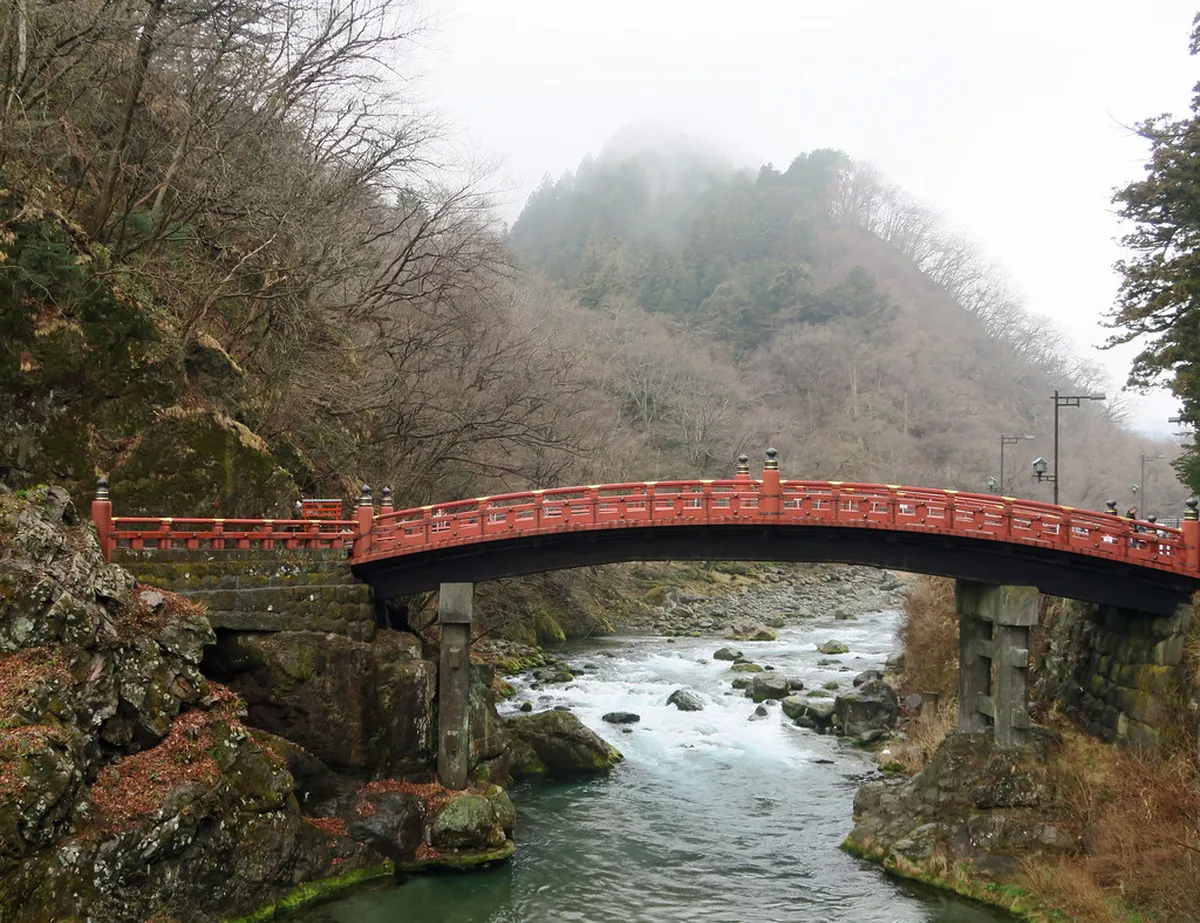
Option 1 — Tobu Limited Express from Asakusa. The Revaty Kegon and Spacia X depart from Tobu-Asakusa Station and arrive at Tobu-Nikko Station in 1 hour 50 minutes with no transfer. A standard one-way fare on the Revaty is around ¥3,050. This is the cleanest, fastest option for travellers paying cash. Reservations are required and the 07:30 departure is the sweet spot — early enough to clear Tosho-gu before the tour buses arrive at 11:00.
The new Spacia X elevates the journey itself. Six seat classes are offered, and the difference matters. The standard car runs about ¥3,400 one-way. The premium Cockpit Suite at the front of the train (only six seats per train) costs roughly ¥6,500 and books out 30 days ahead — the booking window opens at 09:00 JST exactly one month before departure on the official Tobu Railway site. The middle-tier Cockpit Lounge offers panoramic forward views without the suite price tag.
| Option | Route | Time | Fare (one-way) | Best for |
|---|---|---|---|---|
| Tobu Revaty / Spacia X | Tobu-Asakusa → Tobu-Nikko (direct) | 1h 50min | ~¥3,050 | Most travelers |
| JR Tokyo Wide Pass | Tokyo → Utsunomiya (Shinkansen) + JR Nikko Line | ~2h incl. transfer | ¥15,000 (3-day pass) | JR Pass holders |
| Nationwide JR Pass | Same Shinkansen route | ~2h incl. transfer | ¥50,000+ (7-day) | Only if using for other routes too |
Option 2 — JR Tokyo Wide Pass. The JR East Tokyo Wide Pass at ¥15,000 covers three days of unlimited rides on the Shinkansen and JR-East lines. For Nikko, you take the Tohoku Shinkansen from Tokyo or Ueno to Utsunomiya (50 minutes), then transfer to the JR Nikko Line for the final 45-minute leg. Total transit time is roughly 2 hours including the transfer. The pass pays back if you also use it for Kawaguchiko, Karuizawa or Gala Yuzawa within the three days.
Option 3 — Nationwide JR Pass. The standard Japan Rail Pass jumped to ¥50,000 for seven days in October 2023, which makes it a poor fit for a single Nikko day trip alone. It still works on the Shinkansen-plus-JR-Nikko-Line route described above, but cash on the Tobu Limited Express is usually cheaper if Nikko is your only side trip from Tokyo.
The two stations — Tobu-Nikko and JR Nikko — sit a 3-minute walk apart on the same street. Buses to Tosho-gu and Lake Chuzenji depart from in front of Tobu-Nikko, so any traveller arriving on the JR side simply walks across.
The Ultimate 1-Day Nikko Itinerary (Hour-by-Hour)
This schedule assumes the 07:30 Revaty Kegon from Tobu-Asakusa. Shift everything by 30 minutes if you ride the 08:00 Spacia X.
09:20 — Tobu-Nikko Station. Stop at the Tourist Information Centre to your left as you exit. Buy your bus pass and your Tosho-gu admission ticket here to skip the morning queue at the shrine.
09:35 — Bus to Shinkyo (Stop 7). Board at bus stand 2B; the ride is eight minutes. The vermillion Shinkyo Bridge sits over the Daiya River where the road bends. The viewing platform on the river bank gives the iconic angle for free; crossing the bridge itself costs ¥300 and is skippable.
10:00 — Shrine complex. Cross the road and follow the cedar-lined path uphill. Rinno-ji Temple is the first major building; pay ¥400 for the Sanbutsudo main hall and another ¥300 for the often-skipped Shoyoen garden behind it.
10:45 — Tosho-gu Shrine. Admission is ¥1,600. Do not rush past the Sacred Stable to find the "Three Wise Monkeys" carving — it is small and waist-high, easy to miss. Climb the 207 steps to Ieyasu's actual tomb past the Sleeping Cat for the quietest part of the complex.
12:15 — Lunch near Goyoteidori. Walk back through Futarasan Shrine (free for the outer area) and downhill to the main road. Yuba options follow in the food section below.
13:30 — Bus from Stop 9 (in front of Lawson) to Chuzenji. The 50-minute ride climbs the Iroha Pass: 48 numbered hairpin bends. Sit on the right going up for the best valley views.
14:30 — Kegon Falls. Alight at Stop 26 (Chuzenji-Onsen Bus Terminal) and walk five minutes east. The free upper deck is excellent; the paid ¥570 elevator drops 100 metres to the splash zone — worth it on a windless day, less so in winter.
15:30 — Lake Chuzenji shoreline. A 10-minute walk west of the bus terminal puts you on the lake. Twenty minutes is enough for the photos; longer if you take the swan-shaped pleasure boat (¥1,250, 55-minute loop).
16:30 — Bus back to Tobu-Nikko. Buses depart Stop 26 every 20 to 30 minutes; the ride down is roughly 45 minutes.
17:43 — Train back to Tokyo. The 17:43 Revaty arrives Asakusa at 19:30. The 18:25 Spacia X gets you back around 20:15.
Must-See UNESCO World Heritage Shrines and Temples
The "Shrines and Temples of Nikko" UNESCO site comprises 103 buildings across three properties: Tosho-gu, Futarasan Shrine and Rinno-ji Temple. They share a single forested compound and a single ¥1,600 Tosho-gu ticket plus ¥400 Rinno-ji ticket cover the headline buildings.
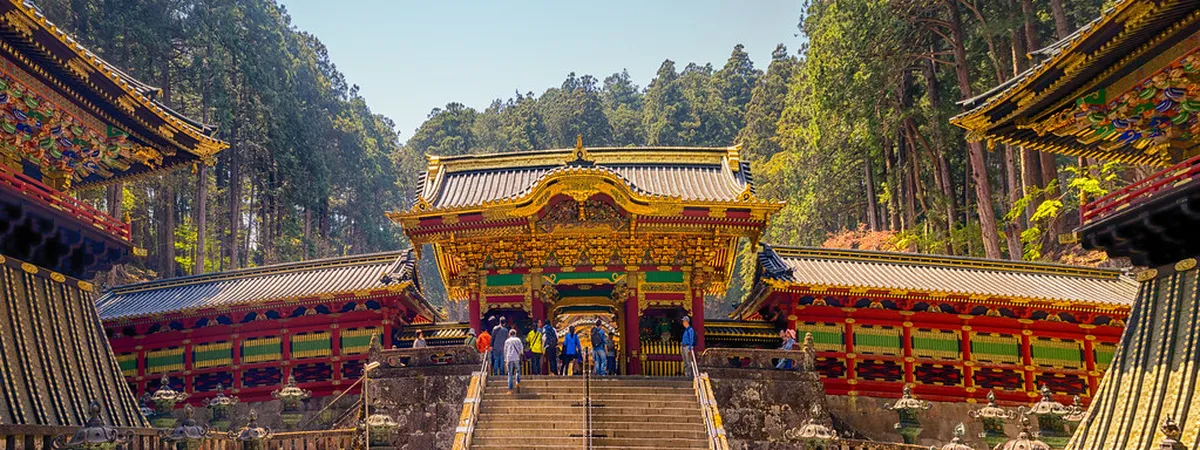
Tosho-gu Shrine is the showpiece. Built in 1617 by the second Tokugawa shogun to enshrine his grandfather Ieyasu, founder of the Edo Period (1603 to 1868), the complex pulled artisans from across Japan to produce its 5,173 carvings. Look for the Imagined Elephants on the Sacred Stable (the artist had never seen a real elephant), the Three Wise Monkeys, and the Sleeping Cat — all small, all easy to walk past, all part of why locals say Tosho-gu rewards slow visitors.
Rinno-ji Temple predates Tosho-gu by nearly 900 years. Founded in 766 AD by the priest Shodo, its main hall the Sanbutsudo houses three eight-metre golden Buddhas. Photography is forbidden inside, which is a blessing — most visitors actually look up. The Shoyoen garden behind the treasure house peaks for autumn maples in the second week of November and for white wisteria in mid-May.
Futarasan Shrine is the quiet third sibling. It is dedicated to the deities of Mt Nantai, Mt Nyoho and Mt Taro, the three sacred peaks that surround Nikko. Entry to the outer compound is free; the inner sanctum costs ¥300 and is mostly visited for the moss-covered stone walls along the approach path. After the crowds at Tosho-gu, this is where you exhale.
Natural Wonders: Kegon Falls and Lake Chuzenji
Kegon Falls drops 97 metres straight down a basalt cliff and is officially one of Japan's three great waterfalls. The water source is Lake Chuzenji directly above, which means the falls run year-round at strong volume. Autumn (early to mid-October at this elevation) frames them in red maples and is the busiest period. Winter (late January to mid-February) partially freezes the spray, producing icicle curtains along the cliff — a sight you will not see at any other major Japanese waterfall.
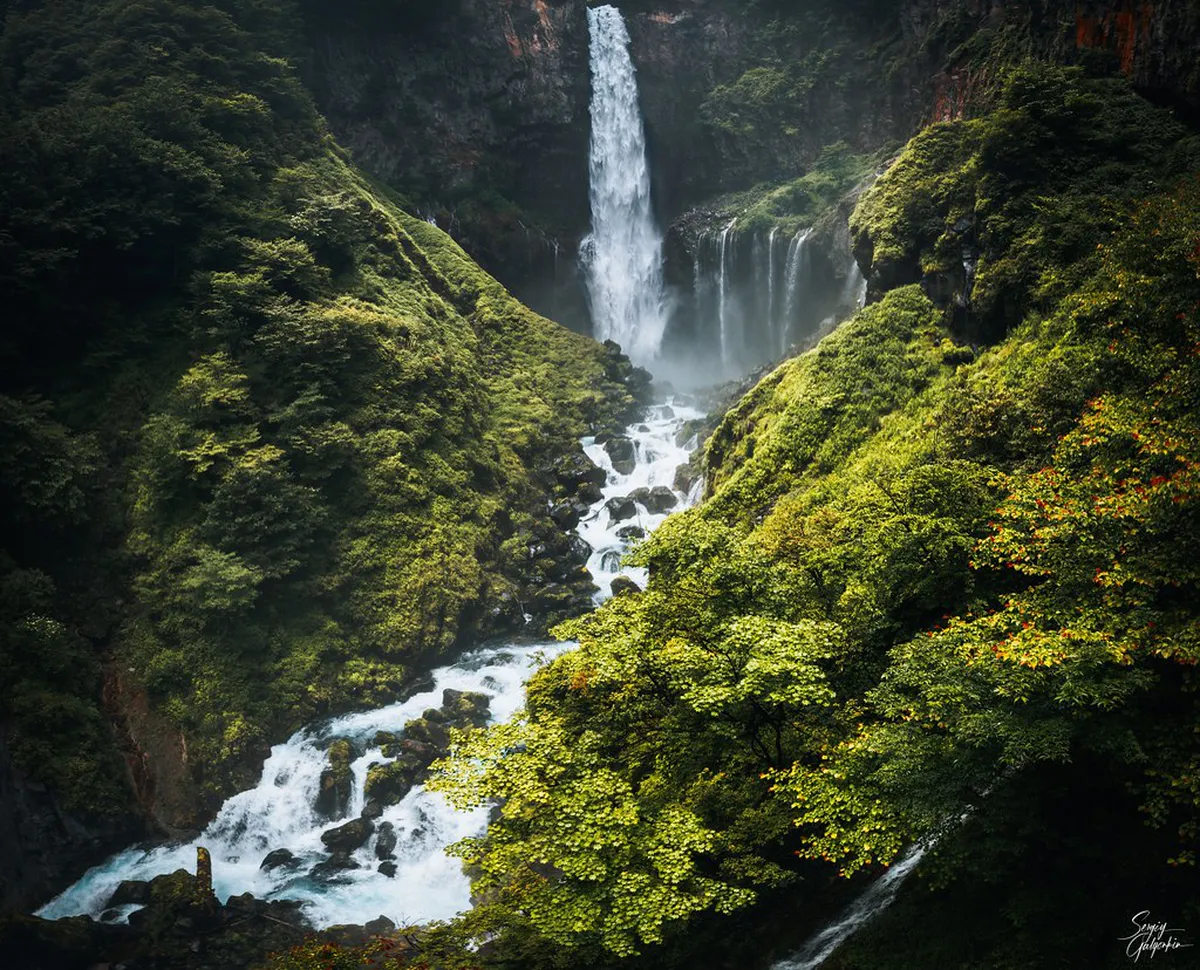
Lake Chuzenji sits at 1,269 metres elevation, formed roughly 20,000 years ago when an eruption of Mt Nantai dammed the Daiya River. It is 11.5 km in circumference and ringed by hiking trails, historic Western embassy villas turned museums, and the year-round Chuzenji Onsen hot springs. Day-trippers usually walk only the 500 metres of shoreline directly south of the bus terminal. Anyone with extra time should ride the bus another 10 minutes to Akechidaira ropeway for the postcard view of both lake and Kegon Falls together. The 10 Essential Tips for Your Kegon Falls Nikko Visiting Guide and Nikko National Park Travel Guide: Shrines, Nature & Logistics cover the upper-lake area in more detail.
Where to Eat: Nikko's Famous Yuba and Best Cafes
Nikko's signature food is yuba — the protein-rich skin that forms when soy milk is heated. Local monks invented the dish in the 8th century as a vegetarian protein source. Modern Nikko serves it in three formats: rolled and simmered (yuba-maki), sashimi-style raw (sashimi-yuba) and as a steamed bun (yuba-man).
Three reliable lunch options sit within five minutes' walk of Goyoteidori, the strip running west from the Tosho-gu approach:
- Yuba Sashimi Sushiten — full yuba sashimi sets from ¥1,800. Sit at the counter to watch the chef peel fresh sheets off a pan. Closed Wednesdays.
- Nikko Coffee Goyoteiten — a renovated machiya house serving black-pork curry and omurice from ¥1,400, plus seasonal kakigori shaved ice in summer. Open 09:30 to 17:00.
- Hippari Dako — the cult tavern hung with thousands of business cards from past customers. Order the gyoza and yakisoba for under ¥1,500 total. Cash only.
For a quick snack on the move, the yuba-man steamed bun stalls outside Tobu-Nikko Station (look for the blue Marusho sign) sell warm buns for ¥250 — perfect for the Irohazaka bus ride. Sawa Honten on the same block has been making yuba since 1872 and bottles a yuba miso paste that travels well as a souvenir.
Restaurants in central Nikko mostly close by 17:00 because the town empties when the day-trippers leave. If you push your departure to 19:00, plan dinner back in Tokyo or grab an ekiben on the platform.
Practical Logistics: Bus Passes and Getting Around
Nikko's local buses are run by Tobu and the right pass depends on whether you intend to visit Lake Chuzenji or stop at the shrines only. There are three options, and choosing wrong costs about ¥1,500.
- World Heritage Pass — ¥600. Covers buses between Tobu-Nikko Station and the shrine complex only (Stops 1 to 8). Pick this if you are skipping Kegon Falls and Lake Chuzenji entirely. Valid one day.
- Chuzenji Onsen Free Pass — ¥2,300. Covers all buses between Tobu-Nikko and Chuzenji-Onsen Bus Terminal (Stops 1 to 26). This is the right pass for the standard itinerary in this guide. Valid two days, which means it pays for itself even on a one-day visit because a single round-trip to Kegon costs around ¥2,300 alone.
- Yumoto Onsen Free Pass — ¥3,500. Extends coverage all the way to Yumoto Onsen at the far end of Lake Chuzenji (Stops 1 to 41). Pick this only if you are continuing to the upper lake or hiking Senjogahara.
All three passes are sold at the Tourist Information Centre inside Tobu-Nikko Station. The kiosk accepts cash and credit cards. Suica and Pasmo IC cards work on the buses themselves but cannot be used to buy these multi-day passes — so come with cash for the kiosk.
Bus frequency drops sharply after 17:00, and the last bus from Chuzenji back to Tobu-Nikko leaves around 19:30 in summer and as early as 18:30 in winter. Always check the printed timetable at the bus stand on arrival; it changes seasonally.
Crowd Timing and Winter Access: The Shrine Clock
Arrive at Tosho-gu before 10:00 — tour buses from Tokyo arrive between 10:00 and 10:30. Even the 07:30 Tobu Limited Express from Asakusa puts you at the shrine gates 90 minutes before the crowds thicken.
The Tosho-gu queue is genuinely brutal between 11:00 and 14:00 in peak autumn and Golden Week, with 30 to 45-minute waits for the Yomeimon gate inner staircase. The trick is sequence, not speed. The shrine complex opens at 08:00 from April to October and 09:00 from November to March. Tour buses arrive between 10:00 and 10:30 — even arriving at 09:20 from a 07:30 train puts you 90 minutes ahead of them.
Two specific bottlenecks worth knowing. First, the Sleeping Cat carving sits in a single-file passage to Ieyasu's tomb — once a tour group enters, you wait. Climb to the inner shrine first, then come back down through the bottleneck against traffic. Second, the Yomeimon Gate inner courtyard requires a separate ¥600 ticket on top of general admission for the Honden main hall — pay it; the painted ceiling is the actual masterpiece.
The Iroha Pass road to Lake Chuzenji can close briefly during heavy January–February snowfall, and last buses from Chuzenji run as early as 18:30 in winter. Check the Tobu Bus timetable before heading up in cold months.
Winter access changes the calculus. The Iroha Pass road up to Lake Chuzenji can close briefly during heavy January-February snowfall, and Tobu Bus runs reduced winter schedules from late December to mid-March. Check the official Nikko tourism page for the current week's bus alert before committing to the lake half in winter. Cash matters more here than elsewhere in Japan: Chuzenji bus terminal vending machines reject some foreign credit cards and the small lakeside cafes are cash-only.
Nikko Day Trip Map: Route Overview
The day's geography is a long thin "L". The vertical leg is the train line running south-to-north from Asakusa to the twin Nikko stations. The horizontal leg is the bus route westward up the Iroha Pass to Lake Chuzenji.
Within Nikko town the layout is simple. From Tobu-Nikko Station, the main road runs uphill east-northeast for 1.5 km before crossing the Daiya River at Shinkyo Bridge. The shrine complex unfolds northward from that crossing across 600 metres of forested grounds. Goyoteidori — the lunch street — runs parallel south of the main road. Lake Chuzenji and Kegon Falls sit 18 km west of Shinkyo with the Iroha Pass between them; bus or rental car only. Mark five points in your map app before departure and you will not get lost: Tobu-Nikko Station, Shinkyo Bridge, Tosho-gu, Chuzenji-Onsen Bus Terminal, Kegon Falls.
Extending the Trip When One Day Isn't Enough
If you can give Nikko two days, the second day pays back disproportionately. Stay a night at Kinugawa Onsen (40 minutes north on the Tobu line) or in central Nikko itself. Day two opens up Tamozawa Imperial Villa, the 1899 summer residence with 106 rooms blending Edo and Meiji architecture; Edo Wonderland Nikko Edomura, the samurai-and-ninja theme park 30 minutes from Tobu-Nikko; and Senjogahara marshland, the high-altitude wetland with a 7-km boardwalk loop that peaks for autumn grasses in mid-October. See the 2-day Nikko itinerary for a detailed split between shrine-day-one and nature-day-two.
If you opt to stay overnight, book early. The dozen ryokan around Lake Chuzenji and the higher-end properties in central Nikko fill 60 to 90 days ahead during the autumn foliage peak (the third week of October). The Where to Stay in Nikko: 6 Best Areas and Lodging Guide guide ranks the major districts by walking distance to the shrines. For a second day trip from Tokyo instead, Kawagoe's Little Edo district offers samurai history and traditional streetscapes in roughly the same travel window as Nikko.
Frequently Asked Questions
Is Nikko a day trip from Tokyo?
Yes, Nikko is a very popular day trip from Tokyo. The journey takes about two hours each way by train. You can see the major shrines and waterfalls in a single day.
Can you use the JR Pass to go to Nikko?
You can use the JR Pass for the Shinkansen and local JR lines to Nikko. Some direct limited express trains from Shinjuku also accept the pass. Always check the specific train type before boarding.
How many days do you need in Nikko?
One day is sufficient for the main UNESCO shrines and Kegon Falls. Two days are better if you want to hike or visit the theme parks. Most first-timers find a day trip perfectly satisfying.
A nikko day trip from tokyo rewards travellers who arrive early, choose the right bus pass, and respect the shrine sequence. The 07:30 Tobu Limited Express plus a Chuzenji Onsen Free Pass is the formula that makes the whole day fit into eleven manageable hours. Tosho-gu, Kegon Falls and a yuba lunch — that is the trinity that justifies the trip.
Book your train seat 30 days ahead if you want a Spacia X cabin, otherwise the regular Revaty Kegon does the job at half the price. Pack cash for the bus terminal kiosks, layer up for the lake, and start walking uphill from Shinkyo Bridge before the tour buses arrive at 11:00. Nikko in 2026 is more accessible than it has ever been — the Spacia X service launched in 2023 has matured, the foreign tourist info kiosks are staffed in English, and the bus alerts are now published online. Use that infrastructure and the day comes together exactly as planned.
For the wider city overview, see our Nikko attractions guide.
Free: The Nikko Essentials guide
Top things to do, where to stay, a perfect day plan, getting around, and the best time to go — a Nikko mini-guide you can take offline.
You might also like


Continue reading
More guides you'll find useful


