Nikko National Park Travel Guide: Shrines, Nature & Logistics
Plan your trip to Nikko National Park with our guide to UNESCO shrines, Lake Chuzenji hiking, and the best transport passes from Tokyo.
On this page
Nikko National Park spans 114,908 hectares across Tochigi, Gunma, and Fukushima prefectures, blending UNESCO-listed shrines with volcanic peaks and glacial lakes. The park sits roughly two hours north of Tokyo by Limited Express train, which makes it one of the most rewarding overnight escapes from the capital. Most first-time visitors split their time between Nikko Town, where the Toshogu Shrine complex draws the crowds, and Okunikko, the high-elevation zone built around Lake Chuzenji and Yumoto Onsen.
The trick to a good Nikko trip is knowing that "Nikko" is really three different places stitched together by one bus network. The Tobu Railway gets you from Asakusa to the gateway town. From there, color-coded buses climb the Irohazaka switchbacks into the highlands. Skipping the highlands is the most common mistake — the shrines are remarkable, but the wider park is where Nikko earns its national park status.
This 2026 guide covers the must-see attractions, the cultural backbone of Shugendo mountain worship, hiking and packrafting on Lake Chuzenji, the winter sports calendar, and the precise transport math for choosing between the Tobu bus pass and a rental car. Define your priorities before you board the train and the rest of the day plans itself.
Must-See Nikko Attractions
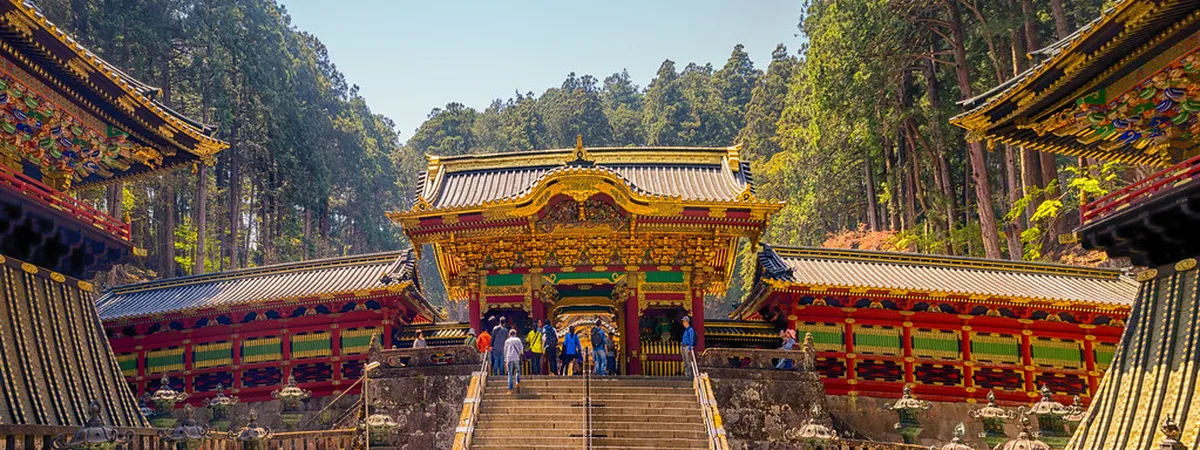
The Toshogu Shrine is the headline cultural site inside the park boundary and the mausoleum of shogun Tokugawa Ieyasu. Expect a complex of buildings layered with hundreds of carvings and gold leaf, including the famous five-story pagoda and the Yomeimon entrance gate. Admission is 1,600 yen and the gates open at 8:00 in summer (April-October) and 9:00 the rest of the year. Consult a Nikko Toshogu Shrine Guide: 7 Essential Highlights and Tips for the symbolism behind the sleeping cat and the three wise monkeys.
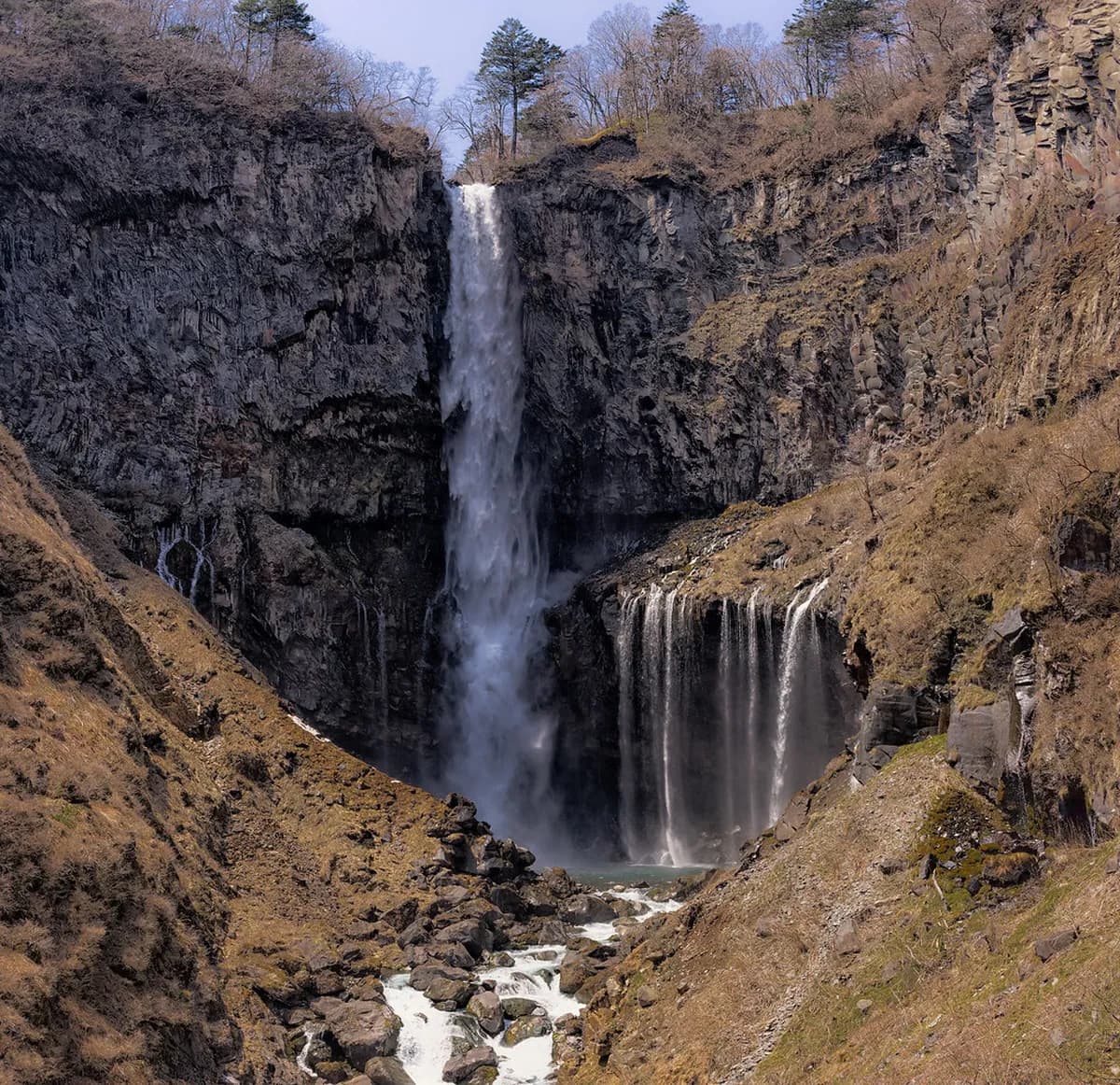
For natural drama, head straight up the Irohazaka road to Kegon Falls, where Lake Chuzenji's outflow plunges nearly 100 meters down a sheer lava cliff. The free upper deck delivers a wide view, but the 600-yen elevator drops you to the basin platform, which is the only angle that conveys the scale. A Kegon Falls visit pairs naturally with a quick stop at Akechidaira Ropeway, a three-minute cable car offering panoramic shots of the falls, lake, and Mt. Nantai in one frame.
The Shinkyo Bridge, a vermillion arch over the Daiya River, marks the symbolic entrance to the shrine district. Legend ties it to Shodo Shonin, the eighth-century monk who founded Nikko's spiritual sites after crossing the river on the backs of two snakes. Crossing the bridge costs 300 yen and takes a minute. Most visitors photograph it from the road bridge upstream — the angle is identical and free.
Many travelers find that these top Nikko Attractions: 20 Must-See Sights & Things to Do need a full morning to absorb properly. Arrive on the first Limited Express from Asakusa to beat the 10:00 tour-bus wave, and start with the Shinkyo Bridge before backtracking up to Toshogu. Plan for cobblestones, stone stairs, and at least 6 kilometers of walking before you even reach the bus to Lake Chuzenji.
- Toshogu Shrine: 1,600 yen, opens 08:00 (Apr-Oct) or 09:00 (Nov-Mar)
- Kegon Falls elevator: 600 yen, runs 07:30-17:00 in peak season
- Shinkyo Bridge crossing: 300 yen, free to view from the road
- Akechidaira Ropeway: 1,000 yen round trip, 3-minute ride
Museums, Art, and Culture in Nikko
The cultural foundation of Nikko is Shugendo, an ascetic tradition that fuses Shintoism, Buddhism, and mountain worship through practices like waterfall meditation and ridge-walking pilgrimages. The lineage begins with Shodo Shonin (735-817), who was the first to summit Mt. Nantai and is credited with founding Rinnoji Temple, Chuzenji Temple, and the Futarasan-jinja Shrine that anchors the modern shrine district. White-clad practitioners can still occasionally be spotted on the holy mountains around Okunikko in late summer.
Rinnoji Temple is the most important Buddhist site in the park and houses the Sanbutsudo hall, where three gilded wooden statues represent the deities of Mt. Nantai, Mt. Nyoho, and Mt. Taro — the three sacred peaks of Nikko. Admission to the main hall is 400 yen, with a separate 300-yen ticket for the adjoining Shoyoen garden, a stroll garden best visited in early morning before tour groups arrive.
The Tamozawa Imperial Villa, a 15-minute walk from the main shrine cluster, is a quiet alternative when Toshogu feels too crowded. The 106-room residence blends Edo and Meiji architecture and once housed three emperors. Entry is 600 yen and includes the surrounding moss garden. Futarasan-jinja Shrine itself, dedicated to the deities of Nikko's three mountains, is the registration point for the Mt. Nantai climb and a UNESCO-listed structure in its own right.
- Rinnoji Sanbutsudo: 400 yen, opens 08:00 (Apr-Oct), 09:00 (Nov-Mar)
- Tamozawa Imperial Villa: 600 yen, closed Tuesdays
- Futarasan-jinja Shrine: free to enter, 300 yen for inner sanctuary
- Shoyoen Garden: 300 yen, listed by UNESCO with the rest of the temple
Parks, Gardens, and Outdoor Spots in Nikko
Lake Chuzenji sits 1,269 meters above sea level at the foot of Mt. Nantai and was formed when a volcanic eruption dammed the valley roughly 20,000 years ago. Sightseeing boats run from Chuzenji Onsen pier between April and November, with the standard 55-minute loop costing 1,400 yen. The southwest shore is quieter than the populated northeast shore and contains the British and Italian Embassy Villa Memorial Parks, two restored 1920s embassy retreats with lake-facing tea rooms.
Senjogahara Marshland is the easiest top-tier hike in the park and a Ramsar-listed wetland. Elevated boardwalks run roughly 7 kilometers between Akanuma and Yutaki Falls and stay nearly flat throughout. Allow two and a half hours one-way; the Tobu bus stops at both ends so you do not need to backtrack. In late September the susuki grasses turn copper and frame views of Mt. Nantai across the plain.
The Kanmangafuchi Abyss, a 15-minute walk from the main shrine area, threads alongside a basalt-walled river lined with about 70 weathered Jizo statues. Local lore claims the count changes each visit, which is partly because several have lost their heads to flooding over the centuries. The path is free, almost always quiet, and a useful contrast to the Toshogu crowds. Pair it with a coffee at one of the cafes along Inarigawa Street on the walk back.
Family-Friendly and Budget-Friendly Options in Nikko
Nikko works well for families if you accept a slower pace. Edo Wonderland, a 15-minute bus ride from Kinugawa-Onsen Station, recreates a 17th-century town with ninja shows, samurai walks, and rental period costumes for kids and adults. Adult admission runs 4,800 yen and a family pass for two adults and two children is 12,800 yen. For more activity ideas built around shorter walks and easier transit, see our breakdown of Nikko With Kids: The Ultimate Family Guide & Itinerary.
The Nikko Pass family of tickets is by far the simplest budget hack. The All Area Pass at 4,800 yen (4 days) covers the round-trip Tobu local train from Asakusa plus all park buses up to Yumoto Onsen — anyone hitting Lake Chuzenji should default to this. The cheaper World Heritage Area Pass at 2,200 yen (2 days) covers buses only inside Nikko town and is enough if you stick to the shrines. The Nikko Mt. Pass adds the Akechidaira Ropeway for 6,800 yen if you want the panoramic view bundled in.
Local cuisine is where Nikko quietly rewards budget travelers. The town's specialty is yuba — the delicate skin that forms on heated soy milk — served fresh as sashimi-style strips, fried in a rice bowl (yuba-don) at around 1,200 yen, or wrapped around vegetables in a teishoku set. Hippari-dako on the main shrine road and Gyoshintei near Tamozawa Villa both serve credible yuba lunches under 2,000 yen. Convenience stores at both Tobu Nikko Station and Chuzenji Onsen are useful for picnics on the Senjogahara boardwalks.
- Nikko All Area Pass: 4,800 yen, 4 days, includes Tobu train + park buses
- Nikko World Heritage Pass: 2,200 yen, 2 days, town buses only
- Nikko Mt. Pass (with ropeway): 6,800 yen, 4 days
- Edo Wonderland: 4,800 yen adult / 2,500 yen child
Nikko Pass Comparison: Which One You Actually Need
| Pass | Price | Validity | Coverage |
|---|---|---|---|
| World Heritage Area Pass | ¥2,200 | 2 days | Tobu local train + shrine loop bus |
| All Area Pass | ¥4,800 | 4 days | Tobu train + all park buses to Yumoto |
| Mt. Pass (with ropeway) | ¥6,800 | 4 days | All Area + Akechidaira Ropeway |
Most pass guides describe the options without telling you which to buy. The decision is entirely about how far from Nikko Station you plan to wander, and whether you want the Limited Express train or the cheaper local train from Asakusa.
If you are doing a single-day shrine-only trip, the World Heritage Area Pass at 2,200 yen is the right call. It bundles the Asakusa-to-Nikko Tobu local train and the loop bus through Toshogu, Rinnoji, and Futarasan-jinja. Buy it at the Tobu Tourist Information Center inside Asakusa Station before you board.
If you are heading up to Lake Chuzenji or Kegon Falls, switch to the All Area Pass at 4,800 yen. It is valid for four days and covers every Tobu bus in the park, which is essential because individual fares to Yumoto Onsen are 1,750 yen each way. Two return trips into the highlands recoup the pass cost. If you want to save another 30 minutes per direction by riding the Limited Express Revaty or Kegon trains, add the express upgrade for 1,540 yen each way at the gate.
The Nikko Mt. Pass at 6,800 yen layers the Akechidaira Ropeway round trip onto the All Area benefits and is worth it only if you intend to ride the ropeway and visit Yumoto Onsen in the same trip. JR Pass holders should ignore the Tobu options entirely and ride the Tohoku Shinkansen to Utsunomiya before transferring to the JR Nikko Line, which lands at JR Nikko Station 200 meters from Tobu Nikko Station.
How to Plan a Smooth Nikko Attractions Day
The first Limited Express Revaty Kegon departs Asakusa at 06:30 and arrives at Tobu Nikko Station around 08:30 — this puts you at the Toshogu gate just as it opens and ahead of the 10:00 tour-bus wave. Buy the All Area Pass at Asakusa, not at the Nikko-side counter.
A productive day starts at Asakusa Station before 07:00. The first Limited Express Revaty Kegon departs at 06:30 and reaches Tobu Nikko Station around 08:30, which puts you at the Toshogu gate just as it opens. Anyone arriving on the 09:00 or later trains will share the shrines with school groups and the first wave of Tokyo day-trippers. The 2A bus from the Tobu Nikko Station forecourt covers the shrine loop and runs every 15 minutes in summer.
For a structured two-day approach that covers both the cultural core and the highlands, follow our Nikko 2 Day Itinerary: The Complete 48-Hour Travel Guide. Trying to fold Lake Chuzenji into a single day-trip rarely works — the Irohazaka switchbacks add 60 minutes round trip, and the last bus back from Yumoto Onsen leaves around 17:30 in summer and as early as 16:00 in winter. If you must combine, drop the temple interiors and prioritize the Toshogu courtyard plus Kegon Falls.
The single biggest day-tripper trap is the autumn-weekend Irohazaka traffic. Between mid-October and early November, the road up to Lake Chuzenji can take two hours instead of 45 minutes on Saturday and Sunday afternoons, and the buses crawl behind tour coaches. Travel midweek if your dates are flexible, board the 07:30 highland bus, and start your descent before 14:00 to avoid the worst of the jam.
Hike Through Nikko's Rugged Nature
Mt. Nantai is the signature climb in the park and the spiritual centerpiece of Shugendo practice. The trail starts behind Chugushi Shrine on the north shore of Lake Chuzenji, climbs 1,200 meters in 4 kilometers, and tops out at 2,486 meters. Allow 7 hours round trip on a fit day. Climbers must register at the shrine office and pay a 1,000-yen offering, and the trail is officially open only from May 5 to October 25 — outside that window the gates are locked and the upper slopes carry serious avalanche risk.
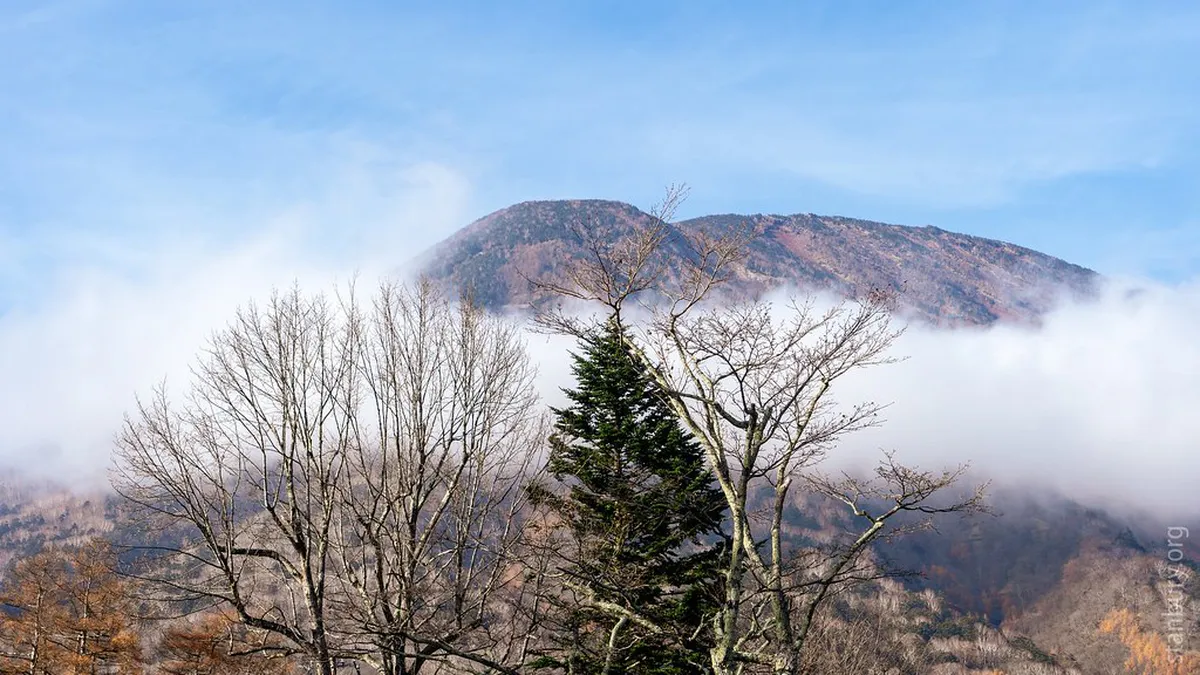
Mt. Shirane, at 2,578 meters, is the highest summit in the park and a more technical day. From the Yumoto Onsen bus stop the round trip takes 8-9 hours over volcanic scree; experienced hikers can cut three hours off by combining the route with the Nikko Shirane-san Ropeway from Marunuma side, though that requires either a rental car or a switch onto Gunma-side buses. Bring poles, a windbreak, and at least three liters of water — the upper plateau is exposed.
Japanese macaques near Yumoto and Senjogahara will inspect unattended bags. Asian black bears live throughout the park's western slopes — carry a bell and make noise on blind corners during the September–November pre-hibernation feeding window.
Wildlife on these trails is real. Japanese macaques are common around the Yumoto and Senjogahara trailheads and will inspect unattended bags. Asian black bears live throughout the park, especially on the western slopes; carry a bell and make noise on blind corners during the September-November pre-hibernation feeding window. Sika deer are frequent at dawn around the marshlands and pose no threat. Stay on marked paths to protect both yourself and the alpine vegetation.
Oku-Nikko Access: Buses, Passes, and Timing
Oku-Nikko — the highland zone covering Lake Chuzenji, the Senjogahara plateau, and Yumoto Onsen — is reached entirely by the Tobu bus network from Tobu Nikko Station. The Chuzenji-Onsen-bound bus departs from bay 2A in the station forecourt, climbs the 20 hairpins of the Iroha-zaka switchback road, and reaches Chuzenji Onsen pier in around 50 minutes in clear conditions. From Chuzenji Onsen, the same line continues to Senjogahara (Akanuma stop, about 20 minutes further) and Yumoto Onsen (around 30 minutes beyond Chuzenji). Total station-to-Yumoto travel time runs roughly 80 to 90 minutes one way when the road is moving normally.
The free pass math favors the Nikko Pass All Area at 4,800 yen for any visitor planning to ride beyond Chuzenji. The pass covers the Tobu local train from Asakusa plus every Tobu bus in the park up to Yumoto Onsen, valid for four days. A single one-way fare from Tobu Nikko Station to Yumoto Onsen is 1,750 yen, so two return trips into the highlands recoup the pass cost. Buy it at the Tobu Tourist Information Center inside Asakusa Station before boarding the train — passes purchased at the Nikko-side counter cannot be reused for the Asakusa-bound leg.
Iroha-zaka itself is one-way: the original older road handles downhill traffic (second iroha-zaka, 22 curves), and the newer road carries the uphill direction (20 curves). The split keeps things moving on weekdays, but autumn weekends still produce queues that stretch the 50-minute climb to 90 minutes or more. Board the first highland bus around 07:30 from the station, plan your return by 14:00 in October, and confirm the last departure from Yumoto on the Tobu Bus timetable before heading up — winter timetables thin out sharply after 16:00. For a deeper transport breakdown of the Tokyo-to-Nikko leg, see our How To Get To Nikko From Tokyo: 10 Essential Travel Tips guide.
Lake Chuzenji Deep Guide: Boats, Falls, and Chuzenji Onsen Town
Lake Chuzenji is the centerpiece of Oku-Nikko and sits at 1,269 meters above sea level — about 10 degrees Celsius cooler than Nikko Town below in summer, and where most overnight visitors base themselves once they discover the morning calm on the water. The lake formed roughly 20,000 years ago when a Mt. Nantai eruption dammed the valley, and it now anchors a compact resort settlement on its northeastern shore called Chuzenji Onsen, where the bus from Iroha-zaka terminates. Walkable from the bus stop you will find the pier, the main row of ryokan and cafes, several boat ticket offices, and the trailhead for the Mt. Nantai ascent at Chugushi Shrine.
Sightseeing boats run from the Chuzenji Onsen pier between April and late November. The standard loop takes around 55 minutes and stops at Shobugahama and the Italian Embassy Villa Memorial Park pier, with tickets around 1,400 yen for the full round trip. Shorter point-to-point tickets are sold separately if you want to hike one segment of the shore and boat back. For the deeper shore-side walks, embassy villa cafe stops, and southern circumference loop, our Lake Chuzenji guide breaks down the boat schedule and the trail choices in detail.
The waterfall relationship around the lake is worth understanding before you arrive. Kegon Falls is the outflow of Lake Chuzenji — the entire lake drains over the edge of a lava cliff and drops nearly 100 meters into the gorge below. Ryuzu Falls, by contrast, is a cascade that feeds into the lake on its northwestern side, where the Yukawa River descends from Senjogahara through a forested chute. Visit Kegon for the dramatic single-plunge view and the elevator down to the basin platform (600 yen); visit Ryuzu for the twin-channel ribbon view, which is at its best in mid to late October when the maples turn around the upper basin. Our Kegon Falls guide covers the elevator timings and the upper deck angles in more depth. Chuzenji Onsen town itself is small but functional — count on around a dozen ryokan, a Lawson convenience store for picnic supplies, and several yuba-focused restaurants serving lunch sets in the 1,500 to 2,500 yen range.
Senjogahara Marshland Trails: The Best Flat Hike in Nikko
Senjogahara is a Ramsar-listed wetland plateau sitting above Lake Chuzenji at around 1,400 meters elevation, and its elevated boardwalks make it the most accessible serious hike inside the park. The classic route runs roughly 7 kilometers from the Akanuma bus stop on the southern edge of the plain north to Yutaki Falls at the head of the marsh, staying almost completely flat the entire way. Allow about two hours of walking at a moderate pace, plus another 30 to 45 minutes for photo stops at the better viewpoints over Mt. Nantai across the plain.
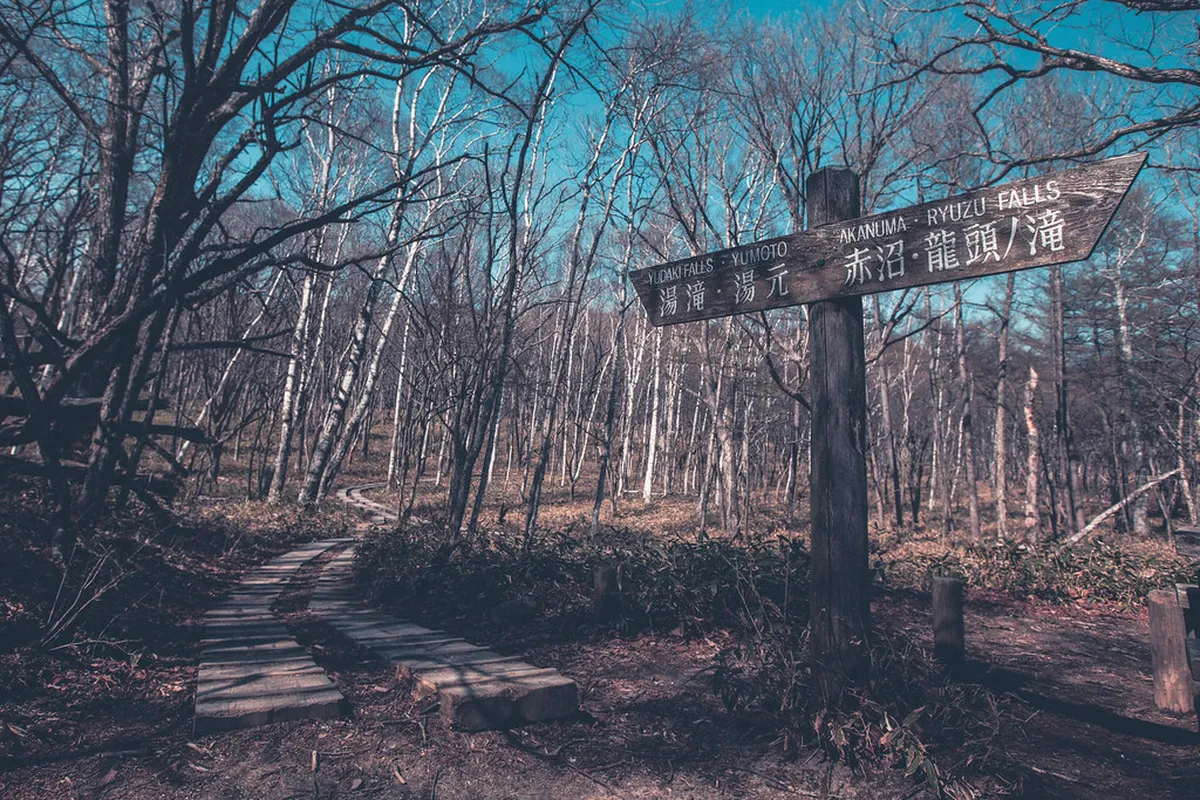
The reason locals walk Senjogahara in both directions across the seasons comes down to timing. Early to mid-June brings the white shrubs of the watasuge cottongrass and the pale lemon flowers of the nikko-kisuge daylily, which carpet the wetter pockets of the plain in fields you can see from the boardwalk. Mid to late October is the koyo window, when the susuki silver-grass turns copper and the surrounding maple slopes light up against the marsh — this is the most photographed period, and the parallel time when the Akanuma car park fills before 09:00 on weekends. Late September shoulder weeks deliver the susuki without the foliage crowds if your dates flex.
Access is straightforward on the Tobu bus from Tobu Nikko Station: take the Yumoto-Onsen-bound bus and ask for either Akanuma (southern entrance) or Sannoji-bashi / Yutaki (northern entrance). Walking south to north means the gradient is genuinely flat to mild downhill near the end at Yutaki Falls. The walk requires no specialized gear in summer or autumn — sturdy walking shoes are enough — but the wind on the open plain bites in early morning and after 15:00 even in June, so pack a light shell. In winter the boardwalks vanish under a meter of snow and become a guided snowshoe route only, with rentals available from the tourist office at Tobu Nikko Station starting around 8,000 yen for a half day.
Fall Foliage Timing: When Koyo Peaks Across Nikko
Fall foliage in Nikko unfolds top-down across the park's elevation bands, so the koyo window stretches over five to six weeks rather than peaking everywhere at once. Planning a trip around the color means matching your dates to the band you want to see at its best. The highland zone above 1,400 meters — the Senjogahara plateau and Lake Yuno near Yumoto Onsen — turns first, usually in the last week of September through the first week of October, when the larch and maple slopes light up before the rest of the park catches on.
The middle band peaks next. Iroha-zaka itself and the maple slopes above Akechidaira Ropeway hit their best window in mid-October, which is also when the Sunday afternoon bus jams down the switchbacks reach their worst. Lake Chuzenji's shore-side maples and the Ryuzu Falls upper basin follow in late October, with the embassy villa cafes on the southern shore at their busiest in this window. Kegon Falls below the lake stays photogenic through the same period because the gorge walls hold color slightly longer than the exposed lake-edge trees.
The lower band — the shrine forest around Toshogu, the Daiya River corridor near Shinkyo Bridge, and the Kanmangafuchi Abyss path — peaks last, in early to mid November. This is when the Nikko Town accommodation rates spike alongside the autumn shrine tours. If you want both highland and town foliage in the same trip, target the third week of October and split your nights between Chuzenji Onsen and Nikko Town. For broader weather and shoulder-season context, see our Best Time to Visit Nikko: Seasonal Guide & Weather Tips month-by-month breakdown.
Lake Chuzenji Trekking and Packrafting Experience
Packrafting on Lake Chuzenji is a niche but growing activity that takes advantage of the lake's calm mornings and clear water. The lake surface is generally glassy from sunrise to about 10:00, after which thermal winds from Mt. Nantai pick up and chop the surface. Two operators near the Chuzenji Onsen pier rent packrafts and dry bags for around 6,000 yen for half a day, with paddle and PFD included; advance booking through their websites is required from June through October because the operators cap daily groups at six people.
The southern shore trekking path is one of the better quiet hikes in the park and stays close to water level for most of its 12 kilometers. Start from the Chuzenji Onsen bus terminal, take the 10-minute connector bus to the Italian Embassy Villa Memorial Park, and walk back along the shoreline through cedar forest. The British Embassy Villa cafe serves scones and tea facing the lake — stop there for the 15:00 tea slot and you will catch afternoon light on Mt. Nantai across the water.
Seasonal timing matters. Late May brings rhododendron blooms along the southwest shore. Mid-June to mid-July is the rainiest window, and the embassy villa cafes operate on reduced hours. Lake-edge autumn color generally peaks in mid-October, about a week earlier than in Nikko Town below. The full 25-kilometer circumference loop is feasible in a long summer day but most hikers split it into a southern half and a northern half with a bus return.
Warm Up With Nikko's Winter Sports
Winter strips Nikko down to its essentials and creates one of the quietest stretches of the year. The Yumoto Onsen Ski Park, a small family-oriented hill at the end of the Nikko Pass bus line, runs from late December through early March and is reachable on a regular Tobu bus from Tobu Nikko Station. Lift tickets are 3,500 yen for a half day, rentals run 4,000 yen, and the slopes are gentle enough for beginners. Yumoto's sulfurous onsen, a 10-minute walk from the lifts, is where most skiers end the afternoon — the temple bath at Onsenji opens 08:00-17:00.
Snowshoeing on Senjogahara is the other accessible winter option. The boardwalks disappear under a meter of snow but the route is well-marked, and the Nikko Tourist Information Center at Tobu Nikko Station maintains a list of guided half-day tours starting at 8,000 yen with snowshoe rental included. The frozen Yutaki Falls at the Senjogahara terminus form a 75-meter ice column that draws photographers from Tokyo each January.
Access caveats matter in winter. The Yumoto-bound buses run on a reduced timetable and the Akechidaira Ropeway closes from December through early April. The Senjogahara plateau bus stops at Sannoji and Akanuma operate year-round but expect 90-minute headways. The Marunuma Kogen ski resort on the Gunma side has more terrain but is not on the Tobu pass network and effectively requires a rental car or shuttle from Numata Station. Check the Best Time to Visit Nikko: Seasonal Guide & Weather Tips for month-by-month weather and trail closure details.
Public Transport vs. Rental Car: A Decision Matrix
Most travelers default to the Tobu bus network and that is the right call for the standard Toshogu plus Lake Chuzenji circuit. A rental car only pays off if you intend to reach areas the bus does not cover well — Marunuma Kogen, the Kinugawa upper valley, the Kirifuri Highlands lily fields, or any side trip into Fukushima.
The bus network strengths are price (the All Area Pass amortizes to roughly 1,200 yen per day), zero parking hassle in the shrine district, and zero stress on the Irohazaka switchbacks during peak autumn weekends when even locals prefer to leave their cars behind. The downsides are reduced winter schedules, last-bus deadlines that compress your evening, and slow stops at every gateway during the autumn rush.
A rental car costs roughly 7,000 yen per day for a compact through Toyota Rent-a-Car or Klook, plus around 4,000 yen for a tank of gas and 200-yen-per-hour shrine-area parking. The car is decisive for the Kirifuri lily fields in July, the Tochigi side roads west of Yumoto, and any plan that involves driving onward to Aizu-Wakamatsu in Fukushima. For first-time visitors sticking to the major sights, the Tobu pass is faster, cheaper, and removes the variable of icy mountain roads in shoulder seasons.
The Main Areas of Nikko National Park
Nikko Town, the gateway built around Tobu Nikko Station and JR Nikko Station, holds the UNESCO shrines, most of the budget accommodation, and the densest cluster of yuba restaurants. The town is walkable from station to Toshogu in 25 minutes, with the Daiya River and Shinkyo Bridge dividing the commercial strip from the shrine forest. Most first-time visitors stay here for the cheaper rates and easier train access. Deciding Where to Stay in Nikko: 6 Best Areas and Lodging Guide ultimately comes down to whether you prioritize shrine proximity or lake-side seclusion.
Okunikko, meaning "deep Nikko," covers Lake Chuzenji, Yumoto Onsen, and the Senjogahara plateau. The bus from Nikko Station climbs the Irohazaka switchbacks in 45 minutes to an hour and lands at Chuzenji Onsen at 1,269 meters — about 10 degrees Celsius cooler than the town below in summer. Hotels here are pricier but you avoid the morning bus rush and wake up with Mt. Nantai across the water.
Kirifuri Highlands sit northeast of Nikko Town and remain underrated even by Japanese visitors. The Kirifuri Falls observation deck, the Tsutsuji-ga-oka azalea field in May, and the 1,445-step climb to the Kirifuri Plateau lily fields in July are the headline draws. A separate bus line runs from Tobu Nikko Station and is included on most All Area passes. Yumoto Onsen, at the far end of Okunikko, offers the most secluded ryokan experience in the park alongside a 1,200-year-old hot spring temple and the easy Lake Yuno walking loop.
Location & Access: Getting to Nikko
Most travelers reach the park via the Nikko Station location using the Tobu Railway from Asakusa. The Limited Express Revaty Kegon takes 110 minutes and costs 3,050 yen one way; the local Rapid train takes 145 minutes for around 1,400 yen and is the cheaper option if your Nikko Pass already covers the local. The pass plus express upgrade is the most efficient mix on a tight schedule.
JR Pass holders should take the Tohoku Shinkansen to Utsunomiya (50 minutes from Tokyo Station) and transfer to the JR Nikko Line for the final 45-minute leg. JR Nikko Station sits 200 meters from Tobu Nikko Station, so once you arrive the bus network and pass options are identical. For a step-by-step breakdown of all four routes including travel times and costs, see our How To Get To Nikko From Tokyo: 10 Essential Travel Tips guide.
Once inside the park, the Tobu bus network is color-coded by destination: yellow buses serve the shrine loop, red buses run up to Lake Chuzenji, and the dedicated Yumoto line continues to the highland onsen. Onboard displays announce stops in Japanese and English, and most drivers will gesture at the right exit if you show them your destination on a phone. Motion-prone passengers should sit on the right side of the bus going up the Irohazaka — the left side faces the cliff edge.
Frequently Asked Questions
What is Shugendo and why is it important in Nikko?
Shugendo is an ancient Japanese tradition of mountain asceticism that combines Buddhist and Shinto beliefs. In Nikko, it is vital because the park's shrines and temples were founded by monks practicing these rituals. Visitors can see this spiritual legacy in the sacred mountain peaks and temple architecture.
Is a day trip from Tokyo to Nikko enough?
A day trip is enough to see the main UNESCO shrines and the Shinkyo Bridge. However, you will likely miss the natural beauty of Okunikko and Lake Chuzenji. Staying overnight allows for a more relaxed pace and the chance to enjoy a traditional hot spring bath.
Which Nikko Pass should I buy for the national park?
The Nikko Pass All Area is best if you plan to visit Lake Chuzenji or the waterfalls. It covers all buses and the train from Tokyo. If you only want to see the central shrines, the World Heritage Pass is a cheaper option that covers the basic transport.
What are the best hiking trails in Nikko for beginners?
The Senjogahara Marshland trail is the best choice for beginners because it is mostly flat and uses boardwalks. The path around the Kanmangafuchi Abyss is also very easy and offers beautiful river views. Both trails provide great scenery without requiring specialized hiking gear or high fitness levels.
Nikko National Park rewards travelers who plan around its dual nature: a UNESCO shrine cluster anchored to a wider volcanic park that feels worlds apart. Get on the first Limited Express, default to the All Area Pass, and split your day between the Toshogu courtyard and at least one Okunikko hike or boat ride.
The shrines and the lake combined explain why the park has held its place on Japan itineraries for over a century. Build in time for both, respect the bus and trail schedules, and you will leave with a clearer sense of why Shodo Shonin and the Tokugawa shoguns chose this corner of Tochigi as their spiritual home.
For the wider city context, see our complete Nikko attractions guide.
Free: The Nikko Essentials guide
Top things to do, where to stay, a perfect day plan, getting around, and the best time to go — a Nikko mini-guide you can take offline.
You might also like

Continue reading
More guides you'll find useful