Nikko With Kids: The Ultimate Family Guide & Itinerary
Plan the perfect Nikko family trip with our guide to Edo Wonderland, Toshogu Shrine, and Lake Chuzenji. Includes a 3-day itinerary and stroller tips.
On this page
Nikko is a magical mountain escape in Tochigi Prefecture that blends UNESCO World Heritage shrines with waterfalls, ropeway rides, and a Edo-era theme park. I designed this Nikko Itinerary: 1-Day, 2-Day & 3-Day Plans specifically for first-time visitors traveling with children of all ages. The plan balances cultural exploration with high-energy outdoor activities so toddlers, tweens, and teens all stay engaged. Last refreshed for 2026, it accounts for the Spacia X timetable, current Nikko Pass pricing, and the seasonal closures families typically miss.
Many parents wonder if the long train ride from Tokyo is worth it for younger kids. The variety of experiences — ninja shows, lake cruises, mountain ropeways — makes it a top-tier destination for active families. From the elevator at Kegon Falls to the costume shops at Edo Wonderland, there is enough excitement to fill three days easily. This plan helps you navigate steep ancient stairs, narrow mountain roads, and Japanese onsen etiquette without losing your mind.
Why Nikko is Great for Families
Nikko works for families because it compresses three different vacations into one valley.
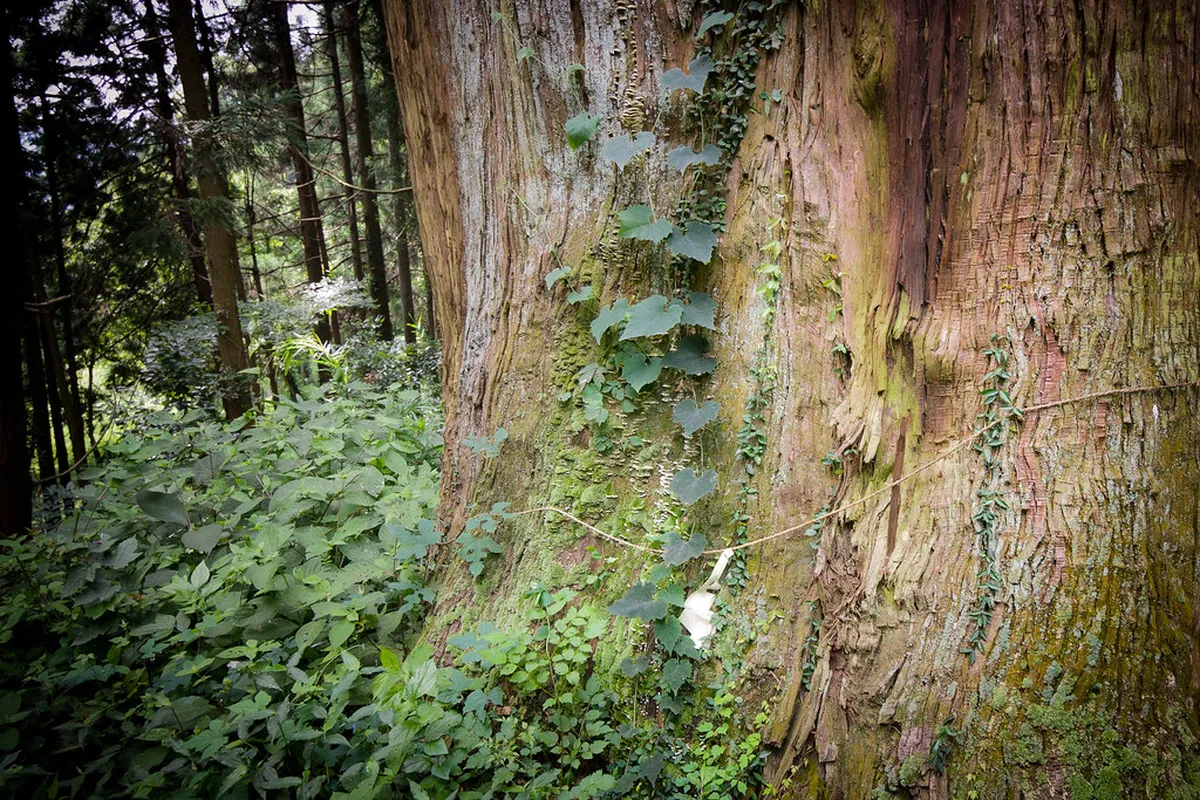
The town is also small enough that families do not need a car. Tobu Nikko Station drops you 200 meters from the main bus terminal, where every kid-friendly attraction is reachable on a single all-day pass. Restaurants stock high chairs, convenience stores carry diapers and baby wipes, and most hotels keep cots free for under-3s. Mountain air sits 5 to 8 degrees cooler than Tokyo in summer, which alone makes the trip worth it during August heat waves.
Use this quick age-suitability map to decide which highlights match your child:
- Toddlers (1 to 3): Lake Chuzenji boat cruise, Tobu World Square miniatures, Shinkyo Bridge photo stop, ryokan onsen with private family bath.
- Children (4 to 7): Edo Wonderland costumes and ninja maze, Kegon Falls elevator, Akechidaira Ropeway, Kanmangafuchi Abyss jizo statues.
- Tweens (8 to 12): Toshogu carving hunt (find all 23 animals), Rinnoji's three golden Buddhas, Kirifuri 1,445-step climb, Kinugawa River boat ride.
- Teens (13+): Mt. Nantai sacred hike, Tobu Spacia X premium seats, Edo Wonderland sword-fighting workshops, late-night ryokan onsen.
How to Get to Nikko with Kids
Getting to Nikko from Tokyo is straightforward if you depart from Asakusa Station. The Tobu Railway operates the Limited Express Spacia and the newer Spacia X trains direct to Tobu Nikko Station, with no transfers. Spacia X carriages 1 and 6 have reservable private compartments that seat four — the best option if you are traveling with a toddler who needs quiet space or a teenager hogging the window. The journey takes roughly 110 minutes and offers plenty of legroom for restless children.
Buy the NIKKO PASS at the Tobu Tourist Information Center inside Asakusa Station before boarding. Two versions exist: the Nikko All Area Pass covers shrines plus the Lake Chuzenji and Yumoto Onsen buses, while the Nikko World Heritage Pass stops at the central temple area. For a family staying two or more nights with at least one trip up to the lake, the All Area Pass pays for itself by Day 2.
Here is the actual math for a family of four (2 adults + 2 children aged 6 to 11) in 2026:
- Tobu round trip + All Area Pass (4 days): 4,940 yen adult, 1,250 yen child. Total: 12,380 yen.
- Buying everything individually: Asakusa-Nikko round trip (2,860 yen adult, 1,440 yen child) + 4 days of buses around 4,500 yen adult / 2,250 yen child. Total: 20,920 yen.
- Family savings with the pass: roughly 8,540 yen — plus you skip the ticket-machine queues every time you board a bus.
If you prefer flexibility, driving from Tokyo is also viable. The drive takes about two and a half hours via the Tohoku Expressway. Parking is available at most major sites including the Kegon Falls area. The winding Irohazaka Road with its 48 hairpin turns can be brutal for kids prone to motion sickness — pack ginger candies or a Sea-Band wristband and have a vomit bag in arm's reach.
3-Day Nikko with Kids Itinerary
I built this 3-day plan after realizing one day is not enough for families. We hit the elevator at Kegon Falls right at 8:00 AM to beat the tour buses. Starting early lets your children explore wider paths before midday crowds arrive. This itinerary groups attractions by area to minimize bus transfers and stroller hauling.
Day 1: Lake Chuzenji Area
The first day takes you deep into the Nikko National Park area. Take the 7:30 AM bus from Tobu Nikko Station and ride 50 minutes up Irohazaka to Akechidaira (transfer point) or directly to Chuzenji-ko Onsen. Pack extra layers — temperatures at the lake run 5 to 8 degrees cooler than Tokyo. Most of Day 1 is stroller-friendly: the lakeside promenade, the Italian Embassy Memorial Park trail, and the Kegon Falls observation deck all have ramps or paved paths.
- Morning: 8:30 AM to 11:00 AM — Akechidaira Ropeway for the Kegon Falls panorama, then Kegon Falls elevator to the 100-meter base platform.
- Afternoon: 1:00 PM to 4:00 PM — Lake Chuzenji sightseeing boat (40-minute loop), then walk the British Embassy Villa Memorial Park lakeside trail.
- Evening: 6:00 PM to 7:30 PM — Lakeside dinner at Chuzenji Kanaya Hotel or back in town.
- Total time: ~8 hours. Logistics: ~45 minutes one-way bus from Nikko Station.
- Optional swap: Substitute Ryuzu Falls or Senjogahara boardwalk if foliage is peaking (October to early November).
Day 2: Shrines & Temples of Nikko
Day 2 tackles the UNESCO sites. Start at Shinkyo Bridge for a quick photo, walk 10 minutes uphill to Rinnoji Temple, then enter the main Nikko Toshogu Shrine complex. The path between sites is gravel and uneven — leave the jogging stroller at the hotel. A baby carrier or lightweight umbrella stroller works far better. Allow 3 to 4 hours for the full Toshogu loop including the climb to Tokugawa Ieyasu's tomb (207 stone steps; older kids treat it as a quest).
- Morning: 9:00 AM to 12:00 PM — Toshogu Shrine, including the Sleeping Cat carving and Imaginary Elephants panel.
- Afternoon: 1:30 PM to 4:00 PM — Futarasan Shrine, then Kanmangafuchi Abyss jizo trail (a forested ravine with rows of stone statues kids love counting).
- Evening: 6:00 PM to 8:00 PM — Yuba dinner in town. Hippari Tako or Yuba Yuzen are family-friendly with English menus.
- Total time: ~7 hours. Logistics: 15-minute walk or bus loop between sites.
- Optional swap: Tamozawa Imperial Villa for kids who prefer quieter, less-stairs alternatives.
Day 3: Edo Wonderland & Kinugawa Onsen
The final day rewards the kids for their cultural patience. Edo Wonderland Nikko Edomura opens at 9:30 AM and the free shuttle leaves Tobu Nikko Station at 9:00 AM and 9:30 AM (return shuttles run until 4:30 PM). Costume rental adds 4,000 to 6,000 yen but is the photo highlight of the trip. After lunch inside the park, ride 10 minutes to Tobu World Square for the 1/25-scale world landmarks before catching the 5:30 PM Spacia X back to Asakusa.
- Morning: 9:30 AM to 1:00 PM — Edo Wonderland: ninja maze, costume rental, Oiran Walk, sword-fighting show.
- Afternoon: 2:00 PM to 4:30 PM — Tobu World Square miniatures.
- Evening: 5:30 PM Limited Express Spacia X to Asakusa.
- Total time: ~8 hours. Logistics: Free shuttle from Tobu Nikko Station; otherwise local bus 35 minutes.
- Optional extension: Kinugawa River boat ride if you have a half day to spare and reservation luck (see Day 2 Kinugawa option in the brief).
Must-See: Kegon Falls & Akechidaira Ropeway
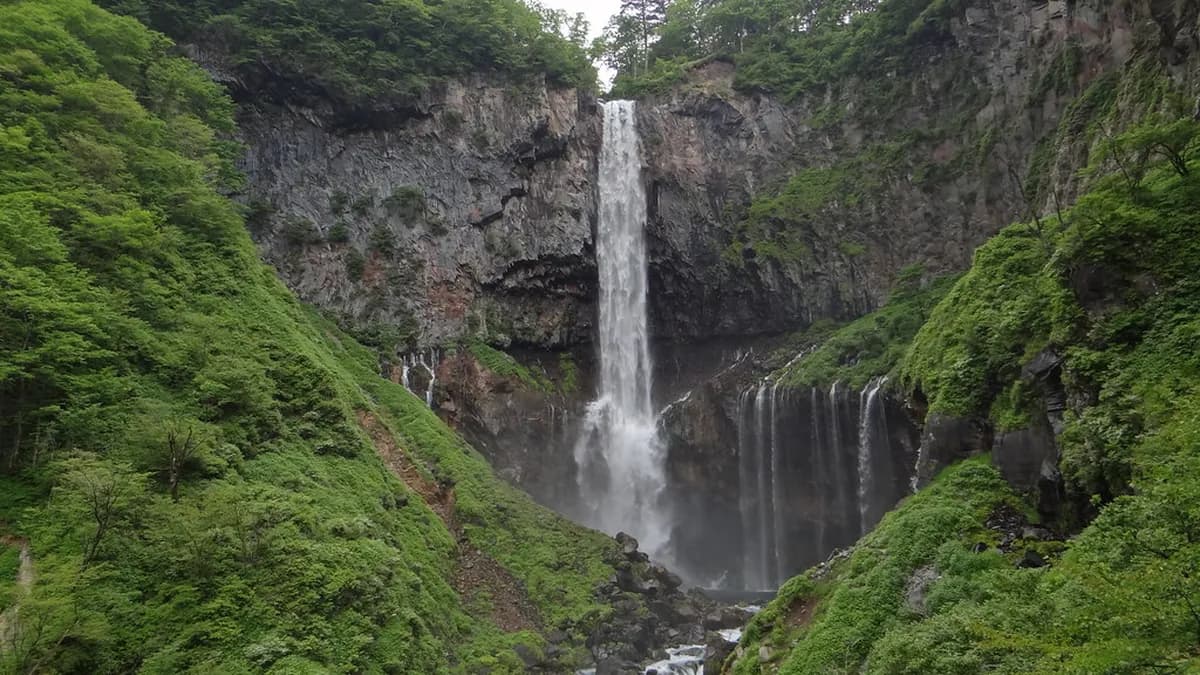
Ride the Akechidaira Ropeway before Kegon Falls, not after. The ropeway gives panoramic context — you see both the falls and Lake Chuzenji from the top — making the waterfall visit far more meaningful. The two sites are 12 minutes apart by bus and your Nikko Pass covers both stops.
Kegon Falls drops 97 meters
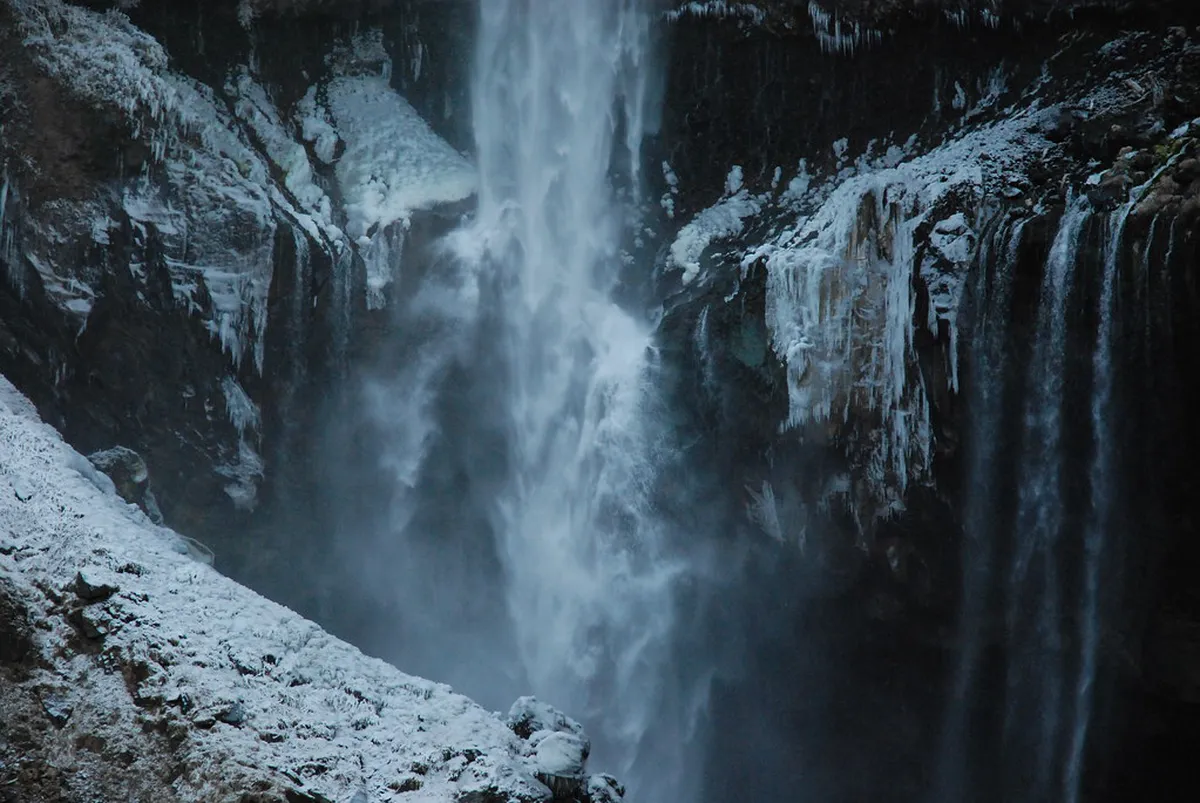
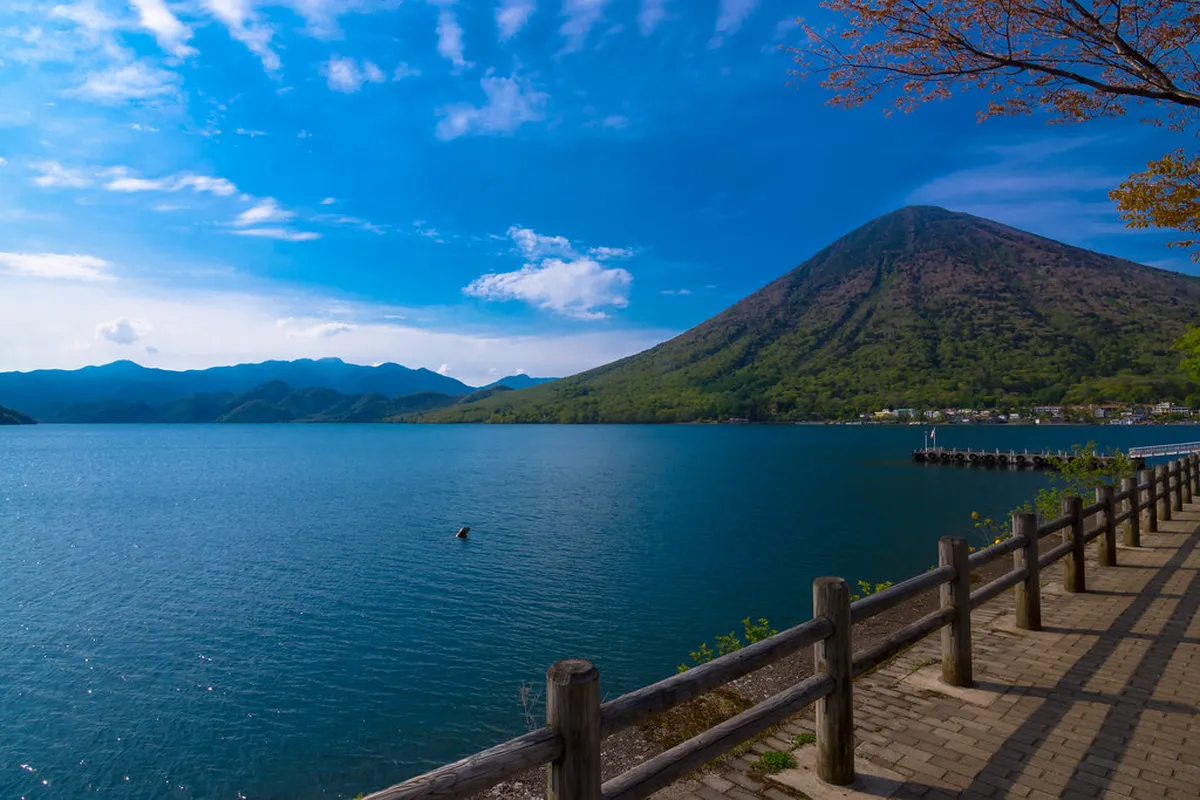
The Akechidaira Ropeway is a three-minute cable car that lifts you to a panorama showing Kegon Falls, Lake Chuzenji, and Mount Nantai together in a single frame. This is the postcard-perfect overlook every Nikko itinerary photo is shot from. Tickets run 1,000 yen round trip per adult / 500 yen per child, and the lower station has an elevator and accessible toilets. Ride it before going down to the falls — the panoramic context makes the waterfall visit far more meaningful, and the morning light is better.
Pair both sites by getting off the bus at the Akechidaira stop, riding the ropeway up and back, then continuing on the same bus line down to Kegon Falls. The two sit 12 minutes apart by bus and your Nikko Pass covers it.
Visit Nikko National Park: Nature and Scenery
Black bears have been spotted around Senjogahara and the Yu River trail in spring and autumn — wear a bear bell on your stroller and stay on marked paths. Macaque monkeys near the sulfur springs above Yumoto are habituated and will grab snacks from open hands; keep food zipped inside your bag.
Nikko National Park sprawls across 1,150 square kilometers of mountain, lake, and marshland — most of what families visit beyond the shrine area sits inside the park boundary. The Okunikko region above Irohazaka Road delivers the alpine scenery: Lake Chuzenji and its 1,200-meter elevation, Senjogahara marshland (a flat, stroller-friendly 6-kilometer boardwalk loop in summer), Yudaki and Ryuzu waterfalls, and Yumoto Onsen at the western tip.
For families with younger children, the easiest park experiences are the lakeside promenade at Chuzenji-ko, the Italian Embassy Memorial Park trail (paved, 800 meters one-way), and the boardwalk between Yudaki Falls and Senjogahara. Keep a couple of practical warnings in mind: black bears have been spotted around Senjogahara and the Yu River trail in spring and autumn, so wear a bear bell on your stroller and stay on marked paths. Macaque monkeys near the sulfur springs above Yumoto are habituated and will grab snacks from open hands — keep food zipped inside your bag.
The park entrance is technically free; you only pay for individual attractions like the ropeway, falls elevator, and boat cruises. For deeper context, the official Nikko National Park page lists current trail closures, which matter in winter when Senjogahara and the Yumoto road close from late November through April.
Rainy Day Backup Plan for Families
Nikko sits in mountain weather and gets afternoon thunderstorms even in midsummer. Build a Plan B for at least one day of your trip. The strongest indoor option is Nikko Strawberry Park (open December to early June), a heated greenhouse where kids pick and eat unlimited strawberries for 30 minutes — admission runs 2,000 yen per adult / 1,500 yen per child during peak season. It sits 10 minutes from the station by car or bus 8.
Other rainy-day pivots include the Tamozawa Imperial Villa (a 106-room wooden palace with covered walkways between gardens), the indoor section of Edo Wonderland (most stage shows, restaurants, and the trick house run rain-or-shine), and the Tobu World Square ticket booth-to-exit path which is largely under tree canopy. For a quieter afternoon, the small Nikko Toshogu Museum next to the main shrine houses art and weaponry the kids can study while the rain passes. Skip the Akechidaira Ropeway and Kegon Falls in heavy rain — fog usually erases the view, and the elevator deck gets uncomfortable in driving wind.
Family-Friendly Hotels In & Near Nikko
Finding the right Where to Stay in Nikko: 6 Best Areas and Lodging Guide depends on your family budget and travel style. For a classic experience, the Nikko Kanaya Hotel offers historic charm and large rooms a 5-minute walk from Shinkyo Bridge. Built in 1873 as Japan's oldest classic resort, it has connecting twin rooms ideal for family-of-four configurations and a children's menu at dinner.
If you prefer modern convenience, the Nikko Station Hotel Classic sits directly across from Tobu Nikko Station. The location is perfect for families who want to drop bags and start exploring; family rooms accommodate up to four. Breakfast includes pancakes and fresh local fruit. For luxury near the lake, The Ritz-Carlton, Nikko runs a kids' program with ranger-led nature walks and a heated indoor onsen with views over Lake Chuzenji. The Fairfield by Marriott Tochigi Nikko offers a budget-friendly alternative with free parking and triple rooms — a 10-minute drive from the station.
Two pieces of advice before booking. First, request a family-bath option if your hotel has an onsen — most ryokan reserve a private bath you can book in 45-minute slots, which lets parents and kids of opposite genders bathe together (essential for under-7s in a culture where mixed-gender public baths do not exist). Second, ask if the room has Western beds or futons; some traditional ryokan only sleep on tatami, which is a wonderful experience but not ideal for a toddler in a sleep regression.
Add an Extra Day: Kirifuri Highland
If you have a fourth day, head to Kirifuri Highland — much less crowded than the central shrine district during peak season. The main attraction is a giant staircase with 1,445 wooden steps leading up the mountain, a great challenge for tweens and teens. From the top you get unobstructed views over the Daiya River valley and across to the shrine forests.
The plateau also hosts Oozasa Ranch where kids meet horses, sheep, and dairy cows; sample fresh milk, soft-serve ice cream, and grilled sausages; and run free across wide-open meadows. Buses run regularly from Tobu Nikko Station but less frequently than the Lake Chuzenji line — check the seasonal schedule, since some facilities and the upper trail close December through March. Kirifuri also makes a strong morning destination if Day 1 weather forecasts thunderstorms over Lake Chuzenji.
Practical Tips: Strollers, Food, and Quiet Zones
| Attraction | Stroller Rating | Notes |
|---|---|---|
| Tobu World Square | 5/5 | Flat, paved paths throughout |
| Lake Chuzenji (lakeside) | 4/5 | Paved promenade; Italian Embassy trail accessible |
| Edo Wonderland (main streets) | 4/5 | Flat main areas; bring carrier for some sections |
| Kegon Falls elevator / Akechidaira Ropeway | 4/5 | Step-free access at both |
| Kanmangafuchi Abyss | 2/5 | Uneven forested path; carrier recommended |
| Toshogu Shrine | 1/5 | Large gravel and stone steps; use baby carrier |
Navigating Nikko with a stroller requires strategic planning. The path to Toshogu Shrine is large gravel mixed with stone steps — hard to push and worse to lift. Use a baby carrier inside the shrine area. By contrast, Lake Chuzenji's lakeside promenade, Tobu World Square, and Edo Wonderland's main streets are flat and stroller-friendly. The Akechidaira Ropeway and Kegon Falls elevator both have step-free access. A loose stroller-friendliness rating: Tobu World Square 5/5; Lake Chuzenji 4/5; Edo Wonderland 4/5; Kanmangafuchi Abyss 2/5; Toshogu Shrine 1/5.
Yuba is Nikko's signature food — sheets of soy milk skin made from premium tofu, available simmered, grilled, or rolled into croquettes. For picky eaters, the gateway version is Yuba croquettes (deep-fried, pankoed, eaten by hand) or Yuba ramen at Hippari Tako, which kids treat as a noodle bowl with extra texture. Skip the sashimi-style raw yuba on day one — the slippery texture often loses younger kids. Most restaurants in town offer English menus, high chairs, and vegetarian-friendly Yuba sets that work for kids with allergies.
Toshogu Shrine gets crushingly busy from 11:00 AM to 2:00 PM. Quiet zones for a stroller break: the cedar-lined avenue between the Five-Storied Pagoda and Omotemon Gate (benches under shade), the small garden behind Yakushido Hall, and Futarasan Shrine's outer courtyard which sits 5 minutes east and stays half-empty even on peak weekends. Diaper-changing stations exist at Tobu Nikko Station (2nd floor accessible toilet), inside Edo Wonderland near the main entrance, at the Kegon Falls visitor center, and at the Akechidaira Ropeway lower station. Bring a portable changing pad — coverage is patchy at the shrines themselves.
Timing rules to live by: most attractions open at 9:00 AM and close 4:00 PM (winter) or 5:00 PM (April to October). Aim to finish sightseeing by 3:30 PM to avoid the bus rush back to the station. The Best Time to Visit Nikko: Seasonal Guide & Weather Tips with kids is May or late October — comfortable temperatures, clear skies, and either fresh greenery or fiery autumn foliage. Avoid the November 1 to 15 peak foliage weekends if you can; tour buses turn the shrine area into a slow-moving wall of people.
Frequently Asked Questions
Is Nikko stroller-friendly for families?
Nikko is partially stroller-friendly. The main shrines have many stairs and gravel paths that are difficult for wheels. I recommend using a baby carrier for shrines and a stroller for the lake area.
Which Nikko Pass is best for families?
The Nikko All Area Pass is usually best for a 3-day trip. It covers the train from Tokyo and all buses to the lake and Edo Wonderland. This pass provides the best value for families.
What can toddlers do in Nikko?
Toddlers will enjoy the Lake Chuzenji boat cruise and the gentle walking paths. They also love the miniature buildings at Tobu World Square. The open spaces at Kirifuri Highland are perfect for running around safely.
Nikko is a fantastic addition to any family trip to Japan because it offers such variety. By following this guide, you can enjoy the history and nature without feeling overwhelmed. Remember to pack comfortable walking shoes and book your train tickets well in advance. Your kids will likely remember the ninjas and the giant waterfalls for years to come.
Use our Nikko attractions hub to plan the rest of your trip.
Free: The Nikko Essentials guide
Top things to do, where to stay, a perfect day plan, getting around, and the best time to go — a Nikko mini-guide you can take offline.
You might also like


Continue reading
More guides you'll find useful