Nikko vs Kamakura Day Trip: 8 Factors to Help You Choose
Deciding between a Nikko vs Kamakura day trip? Our expert guide compares travel times, costs, Zen vibes, and mountain scenery to help you pick the perfect Tokyo escape.
On this page
Choosing between Kamakura and Nikko is the single most common dilemma for travelers building a 2026 Tokyo itinerary. Both sit roughly 1 to 2.5 hours from central Tokyo, both anchor an entire era of Japanese history, and both fight for the same single day in your schedule. The differences only appear once you compare door-to-door logistics, ticket math, and what you actually do once you arrive.
This guide is structured for a decision, not a daydream. The first table answers the question for skim readers, then each section drills into the trade-off you need to know before booking. If you are short on time and travel with kids or older relatives, Kamakura is the safer pick. If you have 12 hours, an early start, and a taste for Edo grandeur, Nikko rewards the longer ride.
The Verdict: Nikko vs Kamakura at a Glance
Nikko and Kamakura represent two distinct sides of Japanese history and natural beauty.
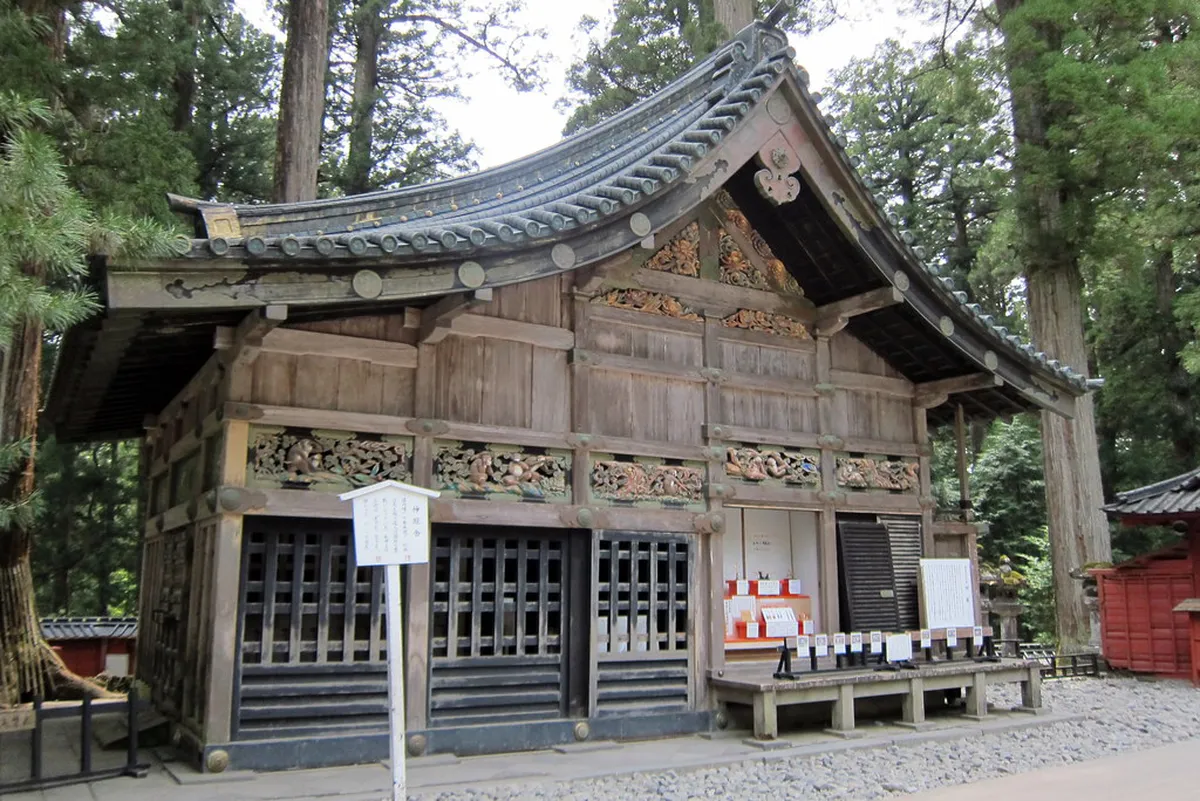
Travelers who prefer mountain scenery and ornate architecture usually choose Nikko, while those who want a laid-back vibe with beach access lean toward Kamakura. Both destinations spike with crowds on weekends and during peak seasons, so timing your visit is essential. The table below summarizes the eight factors most likely to swing your decision.
For additional context on why Nara stands out as another regional highlight, check out our things to do in Nara guide.
| Factor | Nikko | Kamakura |
|---|---|---|
| Travel time from Tokyo | 2 to 2.5 hours (train + bus) | 55 to 70 minutes (direct train) |
| Round-trip transport | ¥6,000 to ¥9,000 (~USD 40 to 60) | ¥2,000 to ¥3,000 (~USD 13 to 20) |
| Best pass | Tobu Nikko Pass (All Area) | Suica/Pasmo + Enoden 1-Day Pass |
| Headline sight | Toshogu Shrine, UNESCO complex | Great Buddha at Kotoku-in |
| Walkability after arrival | Bus-dependent for shrines | Walkable, plus the Enoden tram |
| Peak season | Late October (autumn koyo) | Mid-June (hydrangeas) |
| Time needed | 10 to 12 hours | 6 to 8 hours |
| Total day budget | ¥9,000 to ¥13,000 | ¥5,000 to ¥8,000 |
- Quick decision picks
- Pick Nikko for mountain grandeur and UNESCO architecture
- Pick Kamakura for coastal Zen and shorter travel
- Pick Nikko for autumn colors in late October
- Pick Kamakura for hydrangeas in early to mid June
- Pick Kamakura if traveling with young kids or elderly relatives
How to Compare Kamakura and Nikko
Most guides skip the framework and dive straight into descriptions, which leaves first-timers more confused. The honest comparison hinges on four variables: travel time, walking effort, season, and the type of "wow" moment you are chasing. Get those four right and the rest is detail.
Nikko requires a full 12-hour window from Tokyo — the round-trip train alone is 4–5 hours. Kamakura's two-hour round-trip leaves room for spontaneity. If your Tokyo itinerary is already tight, the math almost always tips toward Kamakura.
Travel time is the hardest constraint. Nikko consumes roughly five hours of round-trip transit before you have seen a single shrine, so you need a 12-hour window to do it justice. Kamakura's two-hour round-trip leaves room for spontaneity, an extra temple, or a late lunch by the beach. If your Tokyo itinerary is already tight, the math almost always tips toward Kamakura.
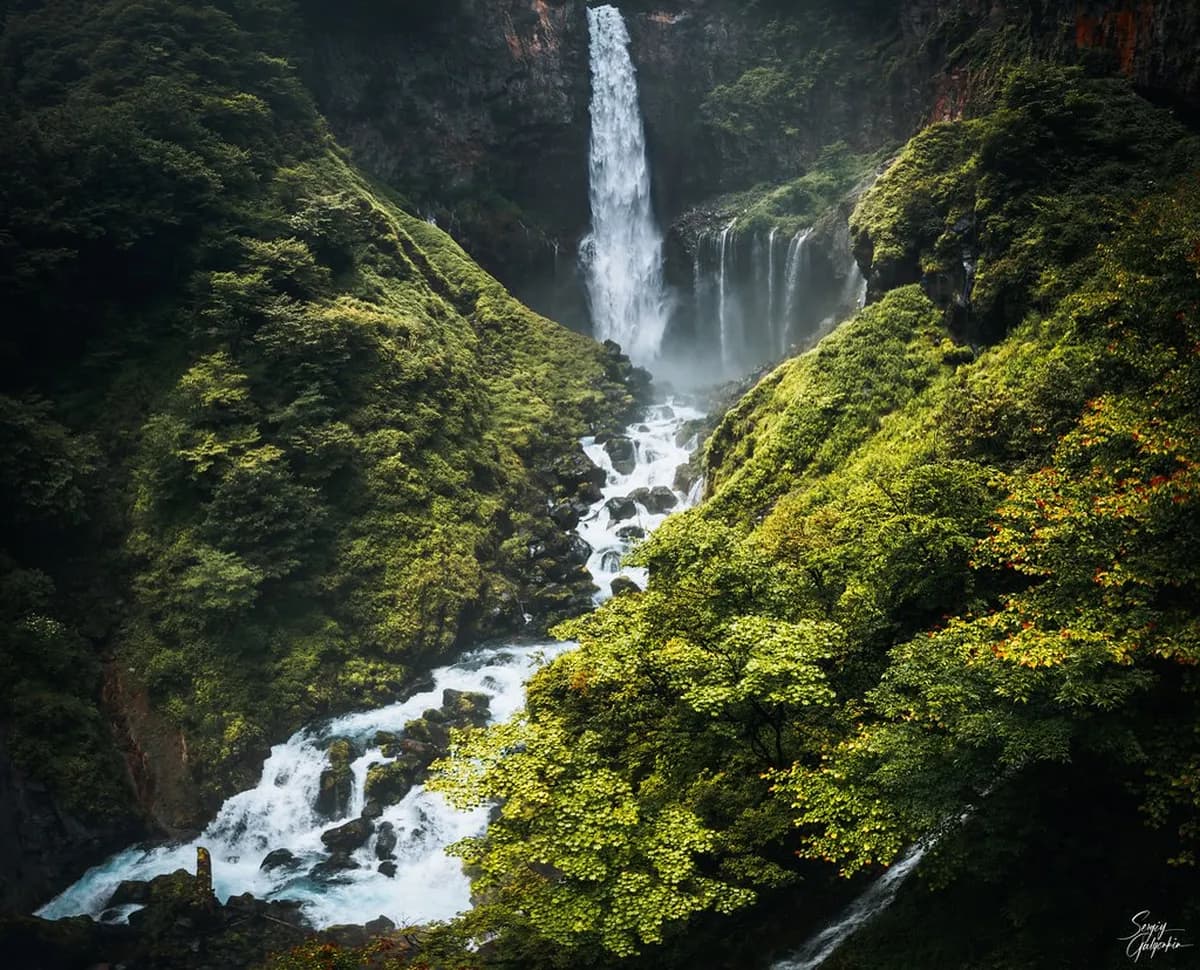
Walking effort is the next filter. Kamakura's main loop runs from Kamakura Station, past Tsurugaoka Hachiman-gu, down Komachi-dori to Hase, and onto the Enoden tram, which is largely flat. Nikko clusters its UNESCO sites within a walkable shrine complex, but reaching Lake Chuzenji or Kegon Falls means a bus that climbs 48 hairpin turns up the Iroha-zaka road. Mobility matters here more than it does on most Tokyo day trips.
Finally, decide what kind of memory you want. Edo-era opulence and cedar-forest spirituality is a Nikko answer. Samurai-era Zen and an ocean breeze is Kamakura. Use the framework, then the rest of this guide stress-tests your pick.
Access & Logistics: Which is Easier to Reach from Tokyo?
Kamakura is significantly closer to central Tokyo than Nikko. The JR Yokosuka Line runs direct from Tokyo Station to Kamakura Station in 56 minutes for ¥940 each way, and the Shonan-Shinjuku Line links Shibuya and Shinjuku in 60 to 65 minutes. Most travelers tap a Suica or Pasmo IC card and skip ticket queues entirely.
Nikko is more involved. The cleanest route is the Tobu Limited Express SPACIA or Revaty from Asakusa to Tobu-Nikko in roughly 1 hour 50 minutes, costing about ¥3,050 plus a ¥1,650 Limited Express surcharge. JR East travelers ride the Tohoku Shinkansen to Utsunomiya then transfer to the JR Nikko Line, which is faster but more expensive without a JR Pass. Review the Official Tobu Nikko Pass Information before you commit, because the All Area pass at roughly ¥4,780 covers round-trip transport plus unlimited buses to Lake Chuzenji.
The friction in Nikko is not the long-distance train, it is the local bus. The Tobu Bus terminal at Tobu-Nikko Station funnels every visitor through two main routes (World Heritage Loop and the Iroha-zaka mountain bus to Lake Chuzenji) and during late October koyo weekends queues regularly stretch 30 to 60 minutes. I once watched three full buses pass before I boarded the fourth on a Saturday in 2024. Plan to arrive at Tobu-Nikko before 09:30 if you want to beat the bottleneck, or take the first train of the day. Check our guide on transport options to Nikko for line-by-line timings.
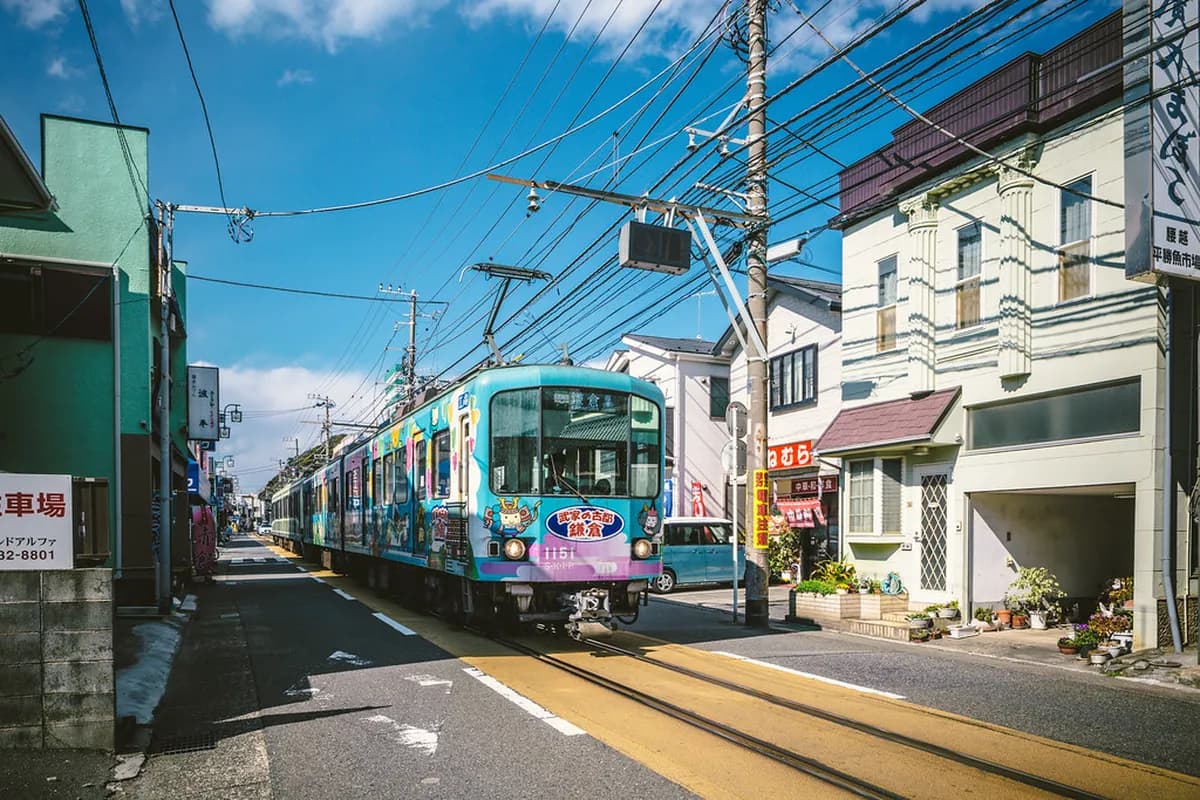
Kamakura is much easier on arrival. Coin lockers including 600 mm suitcase-sized lockers line both Kamakura and Hase stations. The charming green Enoden railway connects Kamakura, Hase (closest stop to the Great Buddha), Enoshima, and Kamakurakokomae, where the famous Slam Dunk railway crossing draws photographers at sunset. A 1-day Enoden pass at ¥800 saves money the moment you make three hops.
Culture & Vibe: Edo Grandeur vs. Samurai Zen
The architectural styles of these two cities reflect different eras of Japanese power.
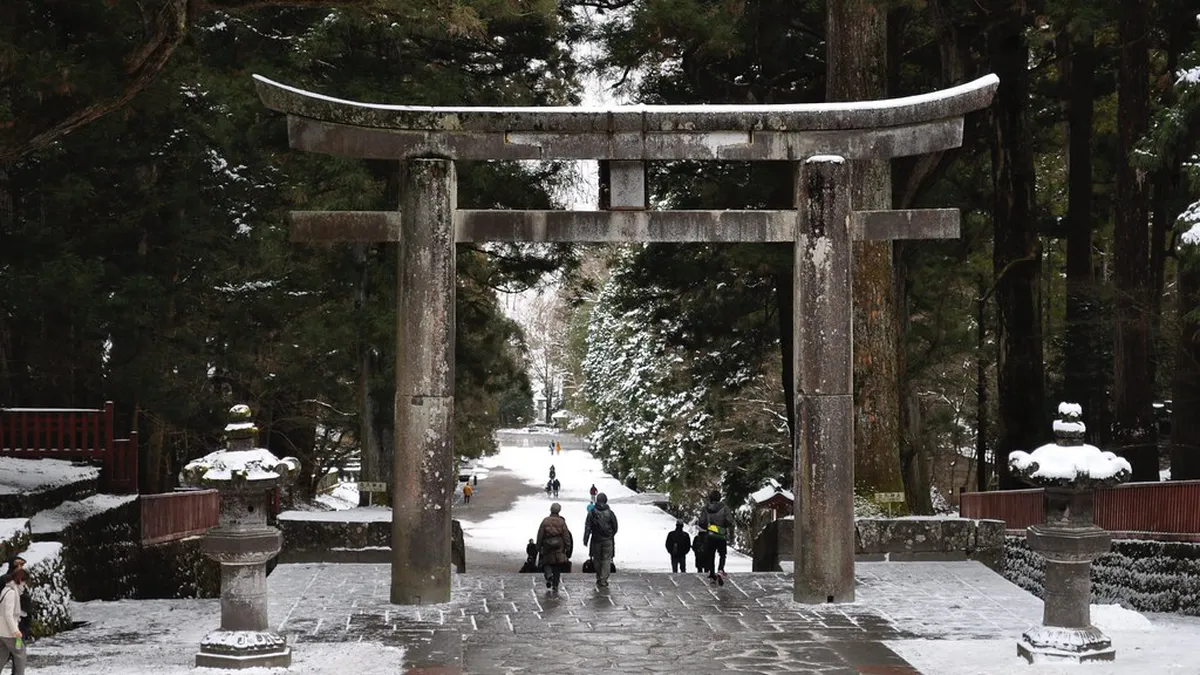
Kamakura was the political capital of Japan from 1185 to 1333 during the Kamakura shogunate, and the temples here favor the minimalist, quiet aesthetic of Zen Buddhism rather than Edo flash. You will find mossy stone stairs at Engaku-ji, raked gravel gardens at Kencho-ji (Japan's oldest Zen training monastery), and the bamboo grove at Hokoku-ji that draws couples for matcha service. Read more about Ancient Kamakura History and Samurai Culture for deeper context.
Nikko feels like a grand spiritual fortress hidden in dark cedar forests, formal and majestic. Kamakura feels like a lived-in seaside town where 13th-century history sits next to surf shops and matcha cafes on Komachi-dori. Deciding which atmosphere you prefer is the most honest filter for your Nikko day trip guide decision.
Must-See Highlights: Nikko's Mountains vs. Kamakura's Coast
Nikko's headline sights cluster in two zones.
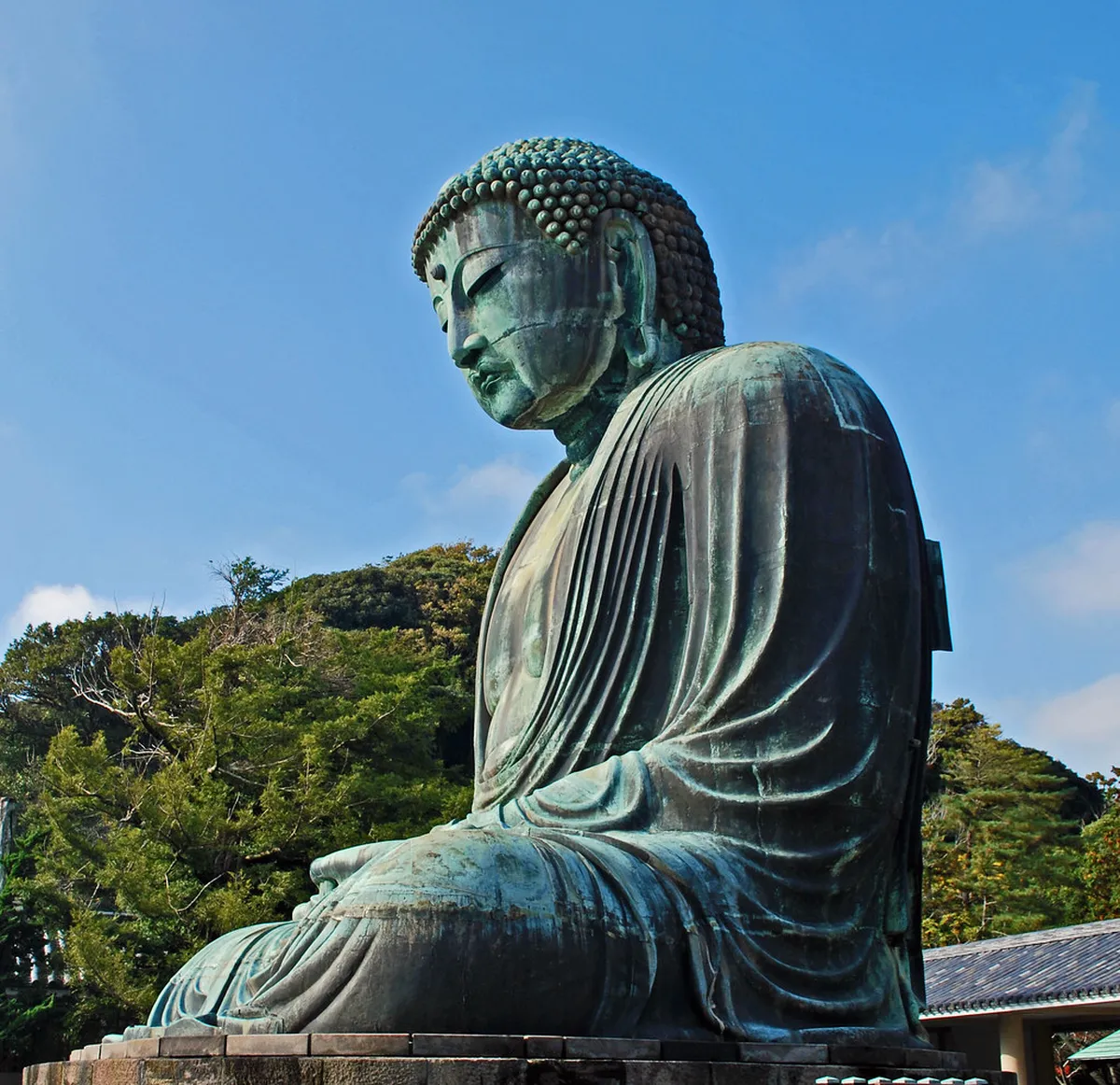
Kamakura's highlights string along an Enoden line tour. The Great Buddha at Kotoku-in is an 11.4 m bronze statue cast in 1252, and unlike the Nara Daibutsu, you can walk inside the hollow body for ¥50. From there it is a 10-minute walk to Hase-dera Temple, famous for hydrangea trails up the hillside and ocean views from the upper terrace. Tsurugaoka Hachiman-gu, the central Shinto shrine, anchors the other end of town and connects to Komachi-dori for street food (try shirasu donburi or croquettes). Cap the day with the Enoden ride to Enoshima island for a sunset across Sagami Bay.
Both cities deliver photo-driven moments, but the texture differs. Nikko is awe at scale: gilded gates, towering cedars, alpine waterfalls. Kamakura is intimacy at human scale: stone Jizo statues, bamboo whispering at Hokoku-ji, the smell of grilled mochi on Komachi-dori. If your traveling companion wants drama, point them toward Iroha-zaka. If they want vibes, send them down the Enoden.
Cost Breakdown: Which Day Trip is More Budget-Friendly?
Kamakura is the cheaper day by a wide margin. Round-trip JR fare from Tokyo runs ¥1,880 (~USD 12) without a pass, temple entries average ¥300 to ¥500 (the Great Buddha is just ¥300), and a satisfying lunch of shirasu donburi or seafood near Wakamiya Oji costs ¥1,200 to ¥1,800. A frugal traveler can do the entire day under ¥5,000 (~USD 33). Add the ¥800 Enoden pass and a sit-down dinner and you still cap at ¥7,500.
Nikko is roughly twice the budget. The Tobu Nikko Pass All Area at ¥4,780 (~USD 32) is the most cost-effective way to handle round-trip transport plus unlimited Iroha-zaka buses if you plan to visit Lake Chuzenji. The combined Toshogu shrine ticket runs ¥1,300, Rinno-ji adds ¥400, and Kegon Falls observation deck is ¥570. Lunch at a Yuba (tofu skin) specialist runs ¥2,000 to ¥3,000. Total: ¥9,000 to ¥13,000 (~USD 60 to 87). Check a full Nikko itinerary for hour-by-hour spend tracking.
JR Pass holders should run the math carefully. The 7-day JR Pass at ¥50,000 covers the Tohoku Shinkansen to Utsunomiya plus the JR Nikko Line, but it does not cover the Tobu-only Iroha-zaka bus or the Tobu SPACIA. If your Japan trip already justifies a JR Pass for other long-distance travel, Nikko via JR is "free" round-trip transport, narrowing the gap with Kamakura significantly. If you are not buying a JR Pass anyway, the Tobu Nikko Pass remains the better single-day deal.
The Ryokan Battle: Where Should You Stay Overnight?
If your schedule allows even one overnight, both destinations transform. Nikko's onsen tradition is the stronger pull. The Nikko Kanaya Hotel, founded in 1873 and the oldest classic resort hotel in Japan, blends Meiji-era woodwork with kaiseki dinners and onsen baths within walking distance of the shrines. Rooms run ¥25,000 to ¥45,000 per person, half-board, and the lobby alone is worth a coffee stop. Higher-end Okunoin Hotel Tokugawa offers private outdoor onsen and seasonal kaiseki feasts deeper in the hills, suiting honeymooners or anyone chasing tattoo-friendly bath options.
Kamakura's overnight scene is more boutique than ryokan-grand. Kakiya Ryokan, a family-run inn five minutes from Yuigahama Beach, offers tatami rooms, a shared retro bath, and breakfast for around ¥12,000 per person, the cozier choice for first-time ryokan visitors. The Kamakura Park Hotel near Inamuragasaki gives seaside luxury, large rooms by Japanese standards, and partial sea views from select suites, plus easy walking access to sunrise sweeps over Sagami Bay.
The honest decision rule: if you specifically want the onsen-and-mountain-mist memory, sleep in Nikko. If you want to wake to the ocean and a slow walk through Kita-Kamakura before the day-trippers arrive, sleep in Kamakura. Either way, book at least four weeks ahead for autumn weekends or the June hydrangea peak, with a "free cancellation" tier if your dates can shift.
Seasonal Timing: What Most Guides Get Wrong
Nikko's koyo (autumn colors) peaks 25 October–5 November at Lake Chuzenji and 5–15 November lower in the shrine area. Kamakura's hydrangea peak is even tighter: roughly 8–22 June at Meigetsu-in and Hase-dera. Meigetsu-in caps daily entry on weekends and tickets sell out by 11:00 — arrive by 09:00.
The peak windows in Nikko and Kamakura are narrower than blog posts admit, and missing them by even a week changes the trip materially. Nikko's koyo (autumn colors) usually peaks 25 October to 5 November in the Iroha-zaka and Lake Chuzenji zone, and 5 to 15 November lower in the shrine area. The mountain peaks one to two weeks before town because elevation drops temperature roughly 6 degrees Celsius per 1,000 m. Plan for the high zone if you book before 1 November, the shrine zone if you book later.
Kamakura's hydrangea (ajisai) peak is even tighter: roughly 8 to 22 June at Meigetsu-in and Hase-dera. Earlier than 5 June and the buds are too tight; after 25 June and the flowers wilt. The catch is that Meigetsu-in caps daily entry during peak hours and tickets sell out by 11:00 on weekends, so plan a 09:00 arrival or a Tuesday or Wednesday visit. Cherry blossom season is a different gamble: Kamakura's Dankazura path along Wakamiya Oji blooms with Tokyo's calendar (early April), but Nikko sakura comes 10 to 14 days later because of elevation.
If autumn is your priority, Nikko clearly wins. If June rain plus hydrangeas matters, Kamakura is unbeatable. For neutral months (May, September) both work and Kamakura's lower friction breaks the tie. And if your dates land in late November or early December, consider Hakone as a third option, where the Hakone Free Pass covers the Tozan Railway, the pirate ship across Lake Ashi, and the Owakudani volcanic valley with potential Mt. Fuji views, sidestepping both Nikko's bus chaos and Kamakura's post-peak quietness.
Action Plan: Which Traveler Profile Fits?
Choose Nikko if you crave dramatic mountain landscapes, intricate Edo architecture, and have a clear 12-hour window. October koyo travelers, photographers, and shrine-history buffs benefit most from the longer ride. Consult our guide on the best season for Nikko for peak dates. Be prepared for an early start, factor in 30 to 60 minutes of bus queue time on autumn weekends, and pre-buy the Tobu Nikko Pass before you board.
- Choose Nikko if you
- love ornate gold architecture and UNESCO sites
- want to see Kegon Falls and Lake Chuzenji
- enjoy hiking mountain trails and forest air
- have a full 12-hour window from Tokyo
- are visiting between 25 October and 10 November
Choose Kamakura if you want the ocean within walking distance, prefer shorter travel, or are traveling with kids, elderly relatives, or anyone with mobility constraints. Solo travelers and slow-pace fans also tend to prefer Kamakura's walkable rhythm. Hydrangea visitors in mid-June and surfing day-trippers in July or August get the strongest version of the experience.
- Choose Kamakura if you
- prefer a shorter, simpler commute under 70 minutes
- want to visit a beach and coastal cafes
- like walking and the Enoden tram between sites
- enjoy Zen garden aesthetics over gilded grandeur
- are visiting in early to mid June for hydrangeas
The Bottom Line
If you must pick only one and your dates are flexible, the average first-time visitor gets more impact from Nikko: the gilded shrines, alpine waterfalls, and forest air create the kind of "Japan moment" that sells the trip back home. But that verdict only holds if you have the full 12 hours, can tolerate the Iroha-zaka bus queue, and arrive before 09:30. Strip any of those and Kamakura overtakes it on enjoyment per yen and per minute.
Try to do both if you have at least five days in Tokyo. They sit in opposite directions (Nikko north, Kamakura south), so each consumes a separate day, but they offer such different perspectives on Japanese history that both repay the effort. You can also see our Nikko attractions guide for the broader city overview and our things to do in Tokyo guide to slot day trips around your base. Whichever you choose, you will have a fantastic escape from the Tokyo bustle.
Frequently Asked Questions
Is Nikko or Kamakura better for a day trip?
Nikko is better for grand architecture and mountain scenery. Kamakura is better for coastal views and shorter travel times. Choose Nikko for a full-day adventure and Kamakura for a relaxed escape.
How much does a day trip to Nikko cost?
A typical day trip to Nikko costs between ¥6,000 and ¥9,000 per person. This includes round-trip transport, shrine entry fees, and a local lunch. Using a Tobu Nikko Pass can help reduce these costs significantly.
Can you see Nikko and Kamakura in one day?
No, it is not possible to see both in a single day. They are located in opposite directions from Tokyo. Each destination requires at least 6 to 10 hours to explore properly.
Both Nikko and Kamakura are essential stops for anyone exploring the Kanto region. Nikko offers a majestic mountain retreat while Kamakura provides a serene coastal experience. Your decision should depend on your interest in architecture versus natural seaside beauty, your tolerance for transit, and your travel dates relative to the peak windows. Either choice will provide a memorable break from the fast pace of Tokyo life.
See our Nikko attractions guide for the broader city overview.
Free: The Nikko Essentials guide
Top things to do, where to stay, a perfect day plan, getting around, and the best time to go — a Nikko mini-guide you can take offline.
You might also like


Continue reading
More guides you'll find useful