

How To Get To Nikko From Tokyo: 10 Essential Travel Tips
Plan your trip from Tokyo to Nikko with our guide to train routes, discount passes like the Spacia X, and local bus tips for a perfect day trip.
On this page
Quick Answer: For most travelers, the Tobu Spacia X from Asakusa is the best option. A standard seat costs ¥3,940 / ~$26 and the train reaches Tobu-Nikko Station in 110 minutes. JR Pass holders should ride the Tohoku Shinkansen to Utsunomiya and transfer to the JR Nikko Line. The full one-way trip runs ¥1,400–¥5,680 depending on which train you board.
Nikko sits roughly 120 km north of Tokyo in Tochigi Prefecture, and four practical routes connect the two cities. This 2026 guide walks through every option — Tobu Limited Express, Tobu local, JR Limited Express from Shinjuku, and the Shinkansen via Utsunomiya — with current fares, platform tips, and bus-boundary details inside Nikko itself. Pair it with our Nikko day trip guide for a fuller plan.
Comparing Tokyo to Nikko Transport Options
The choice comes down to four trains and one bus. Tobu Railway runs direct from Asakusa with no transfers; JR runs the Tohoku Shinkansen up to Utsunomiya where you change to the local JR Nikko Line. The cheapest option is the Tobu local train, which charges only the basic ¥1,400 fare but adds 30+ minutes. The fastest is the Shinkansen at roughly 1 hour 45 minutes door-to-door but the most expensive without a JR Pass.
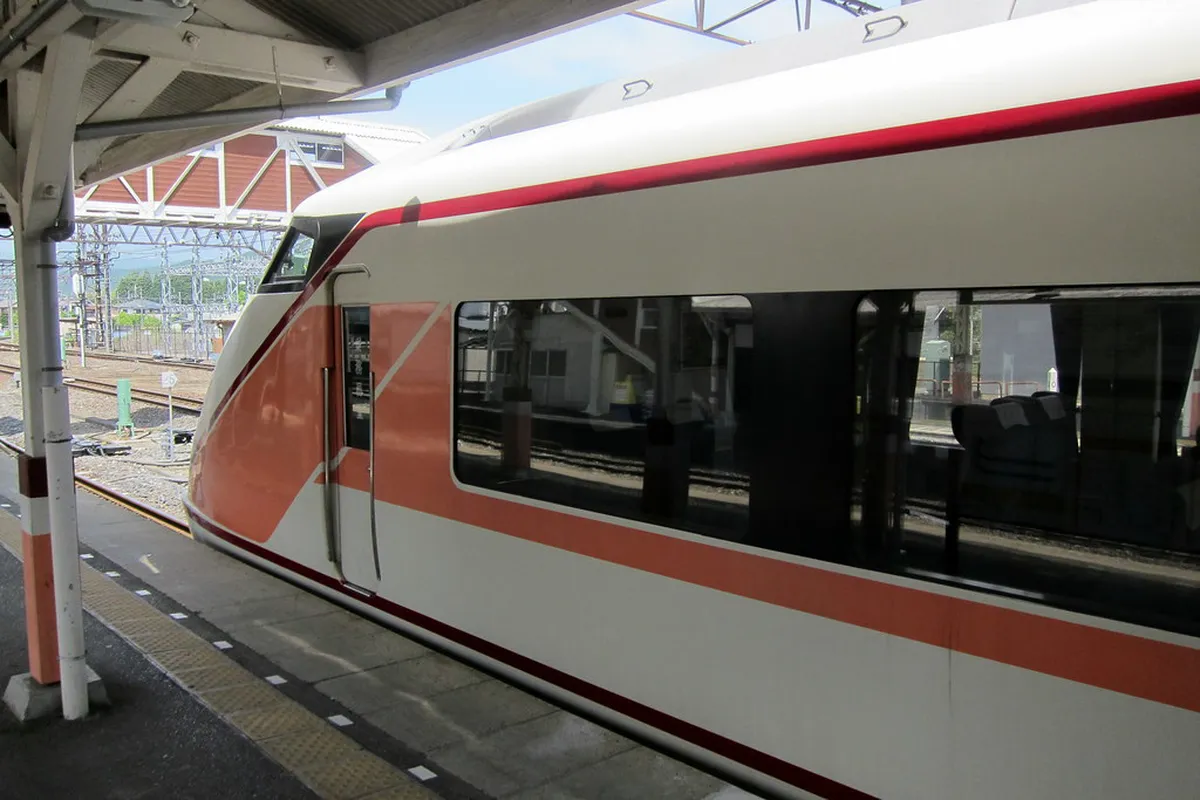
Below is the practical comparison most travelers care about. All fares are 2026 standards.
| Route | Time | One-way Fare | Departs From |
|---|---|---|---|
| Tobu Spacia X (Limited Express) | ~1h 50m | ¥3,940 | Tobu-Asakusa |
| Tobu Limited Express (Kegon / Revaty) | ~1h 50m | ¥3,050 | Tobu-Asakusa |
| Tobu local train | ~2h 43m | ¥1,400 | Tobu-Asakusa |
| JR Shinkansen via Utsunomiya | ~1h 45m | ¥5,680 unreserved | Tokyo Station |
| JR Limited Express Nikko / Kinugawa | ~2h | ¥4,090 | Shinjuku |
- Tobu Limited Express (Kegon, Revaty, Kinu) from Asakusa: ¥3,050 one-way, ~1 hour 50 minutes, hourly departures.
- Tobu Spacia X from Asakusa: ¥3,940 standard seat (low ¥3,740 / high ¥4,140), ~1 hour 50 minutes, six daily departures.
- Tobu local train from Asakusa: ¥1,400 one-way, ~2 hours 43 minutes with one transfer at Shimo-Imaichi.
- JR Tohoku Shinkansen via Utsunomiya: ¥5,680 unreserved, ~1 hour 45 minutes including the platform transfer.
- JR Limited Express Nikko/Kinugawa from Shinjuku: ¥4,090 one-way, ~2 hours, only one or two daily departures.
If you already own an active JR Pass, the Shinkansen route is essentially free and worth it. If not, the Tobu Limited Express at ¥3,050 is the sweet spot for value, and the Spacia X is worth the ¥890 premium for the cabin alone.
Taking the Tobu Railway from Asakusa Station
The Spacia X's 30-day booking window opens at 09:00 JST sharp. Weekend Standard Seats often sell out within an hour. Set a calendar alert and book the moment the window opens — international cards work on the Tobu Top Tours English page.
Asakusa is the primary hub for every Tobu departure to Nikko. Tobu-Asakusa is its own station, separate from the Ginza Line and Toei Asakusa Line metro stations — follow signs for Tobu Skytree Line or "Tobu Nikko Line" and use Exits 6, 7, or 8 from the metro. You can book Spacia X tickets on Klook in advance to skip the station kiosk lines. If you're coming from Tokyo's outlying neighborhoods, note that Asakusa is on the east side of the city center.
Limited Express seats are reserved and depart hourly between roughly 7:30 and 16:00. The Kegon and Revaty Kegon run direct to Tobu-Nikko; the Kinu requires a quick same-platform transfer at Shimo-Imaichi but is ¥200 cheaper. Local trains are unreserved and use platform 1 or 2; the limited express boards from platform 4 or 5.
- Step 1: Book your seat
- Reserve online at the Tobu Top Tours portal or via Klook for the Spacia X.
- Tickets open exactly 30 days before departure at 09:00 JST — popular Saturday Spacia X seats sell out in under an hour.
- Standard Spacia X is ¥3,940; Premium Seat ¥4,940; Cockpit Suite (compartment for up to 4) ¥9,940 per person.
- Step 2: Arrive at Tobu-Asakusa Station
- Allow 15–20 minutes if transferring from the metro — the Tobu fare gates are above the metro level, up an escalator past the Matsuya department store.
- The ticket office is on the second floor; same-day Limited Express seats are usually available outside peak weekends.
- Step 3: Board the train
- Match your car number to the floor markings on the platform.
- The Spacia X has six cars: Cockpit Suite (car 1), Cockpit Lounge bar (car 2), Premium Seats (car 6), and Standard in cars 3–5.
- Power outlets are at every seat; free Wi-Fi works between Tokyo and Nikko.
- Step 4: Arrive at Tobu-Nikko Station
- Exit through the wooden gates and turn left for the bus terminal directly outside.
- The tourist information desk inside the station sells the Nikko World Heritage Pass and the Chuzenji Onsen Pass.
- JR Nikko Station is a 3-minute walk further down the same street if you need to transfer to JR.
Spacia X Seating Classes: Standard, Premium, Cockpit Suite, and Lounge
The Spacia X launched in July 2023 and is the only Limited Express train in Japan with a dedicated bar car. It has six classes spread across six carriages, and each is priced and booked separately on the Tobu reservation system. Most travelers default to Standard without realizing the Premium Seat upgrade costs ¥1,000 and unlocks 145 cm of legroom — more than a Shinkansen Green Car.
Here is the practical breakdown for choosing the right class.
- Standard Seat (cars 3–5): ¥3,940 normal season. Reclining 2-2 layout, similar to a Limited Express elsewhere in Japan. Best for solo travelers and budget-conscious couples.
- Premium Seat (car 6): ¥4,940. Wider 1-2 layout, deeper recline, generous tray table. Worth the ¥1,000 if you are over 180 cm tall or want to nap.
- Cockpit Suite (car 1, two private compartments): ¥9,940 per person, sold for the whole compartment of 4 (¥39,760 total). The compartment has its own mood lighting, an L-shaped sofa, and a panoramic forward window. Sells out 30 days ahead for any Saturday or holiday.
- Cockpit Lounge (car 1): ¥4,940. Bench seating along the front-window glass with a cafe service. Best for solo travelers who want photos without paying for the full Suite.
- Compartment (car 6): ¥6,940 per person, books for groups of 4. Cheaper alternative to the Cockpit Suite, in the rear of the train.
- Box Seat (car 1): ¥7,940 per person, group of 4 facing each other around a table. Family-friendly, with a shared snack tray.
The 30-day booking window is the bottleneck. Tobu releases all seat classes at 09:00 JST exactly 30 days before departure date. International cards work on the Tobu Top Tours English page; Klook and other resellers receive their inventory at the same time, so booking the moment the window opens is genuinely competitive for weekend departures.
Using the JR Limited Express from Shinjuku Station
The Nikko-go and Kinugawa-go limited express trains depart Shinjuku Station for Tobu-Nikko, sharing track with JR up to Kurihashi and then handing over to Tobu rails. This is the most convenient choice for travelers staying in western Tokyo (Shinjuku, Shibuya, Ikebukuro). The journey is ~2 hours and costs ¥4,090 one-way for non-pass holders. Consult our Best Time to Visit Nikko: Seasonal Guide & Weather Tips guide for seasonal planning.
The catch: there is only one departure on weekdays at 09:34, and two on weekends (07:31 and 09:34). Miss the morning window and you must reroute via Asakusa or Utsunomiya. Seats must be reserved — same-day availability is usually fine outside peak foliage season in mid-October to mid-November.
JR Pass holders ride free on the JR section but pay the Tobu surcharge of roughly ¥1,560 directly on the train or at the JR ticket office. Holders of the JR Tokyo Wide Pass or JR East Pass (Tohoku) cover the entire fare with no surcharge — these regional passes are often the cheapest legitimate way for non-Japan-wide travelers to reach Nikko if they are already exploring eastern Honshu.
Riding the Shinkansen via Utsunomiya Station
The Tohoku Shinkansen is the fastest practical option. Catch the Yamabiko or Nasuno from Tokyo Station (or Ueno) to Utsunomiya — 50 minutes on the bullet train — then transfer to the JR Nikko Line for a 45-minute local ride to JR Nikko Station. Total non-pass cost is ¥5,680 unreserved. Use our Nikko Itinerary: 1-Day, 2-Day & 3-Day Plans to plan your hours after arrival.
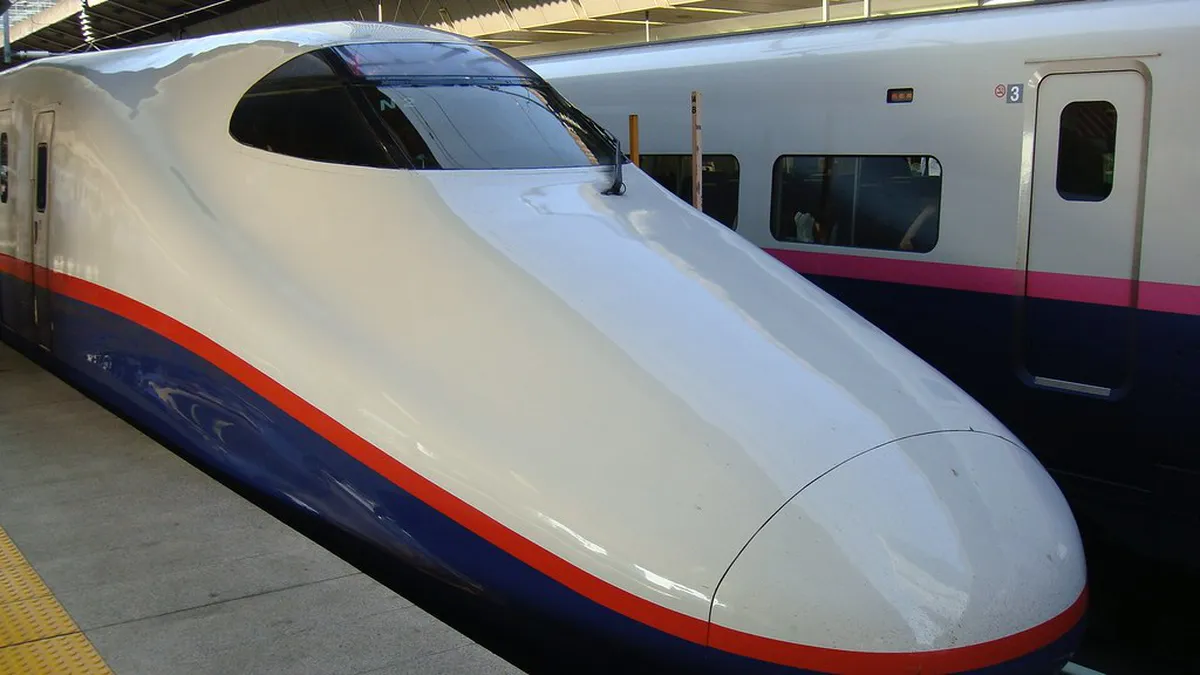
The Utsunomiya transfer is the only friction in the route, and getting it right saves 30 minutes. When the Shinkansen arrives, exit your car and follow signs for "JR Nikko Line / Local Lines" — do not exit the station fare gates. The Nikko Line uses platforms 5 or 9, which are at the far end of the station, an 8-minute walk from the Shinkansen platforms via the central concourse. Aim for a Shinkansen arrival 12–15 minutes before the next Nikko Line departure; tighter than that and you will sprint with luggage.
Nikko Line trains run every 30 minutes during the morning peak (06:00–09:00) and hourly from 10:00 onward. The classic two-tone retro-styled trains are the morning specials between roughly 07:00 and 10:30. Always verify departures on the JR East app or yarukinet.jp before you commit to the Shinkansen leg, especially after 14:00 when the local frequency drops.
Getting to Nikko from Narita and Haneda Airports
Travelers landing at Narita or Haneda often want to skip central Tokyo entirely. From Narita, the cleanest option is the Narita Express (N'EX) to Tokyo Station (~60 minutes, ¥3,070), then the Tohoku Shinkansen to Utsunomiya. JR Pass holders cover both legs free. Total time door-to-door is around 4 hours. Drop bags at Where to Stay in Nikko: 6 Best Areas and Lodging Guide options before sightseeing.
From Haneda, take the Keikyu Airport Line to Asakusa via direct service (~40 minutes, ¥630), then walk 5 minutes to Tobu-Asakusa for the Spacia X. This is the fastest single-day Tokyo bypass — total ~3 hours 30 minutes from Haneda gate to Tobu-Nikko. Stash a bag at the Nikkō Park Lodge next to Tobu-Nikko Station if you arrive early.
Yamato Transport's takkyubin luggage forwarding desks at both airports send a large suitcase to most Nikko hotels for ¥2,500–¥2,800. Drop bags before noon and they arrive the next afternoon. This is the standard hack for skipping the Spacia X overhead-rack scramble — book it through your hotel concierge or directly at the airport service counter near the arrivals lobby.
Navigating Nikko: Local Buses and Taxis
Nikko's sights spread across two zones, and the buses are how you bridge them. The town center (Shinkyo Bridge, Toshogu Shrine, Rinno-ji, Futarasan Shrine) is a 10-minute walk or 5-minute bus ride from Tobu-Nikko Station. The mountain zone — Lake Chuzenji, Kegon Falls, Yumoto Onsen — is a 45–60 minute bus ride up the 48 hairpin bends of Irohazaka.
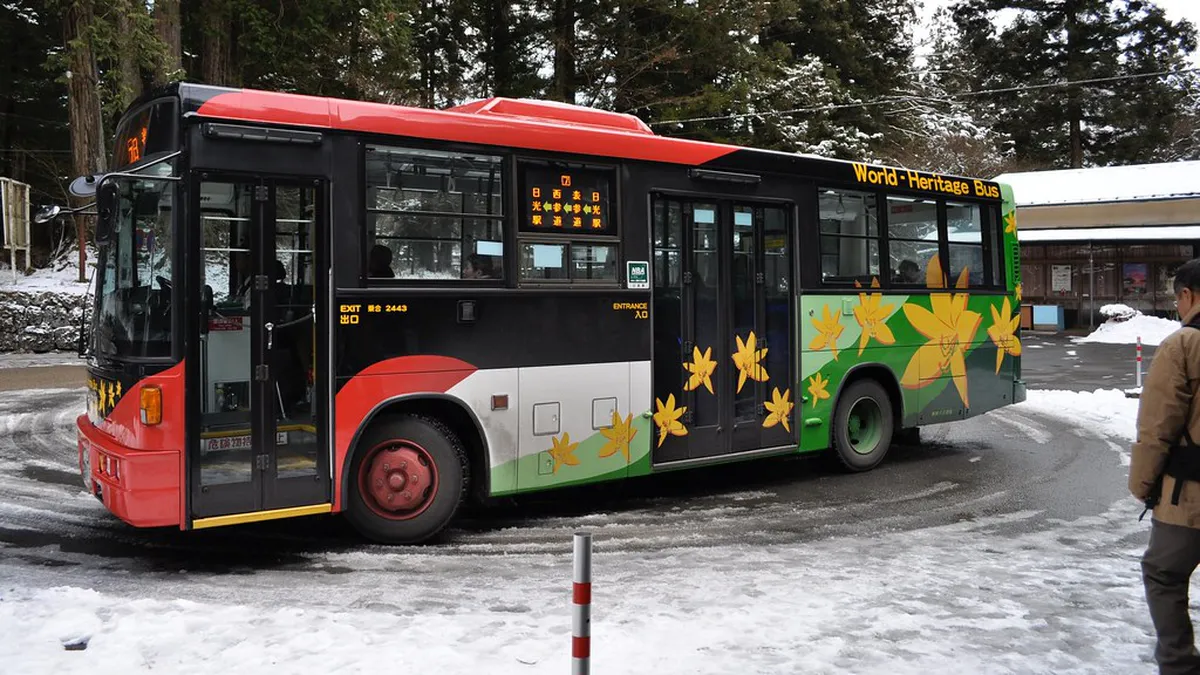
The bus operator is Tobu Bus Nikko, sometimes branded Nikko Kotsu Bus. Both names refer to the same fleet. There are two stops to know at Tobu-Nikko Station: bus stand 1 for the World Heritage loop into town, and bus stand 2B for the Yumoto-bound buses that pass Lake Chuzenji and Kegon Falls. Buses to Yumoto run roughly every 30 minutes from 06:30 to 18:00 in peak season, dropping to hourly in winter.
Taxis from Tobu-Nikko Station to the shrine area cost ¥1,200–¥1,500 and take 6 minutes. Taxis to Lake Chuzenji are ¥7,500–¥9,000 and run by a meter — Nikko Kotsu Taxi is the largest local fleet and accepts cards. For groups of 3–4 in winter when buses are infrequent, a one-way taxi up to Chuzenji often beats the bus on time per yen. IC cards (Suica, Pasmo, ICOCA) work on every Tobu Bus and most taxis. Pre-loaded passes still need to be tapped on entry and exit.
Choosing Between the Nikko World Heritage and All Area Passes
Tobu sells three major passes for Nikko, and the right one is fully determined by where you plan to go. Most first-timers buy the wrong one because the names suggest interchangeable scope. Read the boundary details below before you decide. Our Nikko National Park Travel Guide: Shrines, Nature & Logistics covers what's beyond the day-trip zone.
- Nikko World Heritage Area Pass: ¥3,000, valid 2 days. Includes round-trip Asakusa–Tobu-Nikko on local trains (Limited Express needs ¥1,650–¥1,940 surcharge), plus unlimited rides on the World Heritage loop bus and the Tobu Bus between Tobu-Nikko Station and Nishi-Sando (the bus stop near Toshogu).
- Nikko All Area Pass: ¥4,930 (winter) / ¥5,150 (summer), valid 4 days. Includes everything above PLUS unlimited buses up Irohazaka to Lake Chuzenji, Kegon Falls, Yumoto Onsen, and Senjogahara. This is the only pass that covers the mountain zone.
- Tobu Bus Chuzenji Onsen Pass: ¥2,300, valid 2 days. Buses only — does not include the Tokyo–Nikko train. Best when paired with a JR Pass or if you've already booked Spacia X separately.
The World Heritage Area Pass does not cover buses to Lake Chuzenji or beyond. If you stay on the Yumoto-bound bus past the Akanuma stop, the pass becomes invalid and you owe the full fare from your boarding point — usually ¥1,150–¥1,250 to Chuzenji. Upgrade to the All Area Pass (¥4,930–¥5,150) if there is any chance you will go past the shrine zone.
The critical boundary detail competitors gloss over: the World Heritage Area Pass terminates at the Nishi-Sando / Akanuma area near the lower Toshogu shrine cluster. If you board a Yumoto-bound bus and stay on past Akanuma toward Lake Chuzenji, the pass is no longer valid and you owe the full fare from your boarding point — usually ¥1,150–¥1,250 to Chuzenji. The driver checks at exit. Plan to upgrade to the All Area Pass if you have any chance of going past the shrine zone, or buy the Chuzenji Onsen Pass as a separate add-on at the Tobu-Nikko Tourist Information Centre.
A Perfect 1-Day Nikko Itinerary from Tokyo
A day trip works if you target the shrine cluster only. Adding Lake Chuzenji is doable but tight; you'll spend nearly 90 minutes on buses round-trip up Irohazaka. Pair this section with our Toshogu Shrine guide for shrine-by-shrine notes.
- 07:00 — Board the Spacia X or Limited Express Kegon at Tobu-Asakusa Station. Buy breakfast at the kiosk before boarding.
- 08:50 — Arrive at Tobu-Nikko Station. Buy the World Heritage Area Pass and shrine entrance tickets at the Tourist Information Centre to skip the Toshogu queue.
- 09:15 — Bus from stand 1 to Shinkyo bus stop. Photograph Shinkyo Bridge from the riverbank (free) before walking up to the shrine complex.
- 09:45 — Rinno-ji Temple and Shoyoen garden (¥400 + ¥300). Allow 45 minutes.
- 10:45 — Toshogu Shrine. The Yomeimon gate, Sleeping Cat carving, and the 207-step climb to Tokugawa Ieyasu's tomb take 90 minutes minimum.
- 12:30 — Lunch on Goyoteidori — Nikko Coffee for yuba curry and pour-over, or any of the soba shops along the main street.
- 13:30 — Decision point: stay in town to add Futarasan Shrine + Kanmangafuchi Abyss, OR catch the bus up to Kegon Falls.
- 13:45 — If going to Chuzenji: bus from stand 2B to Chuzenji Onsen (50 minutes via Irohazaka). Free observation deck at Kegon Falls, or pay ¥570 for the elevator down to the basin.
- 15:30 — Return bus to Tobu-Nikko Station (50 minutes).
- 16:35 — Catch the Spacia X back to Asakusa, or the JR Nikko Line + Shinkansen if returning to a different Tokyo neighborhood.
- 18:25 — Back at Asakusa.
The earliest viable Spacia X out of Asakusa is 07:30; the last express back from Tobu-Nikko is around 19:36 in summer, 18:36 in winter. Always verify the final return train at the Tobu-Nikko ticket office when you arrive — missing it forces a ¥5,680 Shinkansen rescue via Utsunomiya.
Where to Stay: Top Accommodation Picks in Nikko
If you can spare a night, Nikko rewards an overnight stay. Mornings at Toshogu before the day-tripper buses arrive are dramatically quieter, and Lake Chuzenji at sunrise is something most visitors never see. Our Where to Stay in Nikko: 6 Best Areas and Lodging Guide primer covers neighborhoods in detail; quick picks below.
- Near Tobu-Nikko Station: Nikko Park Lodge Tobu Station — budget-friendly, 2-minute walk to the train, English-speaking staff, free luggage hold.
- Mid-range in central Nikko: Nikko Akarinoyado Villa Revage — quiet riverside ryokan, in-room onsen baths in some rooms, 8 minutes by bus from the shrine complex.
- Boutique near the shrines: Nikko Senhime Monogatari — kaiseki dinner included, 5-minute taxi from the station, popular with returning visitors.
- Luxury at Lake Chuzenji: The Ritz-Carlton, Nikko — opened 2020, lakeside hot-spring suites with Mt. Nantai views, 50 minutes from Tobu-Nikko by hotel shuttle.
- Onsen-town option: Kinugawa Onsen — 30 minutes north of Tobu-Nikko on the Tobu Kinugawa Line. Hotel Shirakawa Yunokura is a solid mid-range ryokan with riverside outdoor baths.
If you want quiet shrine mornings, stay in central Nikko (Tobu-Nikko area). If onsen and forest are the priority, head to Chuzenji or Kinugawa. Avoid Utsunomiya as a base — it's a transit city, not a destination.
Local Hacks and Tips for First-Timers
A few specific notes that consistently catch first-timers off guard. Read these before you board the train. If you're traveling with kids, our Nikko With Kids: The Ultimate Family Guide & Itinerary guide has stroller and stamina notes.
- Buy Toshogu entrance tickets at Tobu-Nikko Station, not at the shrine — the station counter has no queue, the shrine ticket booth has a 20-minute line during fall foliage.
- The bus boards from the rear or middle door and you exit from the front. Take a numbered ticket from the small machine when you board — this is how the fare is calculated by distance.
- If you have a JR Pass and try to enter Tobu-Asakusa, the gate will reject it. Walk to the staffed window on the right and present the pass — they will manually let you through and collect the Tobu portion of the fare on the train.
- Last express back from Tobu-Nikko: 18:36–19:36 depending on season. Final local train departs around 21:00 but takes 3 hours.
- Most temples close by 16:00 in winter (November–March) and 17:00 in summer. Kegon Falls observation deck is open until sunset.
- The Irohazaka mountain road can close for snow in late December through early March. If you're booking the Ritz or planning Chuzenji in winter, check the Tochigi Prefecture road status the night before.
- Cash matters — many shrine ticket booths and small restaurants do not accept cards. Withdraw ¥10,000 at a 7-Eleven ATM before leaving Tokyo.
Combine these with our main Nikko attractions guide to slot the right sights into the right pass — many travelers buy the All Area Pass and then never leave the shrine zone, wasting ¥2,000.
Frequently Asked Questions
Is Nikko a day trip from Tokyo?
Yes, Nikko is a very popular day trip from Tokyo. The express train takes about two hours each way. You can see the main shrines in six hours.
Is the JR Pass valid for the train to Nikko?
The JR Pass covers the Shinkansen to Utsunomiya and local JR lines. It does not cover the direct Tobu trains from Asakusa. You must pay a surcharge for joint services.
How much does the Spacia X train cost?
A standard seat on the Spacia X costs ¥3,340 / ~$22. This price includes the base fare and the limited express fee. Prices vary for premium cockpit suites.
Getting to Nikko is straightforward once you match the route to your situation. JR Pass holders ride the Shinkansen via Utsunomiya for free. Everyone else should book the Spacia X 30 days out for the best seats, or take the Tobu Limited Express Kegon if Spacia X seats are gone. Inside Nikko, choose the World Heritage Pass for the shrine-only day, the All Area Pass if you're going to Lake Chuzenji or Yumoto Onsen, and remember the Akanuma boundary on the World Heritage version.
Plan ahead, leave Asakusa by 07:30 if you want a full day, and you'll be back in Tokyo for dinner with shrine pictures and a clear sense of why Tokugawa Ieyasu picked this mountain valley to be enshrined.
Free: The Nikko Essentials guide
Top things to do, where to stay, a perfect day plan, getting around, and the best time to go — a Nikko mini-guide you can take offline.
You might also like


Continue reading
More guides you'll find useful


