

Lake Chuzenji Nikko Guide: 10 Essential Tips for Your Visit
Plan your trip with our Lake Chuzenji Nikko guide. Includes transport hacks, the best hiking trails, diplomatic villa history, and practical booking advice.
On this page
Lake Chuzenji is a high-altitude caldera lake in Tochigi Prefecture, formed when Mount Nantai erupted roughly 20,000 years ago and dammed the valley below. It sits at 1,269 meters, which makes the air noticeably cooler than Tokyo even in August. The lake anchors the upland half of the wider Nikko National Park Travel Guide: Shrines, Nature & Logistics area and pairs naturally with a half-day at the central shrines. This 2026 guide focuses on the logistics most travelers get wrong: which pass to buy, when to board the bus, and where to spend your hours once you arrive.
Overview of Lake Chuzenji: The Jewel of Nikko
The lake stretches 25 kilometers around its forested perimeter
and reaches depths of about 163 meters. Mount Nantai rises directly behind the northern shore at 2,486 meters, giving every lakefront photo a dramatic backdrop. Most of the visitor activity clusters at the eastern end around Chuzenji Onsen, where the buses, boats, and main viewpoints meet within a 15-minute walk.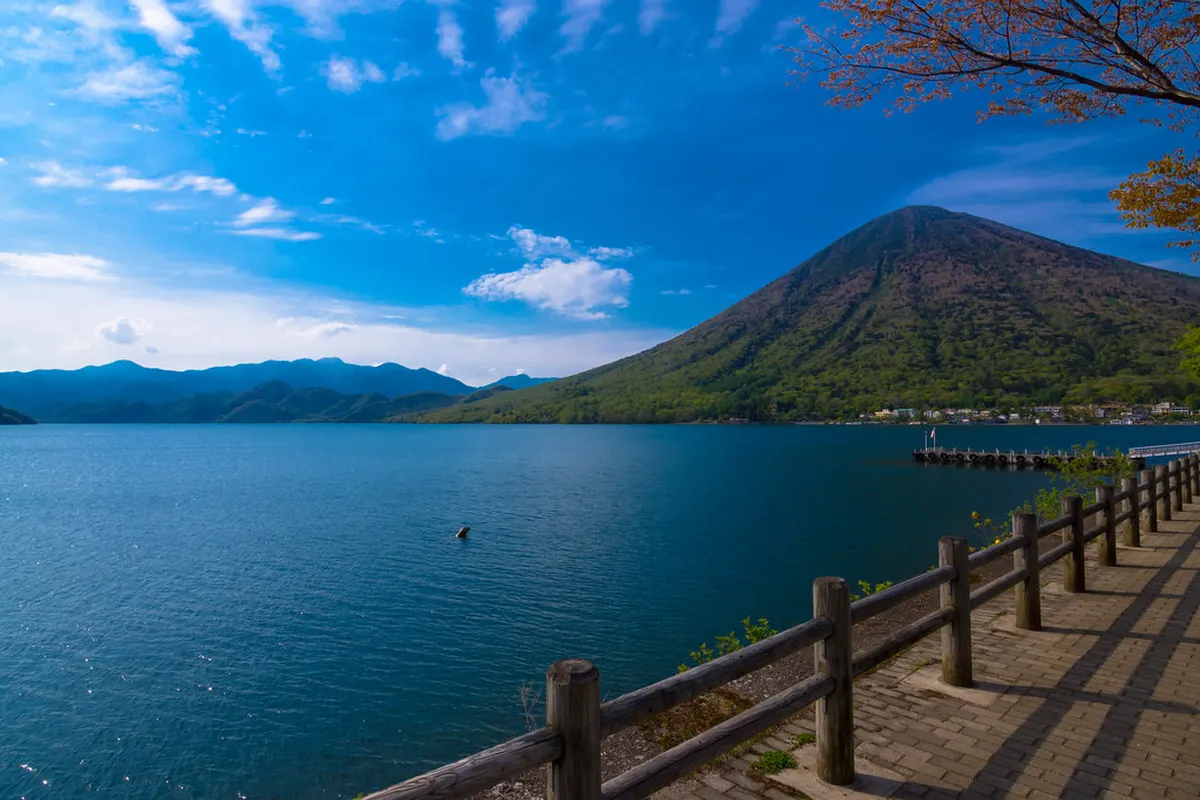
The area first opened to outsiders in the late 1800s when Western diplomats turned it into Japan's unofficial summer capital. British, Italian, French, and Belgian embassies all built private villas on the southern shore. Two are now preserved as public museums, and walking between them along the lakefront path takes about 25 minutes one way.
Each season changes the visit completely. Late April to mid-May brings fresh greens and cool 12 to 18 degrees Celsius days. Mid-October to early November is the famous foliage window. December through March is quiet, snowy, and the season most travelers overlook despite the frozen waterfall payoff covered below.
Getting to Nikkō: Transportation and Discount Tickets
Most travelers start at Asakusa Station and take the Tobu Limited Express Spacia X or Revaty to Tobu-Nikko Station in about 1 hour 50 minutes for around 3,050 yen one way. From there, the Yumoto-bound Tobu bus climbs to Chuzenji Onsen in roughly 50 minutes. For the full breakdown of train times, seat reservations, and JR Pass quirks, see How To Get To Nikko From Tokyo: 10 Essential Travel Tips.
The single biggest budget mistake is buying the wrong area pass. The Nikko All Area Pass is the only one that covers buses to Lake Chuzenji. The cheaper World Heritage Pass stops at the central shrines, and any traveler who tries to ride past Akechidaira on it will be charged the full bus fare in cash. Buy the All Area Pass at the Tobu Asakusa Station tourist counter before you board, since it cannot be upgraded mid-trip.
Note that the bus does not stop at every viewpoint in both directions. The Akechidaira Plateau stop, where the ropeway departs, is an uphill-only stop on the Yumoto-bound route. If you skip it on the way up planning to "do it on the way back," the return bus will sail past — you would have to ride to the next stop and walk back. Plan Akechidaira as your first stop after Tobu-Nikko, not as a return-leg add-on.
- Nikko All Area Pass — covers the Tokyo-Nikko round trip plus all area buses including Lake Chuzenji and Yumoto. Four consecutive days, around 4,780 yen.
- Nikko World Heritage Pass — covers central Nikko buses only. Two consecutive days, around 2,120 yen. Does NOT reach the lake.
- Tobu Limited Express seat fee — 1,650 to 1,940 yen extra each way on Spacia X or Revaty trains. Reserve seats during foliage season.
- Pay-as-you-go bus fare — 1,250 yen one way from Tobu-Nikko to Chuzenji Onsen if you skip the pass.
The Nikko World Heritage Pass does NOT cover the bus to Lake Chuzenji — you need the Nikko All Area Pass. Travelers who try to ride past Akechidaira on the World Heritage Pass will be charged the full cash fare on the bus.
Irohazaka Road and the One-Way Loop
Every bus and car between central Nikko and the lake climbs the Irohazaka, a pair of mountain roads with 48 hairpin turns named after the old Japanese alphabet. The two roads are strictly one-way: the Second Irohazaka takes you up, and the First Irohazaka brings you down. This split means traffic flows in a loop, not back-and-forth, which keeps the road moving even during peak weekends.
Travel time matters most during the autumn foliage peak from late October to early November. On Saturdays and Sundays in that window, the uphill leg can stretch from the usual 30 minutes to over 90 minutes due to the line of cars stopping at the Akechidaira viewpoint. Catching the 7:30 a.m. or 8:00 a.m. bus out of Tobu-Nikko is the only reliable way to beat the jam.
If you get car sick easily, the hairpins are intense. Sit on the right side of the uphill bus for the best ridge views and the most stable horizon line. Avoid the very back seats, which sway hardest on the tight turns. Local pharmacies in central Nikko sell motion-sickness tablets (yoidome) for around 600 yen, and taking one 30 minutes before boarding makes a real difference.
Central Nikkō: Essential Shrines and Temples
Before heading up to the lake, most visitors stop at the UNESCO World Heritage cluster of shrines and temples. The Nikko Toshogu Shrine Guide: 7 Essential Highlights and Tips details the gold-leaf carvings and the resting place of shogun Tokugawa Ieyasu. Plan for two to three hours here, including the Yomeimon Gate, the Sleeping Cat, and the climb to the tomb.
Rinnoji Temple sits a five-minute walk away and houses three massive gilded statues of Buddhist deities in the Sanbutsudo hall. Shaded forest paths connect the major sites, so you rarely need the bus once you are inside the precinct. Entry is 1,300 yen for the Sanbutsudo and 1,600 yen for Toshogu, with combination tickets available at the central ticket office.
The Shinkyo Bridge marks the ceremonial entrance to the shrine precinct. Its vermilion lacquer is most photographed from the road bridge upstream, where the angle frames it against the Daiya River and the mountains behind. Crossing the bridge itself costs 300 yen and ends in a small enclosed deck, so most visitors photograph it from the free riverbank instead.
Central Nikko vs Lake Chuzenji: Where to Spend Your Day
A single day in Nikko forces a real choice. Trying to see both the UNESCO shrines and the full lake circuit in eight hours means rushed photos and a tight bus schedule. Most travelers who try it end up doing both badly and missing the late-afternoon light on Kegon Falls.
If history and architecture are your priorities, stay central. Toshogu, Rinnoji, Futarasan Shrine, and the Tamozawa Imperial Villa easily fill six hours, and you can finish with yuba (tofu skin) cuisine on the main shopping street. If nature, hiking, or photography pull you, head straight up to the lake on the first bus, do Kegon Falls and Akechidaira, then loop down to one or two shrines on the way back.
For a clean split, allocate two days. Day one: shrines, Shinkyo Bridge, central Nikko food street. Day two: 8:00 a.m. bus to Akechidaira, ropeway, Kegon Falls, lake boat, diplomatic villas, return on the 5:00 p.m. bus. The two-day rhythm is the single biggest upgrade over a rushed day trip.
| Pass | Price (2026) | Coverage | Valid days |
|---|---|---|---|
| Nikko All Area Pass | ¥4,780 | Tokyo–Nikko round trip + all area buses incl. Lake Chuzenji | 4 consecutive |
| Nikko World Heritage Pass | ¥2,120 | Central Nikko buses only — does NOT reach the lake | 2 consecutive |
| Tobu Limited Express seat fee (Spacia X) | ¥1,650–¥1,940 extra | Seat reservation on premium trains | Per ride |
| Bus one-way (Tobu-Nikko → Chuzenji Onsen) | ¥1,250 | Pay-as-you-go, no pass | Per ride |
Must-See Lake Attractions: Kegon Falls and Beyond
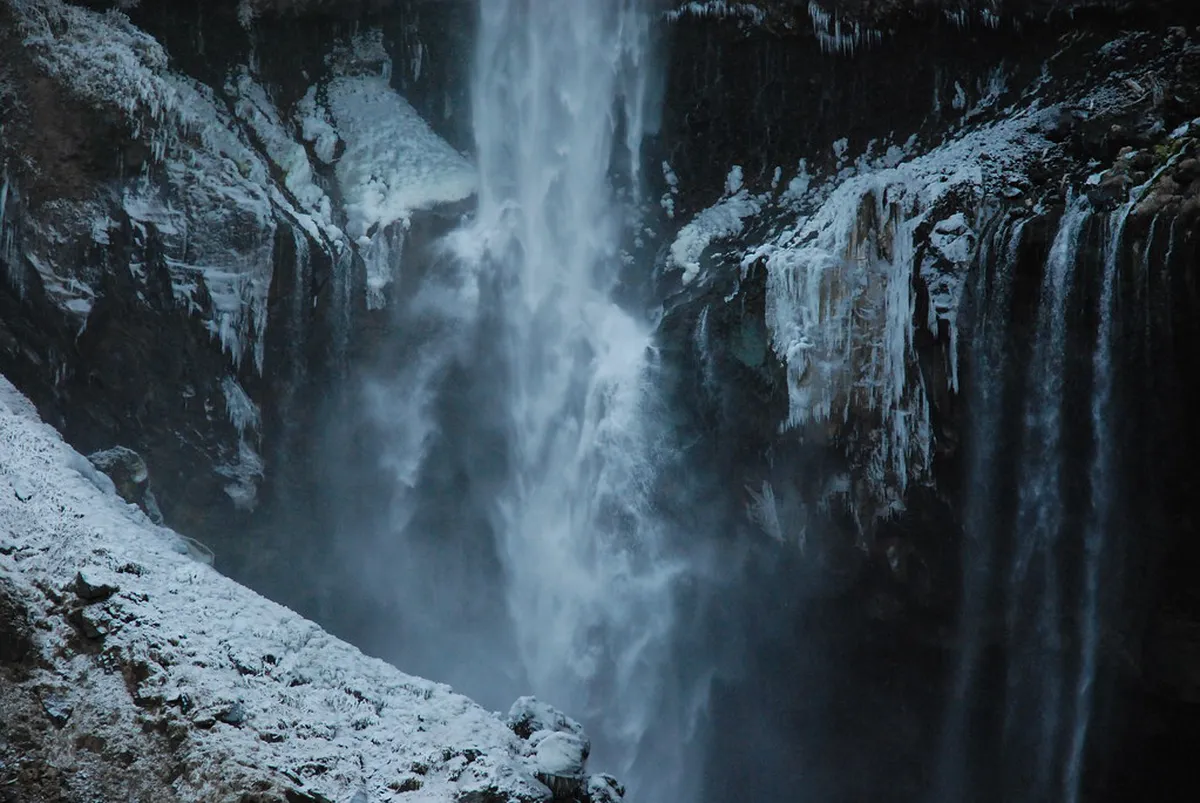
Kegon Falls drops 97 meters from the lake outlet into the gorge below and is the single most photographed sight in the area. The upper free observation deck is two minutes from the Chuzenji Onsen bus terminal and gives a head-on view across the gorge. The paid elevator (570 yen) drops you 100 meters down to the lower deck right beside the plunge pool, where the spray is dramatic and the sound is loud enough to feel. The full breakdown on viewing decks, queues, and elevator timing lives in 10 Essential Tips for Your Kegon Falls Nikko Visiting Guide.
The Akechidaira Ropeway is the second must-do viewpoint. The three-minute cable car climbs to a 1,373-meter ridge that frames the falls, the lake, and Mount Nantai in a single panorama. Round-trip tickets are 1,000 yen, and the queue stays short outside foliage weekends. Remember the bus stop rule above: you can only board the Akechidaira-bound bus on the uphill leg.
The sightseeing boat completes the lake-level trio. The Chuzenji-ko Cruise (1,400 yen) runs a 55-minute loop with stops at Shobugahama and the south-shore villa pier, so you can hop off, walk the villas, and catch a later boat back. Smaller motor and rowboat rentals run about 2,000 yen per hour from the main pier for travelers who prefer their own pace.
Museums, Art, and Culture: The Diplomatic Villas
The southern shore hosts two preserved international villas that capture the area's Meiji-era diplomatic role. The British Embassy Villa Memorial Park is a classic timber retreat designed by Sir Ernest Satow in 1896. The reading room overlooking the lake serves traditional scones and tea (around 900 yen), and the upper floor displays photos and personal letters from former ambassadors.
The Italian Embassy Villa is a five-minute walk further south and is the more architecturally striking of the pair. Its cedar-bark exterior, woven in geometric patterns, blends Italian design with regional Japanese carpentry. The bay window facing the lake is the most photographed interior in the park.
Both villas open from April 1 to November 30 and close fully through winter. A combined ticket costs around 600 yen and includes the small adjacent botanical garden. For seasonal exhibitions and one-day events at the villas, check the Japan Cheapo events page. before you plan your visit.
The Akechidaira Plateau bus stop is uphill-only. If you plan to visit the ropeway, board at this stop on the way up — the return bus will not stop there. Plan it as your first stop after Tobu-Nikko Station.
Parks, Gardens, and Outdoor Hiking Spots
The lake sits inside a wider hiking network that suits almost any level. The Senjogahara Marshland trail is flat, runs on elevated wooden boardwalks for 6.5 kilometers, and takes about two hours one way from the Akanuma bus stop. Late June brings white cotton grass; early October flips it to russet and gold.
Mount Nantai is the serious climb. The 1,200-meter ascent from Chuzenjiko-Futarasan-jinja Chugushi to the summit takes five to seven hours round-trip on a steep, rocky trail. The mountain is treated as sacred, so the trail only opens from May 5 to October 25, and climbers must register and pay a 1,000-yen offering at the shrine before starting.
The lakeshore loop is the middle option. A 3-kilometer walking path traces the eastern bay from Chuzenji Onsen to the villas, passing pebble beaches and quiet inlets. Autumn turns the maples red and gold in mid-to-late October, and the Nikko Fall Foliage When To See: 10 Essential Tips & Spots guide pinpoints the exact peak week for the Chuzenji elevation band.
Family-Friendly and Budget-Friendly Options
Families with younger children gravitate to the swan-shaped pedal boats at the main pier. Rentals run around 2,000 yen per 30 minutes and stay inside the calm protected bay near the boathouse. Life jackets are provided in child and adult sizes and are mandatory before pushing off.
Budget travelers can string together a satisfying day on free or near-free stops. The upper Kegon Falls deck, the lakeside picnic lawns near the Chuzenji Onsen pier, and the Tachiki Kannon temple grounds all cost nothing. Pack a bento from the convenience stores at Tobu-Nikko Station before boarding the bus, since lake-area cafes mark up sandwiches by 30 to 50 percent.
The Nikko-Chuzenji Information Center next to the bus terminal hands out free English maps and current trail-condition reports. Staff can flag last-minute closures, weather warnings, and shorter walks suited to seniors or strollers. Pop in within the first 15 minutes of arriving to lock in your plan for the day.
Winter and the Frozen Kegon Falls
Winter is the season most travelers skip and the one that rewards them most. From late December through early March, snow blankets the shoreline, crowds disappear, and the lake takes on a steel-gray stillness you cannot see in any other season. Daytime highs hover around -2 to 3 degrees Celsius, and the bus continues to run on its full schedule unless heavy snowfall triggers a temporary halt.
The real prize is the partially frozen Kegon Falls. In a typical cold snap, the spray on the side cliffs freezes into hanging ice columns from mid-January through early February. The full cascade itself rarely freezes solid, but the surrounding ice combined with snow-loaded conifers creates the dramatic frame that draws Japanese landscape photographers each year. The upper observation deck stays open year-round; the elevator to the lower deck operates on a reduced winter schedule.
The trade-offs are real. The diplomatic villas close, Mount Nantai and most longer hikes are off-limits, and the ropeway pauses for high winds more often. Layered clothing, microspikes for icy paths near the falls, and an early-departure bus are essentials. Skip winter only if visibility of the full lakeshore loop matters to you; otherwise it is the best-value visit on the calendar.
Kinugawa Onsen and Nearby Side Trips
With an extra day, Kinugawa Onsen makes a strong second stop. The hot-spring town sits in a river canyon 30 minutes by Tobu train from Tobu-Nikko Station. The Kinugawa Line Pleasure Boat runs a 40-minute wooden-boat ride through the gorge from April to late November (around 3,200 yen) and offers the best angles on the steep cliff walls.
The Edo Wonderland Nikkō Edomura theme park sits a short bus ride from Kinugawa-Onsen Station. The park recreates a 17th-century Japanese town complete with ninja shows, samurai performances, and traditional costume rentals. It is a full-day attraction, so plan it as its own visit rather than a side trip from the lake.
Tobu World Square, also in the Kinugawa district, displays 1/25th-scale models of more than 100 landmarks from around the world. The illuminated evening hours during summer and the December holiday light-up are the most photogenic windows. Entry is around 2,800 yen and most families spend two to three hours inside.
Where to Stay: Accommodation in Nikkō & Lake Chuzenji
Staying overnight at the lake unlocks the early-morning mist on the water and the quiet evening after the day-trippers leave. Chuzenji Onsen has a cluster of mid- to high-end ryokans with private hot-spring baths and lake-view rooms. The Where to Stay in Nikko: 6 Best Areas and Lodging Guide breaks down the specific properties by budget, view, and onsen access.
Central Nikko around Tobu-Nikko Station offers the budget tier — guesthouses, hostels, and small business hotels from around 6,000 yen per night. The trade-off is that you still need the morning bus to the lake. Booking ahead is essential from mid-October through early November and across the New Year holiday, when rooms sell out a month or more in advance.
For something unusual, look at pensions tucked into the woods between Akechidaira and Chuzenji Onsen. These small family-run lodges typically include a home-cooked dinner using local yuba and freshwater trout, and most arrange free shuttles from the nearest bus stop. They are quieter than the onsen-town hotels and a better fit for couples and solo travelers who value the woodland setting.
Pair this with our broader Nikko Attractions guide for the full city overview, or our Nikko National Park Travel Guide: Shrines, Nature & Logistics for the wider park context.
Frequently Asked Questions
Does the Nikko World Heritage Pass cover the bus to Lake Chuzenji?
No, the World Heritage Pass does not cover the bus fare to Lake Chuzenji. It only covers buses within the central shrine and temple area. To reach the lake without extra fees, you should purchase the Nikko All Area Pass instead. Review our Nikko 2 Day Itinerary: The Complete 48-Hour Travel Guide guide for more pass details.
Can Nikkō be a day trip from Tokyo?
Yes, Nikko is a very popular day trip from Tokyo due to the fast train connections. You can see the main shrines and Kegon Falls if you start your day early. However, staying overnight allows for a much more relaxed pace and more time at the lake.
When is the best time to visit Nikkō?
The best time depends on your interests, but autumn is the most famous season. Late October offers stunning red leaves around Lake Chuzenji. Spring is also beautiful for cherry blossoms, while summer provides a cool escape from the heat of the city.
How much time should you plan for Lake Chuzenji?
You should plan at least four to five hours to see the main sites around the lake. This includes travel time on the Irohazaka Road, visiting Kegon Falls, and a short lake cruise. If you plan to hike, you will need a full day.
Lake Chuzenji rewards travelers who get the logistics right: the All Area Pass, the early bus, the uphill-only Akechidaira stop, and a clear choice between shrines and lake for any single day. Add a winter visit for the frozen Kegon spectacle and an overnight stay for the morning lake mist, and you will see a side of Nikko that most day-trippers miss entirely.
Free: The Nikko Essentials guide
Top things to do, where to stay, a perfect day plan, getting around, and the best time to go — a Nikko mini-guide you can take offline.
You might also like


Continue reading
More guides you'll find useful


