Nikko 3 Day Itinerary: 7 Essential Planning Steps & Stops
Plan the perfect Nikko 3 day itinerary. Includes UNESCO shrines, Kegon Falls, Kinugawa Onsen, and expert tips on using the Nikko Pass for a seamless trip.
On this page
I have visited Nikko several times to escape the neon glow of Tokyo. This mountain town offers a rare blend of ornate UNESCO shrines, alpine waterfalls, and onsen towns within a two-hour train ride of Asakusa. My guide helps first-timers navigate the bus zones, ticket gates, and luggage logistics.
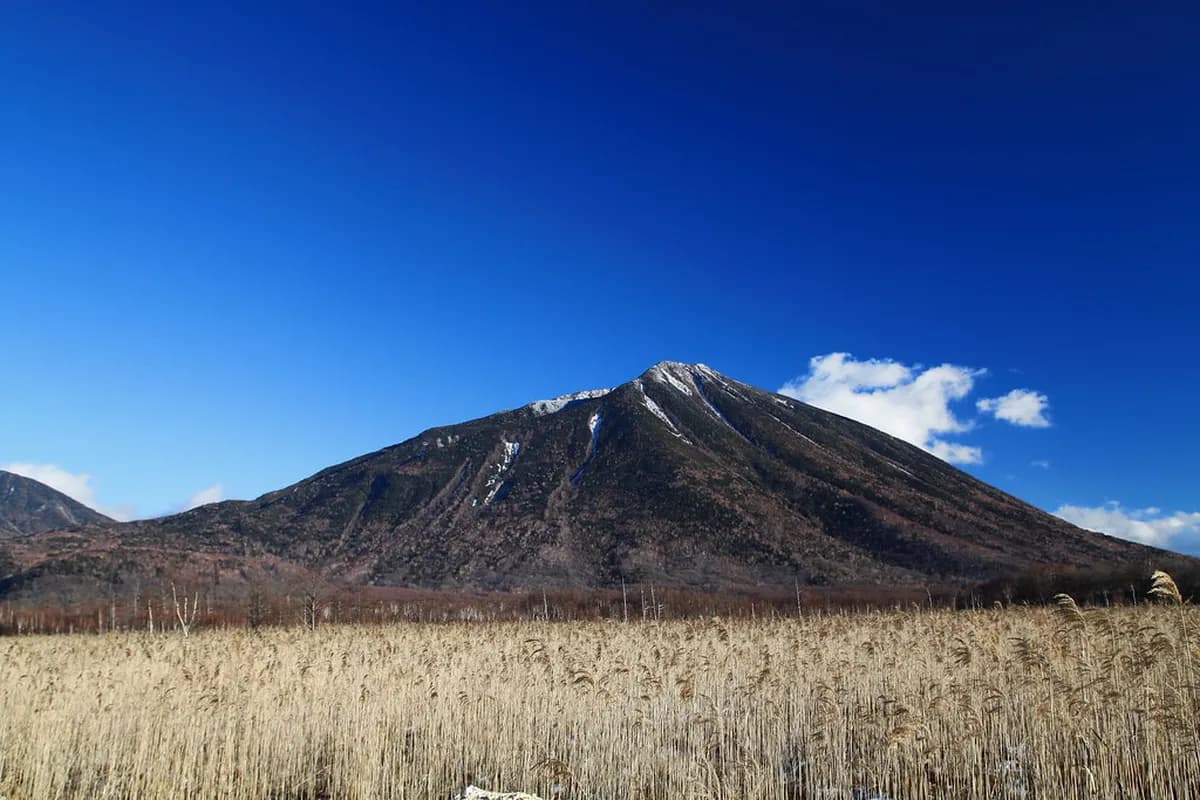
Three days is the sweet spot for Nikko in 2026. One day barely covers the shrines; two skips the lake; four starts to drag unless you hike Mount Nantai. This plan splits the trip into Heritage, Okunikko, and Kinugawa so you never double-back on the same bus line.
I built this nikko 3 day itinerary to balance famous stops with quieter pockets like Kanmangafuchi Abyss and Tamozawa Imperial Villa. Expect concrete times, ticket prices in yen, and the foodie detours locals actually recommend.
Nikko 3 Day Itinerary At a Glance
This summary previews three distinct days, each anchored to one bus or train zone to limit transit time. Stay near Tobu-Nikko Station so every morning starts at the same hub.
Day 1 covers the UNESCO World Heritage shrines. Day 2 climbs into Okunikko for Kegon Falls and Lake Chuzenji. Day 3 swaps mountains for cultural theme parks and onsen towns in the Kinugawa valley.
- Day 1: UNESCO Heritage area
- Morning: Toshogu Shrine and Sleeping Cat passage
- Afternoon: Rin’nōji Temple and Shinkyo Bridge
- Evening: Yuba dinner near the station
- Day 2: Okunikko alpine zone
- Morning: Akechidaira Ropeway viewpoint
- Afternoon: Kegon Falls and Chuzenji Sightseeing Cruise
- Evening: Chuzenji Onsen lakefront bath
- Day 3: Kinugawa and Edo culture
- Morning: Edo Wonderland or Tobu World Square
- Afternoon: Kinugawa Onsen footbath and SL Taiju train
- Evening: Limited Express back to Asakusa
Essential Logistics: Choosing the Right Nikko Pass
The Tobu Nikko All Area Pass (around ¥4,700–8,000) covers round-trip trains from Asakusa plus all local buses to Okunikko and Kinugawa — the right choice for a 3-day plan. Buy it at the Tobu Tourist Information Center inside Asakusa Station before boarding.
The single biggest planning decision is which Tobu pass to buy at Asakusa. The two options are not interchangeable, and picking the wrong one costs about 3,000 yen in surprise bus fares around Lake Chuzenji.
The Tobu Nikko All Area Pass covers Tobu-Nikko trains plus every local bus into Okunikko and Kinugawa. The World Heritage Area Pass is cheaper but stops at the shrine loop and does not reach Kegon Falls. For a three-day plan that includes Lake Chuzenji and Kinugawa, the All Area Pass is the correct call.
- All Area Pass – valid 4 days, around 4,700–8,000 yen depending on season, covers Asakusa round trip, Chuzenji and Yumoto buses, Chuzenji Sightseeing Cruise, Akechidaira Ropeway discount, and Tobu World Square discount.
- World Heritage Pass – valid 2 days, around 2,120 yen, covers only the Toshogu shrine loop bus. Not enough range for a 3-day plan.
- Decision rule – if Day 2 or Day 3 leaves the shrine zone, buy the All Area Pass. Otherwise downgrade.
Buy the pass at the Tobu Tourist Information Center inside Asakusa Station before boarding. Seat reservations on the Spacia X limited express are separate and sell out 30 days ahead in peak autumn. You can also read How To Get To Nikko From Tokyo: 10 Essential Travel Tips for ticket-window tactics.
Luggage strategy matters too. The coin lockers on the Tobu-Nikko platform accept large suitcases at 800 yen; the lockers outside the gates only fit cabin-size at 500 yen and fill by 10:30 AM in peak season. If you arrive from Hokkaido or Haneda with oversized bags, walk straight to the platform lockers before tapping out. For lodging logistics, the Where to Stay in Nikko: 6 Best Areas and Lodging Guide breaks down the trade-offs by neighborhood.
Day 1: Exploring the UNESCO World Heritage Area
| Day | Zone | Morning | Afternoon | Evening |
|---|---|---|---|---|
| Day 1 | Heritage | Toshogu Shrine (¥1,600) | Rinnoji Temple + Shinkyo Bridge | Yuba dinner near station |
| Day 2 | Okunikko | Akechidaira Ropeway (¥1,000) | Kegon Falls (¥570) + Chuzenji Cruise | Chuzenji Onsen soak |
| Day 3 | Kinugawa | Edo Wonderland (¥5,800) or Tobu World Square (¥2,800) | SL Taiju steam train + footbath | Limited Express back to Asakusa |
Day 1 belongs to Old Nikko. Catch the World Heritage Loop Bus from Tobu-Nikko Station and get off at Omotesando, not Shinkyo — Omotesando puts you at the top of the shrine slope and saves a steep 15-minute uphill walk. The Nikko Toshogu Shrine opens at 9:00 AM with admission at 1,600 yen.
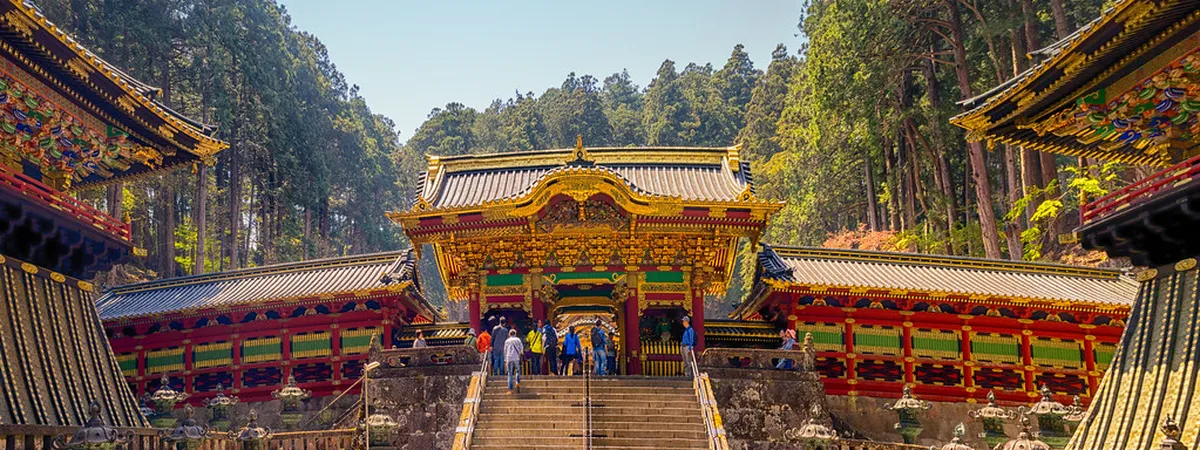
Arrive by 8:45 AM to be first through the gates. The crowds following the Three Wise Monkeys and the Sleeping Cat carving thicken fast after 10:00 AM. Note that the path beyond the Sleeping Cat up to Ieyasu’s tomb climbs 207 stone steps with no ramp or elevator — if mobility is a concern, photograph the cat and turn back rather than committing to the ascent.
After Toshogu, walk five minutes to Rin’nōji Temple (400 yen) and Futarasan Shrine (free outer grounds). End the morning at Shinkyo Bridge for a photo from the riverbank — you do not need to pay the 300 yen crossing fee to get a clean shot. For deeper context on the whole shrine cluster, see the wider Nikko Attractions: 20 Must-See Sights & Things to Do guide.
For lunch, walk back toward Shinkyo Bridge and try yuba (tofu skin) at one of the family-run shops along the main street. Spend the afternoon at the Nikko Tamozawa Imperial Villa — a 106-room wooden residence that fuses Edo, Meiji, and Taisho carpentry under one roof, which most competitor itineraries skip entirely. Admission is 600 yen and the garden alone is worth the detour.
Day 2: Okunikko’s Waterfalls and Lake Chuzenji
Day 2 is the alpine day. Take the 8:00 AM bus from Tobu-Nikko bound for Yumoto Onsen and get off at Akechidaira Ropeway. The cable car (1,000 yen round trip, 900 yen with the All Area Pass) lifts you to a panorama of Kegon Falls and the Iroha-zaka switchback road. Spend 40 minutes here.
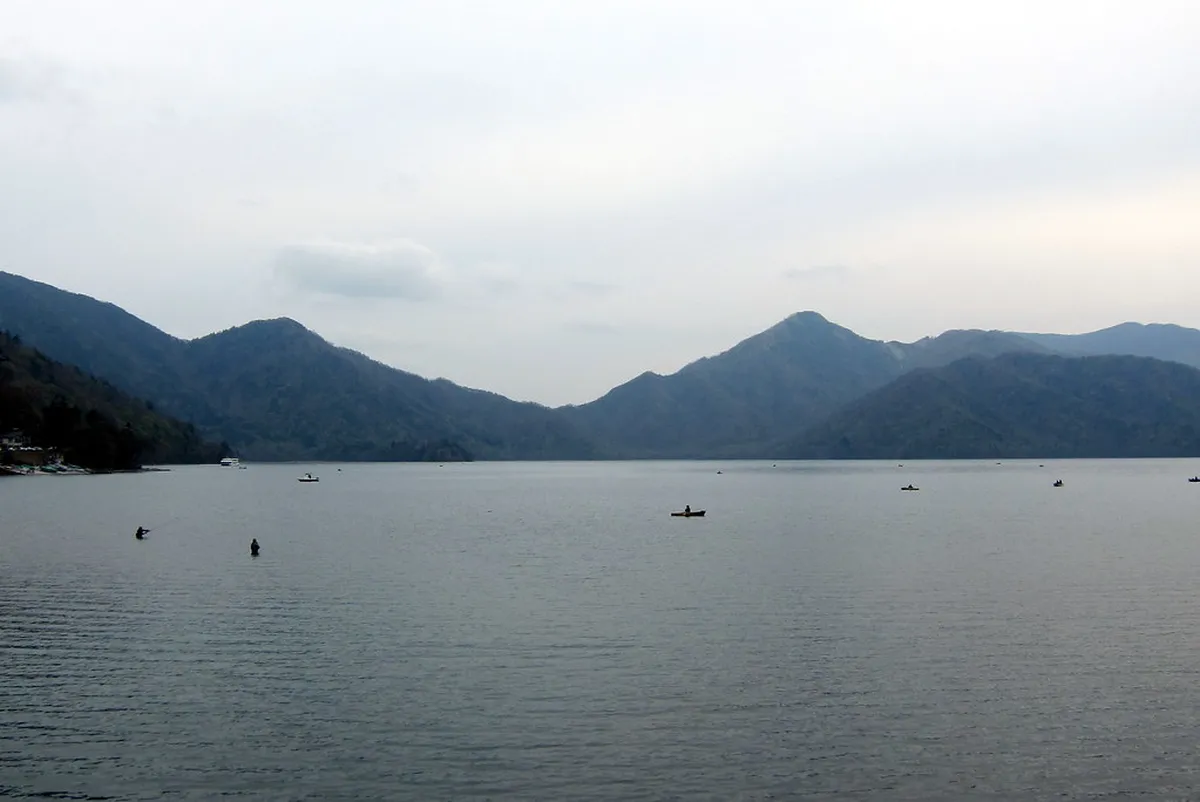
Reboard the bus toward Chuzenji Onsen and walk 5 minutes to the Chuzenji Lake shore. The 100-meter Kegon Falls is reached by an elevator that drops to the viewing platform at lake level — 570 yen and operating 8:00 AM to 5:00 PM. Then board the Chuzenji Sightseeing Cruise; the round-trip ticket is bundled into the All Area Pass at no extra cost.
If you have a clear afternoon, ride the bus 25 minutes further to the Senjogahara Plateau and walk the boardwalk loop. The full Senjogahara trail is around 2 hours one-way; for a 90-minute version, walk from Ryuzu Falls bus stop to Akanuma. Birdwatchers should bring binoculars in May and June.
End the day with a sulfur bath at a Chuzenji Onsen day-use ryokan (around 1,000–1,500 yen). The milky-white Yumoto water is famous for circulation; rinse off lotion and jewelry before entering as the sulfur darkens silver. For the wider zone, the Nikko National Park guide covers extended hikes and seasonal closures.
Day 3: Kinugawa Onsen and Cultural Theme Parks
Day 3 swaps mountains for valleys. The choice between Nikko Edomura Edo Wonderland and Tobu World Square shapes the morning. Edo Wonderland (5,800 yen, 9:00 AM–5:00 PM) is a recreated Edo-period town with ninja shows, samurai parades, and indoor pavilions — the best choice for families with children 6–14, and the strongest rainy-day pivot in the entire Nikko area because most attractions are roofed.
Tobu World Square (2,800 yen, with 1,000 yen discount on the All Area Pass) is the better solo pick: 102 miniature world monuments at 1/25 scale arranged in walkable continental sections. Budget two hours and skip if the forecast calls for rain — nearly all exhibits are outdoor.
For lunch, ride the SL Taiju Steam Locomotive from Shimo-Imaichi to Kinugawa-Onsen Station. Tickets sell out two weeks ahead for weekend departures — reserve through the Tobu app. The free footbath outside Kinugawa-Onsen Station is a 10-minute soak break before the train back.
Some Kinugawa-area local buses do not accept Suica or PASMO. Carry small bills and coins for the bus farebox, especially on Day 3 around Kinugawa-Onsen Station.
Important cash note — some Kinugawa-area local buses do not accept Suica or PASMO. Carry small bills and coins. Catch the 4:00–5:00 PM limited express back to Asakusa and check the Tobu Bus Timetables before leaving the ryokan since winter schedules thin out after 6:00 PM.
Hidden Gems: Kanmangafuchi Abyss and Imperial Villa
If your trip lands on a rare quiet weekend, slot Kanmangafuchi Abyss into the Day 1 afternoon or a Day 3 morning. The 30-minute riverside trail is lined with around 70 stone Jizo statues that locals call the Bake Jizo, or "ghost statues," because legend says the count changes each time you walk past. Catch the bus to Nishisando-iriguchi and walk one kilometer; it is free and rarely crowded before 8:00 AM.
The Tamozawa Imperial Villa pairs naturally with Kanmangafuchi since both sit on the western edge of town. Architecture buffs will spot Meiji-era electric fixtures sitting beside Edo-period sliding screens — a fusion competitors gloss over because the site does not photograph as dramatically as Toshogu. Garden visits land best in late April for cherry blossoms or early November for maple color.
Both stops add roughly two hours to the day and need no advance booking. Pair them with a yuba lunch at Nikko Yubayūzen for a slow-paced cultural morning before joining the heritage rush in the afternoon.
Local Flavors: Where to Eat Yuba and Specialty Snacks
Yuba — the delicate skin lifted off heated soy milk — is the regional specialty. Three stops cover the spectrum from grab-and-go to sit-down. Pick at least one.
- Nikko Sakaeya, just outside Tobu-Nikko Station, serves Agé-Yuba Manjū (deep-fried yuba bun, 200 yen). Expect a 15–20 minute wait between 11:00 AM and 2:00 PM in peak season; arrive before 10:30 AM to walk straight up.
- Nikko Yuba Tsuruya Imaichiten near Shimo-Imaichi sells yuba sheets and packed lunches to take onto the SL Taiju train — the cleanest lunch hack for Day 3.
- LANCATLGUE CAFE NIKKO VORTEX, between the station and Shinkyo, is the chic alternative if shrine fatigue sets in: minimalist concrete interior, espresso, and yuba-based desserts. Closed Wednesdays.
For dinner, Trattoria Camino and Trattoria Gigli show up on most local lists if you want a break from Japanese food after two shrine-heavy days. Reserve both by phone — neither takes online bookings reliably.
Seasonal Guide: When to Visit Nikko for Fall Colors or Snow
Nikko peaks twice: mid-October to early November for koyo (autumn foliage) and late January to February for snow-dusted shrine roofs. Choose your dates around what you want to photograph, because the alpine zone shuts down weather-dependent attractions in winter.
Autumn 2026 forecast windows: Lake Chuzenji peaks around 15–25 October, Iroha-zaka switchback peaks 20 October–5 November, and the shrine area around 5–20 November. Buses run packed on autumn weekends — ride a Tuesday or Wednesday if possible, and book Spacia X seats 30 days ahead.
Winter trade-offs: snow scenes are stunning but Akechidaira Ropeway, Senjogahara boardwalk, and Mount Nantai close from December through mid-April. Edo Wonderland stays open year-round, which is why Day 3 doubles as the bad-weather insurance day in this plan.
Avoid late June and early July — the rainy season floods the river paths and the Kanmangafuchi trail becomes slippery. Spring (April–May) is the quietest window with cherry blossoms at Tamozawa Villa and clear-water cascades around Ryuzu Falls.
Frequently Asked Questions
Is 3 days enough for Nikko?
Yes, three days is the perfect amount of time. It allows you to see the UNESCO shrines, the lake area, and a theme park. You won't feel rushed during your visit.
Which Nikko Pass is best for a 3-day trip?
The Nikko All Area Pass is the best choice for three days. It covers the buses to Lake Chuzenji and the Kinugawa Onsen area. This pass offers the best overall value.
What is the best way to get from Tokyo to Nikko?
The Tobu Railway from Asakusa Station is the most convenient option. Use the Limited Express Spacia X for a fast and comfortable journey. The trip takes about two hours.
This nikko 3 day itinerary balances UNESCO heritage with alpine nature and a culture-heavy Day 3 that doubles as your rainy-day insurance. Following the bus-zone-per-day rule keeps transit time under 90 minutes daily and leaves room for unhurried meals and quiet stops like Kanmangafuchi.
Pack walking shoes for the 207 Toshogu steps, a windbreaker for Lake Chuzenji, and small cash for Kinugawa buses. Nikko remains one of Japan’s most rewarding short trips in 2026 — safe travels through the Tochigi mountains.
Free: The Nikko Essentials guide
Top things to do, where to stay, a perfect day plan, getting around, and the best time to go — a Nikko mini-guide you can take offline.
You might also like


Continue reading
More guides you'll find useful