Nikko Temples and Shrines: The Ultimate Visitor Guide
Explore the UNESCO Shrines and Temples of Nikko. Our guide covers Toshogu, the Three Wise Monkeys, Rinnoji, and practical tips for a perfect day trip.
On this page
Visiting the Nikko temples and shrines offers a deep journey into the spiritual heart of Japan. This mountain retreat in Tochigi Prefecture houses some of the most ornate architecture in the entire country. Travelers often begin their journey by reading a comprehensive Nikko travel guide to prepare for the steep hills. The sacred atmosphere of these ancient grounds provides a peaceful escape from the busy streets of modern Tokyo.
Nikko is a unique destination where Shinto and Buddhist traditions have coexisted for centuries. The complex consists of over one hundred religious structures nestled within a dense cedar forest. Many visitors find that the harmony between man-made art and nature is the most striking feature here. Planning your visit properly ensures you see the most significant carvings and historic halls without feeling rushed.
The Shrines and Temples of Nikko: A UNESCO World Heritage Overview
The Nikko temples and shrines became a UNESCO World Heritage site in 1999 due to their artistic excellence. This designation covers 103 buildings across three main complexes: Toshogu, Futarasan, and Rinnoji. You can view the official boundaries and site details on this World Cultural Heritage (Japan) map. These structures represent the peak of Edo-period craftsmanship and religious devotion.
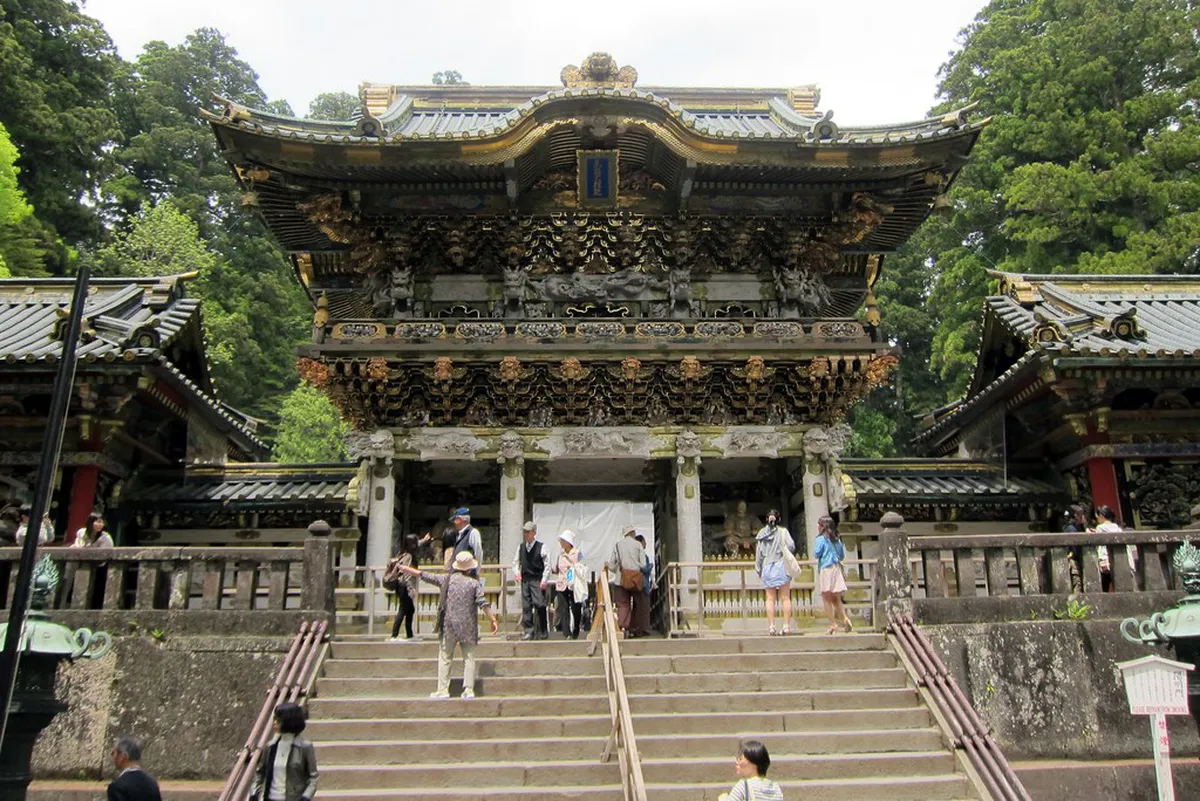
The site is famous for its intricate wood carvings and extensive use of gold leaf. Unlike the simple Zen aesthetic found elsewhere in Japan, Nikko displays incredible opulence and detail. Each building was carefully placed to respect the natural landscape of the mountains. This balance creates a spiritual environment that feels both grand and deeply grounded in nature.
The Historical Significance of Nikko in Tochigi Prefecture
Nikko rose to prominence as the final resting place for Tokugawa Ieyasu, the founder of the Tokugawa shogunate. His grandson, Iemitsu, transformed the original simple grave into a massive, lavish complex in the 17th century. It took approximately 127,000 skilled craftsmen to complete this massive architectural project. The shrines were built to show the power and wealth of the shogunate after years of civil war.
The construction of these sites marked the beginning of 300 years of peace in Japan. Every detail in the carvings reflects themes of harmony, protection, and political stability. Tochigi Prefecture continues to protect these historical treasures for future generations to study. Walking through the gates feels like stepping back into the height of the Edo Period.
Nikko Toshogu Shrine: The Lavish Resting Place of Tokugawa Ieyasu
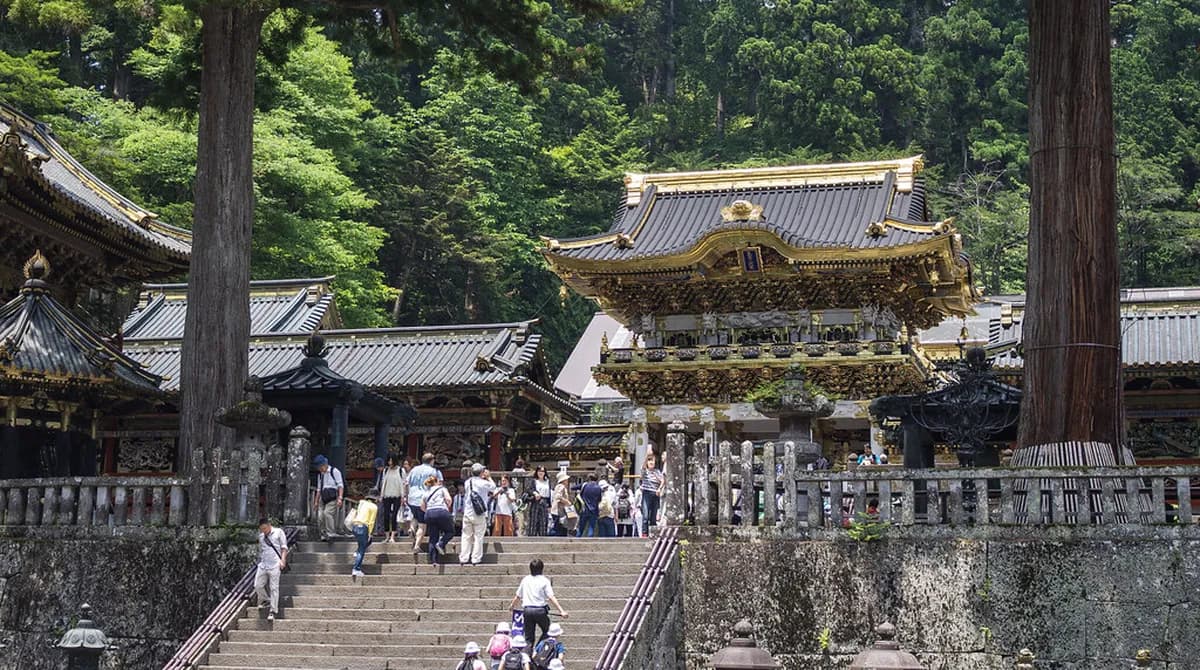
Nikko Toshogu Shrine is the most famous attraction within the entire UNESCO complex. The shrine is known for its vibrant colors and thousands of detailed wood carvings. Visitors should spend extra time at the Yomeimon Gate, which features over 500 individual sculptures. You can find more specific visiting tips in our Nikko Toshogu Shrine guide.
A long flight of stone stairs leads visitors up to the actual tomb of the Shogun. The path is surrounded by towering cedar trees that create a cool, quiet atmosphere. Expect to pay an entrance fee of 1,300 yen for adults to access the main shrine area. Many travelers find the climb rewarding for the sense of peace found at the top.
Do not leave the Toshogu area without finding the Yakushido hall, also known as the Honchido. Its ceiling is painted with a colossal dragon, and guides demonstrate an acoustic trick: if you clap sharply beneath the dragon's head, the wooden hall amplifies the sound into a deep resonant echo that is compared to the creature's roar. Photography is prohibited inside, but the experience itself is one of the most memorable moments in the entire complex.
The Philosophy of the Three Wise Monkeys and Famous Carvings
The famous "see no evil, speak no evil, hear no evil" monkeys are located on the Sacred Stable, and most visitors photograph them without realizing they are just one panel in a much larger story. The full series consists of eight carved panels arranged along the stable wall, and taken together they trace the complete cycle of a human life from birth through old age. Each panel advances the narrative: the first shows a baby monkey being protected from bad influences (the three wise monkeys), the second depicts a young monkey looking up at the sky in hope, and the later panels show adulthood, community, struggle, and ultimately peaceful rest in old age. Understanding this sequence changes the three monkeys from a simple proverb into a quietly moving philosophy about living a good life.
Another famous carving is the Sleeping Cat, or Nemuri-neko, found near the stairs to the tomb. This small carving symbolizes peace because the cat can sleep while sparrows play nearby. The detail on these small wooden figures shows the incredible skill of the Edo-period artists. Look closely at the expressions on the animals to see the personality carved into the wood.
Rinnoji Temple: Exploring Sanbutsudo and the Taiyuin Mausoleum
Rinnoji is the most important Buddhist temple in Nikko and was founded by the monk Shodo Shonin. The main hall, Sanbutsudo, houses three large, gold-lacquered wooden statues of Buddhist deities standing roughly eight meters tall. These statues represent the three mountain gods of Nikko in their Buddhist forms. The hall has undergone significant restoration in recent years to preserve its massive wooden structure for future generations.
Nearby, the Taiyuin Mausoleum serves as the final resting place for the third Shogun, Iemitsu. The design deliberately uses a restrained black and gold color scheme rather than the white and gold of Toshogu. Iemitsu commissioned this quieter aesthetic to show deep respect for his grandfather — a subordinate tomb should never compete with or overshadow the grander shrine. The atmosphere here is often quieter and more contemplative than the main tourist areas, and the staircase approach through successive gates is one of the most beautiful sequences in all of Nikko.
Futarasan Shrine: Ancient Shinto Traditions and the Haunted Lantern
Futarasan Shrine is the oldest religious site in the area and is dedicated to the three holy mountains of Nikko. It predates the lavish Toshogu complex and maintains a more traditional Shinto feel. Couples often visit this shrine to pray for good luck in their relationships and marriages. The grounds are filled with ancient trees that are considered sacred by local worshippers.
One of the most interesting objects here is the Bake-doro, or the "haunted lantern." Legend says the lantern would flicker and take on strange shapes during the night. A frightened samurai once attacked the lantern with his sword, leaving visible marks on the bronze. You can still see these deep gashes on the lantern today as proof of the old legend, which makes it one of the most tangible historical anecdotes in the entire complex.
Shinkyo Bridge: The Iconic Entrance to the Sacred Grounds
The Shinkyo Bridge is one of the most photographed spots in Japan and marks the entrance to Nikko. This vermilion-colored bridge stands out beautifully against the blue water and green forest. According to legend, two giant serpents formed the bridge to help a priest cross the river. It is officially ranked as one of the three finest bridges in the country.
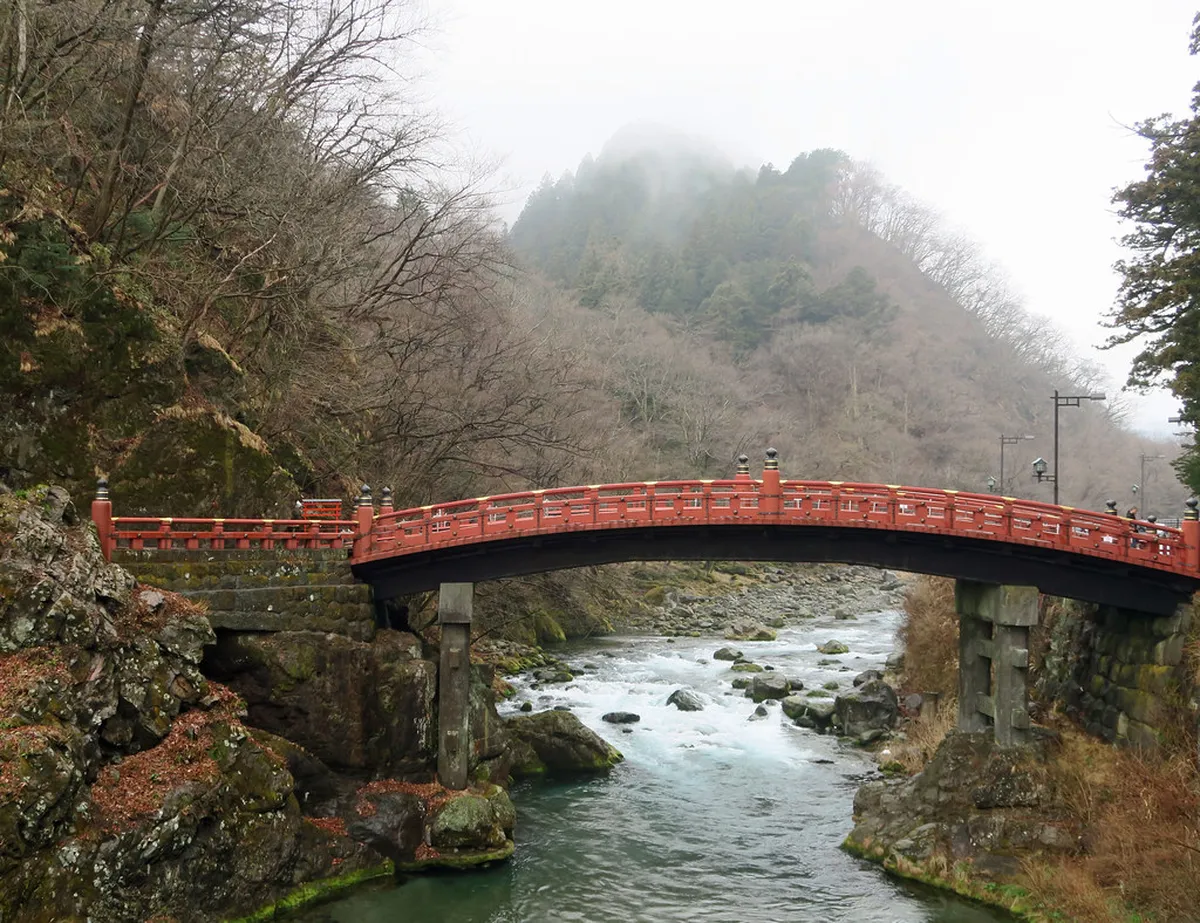
Visitors can pay a small fee of 300 yen to walk across the bridge for a unique view. Most people prefer to take photos from the modern bridge located directly parallel to it. The bridge looks especially stunning during the autumn when the leaves turn bright red and orange. It serves as a perfect starting point for your walk up to the main temple complex.
Arrive at the Nikko UNESCO complex by 08:00 when the gates open to explore the Yomeimon Gate and the cedar paths before tour groups from Tokyo arrive around 10:30. The Inner Shrine climb to Tokugawa Ieyasu's tomb adds 25–35 minutes and is included in the main Toshogu ticket.
Museums, Art, and Culture within the Nikko Complex
The Toshogu Museum of Art displays beautiful screen paintings and artifacts from the Edo period. These items provide context for the artistic styles used in the construction of the shrines. Another important stop is the Treasure House, which stores personal items belonging to the Shoguns. Seeing these historical objects helps visitors understand the daily lives of Japan's former rulers.
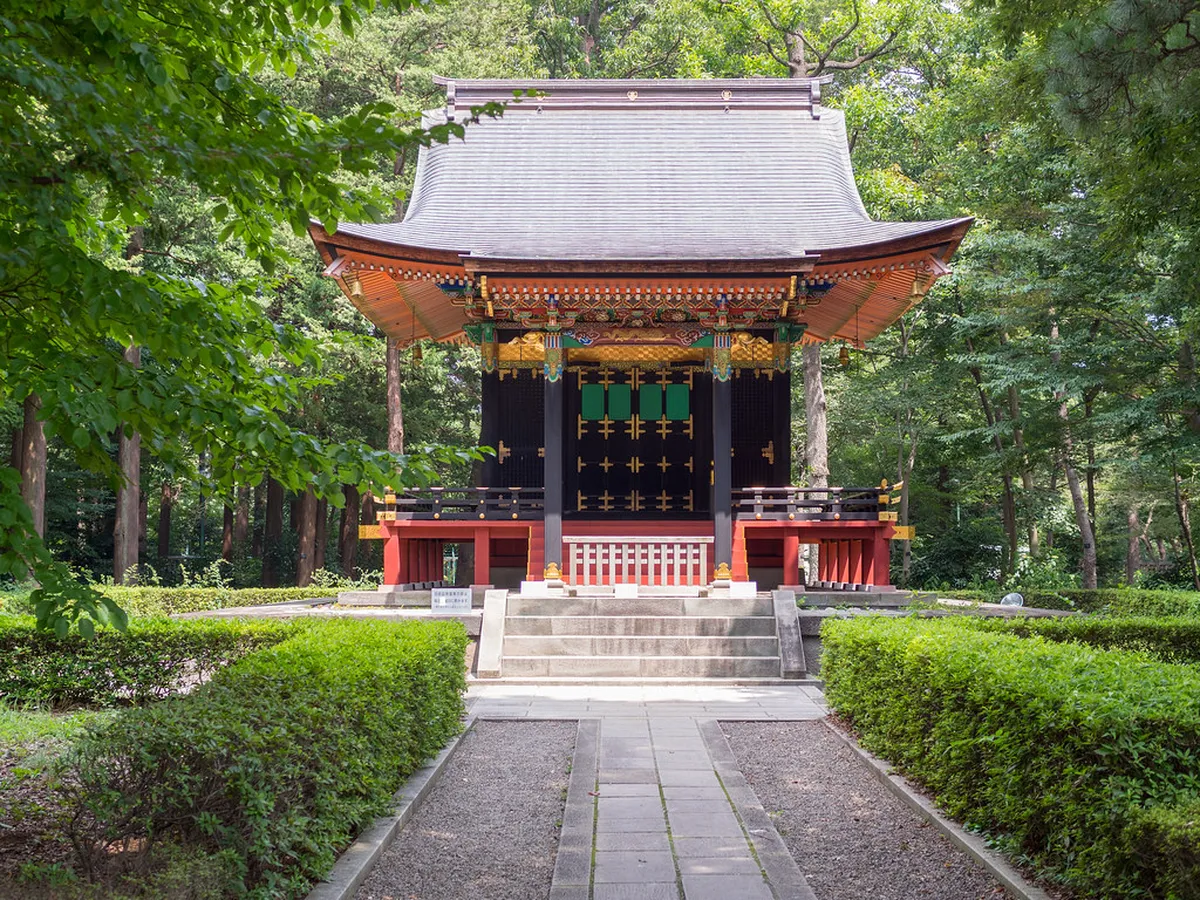
Many of the exhibits explain the complex techniques used to apply gold leaf and lacquer. Cultural preservation is a major focus for the staff who maintain these fragile works of art. The museums offer a quiet break from the walking paths and provide deeper historical insight. Check the official schedules for rotating exhibitions that may feature rare scrolls or weapons.
Parks, Gardens, and Outdoor Spots in Nikko
The Shoyoen Garden is a traditional Japanese strolling garden located near the Rinnoji Temple. It is particularly famous for its maple trees, which create a fiery red landscape in November. A small pond in the center reflects the surrounding greenery and the nearby temple buildings. This garden offers a peaceful spot to rest between visiting the larger shrine complexes.
The entire complex is situated within Nikko National Park, known for its wild beauty. Walking paths connect the various sites and allow you to enjoy the fresh mountain air. Keep an eye out for the Kanmangafuchi Abyss, which features a row of stone Jizo statues along the riverbank. These outdoor spots provide a natural balance to the highly decorated architecture of the shrines.
Family-Friendly and Budget-Friendly Options in Nikko
Traveling with a family requires careful planning to manage costs and walking distances. Many areas around the shrines are free to enter and offer plenty of space for children to move. The walking paths are well-maintained, but some sections have steep stairs that might be difficult for strollers. Consider using the local buses to save energy for the actual shrine visits.
Purchasing a transport pass is the most effective way to save money on your trip. The Nikko World Heritage Area Pass is a 2-day pass priced around 2,840 yen and covers bus and train travel within central Nikko, which is ideal for visitors who plan to focus purely on the temple complex. The Nikko All Area Pass is a 4-day option priced around 4,520 yen that extends coverage to Lake Chuzenji, Kegon Falls, and Yumoto Onsen — the better value if you want to see both the temples and the mountain scenery. Check the latest prices on the Practical Travel Guide - Nikko and Kinugawa before you travel, as fares are reviewed annually.
| Site | Adult Entrance Fee | Notes |
|---|---|---|
| Nikko Toshogu Shrine | 1,300 yen | Includes Yomeimon Gate and Inner Shrine climb |
| Rinnoji Temple (Sanbutsudo) | ~400–900 yen | Separate fee from Toshogu |
| Futarasan Shrine | ~400 yen | Older than Toshogu; quieter |
| Shinkyo Bridge (walk across) | 300 yen | Free viewpoint from parallel bridge |
| Nikko World Heritage Area Pass (2-day) | 2,840 yen | Covers bus + train in central Nikko |
| Nikko All Area Pass (4-day) | 4,520 yen | Adds Lake Chuzenji, Kegon Falls, Yumoto Onsen |
The Toshogu ticket booth is cash-only Japanese yen — bring physical bills before arriving. The nearest reliable ATMs are at the post office near Tobu-Nikko Station, not at the shrine itself.
How to Plan a Smooth Nikko Attractions Day
Most visitors travel from Tokyo to Nikko using the Tobu Railway from Asakusa Station. The journey takes about two hours on the Limited Express Spacia or Revaty trains. A popular Nikko day trip from Tokyo usually starts at the Shinkyo Bridge. From there, you can walk up the main hill to reach the Toshogu Shrine entrance.
To avoid the heaviest crowds, try starting your tour at the Taiyuin Mausoleum at the far end of the complex. Most tour groups start at Toshogu and work their way back toward the bridge. By reversing this route, you reach the quieter temples first and move toward the more crowded areas only after the midday peak has passed. Make sure to wear comfortable walking shoes as the stone paths can be quite uneven.
Best Time to Visit and Avoiding the Crowds
The best time to visit Nikko is during the autumn foliage season in late October. The vibrant colors of the trees perfectly complement the gold and red of the temples. However, this is also the busiest time of year, and traffic can be very heavy. Consider visiting on a Tuesday or Wednesday to avoid the large weekend crowds.
Spring is another beautiful season when the cherry blossoms bloom in the lower elevations. Early morning is always the best time of day to explore the Nikko temples and shrines. Arriving at the gates right when they open at 08:00 gives you a peaceful experience before the day-trip crowds arrive from Tokyo. Winter visits offer a unique look at the shrines covered in snow, though it can be very cold and some secondary paths close due to ice.
Beyond the Temples: Nearby Attractions in Nikko
If you have extra time, head further into the mountains to explore the Okunikko area. A visit to the Chuzenji Lake Nikko guide will show you the stunning alpine scenery. Kegon Falls is another must-see spot, featuring a massive 97-meter waterfall that drops into the valley. The bus ride from the temple area up to the lake takes about 30 to 40 minutes.
Okunikko is also famous for its hot spring towns like Yumoto Onsen. Soaking in the mineral-rich waters is the perfect way to relax after a long day of walking. The atmosphere in the upper mountains is much cooler and more rugged than the central town. Plan for at least a full day if you want to see both the temples and the waterfalls.
Frequently Asked Questions
Is Nikko worth a day trip from Tokyo?
Yes, Nikko is highly worth a day trip because it offers a unique mix of UNESCO history and mountain scenery. Most travelers find that a well-planned Nikko itinerary allows them to see the major shrines and the Shinkyo Bridge in one day.
How much is the entrance fee for Nikko temples?
The main Toshogu Shrine costs 1,300 yen for adults, while Rinnoji and Futarasan have separate fees around 400 to 900 yen. You can buy a combined ticket for some areas to save money during your visit. Prices are subject to change, so verify on official sites.
What is the meaning of the three wise monkeys in Nikko?
The three wise monkeys represent the philosophy of 'see no evil, speak no evil, and hear no evil.' In Nikko, they are part of a larger carving series that depicts the cycle of a human life from birth to maturity. They specifically symbolize protecting children from bad influences.
How do I get to the Nikko UNESCO area?
Take the Tobu Railway from Asakusa Station in Tokyo to Tobu-Nikko Station. From the station, you can take a local bus for 10 minutes or walk for 20 minutes to reach the Shinkyo Bridge. The bridge marks the start of the UNESCO World Heritage area.
The Nikko temples and shrines stand as a magnificent testament to Japan's artistic and spiritual history. From the golden gates of Toshogu to the quiet gardens of Rinnoji, there is something for every traveler to enjoy. Plan your visit carefully to make the most of your time in this stunning UNESCO World Heritage site. The beauty of Nikko will surely leave a lasting impression on your journey through Japan.
Free: The Nikko Essentials guide
Top things to do, where to stay, a perfect day plan, getting around, and the best time to go — a Nikko mini-guide you can take offline.
You might also like


Continue reading
More guides you'll find useful