

Nikko Food and Restaurants: 6 Essential Dining Experiences
Discover the best Nikko food and restaurants, from traditional Yuba course meals to Tochigi Wagyu and natural shaved ice. Includes essential tips on early closing times.
On this page
Exploring Nikko food and restaurants reveals a world of traditional flavors built around sacred mountain water, Buddhist heritage, and centuries of artisan craft. This mountain town serves far more than its shrine scenery suggests. Visitors encounter delicate soy milk skin dishes alongside premium Wagyu beef, handmade soba noodles, sake brewed from pristine river water, and shaved ice that genuinely tastes different from anything in Tokyo.
Planning meals here requires strategy. Most kitchens close by 17:00–18:00, so the dining window is tighter than in a typical Japanese city. Consulting a Nikko travel guide before you go helps you time your lunch stops and secure a table at the restaurants that actually stay open for dinner.
Yuba: The Essential Soy-Based Soul of Nikko
Yuba is the skin that forms on top of soy milk when it is heated to around 80°C in wide, shallow pans. After about 20 minutes the film is lifted and draped to dry — no coagulants, no additives. Buddhist monks brought this high-protein ingredient to Nikko centuries ago as a meat-free alternative, and it has anchored the town's food culture ever since.
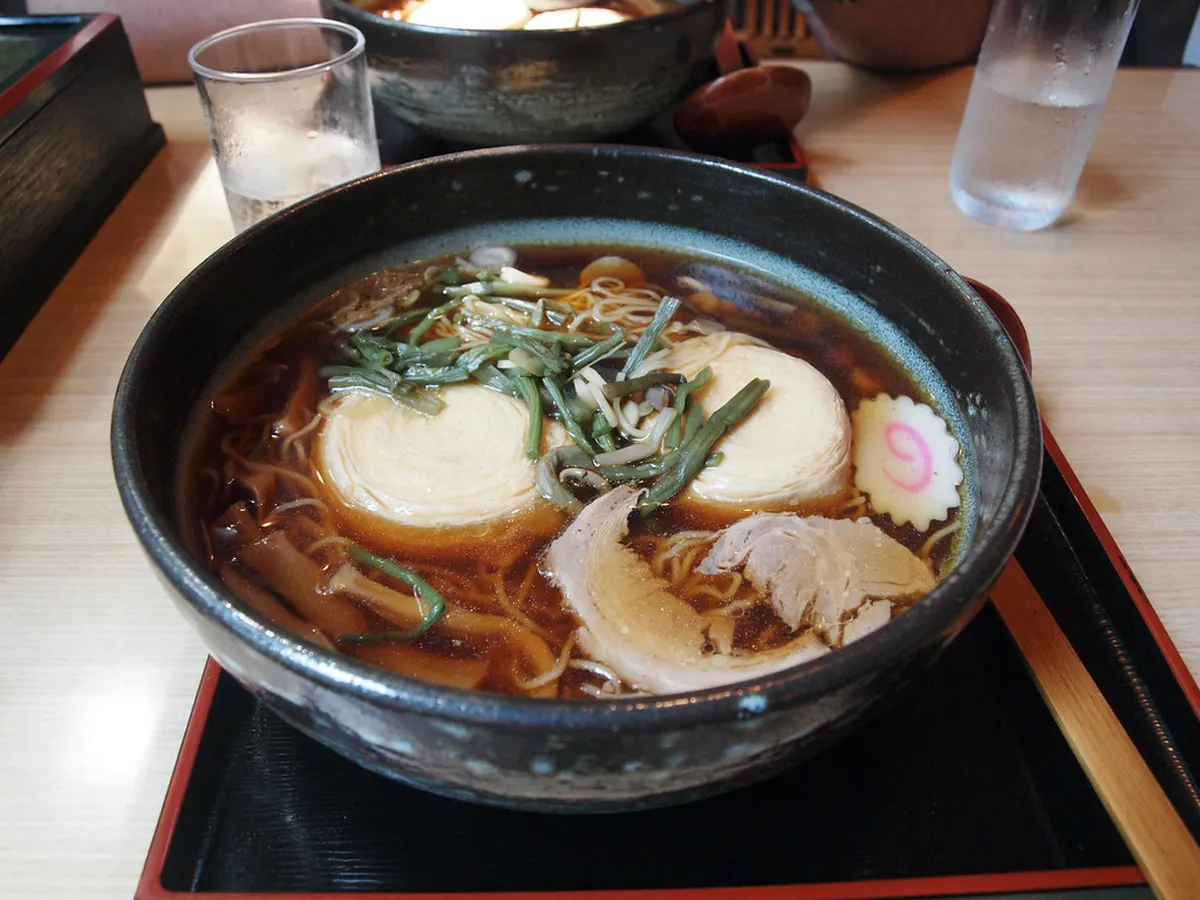
The key difference between Nikko yuba and the Kyoto version is how the film is handled at harvest. Nikko producers fold the skin back on itself during production, creating thick, layered rolls with a satisfying, almost meaty chew. Kyoto yuba is pulled as a single thin sheet — more delicate and translucent, better suited to light dashi broths. The Nikko style holds up better to frying and simmering, which is why it appears in so many different forms on local menus.
Order a Yuba Gozen course meal (¥2,000–¥3,500 at lunch) to taste the full range — sashimi yuba, deep-fried age yuba, and simmered nimono yuba in one set. Restaurants such as Ganso Nikko Yuba Ryori Ebisuya specialize in this multi-course format.
If you want to taste the full range, order a Yuba Gozen course meal. These sets typically run ¥2,000–¥3,500 at lunch and walk you through sashimi yuba (chilled, pure soy creaminess), age yuba (deep-fried, nutty and crisp), and nimono yuba (simmered in dashi, soft and richly flavored). Restaurants such as Ganso Nikko Yuba Ryori Ebisuya and Fudan Kaiseki Nagomi Chaya specialize in exactly this multi-course format.
For a quicker taste, Sakaeya near Tobu Nikko Station deep-fries yuba-wrapped anko (sweet red bean paste) into crisp golden parcels called Age Yuba Manju. The shop dusts them with a pinch of salt to balance the sweetness — a combination that draws a line most mornings. A few doors down, Fudaraku Honpo offers Yuba Musubi: a fistful of glutinous rice loosely wrapped in a fresh yuba sheet, soft and floppy where Sakaeya's is crunchy. Both shops sit on the main road between the stations and Shinkyo Bridge, making them natural first stops on any food walk.
Local Specialties: Tochigi Wagyu, Soba, and Yasio Trout
Tochigi Wagyu is the premium beef of the northern Kanto region. To be graded Tochigi Wagyu, the beef must score at least A4 or B4 on Japan's marbling scale — a threshold that puts it among the top tiers nationally. The fat melts at a noticeably low temperature, so thin slices cooked on a hot iron plate need only seconds of contact. Budget around ¥3,500–¥6,000 for a steak lunch; a full teppanyaki dinner at upscale venues like FUFU Nikko starts around ¥15,000 per person. Mid-range options like Gourmands Wagyu and Yama no Restaurant at Kirifuri Kogen offer iron-plate steaks from ¥2,500, which is the practical sweet spot for most day-trippers.
Soba noodles are the everyday counterweight to the luxury beef. The mountain water that flows through Nikko's three districts is exceptionally pure, and local buckwheat artisans exploit it fully. Santate Soba Nagahataan follows the "santate" philosophy — freshly milled, freshly made, freshly boiled — considered the ideal conditions for soba. Cold zaru soba in summer and hot kake soba in winter both cost roughly ¥900–¥1,400, and most shops set out handwritten signs showing that day's remaining portions. Arriving before noon is wise.
Yasio trout is a local ingredient that most visitors overlook. Tochigi's freshwater aquafarms raise this rainbow trout alongside cherry salmon and coho salmon in the prefecture's cold mountain-fed rivers. Meiji no Yakata serves Yuba and Yasio Trout as a signature pairing — the delicate pink flesh against the creamy soy skin is a genuinely interesting combination. If you want to try local river fish outside a formal restaurant, the station bento area occasionally stocks trout rice boxes alongside the more common yuba options.
Mountain vegetables, known as sansai, round out the local picture. Seasonal picks such as warabi (bracken fern), taranome (aralia shoots), and various wild greens appear in tempura sets and alongside grilled dishes from spring through early autumn. Farmer Akio Ishikawa and other local producers supply restaurants like Girouette with over 100 crop varieties each season — the produce quality here genuinely justifies the premium price tags on some menus.
Top-Rated Restaurants and Cafes in Nikko
Meiji no Yakata sits inside a 1920s stone villa — the former summer retreat of an early 20th-century Western businessman — on the forest road near Toshogu Shrine. The kitchen serves yoshoku (Western-influenced Japanese cooking): think omurice with rich demi-glace sauce, beef hash, and clam chowder. Mains start around ¥2,000. It gets very busy on autumn weekends; arriving at opening time (11:00) skips most of the queue.
Nikko Zen takes a contemporary approach to the yuba format. The open kitchen is visible from every table, and the menu runs from wagyu-stuffed yuba maki sushi (around ¥900) up to a nine-course kaiseki dinner with sake pairings (around ¥15,000). It is the only restaurant in town that consistently uses yuba as a wrapping in the same way traditional sushi restaurants use nori.
Hongu Cafe occupies a traditional house more than 300 years old, positioned near the shrine complex entrance with a view across Shinkyo Bridge. Their yuba clam chowder is the standout order — an unusual combination that works because the thick yuba sheets absorb the broth and hold their texture. The cafe also serves as a calm stop between the shrine circuit and the walk back to the station.
Kirifuri Kogen Yama no Restaurant sits on a hillside above town with wide views toward Kirifuri Falls. It is the best single option for Tochigi Wagyu steak at a mid-range price point, and the outdoor terrace is open April through October. Kanaya Hotel, which has been serving guests since 1873, runs a bakery (yuba biscotti, British-style milk loaf, sourdough) and a formal restaurant where the legendary Nirvana cheesecake and "Hundred-Year Rice Curry" — a Taisho-era recipe recreated — are the signature draws.
Street Food and Quick Bites Near the Stations
The kilometer-long main road from Tobu Nikko Station to Shinkyo Bridge functions as Nikko's unofficial yuba trail. Almost every shop along it sells some variant of the ingredient, from fried snacks to soft-serve topped with fresh yuba cream. Walking this stretch before the shrine visit rather than after makes sense — many vendors sell out of popular items by early afternoon.
Sakaeya is the most famous stop, drawing queues from 10:00 onward for its Age Yuba Manju (around ¥200 each). The shop is directly across from the station exit and easy to spot by the line. Nikko Ningyoyaki Mishimaya sells elaborately detailed ningyoyaki (stuffed cakes shaped like the three wise monkeys from Toshogu's famous carving) — these make good edible souvenirs and cost around ¥200 per piece.
Station bento boxes (ekiben) are a practical choice for day-trippers heading back to Tokyo. The "Buried Treasure" bento features local trout, yuba, and seasonal mountain vegetables arranged inside a lacquer-style box. On Tobu Railway trains with fold-out tray tables, eating on board is acceptable. Budget around ¥1,200–¥1,800 for a well-stocked box from the station kiosk.
For a sit-down budget meal near the station, Gyoza no Ume-chan is a family-run local shop loved by residents rather than tourists, with gyoza from around ¥500 and ramen under ¥900. Quick noodle counters inside the station building itself use ticket machines with picture menus, making ordering straightforward for non-Japanese speakers.
Sake Breweries: A Local Experience Most Visitors Miss
Nikko's Imaichi district, about 8 km southeast of the main shrine area, is home to two sake breweries that have been operating for over 150 years. Watanabe Sahei Shoten, founded in 1842, uses the same mountain spring water that runs through the River Daiya to brew its junmai sake. The flagship Junmai Daiginjo has won medals at competitions in Bordeaux and the United States — unusual recognition for a small regional producer. The cold November-to-March brewing season is when the water is purest and the yeast ferments most slowly at 5–10°C, producing the delicate melon and fresh fruit notes the sake is known for.
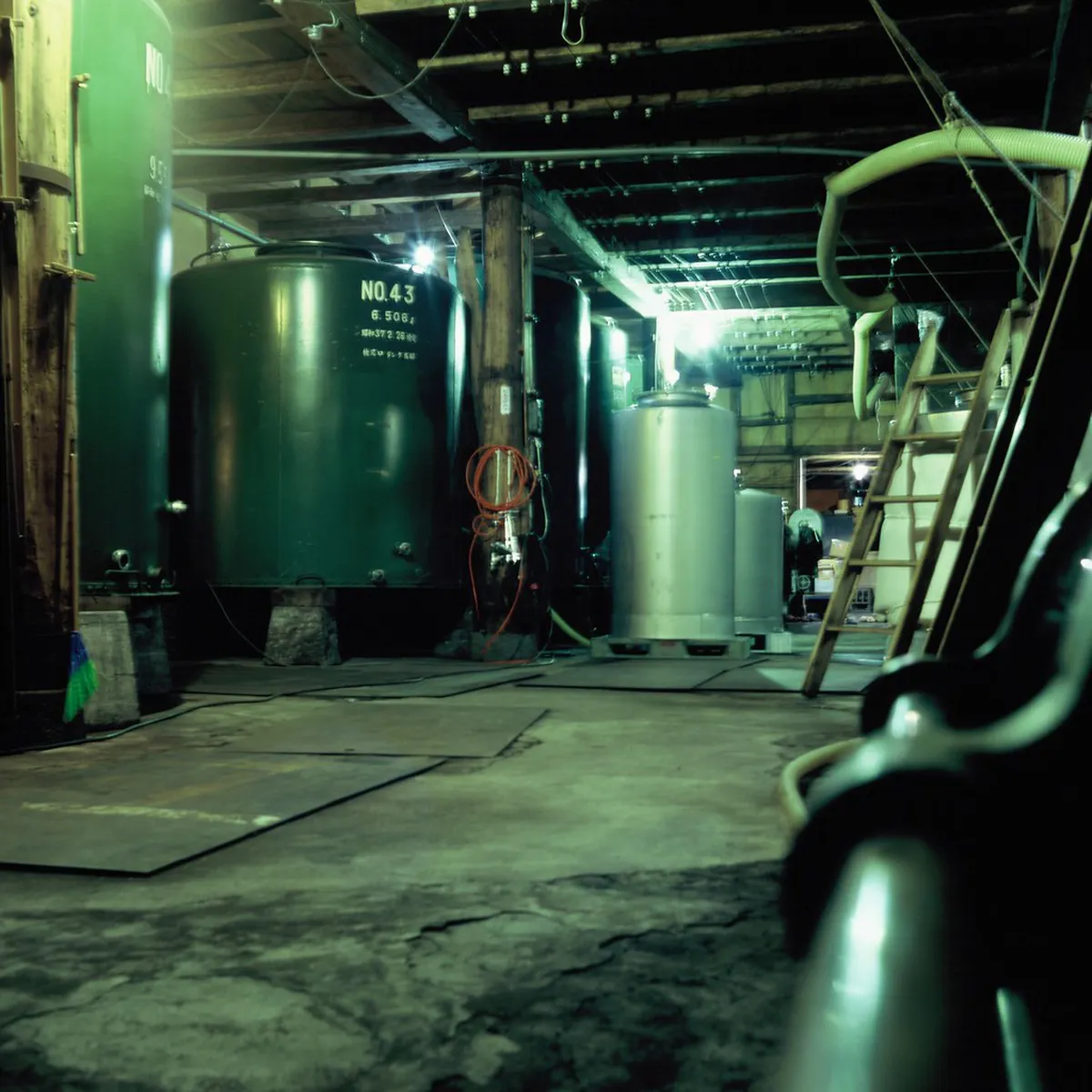
Katayama Shuzo, also in its seventh generation of family ownership, specializes in genshu — undiluted sake at 17–21% ABV — sourced from well water drawn 15 meters underground. Both breweries are modest in size and not always open to walk-in visitors, but sake-tasting stops can be arranged in advance. The Imaichi area has its own local character quite distinct from the busy shrine district: quieter streets, older townhouses, and a slower pace that rewards an early-morning detour before the main shrine rush.
The same pristine water that defines Nikko's sake also supplies the ice farms discussed below. The connection between the sake breweries and the shaved-ice tradition runs deeper than proximity — both depend on winter cold and mountain-sourced water to produce their respective products. Visiting Shogetsu Himuro and the Watanabe brewery on the same loop through Imaichi makes for a genuinely coherent half-day food itinerary.
Nikko's Famous Natural Shaved Ice and Sweets
Natural shaved ice (tennen gori kakigori) is one of the rarest dessert experiences in Japan. Of roughly 100 traditional ice stores (himuro) that once operated across the country, only three remain in Nikko. Winter mountain spring water is frozen slowly in outdoor fields, stored in sawdust-insulated sheds deep in the forest, and kept there year-round. The slow freezing process creates ice that is exceptionally dense and clear. When shaved by a hand-cranked machine, it breaks into a texture closer to snow than to crushed ice — lighter, drier, and without the cold-shock that triggers brain freeze.
Shogetsu Himuro, established in 1894, is the easiest to visit. The shaved ice counter at its downtown Nikko location (near the Watanabe brewery in Imaichi) offers around 25 seasonal flavors — pumpkin caramel, melon, and chestnut Mont Blanc are the most popular — with kakigori starting around ¥800. The natural ice also makes its way to Kanaya Hotel's bakery and to The Ritz-Carlton Nikko's cocktail bar, where blocks are hand-chiselled to chill local whiskies and sake cocktails.
Nikko Pudding Tei (Nikko Purin-tei) is the other essential dessert stop, selling creamy puddings made with local milk and eggs in retro glass jars. The yuba-infused pudding flavor is unique to this shop. The jars double as souvenirs and survive the train journey back to Tokyo without refrigeration for a few hours.
Traditional wagashi sweets round out the dessert landscape. Yokan — thick red bean jelly set with agar — has been made by Nikko confectionery shops for over a century. Look for the matcha and chestnut varieties at Yoshidaya, which also produces a halal-certified yokan. Ningyoyaki from Mishimaya and various dango skewers grilled over charcoal fill in the gaps as walking snacks between the shrine buildings and the station.
Essential Tips for Planning Your Nikko Dining
Most Nikko restaurants near the shrines close between 17:00 and 18:00. If you are staying overnight, book a ryokan with dinner included or choose from the short list of spots open past 19:00 — including Gyoza no Ohsho (until 21:00) and Nikko Kanaya Hotel (until 20:30, reservation required).
The single most important planning fact: most restaurants near the shrines close between 17:00 and 18:00. Nikko runs on day-tripper hours, and once the last tour buses leave in late afternoon, kitchen lights go off across most of the tourist district. If you are staying overnight and want dinner, either book a ryokan that includes kaiseki in its room rate, or choose from the shorter list of spots that actually operate evening service.
Restaurants confirmed open past 19:00 in 2026 include: Gyoza no Ohsho near the station (open until 21:00, ramen and gyoza under ¥1,000); convenience stores on the station strip (open 24 hours, adequate for emergency noodles or onigiri); hotel dining at Nikko Kanaya Hotel (formal dinner until 20:30, reserve ahead); and FUFU Nikko (kaiseki or teppanyaki dinner for in-house guests and reservation-only outside guests). The station area has a handful of izakaya that serve until 21:00 on weekends.
Cash is essential. Small family-run restaurants and traditional wagashi shops frequently do not accept cards. The ATMs at the 7-Eleven on the main strip and at Japan Post near the station are the most reliable for foreign cards. Carrying ¥5,000–¥10,000 in cash covers a full day of eating across street food, a sit-down lunch, and desserts.
Reservations are unnecessary for most lunch spots but strongly recommended for wagyu steakhouses and kaiseki dinners on weekends. Meiji no Yakata accepts reservations and fills up on autumn weekends within days of booking opening. For ryokan dining, confirm at booking whether breakfast and dinner are included — most traditional inns fold both into the room rate, which removes the evening restaurant problem entirely. Consider the best time to visit Nikko when planning: the autumn foliage season (late October to mid-November) sees the longest queues and earliest sell-outs across every category of restaurant.
Frequently Asked Questions
What is the most famous food in Nikko?
Yuba, or soy milk skin, is the most famous food in the region. It was originally a staple for Buddhist monks and is now served in many forms. You can try it as sashimi, deep-fried, or simmered in a savory broth for a traditional meal.
Why do Nikko restaurants close so early?
Nikko is a traditional mountain town where most tourist activity happens during daylight hours. Many shop owners close early because the shrines shut down by late afternoon. Plan to eat your dinner before 6:00 PM to ensure you have plenty of options available.
Is there vegetarian food in Nikko?
Yes, Nikko is an excellent destination for vegetarians due to its deep Buddhist heritage. Yuba-based course meals are naturally meat-free and very filling. Many restaurants also offer mountain vegetables and tofu dishes that are perfect for plant-based diets.
What is the difference between Nikko Yuba and Kyoto Yuba?
The main difference lies in how the soy skin is harvested and prepared. Nikko yuba is folded into multiple layers, creating a thicker and juicier texture. Kyoto yuba is usually a single thin sheet that is much more delicate and translucent.
Do I need restaurant reservations in Nikko?
Reservations are usually not required for casual lunch spots or street food stalls. However, high-end restaurants and wagyu steakhouses often fill up quickly on weekends. Check the best time to visit Nikko to plan your dining around peak crowd periods.
For related Nikko deep-dives, see our Nikko travel guide and Nikko with kids guides.
The diverse range of Nikko food and restaurants ensures that every traveler finds something worth returning for. From the layered chew of yuba in a multi-course Gozen set to the melt-at-low-temperature marbling of Tochigi Wagyu, the local flavors carry genuine depth. Add the rare natural shaved ice from century-old ice farms and sake brewed in 180-year-old breweries, and this becomes one of the most food-rich day-trip destinations in Japan.
The 17:00 closing reality shapes everything. Plan your heaviest meal at lunch, pick up street snacks on the walk back, and secure dinner either through your ryokan or one of the handful of evening spots near the station. The food here rewards the traveler who arrives with a plan rather than an appetite and no bookings.
Free: The Nikko Essentials guide
Top things to do, where to stay, a perfect day plan, getting around, and the best time to go — a Nikko mini-guide you can take offline.
You might also like


Continue reading
More guides you'll find useful


