

Hyotan Onsen Beppu: Michelin 3-Star Bath, Sand Bath & Tips
Book private baths, learn sand bath etiquette and use the Kamenoi Bus Pass at Beppu's Michelin 3-star Hyotan Onsen. 10 essential tips before you go.
On this page
Hyotan Onsen stands out as a premier destination for travelers seeking a traditional Japanese soaking experience in the heart of Kyushu.
The facility earned three stars from the Michelin Green Guide Japan for its exceptional variety of mineral-rich hot spring waters and its unique bamboo-cooled filling system that keeps the water pure.
Visitors flock here for the sand baths, the famous waterfall soaking pools, the on-site hell-steamed kitchen, and 14 private villa baths — all under one roof.
This guide covers everything you need for a smooth, confident visit: exact prices, how to reserve a private room, step-by-step entry, and how to get the most from the Kamenoi Bus Pass.
Why Hyotan Onsen is Beppu's Only Michelin 3-Star Hot Spring
Since opening in 1922, Hyotan Onsen has operated on a single principle: never dilute the spring water. Natural water emerges from the ground at near-boiling temperatures and must be cooled before guests can enter. Most facilities simply mix in cold tap water, which weakens the mineral content. Hyotan instead built a bamboo cooling structure called Yumitake — water passes over layers of bamboo, losing heat through evaporation without any dilution.
This commitment to water purity earned it the Michelin Green Guide's highest rating, making it the only onsen in Japan to achieve three stars under that system. The women's public bath area alone contains 11 different pool types; the men's side has 8. You soak in 100% hot spring water across every one of them. The therapeutic mineral content — including sodium bicarbonate and sulfate compounds — remains at full strength throughout your visit.
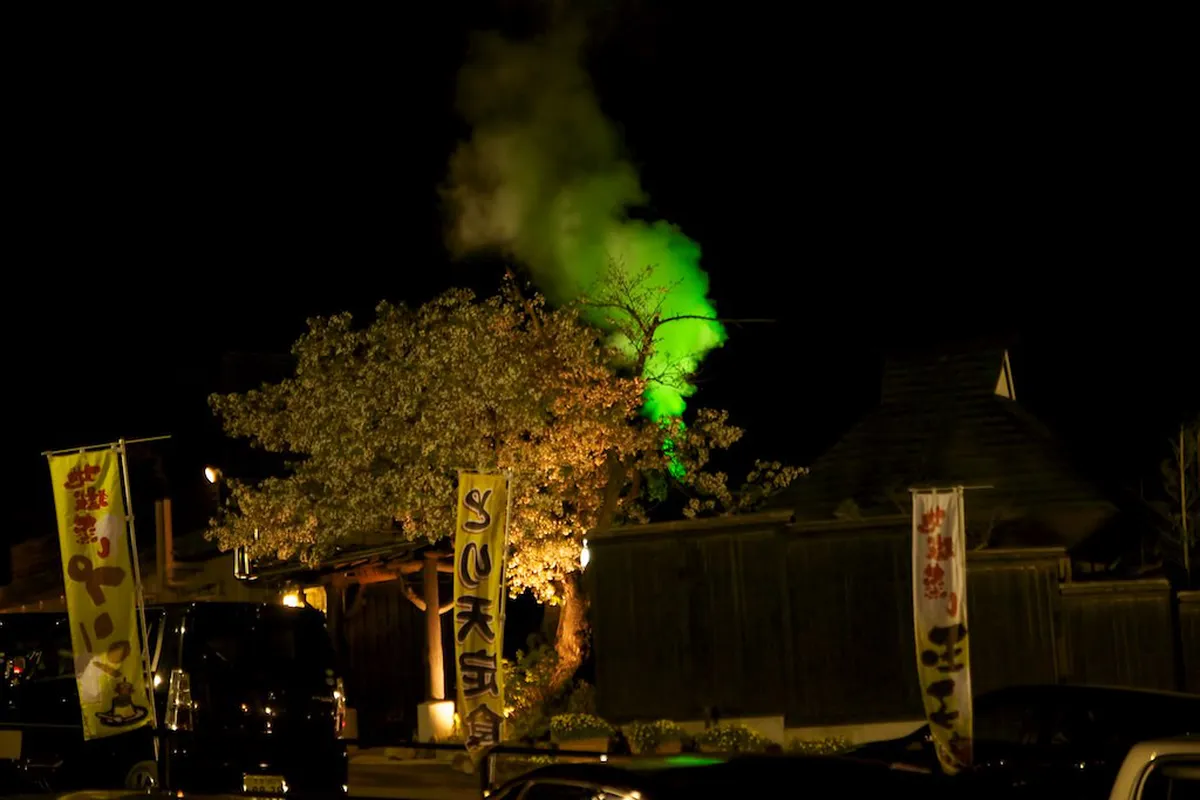
The facility sits in the Kannawa district, Beppu's most geothermally active neighborhood, where steam rises from pavements and rooftops year-round. Choosing Hyotan over other local bathhouses means you get that authentic neighborhood atmosphere alongside a rigorously maintained water standard that most competitors simply cannot match. Staff are experienced with international guests and can guide first-timers through each bathing area in English.
Essential Logistics: Tickets, Hours, and Getting to Kannawa
Hyotan Onsen is located at 159-2 Kannawa, Beppu, Oita 874-0042. The facility opens at 9:00 and closes at 1:00 the following morning (last entry midnight for the large communal bath; sand bath closes at 22:30). The Hyotan Onsen Pricing & Tickets page lists current fees — verify before you visit as prices adjust periodically.
Current admission rates as of 2026:
| Bath Type | Adult / Rate | Child Rate | Notes |
|---|---|---|---|
| Large communal bath | ¥1,020 (13+) | ¥400 (7–12) / ¥280 (4–6) | Under 3 free |
| Private family bath (60 min) | ¥2,400 (max 3 adults) | Included | 10 rooms reservable by phone |
| Sand bath yukata rental | ¥760 | ¥530 | Required for sand bath |
| Hours (large bath) | 9:00–01:00 (last entry midnight) | — | Sand bath closes 22:30 |
Hyotan Onsen is fully tattoo-friendly — no covering required in public or private baths. Shampoo, body wash, and hairdryers are provided free in all bath areas, so you do not need to pack toiletries. Arrive by 9:00 AM or after 9:00 PM for the quietest experience.
Shampoo, body wash, and hairdryers are provided free in both the public and private baths — you do not need to pack toiletries. Here is the entry process step by step: remove your shoes and store them in the entrance locker; proceed to the ticket vending machine (English menu available); hand your ticket to staff who will give you a changing-room locker key; change into the provided sandals; walk through the courtyard to the baths. The whole process takes under five minutes once you know what to expect.
From Beppu Station, take Kamenoi Bus routes 5, 7, or 9 toward Kannawa. The journey is roughly 25 minutes; disembark at the Kannawa bus stop. The onsen entrance is a five-minute walk through narrow steam-filled lanes. You can also find the Google Maps: Hyotan Onsen Location if you prefer GPS navigation through the winding streets of Kannawa.
Navigating the Large Public Baths and Relaxation Areas
The public areas are divided by gender. The women's section has 11 pool types; the men's has 8. Both include indoor pools, outdoor rotenburo, a waterfall bath (Takiyu), and a steam room. The Takiyu is the flagship feature — jets of spring water cascade onto your shoulders from a height, providing a deep-pressure massage that loosens tension accumulated from travel. Standing under the falls for even two or three minutes produces a noticeably different effect from a standard soak.
Hyotan Onsen is explicitly tattoo-friendly, which makes it one of the few major bathhouses in Kyushu where international visitors with ink face no restrictions. You do not need to cover tattoos with bandages or stickers in either the public or private baths. This policy is facility-wide and applies to all bath types. For visitors who have been turned away elsewhere in Japan, this clarity matters.
After bathing, the courtyard and indoor rest areas offer a natural decompression zone. You can buy onsen-steamed boiled eggs, soft drinks, and ice cream at the courtyard stall. The indoor rest area beside restaurant Yurari has a tatami room with bean bag chairs — a good spot for families with children who need a break between soaking sessions. Most visitors spend two to four hours across the various pools and rest areas before moving on.
The Private Onsen Experience: Booking Your Own Villa Bath
Hyotan has 14 private family baths in total. Ten of them can be reserved by phone up to one week in advance — a detail that surprises many visitors who assume all private baths are walk-in only. The remaining four rooms are available exclusively on-site, assigned at the front desk on arrival. If you are visiting on a weekend or a Japanese public holiday, calling ahead for one of the reservable rooms is strongly recommended; they fill by mid-morning.
Each private room includes its own changing area and a dedicated soaking tub. Styles vary — some feature indoor tubs with rock formations, others have outdoor pools with wooden surrounds or garden views. The 60-minute basic course costs ¥2,400 for up to three adults; additional guests and time extensions are available at the front desk for a surcharge. Couples travelling together often find this the most comfortable way to experience the onsen, particularly on a first visit.
The fresh-water token system is what separates Hyotan's private rooms from most competitors. When you enter your room, you will find a token slot near the bathtub. Insert the token and the system drains any water remaining from the previous guest and refills your tub with fresh spring water directly from the source. The process takes two to three minutes. Every guest receives genuinely clean water, not recycled water from the previous session — a hygiene guarantee that the facility has maintained since it introduced the system.
Families with small children often prefer private rooms over the main public halls. There is more space to manage towels, clothing, and restless toddlers without blocking shared shower stations. If your group includes anyone who is nervous about communal bathing for the first time, starting in a private room before exploring the public areas is a practical way to ease them in.
Specialty Soaks: Sand Baths and Steam Bath Etiquette
The sand bath (sunayu) is the recommended first stop — do it before the communal pools. After the sand bath raises your core temperature significantly, rinse in the shower room before entering shared water, or it will be uncomfortable and may leave sand residue. The sand bath closes at 22:30, earlier than the main baths.
The sand bath (sunayu, 砂湯) is a mixed-gender area where you bury yourself in volcanic sand heated by geothermal steam below. You must wear the rented yukata (¥760 adults) and provided disposable paper shorts — underwear is not permitted underneath. Use the small shovel provided to cover your legs and torso, or ask a companion to help, as Hyotan actually recommends working in pairs for full coverage. Expect to sweat heavily within five minutes.
Reviewing traditional onsen etiquette for Beppu travelers before your visit will help you feel confident in the sand area. The recommended sequence is: sand bath first, rinse in the shower room, then enter the communal pools. This order works because the sand bath raises your core temperature significantly — moving straight into a hot pool without rinsing is uncomfortable and leaves sand residue in shared water. The sand bath closes at 22:30, so plan your timing accordingly.
Steam baths (mushiyu, むし湯) are available in both the public areas and some private rooms. The temperature reaches around 50 degrees Celsius. You lie on a bed of medicinal herbs while geothermal steam circulates around you — it softens the skin and clears the airways more aggressively than a standard sauna. Ten minutes is enough for most people. Drink water before entering and take a cool-down soak immediately after to avoid dizziness. Hyotan provides hydration stations near the bath entrances.
Jigoku Mushi: How to Enjoy Hell-Steamed Cuisine On-Site
Beppu's residents have cooked with geothermal steam for centuries, treating the ground itself as a communal kitchen. Hyotan's Jigoku Steam Kitchen formalises this tradition: pay the steaming fee and choose your ingredients at the ticket vending machine, collect a bamboo basket at the kitchen counter, place your food over the billowing steam pots, and wait. The steam cooks at consistently high temperatures, and the mineral vapour adds a subtle, saline depth that you cannot replicate at home.
Popular items include sweet corn, sweet potato, pork belly, and whole eggs. The kitchen also stocks tofu and seasonal vegetables for vegetarian visitors. One detail that almost no competitor mentions: guests with dietary restrictions — including allergies, veganism, or halal requirements — may bring their own ingredients from outside and pay only the steaming fee. This makes the kitchen genuinely accessible rather than just nominally inclusive. The kitchen and restaurant Yurari are open from 11:00 to last order at 21:00.
Restaurant Yurari, located on-site beside the rest area, offers full set meals and local dishes if you prefer a prepared meal. The restaurant also serves halal-friendly options including jigoku-steamed butter chicken curry. Many visitors enjoy the unique hell-steamed food in Beppu as the culinary centrepiece of their Kannawa day. Finish with the onsen custard pudding, which Yurari makes in-house using eggs steamed over the spring — it has a denser texture and warmer flavour than a conventional crème caramel.
Practical Travel Prep: Kamenoi Bus Passes and Connectivity
The Kamenoi Bus Pass is the most cost-effective way to move around Beppu. Individual rides typically cost ¥140–¥330 per leg; the bus to the Beppu Ropeway alone runs ¥500 one-way. The Mini Pass (¥1,100) covers unlimited travel within Beppu City for one day. If you plan to visit three or more locations — say, Hyotan Onsen, the Hells of Beppu, and the Ropeway — the Mini Pass pays for itself before your second stop. The Kamenoi Bus Pass Information page has current pricing and routes.
If you are also heading to Yufuin or the African Safari Park, upgrade to the Wide Pass (¥1,800). A one-way ride to the African Safari runs ¥760; a one-way bus to Yufuin costs ¥940. Either destination alone covers the ¥700 price difference between the Mini and Wide passes. You can pick up the physical pass at Fukuoka International Airport in the arrivals hall, or at the Beppu Station bus terminal. Scratch off the travel date before boarding and show the card to the driver — no fumbling with coins required. Consulting a Beppu transportation guide can help you decide which pass tier matches your itinerary.
Hyotan Onsen does not provide guest Wi-Fi on-site. This matters in Kannawa, where the winding streets look nearly identical under the steam and GPS is the fastest way to locate hidden bathhouses and foot baths. Sorting out a pocket Wi-Fi device or e-SIM before you arrive in Japan removes this friction entirely. With live navigation, you can also check real-time bus departure times from Kannawa and avoid long waits on the roadside. Keep a small amount of cash or a charged IC card ready for any buses you take without the pass.
What Is Beppu Really Like? (Setting Expectations)
Beppu is not a polished resort town. The city centre near Beppu Station retains a 1980s and 1990s feel — a period when the city's population and domestic tourism peaked. Some blocks look dated rather than authentically historic. The station district is dense with izakayas, bars, and entertainment venues that stay quiet during the day and busier at night. First-time visitors sometimes find this jarring after expecting a picturesque onsen village.
The Kannawa district is a different experience. The streets here are narrower, older, and wrapped in rising steam from underground vents. This is where the authentic geothermal culture lives: small community bathhouses, wooden shopfronts, and the constant smell of sulfur that confirms the volcanic activity just below the pavement. The Hells (jigoku) in Kannawa are well-maintained tourist attractions that sit alongside genuinely functioning geothermal features used by locals daily.
The city runs at a deliberately slower pace than Tokyo or Fukuoka. Locals are proud of Beppu's status as Japan's hot spring capital and take a practical, unsentimental approach to it — hot spring water heats homes, cooks food, and powers the local economy. Embracing that unglamorous pragmatism is the key to enjoying the city on its own terms. Expect rustic infrastructure, genuine warmth from residents, and one of the most concentrated geothermal landscapes anywhere in the world.
Planning Your Time: How Many Days for Beppu and the Hells?
Two full days is the practical minimum to cover Hyotan Onsen, the Seven Hells of Beppu, and at least one other neighborhood like Myoban. A well-structured Beppu itinerary puts the Kannawa district on Day 1 — morning at the Hells, afternoon at Hyotan, dinner at the Jigoku Steam Kitchen. Day 2 can cover Myoban's yunohana alum stone workshops and the Beppu Ropeway for views over the bay. Mid-week visits run noticeably quieter than weekends, particularly in the public baths.
Three days allows you to add Yufuin as a day trip without rushing. Many travelers combine Beppu and Yufuin on a single Kyushu loop, using Beppu as the geothermal base and Yufuin as the quieter, mountain-valley contrast. If you are onward-bound to Kurokawa Onsen, consider spending the extra night in Yufuin rather than adding a fourth night in Beppu — the bathing culture in Kurokawa is distinct enough that you will not feel repetition. Check the best time to visit Beppu Japan to plan around cherry blossom season or the dramatic winter steam.
Winter visits (December through February) produce the most visually striking experience — cold air makes the geothermal steam dramatically visible across the entire cityscape. The outdoor rotenburo at Hyotan is especially rewarding in cold weather. Summer is the busiest domestic tourist period; book private baths by phone well in advance if you are visiting in August. Late-night soaks after 21:00 on any season offer the quietest atmosphere in the large public baths.
Beyond the Bath: Hidden Gems Like the Beppu Cable Car
For a break from soaking, take the retro Beppu Cable Car up to Rakutenchi Amusement Park on the hillside above the city. The cable car itself dates from the Showa era and provides a wide-angle view of Beppu Bay and the steaming rooftops below. At the top, the park has classic rides, a small zoo, and a suspension bridge — more nostalgia-focused than technically impressive, but genuinely charming for families and worthwhile for anyone who wants elevation without the longer Ropeway trip.
Another stop worth the bus ride is Okamotoya Restaurant in the Myoban area, famous for its hell-steamed custard pudding. The trade-off is real: it is not walkable from Kannawa and requires a separate bus journey. The reward is a pudding made using geothermal steam from the surrounding alum fields and a mountainside view of the Myoban Bridge that is significantly more dramatic than anything visible from street level. Many visitors combine this with a stop at the nearby yunohana huts, where bath salts have been harvested from the steam since the Edo period.
If you are travelling with animal lovers, the African Safari Park sits about 40 minutes from Beppu Station by bus. The drive-through section runs on caged animal-shaped trucks where you can feed bears and lions at close range using metal tongs — an unusual experience that surprises most visitors who did not expect a Kyushu safari. Families with young children consistently rate it as a highlight. The Wide Kamenoi Bus Pass covers the fare both ways, making it a zero-friction addition to a two-day Beppu itinerary.
Plan your wider Beppu trip
For the full city overview, browse our Beppu attractions guide. For complementary depth, see our broader Beppu onsen guide as well.
Related Beppu deep-dives
For complementary depth, see our 7 Hells of Beppu Overview: Essential Tips for Your Visit, Beppu Beach Sand Bath Guide: 10 Essential Tips and Attractions.
Frequently Asked Questions
Is Hyotan Onsen tattoo friendly for international visitors?
Yes, Hyotan Onsen is famously tattoo-friendly and welcomes guests with ink of all sizes. You do not need to cover your tattoos with bandages or stickers in the public or private baths. This inclusive policy makes it a top choice for foreign travelers exploring the Oita region.
How do you reserve a private bath at Hyotan Onsen?
Private baths cannot be reserved in advance via phone or online for day guests. You must visit the reception counter in person upon arrival to check availability and book a time slot. These popular villa-style baths operate on a first-come, first-served basis throughout the day.
Is the Kamenoi Bus Pass worth it for a one-day trip?
The pass is highly recommended if you plan to visit more than three locations, such as the Hells and Myoban. It simplifies travel and often costs less than paying individual fares for each leg of your journey. Check Beppu jigoku meguri ticket costs to plan your full budget.
What is the best time of day to visit Hyotan Onsen?
Arriving early at 9:00 AM or visiting late in the evening after 9:00 PM helps you avoid the largest crowds. Weekdays are significantly quieter than weekends and public holidays when many domestic tourists visit. Late-night soaks offer a particularly peaceful atmosphere under the stars in the outdoor pools.
Do I need to bring my own towels to the onsen?
You can bring your own towels to save money, but the facility also offers them for rent or purchase. Small towels are useful for the bath area, while large bath towels are best for drying off in the locker room. Rental sets are available at the front desk when you pay your admission fee.
Hyotan Onsen provides a world-class hot spring experience that perfectly captures the geothermal magic of Beppu.
From the Michelin-starred water quality to the unique sand baths, every element of the facility encourages deep relaxation.
Using this guide will help you navigate the logistics and cultural nuances of your visit with total confidence.
Prepare to immerse yourself in the healing waters and timeless traditions of Japan's most famous onsen city.
Free: The Beppu Essentials guide
Top things to do, where to stay, a perfect day plan, getting around, and the best time to go — a Beppu mini-guide you can take offline.
You might also like


Continue reading
More guides you'll find useful


