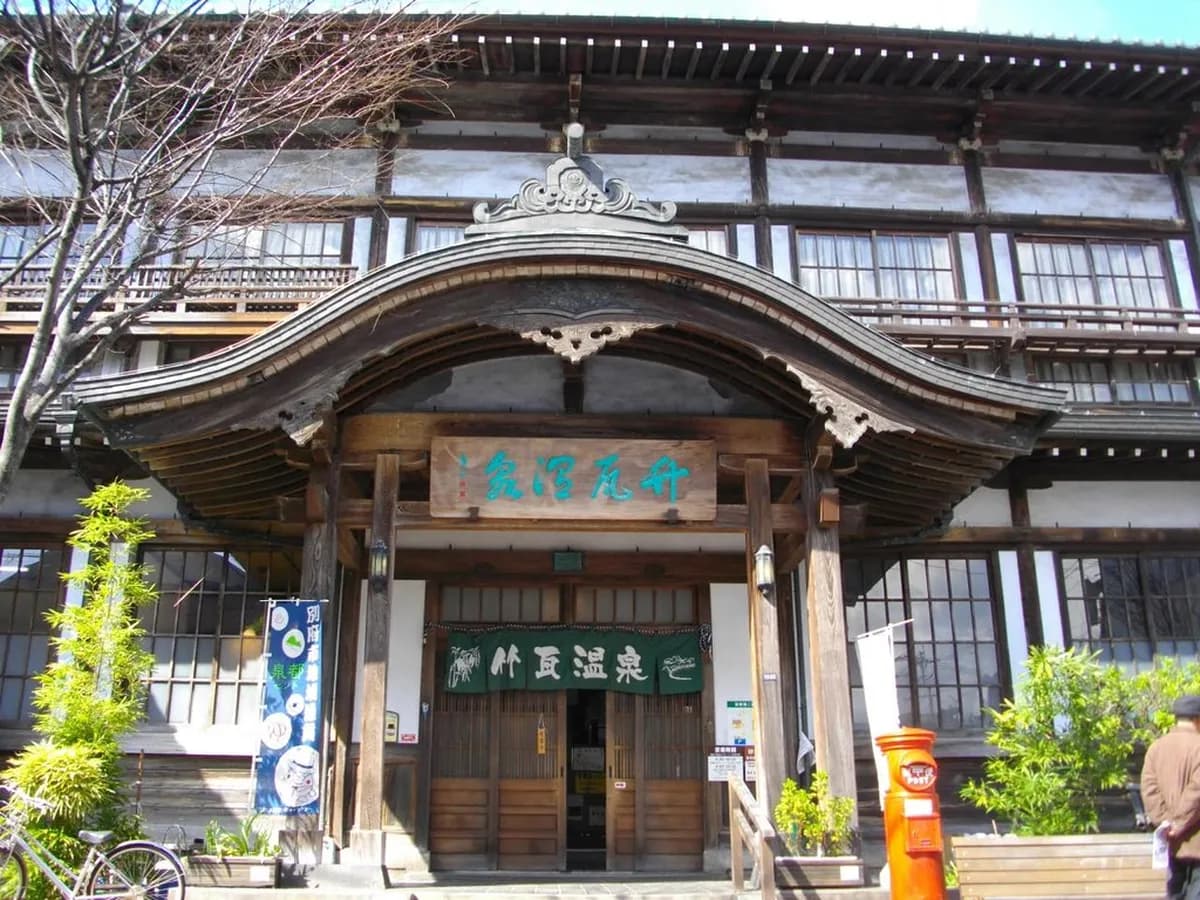
1-Day Beppu Walking Tour of Kannawa Guide (2026)
Plan your perfect Beppu walking tour of Kannawa with this 2026 guide. Stop-by-stop route, entry fees, photo tips, and steam-cooking lunch spots included.
On this page
Beppu is a stunning coastal city on the island of Kyushu. It is famous for having the most hot spring water in Japan. This Beppu walking tour of Kannawa takes you through the most historic district. You will see steam rising from every corner of the street.
Kannawa is the heart of the city geothermal culture. The area is known for its traditional hells or hot spring pits. Walking here allows you to feel the heat beneath your feet. It is a sensory experience unlike any other in the world. See our full Top 15 Beppu Attractions guide to plan your broader visit.
At a Glance: 1-Day Beppu Walking Tour of Kannawa
Planning your trip is easy with this simple overview. Kannawa is quite compact but very dense with sights. You can see the main highlights in just one day. This schedule helps you maximize your time in the steam.
Most visitors start their journey near the main bus terminal. From there you can walk to several famous boiling ponds. Many Beppu Activities are located within a short walking distance. You will find signs in English to guide your path.
Be sure to bring a small towel for the footbaths. You will find these relaxing spots throughout the entire district. They are often free or very cheap to use. This is a great way to rest your tired legs.
The tour involves some walking on gentle slopes and hills. Wear comfortable shoes to ensure you enjoy the whole day. The morning starts with the most popular geothermal attractions. The afternoon is reserved for local culture and food.
- Day 1: Explore the Steamy Streets and Hells of Kannawa
- Morning: Visit the Umi Jigoku and boiling ponds.
- Afternoon: Walk through historic steam-filled backstreets.
- Evening: Enjoy a traditional steam-cooked dinner and bath.
Full 1-Day Beppu Walking Tour of Kannawa Itinerary
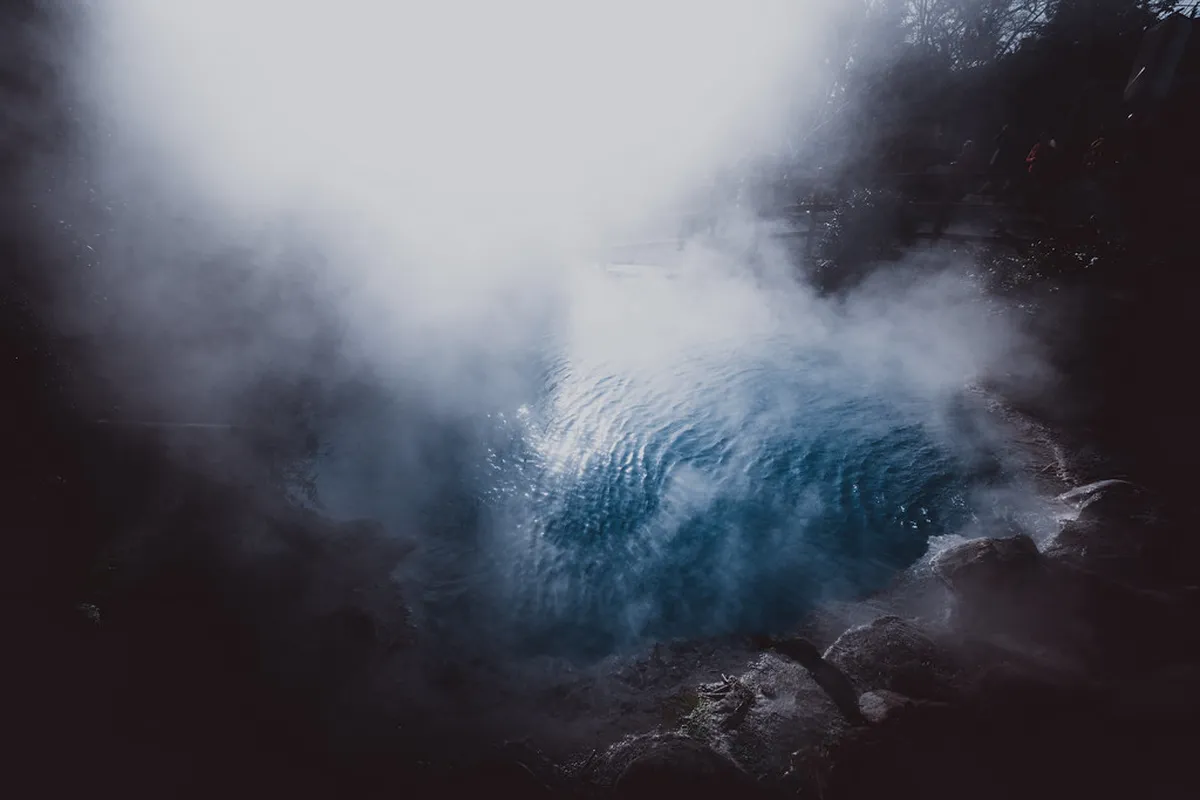
Start your morning at the famous Umi Jigoku. This Sea Hell features bright blue water that looks like the ocean. It is one of the most 9 Best Stops on a Unique Hells of Beppu Tour stops. The steam here is thick and smells of sulfur.
Next head toward the steam cooking center for lunch. Here you can cook your own food using natural volcanic steam. It is a healthy and fun way to eat local vegetables. The process is simple and very popular with tourists.
Spend your afternoon wandering the narrow slopes of the district. The historic streets offer the best views of rising steam clouds. You can see how locals used this heat for centuries. It feels like stepping back into old Japan.
Finish your day with a visit to a local bathhouse. Many public baths in Kannawa have a long and rich history. They offer a chance to soak in mineral-rich waters. This is the perfect end to a day of walking. For a detailed overview of all seven hells, check the 1-Day Beppu Hells Walking Route Itinerary Guide.
- Day 1: Discover the Magic of Steam in Kannawa
- Morning: Explore the famous blue Hells.
- Afternoon: Experience steam cooking and historic alleys.
- Evening: Relax in a local steam bath.
- Time: Six to eight hours total.
- Logistics: Wear comfortable shoes for walking.
- Optional: Visit a local pottery studio.
Kannawa Walking Tour: Stop-by-Stop Route (2026)
The Kannawa district walking tour starts at the Kannawa Bus Terminal (Umi-Jigoku-mae stop), which you reach from Beppu Station on Bus No. 2, 5, 24, or 41 in about 20 minutes. From the bus stop, all five major hells within Kannawa are reachable entirely on foot. The total route covers roughly 1.5 km and takes three to four hours if you spend quality time at each stop. Below is the recommended order from top of the hill to the bottom, which is the most natural walking flow with the steepest descent behind you early.
Quick Answer: The Kannawa district beppu walking tour of Kannawa visits five hells on foot in around three hours, starting from Umi-jigoku near the bus terminal. A Jigoku Meguri combination pass (¥2,200 in 2026) covers all five Kannawa hells plus two in Shibaseki.
Stop 1 — Umi-jigoku (Sea Hell)
Umi-jigoku is the largest and most photographed of all the Kannawa hells, and it sits a two-minute walk south of the bus terminal. The pool's strikingly cobalt-blue water reaches 98°C and stretches more than 120 meters across, tinted by dissolved minerals rather than by algae. The grounds also include a smaller red pond, tropical greenhouse with lotus flowers, and a paid footbath where you can warm your feet in 42°C spring water. Budget 40 to 45 minutes here.
- Entry: ¥400 individual / included in ¥2,200 Jigoku Meguri pass
- Hours: 8:00–17:00 daily (last entry 16:30)
- Photo tip: Arrive before 9:00 for the best steam volume and golden-hour light hitting the blue water. By 11:00, tour-bus crowds reduce steam visibility. Shoot from the upper viewing deck for a bird's-eye framing with the red pond in the foreground.
- Don't miss: The onsen tamago (hot-spring eggs) sold at the exit stall — ¥200 for two, cooked directly in the 98°C water. Creamy yolk, mild sulfur aroma.
Stop 2 — Oniishibozu-jigoku (Monk's Head Hell)
A three-minute walk west along the main road brings you to Oniishibozu-jigoku. Grey mud bubbles up here in irregular domes that swell and pop rhythmically — the name references the shaved heads of Buddhist monks. The mud temperature ranges from 50°C to 99°C, and the bubbling pattern slows slightly on cold mornings when the ambient air is cooler. There is a free footbath beside the main viewing deck. Plan 25 to 30 minutes.
- Entry: ¥400 individual / included in pass
- Hours: 8:00–17:00 daily
- Photo tip: Morning light from the east back-lights the mud domes beautifully. Set your camera to burst mode to catch a dome mid-pop. The grey-on-grey palette needs higher contrast settings to avoid flat shots.
- Unique feature: A small exhibition inside explains the geology of mud-pool formation in Japanese and English — worth five minutes for the science context.
Stop 3 — Kamado-jigoku (Cooking Pot Hell)
Kamado-jigoku is a five-minute walk further west and is the most interactive stop on the Kannawa beppu walking tour. Six distinct mini-hells are spread around the grounds, each with a different temperature, color, and behavior. Staff perform a "Steam Performance" every 30 minutes where they use a pump to dramatically boost the geyser column — check the board at the entrance for the next show time. You can also drink a small cup of warm spring water at the tasting bar near the entrance. Allow 40 to 45 minutes.
- Entry: ¥400 individual / included in pass
- Hours: 8:00–17:00 daily
- Photo tip: Position yourself at the lower ground-level viewing rail during the Steam Performance for a dramatic upward shot of the steam column against the sky. Overcast days work best — direct midday sun washes out the steam.
- Don't miss: The coral-colored pond (#4 on the self-guided map) is the most unusual color in all of Kannawa and rarely appears in travel photos — it makes for an original composition.
Stop 4 — Oniyama-jigoku (Demon Mountain Hell)
Oniyama-jigoku is a two-minute walk downhill from Kamado. This is the hell famous for its crocodile breeding farm — over 80 crocodiles are kept in pools warmed by the spring water to around 35°C, ideal for the reptiles year-round. The geothermal pond itself is vivid green. Budget 25 to 30 minutes unless you are fascinated by reptiles, in which case the feeding schedule board at the entrance lists the next feeding time.
- Entry: ¥400 individual / included in pass
- Hours: 8:00–17:00 daily
- Photo tip: The crocodile enclosures have glass panels at ground level. Morning visits find the crocodiles most active before the heat of the day makes them lethargic. Wide-angle lens through the glass captures the scale of the animals well.
Stop 5 — Shiraike-jigoku (White Pond Hell)
Shiraike-jigoku sits a one-minute walk from Oniyama and rounds out the main Kannawa cluster. The milky-white water is caused by silica particles suspended at around 95°C. The grounds are designed as a Japanese garden with koi ponds and a small aquarium featuring tropical fish that thrive in the warm overflow water. It is the quietest of the five hells and a good place to catch your breath before lunch. Plan 20 to 25 minutes.
- Entry: ¥400 individual / included in pass
- Hours: 8:00–17:00 daily
- Photo tip: The garden's stone lanterns and maple trees frame the white pool beautifully in late morning light. If you visit in November, autumn foliage adds warm orange contrast to the pale water.
Lunch Stop — Jigoku-mushi Kobo (Volcanic Steam Workshop)
After Shiraike, double back two minutes north to the Jigoku-mushi Kobo steam workshop, the best lunch stop on the Kannawa walking tour. You select fresh ingredients — corn, sweet potato, eggs, seafood, dumplings — from the vending machine, then load them into a steam basket over a natural volcanic vent for the prescribed steaming time (typically 10–15 minutes depending on the item). The steam temperature holds at approximately 100°C. It is a genuinely local experience that costs ¥500–¥900 depending on what you order plus a small ¥270 steaming fee.
- Hours: 10:00–17:00 (last order 16:00, kitchen closed Tuesdays)
- Budget: ¥700–¥1,200 per person for a satisfying meal
- Tip: The sweet potato (satsumaimo) and corn are the most popular items and often sell out after noon — order immediately on arrival.
Stop 6 — Hyotan Onsen (Michelin 3-Star Bathhouse)
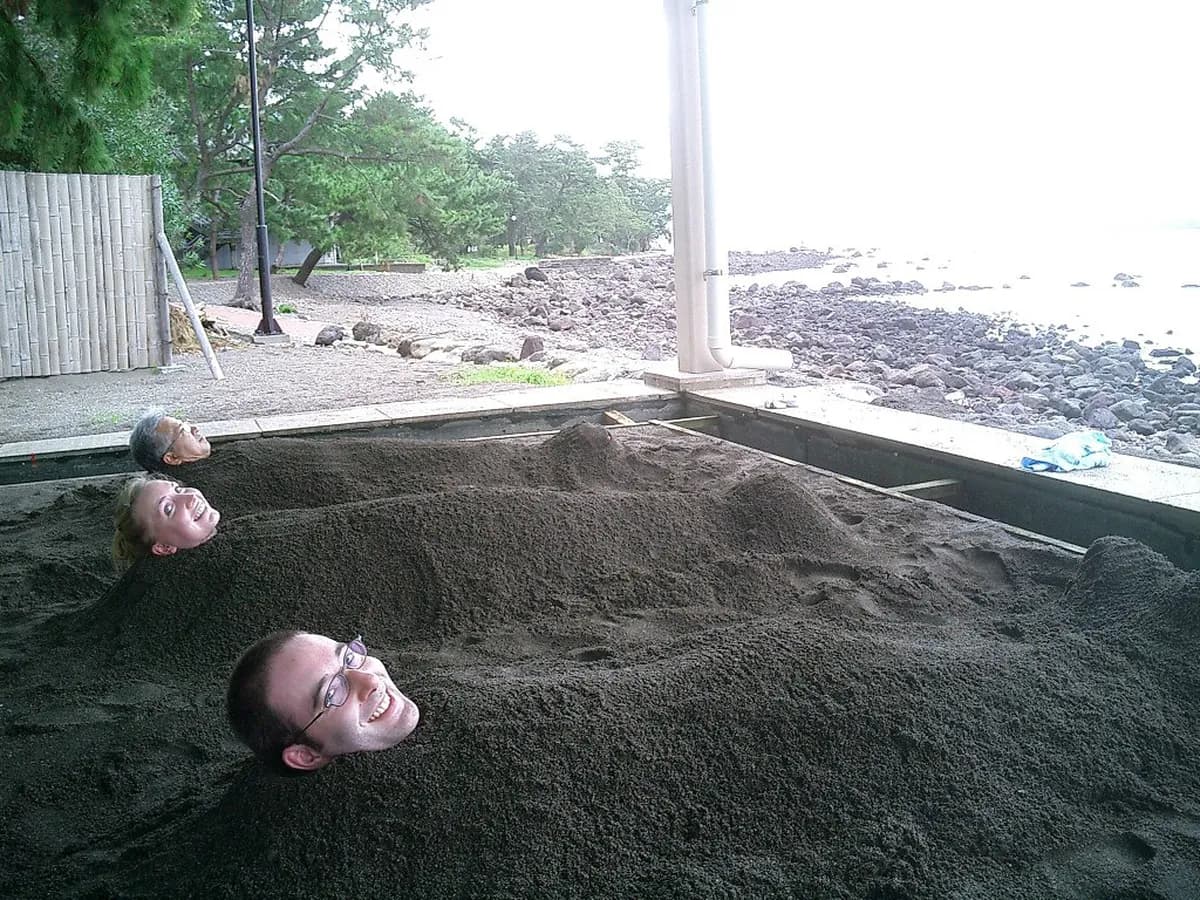
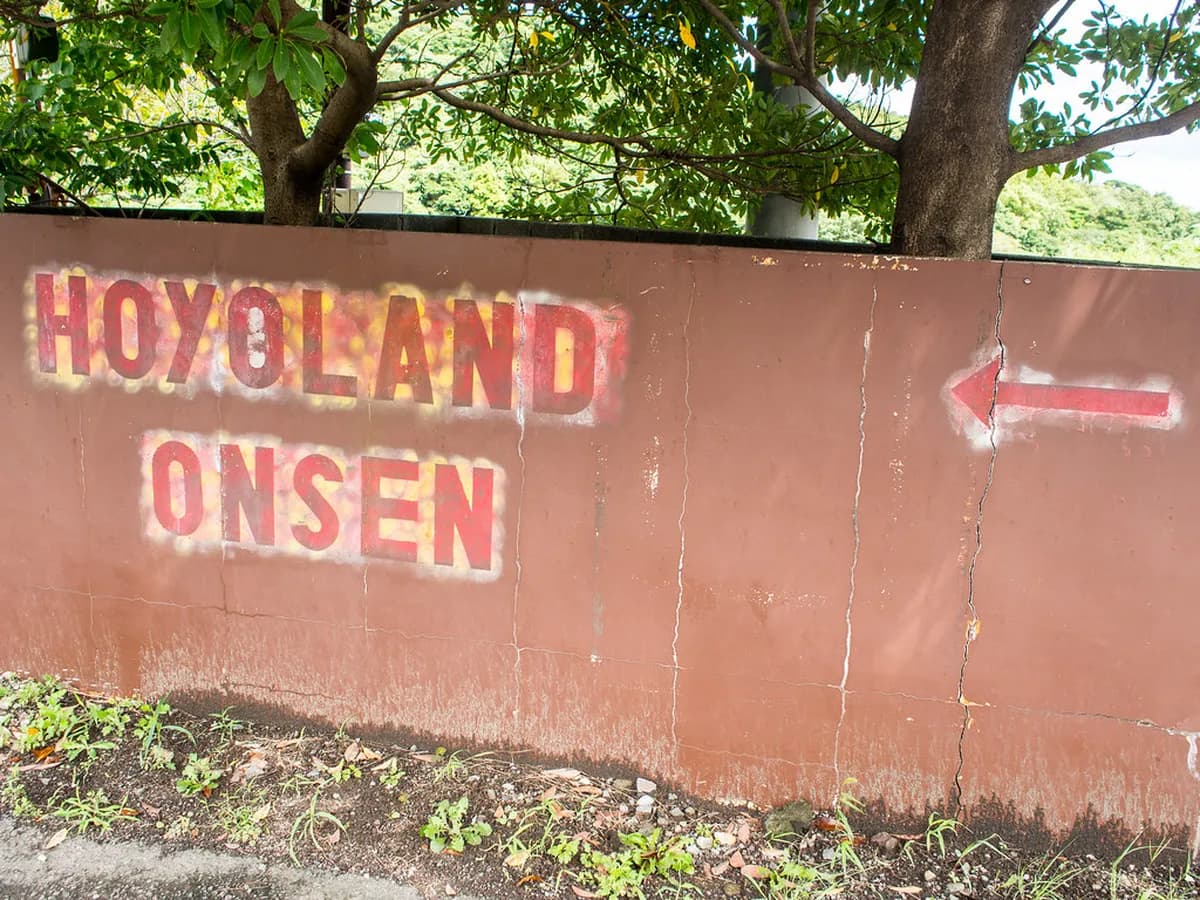
A 10-minute walk south of the Jigoku-mushi workshop brings you to Hyotan Onsen, a Michelin three-star day-use hot spring facility and the ideal way to end the Kannawa walking tour. The complex has 16 different baths including outdoor rotenburo, waterfalls, and a sand bath. Entry for the main public bath is ¥780 per adult. The facility is open from 9:00 to 1:00 AM, which means it is one of the rare spots in Kannawa that lets you soak after dinner.
- Entry: ¥780 (public bath) / ¥380 additional for sand bath / ¥2,150 for private bath
- Hours: 9:00–25:00 (1:00 AM) daily
- Mushi-yu steam bath: Hyotan also has a mushi-yu (steam bath room) where you lie on a mat and breathe steam kept at around 50°C — a unique format separate from immersive soaking, ideal for people who prefer not to fully submerge. The steam bath is included in the general entry fee.
- Tip: Arrive after 15:00 when morning crowds have thinned. Bring a small towel and toiletries — rentals are available but add ¥200–¥300.
The ¥2,200 Jigoku Meguri pass (2026) covers all five Kannawa hells plus Chinoike and Tatsumaki Jigoku in Shibaseki, and is valid for two consecutive days. Individual entry per hell is ¥400 — buy the pass if you plan to visit three or more.
The Jigoku-mushi Kobo steam kitchen closes on Tuesdays and stops accepting last orders at 16:00. Sweet potato and corn sell out after noon on busy days — order immediately on arrival if you want the most popular items.
| Stop | Individual Entry | Hours | Time to Allow |
|---|---|---|---|
| Umi-jigoku (Sea Hell) | ¥400 / pass | 8:00–17:00 | 40–45 min |
| Oniishibozu-jigoku | ¥400 / pass | 8:00–17:00 | 25–30 min |
| Kamado-jigoku | ¥400 / pass | 8:00–17:00 | 40–45 min |
| Oniyama-jigoku | ¥400 / pass | 8:00–17:00 | 25–30 min |
| Shiraike-jigoku | ¥400 / pass | 8:00–17:00 | 20–25 min |
| Jigoku-mushi Kobo (lunch) | ¥270 + food | 10:00–17:00 | 45–60 min |
| Hyotan Onsen | ¥780 (public bath) | 9:00–25:00 | 60–90 min |
The Two Shibaseki Hells: Tatsumaki-jigoku and Chinoike-jigoku
The ¥2,200 Jigoku Meguri pass mentioned above technically unlocks seven hells, not five — the two you won't see on the Kannawa route sit in the separate Shibaseki cluster, about 2km east. Most visitors doing this walking tour skip them, but if you have an extra hour they round out the day well.
Chinoike-jigoku (Blood Pond Hell) is the oldest documented hell in Beppu, referenced in written records dating to the 8th century. Its water runs a deep rust-red from dissolved iron oxide and magnesium, and it sits inside a landscaped garden rather than an industrial-looking pool. Entry is ¥400 standalone or included in the combo pass, open 8:00–17:00 daily.
Tatsumaki-jigoku (Geyser Hell) is a two-minute walk from Chinoike and is the most dramatic of the seven: a natural geyser that erupts roughly every 30 minutes, shooting boiling water and steam 15 to 20 meters into the air. A protective roof was built over the vent decades ago after early eruptions reached higher, so most of what visitors see now is the initial burst before staff let the pressure vent safely.
Shibaseki is a 10 to 15-minute taxi ride or a short hop on the Kamenoi Bus from the Kannawa bus terminal — it isn't walkable as an add-on to this route. For a full breakdown of all seven hells side by side, see our complete guide to the Beppu hells tour, or check our 2-day Beppu itinerary for a schedule that fits both clusters comfortably.
Total Time, Budget, and Route Logistics
The full Kannawa beppu walking tour of Kannawa — covering five hells, the steam workshop lunch, and a soak at Hyotan Onsen — takes six to seven hours end-to-end. If you skip the onsen at the end, you can complete the five hells and lunch in about three and a half to four hours, making it a solid half-day option. The route total is approximately 2 km of walking, mostly downhill from the bus stop at the top to Hyotan at the bottom of the district.
Budget approximately ¥3,000–¥4,500 per person for a full day: ¥2,200 for the Jigoku Meguri pass covering all five Kannawa hells, ¥1,000–¥1,200 for lunch at the steam workshop, and ¥780 for Hyotan Onsen entry. Add ¥500–¥700 for snacks (onsen eggs, pudding) and incidentals.
- Getting there: From Beppu Station, take Bus No. 2, 5, 24, or 41 to Umi-Jigoku-mae stop (~20 min, ¥330). Buses run every 20–30 minutes from 6:00 AM.
- Return: The same bus lines stop directly outside Hyotan Onsen. Last bus back toward Beppu Station runs around 21:30.
- Combination pass: The ¥2,200 Jigoku Meguri pass (2026 price) covers all five Kannawa hells plus Chinoike Jigoku and Tatsumaki Jigoku in Shibaseki. It is valid for two consecutive days — useful if you want to add the Shibaseki hells on day two.
Best Base for Your Beppu Walking Tour of Kannawa
Staying in the Kannawa area is highly recommended for walkers. You will be steps away from the most famous steam vents. Many traditional inns offer private baths for their guests. This creates a very authentic Japanese atmosphere.
If you prefer modern hotels look near the Beppu Station. This area offers more dining and shopping choices for travelers. It is a short bus ride from the station to Kannawa. You can learn How to Visit Beppu Onsen: A Complete 2026 Guide from the station.
Budget travelers might enjoy the guest houses near the coast. These spots often have a more social vibe for international visitors. You can easily reach the walking tour area by public transit. Most buses run frequently throughout the daylight hours.
Consider booking a room with a view of the steam. Watching the clouds rise at sunset is a magical experience. It is one of the most iconic sights in all of Japan. Be sure to book early during the peak travel seasons.
Photo Timing Guide for the Kannawa Walking Tour
Steam photography is uniquely rewarding in Kannawa, but timing matters more than equipment. Steam volume, crowd density, and light quality all shift dramatically throughout the day. Here is what to expect hour by hour.
- 7:45–9:00 AM — Best steam, best light: Morning coolness makes the steam thicker and more visible against the warm early light. The hells open at 8:00 AM, so a near-opening arrival gives you 30 to 60 minutes before the first tour buses arrive. This is the single best window for photography at Umi-jigoku and Oniishibozu-jigoku.
- 9:00–11:00 AM — Good light, rising crowds: Light is still favorable and slightly warmer in tone. Crowds begin arriving around 9:30–10:00 AM. Kamado-jigoku and Oniyama-jigoku tend to be less crowded than Umi-jigoku at this hour — shift to those stops as Umi-jigoku fills up.
- 11:00 AM–13:00 — Midday flat light: Overhead sun bleaches steam white and creates harsh shadows. This is the ideal time to take a break for lunch at the Jigoku-mushi workshop rather than trying to shoot photos. Crowds peak around noon.
- 13:00–15:00 — Afternoon recovery: Tour buses depart and the atmosphere becomes quieter. Afternoon light is directional again. Shiraike-jigoku and Kamado-jigoku look particularly good with afternoon side-lighting hitting the steam at a low angle.
- Steam visibility tip: Winter months (December to February) produce the most dramatic steam clouds because cold air maximizes the vapor contrast. Summer visits still yield good steam, but the high humidity of Kyushu's summer reduces visible contrast.
Miharashi-zaka: The Elevated Overlook Above the Hells
Between Kamado-jigoku and Shiraike-jigoku, a short side slope locals call Miharashi-zaka climbs about 15 meters above the main route. It takes barely three minutes to walk up, but the payoff is one of the only spots on this walking tour where you can see steam rising from four or five hells at once against the hillside backdrop.
There's no admission fee and no gate — it's simply a public street with a widened viewing shoulder and two benches. Locals use it in the early evening to watch the steam plumes turn orange at sunset, which makes it a natural pairing with the golden-hour window already covered above. Midday visits still work, but the steam reads thinner and haze from tour buses idling below can flatten the shot.
Budget 10 minutes here, including the short detour off the main path. It connects easily to the backstreets described in our Kannawa district steam walking route guide if you want to stretch the afternoon wandering section of this itinerary with a couple of quieter side streets.
The Cultural History of Kannawa Steam Cooking
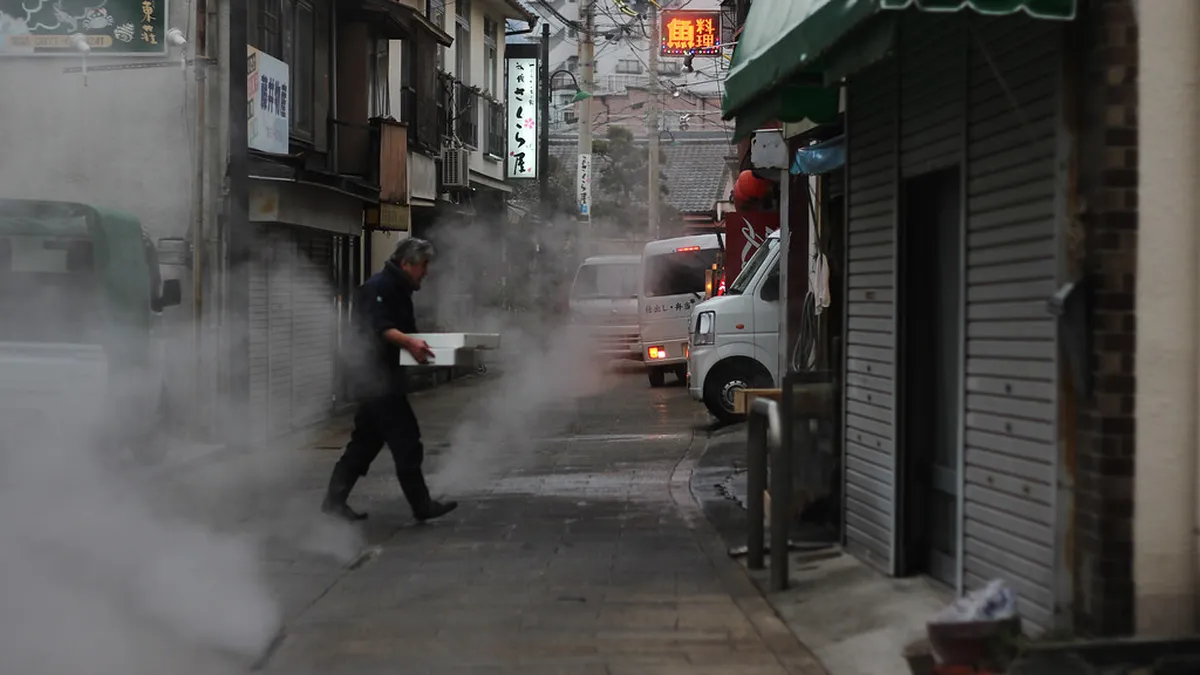
The use of steam in Kannawa dates back many centuries. Local people have used the heat for heating and cooking. This sustainable energy source is a core part of their life. You can see this history in the old stone walls.
The district was once a place for long-term healing retreats. People would stay for weeks to bathe in the mineral waters. This tradition is known as Toji in the Japanese language. It remains a popular practice for health-conscious visitors today.
Modern technology now helps manage the massive geothermal pressure underground. Engineers work to keep the streets safe and the steam flowing. This balance of nature and science is fascinating to observe. You can see pipes and valves along the walking paths.
The community takes great pride in their unique geothermal heritage. They host festivals and events to celebrate the hot springs. Visitors are always welcome to join these local celebrations. It is a wonderful way to learn about the local culture. Browse our Beppu Experiences page for more ways to immerse yourself.
What to Eat During Your Beppu Walking Tour of Kannawa
Steam-cooked food is the primary culinary attraction in this district. You can try everything from fresh seafood to sweet potatoes. The steam preserves the natural flavors of the ingredients. It is a healthy alternative to fried or heavy foods.
Do not miss the famous onsen eggs sold at the hells. These eggs are boiled directly in the hot spring water. They have a unique flavor and a very creamy texture. They make for a perfect and cheap walking snack.
For dessert try the local custard pudding steamed by vents. The caramel has a slightly smoky taste from the volcanic heat. You can find this treat at many small street stalls. It is a favorite among both locals and tourists alike.
Local craft beers are also available in many small shops. Some are even brewed using water from the surrounding mountains. Enjoying a cold drink after a hot bath is very refreshing. It is a great way to support the local economy.
Essential Tips for Navigating the Kannawa District
Start your tour early to avoid the largest tour groups. The hells often get crowded by the middle of the day. Morning light also makes the steam look more beautiful in photos. You will have a much more peaceful walk.
Purchase a combination ticket if you plan to see many hells. This saves money compared to buying individual entry passes. You can find these tickets at the entrance of any major pit. It is a very convenient option for tourists.
Keep a small plastic bag for your wet towels. You will likely use the footbaths multiple times during the day. Having a dry bag keeps your other belongings safe and clean. This is a simple but very useful tip.
Check the bus schedule before you leave the main station. While buses are frequent they can sometimes be delayed by traffic. Having a digital map on your phone is also very helpful. It ensures you never get lost in the narrow alleys. If you plan to visit multiple baths, also read our A 1-Day Beppu Walking Route for Onsen Hopping guide.
Frequently Asked Questions
How long is a Beppu walking tour of Kannawa?
A full Beppu walking tour of Kannawa covering all five hells, a steam-cooked lunch, and a soak at Hyotan Onsen takes six to seven hours. Visiting only the five hells with a lunch break takes three and a half to four hours. The walking distance between all stops is approximately 2 km.
How much does the Kannawa hells walk cost in 2026?
The Jigoku Meguri combination pass costs ¥2,200 in 2026 and covers all five Kannawa hells plus two hells in Shibaseki. Individual entry to each hell is ¥400. For a full day including lunch at the steam workshop (¥700–¥1,200) and entry to Hyotan Onsen (¥780), budget ¥3,500–¥4,500 per person.
What time should I start the Kannawa walking tour?
Start at 8:00 AM when the hells open for the best steam visibility and fewest crowds. Tour buses begin arriving around 9:30–10:00 AM. An early start also gives you better morning light for photos at Umi-jigoku and Oniishibozu-jigoku before the sun climbs overhead.
Is the Kannawa area hilly?
Yes, the Kannawa district sits on a gentle hillside. The recommended route runs from the bus terminal at the top downhill through the five hells to Hyotan Onsen at the lower end, keeping the steepest walking in your favor early in the day. Wear comfortable shoes with grip for the stone-paved lanes between sites.
What is the Jigoku-mushi steam workshop in Kannawa?
The Jigoku-mushi Kobo is a self-service steam kitchen in central Kannawa where you cook fresh ingredients — eggs, corn, sweet potato, seafood — over natural volcanic vents at 100°C. Select ingredients from the vending machine (¥500–¥900), pay a ¥270 steaming fee, then pick up your cooked food after 10–15 minutes. Hours are 10:00–17:00, closed Tuesdays.
Can I find free activities in Kannawa?
There are many Free Things to Do in Beppu: Budget Guide 2026 within this area. Public footbaths scattered around the district are free or ¥100–¥200. The steam vents along the backstreets are viewable without any entry fee. Wandering the atmospheric lanes of Kannawa itself costs nothing and is one of the best ways to experience the district.
A Beppu walking tour of Kannawa is a highlight of Kyushu. The combination of nature and culture is truly impressive. You will leave with great memories and relaxed muscles. It is an essential stop for any traveler in Japan.
Plan your visit today to see these incredible volcanic wonders. The steam of Kannawa is waiting to welcome you. Enjoy every step of your journey through this unique city. Safe travels on your next Japanese adventure.
Free: The Beppu Essentials guide
Top things to do, where to stay, a perfect day plan, getting around, and the best time to go — a Beppu mini-guide you can take offline.
You might also like

Continue reading
More guides you'll find useful