
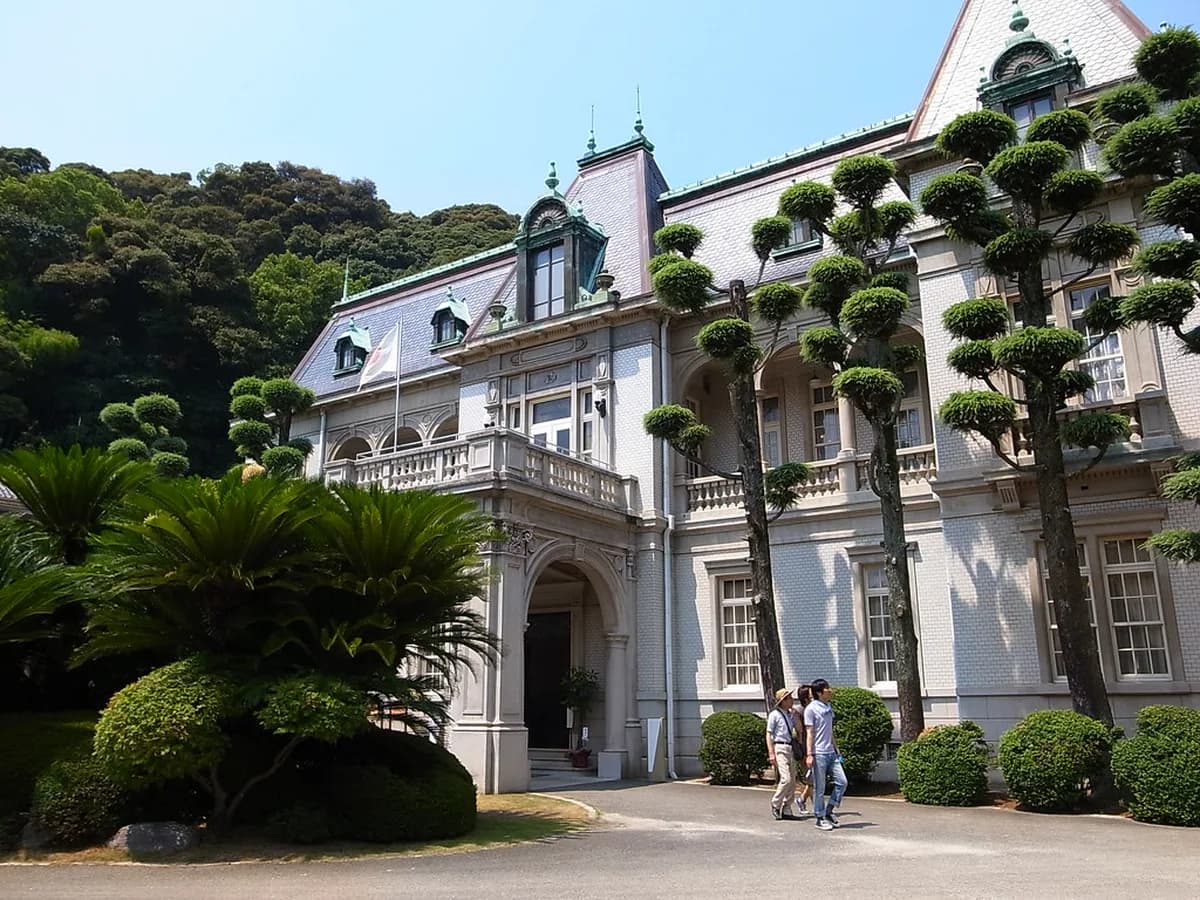
Bansui-sō stands as a majestic reminder of Japan's early 20th-century architectural evolution in the heart of Shikoku. This elegant villa served as a second home for the Hisamatsu family during their frequent visits to Matsuyama. Our bansui-sō visitor guide helps you navigate this French Renaissance masterpiece with ease and local insight. Visitors often feel transported to a different era as they step through the grand entrance of this historic residence.
Built in 1922, the structure remains one of the most unique buildings in the region due to its European design. It survived the fires of war and stands today as a National Important Cultural Property for all to admire. Whether you are an architecture enthusiast or a casual traveler, the villa offers a peaceful escape from modern city life. The surrounding greenery provides a stunning contrast to the ornate stone and wood details of the main house.
Must-See Bansui-Sō Attractions and History
Earl Sadakoto Hisamatsu commissioned this villa to reflect the sophisticated tastes he developed while living in France. He hired the renowned architect Shichirō Giko to bring this ambitious French Renaissance vision to life in 1922. The result is a building that features steep roofs, intricate masonry, and large windows that invite natural light. Explore more of the city's history at Matsuyama Castle which sits on the hill directly above the villa.
Inside the villa, you will find a blend of Western luxury and Japanese craftsmanship that defines the Taisho era. The grand staircase and the colorful stained-glass windows are among the most photographed features of the interior. Each room tells a story of the high-society lifestyle enjoyed by the elite during the early 20th century. You should pay close attention to the delicate wood carvings that adorn the door frames and ceiling edges.
The villa also served as a social hub for famous figures, including members of the Imperial family. Its status as a National Important Cultural Property ensures that every detail is preserved with extreme care. Walking through the halls feels like a private tour of a living museum dedicated to international friendship. Take a moment to appreciate the original furniture that still sits in several of the formal reception rooms.
Museums, Art, and Culture in Bansui-Sō
Bansui-sō is not just a historic house but also a vibrant center for local art and cultural expression. The villa frequently hosts rotating exhibitions that showcase traditional Japanese crafts alongside modern artistic works. Many visitors enjoy the Art Labo KASURI, which focuses on the intricate weaving patterns famous in the Ehime region. This space allows you to see how historic settings can breathe new life into contemporary creative projects.
The cultural significance of the villa extends to its role in hosting musical performances and tea ceremonies. Check the Official Bansuisou Website for a current schedule of events before your trip. Attending a concert in the grand ballroom provides an acoustic experience that is truly second to none. The rich wooden interiors create a warm sound that complements both classical and traditional Japanese music.
Art enthusiasts will appreciate the small gallery spaces tucked away on the upper floors of the building. These rooms often feature paintings that depict the changing landscape of Matsuyama over the last century. It is a wonderful way to connect with the local community while staying near Dogo Onsen during your stay. The quiet atmosphere of the galleries encourages a slow and thoughtful pace for every visitor.
Parks, Gardens, and Outdoor Spots in Bansui-Sō
The villa is nestled within a lush, forested courtyard that offers a cooling shade during the warm summer months. Winding paths lead you through manicured gardens that change colors beautifully with each passing season. In spring, the cherry blossoms create a soft pink frame around the grey stone walls of the mansion. Travelers often find that the garden provides a perfect spot for a quiet break between visiting other Ishite-ji temples.
The outdoor space is designed to complement the architecture by providing multiple vantage points for photography. You can find a small pond that reflects the villa's facade when the water is still and the sun is bright. Benches are scattered throughout the grounds to allow guests to sit and soak in the historical ambiance. The sound of rustling leaves and distant birds makes the city noise feel miles away from this sanctuary.
For those interested in botany, the garden features several species of trees that are native to the Shikoku region. Informational signs help you identify the various plants that the Hisamatsu family once curated for their private enjoyment. The transition from the wilder forest areas to the formal garden beds shows a high level of landscape design. Walking these grounds is free, making it a popular spot for locals to enjoy a morning stroll.
Family-Friendly and Budget-Friendly Options in Bansui-Sō
Visiting Bansui-sō is surprisingly affordable, making it an excellent choice for families and budget-conscious travelers. The first floor and the basement are free to enter, allowing you to see the grand architecture without spending a yen. If you wish to explore the private rooms on the second floor, the entrance fee is only 300 yen for adults. Children and students often receive discounted rates, making it a very accessible educational experience for all ages.
One hidden gem you should not miss is the Victorian-style restroom located in the basement area. It features an antique Asahi beer mirror and original plumbing fixtures that provide a fascinating contrast to the upstairs luxury. Most guides overlook this detail, but it offers a unique look at the functional side of a 1920s mansion. Kids often find these historical everyday items more interesting than the formal paintings found in the galleries.
The villa grounds are also a great place for children to stretch their legs in a safe and contained environment. Pack a light snack to enjoy on the garden benches while you plan your next move in the city. The proximity to other landmarks means you can easily combine this visit with a trip to the Dogo Onsen Honkan. Keeping your itinerary central helps reduce transportation costs and keeps the day stress-free for everyone.
How to Plan a Smooth Bansui-Sō Visit
Timing is everything when you want to capture the best photos of this historic French-style villa. The 3 PM window is widely considered the best time for photography due to the soft, angled sunlight. During this hour, the crowds usually thin out, giving you a clearer view of the grand staircase and exterior. Early mornings are also pleasant if you prefer a cooler temperature while walking up the gentle hill.
Bansui-sō is generally open from 9:00 AM to 6:00 PM, though these hours can vary during special events. The villa is closed on Mondays, so be sure to check your calendar before making the trip across town. Most visitors spend about 45 to 60 minutes exploring the interior and the surrounding garden paths. Allowing an hour ensures you have enough time to read the historical plaques and enjoy the Art Labo displays.
Accessing the villa is simple via the local tram system that runs through the center of Matsuyama. Get off at the Okaido stop and walk for about five minutes toward the base of the castle hill. The path is well-marked with signs in both Japanese and English to guide you directly to the gate. For 2026, check for any temporary closures on the Official Bansuisou Website before you finalize your travel plans.
- Arrive at 3 PM for the best lighting
- Type: Photography tip
- Best for: Social media shots
- Where: Main facade
- Cost: Free
- Check the free first floor exhibits
- Type: Budget tip
- Best for: Quick visits
- Where: Entrance level
- Cost: 0 Yen
- Visit the Victorian restroom in the basement
- Type: Hidden gem
- Best for: History buffs
- Where: Basement floor
- Cost: Free
- View the villa from the museum windows
- Type: Perspective tip
- Best for: Unique views
- Where: Saka no Ue no Kumo
- Cost: Museum fee
- Use the Okaido tram stop for access
- Type: Transit tip
- Best for: Easy navigation
- Where: City center
- Cost: Standard fare
- Combine with a Matsuyama Castle tour
- Type: Itinerary tip
- Best for: Efficiency
- Where: Same hill
- Cost: Varies
- Look for the Asahi beer mirror
- Type: Detail tip
- Best for: Antique lovers
- Where: Basement area
- Cost: Free
- Book a volunteer guide in advance
- Type: Educational tip
- Best for: Deep dives
- Where: JNTO website
- Cost: Usually free
Nearby Highlights: Saka no Ue no Kumo Museum
Just a few steps away from the villa sits the strikingly modern Saka no Ue no Kumo Museum. Designed by the world-famous architect Ando Tadao, this building offers a sharp contrast to the villa's historic style. The museum is dedicated to the famous novel by Shiba Ryotaro and explores the history of the Meiji era. It is a must-visit for anyone looking to understand the broader context of the Hisamatsu family's influence.
One of the best secrets of the museum is the view from its large, floor-to-ceiling glass windows. From the upper floors, you can look down at Bansui-sō and see it from a unique "dollhouse" perspective. This angle allows you to appreciate the intricate roof design and the layout of the gardens from above. It is a favorite spot for photographers who want a different take on the classic French Renaissance facade.
The path between the museum and the villa is beautifully landscaped and very easy to walk. You can also find the Isaniwa Shrine within a short distance if you wish to see traditional religious architecture. Walking between these sites gives you a full picture of the diverse architectural history found in this city. The area is very walkable, so you can leave your car or heavy bags at your hotel.
Local Volunteer Tour Guides (SGG)
To get the most out of your bansui-sō visitor guide experience, consider hiring a local volunteer guide. These Goodwill Guide (SGG) groups are composed of locals who are passionate about sharing their city's history. They often provide deep insights into the personal lives of the Hisamatsu family that you won't find in brochures. Most guides offer their services for free, though you may need to cover their small entrance fees or transportation.
You can find a list of available groups through the JNTO List of Volunteer Guides online. It is best to contact them at least a week in advance to ensure someone is available for your visit. Having a guide can help bridge the language barrier and make the historical details much more engaging. They can also recommend the best local spots for lunch once your tour of the villa is complete.
Many volunteer guides are retired professionals who have a wealth of knowledge about the Taisho and Meiji eras. They take great pride in explaining the significance of the National Important Cultural Property status of the villa. Your visit will feel much more personal and meaningful when you hear stories from a local resident. This is a fantastic way to support the community while gaining a deeper appreciation for Japanese culture.
Frequently Asked Questions
Is Bansui-sō worth visiting?
Yes, Bansui-sō is definitely worth visiting for its unique French Renaissance architecture and historical significance. It offers a peaceful atmosphere and a rare look at Western-style luxury in 1920s Japan. You can easily combine it with a trip to other Matsuyama attractions.
How much is the entrance fee for Bansui-sō?
The entrance fee for the second floor of Bansui-sō is 300 yen for adults as of 2026. However, the first floor and the basement areas are free to enter for all visitors. This makes it a very affordable stop for those exploring the city on a budget.
What is the best time to visit Bansui-sō for photos?
The best time for photography is around 3 PM when the sunlight hits the villa at a beautiful angle. This timing also helps you avoid the larger midday crowds. The soft light enhances the textures of the stone walls and the vibrant colors of the stained glass.
Can you take photos inside the Bansuisō Villa?
Yes, photography is generally allowed inside the villa, but you should always check for specific signs in individual rooms. Some temporary art exhibitions may have restrictions on flash or filming. Always be respectful of other guests while you are capturing your memories of the grand interior.
Bansui-sō is a captivating landmark that bridges the gap between European elegance and Japanese history. From the grand ballroom to the hidden Victorian restroom, every corner of the villa offers a new discovery. Using this bansui-sō visitor guide ensures you won't miss the subtle details that make this site so special. The combination of affordable access and stunning design makes it a highlight of any trip to the region.
Take the time to explore the gardens and the nearby modern museums to see the full architectural spectrum of the city. Whether you visit for the art, the history, or the photography, the villa provides a memorable experience for everyone. Plan your visit for 2026 and immerse yourself in the timeless beauty of this National Important Cultural Property. Matsuyama awaits with its rich heritage and welcoming atmosphere for every curious traveler.
For official details, visit the Bansui-sō on Wikipedia.
For more Matsuyama planning, read our Matsuyama Itinerary: The Best 2-Day Plan for 2026, 12 Best Things to Do in Matsuyama, Japan (2026), and Best Time to Visit Matsuyama (2026): Season Guide.