12 Best Things to Do in Matsuyama, Japan (2026)
Discover the 12 best things to do in Matsuyama, Japan, from Dogo Onsen and Matsuyama Castle to a historic pilgrimage temple, with 2026 hours and prices.
On this page
Ask five travelers what to do in Matsuyama and you'll get five different itineraries, from castle ramparts to a 3,000-year-old hot spring. This guide, last updated for the 2026 travel season, narrows things to do in Matsuyama down to twelve picks worth your time. Ehime Prefecture's capital sits on Shikoku, Japan's smallest main island, an hour by ferry from Hiroshima or a short flight from Tokyo.
Most first-time visitors budget a rushed half-day for Matsuyama, and that's rarely enough to do the city justice. We'd skip the crowded gift-shop loop inside the castle keep and spend that extra time on the ropeway viewing platform instead. Below, we group twelve attractions into four themes, then cover transport, food, lodging, and one easy day trip.
Dogo Onsen and Matsuyama Castle draw the most attention, and both earn it on their own merits. But Ishite-ji Temple, the Botchan Ressha tram, and a scattering of shrines round out a fuller picture of the city.
Key Takeaways
- Best overall: pair Matsuyama Castle's ropeway ride with a soak at Dogo Onsen Honkan for the classic first visit.
- Best for families: the Botchan Ressha tram ride plus the free hourly Botchan Karakuri Clock show.
- Best rainy-day pick: Bansuiso Villa and the Shiki Memorial Museum, both fully indoors near central Matsuyama.
- Best free option: Isaniwa Shrine's grounds and stone staircase, plus the Dogo Onsen Sky Walkway footbath.
- Book Dogo Onsen ryokan a month ahead for cherry blossom and autumn foliage weekends.
12 Best Things to Do in Matsuyama
We've grouped these twelve picks into four themes: historic landmarks, temples and local icons, indoor culture, and nature and views. Prices below reflect adult admission in Japanese yen, and hours follow each site's standard 2026 schedule. Hours can shift around New Year and the mid-August Obon holiday, so double-check before a holiday visit.
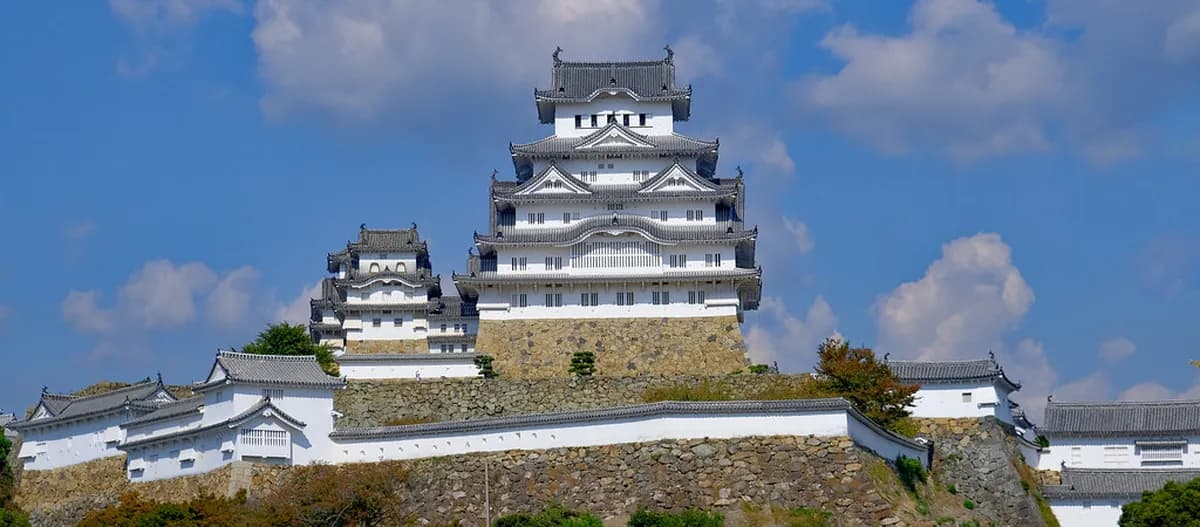
Matsuyama Castle anchors the historic-landmarks group, and its ropeway ride alone earns a spot on this list. Our full our Matsuyama Castle visitor guide breaks down every ticket and chairlift option in more depth. Official hours and any closure notices are posted on the Matsuyama Castle official site.
Dogo Onsen Honkan anchors the second theme and remains the single most photographed building in the city. For bathing etiquette, yukata rental, and annex options, see our full our Dōgo Onsen bathhouse guide. The Tama-no-ishi legend behind the springs is detailed on the city of Matsuyama's official history page.
Ishite-ji Temple represents the pilgrimage theme, and it's an easy add-on for travelers short on time. Our dedicated Ishite-ji Temple guide covers the cave passage and the temple's lodging house.
The Botchan Karakuri Clock and the Botchan Ressha tram both nod to Natsume Soseki's novel Botchan, still beloved across the city. City hall's own writeup on the clock's design and hourly show sits on the official Matsuyama tourism page.
- Matsuyama Castle and Katsuyama Ropeway
- This hilltop castle is one of just twelve original keeps still standing across Japan today.
- General admission runs roughly 520 yen for adults, and the keep opens daily from 9am to 5pm.
- Hours extend to 5:30pm in August and shorten to 4:30pm from December through January most years.
- A ropeway and a single-seat chairlift both climb Katsuyama hill, and the chairlift feels like a slow-motion ride.
- Arrive before 9:30am on weekends to beat tour buses timed around the first shinkansen arrivals.
- Dogo Onsen Honkan, the Historic Bathhouse
- Dogo Onsen ranks among Japan's oldest hot springs, with a legendary history said to span three millennia.
- The Honkan building is a nationally designated Important Cultural Property, reopened in 2024 after long preservation work.
- A basic bathing course plus a rest-room tea break costs a modest fee, with pricier private-room options available.
- It sits a short walk from the Dogo Onsen tram terminus, the end of the Iyotetsu city-tram line.
- Early morning around 6-7am draws the fewest crowds, before tour groups arrive after breakfast.
- Isaniwa Shrine's Red-and-Gold Staircase
- This Hachiman shrine sits on a hillside just above Dogo Onsen, reached by a long stone staircase.
- The vivid red-and-gold main hall is a striking contrast against the surrounding green hillside.
- Admission is free, and most visitors climb up in under fifteen minutes at an easy pace.
- Pair it with Dogo Onsen in the same morning, since both sit a five-minute walk apart.
- Ishite-ji Temple, Pilgrimage Stop 51
- Ishite-ji is temple 51 of the 88-temple Shikoku pilgrimage, and one of the route's most photographed gates.
- General grounds admission is free, though a treasure-house visit costs roughly 200 yen per adult.
- The temple opens daily from 7am to 5pm, and its dim cave passage rewards a short detour.
- It sits a fifteen-minute walk east of Dogo Onsen, an easy same-morning add-on.
- Botchan Ressha Steam-Style Tram Ride
- A diesel-powered replica of a Meiji-era steam locomotive carries the Botchan name from Natsume Soseki's novel.
- Fares run higher than a regular tram, typically 1,000 to 1,300 yen one-way.
- Service runs a limited daily schedule of just a few round trips, so check times ahead.
- Board near Matsuyama-shi Station or Dogo Onsen Station, the line's two main terminus points.
- Botchan Karakuri Clock Performance
- A mechanical clock in the plaza outside Dogo Onsen Station performs a short show each hour.
- Characters from Soseki's novel Botchan pop out and move through a brief animated sequence, free to watch.
- A small crowd gathers a few minutes early, so arrive just before the hour for a clear view.
- Pair a viewing with the nearby footbath, since both sit within the same small plaza.
- Bansuiso Villa, a French-Style Mansion
- This early-20th-century French-style villa was built by a Matsuyama noble family with ties to France.
- The interior blends French architectural details with Japanese craftsmanship, and several period dramas have filmed here.
- Admission runs a modest fee, and the villa typically opens daily except for occasional maintenance closures.
- It sits at the base of Shiroyama, the castle's hill, an easy stop before or after the ropeway.
- Shiki Memorial Museum for Haiku Fans
- Masaoka Shiki, the Matsuyama-born poet who reshaped modern haiku, is the subject of this museum.
- Exhibits include manuscripts, personal items, and context on Shiki's friendship with novelist Natsume Soseki.
- Admission runs a modest adult fee, and displays include English-language panels in the main galleries.
- It works well as a rainy-day stop, since the entire museum sits indoors over multiple floors.
- Okaido and Gintengai Shopping Arcades
- These two connected covered arcades form the commercial heart of central Matsuyama, lined with shops and cafes.
- Okaido tends toward restaurants and nightlife, while Gintengai leans toward everyday shopping and quick lunch counters.
- Both stay dry in bad weather, since the covered roof runs the full length of each arcade.
- The Okaido tram stop drops you at the entrance, an easy last stop of the day.
- Dogo Onsen Sky Walkway and Footbath
- This hillside walkway near Dogo Onsen leads to a free footbath with a view over the town below.
- It works well after a bathhouse visit, letting you soak your feet again while your hair dries.
- The walkway stays open through daylight hours, and it rarely draws a real crowd.
- Bring a small towel, since the footbath itself provides none for visitors.
- Ninomaru Historical Garden at the Castle Base
- The former Ninomaru bailey at the foot of Matsuyama Castle's hill is now a public garden.
- Stone foundation outlines mark where feudal-era buildings once stood, now framed by seasonal plantings.
- Admission runs a small separate fee from the castle keep, and combination tickets sometimes apply.
- Cherry blossoms along the moat-side path peak in early April most years.
- Matsuyama General Park's Lake and Trails
- A lake ringed by walking and jogging trails anchors this large park in eastern Matsuyama.
- Entry is free, and the grounds include sports facilities used by local school groups on weekends.
- Spring hanami picnics fill the lakeside lawns, while autumn brings quieter, cooler walks around the water.
- It sits farther from the tram lines, so plan on a short taxi or bus ride.
| Attraction | Admission | Hours | Time Needed |
|---|---|---|---|
| Matsuyama Castle & Ropeway | ¥520 | 9am–5pm (extends to 5:30pm Aug, 4:30pm Dec–Jan) | 1–2 hours |
| Dogo Onsen Honkan | Modest fee | Daily (check holiday closures) | 1–2 hours |
| Isaniwa Shrine | Free | Daily | 15 minutes |
| Ishite-ji Temple | Free (treasure house ¥200) | 7am–5pm | 30 minutes |
| Botchan Ressha Tram | ¥1,000–1,300 one-way | Limited daily schedule | 30 minutes |
| Bansuiso Villa | Modest fee | Daily (check closures) | 45 minutes |
| Shiki Memorial Museum | Modest adult fee | Daily | 1 hour |
| Dogo Onsen Sky Walkway | Free | Daylight hours | 30 minutes |
Is Matsuyama Worth a Multi-Day Visit?
Matsuyama easily fills two full days, and a third extends nicely into a nearby day trip. One day covers Matsuyama Castle and central Okaido, while a second focuses on Dogo Onsen and Ishite-ji Temple.
For a slower pace or a rainy backup plan, our our 2-day Matsuyama itinerary lays out both days hour by hour. Spring, from late March through April, brings castle-area cherry blossoms, while July and August run hot and humid across Shikoku.
Our best time to visit Matsuyama guide breaks down month-by-month temperatures and festival dates. November through early December brings mild days and fewer crowds, making it our pick for first-time visits.
On a rainy day, swap outdoor stops for Bansuiso Villa and the Shiki Memorial Museum, both fully indoors. Skip the crowded souvenir arcade at the castle's upper station if you're pressed for time; the view matters more.
Early morning visits beat the crowds at Matsuyama's top attractions. Arrive before 9:30am on weekends at Matsuyama Castle to dodge tour buses, and visit Dogo Onsen around 6-7am before tour groups arrive after breakfast.
Getting To and Around Matsuyama
Matsuyama Airport connects to Tokyo, Osaka, and a handful of other domestic hubs in under two hours. A passenger and car ferry also links Hiroshima's Ujina Port to Matsuyama in about 70 minutes on the fast boat.
Our how to get to Matsuyama guide compares train, plane, and ferry options with current fares. Cyclists often arrive via the Shimanami Kaido, a roughly 70-kilometer cycling route linking Onomichi to Imabari, then a short train onward.
Inside the city, the Iyotetsu tram network covers most stops on this list for a flat fare around 160 to 210 yen. Our getting around Matsuyama guide covers tram routes, the one-day tram pass, and taxi costs.
Trams run roughly every 10 to 15 minutes on core lines, though service thins out after 9pm. Pay as you exit, and keep small coins on hand since not every tram accepts large bills.
Tram payment requires exact change or coins, and many tram cars do not accept large bills. Bring plenty of small yen bills and coins, or exchange money at stations before boarding during peak travel times.
Where to Eat: Matsuyama's Local Food
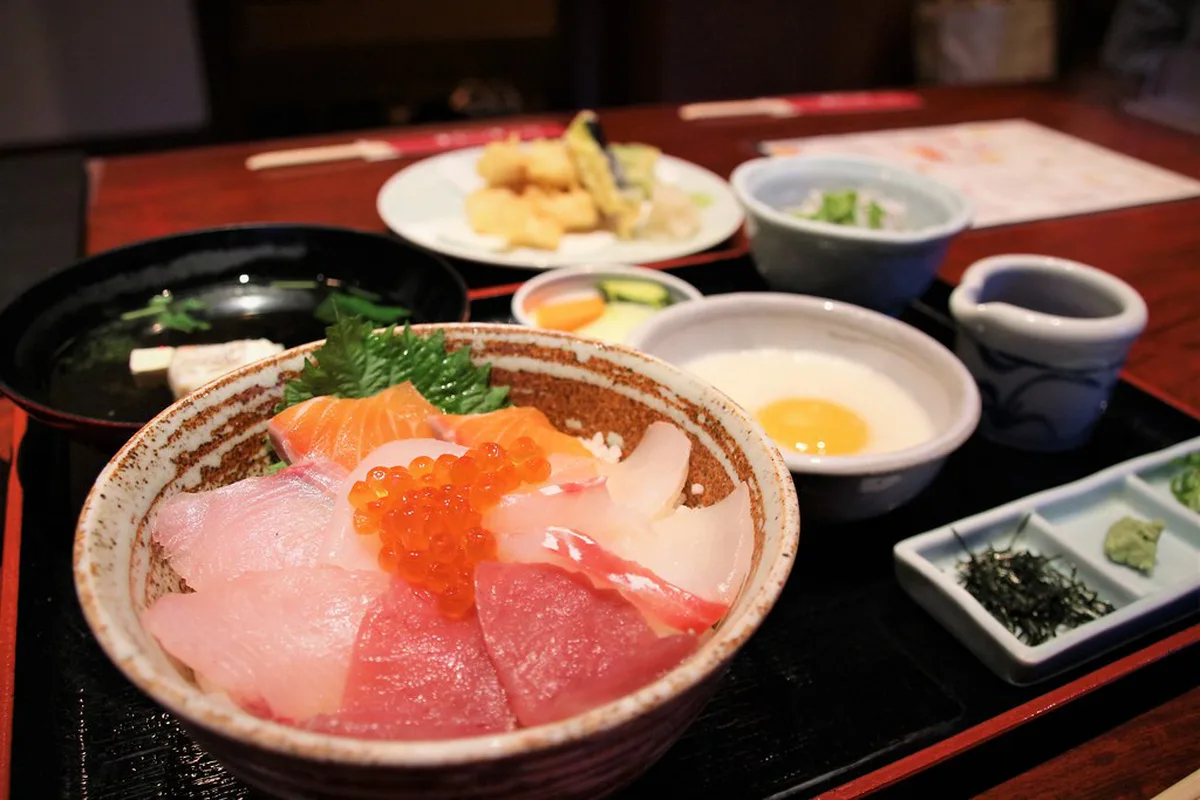
Taimeshi, a rice dish made with fresh sea bream, is Matsuyama's signature meal and appears on menus across the city. Two versions exist: a south-Ehime style with marinated raw fish over rice, and a Matsuyama style simmered whole in the pot.
Botchan dango, a three-color skewered mochi named after Soseki's novel, makes an easy sweet stop near Dogo Onsen station. Ehime is Japan's top mikan-producing prefecture, so citrus soft serve, juice, and marmalade turn up in nearly every gift shop.
For a fuller restaurant list with price ranges, see our our Matsuyama food guide. Okaido and the Ichiban-cho side streets hold the densest cluster of izakaya and ramen counters open past 9pm.
Budget travelers should stick to the covered Gintengai arcade, where set lunches often run about 900 to 1,400 yen. Travelers chasing a splurge meal can book a kaiseki dinner near Dogo Onsen, though reservations fill early on weekends.
Where to Stay in Matsuyama
Dogo Onsen's neighborhood suits travelers who want to bathe morning and night without a tram ride. Ryokan and onsen hotels here run roughly 12,000 to 25,000 yen per night, often including a multi-course dinner.
Central Matsuyama near Okaido and the JR or Iyotetsu stations suits first-time visitors who want walkable restaurants and shops. Business hotels in this area typically run 6,000 to 11,000 yen per night for a standard double room.
Our where to stay in Matsuyama guide breaks down every neighborhood with specific hotel picks. Budget hostels cluster near the JR station, generally starting around 3,000 to 4,500 yen per bed in a shared dorm.
Book Dogo Onsen ryokan at least a month ahead for weekend stays during cherry blossom and autumn foliage season. Rooms near the castle ropeway station book up fastest during the Matsuyama Autumn Festival in October.
One Great Day Trip From Matsuyama
Uchiko, a preserved Edo and Meiji-era merchant town, sits about 40 minutes from Matsuyama on the JR Yosan Line. A round-trip local train ticket runs roughly 1,600 to 1,800 yen, making Uchiko an easy half-day add-on.
The wax-and-paper merchant street, Yokaichi, still lines up with lattice-front houses from the town's candle-making heyday. The restored Uchiko-za kabuki theater, built in 1916, charges a small entry fee to walk the stage and trapdoors.
Our day trips from Matsuyama guide covers Uchiko plus Ozu castle and the Shimanami Kaido cycling route. Cyclists chasing the Shimanami Kaido instead can rent an e-bike in Imabari and reach the first island bridge within an hour.
Uchiko suits history-minded travelers with a spare half-day, while the Shimanami Kaido suits cyclists chasing sea-bridge views. Either trip pairs well with Imabari's yakibuta tamago gohan, a grilled-pork-and-egg rice bowl worth the detour.
Going deeper on this theme? Our Matsuyama Food Guide guide covers it in detail, with the practical planning this page leaves out.
Frequently Asked Questions
How many days do you need in Matsuyama?
Plan on two full days to cover Matsuyama's core sights comfortably, with a third day if you add Uchiko or the Shimanami Kaido. One day fits Matsuyama Castle and central Okaido, while the second covers Dogo Onsen, Ishite-ji Temple, and the museums near Shiroyama Park.
Is Dogo Onsen worth visiting?
Yes, Dogo Onsen Honkan is one of Japan's oldest hot springs and a nationally designated Important Cultural Property. The building reopened in 2024 after years of preservation work, and a basic soak plus green tea break costs a modest fee.
What is the best time to visit Matsuyama?
Late March through April brings castle-area cherry blossoms and mild, comfortable weather. November and early December offer similarly mild days with thinner crowds, making autumn our top pick for a first visit. Summer runs hot and humid across Shikoku, so pack light layers and expect higher onsen towel-rental demand.
How do you get from Hiroshima to Matsuyama?
A high-speed ferry links Hiroshima's Ujina Port to Matsuyama in about 70 minutes, making it the fastest sea route between the two cities. Trains and buses via Okayama take longer, usually three to four hours door to door. A one-day return ticket costs less than a same-day round-trip shinkansen fare through Okayama.
What should first-time visitors skip if they're short on time?
Skip a long stop at the castle's crowded upper-station souvenir shop if you're short on time before your ropeway ride down. Put that time into Dogo Onsen Honkan and Ishite-ji Temple instead, since both deliver more of Matsuyama's character per hour spent.
Matsuyama rewards a slower pace better than a rushed day trip from Hiroshima or Okayama. Two full days let you pair Matsuyama Castle's ropeway with an unhurried soak at Dogo Onsen Honkan. A third day opens up Uchiko's merchant street or a Shimanami Kaido ride toward Imabari.
Start with the historic-landmarks trio, then let the temples, museums, and parks fill in around your pace. Book Dogo Onsen ryokan and any castle-adjacent hotel early during cherry blossom and autumn foliage weeks. Whichever combination you choose, Matsuyama delivers more depth per yen than its quiet reputation suggests.
Explore More Matsuyama Guides
Dig deeper into a Matsuyama trip — the city's landmark onsen and castle, how to get there and around, where to stay, when to go, what to eat, and the best day trips across Ehime and the Seto Inland Sea. For quick visitor facts — prices, hours, and access — on each individual sight, browse our Matsuyama attractions directory.
Top Attractions & Experiences
- Dōgo Onsen bathhouses and tips
- visiting Matsuyama Castle
- the Ishite-ji temple guide
- the Botchan literary trail
Getting There & Around
Plan Your Visit
Food & Drink
Free guide: Japan's Hidden Gems
12 under-the-radar places beyond Tokyo & Kyoto — with the best season to visit each and a local tip you won't find in the guidebooks.
You might also like


Continue reading
More guides you'll find useful