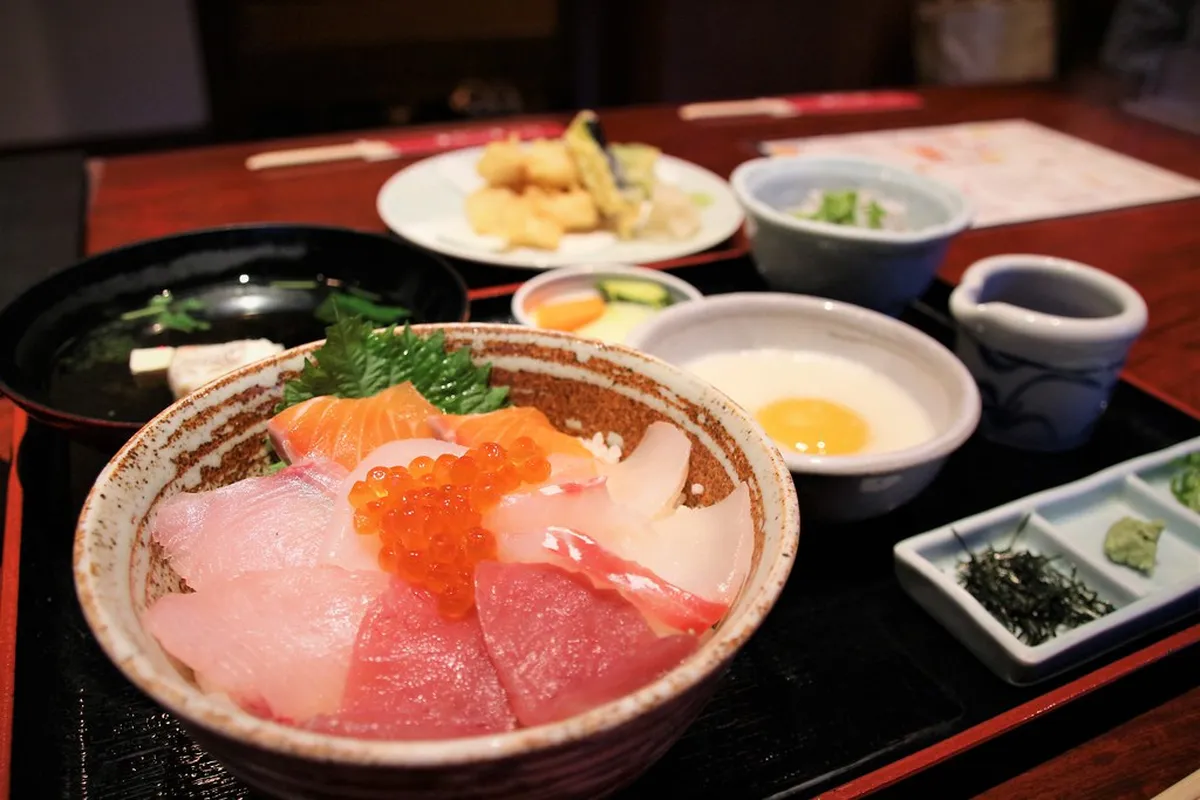
Matsuyama Food Guide: What to Eat in 2026
Discover Matsuyama food in 2026: jakoten, taimeshi, mikan citrus, and Botchan dango, plus where and when to eat in Ōkaidō, Gintengai, and Dōgo.
On this page
Matsuyama food centers on humble, coastal Ehime cooking that rarely makes a big show of itself. Sea bream rice, deep-fried fish cakes, and citrus desserts fill the covered arcades of central Matsuyama every day of the year. Planning a matsuyama food trip in 2026 means timing meals around covered arcades, a historic onsen town, and Ehime's citrus harvest. This guide covers what to eat, where locals go, and the best time to visit Matsuyama for food.
Last updated July 2026.
Iconic Matsuyama Food You Have to Try
Ehime's most recognizable dishes revolve around fish, rice, and citrus, and Matsuyama is where you find nearly all of them under one roof. Local menus repeat five or six names again and again, so it helps to know what each one actually is before you sit down. None of these dishes needs a reservation or a special occasion, just an appetite and a willingness to wander the arcades.
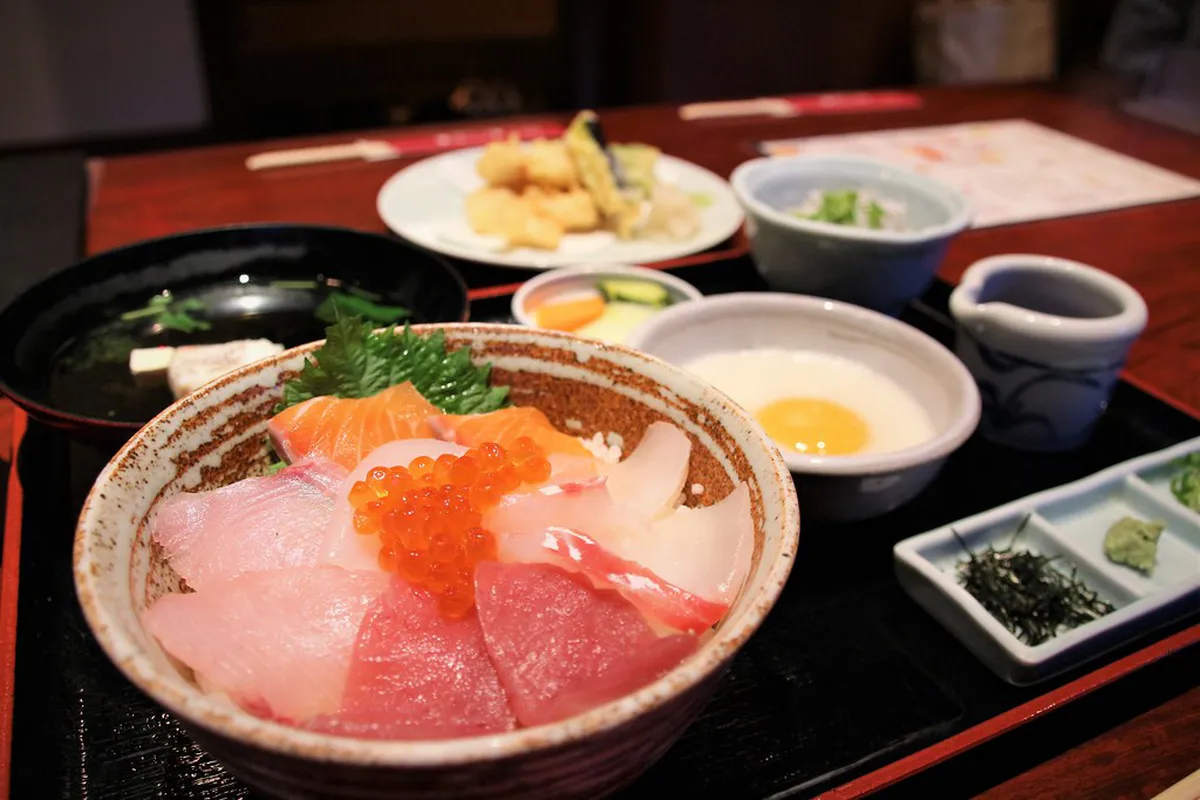
Order taimeshi as a shareable pot if you are traveling with others, since portions run generous. Jakoten pairs naturally with a cold Dōgo beer or a glass of local sake after a day of walking. Save room for taruto at the end of the meal, since bakeries sell it by the slice.
The official Matsuyama Sightseeing food guide lists seasonal specialties by month for a fuller rundown. Menus shift with the seasons, so a dish featured in spring may disappear from a shop by autumn.
Taimeshi portions run generous, so order it as a shareable pot when traveling with others. Jakoten pairs naturally with a cold Dōgo beer or local sake after a day of walking through the arcades.
- Jakoten (deep-fried fish cake)
- Ground white fish gets mixed with seasoning, then deep-fried into a chewy, savory cake.
- Street stalls and izakaya sell it warm as a snack or alongside a bowl of rice.
- A squeeze of citrus or a dab of mustard brightens the mild, slightly sweet fish flavor.
- Taimeshi (sea bream rice, two regional styles)
- Around Matsuyama, cooks simmer a whole sea bream directly in a pot of seasoned rice.
- Further south in Uwajima, cooks serve raw sea bream over rice with a savory egg dressing instead.
- Both versions share the same fish but taste completely different depending on where you order them.
- Matsuyama-zushi (scattered home-style sushi)
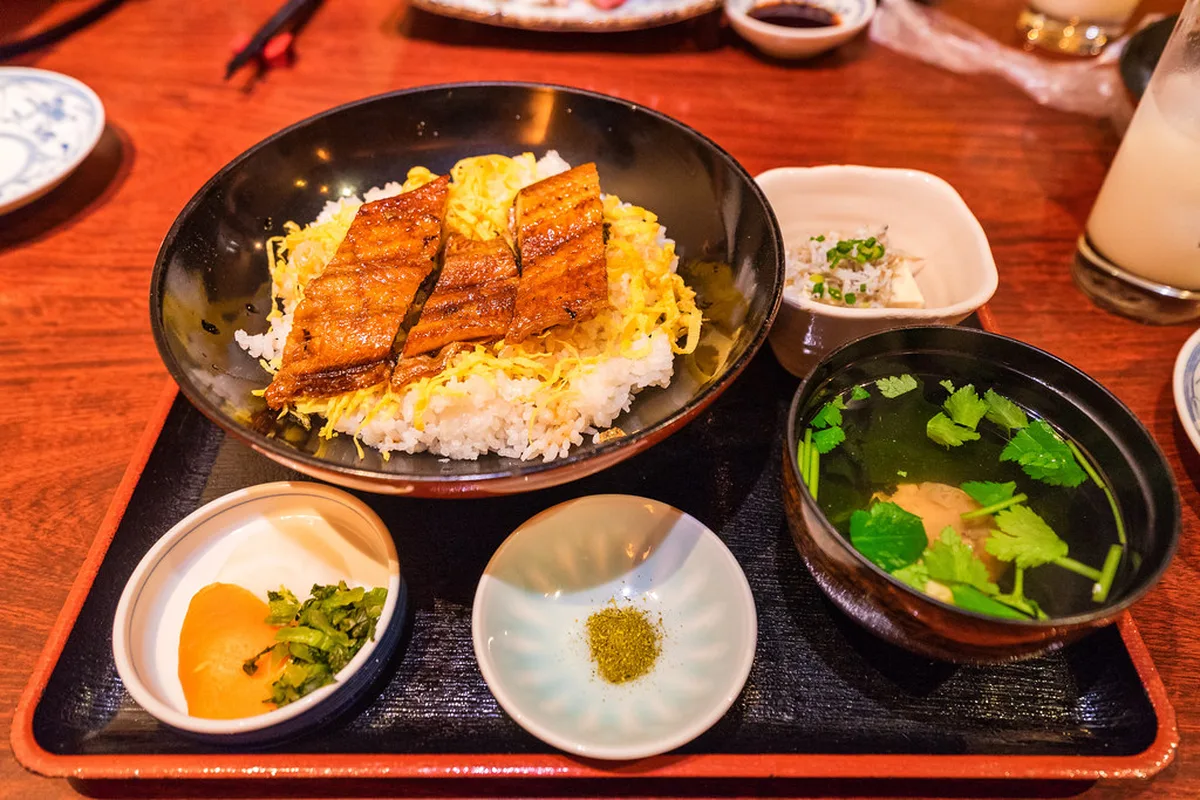
- Vinegared rice gets topped with thin egg strips, conger eel, and whatever vegetables are in season.
- Families traditionally make this dish for festivals, though many arcade restaurants now serve it daily.
- It tastes lighter and less oily than most sushi rolls sold at tourist-facing counters.
- Botchan dango (three-color sweet dumplings)
- Three dumplings, colored matcha green, egg yellow, and red bean brown, sit on one skewer.
- The name honors Natsume Soseki's novel Botchan, which is set in Matsuyama during the Meiji era.
- Shops near Dōgo Onsen sell them fresh, often paired with a cup of green tea.
- Taruto (Ehime's citrus sponge roll)
- A soft sponge cake gets rolled around sweet red bean paste flavored with local citrus zest.
- It looks more like a Swiss roll than a Western tart, despite the confusing name.
- Bakeries across the arcades sell individually wrapped slices that travel well as souvenirs.
| Dish | What It Is | Where to Try |
|---|---|---|
| Jakoten | Deep-fried fish cake made from ground white fish, chewy and savory | Street stalls, izakaya, arcade snack counters |
| Taimeshi | Whole sea bream simmered in a pot of seasoned rice (Matsuyama style) | Restaurants near Matsuyama City Station and arcades |
| Matsuyama-zushi | Vinegared rice topped with egg strips, conger eel, and seasonal vegetables | Arcade restaurants and family-style counters |
| Botchan dango | Three-color sweet dumplings (matcha, egg, red bean) on one skewer | Shops near Dōgo Onsen, often with green tea |
| Taruto | Soft sponge cake rolled with red bean paste and local citrus zest | Bakeries throughout the arcades, sold by the slice |
Mikan and Ehime's Citrus Obsession
Ehime grows more citrus than almost anywhere else in Japan, and mikan sits at the center of that identity. Beyond mikan, look for iyokan, a larger citrus that ripens in late winter. Ponkan is another local favorite, sweeter and easier to peel than a typical mikan. Ehime also bottles Pon Juice, a straight mikan juice brand sold in vending machines across Matsuyama.
Citrus flavoring turns up everywhere in Matsuyama, from soft-serve ice cream to sake, ramune, and even curry. Orchards blanket the hillsides outside the city, and several welcome visitors during the winter picking season. A short trip to see the terraced groves pairs naturally with a wider look at day trips around Ehime.
Ehime even gave mikan its own mascot, a citrus-dog hybrid named Mikyan who shows up on packaging across the prefecture. It is a small detail, but it signals just how central citrus is to local identity, not just to the food itself.
Where to Eat: Ōkaidō, Gintengai, and Dōgo
Most Matsuyama food happens along Ōkaidō and Gintengai, two connected covered arcades that run through the city center. Restaurants, izakaya, and dessert counters line both arcades, so you rarely need to plan more than a short walk between meals. Rain or summer heat barely matters here, since the roof covers almost the entire stretch.
Dōgo, home to one of Japan's oldest hot spring towns, has its own dedicated food street near the bathhouse. Botchan dango shops, dango sellers, and small dining counters cluster along the approach to the honkan building. Pair a soak with a meal by checking our Dōgo Onsen guide before you go.
A city tram connects Matsuyama City Station, the arcades, and Dōgo Onsen in under twenty minutes end to end. Single rides cost a flat fare, so hopping off for a quick jakoten snack rarely disrupts a tight schedule.
Near Matsuyama Station, newer shops add modern spins on local flavors, and queues can form well before opening on weekends. Treat any posted opening hours as a guideline and arrive early if a specific stall has a following.
Sake, Dōgo Beer, and Autumn Food Traditions
Every autumn, groups gather along the Ishite River for imotaki, an outdoor taro hotpot cooked in large communal pots. The hotpot mixes taro, chicken, konjac, and mushrooms in a soy-based broth simmered over an open fire. Locals treat it as a seasonal social ritual as much as a meal, often lasting several hours into the evening.
Ehime's brewers produce sake using mineral-rich water drawn from the slopes of Mount Ishizuchi. Saijo, a town northeast of Matsuyama, is often called a sake town for its cluster of small breweries. Many shops in the arcades stock local labels by the bottle or the tasting cup.
Dōgo Beer, a small craft brewery near the onsen, brews a rotating lineup that sometimes includes a citrus-inflected pale ale. Autumn food festivals occasionally set up near Shiroyama Park, the green space around Matsuyama Castle. Check event listings before visiting, since these gatherings do not run on a fixed yearly calendar.
How Much Matsuyama Food Actually Costs
Matsuyama food skews affordable compared with dining in Tokyo or Osaka, especially away from hotel restaurants. A jakoten snack or a skewer of Botchan dango costs about the same as a convenience-store treat. A sit-down taimeshi lunch runs closer to a standard rice-bowl restaurant meal anywhere else in Japan.
Budget travelers can eat well by sticking to arcade stalls and grabbing snacks between sightseeing stops. Anyone wanting a sit-down taimeshi experience in an earthenware pot should budget extra time, not just extra money, since good spots fill up. Prices and menus change often enough that checking a current source before your trip beats relying on an old blog post.
Families traveling with kids will find plenty of mild options too, since taimeshi and matsuyama-zushi rarely carry much spice. For a deeper dive into current menus and seasonal pricing, see the Japan Travel guide to Ehime food.
Many arcade shops close earlier than in Tokyo or Osaka, often mid-afternoon around Dōgo Onsen. Confirm hours in advance and arrive early to popular stalls, especially on weekends, to avoid disappointment.
A Simple One-Day Matsuyama Food Itinerary
Mornings work best for a slow start in the arcades, before lunch crowds fill the best-known counters. Begin with a light bite near Matsuyama City Station, then walk the covered arcades toward Ōkaidō. Save the biggest meal of the day for early afternoon, when kitchens are fully staffed and less rushed.
This loop works on foot and tram alone, so skip renting a car for a single food-focused day. Check Matsuyama's trams and buses for tram routes and fares before you set out. Build in slack between stops, since good queues and slow service are part of the experience, not a failure of planning.
Avoid saving taimeshi for a late dinner, since some of the best pots sell out by early evening. Skipping breakfast to save room for lunch usually backfires, because arcade portions run smaller than a full meal.
- Morning: arcade breakfast
- Start with coffee and a pastry from a bakery inside the Gintengai arcade.
- Pick up a small taruto slice here if you want a sweet snack for later.
- Midday: taimeshi lunch
- Head to a restaurant near the station or the arcades for a shareable taimeshi pot.
- Expect a short wait at popular spots, so arrive right at opening if possible.
- Afternoon: Dōgo Onsen and dango
- Ride the tram to Dōgo, soak at the onsen, then walk the food street outside.
- Grab a skewer of Botchan dango and a citrus soft serve while you stroll.
- Evening: sake and jakoten
- Settle into an izakaya back in the arcades for jakoten and a glass of local sake.
- End with mikan-flavored dessert or a scoop of citrus soft serve if you still have room.
Explore Matsuyama Food and Dining
Use these guides to compare local dishes, dining areas and practical food experiences in Matsuyama.
Building the rest of the trip? Our Matsuyama attractions guide covers the sights, districts and logistics around this guide.
Explore food guide in other cities
Frequently Asked Questions
What is the most famous Matsuyama food to try first?
Taimeshi, sea bream cooked with rice, is the dish most closely tied to Matsuyama and worth prioritizing on a short visit. Pair it with jakoten, a fried fish cake, for a fuller taste of Ehime cooking. Both dishes appear on menus throughout the arcades near Matsuyama City Station.
How much time should you plan for exploring Matsuyama food?
Set aside a full day if food is your main focus, since arcade browsing and a proper taimeshi lunch both take time. A half day still works if you stick to quick bites like jakoten and Botchan dango. Add a second day if you want to include Dōgo Onsen and a sake tasting.
What should travelers avoid when eating in Matsuyama?
Avoid assuming every restaurant stays open late, since many arcade shops close earlier than in Tokyo or Osaka. Skipping breakfast to save room for a big lunch often backfires, because portions here run modest. Confirm hours in advance, especially around Dōgo Onsen where some shops close mid-afternoon.
Is Matsuyama food worth building a whole day around?
Yes, Matsuyama offers enough variety in fish, rice, and citrus dishes to fill a full day without repeating a single meal. Combine arcade eating with a stop at Dōgo Onsen for a well-rounded day that mixes food and culture. Most travelers find one dedicated food day enough before moving on to other sights.
What is the difference between Matsuyama and Uwajima taimeshi?
Matsuyama-style taimeshi cooks a whole sea bream directly in a pot of seasoned rice, giving the dish a warm, savory character. Uwajima-style taimeshi instead serves raw sea bream over rice with a savory egg-based dressing, closer to a rice bowl. Both use the same fish but taste and feel completely different.
Matsuyama food rewards travelers who slow down and eat where locals actually eat, not just where guidebooks point. Jakoten, taimeshi, taruto, and a glass of local sake tell you more about Ehime than any single sightseeing stop can. Build a day or two around these dishes, and pair it with our full our 2-day Matsuyama itinerary for the rest of your trip. By 2026, prices and hours will keep shifting, so treat every specific number here as a starting point, not a promise.
Free guide: Japan's Hidden Gems
12 under-the-radar places beyond Tokyo & Kyoto — with the best season to visit each and a local tip you won't find in the guidebooks.
You might also like


Continue reading
More guides you'll find useful