Matsuyama Itinerary: The Best 2-Day Plan for 2026
Follow our 2-day Matsuyama itinerary covering Matsuyama Castle, Dogo Onsen, and Ishite-ji temple, with tram tips, costs, and hours for your 2026 trip.
On this page
A matsuyama itinerary rewards travelers who want castles, hot springs, and citrus groves without a bullet-train scramble. This guide is built for first-time visitors mapping two days around Ehime prefecture's compact capital city. Last updated July 2026, with current tram routes and typical costs for Matsuyama Castle and Dogo Onsen.
We treat two days as the sweet spot: enough time for the castle, the arcade, and a proper onsen soak. One day works if you are passing through Shikoku, but it means skipping Ishite-ji or the scenic tram loop. Repeat visitors can use this same frame and simply swap Day 2's temple walk for a day trip instead.
Matsuyama sits on Shikoku island, reachable by plane, train, or ferry, then linked internally by a single tram network. Expect mild winters, hot humid summers, and the best light for the castle ramparts in November and April. Below you will find day-by-day timing, typical costs, and honest trade-offs competitors often skip.
Matsuyama Itinerary at a Glance (2 Days)
Here is the shape of a 2-day Matsuyama itinerary before the full hour-by-hour breakdown below. Day 1 stays north and central, covering the castle hill and the Ōkaidō and Gintengai arcades. Day 2 shifts east to the Dogo Onsen district, with Ishite-ji temple a short walk beyond it.
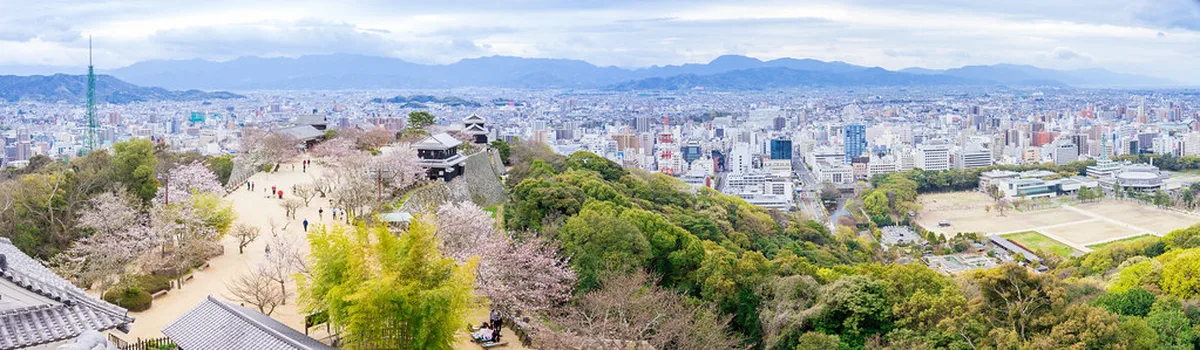
Both days use the Iyotetsu tram loop line, so you rarely backtrack across town. A one-day tram pass pays for itself after four or five rides and covers most stops here. We built this pacing for first-timers; confident planners can compress it into one long day instead.
Expect a moderate walking pace, with a few short uphill stretches near the castle ropeway station. Meals fit naturally around each stop, from arcade street food to onsen-side cafés. Below, the at-a-glance list gives the morning, afternoon, and evening focus for each day.
- Day 1: Castle heights and arcade energy
- Morning: Ropeway ride up to Matsuyama Castle
- Afternoon: Ōkaidō and Gintengai arcade wandering
- Evening: Izakaya dinner near the tram stop
- Day 2: Dogo Onsen soak and temple calm
- Morning: Dogo Onsen Honkan bath and footbaths
- Afternoon: Ishite-ji temple and stamp rally walk
- Evening: Botchan Ressha ride back to the station
A one-day tram pass pays for itself after four or five rides and covers most stops on this itinerary.
Day-by-Day Matsuyama Itinerary: Castle to Onsen
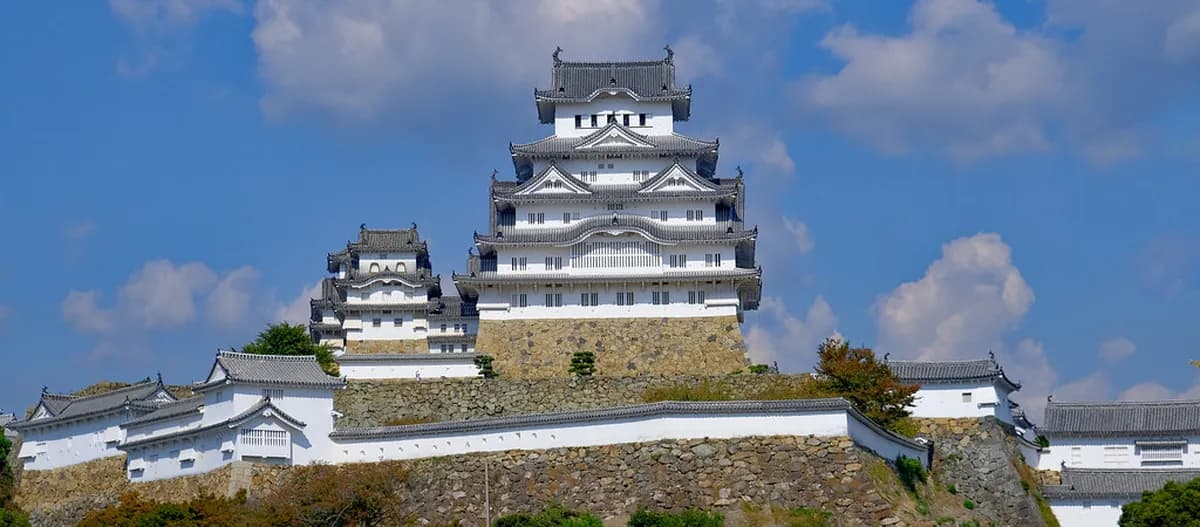
Day 1 begins at JR Matsuyama Station or your hotel, with a short tram ride toward the castle hill. Most visitors find the ropeway queue longest between 10 and 11 AM, so an earlier start helps. From the top, Matsuyama Castle's keep and ramparts reward the climb with wide views over the city. Our complete Matsuyama Castle guide covers ticket options and the walking route down through Ninomaru Garden.
Midday, the Ōkaidō shopping arcade and Gintengai covered arcades give shelter from rain and a break from walking. Try fresh mikan juice from a self-serve tap, plus tai-meshi rice for a heartier lunch stop. A local quirk worth knowing: many arcade shops close between roughly noon and 1 PM for lunch.
Day 2 moves east to Dogo Onsen, ideally with an early bath before the tour groups arrive. Our the full Dōgo Onsen guide breaks down the Honkan bathing courses and current price tiers. Ehime locals mention that the water runs close to 42°C, so ease in slowly and keep soaks short.
Afterward, Ishite-ji temple sits an easy 15-minute walk from the Dogo arcade, past small shrines and shops. Our Ishite-ji temple guide explains the pilgrimage numbering and what the treasure house fee covers. Close the day with the Botchan Ressha, the retro tram-look train that loops back toward the station.
| Day | Morning | Afternoon | Evening |
|---|---|---|---|
| Day 1 | Ropeway to Matsuyama Castle | Ninomaru Garden walk & Ōkaidō arcade | Izakaya dinner |
| Day 2 | Dogo Onsen Honkan bath | Ishite-ji temple walk | Botchan Ressha return ride |
- Day 1: Matsuyama Castle, arcade, and history
- Morning: Ropeway up to Matsuyama Castle keep
- Afternoon: Ninomaru Garden walk down, then Ōkaidō
- Evening: Tai-meshi dinner near the arcade
- Time: About six to seven hours total
- Logistics: One ropeway ticket covers lift or gondola
- Optional: Rainy day, skip ropeway, walk the trail
- Day 2: Dogo Onsen, Ishite-ji, and departure
- Morning: Early Dogo Onsen Honkan bath session
- Afternoon: Ishite-ji temple and stamp rally walk
- Evening: Botchan Ressha ride toward JR station
- Time: About five to six hours total
- Logistics: Store luggage at station coin lockers
- Optional: Budget swap, skip the treasure house
Many arcade shops close between noon and 1 PM for lunch—plan your timing accordingly or eat before the midday lull.
Getting To and Around Matsuyama by Tram
Most travelers reach Matsuyama by plane, with direct flights landing at Matsuyama Airport from Tokyo and Osaka. From Okayama, the JR Shiokaze limited express takes roughly two and a half to three hours. Our guide to getting to Matsuyama compares flights, trains, and the Hiroshima ferry option.
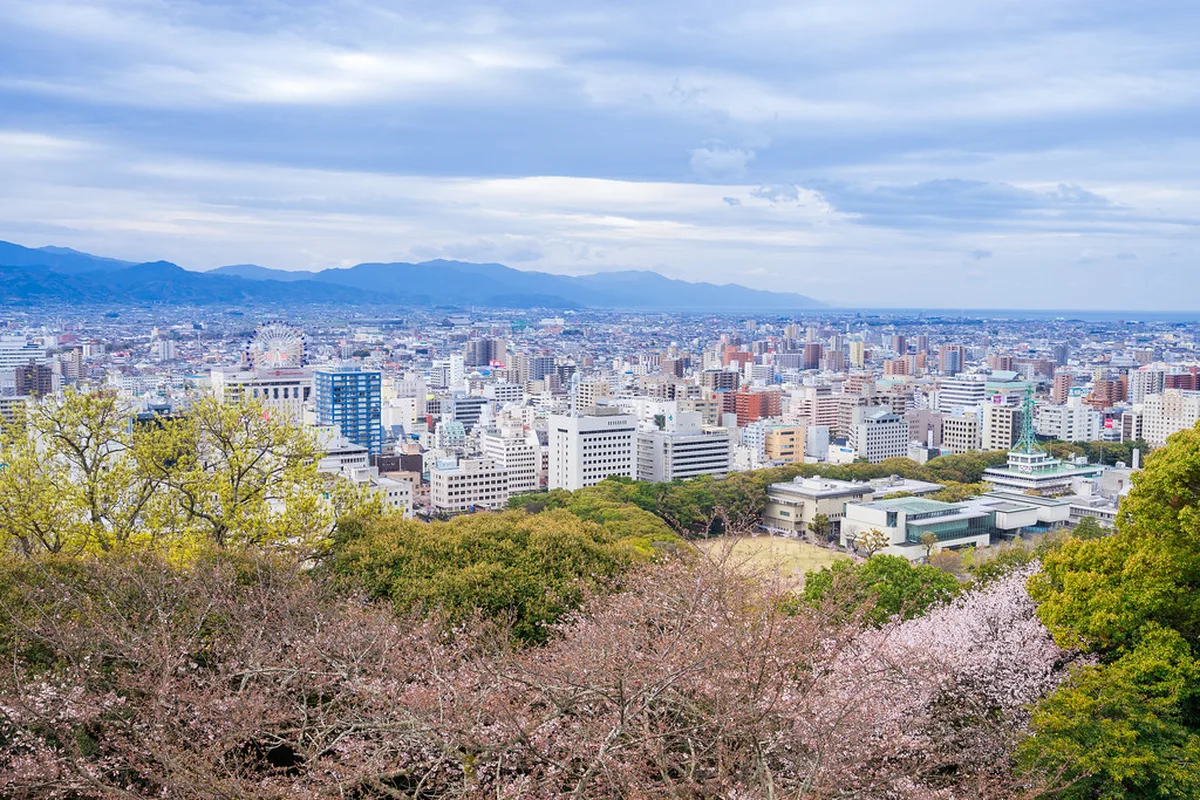
Travelers from Hiroshima can take a ferry across the Seto Inland Sea instead. Crossing times run from about one hour on a fast hydrofoil to nearly three hours on a standard ferry. A regional JR pass often pencils out if you plan more than one Shikoku train trip.
Once in the city, the Iyotetsu tram network links the station, castle area, Ōkaidō, and Dogo Onsen. Fares run a flat rate per ride, and a one-day pass covers unlimited rides on most lines. Our guide to getting around Matsuyama lists current tram routes, fares, and the Botchan Ressha timetable.
Walking works well downtown, since the castle, arcades, and station sit within roughly a 20-minute radius. Rental bicycles are available near the station for travelers who prefer pedaling over waiting for a tram. We would still budget tram fare for Dogo Onsen, since it sits farther out toward the east side.
Book in Advance: What to Reserve Ahead
Matsuyama rewards spontaneity more than most Japanese cities, but a few things benefit from planning ahead. The castle ropeway rarely needs reservations, though weekend queues build fast during cherry blossom season. Dogo Onsen's tea-room bathing course is the one booking most first-timers forget to make.
If a Iyonada Monogatari scenic train ride appeals to you, book it several weeks out through JR Shikoku. It only runs on weekends and select Mondays, and seats disappear fastest around foliage season. Everything else on this list works fine as a same-day or walk-up plan.
Confirm current hours before you go, since Japanese attractions often shift schedules around holidays and low season. A quick check on the Matsuyama Castle official site the night before saves a wasted trip. The same habit helps with Dogo Onsen, which occasionally closes sections for maintenance.
- Dogo Onsen Honkan tea-room bathing course
- Reserve this upstairs course about one to two weeks ahead through the official booking page.
- Walk-in basic bathing tickets are usually available, even when the tea-room slots sell out.
- Iyonada Monogatari scenic dining train
- Book seats several weeks ahead through JR Shikoku, especially for weekend and holiday departures.
- This weekend-only train sells out fastest during cherry blossom and autumn foliage weekends.
- Dogo Onsen private family bath rooms
- Call ahead the same morning, since only a handful of private rooms operate each day.
- Matsuyama Castle ropeway on holiday weekends
- No reservation system exists, so arrive by 9 AM to beat the first tour groups up.
Where to Stay in Matsuyama: Onsen or Downtown
Where you sleep shapes your Matsuyama itinerary more than most cities, since the city splits into two hubs. The Dogo Onsen district suits travelers who want an evening soak within walking distance of their room. Our where to stay in Matsuyama guide breaks down neighborhoods by budget and access.
Downtown near Ōkaidō suits travelers who want restaurants, konbini, and nightlife within a short walk. A well-reviewed option here is Yamatoya-Honten, a traditional inn close to the arcade and tram stops. Business hotels near JR Matsuyama Station work well for early departures or late arrivals.
Budget guesthouses cluster around Dogo Onsen too, often a few minutes' walk from the Honkan bathhouse. We would pick Dogo Onsen for a relaxed pace and downtown Ōkaidō for a livelier, walkable base. Either choice keeps you within about 15 minutes of every stop on this 2-day plan.
- Dogo Onsen district for onsen access
- Stay within a five-minute walk of the Honkan bathhouse and its footbaths.
- Best for travelers prioritizing a relaxed pace and an evening soak.
- Downtown Ōkaidō for shopping and nightlife
- Choose this hub for restaurants, konbini, and late-night arcade energy nearby.
- Best for travelers who want to walk everywhere after dark.
- Near JR Matsuyama Station for easy transit
- Pick this area if you arrive late or depart on an early train.
- Business hotels here run cheaper than comparable rooms near Dogo Onsen.
Add an Extra Day: Ehime Food and Day Trips
A third day opens up two directions: eating your way through Ehime, or riding out to Imabari. Tai-meshi, the sea bream rice dish, shows up on menus across Matsuyama and works well for an arcade lunch. Botchan dango, a three-color sweet named for the same Soseki novel, makes a good afternoon snack near the clock.
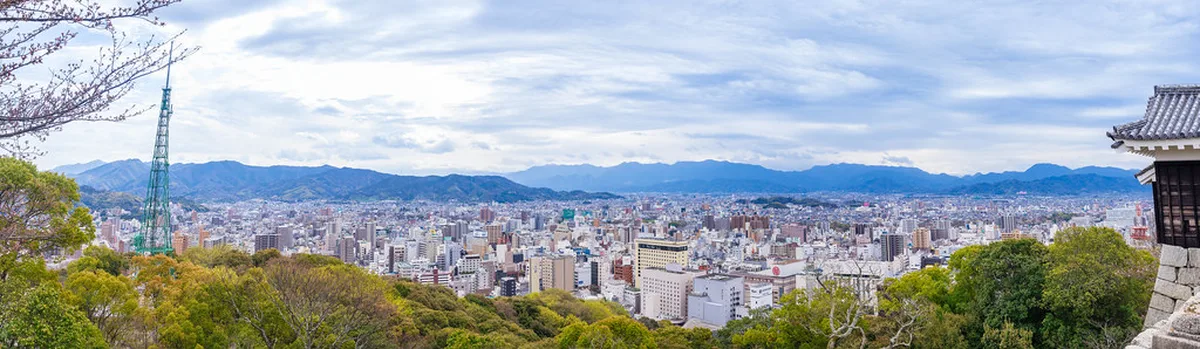
Imabari sits about 40 to 45 minutes away by JR train, and it makes a strong half-day add-on. It anchors the start of the Shimanami Kaido cycling route across the Kurushima-Kaikyo Bridge to Onomichi. Try yakibuta tamago gohan there, a grilled pork and egg rice bowl invented near the old train station. A round-trip train ticket runs roughly ¥1,500 to ¥2,000, cheaper than a rental bike day pass alone.
If you would rather stay close, Dōgo Park and the Yuzuki Castle ruins make a free half-day walk. It sits a few minutes from the onsen and gives quiet hilltop views back toward Matsuyama Castle. Our day trips from Matsuyama guide covers Imabari, Uchiko, and other add-ons in more depth.
Bonus Stops Most Itineraries Skip
Two small sights sit directly on this itinerary's route, so adding them costs almost no extra walking. The Takashimaya Kururin Ferris Wheel tops the Takashimaya department store, a short walk south of the castle hill and Ōkaidō arcade. The ride runs about 15 minutes and has been offered free to foreign visitors who show a passport at the counter; Japanese residents pay ¥800.
The Botchan Karakuri Clock stands right at the Dogo Onsen tram terminus, so Day 2 already passes it. Built in 1994 for the Honkan bathhouse's centennial, it performs on the hour from 8 AM to 10 PM, with extra half-hour shows on weekends. Neither stop needs a reservation or extra tram fare beyond what this itinerary already covers.
Frequently Asked Questions
Is one day enough, or should you build a 2-day Matsuyama itinerary?
One day covers Matsuyama Castle and Dogo Onsen if you move briskly and skip the temple walk. Two days lets you add Ishite-ji and a slower arcade lunch without rushing. We recommend two days for first-time visitors and one day for a quick Shikoku stopover.
How do you get around Matsuyama without a car?
The Iyotetsu tram network connects the station, castle area, downtown arcades, and Dogo Onsen directly. A flat per-ride fare applies, and a one-day pass covers unlimited rides across most lines. Walking works fine downtown, since most central stops sit within a 20-minute radius.
What is Dogo Onsen's connection to Spirited Away?
Dogo Onsen is widely cited as an inspiration for the bathhouse in Studio Ghibli's Spirited Away film. The wooden Honkan building dates to the 1890s and remains a working public bathhouse today. Visit early morning or evening for a quieter soak, since midday gets crowded with tour groups.
Do I need to book Matsuyama Castle tickets in advance?
No, Matsuyama Castle tickets and ropeway rides are sold on-site with no reservation system. Arrive before 9:30 AM to beat the tour buses, especially during cherry blossom season. Keep admission runs roughly a few hundred yen, with hours generally following a 9 AM to 5 PM pattern.
What is the best day trip to add to a Matsuyama itinerary?
Imabari makes the strongest add-on, reachable by JR train in about 40 to 45 minutes. It anchors the Shimanami Kaido cycling route and is known for yakibuta tamago gohan. Budget travelers can instead add a free half-day at Dōgo Park and the Yuzuki Castle ruins.
Two days gives you Matsuyama Castle, Dogo Onsen, and Ishite-ji without feeling rushed between stops. Add a third day only if Imabari's cycling route or a slower food crawl genuinely appeals to you. Either way, the tram network keeps logistics simple across the whole trip.
Book only the handful of items on our advance list, then leave room to wander the arcades. This pacing has worked well for first-time visitors and repeat travelers passing back through Shikoku. Use this matsuyama itinerary as a flexible frame, not a fixed schedule to race through.
For the full city overview, see our complete guide to the best things to do in Matsuyama.
Free guide: Japan's Hidden Gems
12 under-the-radar places beyond Tokyo & Kyoto — with the best season to visit each and a local tip you won't find in the guidebooks.
You might also like


Continue reading
More guides you'll find useful