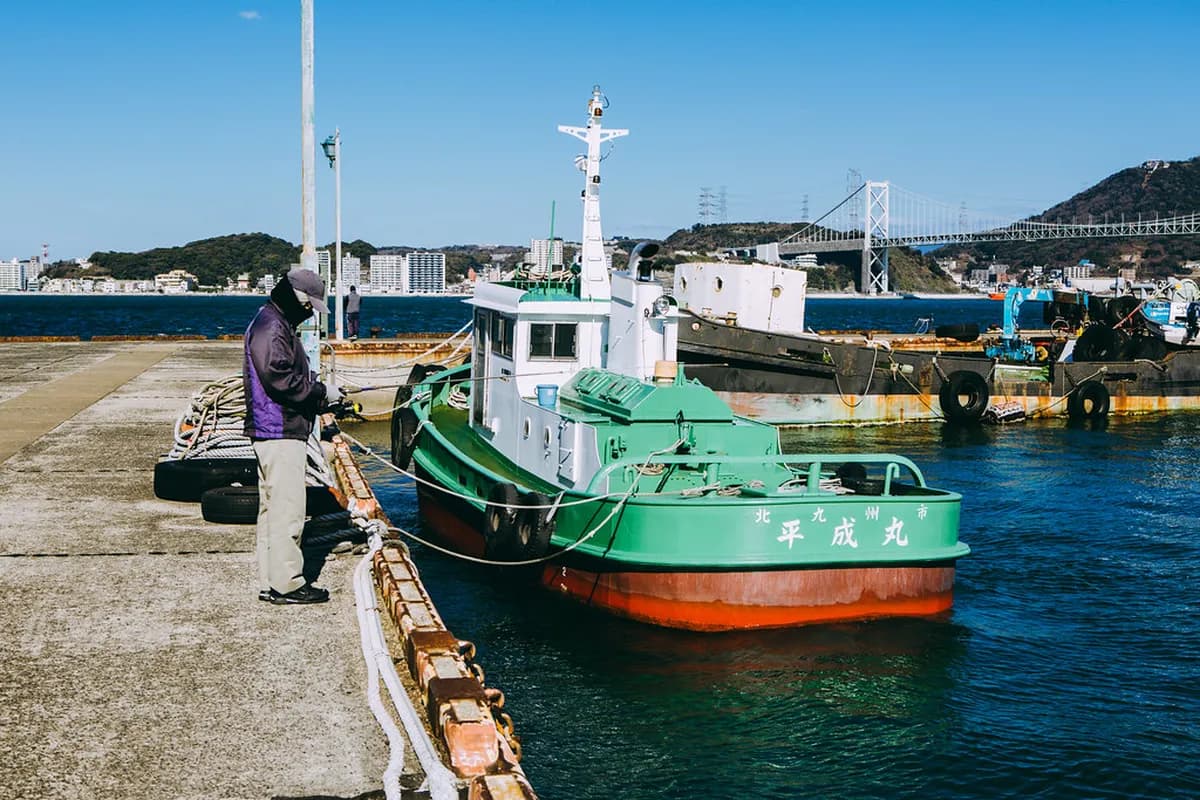
2-Day Kitakyushu Itinerary: Kokura to Mojiko (2026)
Follow this 2-day kitakyushu itinerary from Fukuoka: Kokura Castle, Mojiko Retro, night views, train costs, and where to stay. Plan your trip now.
On this page
This kitakyushu itinerary is built for first-time visitors who want two full days without wasted transfers. We map castle grounds, retro port streets, and a mountaintop night view into one smooth route. Kitakyushu sits at the northern tip of Kyushu, about 15 minutes from Fukuoka's Hakata Station by Shinkansen.
Last updated July 2026, this guide pairs current train fares with real opening-hour patterns. In our view, two days let you see Kokura's castle district and Mojiko's harbor without rushing either one. One honest trade-off: skip the overnight and you'll lose the night view or the harbor crossing, not both.
We also flag a spring-only swap: Kawachi Fuji Garden's wisteria tunnels need a timed ticket months ahead. For more sights beyond this route, see our Kitakyushu attractions guide. Trains, the monorail, and short walks cover every stop, so you won't need a rental car.
Kitakyushu Itinerary at a Glance: 2 Days from Fukuoka
This two-day route balances Kokura's castle history with Mojiko's retro harbor charm. Day 1 stays inside Kokura, so you can walk everywhere without a taxi. Day 2 shifts north to Mojiko, then across the strait for a quick look at Shimonoseki.
Morning starts are worth protecting, since both castle grounds and harbor streets get busy by midday. We'd suggest an early departure from Fukuoka so you land in Kokura before 9:00 AM. That head start keeps you ahead of tour groups at both Kokura Castle and Mojiko Retro.
If wisteria season overlaps your trip, mid-April through early May, plan a third day for Kawachi Fuji Garden. Outside that window, two days cover this route comfortably without feeling rushed. The list below breaks each day into morning, afternoon, and evening blocks.
- Day 1: Castle history and riverside markets
- Morning: Kokura Castle grounds and gardens
- Afternoon: Riverwalk shops and Tanga Market
- Evening: Sarakura-yama ropeway night view
- Day 2: Retro port town and strait views
- Morning: Mojiko Retro station and harbor walk
- Afternoon: Yaki curry lunch and Kaikyo Tower
- Evening: Ferry crossing toward Shimonoseki sunset
Your 2-Day Kitakyushu Itinerary, Hour by Hour
Kokura Castle opens at 9:00 AM, with combined castle and garden admission around 700 yen. We've noticed the courtyard stays quiet until about 10:00 AM, before Hakata tour groups arrive. From the castle, it's a flat ten-minute walk into the Riverwalk shopping and dining complex.
Tanga Market sits a short walk past Riverwalk, with stalls trading seafood from about 5:00 AM to 6:00 PM. Grab grilled skewers or fresh sashimi here for a cheap lunch before the afternoon push north. Backtracking stays minimal if you loop from the castle through Riverwalk and into the market.
In the evening, a local bus or taxi climbs to Sarakura-yama, where the ropeway costs about 1,200 yen round trip. Sarakura-yama ranks among Japan's new three major night views, alongside Nagasaki and Hakodate. We'd ride up before sunset to catch both the fading light and the full night skyline.
The JR Kagoshima Line links Kokura to Mojiko in about 15 minutes for roughly 280 yen. Mojiko Retro's brick warehouses and the 1914 station building are free to enter. Yaki curry plates typically run 800 to 1,200 yen at the district's retro cafes. We've found the lunch queue forms by 11:30 AM, so an earlier visit saves time.
The Kaikyo Tower observation deck costs about 900 yen and stays open until 8:00 PM. From the pier, a short ferry crosses to Shimonoseki in about five minutes for 400 yen. Boats run roughly every 20 minutes until early evening, so timing stays flexible. We'd catch an earlier crossing if you want daylight over the Shimonoseki fish market.
- Day 1: Kokura Castle to Sarakura-yama Night View
- Morning: 9:00 AM, walk Kokura Castle grounds
- Afternoon: Riverwalk shops, then Tanga Market lunch
- Evening: Sarakura-yama ropeway for the night view
- Time: About 20 minutes castle to riverside
- Logistics: 15-minute walk, JR Kokura Station start
- Optional: Skip ropeway, add Kokura Manga Museum
- Day 2: Mojiko Retro to Shimonoseki Crossing
- Morning: Mojiko Retro Station and harbor walk
- Afternoon: Yaki curry lunch, then Kaikyo Tower
- Evening: Ferry to Shimonoseki, sunset over strait
- Time: About 15 minutes Kokura to Mojiko
- Logistics: Buy a return ferry ticket dockside
- Optional: Add Kanmon Straits Museum on rain days
Getting to Kitakyushu from Fukuoka: Trains and Costs
The Sanyo Shinkansen links Fukuoka's Hakata Station to Kokura in about 15 minutes. A one-way non-reserved seat runs close to 1,900 yen, depending on the train. The JR limited express takes about 40 minutes and costs roughly 2,640 yen. Driving takes closer to two hours, so the train stays the faster, simpler choice.
Once in Kokura, our step-by-step guide to reaching Kitakyushu covers ticket machines and IC cards. The Kitakyushu Monorail connects Kokura Station to the city hall observation deck in under five minutes. Local buses and the monorail cover most Day 1 stops, so a taxi is rarely necessary.
Most guides list Kokura Castle, Riverwalk, and Tanga Market as separate errands, which wastes walking time. We route them as one loop from the station, so you never backtrack over the same block. This shaves close to 30 minutes off a typical first visit, based on the walking distances above.
Where to Stay in Kitakyushu: Kokura vs. Mojiko
We'd base a two-day trip in Kokura, since every Day 1 stop sits within a 15-minute walk. It also puts you closest to the JR and Shinkansen platforms for an early Day 2 start. Kokura's business hotels cluster near Riverwalk, so rooms book up fast during wisteria season.
Mojiko Retro trades convenience for atmosphere, with harborside inns inside restored Taisho-era buildings. Staying here means you catch the harbor lights after the day-trip crowds head back to Fukuoka. Book at least a month ahead for weekend stays between March and May.
Either base works for a same-day return to Fukuoka, since both sit under 20 minutes from a JR line. Budget travelers can also stay in Fukuoka and treat this whole route as a long day trip. We only recommend that option if you're comfortable with an early departure and a late return.
- Kokura Station Area: convenient home base
- Business hotels here run about 8,000 to 14,000 yen per night in 2026.
- You get a direct five-minute walk to Kokura Castle and Riverwalk shops.
- This area suits travelers who want the shortest walk to trains each morning.
- Mojiko Retro Area: quieter harbor stay
- Guesthouses and small hotels average 9,000 to 16,000 yen per night here.
- Waking up steps from the harbor suits couples chasing sunrise photos over the strait.
- Fewer late-night dining options exist, so plan an early dinner before shops close.
Book in Advance: Timed Tickets in Kitakyushu
Kitakyushu rarely needs advance bookings, but a few stops reward planning ahead. The biggest exception is Kawachi Fuji Garden, open only during its short wisteria season. Tickets sell out on peak weekends, since the garden caps its daily visitor count. Fares and hours shift year to year, so confirm specifics on each official site before you go.
Sarakura-yama's ropeway and cable car take no reservations, but a late arrival can leave you stranded. We'd check the last-ascent time on the official schedule the morning of your visit. Hours shift with sunset, so summer nights allow a later climb than winter ones.
Mojiko Retro's Kaikyo Tower rarely needs a reservation outside Golden Week and summer weekends. During those peaks, book a timed slot online to skip the ground-floor queue. Outside those windows, walk-up tickets work fine for this observation deck.
- Kawachi Fuji Garden: spring wisteria tunnels
- Book timed entry tickets online about 2 to 4 weeks before your visit.
- The garden opens only during wisteria season, roughly mid-April through early May.
- Entry runs 500 to 1,500 yen depending on bloom conditions that week.
- Sarakura-yama Ropeway: last ascent timing
- No advance reservation exists, but arrive 90 minutes before the last ascent.
- The last cable car up typically runs around 9:30 PM on clear nights.
- Weekend queues can add a 20 to 30 minute wait at the base station.
- Mojiko Retro Kaikyo Tower: observation deck
- Same-day tickets are usually enough outside major holiday weekends.
- Buy tickets early during Golden Week, since queues can exceed 30 minutes.
- The deck closes earlier in winter, often by 7:00 PM instead of 8:00 PM.
Add an Extra Day: Kawachi Fuji Garden in Spring
If you visit between mid-April and early May, add a half-day for Kawachi Fuji Garden's wisteria tunnels. The private garden sits about 40 minutes from Kokura Station by bus, plus a short uphill walk. Book your timed ticket well ahead, since this single stop can fill an entire morning.
Outside wisteria season, we'd add a half-day at Hiraodai Karst Plateau instead, for limestone hills and cave walks. Both extensions pair naturally with Day 1, since they sit on the same side of the city. Either add-on turns this into a relaxed three-day trip instead of a packed two-day one.
If your schedule only allows one day, most of this route still works as a single day trip from Fukuoka. Catch the first Shinkansen out and the last express back to fit both towns in one day. You'll just trade the Sarakura-yama night view and the extra day for an earlier finish.
Frequently Asked Questions
Is Kitakyushu worth a day trip from Fukuoka?
Yes, Kitakyushu works well as a day trip from Fukuoka, since the Shinkansen ride takes about 15 minutes. Catch an early train and you can cover Kokura Castle, Riverwalk, and Tanga Market before dinner. Staying overnight simply adds the Sarakura-yama night view and a relaxed Mojiko Retro morning.
How many days do you need for a Kitakyushu itinerary?
Two days covers the highlights comfortably: Kokura's castle district on Day 1 and Mojiko Retro's harbor on Day 2. One day works if you compress the route and skip the night view. Three days leaves room for a wisteria-season side trip to Kawachi Fuji Garden.
Where is Kitakyushu located in Japan?
Kitakyushu sits at the northern tip of Kyushu, directly across the Kanmon Straits from Shimonoseki in Honshu. It's about 15 minutes from Fukuoka's Hakata Station by Shinkansen. Kokura Station serves as the main gateway for this itinerary.
When is the best time to see the Kawachi Fuji Garden wisteria?
Kawachi Fuji Garden's wisteria tunnels typically bloom from mid-April through early May, though exact dates shift yearly. Book a timed ticket two to four weeks ahead, since daily entry is capped. Outside this window, the garden closes to visitors entirely.
Do you need a car to see Kitakyushu's main sights?
No, you don't need a car for this itinerary, since trains, the monorail, and short walks cover every stop. Kokura Station connects to Mojiko in about 15 minutes by local train. A car mainly helps if you add the Hiraodai Karst Plateau extension.
This kitakyushu itinerary gives first-timers two full days that flow from castle grounds to a harbor crossing. Locking in the Kawachi Fuji Garden ticket early is the one booking that can make or break a spring trip. Everything else here runs on walk-up tickets and frequent trains.
For more Kyushu trip ideas once you've mapped Kitakyushu, browse our Japan travel guides. Whether you stay two days or compress this into one, Kokura and Mojiko reward an early start.
Free: The Fukuoka Essentials guide
Top things to do, where to stay, a perfect day plan, getting around, and the best time to go — a Fukuoka mini-guide you can take offline.
You might also like

Continue reading
More guides you'll find useful