
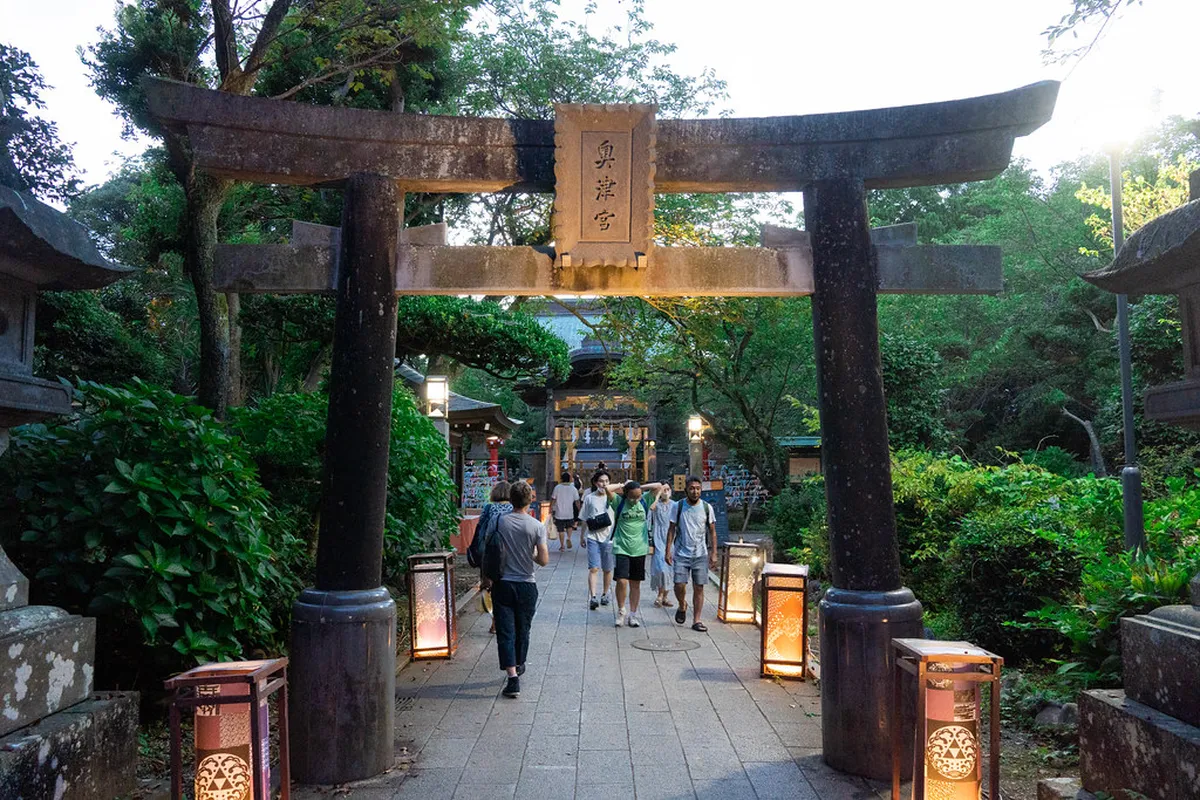
Enoshima Shrine
Three-shrine complex to the sea goddess Benzaiten spread across Enoshima island.
Visitor guide →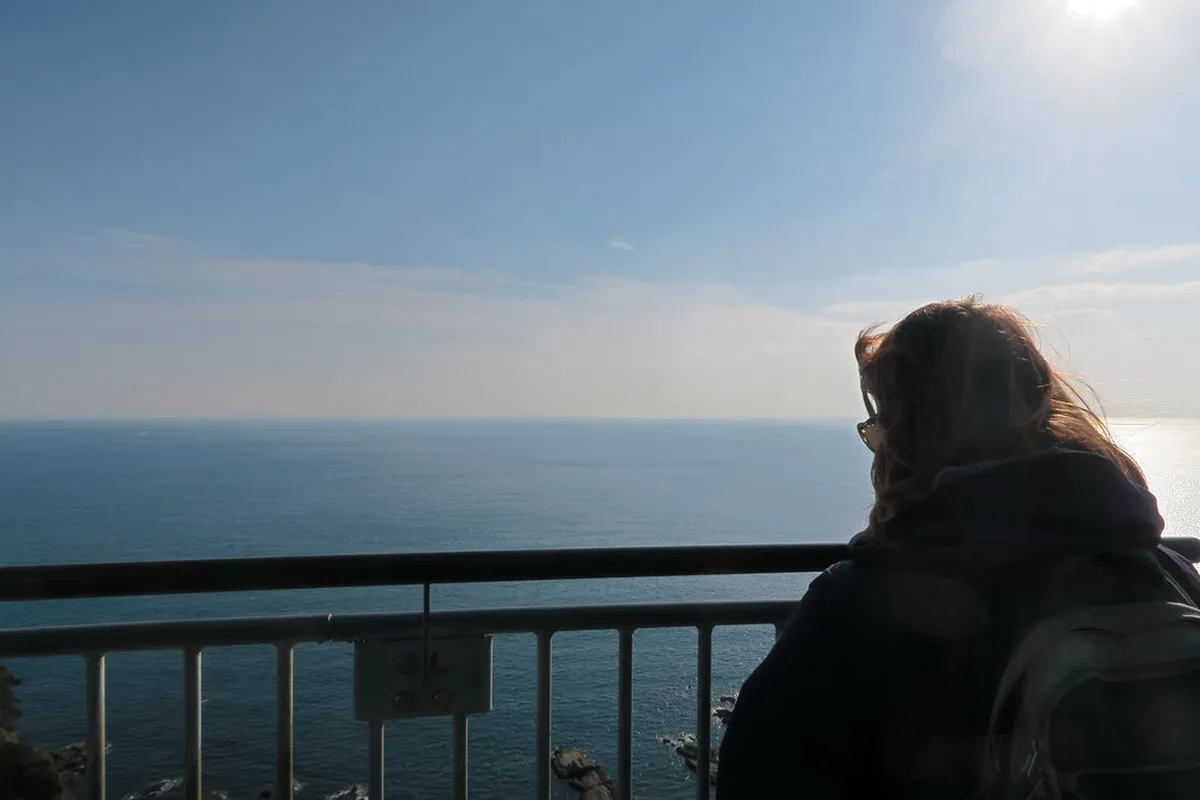
The best things to do in Enoshima for 2026: shrine, Sea Candle, Iwaya Caves, aquarium and Benten Bridge — verified prices, a walking itinerary and how to get there from Tokyo and Kamakura.
Enoshima is a small, sacred island on Japan's Shonan coast — barely 4km around, yet packed with enough shrines, sea caves, gardens and ocean views to fill a full day. It sits just off the mainland at Fujisawa, an hour from Shinjuku, which makes it one of the easiest seaside day trips from Tokyo and a natural pairing with neighbouring Kamakura. The whole island is walkable, climbing from the bridge at sea level up past the three halls of Enoshima Shrine to the Sea Candle observation tower, then dropping down the far side to the wave-carved Iwaya Caves.
This guide covers the things to do on Enoshima island itself — the shrine, the Sea Candle and Samuel Cocking Garden, the Iwaya Caves, the aquarium across the bridge, and Benten Bridge — with verified 2026 prices, opening hours, a suggested walking route and exactly how to get there. Each of the five sights below links to a full visitor guide; this page is your starting point for planning the day.
Three-shrine complex to the sea goddess Benzaiten spread across Enoshima island.
Visitor guide →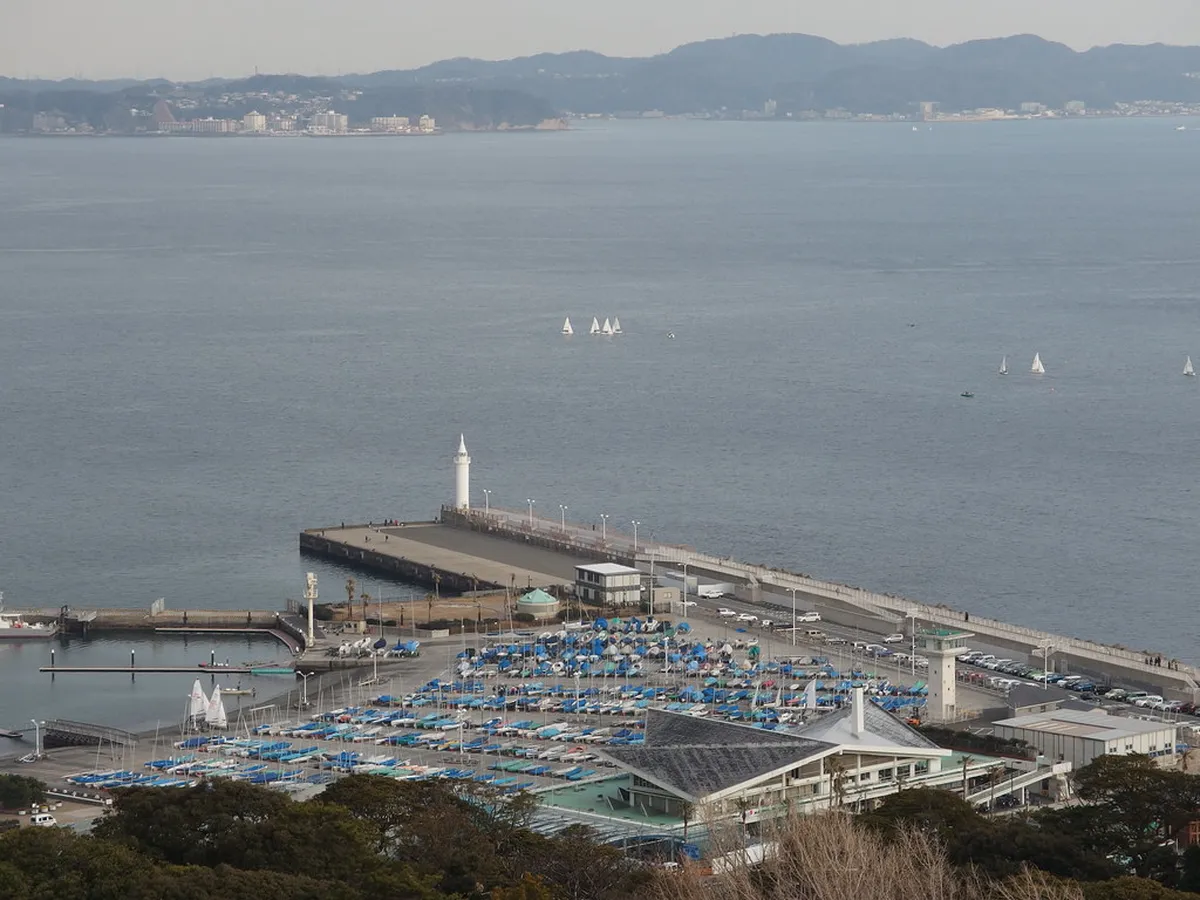
Observation lighthouse in Samuel Cocking Garden with 360° Shonan and Mt Fuji views.
Visitor guide →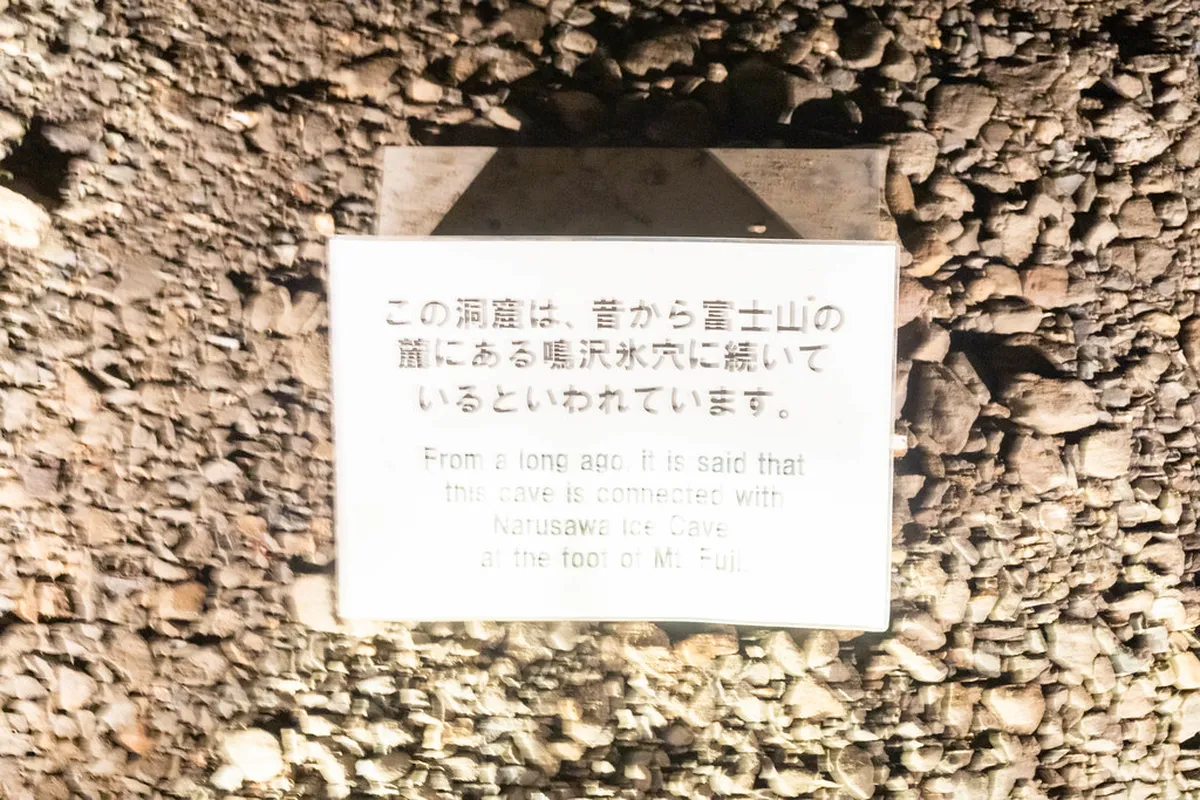
Two wave-carved sea caves at the island's tip, lit by candle lanterns, steeped in legend.
Visitor guide →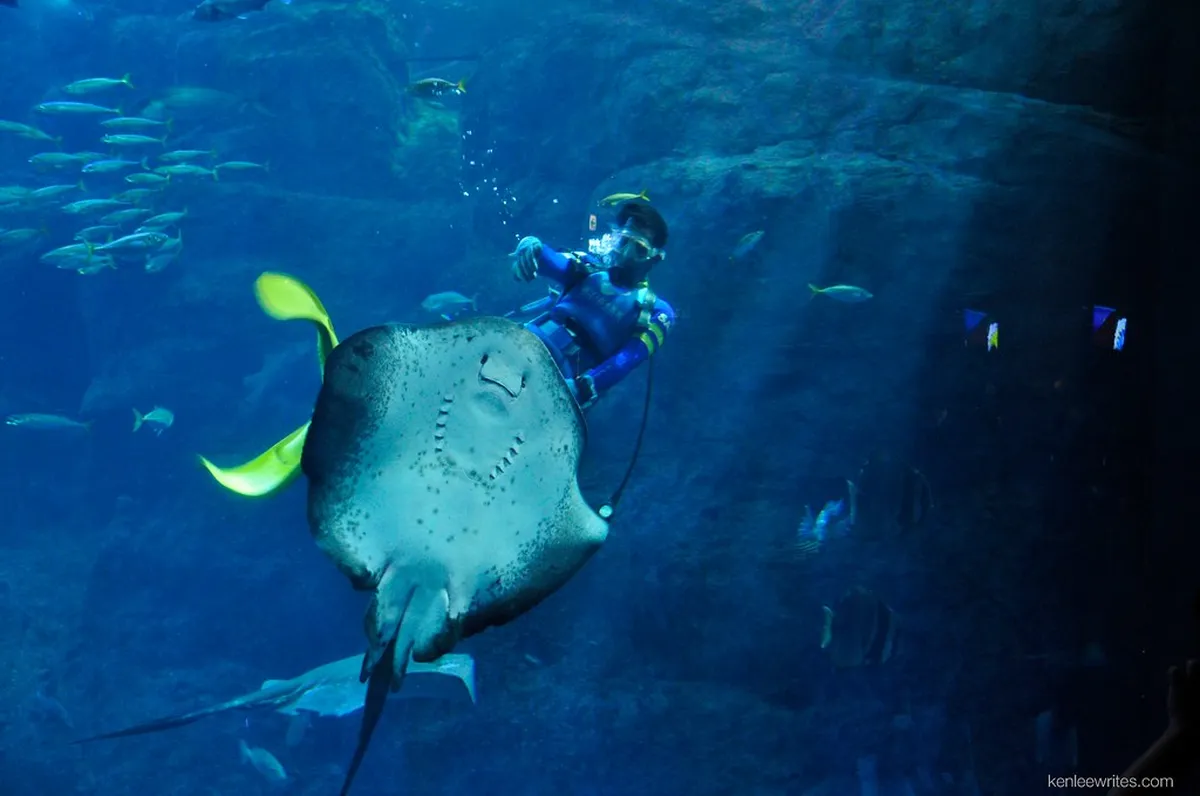
Shonan-coast aquarium known for jellyfish halls, dolphin shows and Sagami Bay tanks.
Visitor guide →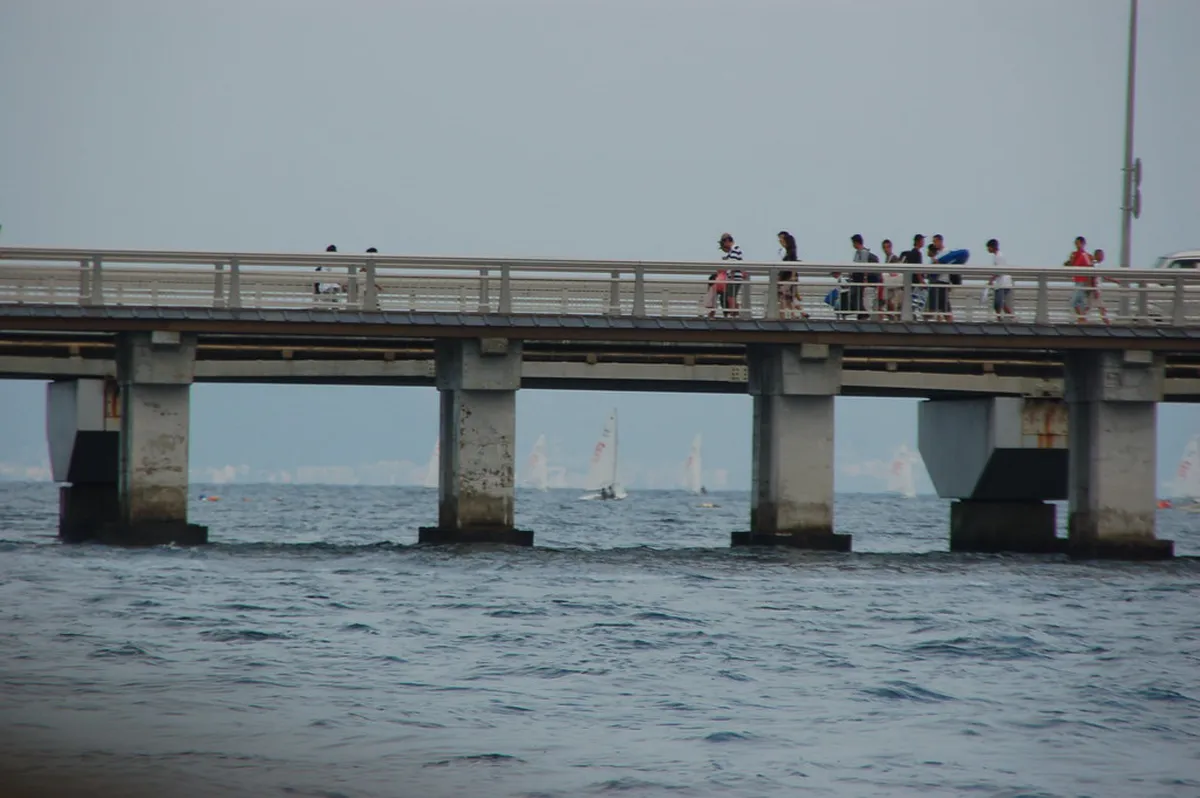
The 389m footbridge linking Katase beach to Enoshima island with Mt Fuji sunset views.
Visitor guide →Enoshima rewards a slow, uphill wander rather than a checklist sprint. Start at the foot of the island and let the route below pull you over the top and down the other side — these five sights cover the shrine, the views, the caves and the marine life, and between them they account for almost everything a first-time visitor comes for.
The spiritual heart of the island, Enoshima Shrine is not a single building but three separate halls — Hetsumiya, Nakatsumiya and Okutsumiya — dedicated to Benzaiten, the goddess of music, water and good fortune. They are spread along the climb from the bottom of the island to near the top, so you pass them in sequence as you walk. The shrine grounds are free to enter and open at all hours, though the smaller worship halls and the famous naked-Benzaiten statue keep daytime hours. It's the obvious first stop after you cross the bridge. Read the full Enoshima Shrine visitor guide for the route between the three halls.
The Enoshima Sea Candle is a 60m observation lighthouse at the island's summit, sitting inside the Samuel Cocking Garden, a botanical garden built on the estate of a 19th-century British merchant. From the open-air viewing deck you get a 360° panorama: Mt Fuji to the west, the Miura Peninsula to the east, and Oshima island out at sea. Admission to the Sea Candle is ¥500 (open 9:00–20:00, last entry 19:30); the garden is free until 17:00, after which a fee applies for the evening illumination. In winter, the garden hosts the dazzling Shonan no Hoseki "jewel" illumination. See the Sea Candle and garden guide for the best photo timing.
At the far southern tip of the island, below the cliffs, the Iwaya Caves are two wave-carved sea caves steeped in legend — said to be where the priest Kūkai and others came to meditate. You're handed a candle lantern to explore the dim, dripping interior, which reaches back to small shrines and a dragon statue. Admission is ¥500 for adults and ¥200 for children. Getting here means walking right over the island and down a coastal path, so the caves naturally cap off the walking route. Details and access notes are in the Iwaya Caves guide.
The Enoshima Aquarium — locally "Enosui" — sits on the mainland beach side, a short walk before Benten Bridge rather than on the island itself, which makes it an easy add-on for families. It's known for its glowing jellyfish hall, dolphin and sea-lion shows, and a huge Sagami Bay tank recreating the waters just offshore. It's a strong rainy-day option and pairs well with the beach. Plan your visit with the Enoshima Aquarium guide.
Benten Bridge is the 389m footbridge (running alongside a road bridge) that links Katase beach on the mainland to Enoshima island — your gateway on and off. It's worth lingering on for the view back at the island's silhouette and, on a clear evening, Mt Fuji framing the sunset behind it. Crossing is free and takes about ten minutes on foot. More in the Benten Bridge guide.
One of Enoshima's appeals is how much costs nothing. You can have a full, satisfying visit without buying a single ticket — and then decide which paid sights are worth it.
If you only pay for one thing, make it the Sea Candle for the Mt Fuji panorama. If you're doing both the tower and the caves, the combination pass below is cheaper than buying them separately.
Enoshima is best done as one continuous loop on foot, bottom to top to far tip. A relaxed half-day route:
Allow three to five hours for the full loop. Many visitors fold Enoshima into a longer day with Kamakura — see our Enoshima from Kamakura day trip for how to combine both in one outing.
Enoshima is genuinely easy to reach, which is half its appeal as a Tokyo day trip.
From any of the three nearby stations (Katase-Enoshima, Enoshima, Shonan-Enoshima) it's a 10–20 minute walk to Benten Bridge. For deeper planning, our full Enoshima attractions blog guide and Enoshima day trip from Tokyo walk through routes, timings and where to eat.
Enoshima is a year-round destination, but the experience shifts noticeably by season. Late spring and early summer bring clear coastal weather and pair beautifully with hydrangea season in nearby Kamakura. Summer is lively and warm, with beach crowds at Katase and the Enoshima Lantern festival lighting the shrine paths at night — though it's the busiest and most humid time. Autumn offers crisp air and the cleanest Mt Fuji views from the Sea Candle. Winter is quiet and cold but rewards visitors with the Shonan no Hoseki illumination in the Samuel Cocking Garden and the year's sharpest Fuji visibility. For Mt Fuji specifically, aim for a clear morning in autumn or winter. Avoid weekends and Japanese public holidays if you can — the island and its single main street get crowded.
If you plan to visit more than one paid sight, buy the Enoshima 1-Day Pass ("eno=pass"): for ¥1,100 (¥1,500 if you include the garden after 17:00) it covers the Escar escalators, Samuel Cocking Garden, the Sea Candle and the Iwaya Caves, saving roughly ¥360 per adult versus separate tickets.
If you're arriving from Tokyo and want to see Kamakura the same day, the Enoshima-Kamakura Freepass from Odakyu bundles your round-trip rail from Shinjuku with unlimited Enoden rides and the Fujisawa–Katase-Enoshima segment (about ¥1,640 for adults from Shinjuku in 2026) — far better value than point-to-point tickets for a two-stop day. Combine either pass with the free shrine grounds, the garden before 17:00 and the bridge crossing, and a full Enoshima day stays inexpensive.
Enoshima and Kamakura sit minutes apart on the Enoden line and are almost always visited together. While this page covers the island, Kamakura adds the Great Buddha, Hasedera temple and Komachi-dori street to the day. See our Kamakura attractions guide for what to add on the mainland, and the Enoshima from Kamakura day trip for the combined route, timing and pass advice.
Allow three to five hours to walk the full island loop — bridge, shrine, Sea Candle and garden, and the Iwaya Caves — with time for a shirasu lunch. If you add the aquarium or combine it with Kamakura, plan a full day.
Yes. The grounds of all three shrine halls are free and the paths are open at all hours. Only paid attractions on the island are the Sea Candle (¥500), the Iwaya Caves (¥500 adult / ¥200 child) and the optional Escar escalators.
The easiest route is the Odakyu Enoshima Line from Shinjuku to Katase-Enoshima Station — about 70 minutes on the Limited Express Romancecar with no transfer. From there it's a 10–15 minute walk across Benten Bridge to the island.
Yes — they're 25 minutes apart on the Enoden line and are the classic combined day trip. The Enoshima-Kamakura Freepass covers the rail and Enoden rides; see our Enoshima from Kamakura day trip guide for the route.
The Enoshima 1-Day Pass (¥1,100) bundles the Escar escalators, Samuel Cocking Garden, Sea Candle and Iwaya Caves, saving about ¥360 per adult. It's worth it if you're visiting the Sea Candle and the caves together.
Shirasu — whitebait — is the island's signature dish, served either raw (nama-shirasu) or boiled over rice as shirasu-don. The main street is lined with stalls and restaurants serving it, plus grilled octopus senbei crackers.
Clear mornings in autumn and winter give the sharpest Mt Fuji views from the Sea Candle deck and from Benten Bridge at sunset. Summer haze often hides the mountain.
Yes — the Enoshima Aquarium on the mainland side, the candle-lit Iwaya Caves and the beach all appeal to children, and the Escar escalators spare little legs the uphill climb.
Use these companion guides to build your visit: the in-depth Enoshima attractions blog guide for the full sightseeing rundown, the Enoshima day trip from Tokyo for a step-by-step itinerary, and the Enoshima from Kamakura day trip if you're pairing it with the temples. Browse more Tokyo day trips for other coastal and mountain escapes. For background, see Enoshima on Wikipedia and the Fujisawa travel guide on Wikivoyage.