
Shin Enoshima Aquarium — known locally as Enosui — sits right at the base of Enoshima Island on the Shonan coast, roughly 65 km southwest of central Tokyo. It is one of Japan's most distinctive coastal aquariums, famous for its jellyfish halls, open-water dolphin shows backed by Sagami Bay, and tanks that mirror the biodiversity just offshore. This guide covers everything you need for a smooth 2026 visit: admission prices, exact train routes, two timed itineraries, the best food stops, and a practical rundown of the island's other highlights.
Most visitors combine the aquarium with Enoshima Island in a single day. The aquarium itself takes 90–180 minutes depending on your pace, leaving ample time for the shrine, observation tower, and caves before the last train home.
Discover Enoshima Aquarium (Enosui): Highlights & Must-See Exhibits
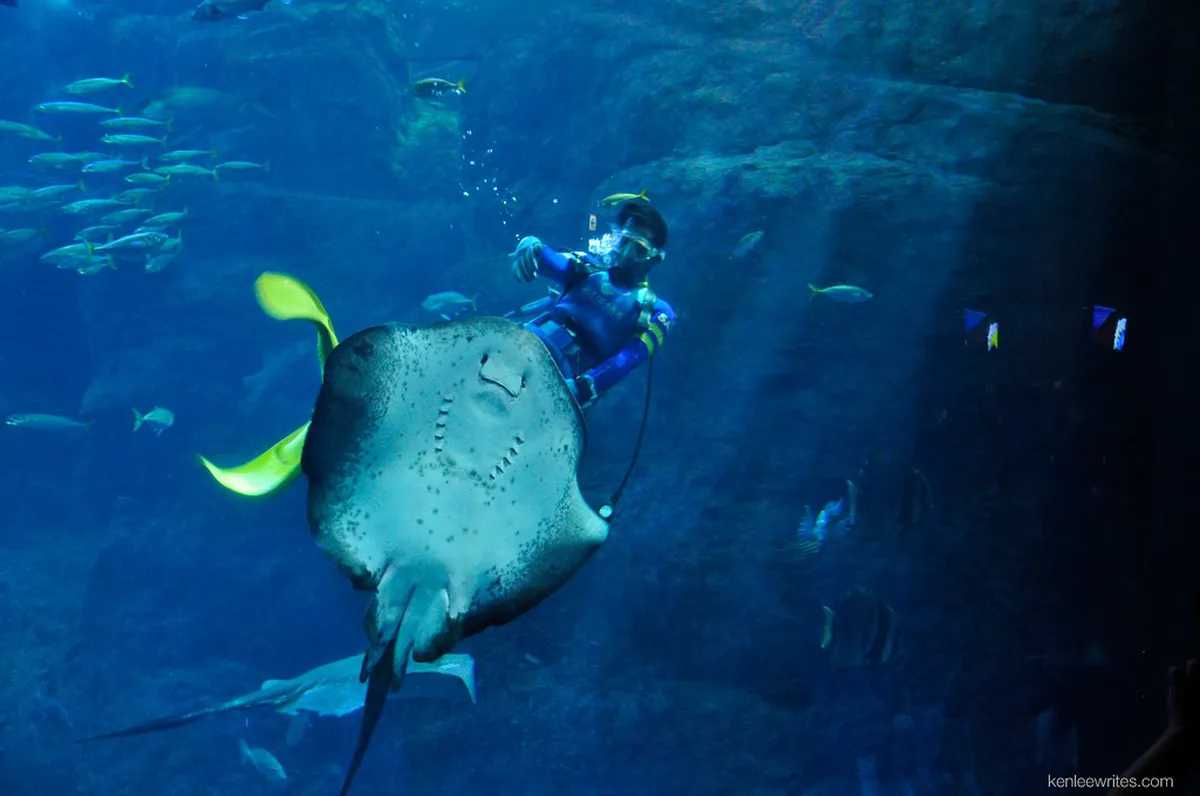
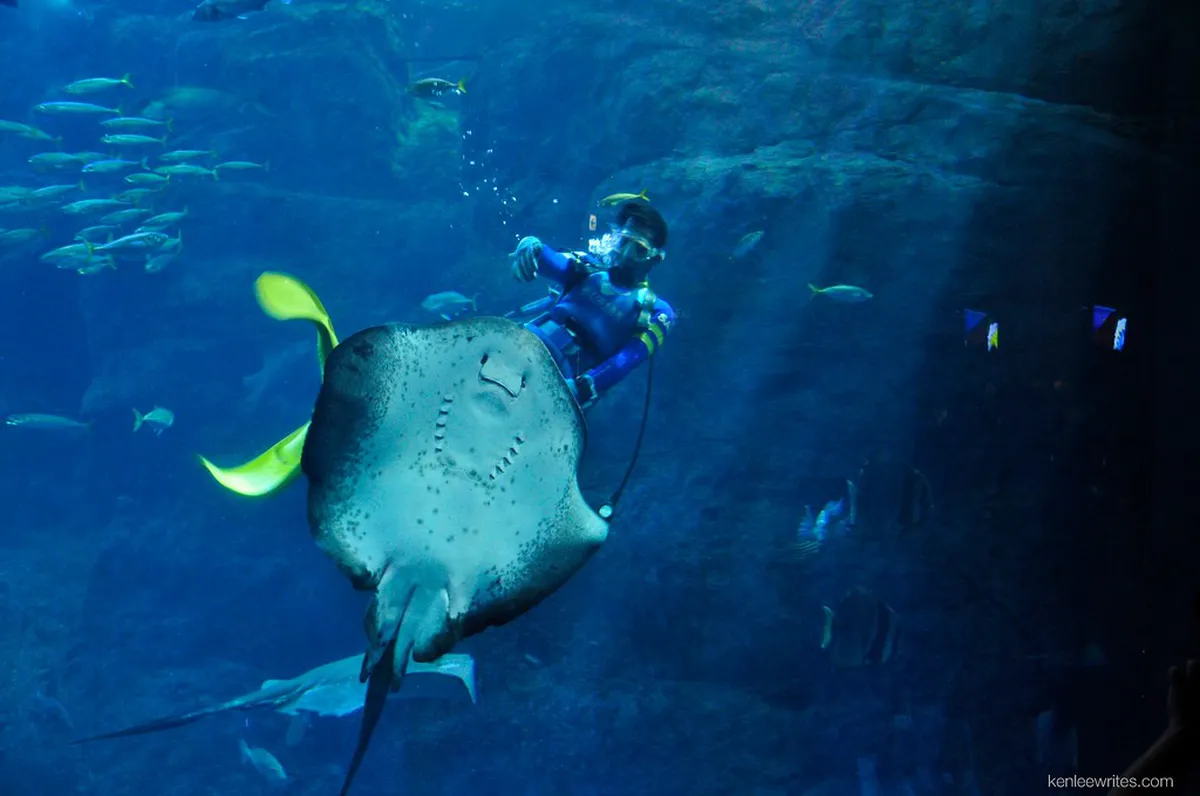
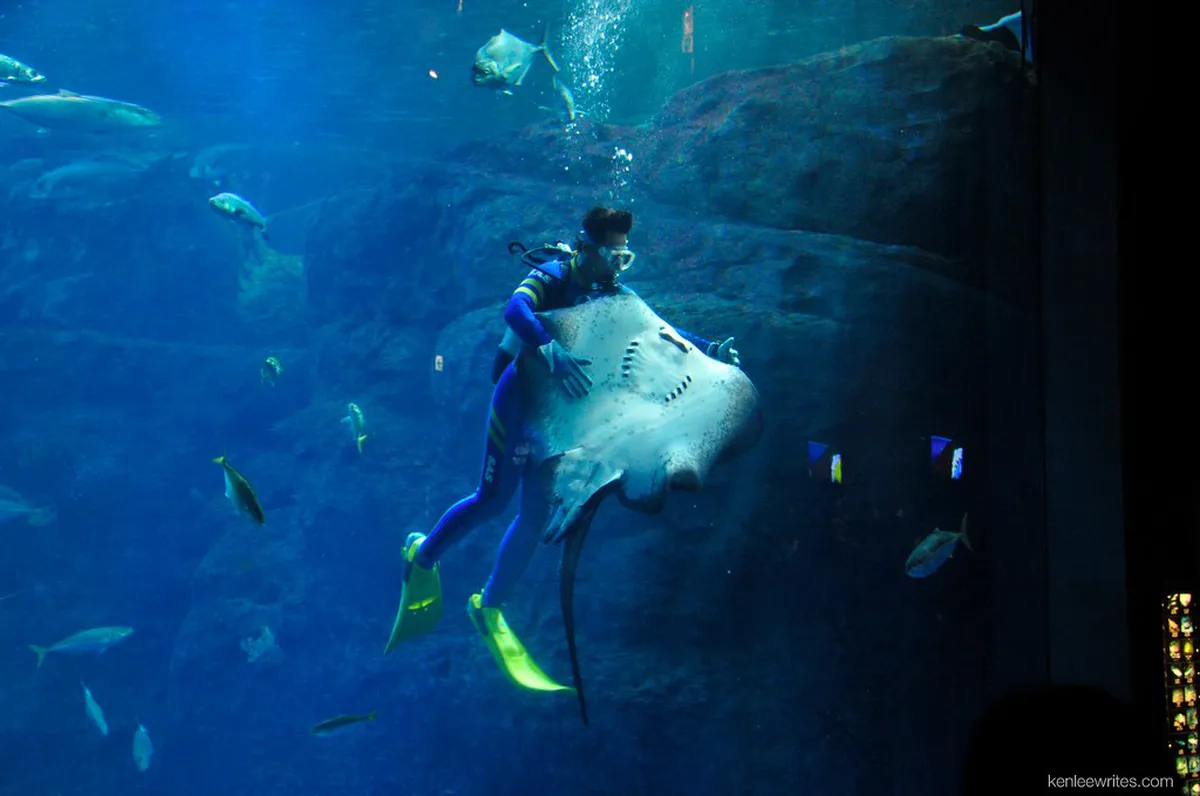
The aquarium's centrepiece is the Pacific Ocean tank — a vast open-water display reflecting the Sagami Bay ecosystem directly outside. Schools of sardines move in tight silver formations around larger predators, and the tank's floor-to-ceiling viewing panels give the impression of standing on the seabed. Plan to spend at least 20 minutes here.
The Jellyfish Fantasy Hall is unlike anything else in Japan. A series of cylindrical and backlit tanks display dozens of jellyfish species — moon jellyfish, spotted jellyfish, box jellyfish — under carefully programmed colour sequences that shift from blue to violet to amber. The dim, ambient atmosphere makes it as much an art installation as a marine exhibit. Most visitors rank this as their favourite section. Arrive at opening time for the best photos before crowds fill the narrow corridors.
The outdoor dolphin and sea lion show runs multiple times daily at the Sagami Bay Stage. On clear days, Mount Fuji is visible above the horizon directly behind the performers — a backdrop you won't find at any inland aquarium. Check the official Shin Enoshima Aquarium website for the day's showtimes; the first show typically starts around 10:30 and the last around 15:30, though this varies seasonally. Arrive 10 minutes early to secure front seating.
Beyond the headline exhibits, the Penguin and Seal area offers feeding sessions throughout the day, and the Kids' Discovery Zone has touch pools where children can handle starfish and sea cucumbers under staff supervision. A small deep-sea section displays lanternfish, oarfish models, and bioluminescent specimens that children and adults find equally compelling.
Planning Your Visit: Tickets, Hours, and Best Time to Go
Admission in 2026: adults ¥2,800, high school students ¥1,800, elementary and junior high school students ¥1,300, infants aged 3 and above ¥900. Standard operating hours run 09:00–17:00 from March through November, with last entry at 16:00. Winter hours (December–February) may shorten slightly; confirm on the official site before travelling. The aquarium is open daily but closes occasionally for facility maintenance — a quick check the week before saves disappointment.
Weekday mornings from Tuesday to Thursday are the quietest. Arrive at 09:00 and you will have the jellyfish hall and large tanks largely to yourself for the first 30–40 minutes. Weekends, public holidays, Golden Week (late April to early May), and the Obon period (mid-August) see heavy crowds — expect queues at the entrance and standing-room conditions in the jellyfish corridor. Visiting after 14:00 on a weekend is a reasonable compromise: crowds thin once day-trippers start heading back to Tokyo.
The aquarium does not require timed-entry reservations for regular visits, but purchasing tickets online via the official site saves queuing at the box office during busy periods. Re-entry is permitted on the same day — keep your ticket stub if you want to step out for lunch and return.
Getting to Enoshima Aquarium: Access & Transportation Guide
The fastest route from Shinjuku is the Odakyu Line to Katase-Enoshima Station. Take the Rapid Express toward Fujisawa (platforms 4 or 5), alight at Fujisawa, then transfer to the local train three stops to Katase-Enoshima. Total journey: about 1 hour 15 minutes, costing ¥630 one-way with an IC card. The aquarium entrance is a 3-minute walk straight from the station exit — cross the road, and it is immediately on your right before the bridge to the island.
Alternatively, take the JR Tokaido Line from Tokyo Station to Fujisawa, then the Enoden Line two stops to Enoshima Station. The Enoden is a charming single-track tram that runs along the coast; Enoshima Station puts you about a 10-minute walk from the aquarium, with Enoshima Island's shopping street in between. The Benten Bridge crossing is part of this walk.
The Odakyu Enoshima-Kamakura Free Pass (¥1,640 from Shinjuku, as of 2026) covers unlimited rides on the Odakyu Line to Fujisawa, all Enoden Line stops, and admission discounts at the aquarium and Sea Candle. It makes financial sense only if you also plan to ride the Enoden to Kamakura — the ¥1,640 pass versus ¥630 each way on Odakyu alone means you need to add at least two Enoden journeys (¥260–¥330 each) and use the discount coupons to break even. For a pure aquarium-and-island day, a plain IC card trip is often cheaper. If you are combining Enoshima with Kamakura, the pass is clearly the better value.
Enoshima Aquarium Day Trip Itineraries: 3-Hour & 5-Hour Plans
Both itineraries assume departure from Shinjuku at 08:30, arriving at Katase-Enoshima by 09:45–10:00. Start early on weekdays for the best experience. Times below are approximate and adjust based on your pace.
- 3-Hour Aquarium Express (09:45–13:00). Enter at opening. Head straight to the Jellyfish Fantasy Hall before the first tour groups arrive. Move to the Pacific Ocean tank, then time your visit to the Penguin and Seal area for a feeding session. Catch a dolphin show at the Sagami Bay Stage (around 10:30 or 11:30 — verify on arrival). Browse the deep-sea section and Kids' Zone before exiting. Pick up a shirasu snack from a stall near the aquarium exit, then return to Shinjuku by 13:30.
- 5-Hour Island & Aquarium Blend (09:45–15:30). Spend 09:45–11:30 at the aquarium as above. Cross Benten Bridge onto Enoshima Island by 11:45. Walk the Benzaiten Nakamise shopping street uphill to Enoshima Shrine (Hetsunomiya at the base, Nakatsunomiya midway). At 11:40 enter the Samuel Cocking Garden (¥200 admission) and consider a late lunch at Lon Cafe for their creme brûlée French toast (¥1,300–¥1,600). By 13:30 ascend to the Enoshima Sea Candle (¥500 additional for the observatory). From 14:30 continue to Okutsunomiya (the Inner Shrine) and descend to Chigogafuchi plateau. If time allows, enter the Iwaya Caves (¥500, approximately 20 minutes). Depart from Katase-Enoshima Station by 15:30–16:00.
Beyond the Aquarium: Exploring Enoshima Island's Attractions
Enoshima Island is small enough to walk end-to-end in about 25 minutes on flat ground, but the terrain is not flat. The island climbs steeply from the shopping street at its base to the shrine complex, garden, and observation tower near the peak, then descends again to the caves and Chigogafuchi plateau at the far tip. Wear comfortable shoes with grip — the stone steps are well-worn and slick after rain.
The Enoshima Shrine consists of three linked sanctuaries. Hetsunomiya at the base has a small hall containing Benzaiten statues (¥200 optional entry) and a coin-washing spring where washing money in the water is said to multiply your fortune. Nakatsunomiya midway up is quieter, with a stone basin that produces a soft musical tone when water is poured through it. Okutsunomiya at the far end of the island houses a famously eye-following turtle painting — a copy of the original, which was moved to preservation storage.
The Enoshima Escar is a series of three outdoor escalators that carry visitors uphill from the shopping street toward the garden. Each section costs ¥60 (¥180 per section including the Samuel Cocking Garden entrance according to combo ticket pricing, or ¥360 for all three escalator sections). Critically, the escalators only travel upward — there is no downhill option. Factor this into your plan: you can ride up and walk down, but not the reverse. Visitors who are fit enough to climb under their own steam may prefer to save the fee and walk, as the staircase paths also pass closer to the shrine buildings.
At the far end of the island, Chigogafuchi plateau offers arguably the best ocean views of the day — low flat rocks over the Pacific, often with anglers casting lines into the surf. The Iwaya Caves just beyond are natural sea caves with carved Buddha figures inside; bring the ¥500 admission and allow 20 minutes. Children over about 7 tend to enjoy the caves, though the innermost section is quite dark.
Where to Eat: Enoshima's Best Street Food & Restaurants
Enoshima's main food identity is shirasu — tiny whitebait caught fresh in Sagami Bay. You will see it everywhere: raw (nama-shirasu), boiled (kamaage-shirasu), and fried. A shirasu-don (whitebait rice bowl) runs ¥1,200–¥1,800 at most island restaurants. The raw version is only available when local boats have fished that morning; if the day's catch is in, signs outside restaurants will advertise it. Enoshima-tei, on the path toward Okutsunomiya, is a reliable choice and serves an ikura-shirasu bowl (whitebait topped with salmon roe) that is worth the slight premium.
Benzaiten Nakamise street at the base of the island is lined with street food vendors selling tako senbei (octopus crackers pressed flat from a whole octopus — watch the machine do it at Asahi Honten, which always has a line), grilled shellfish skewers (¥300–¥700), and shirasu soft-serve ice cream. Grab snacks here on your way up and save the sit-down meal for after the main sightseeing.
Lon Cafe inside the Samuel Cocking Garden is Japan's first French-toast-only cafe. Their creme brûlée French toast (¥1,300–¥1,600) has terrace seating overlooking the sea. It is a good midday stop between shrine-visiting and the Sea Candle. For a proper dinner before heading back, Koya near Katase-Enoshima Station serves seafood bowls at lunch and à la carte rice dishes by candlelight in the evening — it sits at the bottom of a staircase just past the Benten Bridge on the mainland side.
Family-Friendly Tips for Enoshima Aquarium & Island
Enosui is well set up for families. The ground floor and main tank areas are stroller-accessible, with ramps alongside all steps inside the building. Nursing rooms and baby-changing facilities are available near the main entrance. The Kids' Discovery Zone touch pools are staffed and hands-on; children aged 4 and above can handle starfish with guidance. Penguin feedings draw predictable crowds, so position yourself near the glass 5 minutes beforehand.
On the island itself, families with young children will find the Enoshima Escar escalators (upward only) a practical way to reach the shrine and garden without exhausting legs too early. The Iwaya Caves are exciting for children aged 7 and up but can feel claustrophobic and very dark for younger ones — use your judgement. The Chigogafuchi plateau at the end of the island has low rockery that older children enjoy scrambling around, but supervise carefully near the water's edge.
Plan to visit on a weekday morning if travelling with children. Crowds on weekends make the narrow shopping street and shrine steps considerably harder to navigate with a pushchair or toddlers in tow. Pack water and a light snack: the aquarium cafe is fine but overpriced for families eating multiple rounds.
Nearby Accommodation & Day Trip Logistics
Enoshima is an easy 75-minute day trip from Tokyo, so most visitors return the same evening. If you want to slow down and catch the island at dawn or dusk — when the crowds are gone and the light on Sagami Bay is striking — staying overnight in the area is straightforward. The closest options cluster around Katase-Enoshima Station and along the Enoden Line toward Kamakura.
Kinokuniya Ryokan, a short walk from Katase-Enoshima Station, is a traditional Japanese inn that includes breakfast on request and provides easy access to both the Odakyu and Enoden lines. For a contemporary option, Kishu Railway Katase Enoshima Hotel sits along the main shopping street two minutes from the beach and within walking distance of the Enoden. Budget travellers can try Enoshima Guest House 134, a minute from the station with shared bathrooms, air-conditioning, and a lounge — bicycle rental is available for exploring the Shonan coast at your own pace. If you are combining Enoshima with Kamakura, Kamakura Prince Hotel at Shichirigahama Beach offers floor-to-ceiling ocean views a few Enoden stops south, while Kamakura Park Hotel provides Japanese and Western rooms with a spa near Hase Station.
For luggage, coin lockers at Katase-Enoshima Station are limited and fill quickly on weekends. Arrive early or leave bags at your accommodation. The station has a convenience store nearby for last-minute snacks and drinks before the train back.
Essential Tips for a Smooth Enoshima Experience
Wear shoes with grip. The stone steps on the island are ancient and polished smooth — they become treacherous in light rain. A small backpack beats a shoulder bag for the amount of stair-climbing involved. Sunscreen and a hat are essential from May through September; there is limited shade on the upper paths and at the Sagami Bay dolphin stage.
Pay with an IC card (Suica or Pasmo) for all train travel — it is faster at gates and works on both the Odakyu and Enoden lines. Street food vendors and smaller restaurants are cash-only; carry at least ¥3,000 in notes. The aquarium, Samuel Cocking Garden, and most sit-down restaurants accept credit cards.
Check the weather the evening before. The outdoor dolphin show is cancelled in heavy rain, and the Sea Candle closes its upper deck in strong wind. A light folding umbrella is worth the bag space. You can view a full size version of our Enoshima map to orient yourself before arriving. Most signs on the island are in Japanese and English, so navigation is manageable without Japanese language skills.
Frequently Asked Questions
How long does it take to see Enoshima Aquarium?
Most visitors spend 2 to 3 hours exploring Enoshima Aquarium thoroughly. If you include a dolphin show, plan for an additional 30-45 minutes. A quick visit can be done in 90 minutes.
Is the Enoshima Aquarium worth it?
Yes, Enoshima Aquarium is worth visiting, especially for families and marine life enthusiasts. Its unique exhibits, like the Jellyfish Fantasy Hall, and scenic location near Enoshima Island make it a rewarding experience.
What is the best time to visit Enoshima Aquarium?
The best time to visit Enoshima Aquarium is on a weekday morning, right at opening (9:00 AM), or after 2:00 PM. This avoids the largest crowds, especially during weekends and public holidays.
How much does it cost to enter the Enoshima Aquarium?
Entry to Enoshima Aquarium costs ¥2,800 for adults, ¥1,800 for high school students, and ¥1,300 for elementary/junior high students. Infants aged 3 and above cost ¥900. Prices are subject to change.
Enoshima Aquarium and the surrounding island pack an impressive amount into a single day trip from Tokyo. The jellyfish hall and Sagami Bay dolphin stage give the aquarium a visual drama that inland alternatives cannot match, and the island itself layers shrine history, ocean views, and excellent seafood into a natural three-hour circuit above and beyond the tanks. Plan around a weekday morning arrival, keep the transport pass maths in mind, and stay aware that the Escar only goes uphill — and you will have one of the most satisfying coastal day trips in the Kanto region.
To verify current details, consult the Enoshima Aquarium (Enosui) on Wikipedia and Enoshima Aquarium (Enosui) official site.