
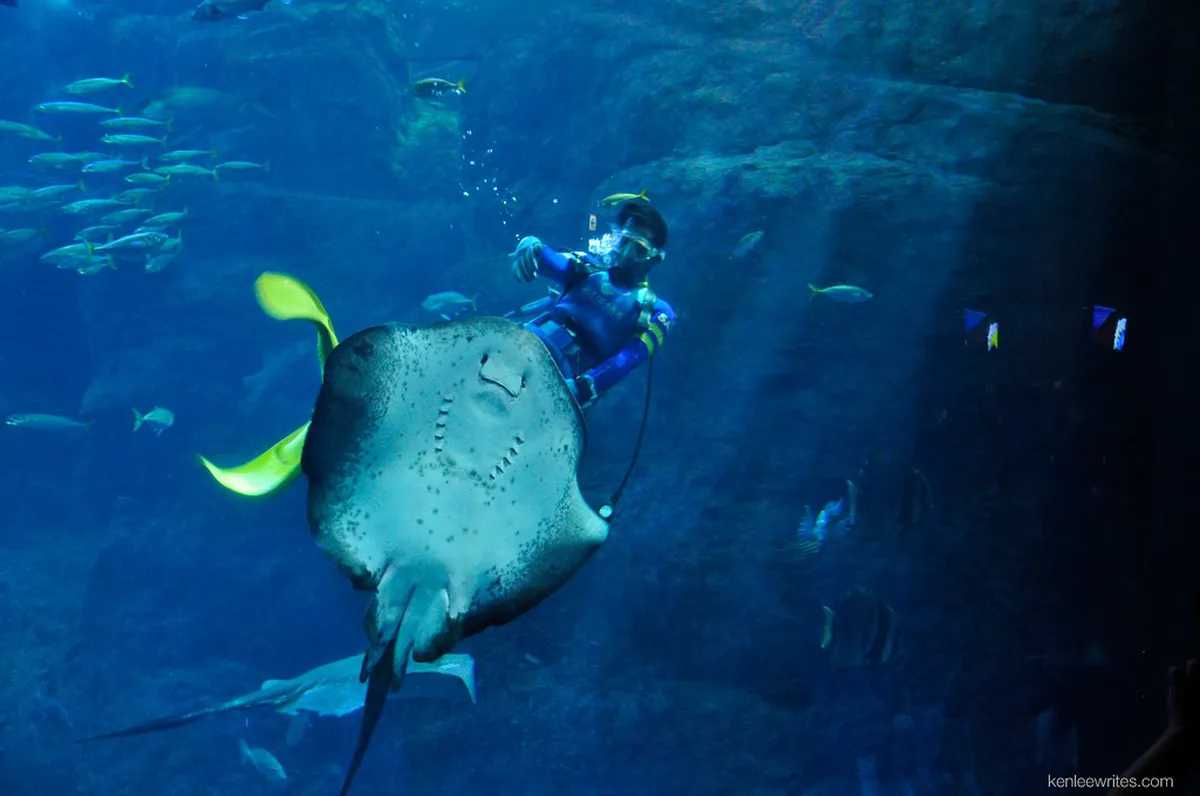
Enoshima Aquarium Travel Guide
Plan your Enoshima Aquarium visit with top picks, neighborhood context, timing tips, and practical booking advice for a smoother trip.
On this page
The Enoshima Aquarium — known locally as Enosui (新江ノ島水族館) — sits on Katase Kaigan Beach in Fujisawa City, facing Sagami Bay. Since opening in 1954, it has become one of Japan's most distinctive regional aquariums, focused entirely on the marine ecosystems of the bay just outside its walls.
The aquarium is not a generic ocean theme park. Its exhibits are built around local research, and the building itself faces the sea so the dolphin stadium delivers an unobstructed view of Mount Fuji on clear days. This guide covers everything you need to plan a confident visit in 2026.
What to See Inside Enosui
The centrepiece is the Sagami Bay Tank, home to roughly 20,000 creatures across about 100 species. The most-photographed moment is the shimmering school of 8,000 Japanese sardines that move in synchronised formation — the tank uses lighting and wave simulations to make the effect feel genuinely underwater. Budget at least 15 minutes here.
The Jellyfish Fantasy Hall is the aquarium's second signature space. Around 14 species of jellyfish drift through colour-lit tanks in a darkened room that feels more like an art installation than a science exhibit. A "Jellyfish Planet" 3D projection mapping show runs in the same zone — check the posted daily schedule for times.
Beyond the headline tanks, the aquarium displays a real "Shinkai 2000" deep-sea research submarine — an actual vessel that once dove to 2,000 metres — alongside a whitebait breeding tank that explains the shirasu fishing culture the entire Shonan coast is known for. These two exhibits are the best in the building for anyone who wants substance beyond spectacle.
Hands-on options include a touch pool with horn sharks and marine specimens, dolphin handshake programs, and capybara feeding sessions. Availability varies by season; ask at the information desk on arrival or check the official Enosui website before your visit.
Dolphin Show and Live Performances
The dolphin and sea lion shows are performed in an outdoor stadium positioned so that Sagami Bay and, on clear days, Mount Fuji form the backdrop. Shows run multiple times daily; the first performance of the day is typically the least crowded. Confirm the exact schedule on arrival — it varies by season and event calendar.
The shows are free with general admission. No additional ticket is needed. Seating is open, so arrive 10–15 minutes early on weekends and during Golden Week to secure a good spot. Front rows can get wet during the dolphin performance.
If you plan your visit around the dolphin show, schedule the first performance of the day, then spend the rest of your time on the interior exhibits. This sequence avoids the midday crowd surge that typically hits the Sagami Bay Tank between 11:00 and 14:00 on weekends.
Enoshima Aquarium Tickets
Admission for 2026 is as follows: adults (university students and older) pay 2,800 yen; high school students 1,800 yen; junior high and elementary school students 1,300 yen; children aged 3 and up 900 yen. Children aged 2 and under enter free. All prices include consumption tax. Verify current rates on the official Enosui website before your visit, as prices can be revised.
Tickets are sold at the entrance counter. Re-entry on the same ticket is permitted, which makes it practical to leave for lunch at one of the nearby shirasu restaurants on Enoshima Island and return for an afternoon show. Keep your ticket stub.
Online advance booking is available through several third-party platforms. Booking ahead is useful during Golden Week (late April to early May), the Obon period (mid-August), and summer weekends, when queues at the counter can run 20–30 minutes. For a broader day-trip plan, see our guide to the Enoshima Day Trip From Tokyo Travel Guide.
Access, Opening Hours, and Practical Rules
The aquarium opens at 09:00 and closes at 17:00, though hours change seasonally — confirm on the official site before travelling. There are no closing days except occasional maintenance closures. The address is 2-19-1 Katasekaigan, Fujisawa City, Kanagawa 251-0035.
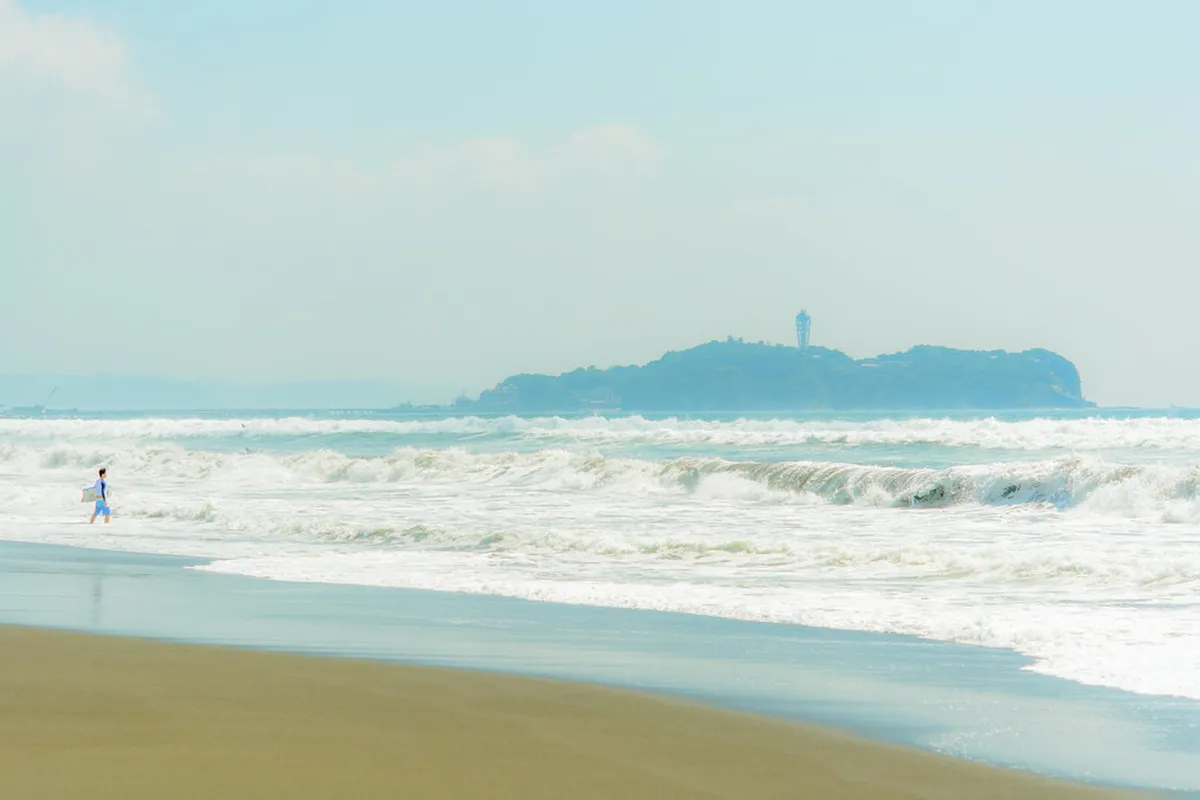
There is no on-site parking. The most convenient train options are the Enoden Line to Enoshima Station (about 5 minutes' walk to the aquarium) or the Odakyu Line to Katase-Enoshima Station (about 3 minutes' walk). The Enoden ride from Kamakura is particularly scenic — Shonan coastline visible from the window the whole way.
A few rules matter for smooth entry. Flash photography near animal tanks is prohibited. Tapping on glass is not permitted. Large items such as surfboards cannot be brought inside, and swimsuits are not allowed beyond the entrance area. Pets are not admitted except certified assistance dogs. Commercial videography and live streaming require prior approval. These rules are posted at the entrance in English and Japanese.
Best Time to Visit
The quietest periods are January, February, and weekdays in September and October. Lightly rainy days during the June rainy season (tsuyu) are also calm — most visitors avoid the coast on grey days, but the aquarium itself is entirely indoors and unaffected by rain. These off-peak windows let you spend time at the Sagami Bay Tank without shoulder-to-shoulder crowds.
Within any given day, arriving right at 09:00 is consistently the best strategy. The dolphin show and main tank are manageable at opening. By 11:00 on weekends and during school holidays, the building fills noticeably. If you can only visit during Golden Week or Obon, aim for the first session of the day and expect the 120-minute median visit to stretch closer to 150.
Mount Fuji views from the dolphin stadium are most reliable in winter (November to February), when atmospheric haze is low. Summer visits are livelier but the mountain is often hidden behind clouds. If the Fuji backdrop is a priority, plan a winter morning visit.
Nearby Spots Within Walking Distance
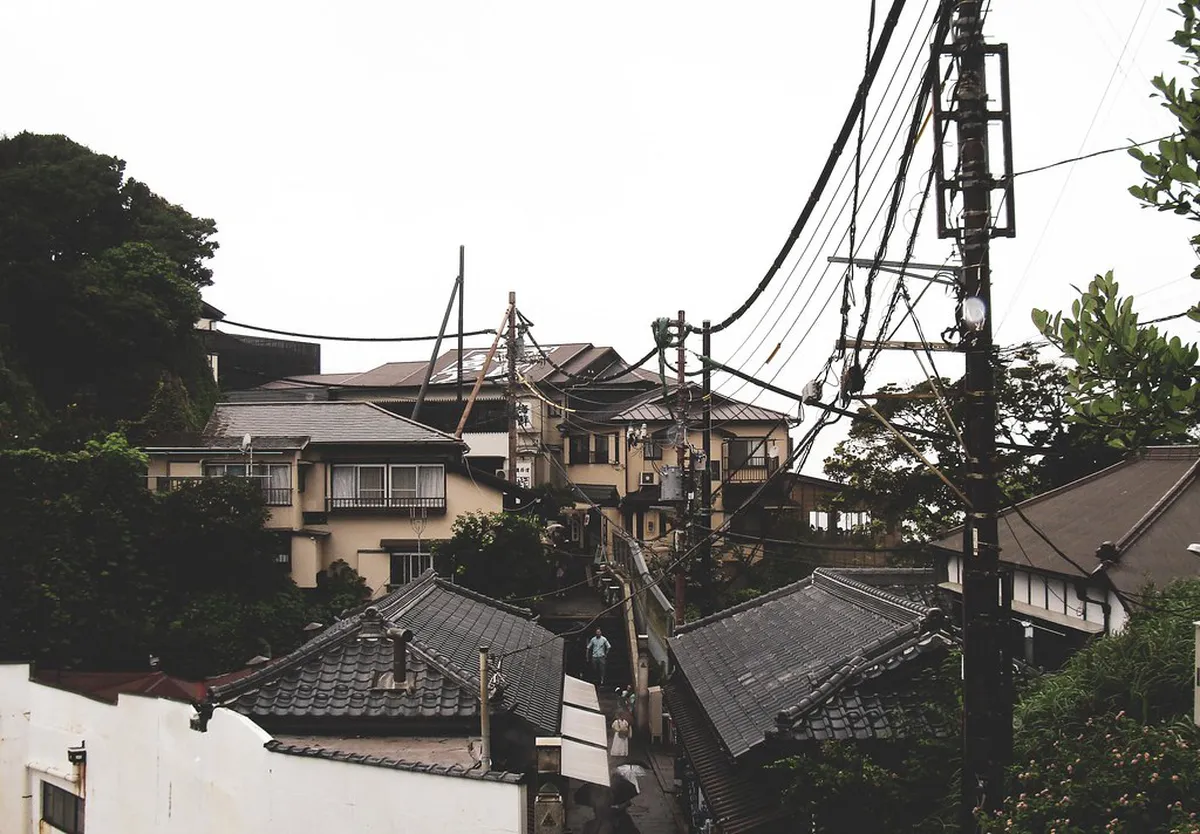
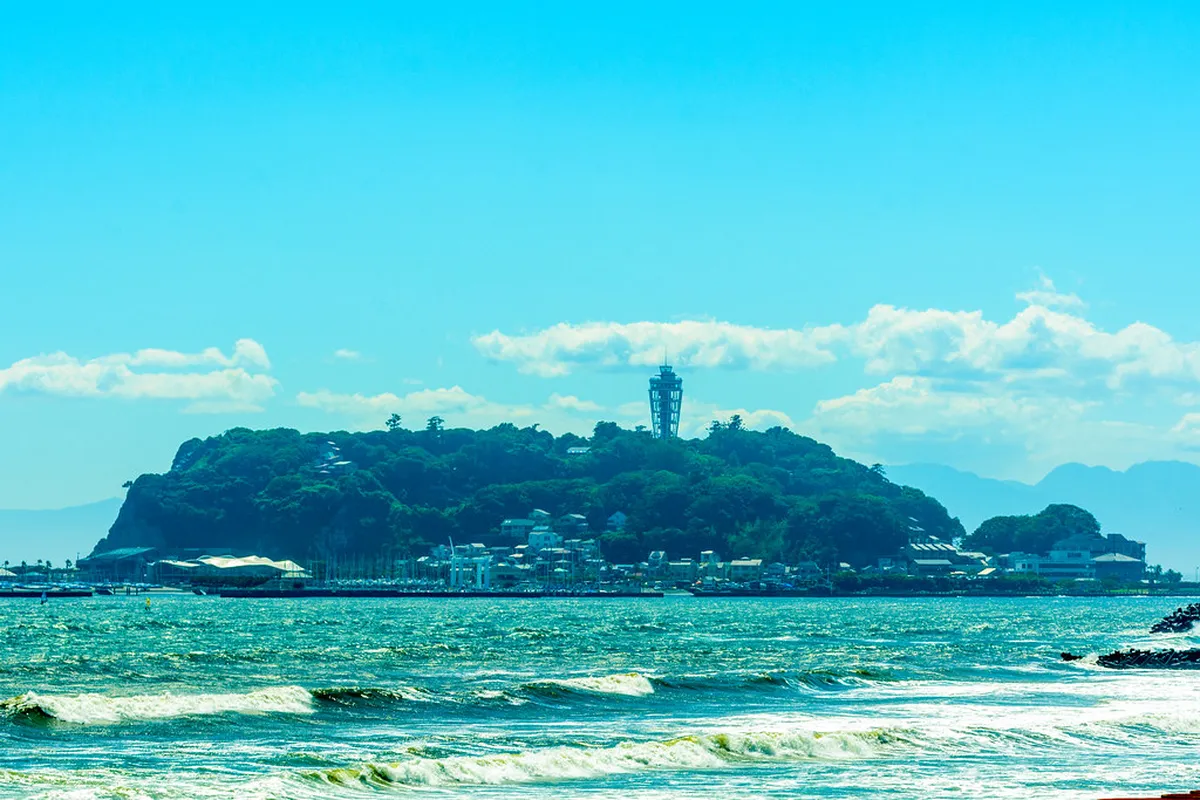
The aquarium sits at the foot of Enoshima Island's causeway. From the entrance, the Enoshima Shrine Travel Guide complex is about a 10-minute walk across the causeway and up the main approach street (Benten-dori). The Enoshima Sea Candle Travel Guide observation tower and the Samuel Cocking Garden are a further 10 minutes beyond the shrine, near the island's peak.
The Iwaya Caves are carved into the western cliffs of the island and take about 20–30 minutes to explore. They close earlier than the aquarium (typically by 17:00 in summer), so visit them before the aquarium if you plan to do both in one day.
The Enoshima Island Spa (Iwashimizu) is steps from the island's southern shore. It draws water from 1,500 metres below ground — a natural mineral spring claimed locally to aid circulation. Entry is separate from the aquarium and costs extra; it is best treated as an optional add-on rather than a must-visit. Katase Beach, directly in front of the aquarium, is open for swimming in summer (late July to late August).
Who Enosui Is Best For
Families with children under 12 get the most out of a visit. The touch pool, dolphin shows, and capybara feeding hold children's attention in a way that many Japan sightseeing stops do not. The building is stroller-accessible, restrooms are clean and plentiful, and the pace is self-guided — no booking time windows, no rush.
Marine life enthusiasts and science-curious visitors are well served by the Shinkai 2000 submarine exhibit and the whitebait tank, which go beyond what typical aquariums offer. The local ecological focus — everything themed around Sagami Bay rather than oceans in general — gives the exhibits a coherence that larger aquariums like Osaka's Kaiyukan sometimes lack.
Day-trippers from Tokyo combining the aquarium with a broader Enoshima or Kamakura itinerary should allocate 90–120 minutes for Enosui and position it either first (arrive at 09:00, leave by 11:00) or last (arrive by 15:00 before closing). Sandwiching it in the middle of a full island day tends to create timing pressure. For a structured plan, see our Enoshima Day Trip From Tokyo Travel Guide guide.
Pair this with our broader Enoshima tourism attractions guide for the full city overview.
Frequently Asked Questions
Is the Enoshima Aquarium worth visiting?
Yes, the Enoshima Aquarium is definitely worth visiting for its diverse marine life, engaging shows, and beautiful location. It offers a captivating experience for all ages, especially families. The aquarium provides unique insights into Sagami Bay's underwater world.
How long to spend in Enoshima Aquarium?
Most visitors spend between 90 minutes (quick visit) and 180 minutes (thorough visit) at the Enoshima Aquarium. Your visit length depends on how much time you dedicate to each exhibit and show. Plan more time if you wish to see all the dolphin and sea lion performances.
How much does it cost to enter Enoshima Aquarium?
Adult tickets for the Enoshima Aquarium typically cost around 2,500 yen. Prices for students and children are lower. High school students pay about 1,700 yen, junior high students 1,200 yen, and children (3+) 800 yen. Verify current prices on the official website before your visit.
Can you swim at Enoshima?
Yes, you can swim at the beaches around Enoshima Island, particularly during the summer season. The waters of Sagami Bay are popular for swimming and other water activities. Always check local advisories and designated swimming areas. Be mindful of currents and tides.
The Enoshima Aquarium provides an unforgettable journey into Japan's marine ecosystems.
Its engaging exhibits, exciting shows, and stunning coastal setting make it a premier attraction.
Combine your aquarium visit with other island highlights for a truly comprehensive experience. Explore nearby shrines, gardens, and cultural sites to complete your trip.
Planning ahead ensures a smooth and memorable adventure for everyone. Discover the magic of Enoshima and its vibrant underwater world.
For tickets, hours and visitor details, see our Enoshima Aquarium (Enosui) Visitor Guide & Day Trip Itinerary and Enoshima attractions hub.
Free: The Kamakura Essentials guide
Top things to do, where to stay, a perfect day plan, getting around, and the best time to go — a Kamakura mini-guide you can take offline.
You might also like


Continue reading
More guides you'll find useful

