10 Day Japan Itinerary: Ultimate First-Timer's Guide & Tips
Plan your perfect 10 day Japan itinerary with our comprehensive guide. Discover must-see sights, practical tips, and how to make the most of your first trip.
On this page
Planning a 10 day Japan itinerary can feel overwhelming for first-time visitors. Japan offers a unique blend of ancient traditions and futuristic cities, and the sheer density of things to do in each city makes prioritisation hard. This guide cuts through the noise and gives you a structured, day-by-day plan that moves efficiently between Tokyo, Kyoto, Osaka, and key day trips.
The route below is designed for first-timers: it covers the iconic sights you genuinely should not skip, builds in the logistics most guides gloss over, and flags the timing traps that cause the most frustration on the ground. Read the pre-travel sections before you book anything — several of them have booking deadlines weeks or months ahead of arrival.
Overview of Your 10 Day Japan Itinerary
This 10 day Japan itinerary follows a logical geographic arc: three nights in Tokyo, a transit day to Kyoto, two full days in Kyoto with a Nara day trip, one night in Hakone, and then Osaka as your base for the final stretch including a Hiroshima and Miyajima day trip. You fly out of Kansai International Airport (KIX), which is one hour from Osaka by express train and avoids backtracking to Tokyo.
The route is designed to move south-west on the Tokaido Shinkansen, which is the most efficient corridor in Japan. A 7-day JR Pass activated on Day 1 covers the bulk of your inter-city travel and runs out right before your final transit to the airport, where a single-purchase Haruka Express ticket finishes the job. See the transport section below for the full cost comparison before you decide.
Use the 10-day Japan budget calculator to price accommodation, food, activities, flights and extras for your group. Then run these train legs through the JR Pass Calculator for an exact ticket-versus-pass comparison.
Activate your JR Pass at the airport. The JR Pass counter is in the arrivals hall at both Narita (07:30–20:00) and Haneda (06:30–23:00). Activating here saves a separate trip to a station and ensures you can reserve Shinkansen seats the same day — the reservation desk is at the same counter with no extra charge. This timing detail catches many first-timers off guard.
- Days 1–3: Tokyo (Shibuya base)
- Day 4: Shinkansen to Kyoto, Gion evening
- Day 5: Fushimi Inari, Arashiyama
- Day 6: Nara day trip
- Day 7: Hakone (overnight ryokan)
- Day 8: Osaka arrival, Dotonbori
- Day 9: Hiroshima and Miyajima (early departure from Osaka by 08:00 essential)
- Day 10: Osaka morning, fly from KIX
The total inter-city Shinkansen cost without a pass is approximately ¥45,000–¥50,000. A 7-day JR Pass costs ¥50,000 (2026 price) in ordinary class. If you are following this itinerary closely, the pass roughly breaks even — but it adds significant convenience: you can reserve seats on Nozomi and Hikari services without paying again and board without queuing at ticket machines. Families with children under 12 who travel at half price will often find the pass saves money even on a 10-day trip.
| Day | City | Highlights & Transport | Lodging |
|---|---|---|---|
| 1 | Tokyo | Arrive NRT/HND, Shibuya Scramble, Shibuya Sky, activate JR Pass | Shibuya hotel |
| 2 | Tokyo | Senso-ji Temple, Imperial Palace, Ginza | Shibuya hotel |
| 3 | Tokyo | Meiji Shrine, Harajuku, Shinjuku, Tokyo Metro Building | Shibuya hotel |
| 4 | Kyoto | Shinkansen (JR Pass), Gion, Kiyomizu-dera | Kyoto hotel |
| 5 | Kyoto | Fushimi Inari (sunrise), Arashiyama bamboo, Tenryu-ji Temple | Kyoto hotel |
| 6 | Nara | Day trip: Nara Park deer, Todai-ji Temple (¥730 JR Rapid) | Kyoto hotel |
| 7 | Hakone | Shinkansen to Odawara, Hakone Open-Air Museum, Ropeway, Ryokan check-in | Hakone ryokan |
| 8 | Osaka | Shinkansen, Osaka Castle, Dotonbori food street, Shinsekai | Namba/Shinsaibashi hotel |
| 9 | Hiroshima & Miyajima | Early departure 08:00, Hiroshima Peace Memorial, Ferry to Miyajima, Itsukushima Shrine | Namba/Shinsaibashi hotel |
| 10 | Osaka to KIX | Konbini breakfast, last shopping, Haruka Express to Kansai Airport | Depart |
Getting to Japan: Flights and Entry
Most first-timers fly into Tokyo, either Narita (NRT) or Haneda (HND). Narita is farther from the city centre — the Narita Express (N'EX) takes about 60 minutes to Shibuya and costs ¥3,070 each way, and is covered by a JR Pass. Haneda is 30–40 minutes from central Tokyo via the Tokyo Monorail or Keikyu Line and costs around ¥600. If you have a choice between airports, Haneda is more convenient unless the Narita flight is significantly cheaper.
For your departure, plan to fly out of Kansai International (KIX). The Haruka Express from Shin-Osaka to KIX takes about 75 minutes and costs ¥2,380 (not covered by the standard JR Pass after Day 7 if your pass has expired). Budget at least 3 hours before your departure time at KIX — the airport is large and immigration queues on busy days can run 45–60 minutes.
Visa requirements for 2026: citizens of the US, EU, UK, Australia, Canada, and most of East and Southeast Asia do not need a visa for stays up to 90 days. Indian passport holders must apply for an e-visa through the Japanese embassy — the application window is typically 2–4 weeks and requires supporting documents including bank statements, hotel bookings, and a detailed itinerary. Check the official Ministry of Foreign Affairs Japan website for the current requirements for your nationality before booking flights.
Booking flights 3–5 months in advance generally gives the best prices for Japan. Cherry blossom season (late March to early April) and Golden Week (late April to early May) are peak periods — prices on those dates can be double the shoulder-season rate. Autumn (October–November) is the next busiest period. If your dates are flexible, late May, June, or early October tend to offer better fares and manageable crowds.
Staying Connected: SIMs, eSIMs and Pocket WiFi
You need reliable data in Japan. Google Maps and Google Translate are essential tools on the ground, and you cannot rely on free public WiFi to navigate between stations or translate menus in smaller restaurants. There are three main options: an eSIM, a physical SIM card, or a pocket WiFi rental device.
An eSIM for Japan is the easiest option for most travellers in 2026. You purchase it before departure, install it via a QR code, and it activates the moment you land. Plans typically cost ¥1,500–¥3,000 for 10–30 days with unlimited or high-cap data. The main limitation is that eSIMs do not come with a Japanese phone number, so you cannot receive SMS verification codes — relevant if you need to verify a Japanese booking account. If your phone does not support eSIM (older Android or iPhone X and below), go with a physical SIM or pocket WiFi.
Pocket WiFi devices connect up to 10 devices simultaneously, which makes them ideal for families or groups. You rent them at the airport and return them in a prepaid envelope before you fly. They typically cost ¥600–¥900 per day. The downside is battery life: a pocket WiFi usually lasts 8–10 hours of active use, so you need to charge it mid-day or carry a power bank. Some ryokans in rural areas only have wired LAN, so a pocket WiFi becomes critical there. Use our calculator to estimate how much data a 10-day Japan trip needs before choosing a plan.
Local physical SIM cards from IIJmio, Mobal, or KDDI (sold at airports and electronics stores) offer solid coverage and cost around ¥3,000–¥5,000 for a 15–30 day data-only plan. They require a passport to purchase at the airport and cannot be bought online in advance. The setup is straightforward at major airports, but allow 20–30 minutes at the counter after a long flight.
Best Time to Visit Japan: Seasonal Guide
Japan has four distinct seasons and the experience shifts dramatically depending on when you visit. Cherry blossom season (late March to early April) is the most sought-after window — the pink blooms along Kyoto's Philosopher's Path, Tokyo's Meguro River, and Nara Park are genuinely spectacular. The catch is crowds and prices: accommodation in Kyoto during peak sakura can cost 2–3 times the off-season rate, and attractions like Fushimi Inari will be packed by 08:00.
Autumn foliage (mid-November) is arguably more photogenic than spring and slightly less crowded, though Kyoto in mid-November is still busy. The best deal is late October: the maples are beginning to turn, temperatures are perfect for walking (15–20°C), and accommodation is at a lower price point than the peak foliage weeks.
Summer (June–August) is hot and humid, with a rainy season (tsuyu) running roughly mid-June to mid-July. July and August are high domestic travel months in Japan — school holidays — so Kyoto and Nara can feel overwhelmed. That said, summer evenings in Osaka have a lively festival atmosphere, and the heat is manageable if you plan outdoor sightseeing for early morning and retreat indoors by midday.
Winter (December–February) is Japan's quietest and most affordable period for most destinations. Tokyo is cool and dry, Kyoto is cold with occasional light snow in January and February, and Hakone can be spectacular with Mt Fuji visible on clear winter mornings. Crowds at major temples are a fraction of spring levels, and you can walk Fushimi Inari's lower torii gates freely before breakfast. The trade-off is shorter daylight hours and the occasional closure of outdoor attractions during heavy snowfall.
Getting Around Japan: Transport Options
Japan's rail network is the backbone of this itinerary. The Shinkansen (bullet train) connects Tokyo, Kyoto, Osaka, and the Hiroshima day trip at speeds of 270–320 km/h. Within cities, subways and buses are the main tools. A Suica or Pasmo IC card — loaded with yen and tapped at every gate — is essential for all local transit and eliminates the need to buy individual tickets at machines.
The Japan Rail Pass is a fixed-price pass covering most JR-operated trains including the Shinkansen (Hikari and Kodama services, not the fastest Nozomi). For 2026, a 7-day ordinary pass costs ¥50,000 and a 14-day pass costs ¥80,000. The pass must be purchased before you arrive in Japan — you can buy it through authorised agents online or at major travel agencies in your home country, and you will receive either a physical pass or an exchange order that you redeem at a JR office on arrival at the airport.
A critical point: the JR Pass does not replace your IC card. The pass covers Shinkansen and JR inter-city trains. Kyoto city buses, Osaka Metro, and Tokyo Metro are not JR lines. Load ¥3,000–¥5,000 onto a Suica card at any JR station's green ticket machine on Day 1 and top it up at convenience stores. Suica also works at many vending machines, convenience stores, and lockers, which makes it useful well beyond the train.
For the Hakone stop on Day 7, the Hakone Free Pass (¥6,500 from Odawara, 2 days) covers a loop of buses, the ropeway, the Lake Ashi ferry, and the scenic Hakone Tozan Railway. This pass is not covered by the JR Pass and is purchased separately at Odawara Station. If you hold a JR Pass, take the Shinkansen to Odawara and buy the Hakone Free Pass there — this combination covers the full Day 7 transit efficiently.
Your 10 Day Japan Itinerary: Day by Day
Every day below includes suggested timings, admission prices, and the one or two logistics details that catch first-timers off guard. Operating hours were verified for 2026 but always cross-check on arrival — Japan's larger attractions update their hours seasonally.
-
Day 1 — Arriving in Tokyo, Shibuya
- Morning/Afternoon: Arrive at NRT or HND. Take N'EX (NRT, ~60 min, ¥3,070, JR Pass accepted) or Keikyu Line (HND, ~40 min, ¥600). Check in near Shibuya — this keeps days 1–3 walkable.
- First task: activate your JR Pass at the JR service counter in the arrivals hall before you leave the airport. The counter is open 07:30–20:00 at Narita and 06:30–23:00 at Haneda. Activating here saves a separate trip to a station later.
- Afternoon: Shibuya Scramble Crossing and Hachiko statue are five minutes from most Shibuya hotels. Shibuya Sky observation deck (¥2,000, book online 2–3 days ahead) gives a panoramic view of the crossing from above — worth doing in the late afternoon before sunset.
- Evening: Dinner in Shibuya or the adjacent Daikanyama neighbourhood. Keep it easy — jetlag hits hard on Day 1.
-
Day 2 — Tokyo: Asakusa, Imperial Palace, Ginza
- Morning: Senso-ji Temple in Asakusa opens at 06:00; arriving before 09:00 means the Nakamise-dori shopping street is quiet. Main hall free, grounds always open. Tokyo Skytree is adjacent if you want a second viewpoint (¥2,100, book ahead).
- Afternoon: Imperial Palace East Garden (free, closed Mondays and Fridays, 09:00–16:30). Walk south to Ginza for window-shopping and a coffee.
- Evening: Dinner in Ginza or Tsukiji Outer Market (the inner tuna auction market remains by-invitation, but the outer market stalls serve exceptional sushi and seafood). Take the Ginza Line from Asakusa to Ginza — about 15 minutes.
-
Day 3 — Modern Tokyo: Harajuku, Shinjuku
- Morning: Meiji Jingu Shrine (free, open dawn to dusk) is adjacent to Harajuku Station. The forested path into the shrine takes about 10 minutes and is genuinely peaceful even on a busy day. Afterwards walk Takeshita Street — compact, colourful, and unique to Japan.
- Afternoon: Shinjuku Gyoen National Garden (¥500, closed Mondays, 09:00–16:00). Then the Tokyo Metropolitan Government Building for free city views (open until 22:30 on most nights, closed some Tuesdays).
- Evening: Omoide Yokocho (Memory Lane) in Shinjuku — a narrow alley of tiny yakitori bars that lights up at night. No reservations needed; just walk in. Golden Gai is nearby for drinks in one of its 200+ tiny bars.
-
Day 4 — Shinkansen to Kyoto, Gion
- Morning: Take the Hikari Shinkansen from Tokyo Station to Kyoto Station (about 2 hours 15 minutes, covered by JR Pass). Reserve your seat when you activate the pass on Day 1 — the reservation desk is at the same counter and there is no extra charge. Departure around 09:00 puts you in Kyoto by 11:30.
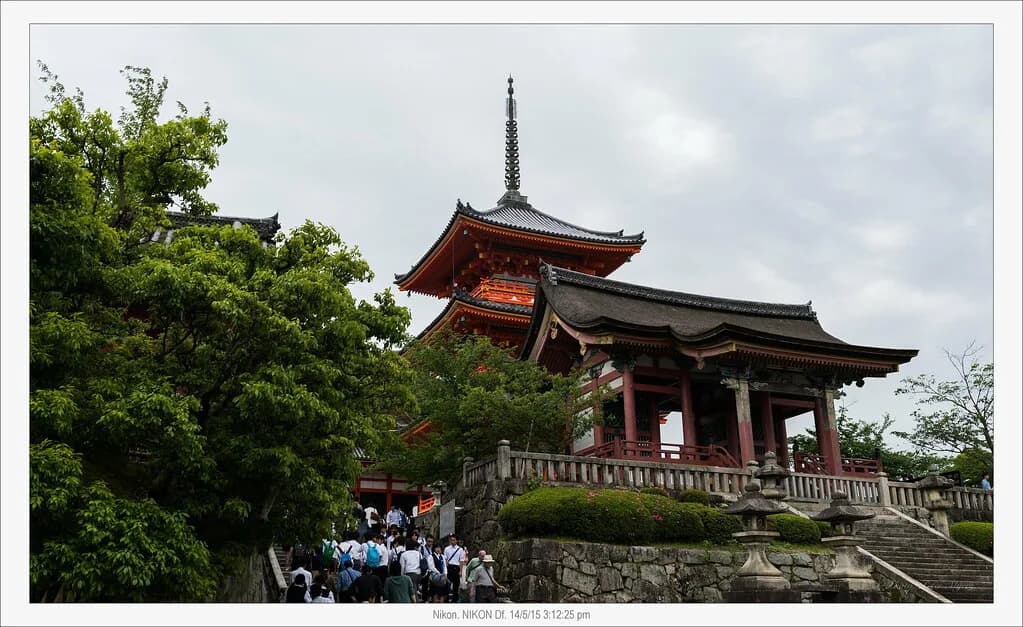
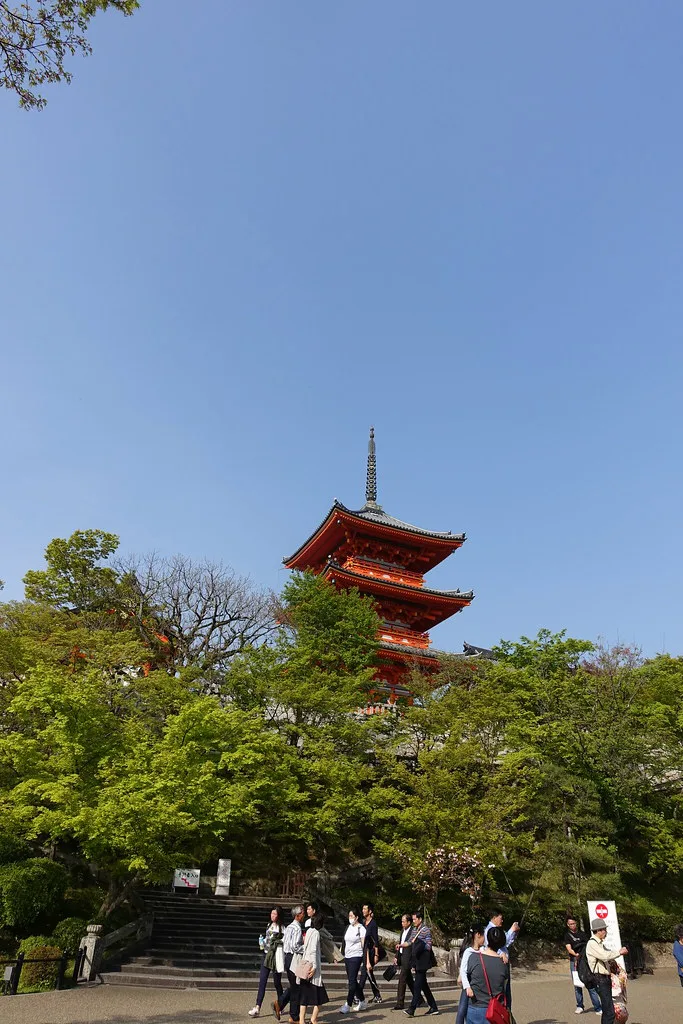
- Afternoon: Drop luggage at your hotel (Kyoto Station coin lockers if you cannot check in yet) and head to the Gion district. Walk the Hanamikoji street from the south end and you will pass the preserved machiya townhouses. Kiyomizu-dera Temple (¥500, 06:00–18:00) is a 15-minute uphill walk from Gion and gives a famous view over the city from its wooden stage.
- Evening: Dinner in Gion. Pontocho Alley, a narrow lane of restaurants running parallel to the Kamo River, is 10 minutes from Gion by foot. The riverside restaurants open their wooden decks (kawayuka) in summer — atmospheric and worth the slightly higher prices.
-
Day 5 — Fushimi Inari, Arashiyama
- Morning (early): Fushimi Inari-taisha is free and open 24 hours. Arrive by 07:30 to walk the lower torii gates with minimal crowds — by 09:30 tour buses arrive. The summit trail (4 km round trip, ~90 minutes) continues above the tourist zone into quiet forest. You do not have to go all the way to the top; most visitors turn around at the first major saddle (Yotsutsuji, about 30–40 minutes up) which already has a wide view over the city.
- Afternoon: Arashiyama — the Bamboo Grove (free, always open) is best seen on a weekday morning, but mid-afternoon is manageable. Tenryu-ji Temple and its garden (¥500, 08:30–17:00) are directly beside the bamboo grove entrance. Rent a bicycle in Arashiyama for ¥1,000–¥1,500 per day to cover the area efficiently.
- Evening: Pontocho or Nishiki Market (Kyoto's indoor food market, closes around 18:00 for most stalls) for dinner supplies or a sit-down meal.
-
Day 6 — Nara Day Trip
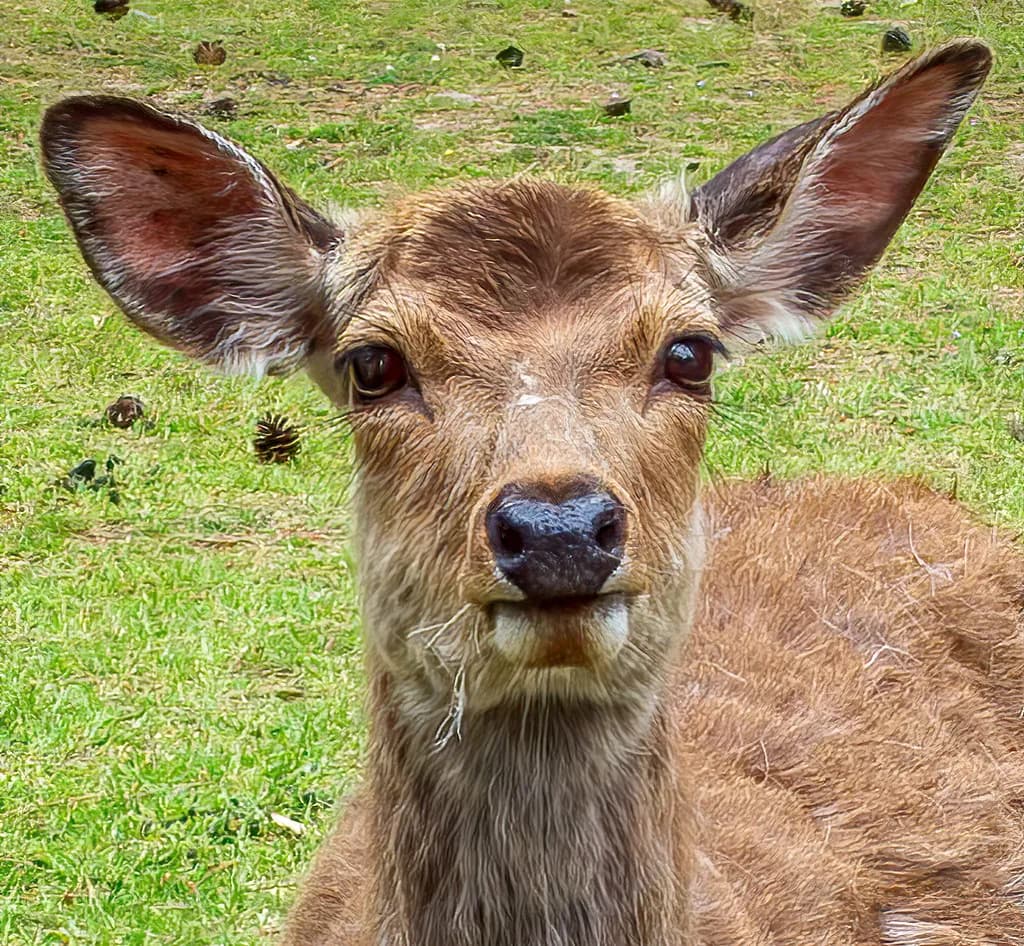
- Morning: Nara is 45 minutes from Kyoto Station by JR Miyakoji Rapid (covered by JR Pass, ¥730 without pass). Nara Park is free to enter. The semi-wild Sika deer roam freely and bow back when you bow at them — this is not a petting zoo but a genuine cultural experience unique to Nara. Deer crackers (shika senbei) cost ¥200 from vendors at the park entrance.
- Afternoon: Todai-ji Temple houses the world's largest bronze Buddha (¥600, 07:30–17:30 Nov–Feb, 07:30–17:30 Mar–Oct). The Nara National Museum is nearby if you want context for the city's history. Return to Kyoto by 17:00 to catch a quiet evening in the city.
- Evening: Try kaiseki-style set-meal dining in Kyoto — many mid-range restaurants around Kawaramachi serve affordable kaiseki from ¥3,000–¥5,000 per person. This is Kyoto's signature cuisine and worth one dedicated meal.
-
Day 7 — Hakone: Ryokan and Onsen
- Morning: Take the JR Tokaido Shinkansen Kodama or Hikari from Kyoto to Odawara (about 1 hour 20 minutes, JR Pass covered). At Odawara, buy the 2-day Hakone Free Pass (¥6,500) and transfer to the Hakone Tozan Railway up into the mountains.
- Afternoon: Hakone Open-Air Museum (¥1,600, 09:00–17:00) is one stop from Chokoku-no-Mori Station — an outdoor sculpture park where you can walk among Henry Moore bronzes with Mt Fuji on clear days in the background. Take the ropeway to Owakudani for volcanic steam vents (check the observatory is open — it closes when volcanic activity is elevated).
- Evening: Check into a ryokan — a traditional Japanese inn with tatami rooms, a multi-course kaiseki dinner, and communal or private onsen baths. This is the single most distinctive accommodation experience in Japan and worth budgeting for. Mid-range ryokans in Hakone typically cost ¥15,000–¥25,000 per person including dinner and breakfast. Book 4–6 weeks ahead for peak seasons.
-
Day 8 — Osaka: Dotonbori and Food Culture
- Morning: After ryokan breakfast, take the Hakone Tozan Railway back to Odawara and the Shinkansen to Shin-Osaka (~1 hour, JR Pass covered). Check into your Osaka hotel near Namba or Shinsaibashi for convenient evening access.
- Afternoon: Osaka Castle (¥600, 09:00–17:00, last entry 16:30) and the surrounding park make for a pleasant 2-hour visit. The museum inside the donjon is surprisingly detailed on the castle's history through the Warring States period.
- Evening: Dotonbori is Osaka's most famous food and entertainment street. Takoyaki (octopus balls, ¥600–¥800 per serving), okonomiyaki (savoury pancakes), and kushikatsu (deep-fried skewers) are the three Osaka street foods to try in one evening. The Glico Running Man illuminated sign is the classic backdrop photo of Osaka. Shinsekai neighbourhood, a 15-minute walk south, has an older Osaka atmosphere and excellent kushikatsu at lower prices than Dotonbori. The Osaka Metro day pass costs ¥800 and covers unlimited rides.
-
Day 9 — Hiroshima and Miyajima: The Early Start Rule
- This day requires an early departure. Leave Osaka (Shin-Osaka Station) no later than 08:00 to arrive in Hiroshima by 09:15. Any later and you will not have enough time to cover both Hiroshima Peace Memorial Park and Miyajima Island properly before the last ferry back.
- Morning: Hiroshima Peace Memorial Park and Museum (¥200, 08:30–18:00 Mar–Nov, 08:30–17:00 Dec–Feb). Allow 90 minutes minimum. The Children's Peace Monument, the A-Bomb Dome, and the museum interior are all within the park. The museum is emotionally heavy — give yourself time to absorb it rather than rushing through.
- Midday: From Hiroshima Station or Peace Memorial Park, take the JR San'yo Line to Miyajimaguchi Station (about 27 minutes, JR Pass covered). The ferry to Miyajima takes 10 minutes and is free with a JR Pass. Itsukushima Shrine (¥300, 06:30–18:00) appears to float on water at high tide — check the tide chart on the day for the best timing, as the Torii Gate is far more dramatic at high tide. Allow 2 hours on the island.
- Evening: Return to Osaka by Shinkansen (about 1.5 hours from Hiroshima, JR Pass covered). Dinner near your hotel in Namba.
Good to knowMiyajima's famous torii gate timing depends on tides. The iconic floating torii gate at Itsukushima Shrine appears to float on water only at high tide. Check the tide chart for your arrival day — high tide is far more photogenic and dramatic. At low tide, the gate sits on exposed mudflats. This timing detail makes or breaks the Miyajima experience, so plan your ferry arrival accordingly.
-
Day 10 — Departure from KIX
- Morning: Final Japanese breakfast — konbini (convenience store) breakfast from Lawson or FamilyMart is a genuinely good send-off: onigiri, a hot drink, and tamagoyaki. Last-minute souvenir shopping: Namba and Shinsaibashi have the best selection of Japanese confectionery, matcha products, and ceramics for gifts.
- Departure: Kansai International Airport is served by the Haruka Express from Shin-Osaka (75 min, ¥2,380) or the Nankai Rapi:t from Namba (38 min, ¥1,450 — slightly cheaper and faster from Namba, but not JR-covered). Allow 3 hours before international departure. The airport has excellent last-minute shopping in the departure hall including a dedicated Japanese whisky and sake area.
Practical Tips for a Smooth Japan Trip
Cash is still essential in Japan in 2026. Many smaller restaurants, temple admission kiosks, vending machines, and traditional accommodation only accept yen. Carry ¥10,000–¥20,000 at all times. The most reliable ATMs for foreign cards are at 7-Eleven, FamilyMart, and Japan Post offices — these explicitly accept Visa, Mastercard, and Maestro. Avoid airport currency exchanges; the rates are 3–5% worse than ATM withdrawals.
Cultural etiquette matters more than most guides suggest. Remove shoes before entering homes, many traditional restaurants, and all ryokans — look for the step (tataki) and shoe rack (getabako) at the entrance as your cue. On trains, keep your phone on silent, avoid calls, and step to the vestibule if you need to speak. Queue neatly on the left side of escalators in Tokyo (right in Osaka — yes, the rule is reversed). Bowing is the standard greeting; a 15-degree nod is sufficient for a tourist.
A few essential Japanese phrases will earn you genuine warmth from locals. "Sumimasen" (sue-mee-mah-sen) means excuse me and works to get a waiter's attention or apologise for bumping into someone. "Arigatou gozaimasu" (ah-ree-gah-toh go-zai-mass) is formal thank you. "Kore wo kudasai" (ko-reh oh koo-dah-sai) means "I'll have this" and works perfectly when pointing at a menu item you cannot read. "Eigo no menu wa arimasu ka?" asks if they have an English menu — more restaurants than you expect do.
Book high-demand attractions well in advance. The Ghibli Museum in Mitaka requires tickets purchased online 1–4 months ahead (lottery system, opens on the 10th of each month for the following month). TeamLab Planets in Tokyo typically books out 4–6 weeks in advance. Popular ryokans in Hakone during autumn or cherry blossom season fill 2–3 months out. Dinner at well-reviewed Kyoto kaiseki restaurants can require reservations 1–2 weeks ahead even outside peak season.
Pack light and pack slip-on shoes. You will remove your shoes at ryokans, some restaurants, and most tatami rooms — laces become a chore you repeat 10 times a day. Luggage forwarding (takuhaibin) is available from major hotels and convenience stores to your next destination, often arriving the next day on major routes. Calculate the Yamato fare for your suitcase from its size, weight and route rather than relying on a broad price range. This is widely used by travellers on the Shinkansen and means you board the train with a day bag rather than a large suitcase.
Budget Breakdown: What a 10 Day Japan Trip Costs in 2026
Japan has a reputation for being expensive, but the actual daily spend depends heavily on accommodation style. The table below gives honest estimates across three travel styles. All figures are per person, in Japanese yen, based on 2026 prices.
- Budget traveller (hostels, konbini meals, city transport only): ¥8,000–¥12,000 per day, roughly ¥80,000–¥120,000 over 10 days excluding flights and the JR Pass.
- Mid-range (3-star hotels, restaurant meals twice daily, one ryokan night): ¥20,000–¥35,000 per day, roughly ¥200,000–¥350,000 over 10 days excluding flights and the JR Pass.
- Comfortable (4-star hotels, full kaiseki meal one night, private onsen ryokan, occasional taxi): ¥45,000–¥70,000 per day, roughly ¥450,000–¥700,000 over 10 days excluding flights and the JR Pass.
The JR Pass (7-day, ¥50,000) and international flights are the biggest fixed costs. Return flights from Europe run €700–€1,400 depending on season; from the US west coast, $700–$1,200. Domestic admissions for this itinerary (temples, museums, Hakone attractions) add up to roughly ¥12,000–¥18,000 in total — not a negligible line item, especially with a group.
Where budget travellers lose money unexpectedly: taxi rides that look short but cost ¥2,000–¥3,000, convenience store snacking across 10 days (easy to spend ¥1,000 a day), and shrine and temple admission stacking up across 10 days. The one splurge that consistently earns its cost is a single ryokan night with dinner included — the experience of kaiseki cuisine, sleeping on a futon, and a private onsen bathtub is unlike anything else in the itinerary.
Frequently Asked Questions
Which 10 day Japan itinerary options fit first-time visitors?
This itinerary is specifically designed for first-time visitors, covering Tokyo, Kyoto, and Osaka. It balances iconic sights with cultural experiences. Many options focus on these major cities for a comprehensive introduction.
How much time should you plan for a 10 day Japan itinerary?
A 10-day itinerary is a good duration for a first trip to Japan, allowing you to see major cities and a few day trips. It provides a balance between sightseeing and travel time. You won't feel too rushed with this schedule.
What are the must-see attractions for a 10 day Japan itinerary?
Must-see attractions include Tokyo's Shibuya Crossing and Senso-ji Temple, Kyoto's Fushimi Inari Shrine and Arashiyama Bamboo Grove, and Osaka's Dotonbori. Hiroshima Peace Memorial Park and Miyajima Island are also highly recommended. These spots offer diverse cultural insights.
What is the best way to stay connected in Japan?
The best ways to stay connected in Japan are using an eSIM, renting a pocket Wi-Fi device, or purchasing a local SIM card. eSIMs offer convenience and easy activation upon arrival. Pocket Wi-Fi is ideal for groups or multiple devices.
A well-planned 10 day Japan itinerary gives you three of the world's most distinct cities, a night in a traditional ryokan, and a day at one of Japan's most moving historical sites — all connected by the smoothest rail network on earth. The key is doing the pre-trip groundwork: activating your JR Pass at the airport, loading your Suica card before you leave arrivals, and reserving Shinkansen seats the same day you activate the pass. Do those three things and the logistics largely look after themselves.
For a longer stay, the 2 Week Japan Itinerary: The Ultimate First-Timer's Guide adds Kanazawa, more time in Kyoto, and a deeper dive into Kyushu. If you are working with less time, the 7 Day Japan Itinerary: Tokyo, Kyoto & More (First-Timer's Guide) tightens the focus to Tokyo and Kyoto. Either way, Japan rewards repeat visits — most travellers leave already planning a return.
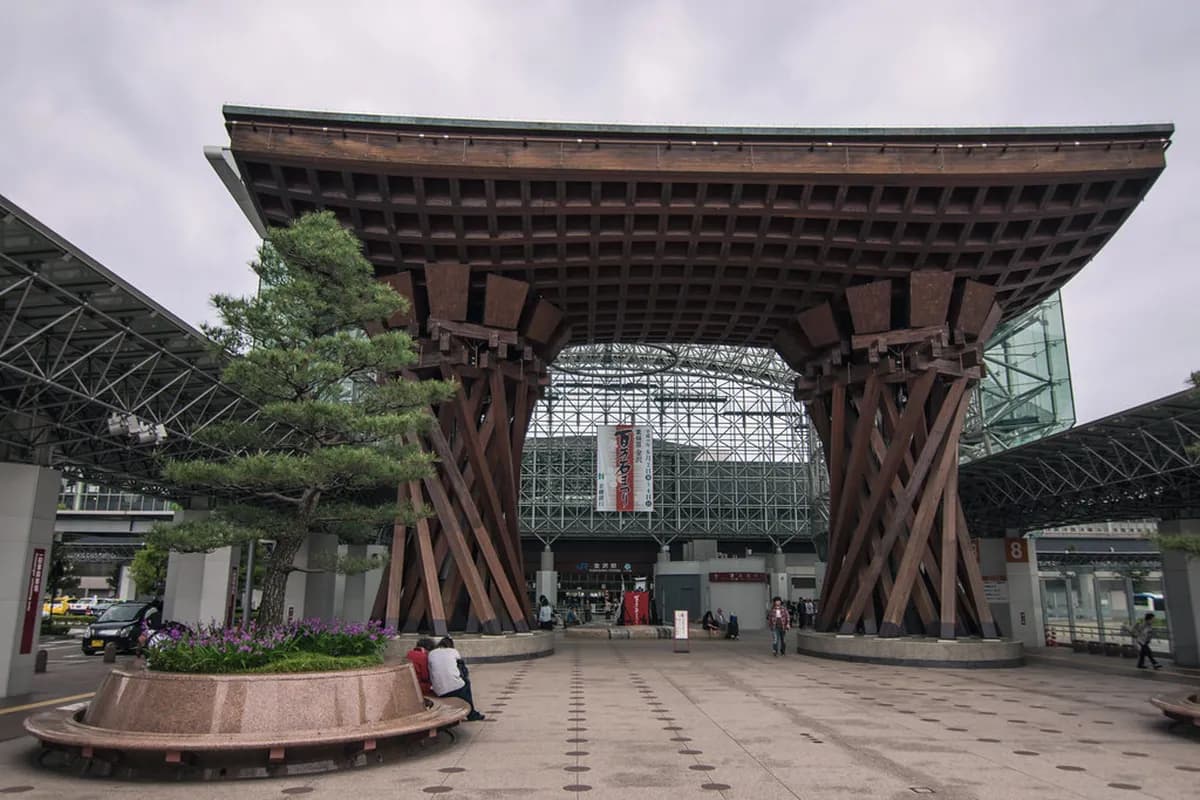
With ten days you can add regional highlights such as Himeji, Okayama, Kurashiki, Koyasan, Hakodate, Sendai and Shirakawa-go.
Free: The Tokyo Essentials guide
Top things to do, where to stay, a perfect day plan, getting around, and the best time to go — a Tokyo mini-guide you can take offline.
You might also like

Continue reading
More guides you'll find useful