
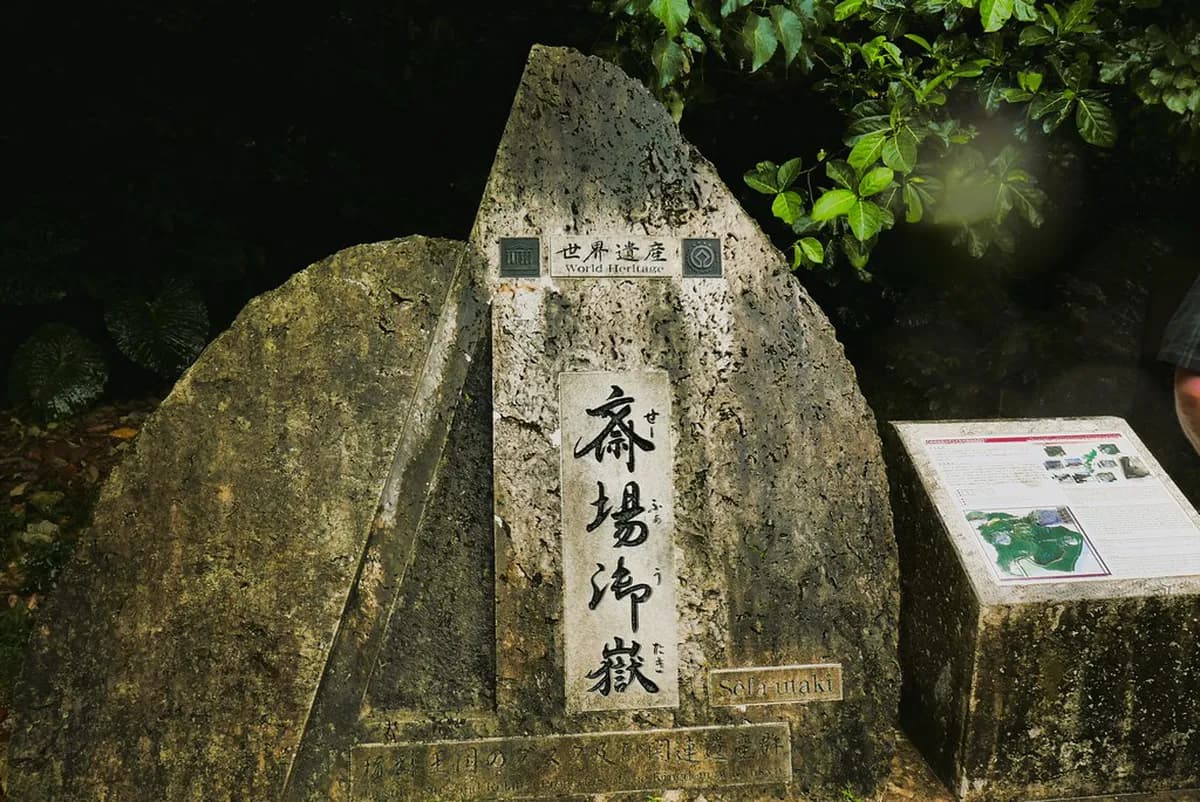
Sefa-Utaki is one of Okinawa's most important sacred places, set in Nanjo City on the Chinen peninsula rather than in Naha. The forested paths, limestone formations, and views toward Kudaka Island give visitors a direct connection to the spiritual world of the former Ryukyu Kingdom.
Recognized as part of a UNESCO World Heritage Site, Sefa-Utaki was once a place for royal ceremonies and high priestess rituals. For a 2026 visit, the best experience comes from treating it as an active cultural landscape, not a quick photo stop. This sefa-utaki visitor guide focuses on access, timing, etiquette, and common planning mistakes.
Expect a compact but meaningful visit: a short uphill approach, several sacred ibi areas, and the famous triangular rock opening at Sangui. Plan enough time to slow down, read the displays, and keep the atmosphere quiet for other visitors.
Introduction to Sefa-Utaki: Okinawa's Sacred World Heritage Site
Sefa-Utaki is not merely a historical landmark; it is a living sanctuary. It served as one of the most important sacred sites of the Ryukyu Kingdom. The site's natural beauty combines with a profound spiritual atmosphere.
Designated as part of the UNESCO-listed Gusuku Sites and Related Properties of the Kingdom of Ryukyu, Sefa-Utaki offers unique insights into Okinawan culture. Visitors can explore ancient pathways and impressive rock formations. These elements reflect centuries of spiritual devotion.
Understanding its significance makes the visitor experience stronger. First-time visitors should begin at the information center, watch the orientation video if available, and then walk the site slowly rather than rushing straight to Sangui. This sefa-utaki visitor guide helps you plan that respectful sequence.
The Historical and Spiritual Significance of Sefa-Utaki
Sefa-Utaki was a central location for the high priestesses, known as Kikoe-Ogimi, of the Ryukyu Kingdom. They performed vital rituals here to pray for the kingdom's prosperity and peace. The site's natural caves and rock formations served as spiritual chambers.
The most sacred area, Sangui, features two massive stalactites and a triangular opening. This opening provides a direct view towards Kudaka Island, known as the 'Island of the Gods'. This alignment underscores the deep spiritual connection to the divine.
Its importance also comes from the wider Ryukyuan belief system: sacred groves, springs, cliffs, and islands were treated as places where the spiritual and human worlds met. Sefa-Utaki is worth including even on a short Okinawa itinerary because it explains a side of the island that beaches and resort areas cannot show.
Planning Your Visit: Essential Information and Tips
A visit to Sefa-Utaki requires some preparation for maximum enjoyment. Wear comfortable shoes suitable for walking on uneven terrain. The paths are well-maintained but can be slippery after rain.
The site is open from 9:00 AM to 5:30 PM, with the last admission at 5:00 PM. Admission costs 300 yen for adults. Children under 6 can enter for free.
For 2026 planning, note that visitor listings can show seasonal hours for Sefa-Utaki, including a longer March-October schedule and a shorter November-February schedule. Treat this as a known hours contradiction, not a reason to guess: check the day-of notice at the Nanjo City Local Products Center or official local updates before driving out.
Start your visit at the Nanjo City Sightseeing Information Center. Here, you can watch a short video about Sefa-Utaki's history and significance. This educational introduction provides valuable context before entering the sacred grounds. Bring water, sun protection, and a light rain jacket, especially during Okinawa's rainy season.
How to Get to Sefa-Utaki: Access and Transportation
Reaching Sefa-Utaki from Naha, Okinawa's capital, is straightforward, but it is not a Naha city attraction. It sits in Nanjo City on southeastern Okinawa, so transport planning matters.
For most independent travelers, a rental car is the simplest option. The drive from central Naha usually takes around 40 minutes in light traffic, but allow extra time around weekends, holidays, and late afternoon returns. Follow Route 331 south toward Nanjo City and park near the Nanjo City Local Products Center before walking to the sacred grounds.
Public transportation offers an economical way to travel. Take bus route 38 from Naha Bus Terminal to Sefa-Utaki-mae. The bus journey typically takes about 60-75 minutes, depending on traffic. From the bus stop, it's a short walk to the Nanjo City Sightseeing Information Center. Check the return schedule before entering the site, because missed buses can add a long wait to a short visit.
What to See and Do at Sefa-Utaki
Upon entering Sefa-Utaki, you will follow a designated walking path through lush forest. The first major point of interest is the Ugangu, a small stone altar. This area was used for purification rituals.
Continue along the path to reach Sangui, the most revered spot. Here, two massive rocks form a triangular passage. Many visitors feel a profound sense of peace in this sacred space.
Look for the site explanations in Japanese and English, the rock shelters used as sacred spaces, and the view line toward Kudaka Island on clear days. The route is not long, but it asks for attention: stones can be slick, some surfaces are uneven, and stopping for photos should never block the narrow path.
Nearby Attractions and Experiences
After visiting Sefa-Utaki, explore other captivating sites in Nanjo City and the Chinen peninsula. Cape Chinen Park is a short drive away and gives broad ocean views toward Kudaka Island. The Nirai Kanai Bridge overlook is another strong add-on if you have a rental car.
Consider visiting Okinawa World, a theme park showcasing Okinawan culture and nature. This attraction features the Gyokusendo Cave and a traditional Ryukyu village. You can experience local crafts and performances there.
For a relaxed coast stop, head to Mibaru Beach or combine the day with southern Okinawa history sites. Travelers building an island-wide route can also compare Sefa-Utaki with Nakagusuku Castle for another UNESCO-linked Ryukyu site, or with Cape Manzamo for a different kind of coastal viewpoint.
Best Time to Visit Sefa-Utaki
The ideal time to visit Sefa-Utaki depends on your preferences for weather and crowd levels. Spring (March to May) and autumn (October to November) offer pleasant temperatures. These seasons provide comfortable conditions for walking the site's paths.
Summer (June to September) can be hot and humid, but the lush greenery is at its peak. Arriving early in the morning helps avoid both heat and crowds. After rain, slow down on the stone sections and avoid sandals with weak grip.
Winter (December to February) brings cooler weather and fewer tourists. This period often gives a more tranquil experience of the sacred site. In any season, avoid arriving near final admission if you also want to watch the orientation video and read the displays.
Accommodation Options Near Sefa-Utaki
Staying near Sefa-Utaki allows for early morning visits and easy access to other Nanjo attractions. Nanjo City offers a range of accommodation choices, from quiet guesthouses to coastal resorts.
For most first-time Okinawa travelers, staying in Naha still works if Sefa-Utaki is part of a rental-car day trip through southern Okinawa. Staying in Nanjo makes more sense when you want a slower coastal itinerary with sunrise views, cafes, beaches, and less city driving.
Budget-conscious travelers can find smaller hotels and guesthouses in the area. These often offer a more local feel and personalized service. During peak seasons, reserve early and confirm parking if you plan to drive.
Guided Tours and Local Experiences
Joining a guided tour can significantly enhance your Sefa-Utaki visit. Expert guides provide deeper insights into the site's history and spiritual significance. They can share stories and facts not always available in guidebooks.
Guided options are especially useful if you do not want to rent a car, if you want English context, or if you are pairing Sefa-Utaki with Cape Chinen, Okinawa World, or southern Okinawa memorial sites. Check whether the tour includes transportation, entrance timing, and enough time at the information center.
Choose guides who emphasize respectful visitation and local traditions. Avoid tours that treat the site only as a photo location or rush visitors through the sacred areas.
Cultural Etiquette and Respectful Visiting
Sefa-Utaki is a deeply sacred place for the Okinawan people, requiring respectful behavior from all visitors. Dress modestly, covering your shoulders and knees. This shows deference to the spiritual nature of the site.
Photography may be restricted around some sacred points or during special observances, so follow posted signs and staff instructions. Keep voices low, do not touch altars or offerings, and stay on the marked paths. Drones, loud filming, and staged behavior are poor fits for this setting.
Common mistakes include treating Sefa-Utaki as a quick Naha stop, arriving too late in the day, wearing slippery shoes, skipping the visitor orientation, and forgetting that religious closure dates can change by lunar calendar. Your respectful conduct helps preserve this important cultural heritage for future generations.
Frequently Asked Questions
Which Sefa-Utaki visitor guide option fits first-time visitors?
First-time visitors should start at the Nanjo City Sightseeing Information Center, use the orientation materials, then walk the sacred grounds at an unhurried pace. A rental car is usually the easiest option from Naha, while a guided tour helps if you want cultural context without managing buses or parking.
How much time should you plan for a Sefa-Utaki visitor guide experience?
Plan for about 1.5 to 2 hours to fully explore Sefa-Utaki. This includes time at the Nanjo City Sightseeing Information Center for the introductory video. It also allows for a leisurely walk through the sacred grounds.
What should travelers avoid when planning a Sefa-Utaki visitor guide trip?
Avoid visiting Sefa-Utaki without comfortable walking shoes, as paths can be uneven. Also, do not disrespect the sacred atmosphere by being loud or leaving trash. Always follow designated routes and instructions from staff.
How to get to Sefa-Utaki from Naha?
From Naha, take bus route 38 from Naha Bus Terminal to Sefa-Utaki-mae. The journey takes about 60-75 minutes. Alternatively, driving takes approximately 40 minutes with parking available nearby.
What is the best time of year to visit Sefa-Utaki?
The best time to visit Sefa-Utaki is during spring (March-May) or autumn (October-November) for mild weather. These seasons offer comfortable conditions and fewer crowds. Summer can be hot, while winter is cooler and quieter.
Is Sefa-Utaki worth including on a short Okinawa itinerary?
Yes, if you want to understand Okinawa beyond beaches and city sightseeing. Sefa-Utaki is compact enough for a half-day southern Okinawa route, but it is most rewarding when paired with Cape Chinen, Okinawa World, or another Ryukyu history stop.
What should I wear when visiting Sefa-Utaki?
Wear comfortable walking shoes suitable for uneven terrain. Dress modestly, ensuring your shoulders and knees are covered. This respectful attire is appropriate for a sacred site.
Are there guided tours available for Sefa-Utaki?
Yes. Guided tours and private driver itineraries often include Sefa-Utaki with other southern Okinawa stops. Choose an option that allows time for the information center and explains the site's sacred role, not just its scenery.
What is the significance of Sefa-Utaki?
Sefa-Utaki was the most sacred worship site of the Ryukyu Kingdom and was associated with high priestess rituals, royal authority, and reverence for Kudaka Island. It remains culturally sensitive, so visitors should move quietly and follow all site rules.
Sefa-Utaki offers a profound journey into Okinawa's spiritual heart. This sacred site connects visitors to the ancient Ryukyu Kingdom's rich history. Your respectful visit helps preserve its unique cultural heritage.
By following this 2026 sefa-utaki visitor guide, you can plan a smoother and more meaningful experience: drive or confirm bus times from Naha, check closure notices, arrive with proper shoes, and give yourself time for the orientation before entering the sacred grounds.
Plan your trip thoughtfully to fully appreciate this UNESCO World Heritage Site. The visit is short in distance but deep in meaning, especially when you understand its relationship to Kudaka Island, the Chinen peninsula, and Okinawa's living spiritual traditions.
To verify current details, consult the Sefa-utaki official site and Sefa-utaki on Wikipedia.
Planning the rest of your trip? See our things to do in Okinawa guide and tips on renting a car in Okinawa, or read about things to do in Okinawa.