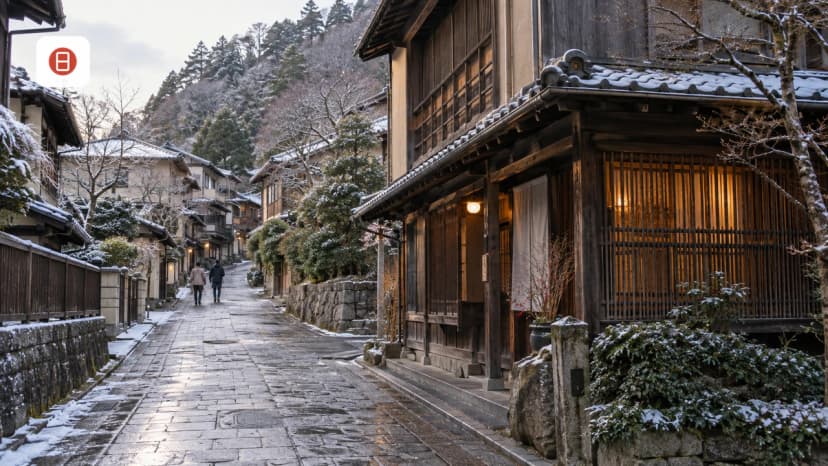
Kobe is a cosmopolitan port city of roughly 1.5 million people, wedged between the sea and the green wall of Mount Rokko in Japan's Kansai region. Its attractions trace the city's history as one of the first ports Japan opened to the world in 1868: a buzzing waterfront of malls, museums and the red lattice Port Tower (Harborland, Meriken Park, Kobe Port Tower); the hillside Kitano Ijinkan district of preserved Western merchant mansions; the lantern-lined Nankin-machi Chinatown; and the storied hot-spring town of Arima Onsen tucked behind the mountains. After dark, the summit of Mount Rokko serves up one of Japan's three great night views — a "ten-million-dollar" carpet of city lights spilling toward Osaka Bay.
This 2026 guide pulls together the 11 Kobe attractions that consistently reward the time and ticket price. Below you'll find them as a quick card grid, then grouped by neighborhood and by category, a free-vs-paid breakdown with current prices, suggested 1-day, 2-day and family itineraries, how to get around, when to visit, and a full FAQ. Each card links to a full visitor guide with verified opening hours, current admission, geo coordinates and the practical tips that rarely make the official site. Bookmark this page as your Kobe planning hub.
Planning a wider trip? See our Japan travel guide, the things to do in Kobe guide, and getting around Japan.
Top 11 attractions in Kobe
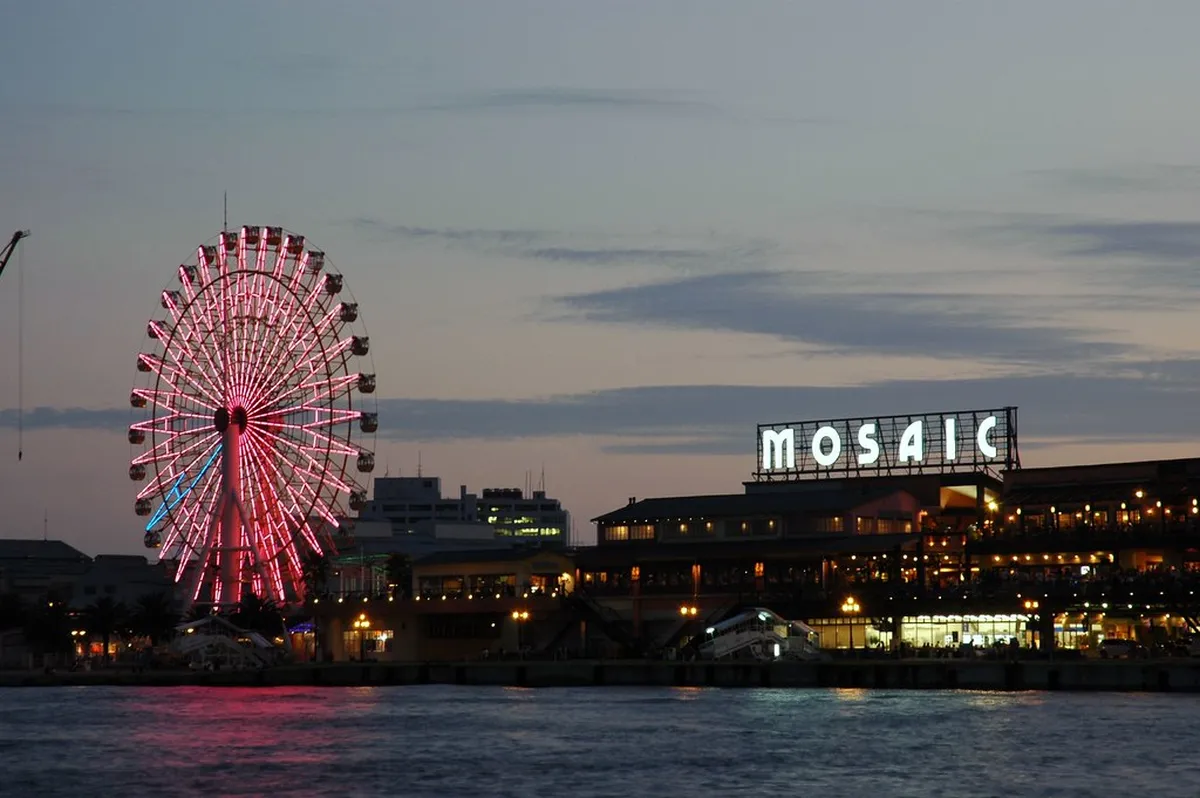
Kobe Harborland
Kobe Harborland is a waterfront shopping and leisure zone anchored by the umie mall (around 230 shops, restaurants, and a cinema), a 5-minute walk from JR Kobe Station. Entry to the district and its malls is free, with paid attractions and dining inside.
Visitor guide →
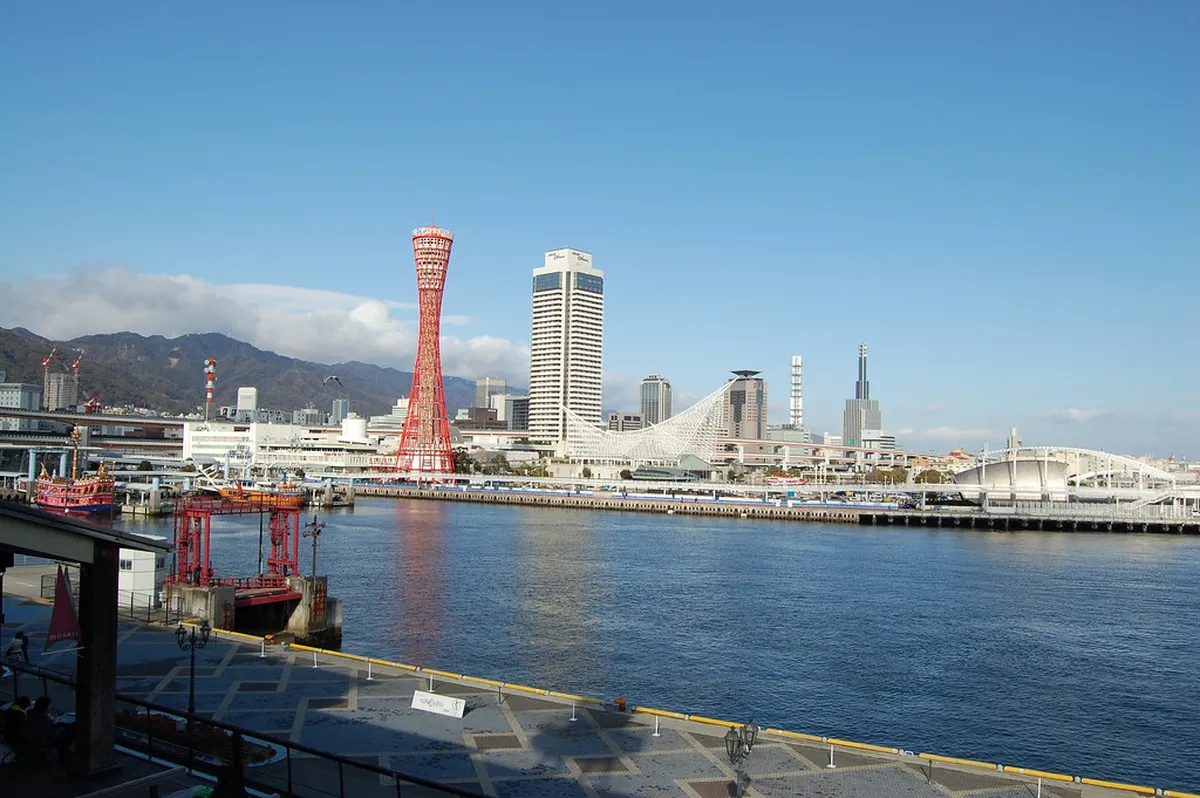
Meriken Park
Meriken Park is a free, open waterfront plaza at the Port of Kobe, home to landmarks such as the Kobe Port Tower, the Kobe Maritime Museum, and the photogenic BE KOBE monument. As a public park it has no entry gate, though individual attractions inside it charge their own admission.
Visitor guide →
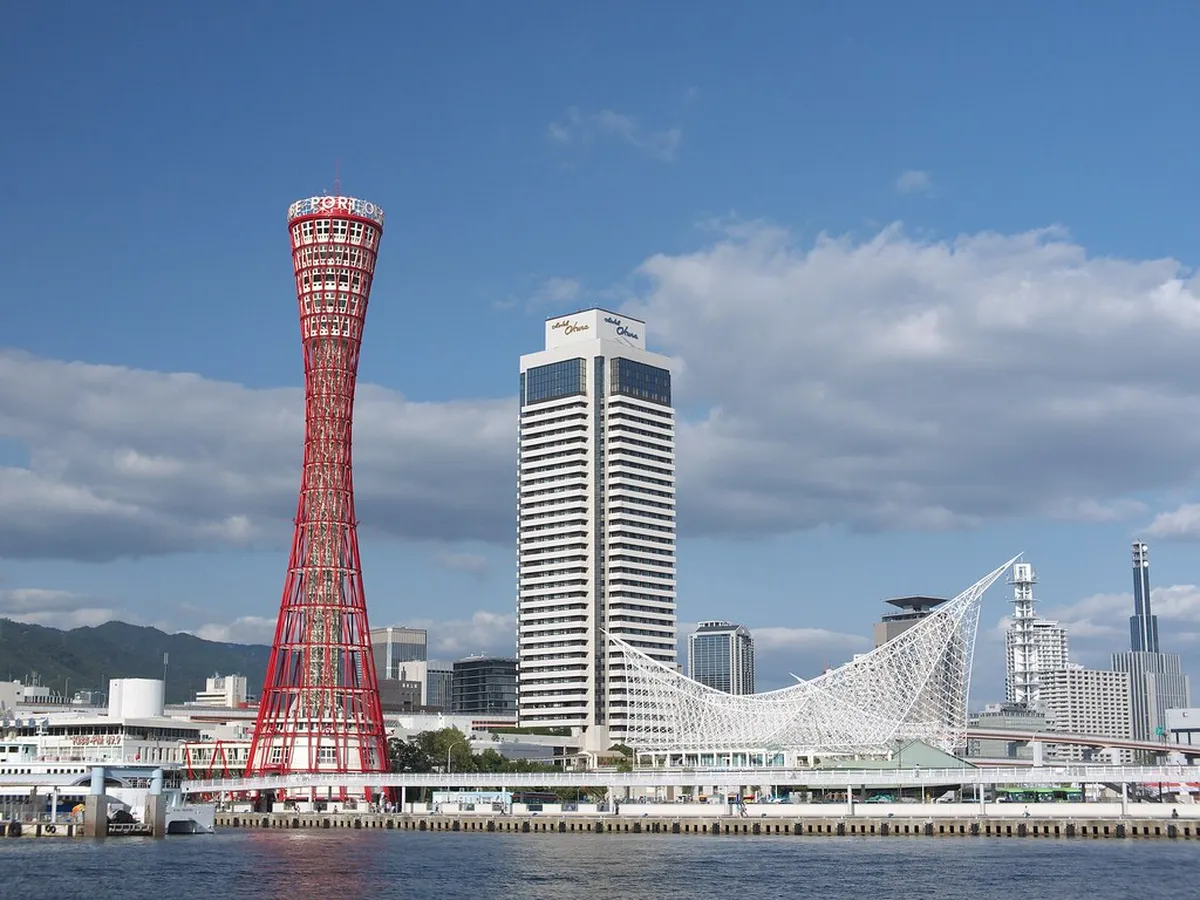
Kobe Port Tower
Kobe Port Tower is an iconic 108-metre red lattice observation tower on Kobe's waterfront, offering 360-degree views over the harbor and city from its observation area and rooftop deck. Opened in 1963, it is one of Kobe's best-known landmarks.
Visitor guide →
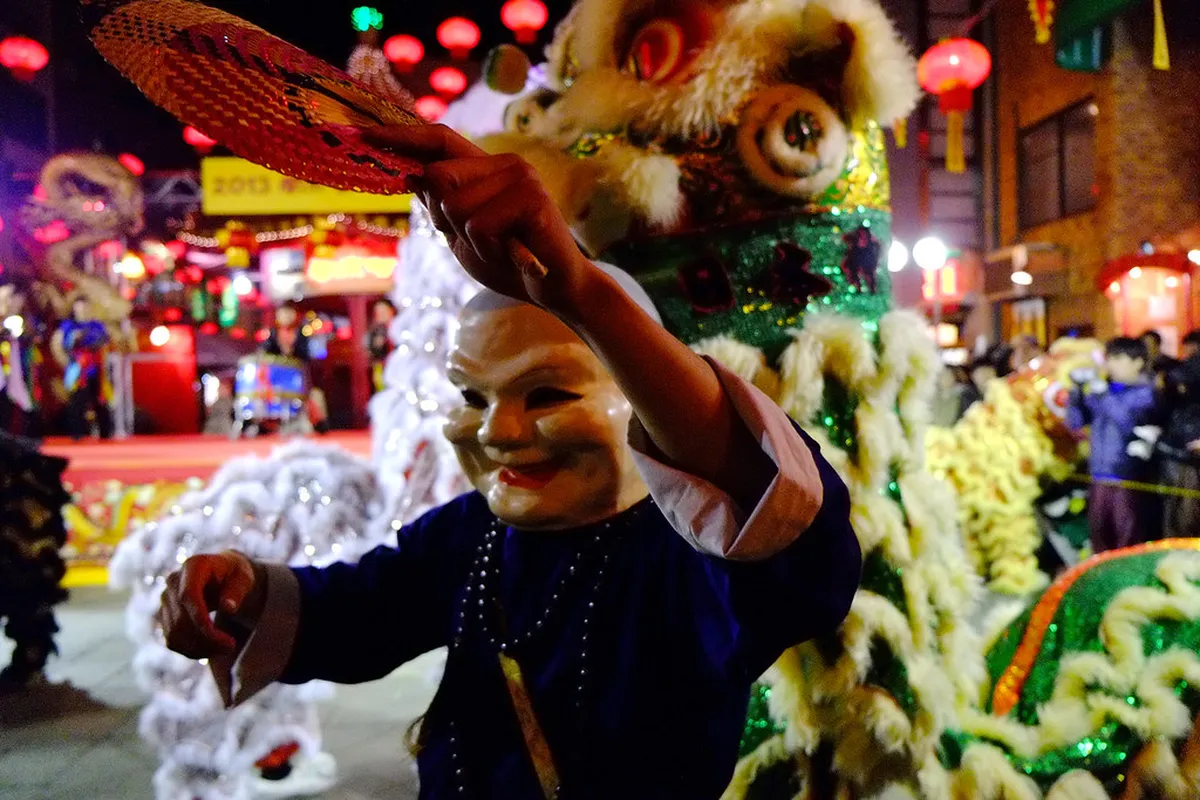
Nankin-machi (Kobe Chinatown)
A compact, lantern-lined Chinatown district in central Kobe centred on a plaza with three ornate gates, free to wander day or night and famous for its street food, dim sum, and lively festival atmosphere.
Visitor guide →
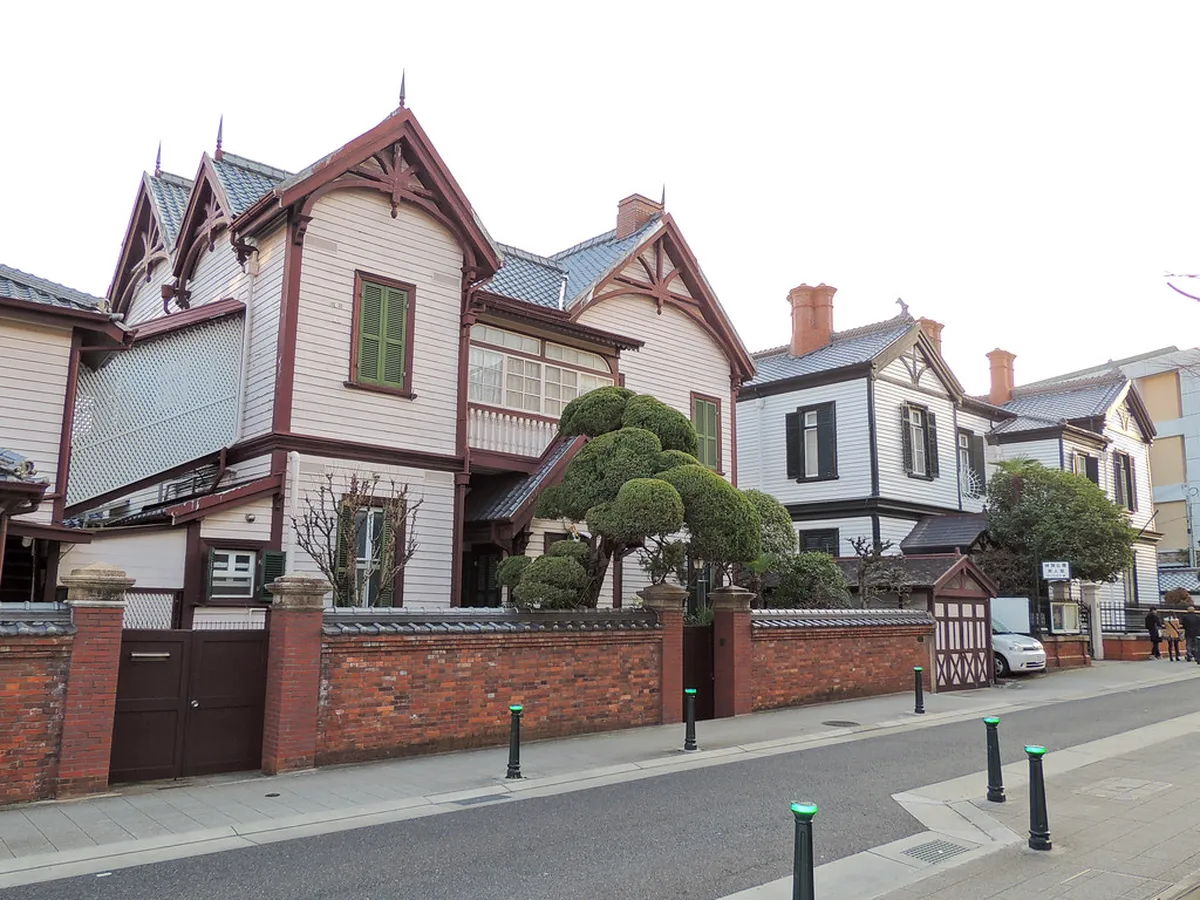
Kitano Ijinkan (Kitano Foreign Settlement Houses)
A hillside neighbourhood of preserved Western-style merchant mansions built after Kobe's port opened in 1868; the streets are free to stroll while many individual ijinkan houses operate as paid museums.
Visitor guide →
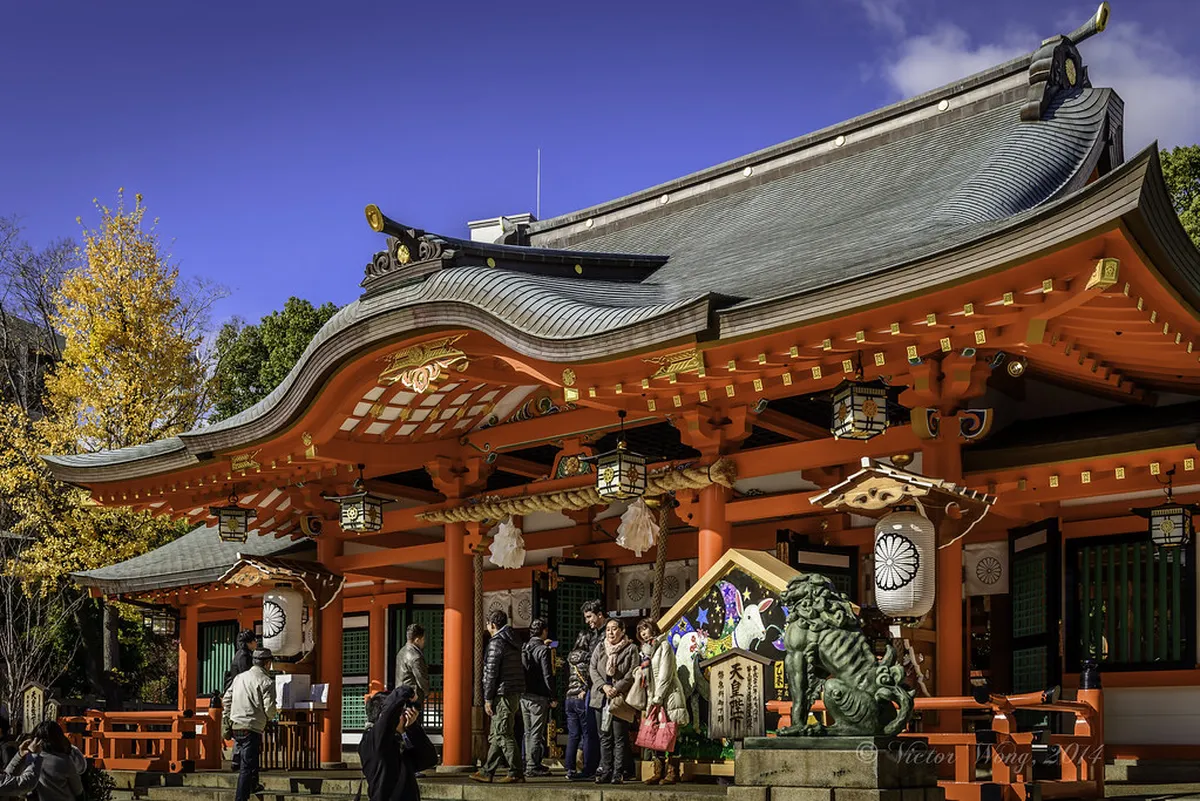
Ikuta Shrine
One of Japan's oldest Shinto shrines, set in a tranquil grove in the heart of Kobe near Sannomiya, popular as a power spot for love and matchmaking and free to enter.
Visitor guide →

Mount Rokko
Mount Rokko rises above Kobe and is freely accessible on foot, but visitors typically reach the summit area by the Rokko Cable Car or cross to Arima Onsen via the Rokko-Arima Ropeway, both of which charge fares. The peak offers sweeping views over Kobe, Osaka Bay and the surrounding region.
Visitor guide →
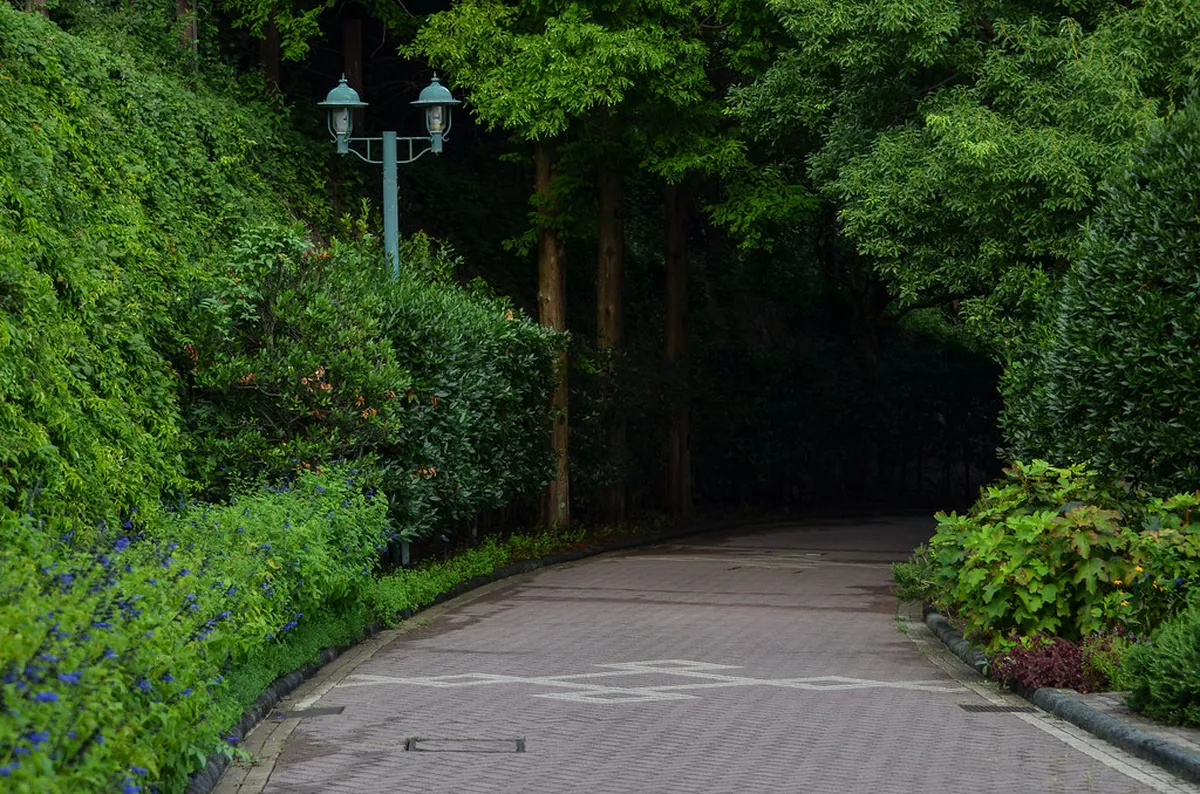
Nunobiki Herb Garden & Ropeway
The Kobe Nunobiki Herb Gardens are Japan's largest herb gardens, terraced down the slope above Kobe and accessed by the Nunobiki Ropeway that climbs from near Shin-Kobe Station. A single combined ticket covers both the ropeway ride and entry to the garden, which offers seasonal flowers, greenhouses, dining and city views.
Visitor guide →
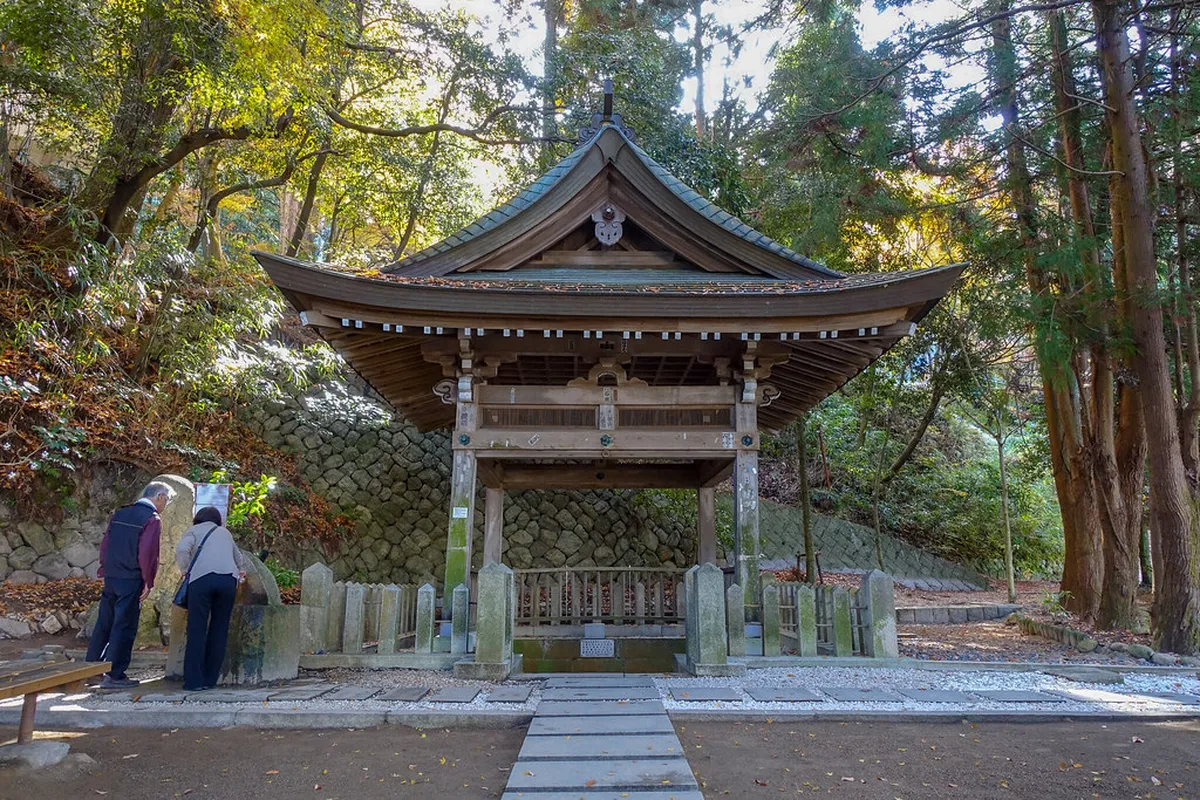
Arima Onsen
Arima Onsen is one of Japan's oldest and most celebrated hot-spring towns, tucked behind Mount Rokko within Kobe's city limits. The town is free to wander, while its public day-use bathhouses Kin-no-Yu and Gin-no-Yu let visitors soak in the signature gold and silver spring waters for a modest admission.
Visitor guide →
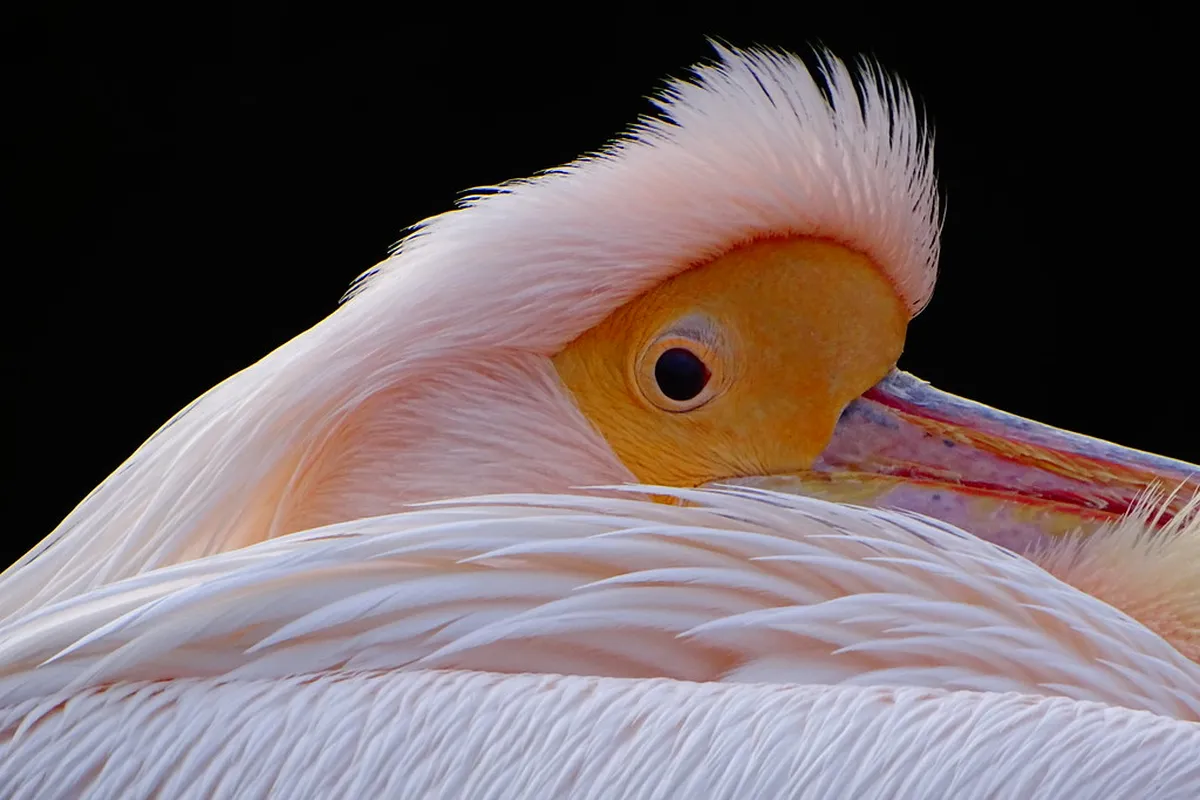
Kobe Animal Kingdom
An immersive indoor-outdoor park where guests walk among free-roaming animals and lush flowers, with daily bird shows and hands-on animal encounters regardless of the weather. Located on Port Island, it charges tiered admission by age.
Visitor guide →
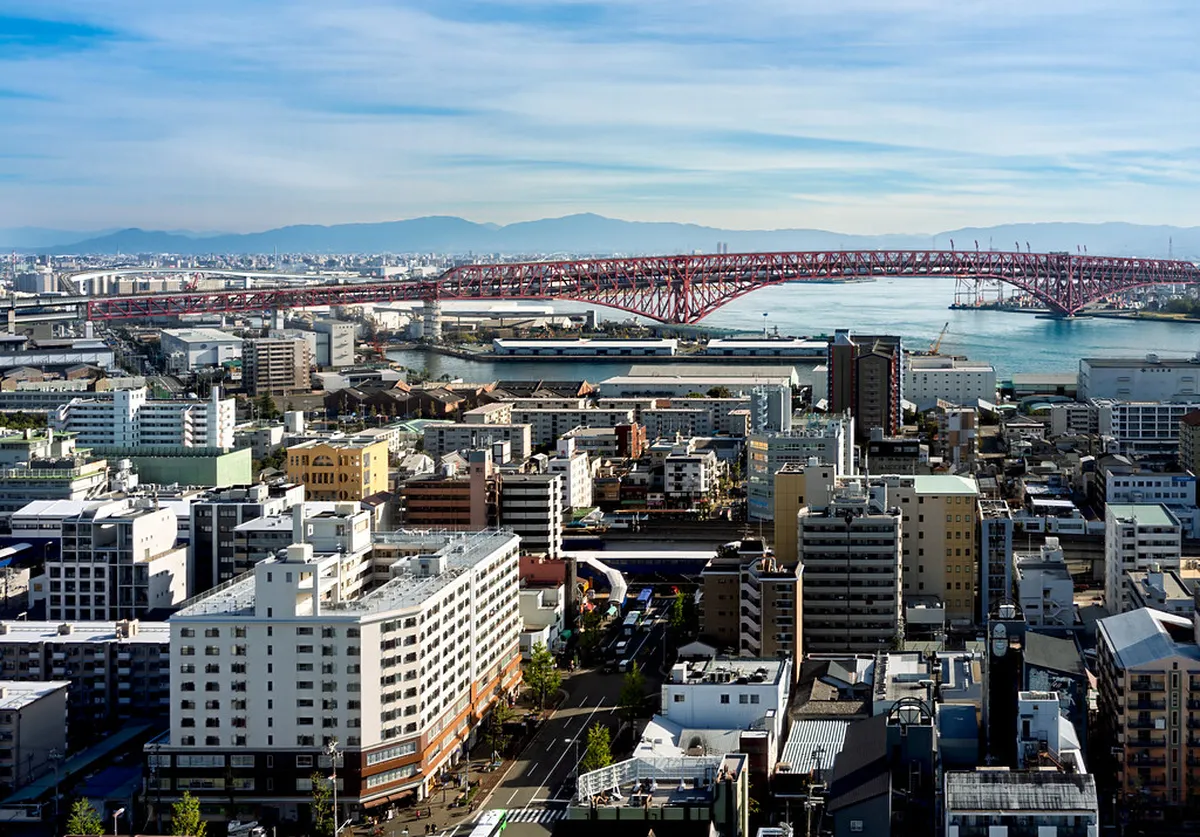
Akashi Kaikyo Bridge
One of the world's longest suspension bridges, nicknamed the Pearl Bridge for its night illumination, the Akashi Kaikyo Bridge can be admired for free from the shore. Paid experiences include the Maiko Marine Promenade, a glass-floored observation walkway 47 metres above the sea, and the Bridge World tour up to the 300-metre main tower.
Visitor guide →
Kobe attractions by neighborhood
Kobe is long and narrow, hemmed between Osaka Bay and Mount Rokko, so its sights fall into a handful of tight clusters. Grouping them by area is the single most useful thing you can do when planning — most travelers waste time crisscrossing the city when a sensible neighborhood-by-neighborhood route keeps walking and transit to a minimum.
Harbor & bay (waterfront)
Kobe's photogenic waterfront sits a short walk south of Sannomiya and JR Kobe Station. Kobe Harborland is the shopping-and-leisure anchor, built around the umie mall and the Mosaic ferris wheel; the adjacent Meriken Park is a free open plaza home to the Kobe Port Tower and the BE KOBE photo monument. You can comfortably stroll all three in a half-day, and they look their best at dusk when the harbor lights come on.
Central Kobe & Sannomiya
The downtown core around Sannomiya and Motomachi packs the city's cultural sights into walking distance. Ikuta Shrine, one of Japan's oldest, sits in a quiet grove minutes from Sannomiya Station; Nankin-machi (Kobe's Chinatown) is a lantern-lit grid of street-food stalls and dim sum a few blocks south; and uphill to the north is Kitano Ijinkan, the hillside district of Western-style merchant mansions from Kobe's port-opening era.
Mountains & beyond
North of the city the terrain climbs fast. The Nunobiki Herb Garden rises directly above Shin-Kobe Station via its ropeway; higher still, Mount Rokko delivers Kobe's famous night view; and over the far side of the ridge lies Arima Onsen, one of Japan's oldest hot-spring towns, reachable by the scenic Rokko-Arima Ropeway or a short bus ride.
Port Island & the west coast
Out on the reclaimed land south of the center, Kobe Animal Kingdom is an all-weather flower-and-animal park reached by the driverless Portliner. Further west along the Akashi Strait, the colossal Akashi Kaikyo Bridge — among the longest suspension bridges on earth — can be admired free from the shore or walked above the sea on the Maiko Marine Promenade.
Kobe attractions by category
If you're traveling around a specific interest rather than a fixed route, here's how the 11 attractions break down by type.
- Waterfront & landmarks: Kobe Harborland, Meriken Park, Kobe Port Tower, and the Akashi Kaikyo Bridge — the icons that define Kobe's skyline and harbor.
- Historic & cultural districts: Kitano Ijinkan, Nankin-machi (Chinatown), and Ikuta Shrine — the city's port-era heritage and oldest shrine.
- Nature & onsen: Mount Rokko, the Nunobiki Herb Garden, and Arima Onsen — mountain views, gardens and historic hot springs.
- Family-friendly: Kobe Animal Kingdom, the ropeway rides up Rokko and Nunobiki, and the open spaces of Harborland and Meriken Park keep kids happy rain or shine.
Free vs paid Kobe attractions
One of Kobe's underrated strengths is how much of it costs nothing. You can fill a satisfying day on the waterfront, in Chinatown and around the shrine without buying a single ticket, then pay only for the experiences that genuinely add something — a tower view, a ropeway, a hot-spring soak.
Free Kobe attractions
- Meriken Park — open public waterfront plaza with the BE KOBE monument (the park itself is free; museums inside charge separately).
- Nankin-machi (Chinatown) — free to wander; you only pay for the street food.
- Ikuta Shrine — no admission to enter the shrine grounds.
- Kobe Harborland — the district and its malls are free to enter; rides and dining are paid.
- Kitano streets — strolling the hillside lanes is free, though entering individual ijinkan houses costs extra.
- Akashi Kaikyo Bridge view — admiring the bridge from the shore costs nothing.
Paid Kobe attractions (2026 prices)
- Kobe Port Tower — around ¥1,000 for the observation deck.
- Nunobiki Herb Garden ropeway — about ¥2,500 round-trip (combined ropeway + garden ticket).
- Kobe Animal Kingdom — roughly ¥2,400 adult admission (tiered by age).
- Mount Rokko cable car — about ¥800 one way to the summit area.
- Arima Onsen public baths — roughly ¥800 for the gold-water Kin-no-Yu and ¥700 for the silver-water Gin-no-Yu.
- Maiko Marine Promenade (at the Akashi Kaikyo Bridge) — about ¥250–300 to walk the glass-floored observation deck above the strait.
Prices are per the latest published 2026 rates and may shift slightly; each linked guide carries the most current figure and any combo-ticket savings.
Suggested Kobe itineraries
Kobe rewards a slow pace, but it's also one of the easiest day trips in Kansai. Here are three ready-made plans depending on how much time you have.
Kobe in 1 day
Start at Ikuta Shrine near Sannomiya, then walk down to Nankin-machi for an early street-food lunch (or save room for a Kobe beef set). Continue to the waterfront — Meriken Park, the Port Tower and Harborland — and finish there as the harbor lights come on. This is the classic Kobe day-trip route.
Kobe in 2 days
Spend day one on the route above. On day two, head up to the Nunobiki Herb Garden and explore Kitano Ijinkan, then ride up Mount Rokko for the famous evening night view — or cross the ropeway to soak away the day at Arima Onsen. Two days lets you slow down and add the mountains and onsen that a single day forces you to skip.
Family day in Kobe
For travelers with kids, build the day around Kobe Animal Kingdom on Port Island (all-weather, hands-on animal encounters), then return to the mainland for the open spaces and ferris wheel at Harborland and Meriken Park. The ropeway ride up Nunobiki Herb Garden is also a reliable kid-pleaser.
Getting around Kobe's attractions
Most of central Kobe is genuinely walkable — Sannomiya, Motomachi, Chinatown and the harbor are all within 15–20 minutes on foot of each other. For the rest, the tourist-friendly City Loop bus connects nearly every sight on this page, looping past Kitano, Sannomiya, Nankin-machi, Meriken Park, the Port Tower and Harborland. A single ride is about ¥300; a 1-day pass (~¥800) pays off after three rides and unlocks discounts at many attractions, while the Port Loop serves the waterfront and Port Island.
Kobe also has two subway lines, the driverless Portliner out to Port Island and Kobe Airport, and three rail companies — JR, Hankyu and Hanshin — running parallel lines east-west through the city. Kobe is only about 30 minutes from Osaka by JR Special Rapid Service and well under an hour from Kyoto, which is why so many visitors do it as a day trip. For full route and pass detail, see our guide to getting around Kobe.
Best time to visit Kobe's attractions
Kobe is a year-round destination, but the experience changes with the season:
- Spring (late March–April): cherry blossoms around Ikuta Shrine, the Kitano hillside and the riverside paths make this the prettiest window.
- Autumn (late October–November): crisp air and fiery foliage on Mount Rokko and in the Arima Onsen valley — arguably the best season for the mountain attractions.
- December (Kobe Luminarie): the city's signature illumination festival, held to honor victims of the 1995 Great Hanshin Earthquake, lights up the downtown for about ten days — a major draw, so book accommodation early.
- Summer: hot and humid, with the rainy season typically running through June into mid-July; the indoor and mountain attractions (Kobe Animal Kingdom, Mount Rokko) are your friends here. Aim to avoid the wettest stretch of June–July if your trip is flexible.
How to save money on Kobe attractions
Kobe is one of the most budget-friendly major cities in Kansai if you plan around the free attractions. Anchor your day on the no-cost sights — the Meriken Park waterfront, Ikuta Shrine, Nankin-machi and the Kitano streets — and reserve your yen for one or two paid highlights. The City Loop 1-day pass (~¥800) bundles transport with attraction discounts, and many sights offer combo tickets (the Nunobiki ropeway-plus-garden ticket is a single fare). For a deep dive on no-cost options and money-saving passes, our blog covers the best things to do in Kobe in detail.
Frequently asked questions about Kobe attractions
How many days do you need in Kobe?
One full day is enough to cover Kobe's highlights — the waterfront, Chinatown, Ikuta Shrine and a Kobe beef lunch — which is why it's a popular day trip from Osaka or Kyoto. With two days you can add Mount Rokko's night view, the Nunobiki Herb Garden and a soak at Arima Onsen at a relaxed pace.
What is Kobe most famous for?
Kobe is best known worldwide for Kobe beef, its historic international port, and the "ten-million-dollar" night view from Mount Rokko. It's also celebrated for the Western-style Kitano Ijinkan mansions, Nankin-machi Chinatown and the nearby Arima Onsen hot springs.
Are Kobe's attractions free?
Many of them are. Meriken Park, Nankin-machi, Ikuta Shrine, the Kobe Harborland district and the Kitano streets cost nothing to enter, and you can admire the Akashi Kaikyo Bridge free from the shore. Paid attractions include the Kobe Port Tower (~¥1,000), the Nunobiki Herb Garden ropeway (~¥2,500 round-trip) and Kobe Animal Kingdom (~¥2,400).
Is Kobe worth visiting as a day trip from Osaka?
Yes. Kobe is only about 30 minutes from Osaka by JR Special Rapid Service, making it one of the easiest and most rewarding day trips in Kansai. A single day comfortably covers the harbor, Chinatown, the shrine and a wagyu lunch — see our Kobe itinerary for a ready-made plan.
What is the number-one attraction in Kobe?
The most iconic single sight is the Kobe Port Tower on the waterfront, but the most celebrated experience is the night view from the Mount Rokko observatory — one of the three great night views in Japan. The waterfront cluster of Harborland, Meriken Park and the Port Tower is where most first-time visitors start.
What is the best way to get around Kobe?
Walk the central core, then use the City Loop tourist bus (~¥300 a ride, or ~¥800 for a 1-day pass) to connect the harbor, Chinatown, Kitano and Nunobiki. The subway, Portliner and the JR/Hankyu/Hanshin rail lines cover everything else, including the 30-minute hop to and from Osaka.
Plan your Kobe trip
Ready to build a full itinerary? Pair this attractions hub with our companion blog guides: the best things to do in Kobe for the wider list of activities, our day-by-day Kobe itinerary for routing, and the essential Kobe beef guide so you don't leave without trying the city's signature dish. Each attraction card above also opens a dedicated visitor guide with verified 2026 prices and opening hours.